Baustein 1 | Facts about Éire (Ireland)
1. Watch the following video about Ireland. Answer the questions during (=während) the video.
Did you learn something new?
Work on the following tasks during "Lernbüro".
Baustein 1 | Facts about Éire (Ireland)
1. Watch the following video about Ireland. Answer the questions during (=während) the video.
Did you learn something new?
2. Fill in the gaps with these words:
United Kingdom - Irish Gaelic - divided –
island – official – Dublin - The Green Isle - 4.7 million – Belfast - only – learn
Ireland is an
6.1 million people live in Ireland.
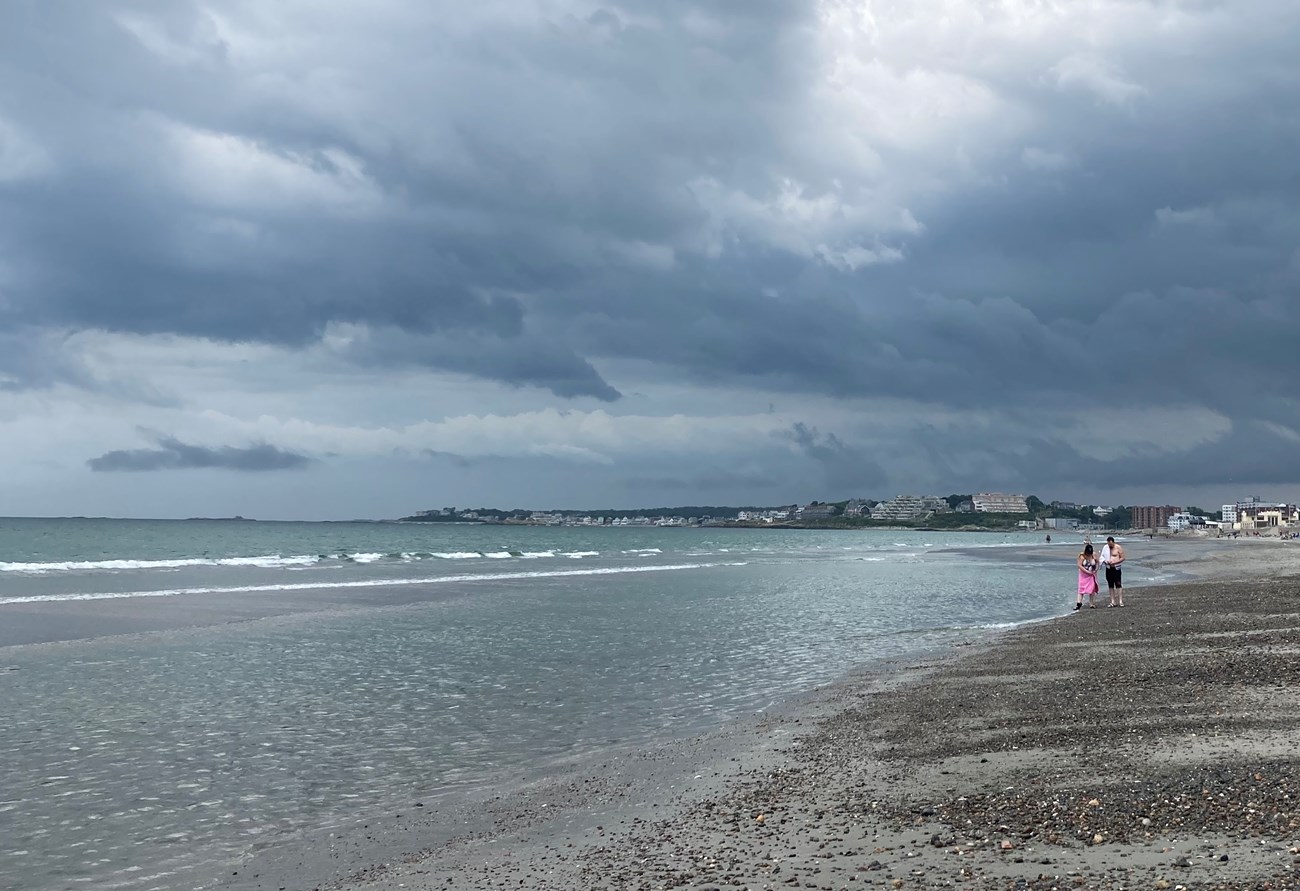
Ireland is famous for its countryside. Therefore people also call it “
English isn't the
Baustein 3 | A brochure: an exchange to Dublin
Do the tasks on the right.
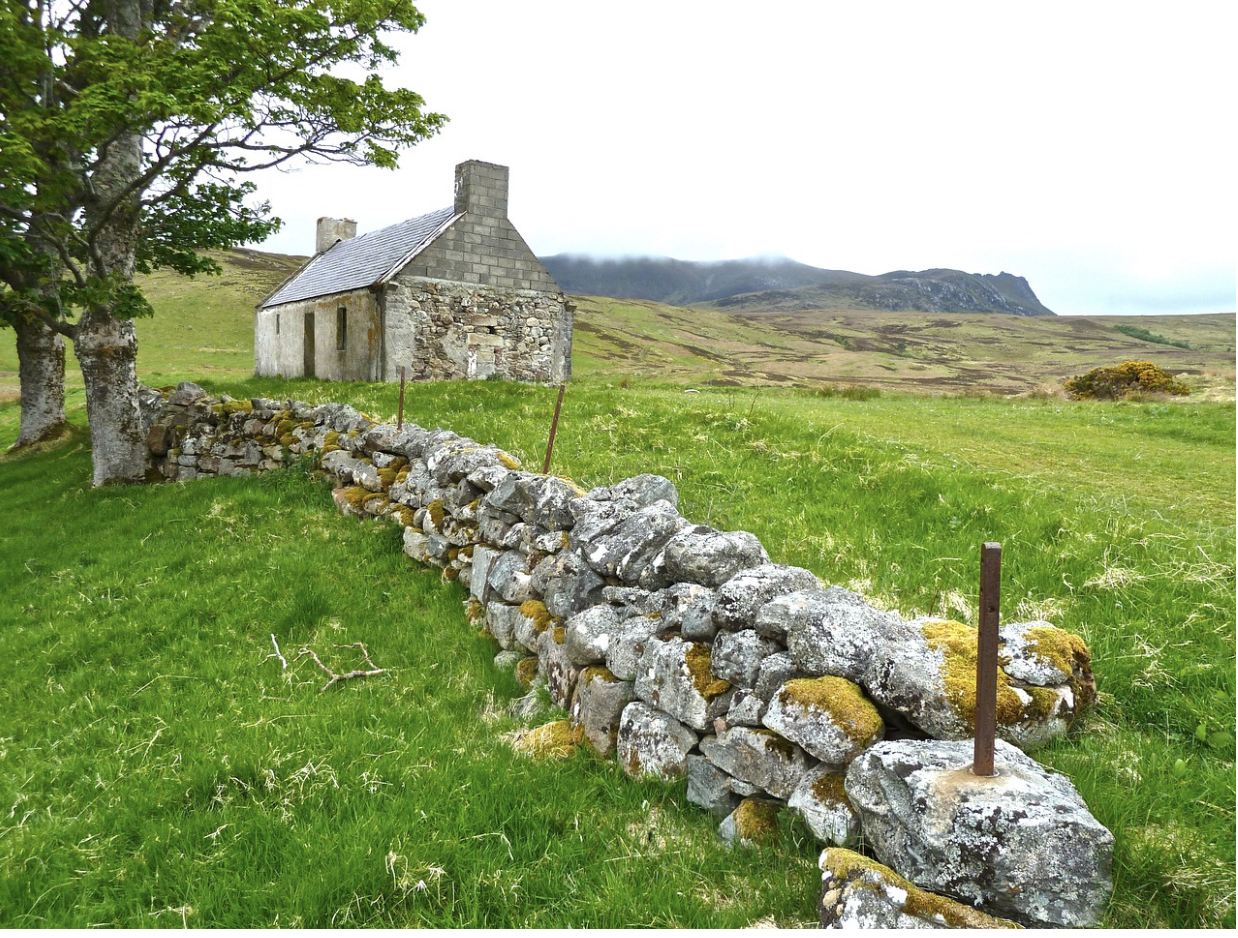

Match the correct word with its explanation or picture.
(Verbinde die englischen Begriffe mit den passenden Bildern und Erklärungen).
| Draggable item | arrow_right_alt | Corresponding Item |
|---|---|---|
student exchange | arrow_right_alt | verbessern |
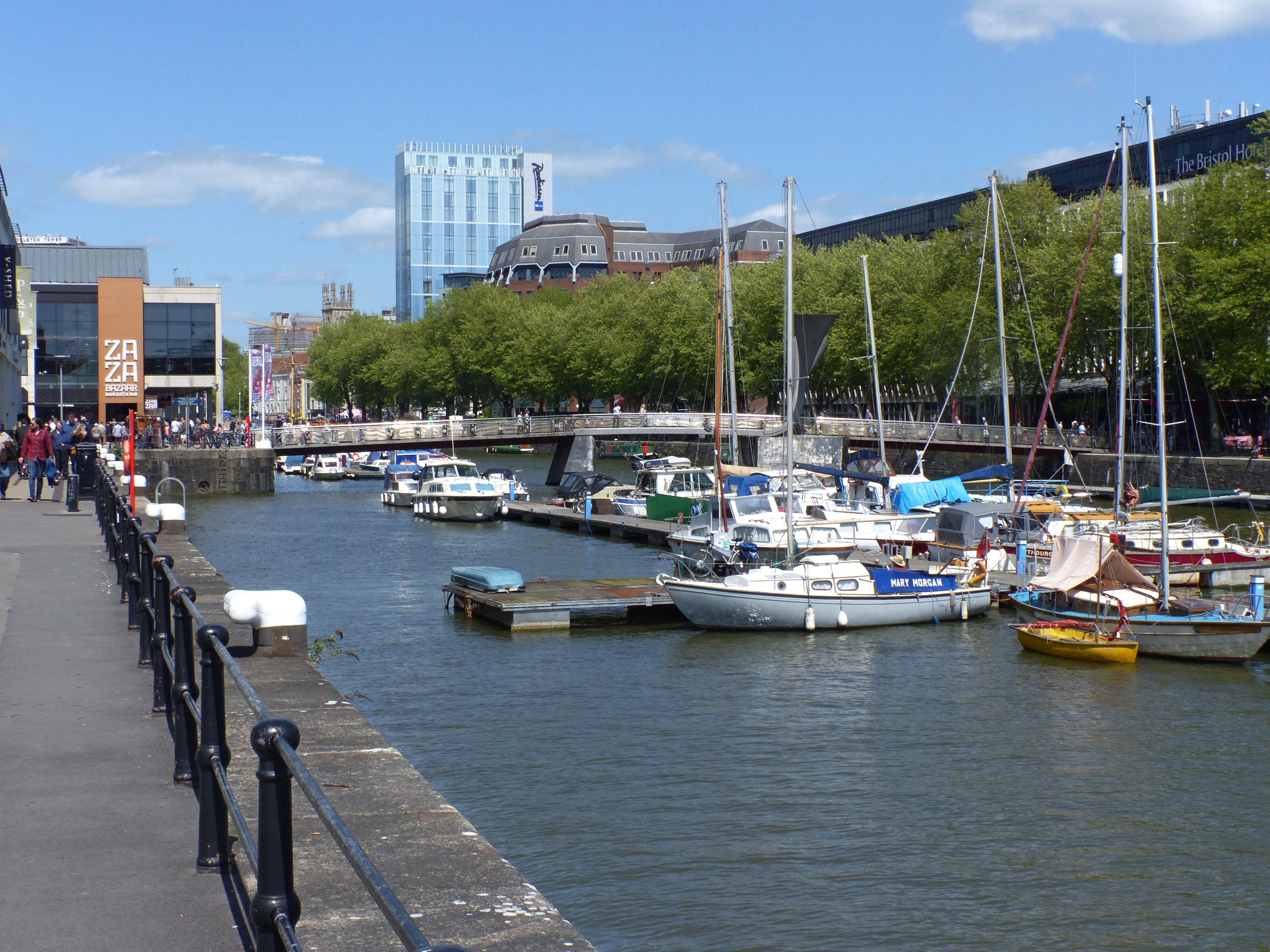
Dublin Bay | arrow_right_alt |
|
capital | arrow_right_alt |
|
harbour | arrow_right_alt | Gastfamilie |
improve | arrow_right_alt | Dublin is the ____________ of Ireland. |
host family | arrow_right_alt |
|
Baustein 4 | An exchange year in Ireland?
Now that you've learned a lot about Ireland (history, landmarks, customs etc.) and about exchange programs, it's time to have a closer look at a girl that decided to live abroad. 🔍️
Do the tasks on the right.
Watch the video and match the correct sentence parts.
| Draggable item | arrow_right_alt | Corresponding Item |
|---|---|---|
After she arrived in Dublin..., | arrow_right_alt | ...excited and nervous to leave for Ireland. |
The buildings at university all look.... | arrow_right_alt | ...she had to open her bags because of liquids which are not allowed in your carry-on baggage. |
On the first day of soft landing camp, the girl... | arrow_right_alt | she went by bus to her dorm room. |
On the second day of soft landing camp, the girl... | arrow_right_alt | very old, historic and beautiful. |
On the third day, the girl... | arrow_right_alt | went on a sightseeing tour. |
The girl in the video is... | arrow_right_alt | played frisbee, visited an animal farm and went on a boat trip. |
At the airport... | arrow_right_alt | met her host family. |
Baustein 5 | A tale form Ireland
Ireland is famous for its stories about magical creatures, fairies, leprechauns...now it's time to listen to one of those infamous stories. 🍀 🧚
1. Watch the video and answer the questions about the story.
Enjoy!
Baustein 6 | A visit to Dublin
Let's learn more about Dublin and what the city has to offer for tourists.🔍️
Do the following tasks.
Read the text about famous Dublin attractions and activities.
Underline important aspects.
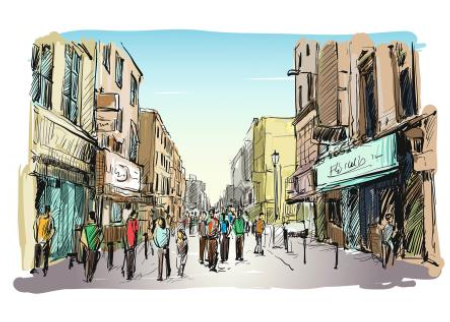
Grafton Street
In 1708, a family named Dawson turned a small country road into a
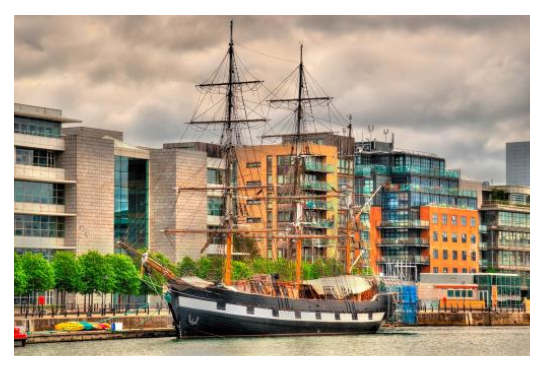
Jeanie Johnston
The Jeanie Johnston is a rebuilt version of an original ship that
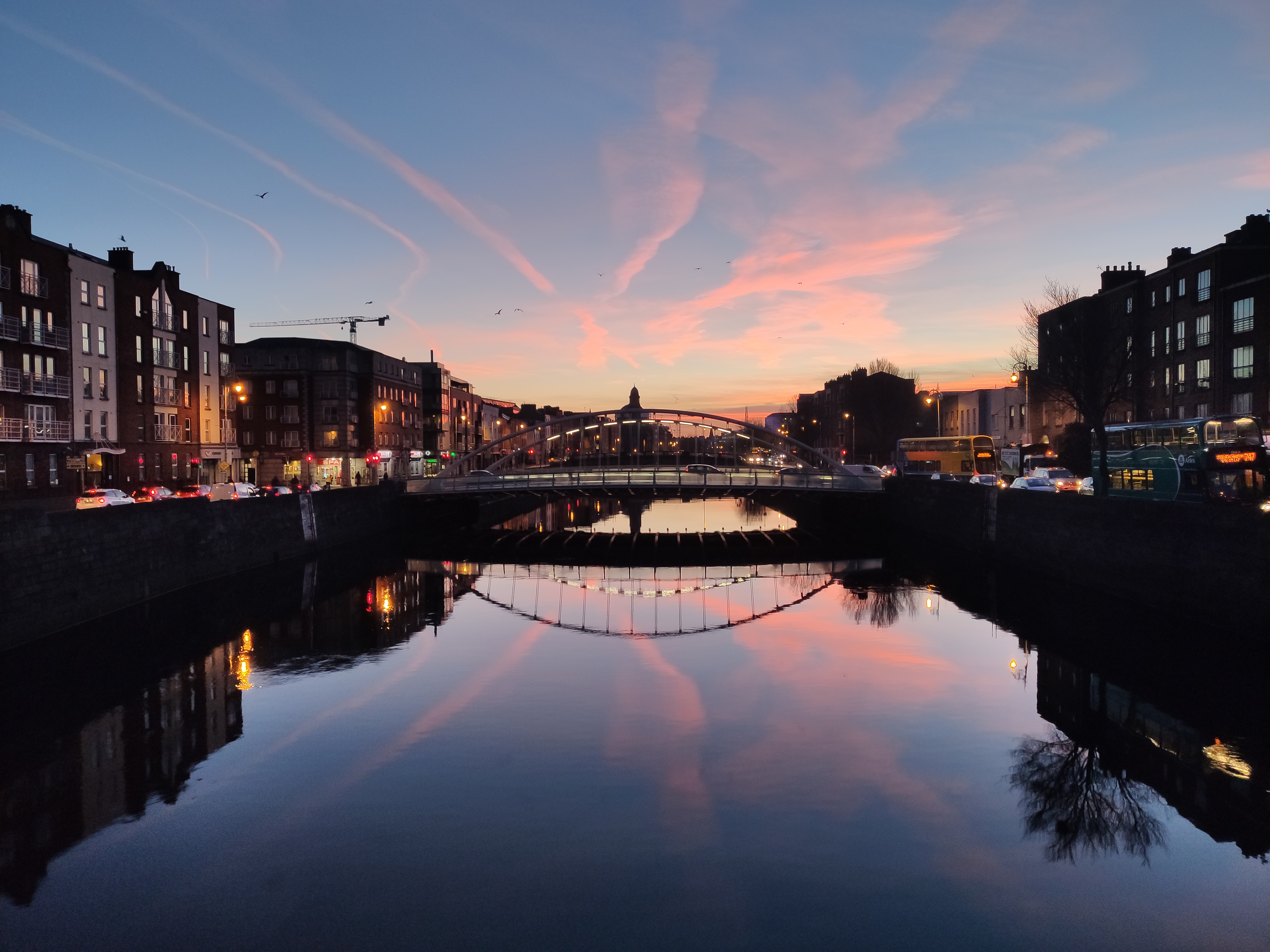
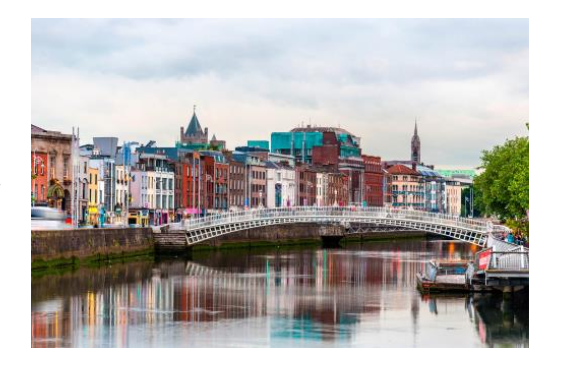
Ha’penny Bridge
There are many bridges that connect the south of Dublin with the part north of the River Liffey. One of them is a popular tourist sight and can be seen on
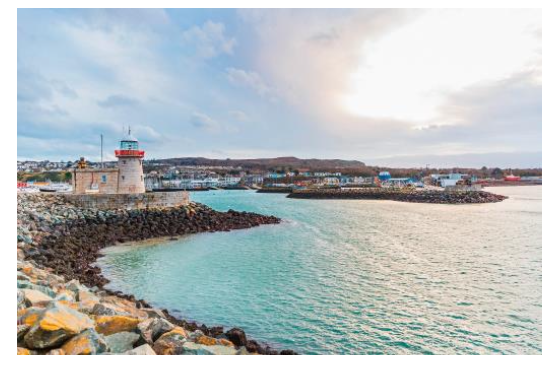
Dublin Bay
The part of the east coast of Ireland that stretches from Howth in the north to Dalkey in the south is called the
Dublin Bay. The
Read the texts about an exchange program to Dublin (Ireland) (Informiere dich über einen möglichen Schüler:innenaustausch nach Dublin (Irland).
Match each part of the text with the correct category (Verbinde passende Textabschnitte und Kategorien miteinander).
Are you 13-16 years old?
Do you want to improve your English?
Do you want to have a good time this summer?
Then come to Ireland for an exchange!
Check out our information on how,
where and when to do an exchange.
You are not sure yet?
Then read our ‘But...?’ section.
Have a fun and exciting time in Ireland!
That way you get to speak a lot of English, learn what it feels like to live in Ireland and make many new
friends. If you want to, you can also go to school with your exchange partner and go on trips with his/her
family. For the time of your stay, you are part of your partner’s family and you learn a lot about life in
his/her country.
After you return to Germany, your partner will come to live with you and your family for about two
weeks. This is your chance to show him/her what it is like to live in Germany and you can help him/her
to learn more German.
A language exchange is possible anywhere in Ireland: in Dublin, in smaller towns, and in the
countryside too.
With 530,000 people living there, Dublin is Ireland’s biggest and most exciting city. There is a lot to do
and see in the capital. Families that take in exchange students can show them the many interesting
places in the city as well as the beautiful harbours and beaches of the Dublin Bay. If you go to Dublin on
an exchange, you will never be bored!
There are short- and long-term language exchanges.
If you are still young and have not yet been away from home for
more than a few days or weeks, a short language exchange is a
good idea. Normally, such an exchange takes place during the
school holidays. If the beginning or end of your school year in
Germany is different than in Ireland, you will probably go to school
with your exchange partner. If the school is asked early enough, this
should not be a problem.
Older children can also take part in an exchange that lasts three
months (a term), six months or a whole school year.
Learning what school is like in Ireland may also be interesting to you. You get to know your exchange partner
really well and you meet his/her friends and teachers. You will also
listen to and speak a lot of English while at school!
If the exchange is well organized, the chance that your host family is
not nice should be really small. Nevertheless, if you don’t like them,
you don’t have to stay with them! Give yourself some time to get to
know your family. If you have been there for several days and don’t
want to stay any longer, talk to your school and parents. You will
probably be able to stay with another family. And if you don’t want to
stay in Ireland at all, you can always go home. Don’t feel bad if you
don’t get along with your host family! It doesn’t happen very often but it
can happen to everyone.
These long-term stays
are more difficult to organize than short exchanges and they may
not always be easy on you, your family and the family of your
exchange partner. You might miss home.
Einleitung zum möglichen Schüler:innen-Austausch nach Dublin (introduction)
Possible advantages of staying abroad (Vorteile im Ausland zu leben)
Duration of your stay (Länge des Aufenthalts)
Possible disadvantages of staying abroad (Nachteile im Ausland zu leben)