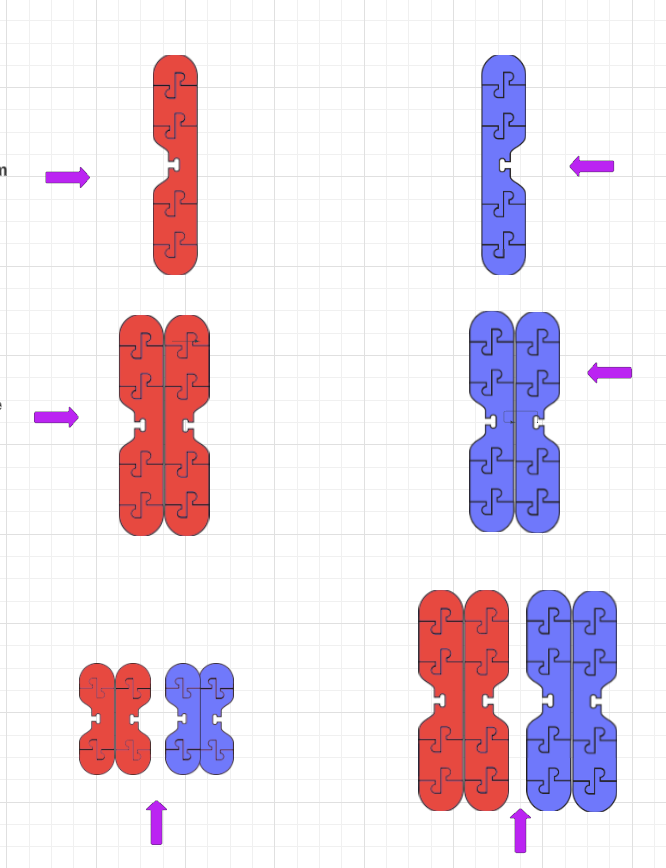
Mmuae Afoforo a Wobɛpaw:
doubled mom chromosome
doubled dad chromosome
"big" doubled homologous chromosome
mom chromosome
dad chromosome
"small" doubled homologous chromosome
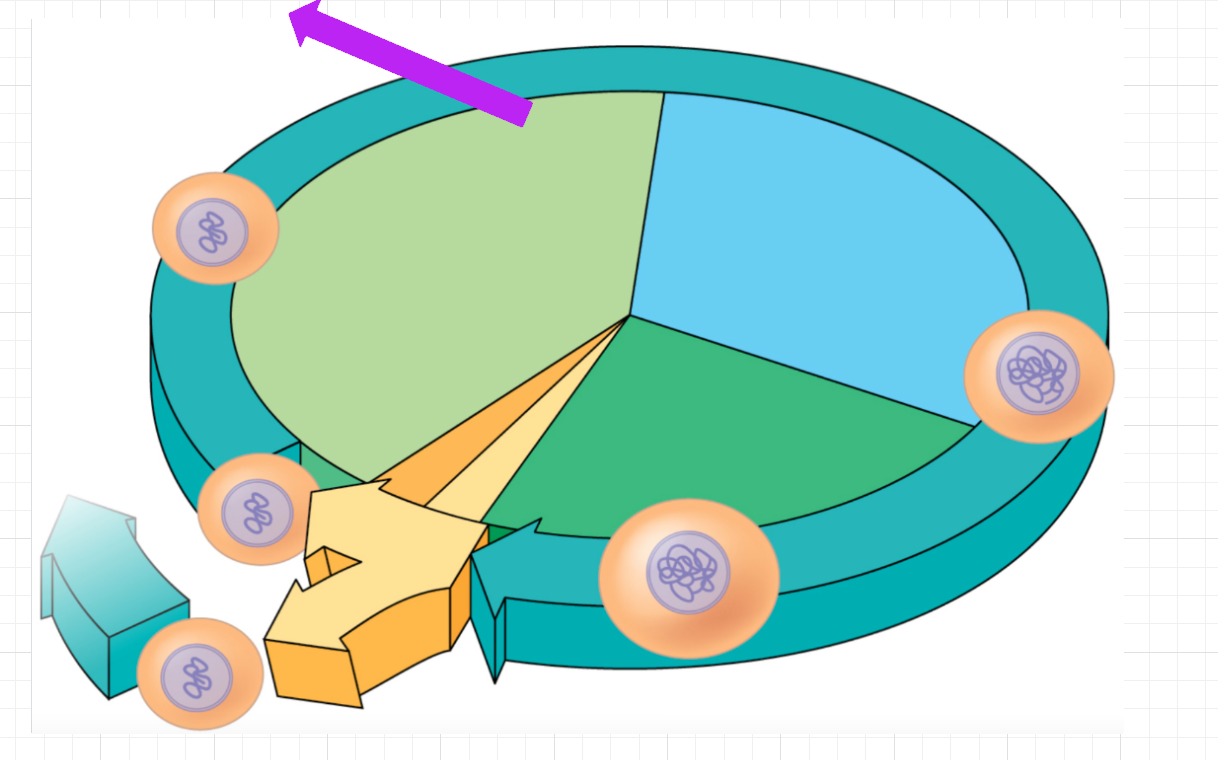
Identify the 4 checkpoints of the cell cycle
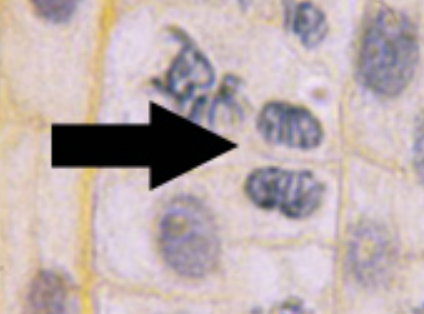
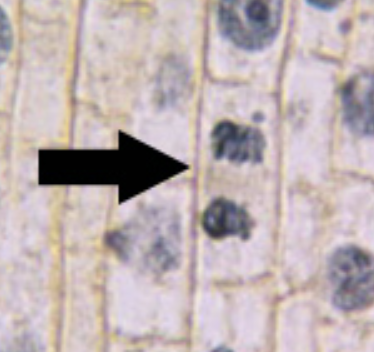
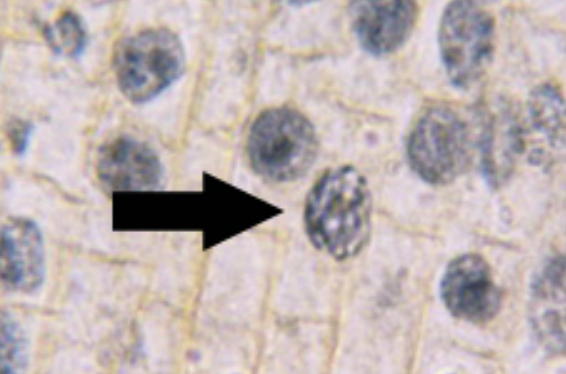
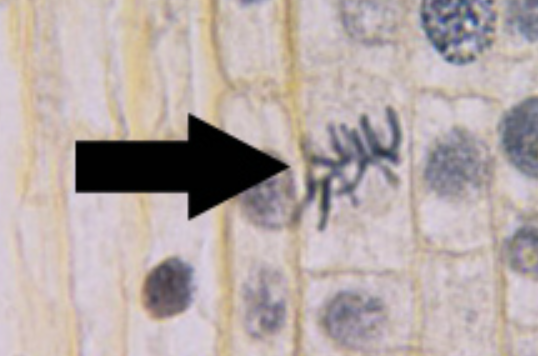
What stage of mitosis is this cell in?
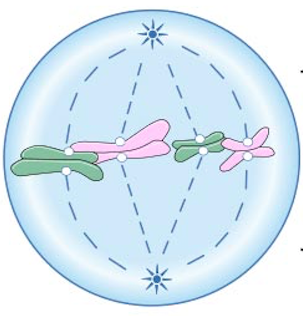
What stage of mitosis is this cell in?
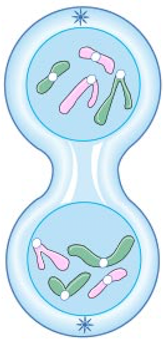
What other event that is part of cell division (not mitosis) is seen in this image?
What stage of the cell cycle COULD this cell be in?
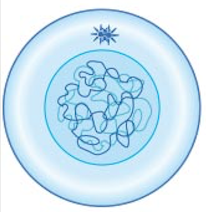
Why do you know this cell is NOT in M phase (mitosis/cytokinesis)?
What stage of mitosis is this cell in?
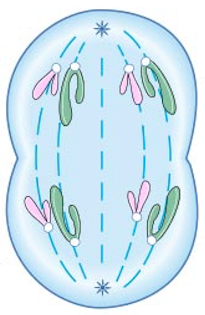
What stage of mitosis is this cell in?
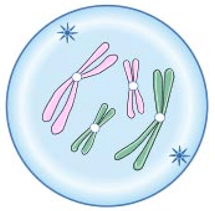
Put these images in order from first to last
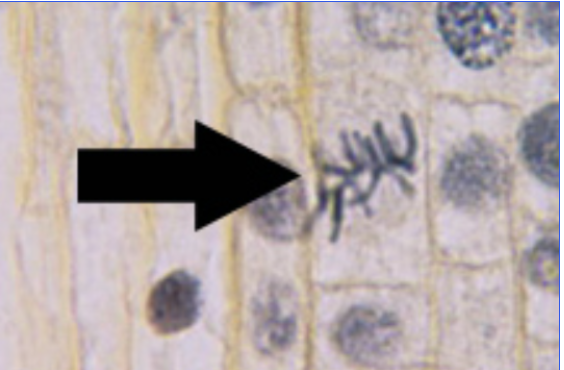
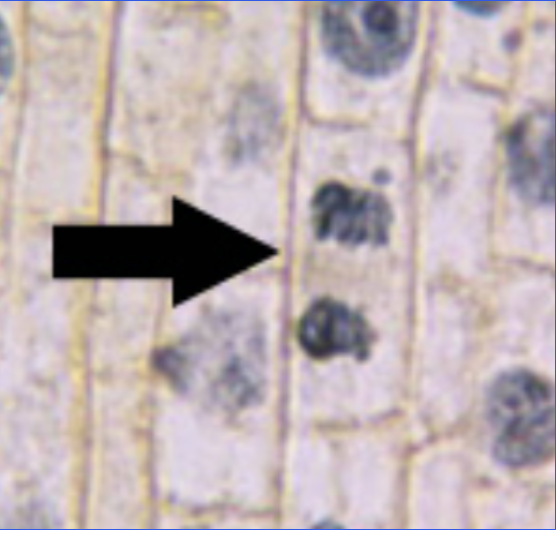
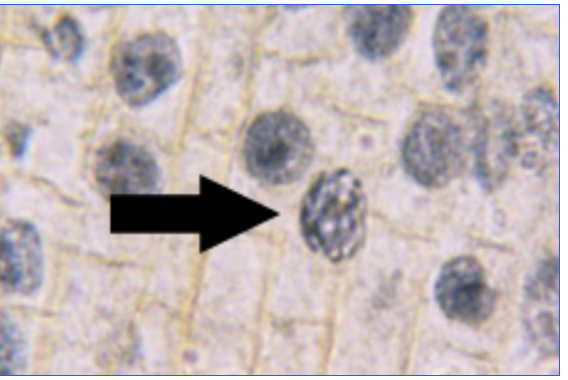
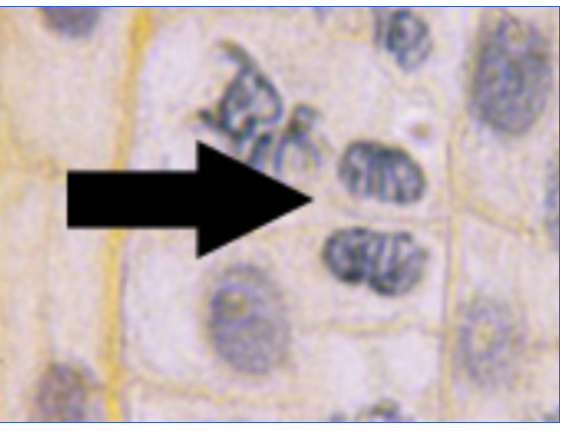
Match the description of the stage of mitosis with the picture of the stage
| Draggable item | arrow_right_alt | Corresponding Item |
|---|---|---|
plant cell - metaphase - chromosomes line up at center line. | arrow_right_alt |
|
plant cell - prophase - begin to see chromosomes coiling up from chromatin | arrow_right_alt |
|
plant cell - telophase & cytokinesis - chromosomes reach opposite ends of cell & begin to go back to chromatin. Cell wall begins to form between 2 daughter cells | arrow_right_alt |
|
plant cell - anaphase - chromosomes pulled apart to opposite poles of cell | arrow_right_alt |
|
What is the final outcome of the M phase?
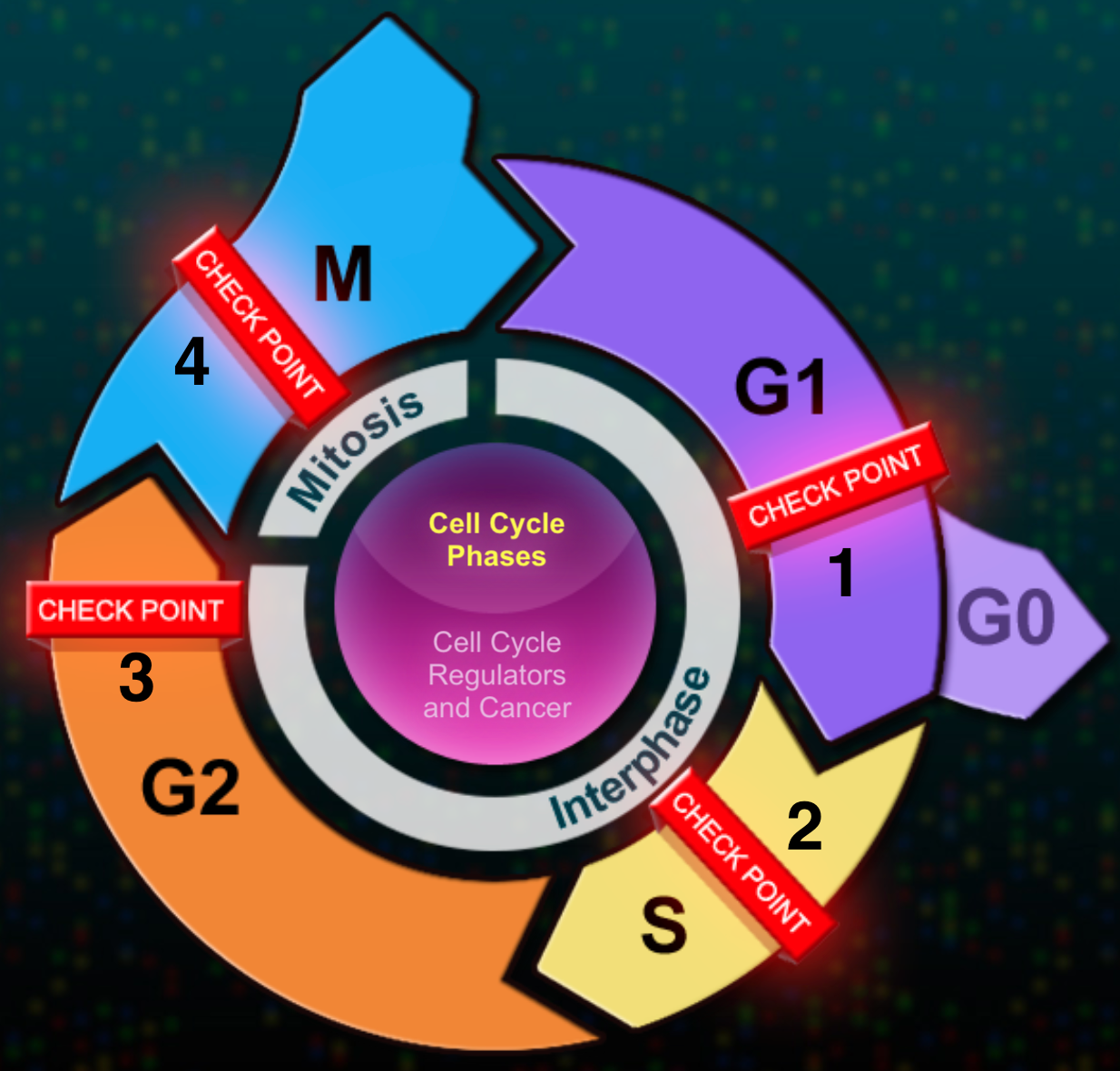
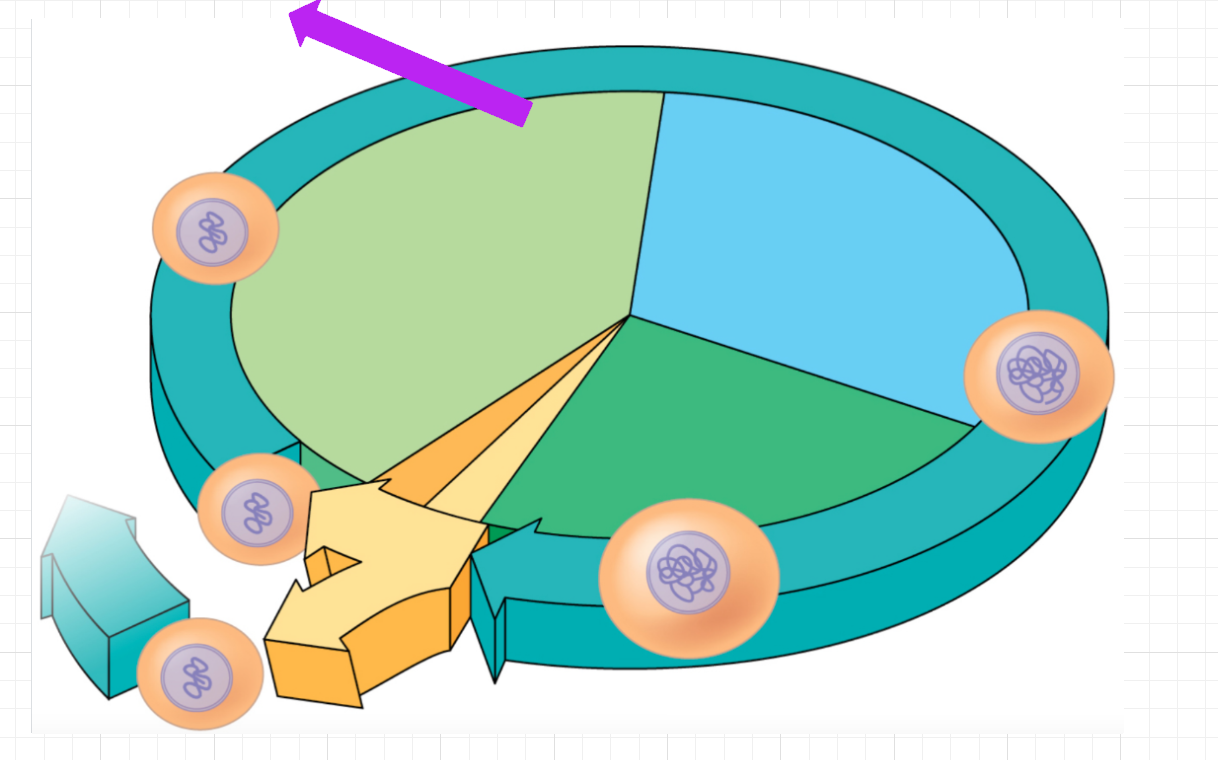
What is the role of the 4 checkpoints in the cell cycle?
Match the superpower with the definition
| Draggable item | arrow_right_alt | Corresponding Item |
|---|---|---|
PROMOTING MUTATIONS | arrow_right_alt | Superpower of Cancer - cancer cells break free from original tumor and travel through the body to create new tumors in different areas of the body |
INVADING TISSUES | arrow_right_alt | Superpower of Cancer - that allows cells to divide more quickly than normal cells |
PROCESSING NUTRIENTS | arrow_right_alt | Superpower of Cancer - where cell is able to keep the tips of its chromosomes (telomeres) LONG so that cell can continue to divide FOREVER |
AVOIDING DETECTION | arrow_right_alt | Superpower of Cancer - where because cells have acquired some mutations become unstable which then lead to even more mutations (and more superpowers) |
EVADING DEATH | arrow_right_alt | Superpower of Cancer - where cells are able to create and send signals for blood vessels to grow into the tumor so tumor can continue to grow |
BECOMING IMMORTAL | arrow_right_alt | Superpower of Cancer - Cancer cells must avoid detection by the B cells and T cells of the immune system. These cells destroy emerging pre-cancerous cells are normally eliminated by the immune response. |
GROWING UNCONTROLLABLY | arrow_right_alt | SUPERPOWER OF CANCER - Cancers cells do not undergo apoptosis (commit PROGRAMMED CELL DEATH) EVEN when they are damaged. |
What is the job of a "normal" proto-oncogene (not the mutated oncogene)?
What is the job of a "normal" tumor suppressor gene (not a mutated tumor suppressor gene)?
Which description(s) of how mutations in genes cause cancer is/are correct?
Unfortunately most risk factors for cancer are not in an individual's control therefore there is not much any one person can do to lower their risk for cancer
Explain how cancer cells "get" superpowers?
Explain what happened in our Cancer Cell Survival Challenge... What happened to MOST or ALL of the cancer cells? WHY?
Explain what happened in our Cancer Cell Survival Challenge... What DID allow (or would have allowed) one or more cancer cells to survive? WHY?
If a cancer cell acquired several "superpowers" from mutations that created oncogenes and mutations that "broke" tumor suppressor genes, what could happen to the 4 checkpoints of the cell cycle? Explain.
Match the cancer treatment with its description (use the links as needed to help)
| Draggable item | arrow_right_alt | Corresponding Item |
|---|---|---|
| arrow_right_alt | A testing method that helps doctors analyze your cancer and choose the most effective treatment plan based on specific features of your cancer cells. | |
| arrow_right_alt | This type of treatment works by using powerful medicines to kill fast-growing cells in the body, including cancer cells. | |
| arrow_right_alt | This treatment works by stopping or slowing down cancers that depend on certain hormones to grow, particularly in breast and prostate cancers. | |
| arrow_right_alt | This treatment uses your body's own natural defenses to help fight cancer cells. It works by boosting your immune system's ability to attack cancer. | |
| arrow_right_alt | This treatment uses special drugs that become activated when exposed to light, destroying cancer cells and other abnormal cells in the body. | |
| arrow_right_alt | This type of therapy uses high-energy waves or particles to destroy or damage cancer cells, making tumors smaller. | |
| arrow_right_alt | This procedure involves removing blood-forming stem cells, storing them, and returning them to the body after high-dose cancer treatments have been completed. | |
| arrow_right_alt | Procedure where a surgeon identifies and cuts out/removes a tumor(s) from the patient's body | |
| arrow_right_alt | This treatment specifically blocks cancer growth by targeting particular changes in cancer cells that help them grow and spread. |
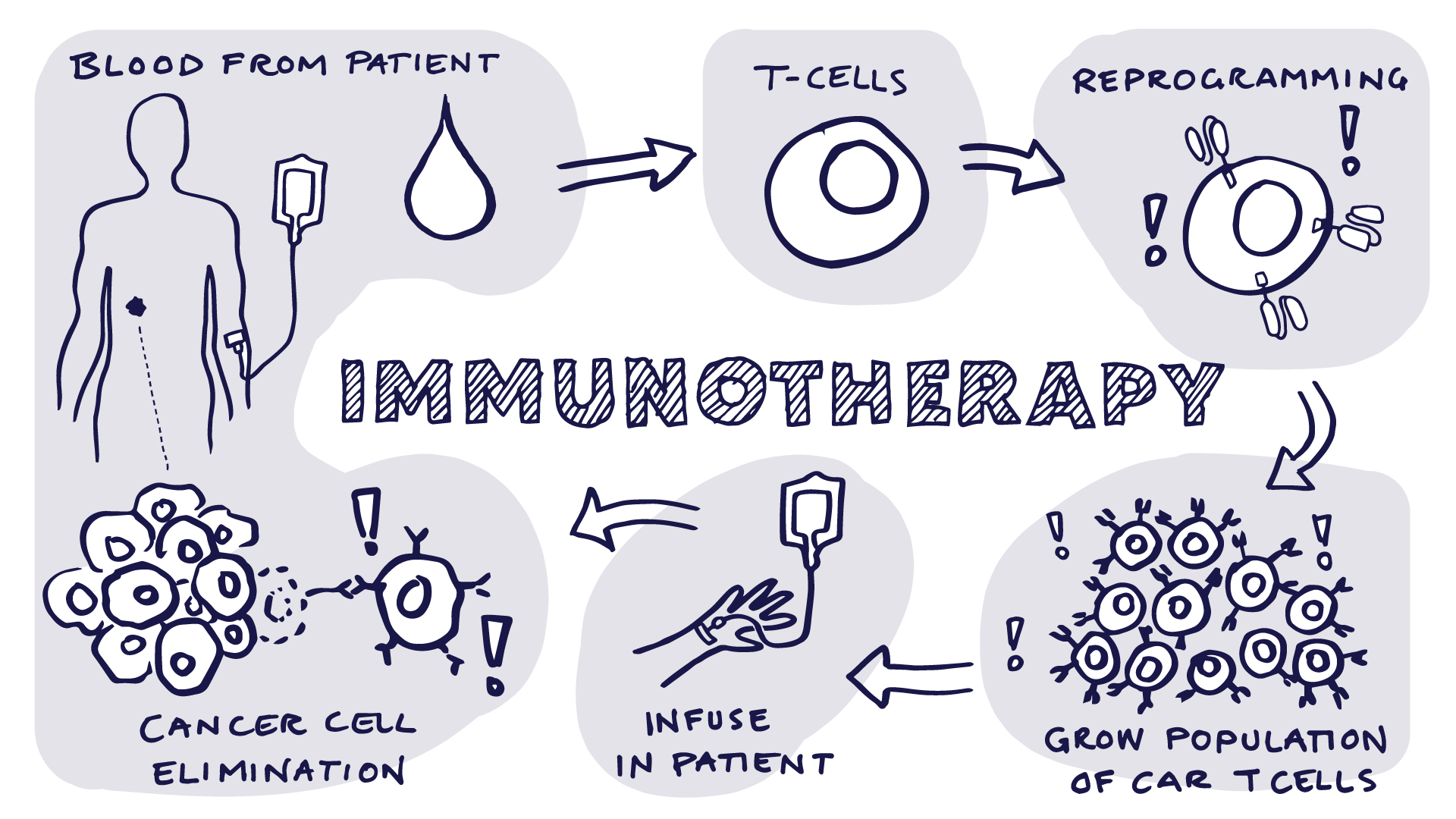
Briefly explain how T cell immunotherapy work using the video we watched (Immunotherapy for Cancer: What It Is and Why It’s Used) and using the diagram embedded here.
What stage is the cell in here?
What stage of mitosis is seen now?
What stage of mitosis is seen here?
What stage of mitosis is seen here?
What stage of mitosis is seen here?
What stage of the M phase is happening here that allows the cell to split into 2 daughter cells?
The long stringy stuff in the center of the cell is
What stage of mitosis would this be?
What stage of mitosis would this be?
What stage of mitosis would this be?
What stage of mitosis would this be?
What part of M phase is seen here?