Mapping Lab: Monsoon Asia

Last updated over 1 year ago
17 questions
Location
Required
9
Drag and drop each terrain feature to the correct location using the grid coordinates provided.
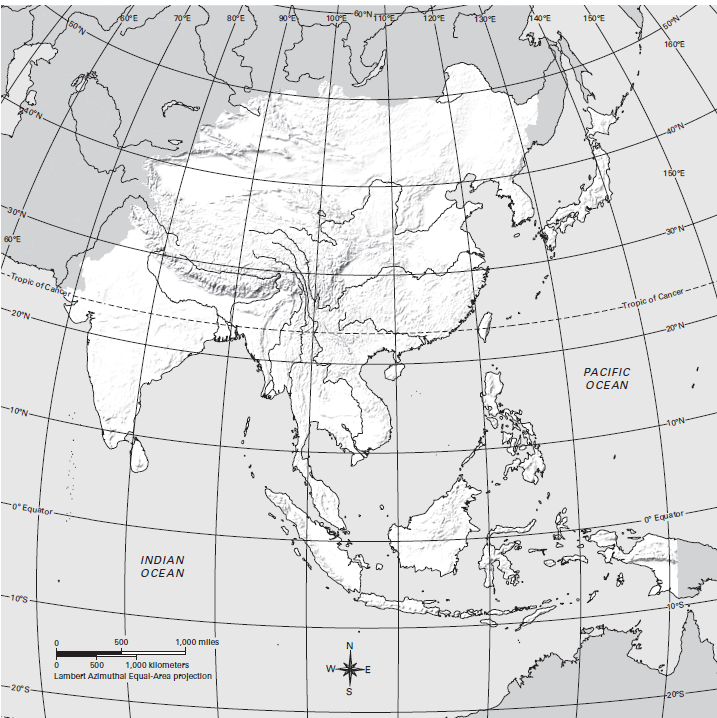
Other Answer Choices:
Philippine Sea (20°N, 130°E)
Gobi Desert (42°N, 110°E)
Taklamakan Desert (40°N, 84°E)
Mekong River (15°N, 106°E)
Bay of Bengal (15°N, 90°E)
Malay Peninsula (5°N, 102°E)
Himalayas (30°N, 82°E)
Deccan Plateau (18°N, 78°E)
Chang Jiang (32°N, 120°E)
Required
9
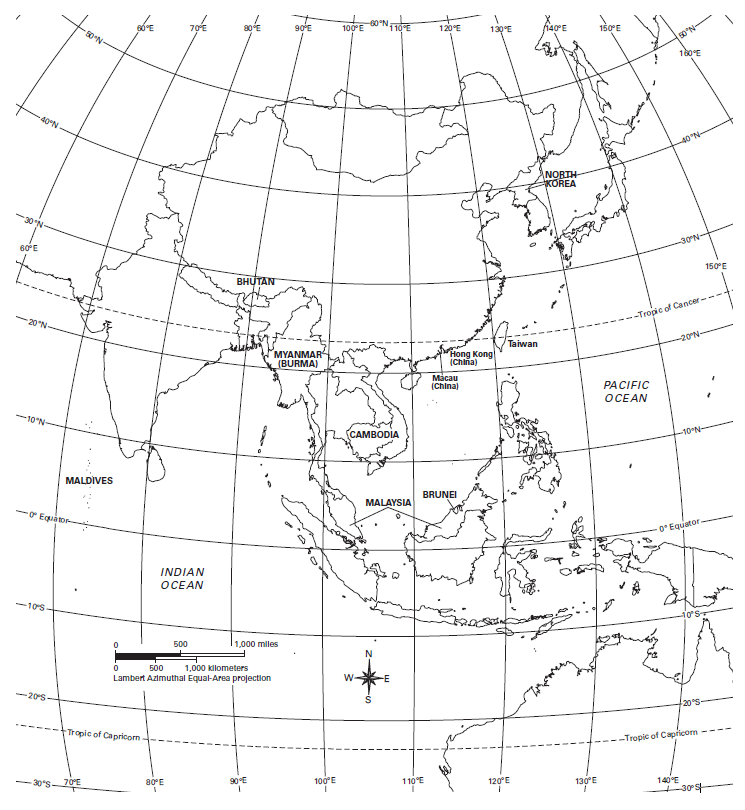
Drag and drop each country to the correct location using the grid coordinates provided.
Other Answer Choices:
Singapore (1°N, 104°E)
Mongolia (46°N, 105°E)
Sri Lanka (8°N, 81°E)
East Timor (9°S, 126°E)
China (35°N, 105°E)
India (20°N, 77°E)
Japan (35°N, 135°E)
Laos (18°N, 105°E)
Philippines (12°N, 125°E)
Intepreting Maps

Use the maps to answer each of the questions

If doing this from home, use the following links:
Political
Physical
Climate
Vegetation
Land Use
Population
Required
1

What is the most common type of vegetation in the southern parts of Monsoon Asia?

Required
1

Which FOUR countries in the northern part of the region do not have this vegetation? (from #3)

1

If you sailed east from Vietnam along 15° latitude, you would come to what island country?

1

What are the four types of land use found in this country? (from #5)

Required
1

The ice cap vegetation zone is mostly in which terrain feature? (use correct capitalization and spelling)

Required
1

Which island country in Monsoon Asia contains three cities with a population of more than 8 million people? (use correct capitalization and spelling)

Required
3
These three cities are _______ , _______ , and _______ . (Use correct capitalization and spelling)
Required
1

Identify the country based on these clues. (Use correct capitalization and spelling)
-entirely south of the Tropic of Cancer
-resources include coal, hydroelectric power, natural gas, and petroleum
-does not have any precious metals
-partially on two peninsulas

Required
2
_______ is one of the longest rivers in the world. It flows from the Plateau of Tibet to the East China Sea through the country of _______ . (Use correct capitalization and spelling)
Required
2
__________ is the country in Monsoon Asia with the lowest population density. Its overall population density is __________ per square mile.
Required
2
Almost all of the land in _______ is used for nomadic herding. This is because the biggest vegetation zones are desert scrub and _______ which is ideal for grazing livestock.
Required
2
__________ is the vegetation found in Bangladesh. This is largely because Bangladesh has a __________ climate.
Required
1

Compare the population densities in the western and eastern halves of China. How do physical features and climate help to explain why they are so different?

Think Like a Geographer
Required
15

Use the maps to drag each description to the correct location. Each category should have 5 characteristics. Some characteristics will be used twice.

  • Population: under 2 per square mile
  • Climate: tropical wet & wet/dry
  • Vegetation: desert
  • Land Use: subsistence farming
  • Land Use: little to none
  • Population: over 250 per square mile
  • Vegetation: broadleaf evergreen
  • Climate: Arid
  • Physical: in Maoke Mountains on the Island of New Guinea
  • Land Use: trade and manufacturing
  • Physical: between Tian Shan & Kunlun Shan
  • Physical: on the west coast of India near the Western Ghats
  • Climate: Highlands
  • (40°N, 85°E)
  • (4°S, 138°E)
  • (19°N, 73°E)
Required
1

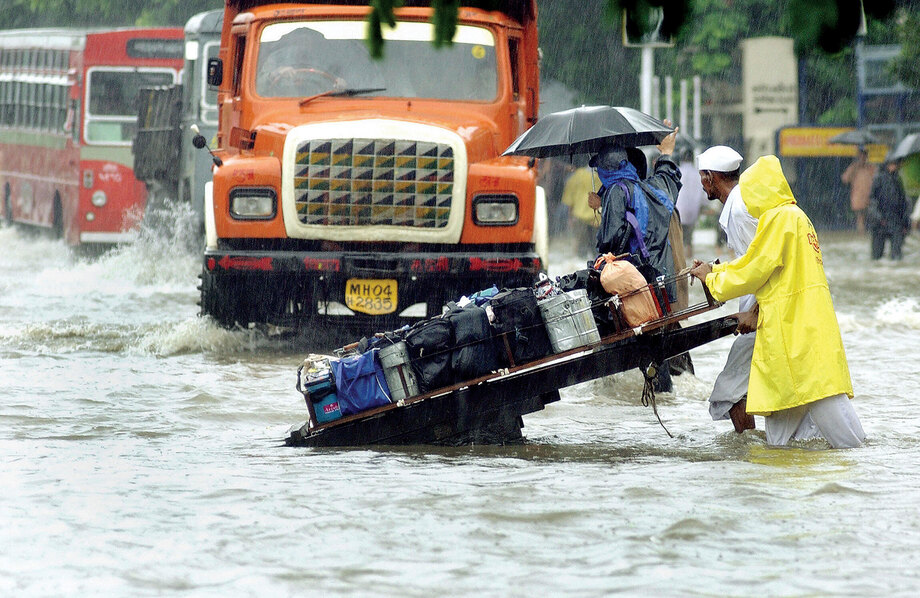
This picture was most likely taken at...