Select all of the boxes that represent derived characteristics
Select all of the boxes that represent derived characteristics

Select all of the boxes that represent derived characteristics
Match the kingdom with the correct characteristic
| Draggable item | arrow_right_alt | Corresponding Item |
|---|---|---|
Kingdom Prostista | arrow_right_alt | Live in extreme environments |
Kingdom Plantae | arrow_right_alt | Live inside living organisms |
Kingdom Bacteria | arrow_right_alt | Known as the "junk drawer" kingdom |
Kingdom Animalia | arrow_right_alt | Autotrophic, multicellular, Asexual & Sexual reproduction |
Kingdom Archeabacteria | arrow_right_alt | saprotrophic, uni & multicellular, yeast, mushrooms |
Kingdom Fungi | arrow_right_alt | Ability to move, Heterotrophic, multicellular |
Label the characteristics

Which location show the Ancestral characteristic

Which organisms is most closely related to the Prorastomus?
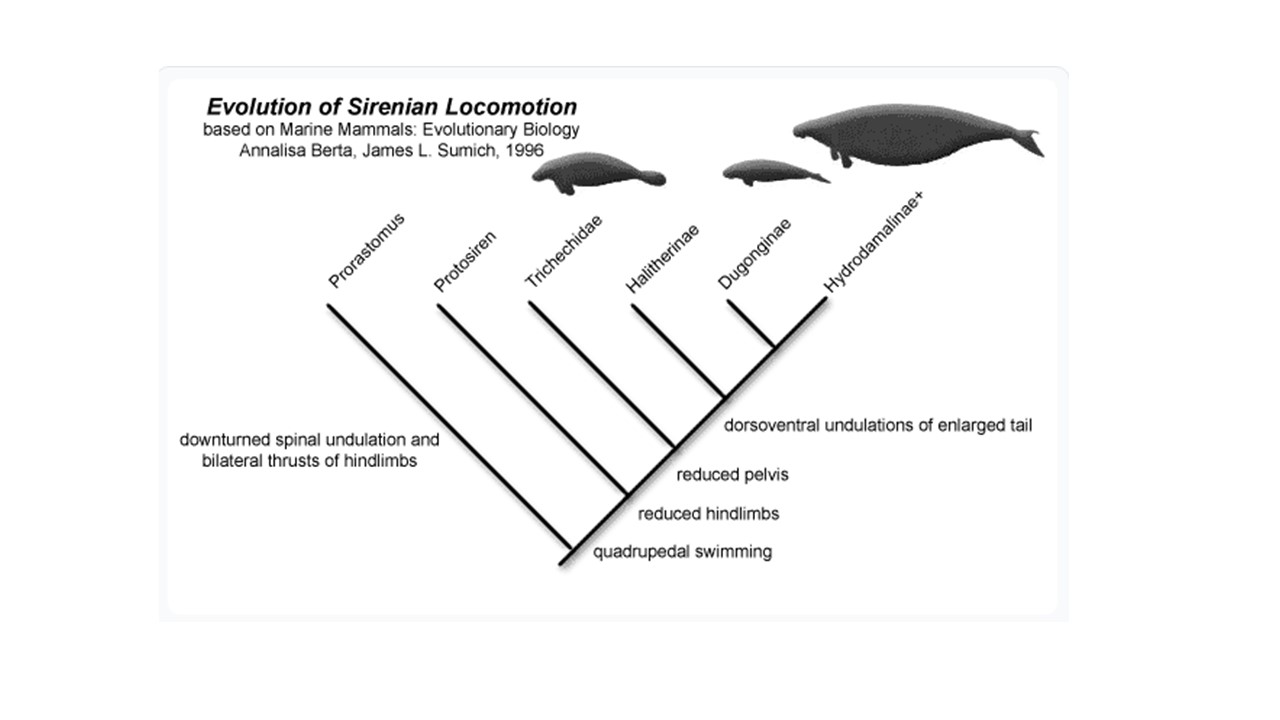
What characteristic seperates the Protosiren from the Trichechidae?
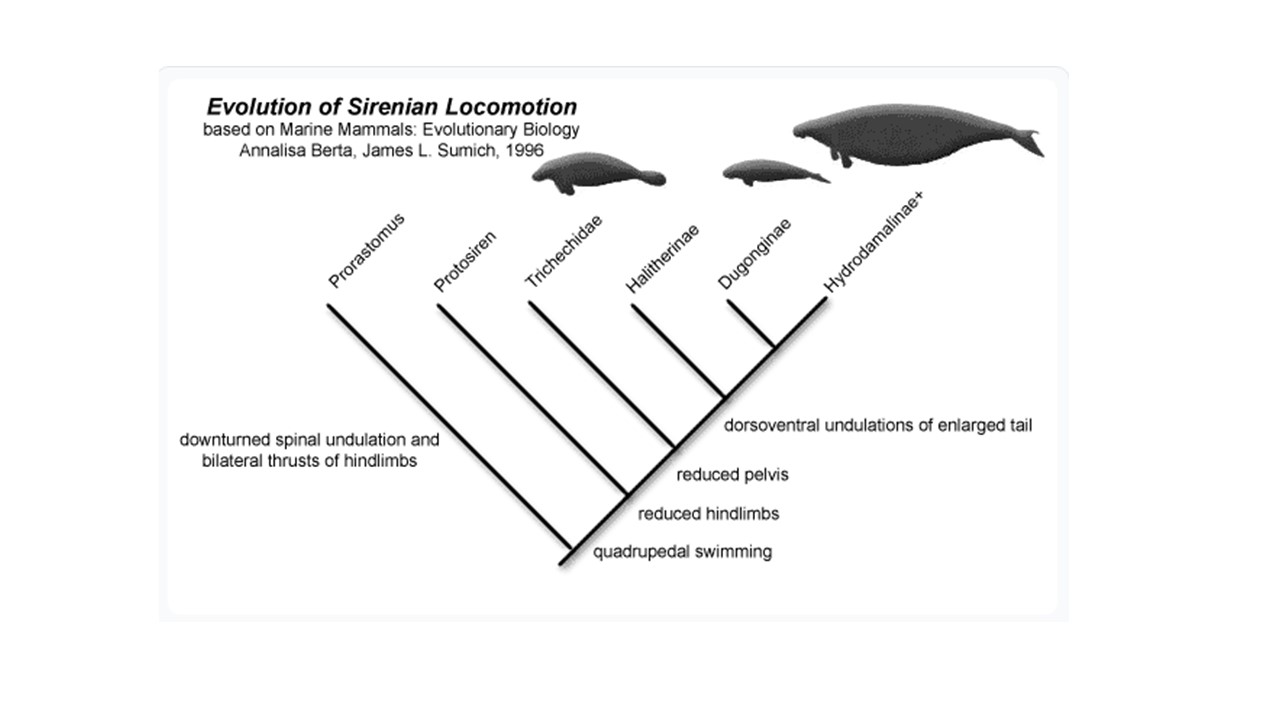
What is the overall purpose of a cladogram
Which organism is the most evolved and which is the most primitive?

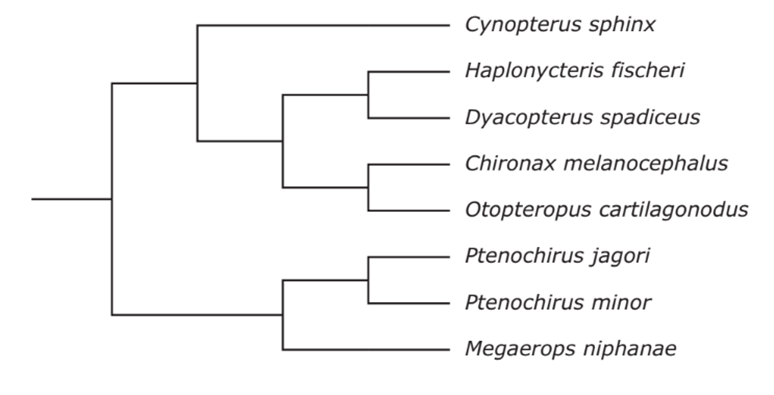
Researchers analyzed a mitochondrial gene of different bat species to determine relatedness. A cladogram of their results is shown.
Based on the cladogram, which set of bat species is the least related?
What is the purpose of a dichotomous key