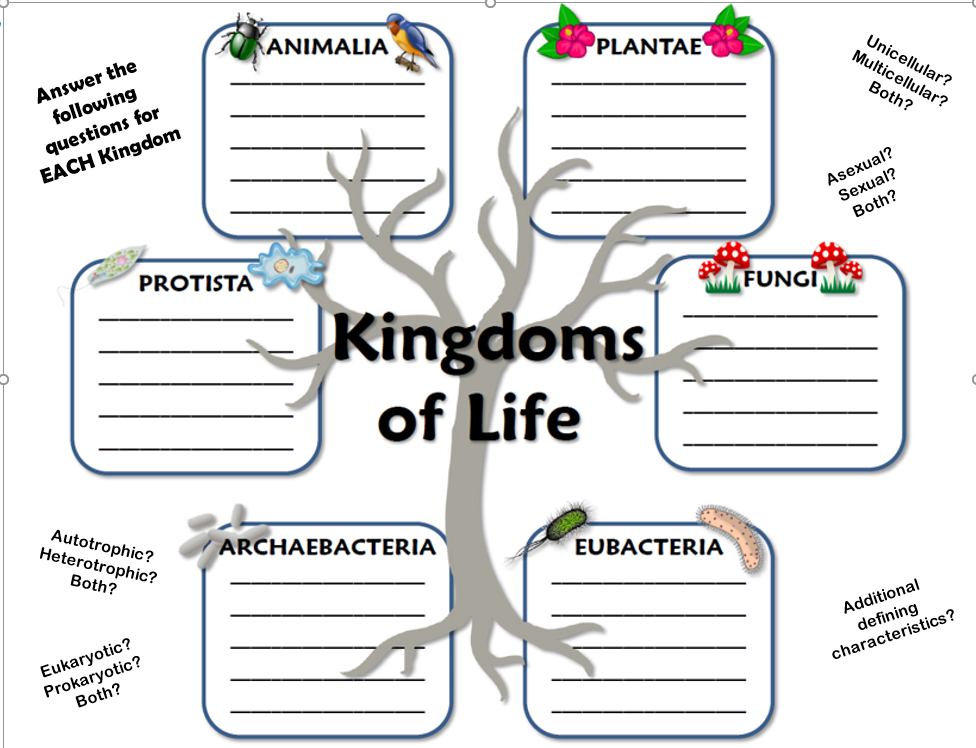
Select all of the Kingdoms that have eukaryotic cells
Select all of the Kingdoms that have eukaryotic cells
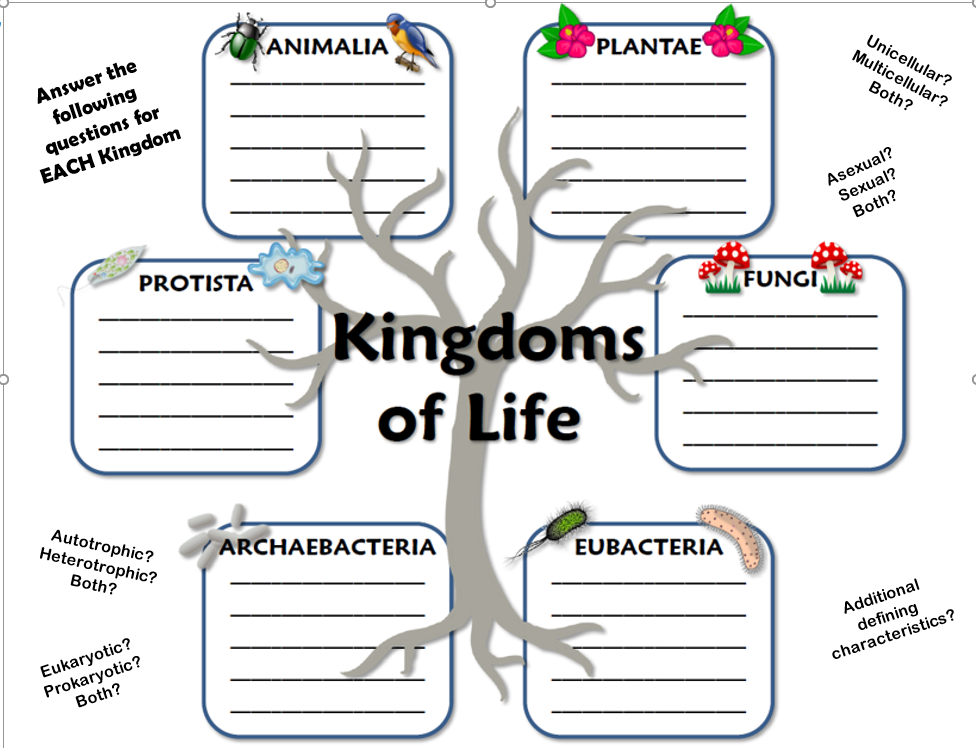
Select all of the Kingdoms that have eukaryotic cells
Select all of the kingdoms with asexual reproduction
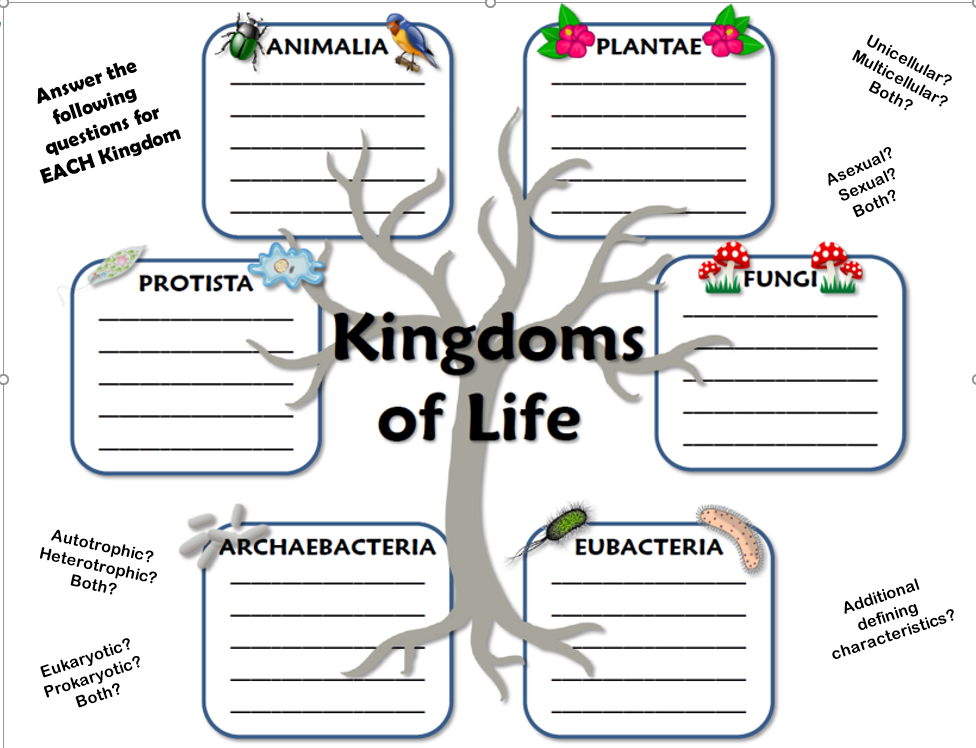
Select all of the kingdoms that can create energy as an autotroph.
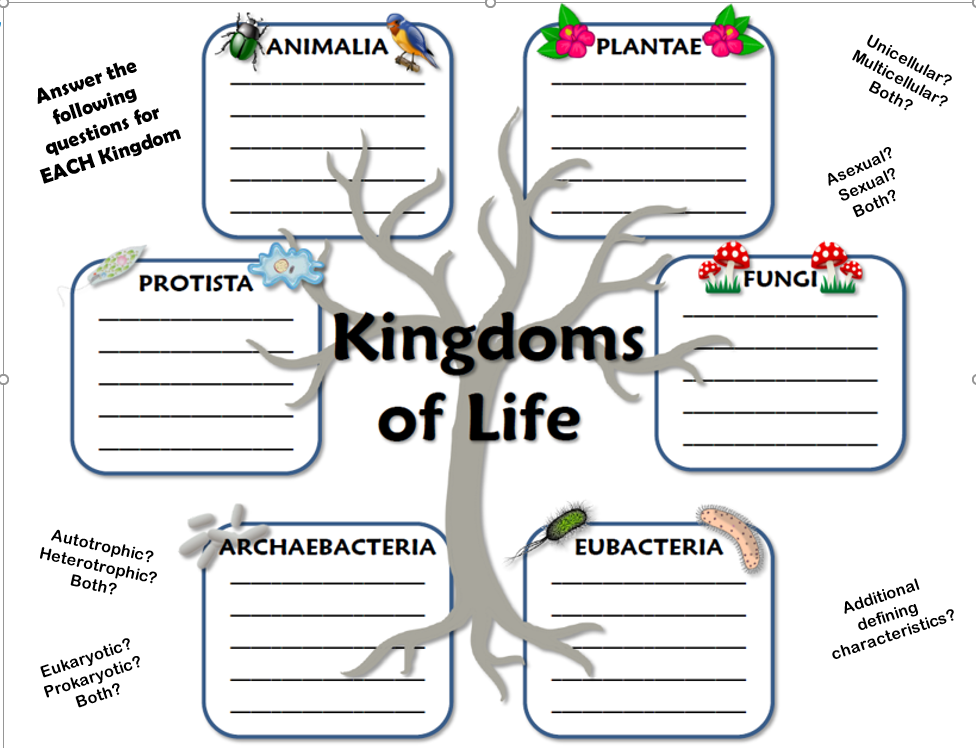
The kingdom Protista is known as the "Junk drawer" kingdom. Protists can be Autotrophic, Heterotrophic and even Saprotrophic ( digest to ingest). Match the following characteristics correctly.
| Draggable item | arrow_right_alt | Corresponding Item |
|---|---|---|
Fungus-like protist | arrow_right_alt | Autotrophic |
Animal-like protist | arrow_right_alt | Heterotrophic |
Plant-like protist | arrow_right_alt | Saprotrophic |
Fungus-like protist | arrow_right_alt | Euglena |
Plant-like protist | arrow_right_alt | paramecium |
Animal-like protist | arrow_right_alt | Amoeba |
Fungi reproduce through both sexual and asexual means, depending on the species and environmental conditions. Spores: A common method of asexual reproduction in fungi involves the production of spores. These spores are typically formed within specialized structures called sporangia or conidia. When released, spores can be carried by wind, water, or animals to new locations, where they can germinate and develop into new fungal organisms. ________________________ is also a type of asexual reproduction which takes place when the mycelium is physically broken and the hyphae begin growing again.
Match the correct compounds that make up each cell wall.
| Draggable item | arrow_right_alt | Corresponding Item |
|---|---|---|
Eubacteria Peptidoglycan | arrow_right_alt | Plants |
Cellulose | arrow_right_alt | Fungi |
No cell wall | arrow_right_alt | Archaebacteria |
pseudopeptidoglycan, proteins, or glycoproteins | arrow_right_alt | Eubacteria |
Chitin | arrow_right_alt | Animals |
Which kingdom are organisms found in extreme enivornments?
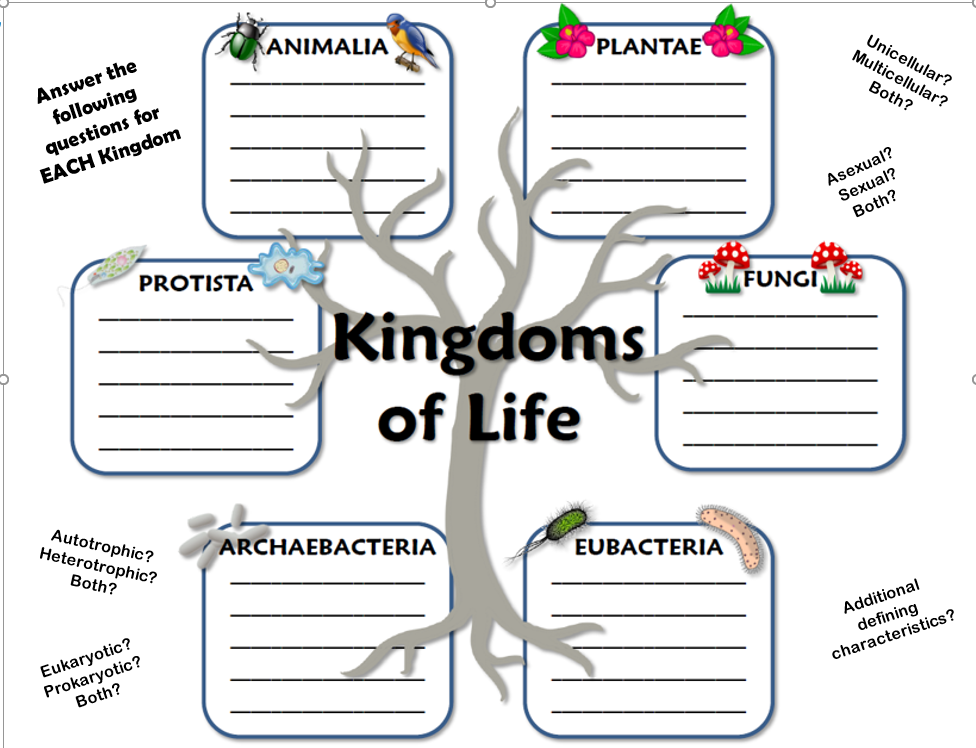
Select all of the kingdoms that belong in the Domain Eukarya
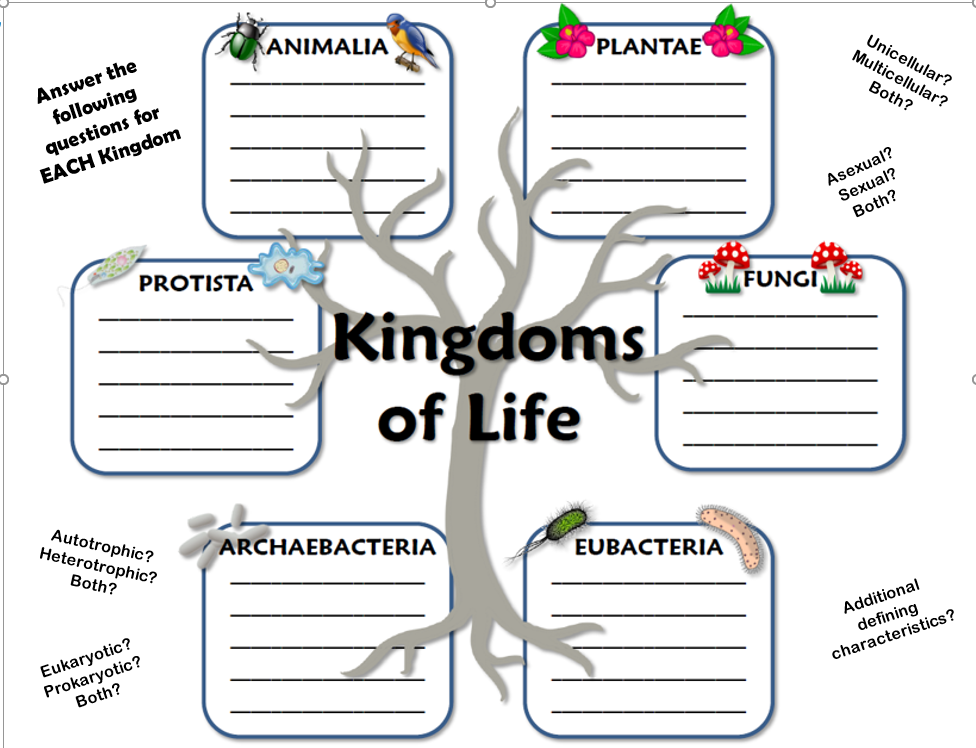
Select all of the kingdoms that belong in the Domain Bacteria
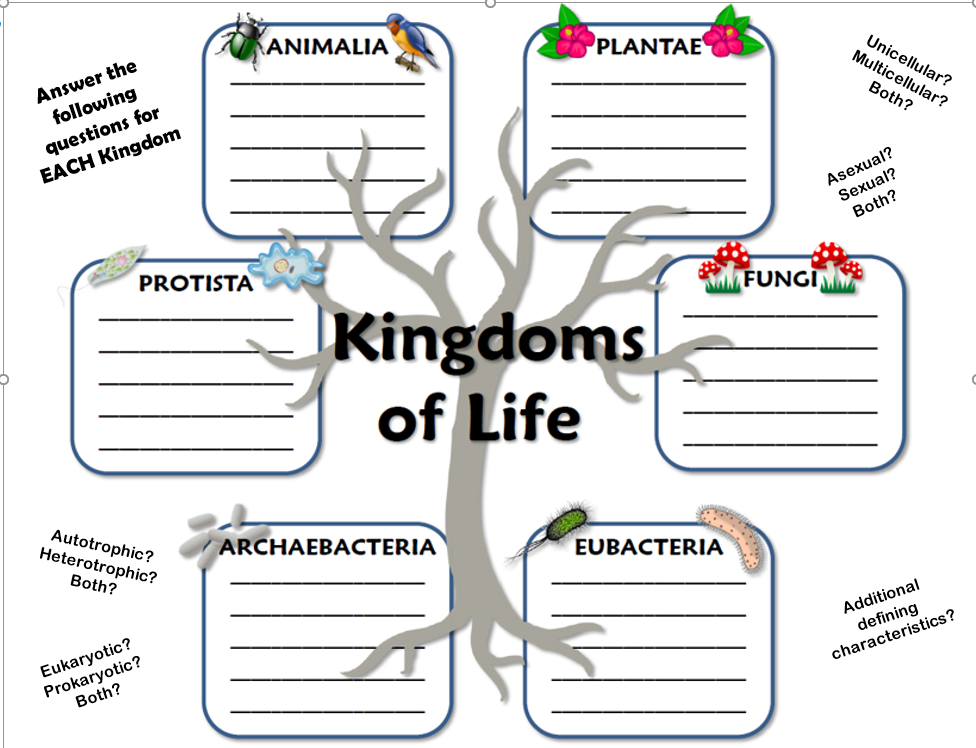
The endosymbiotic theory hypothesizes that the first cells evolved from prokaryotes engulfing other prokaryotes, living together in a symbiotic relationship, and eventually reproducing as one organism.
Select the kingdom that has only multicellular organisms