Twa kɔ nsɛm atitiriw so
Log in
Sign up for FREE
arrow_back
Laabri

STAAR Blitz - Day 5 - Landforms

star
star
star
star
star
Last updated about 2 years ago
19 Nsɛmmisa
Ɛhia
1
5.7.B
Ɛhia
1
5.7.B
Ɛhia
1
5.7.B
Ɛhia
1
5.7.B
Ɛhia
1
5.7.B
Ɛhia
1
5.7.B
Ɛhia
1
5.7.B
Ɛhia
1
5.7.B
Ɛhia
1
5.7.B
Ɛhia
1
5.7.B
Ɛhia
1
5.7.B

1
Asemmisa {{asɛmmisaAhyɛnsode}}
1.

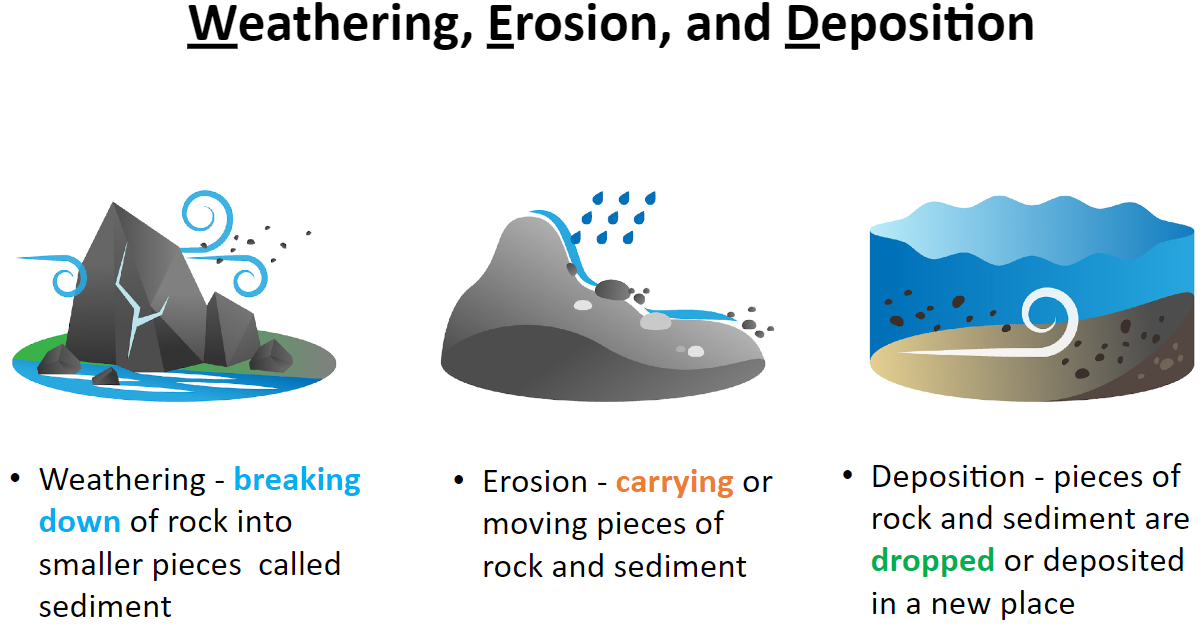
Drag each vocabulary word to the matching definition.

  • pieces of rock and sediment are dropped or deposited in a new place

  • breaking down of rock into smaller pieces called sediment

  • carrying or moving pieces of rock and sediment

  • Weathering

  • Erosion

  • Deposition

5.7.B

1
Asemmisa {{asɛmmisaAhyɛnsode}}
2.

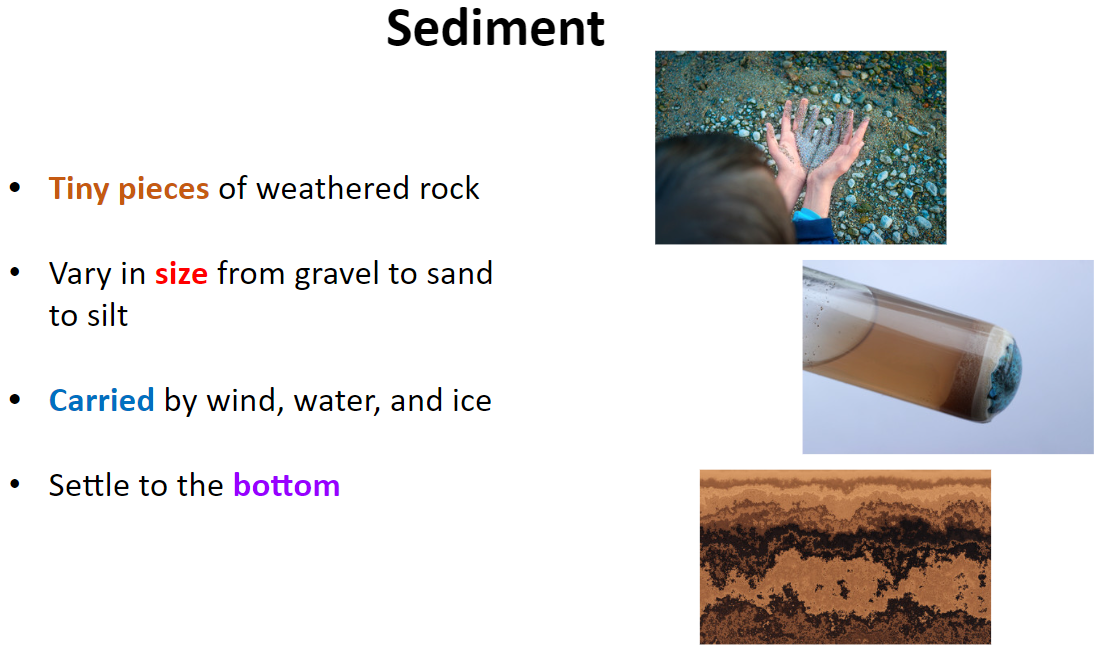
What are sediments?

5.7.B
1
Asemmisa {{asɛmmisaAhyɛnsode}}
3.

How are sediments formed?

5.7.B

1
Asemmisa {{asɛmmisaAhyɛnsode}}
4.

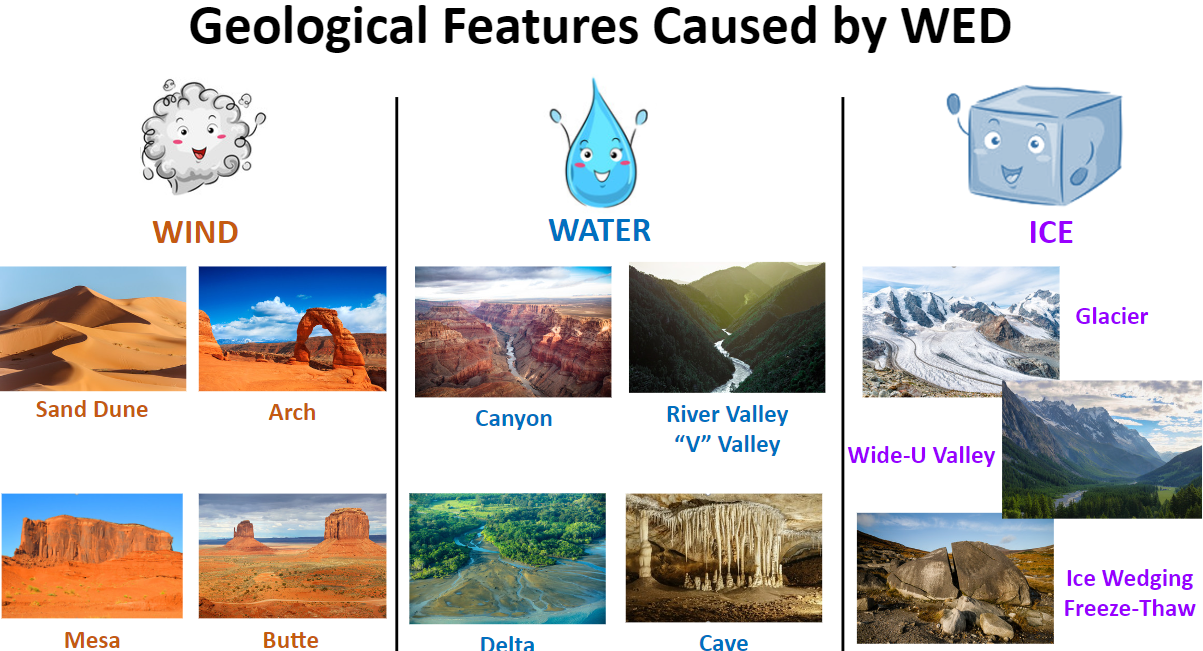
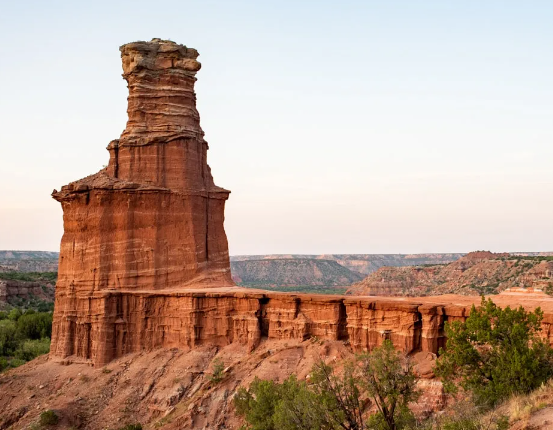
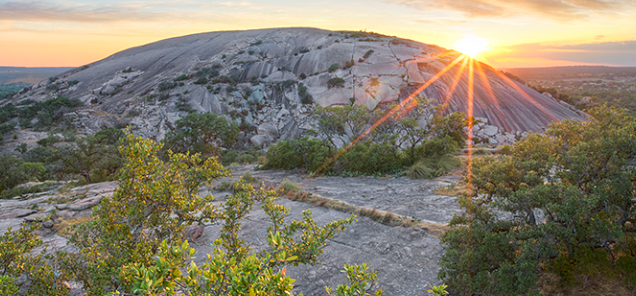
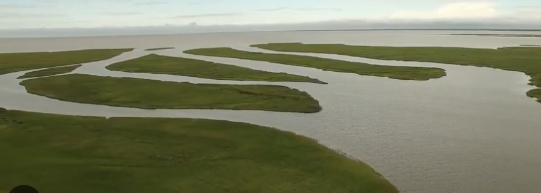
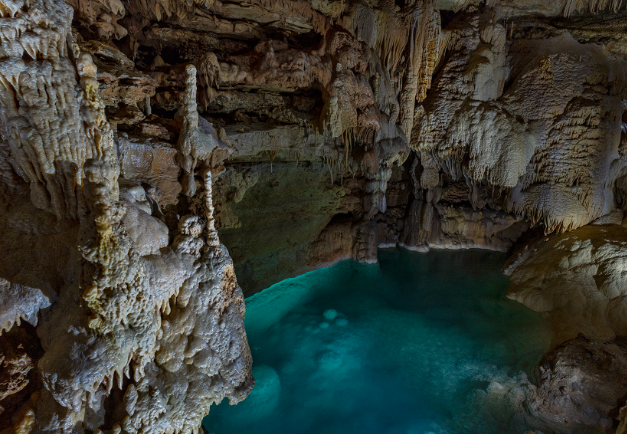
Match the landform with the force agent that most likely created the land feature.

  • Lighthouse butte at Palo Duro Canyon

  • Brazos Delta south of Freeport, Texas

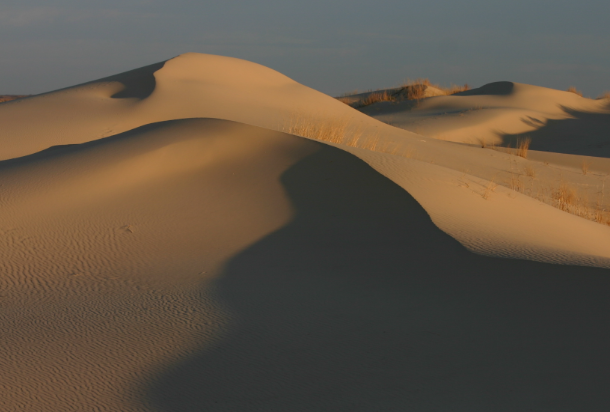
  • Sand dunes at Monahan's Sandhills State Park

  • Enchanted Rock at the Llano Uplift

  • Natural Bridge Caverns north of San Antonio

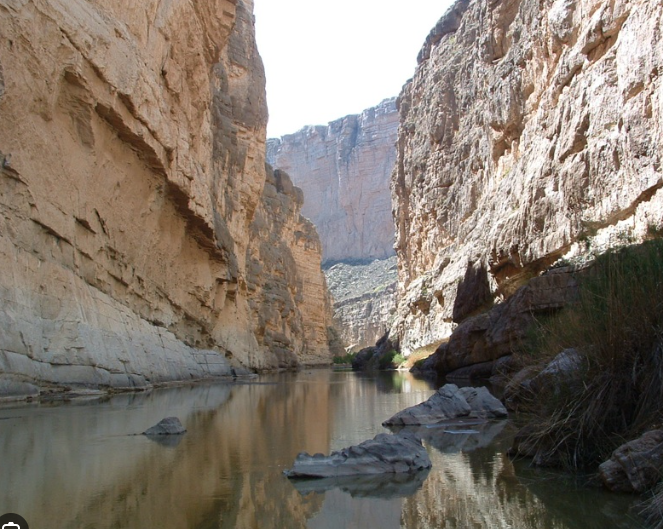
  • Santa Elena Canyon at Big Bend National Park

  • Ice

  • Wind

  • Water

5.7.B

1
Asemmisa {{asɛmmisaAhyɛnsode}}
5.

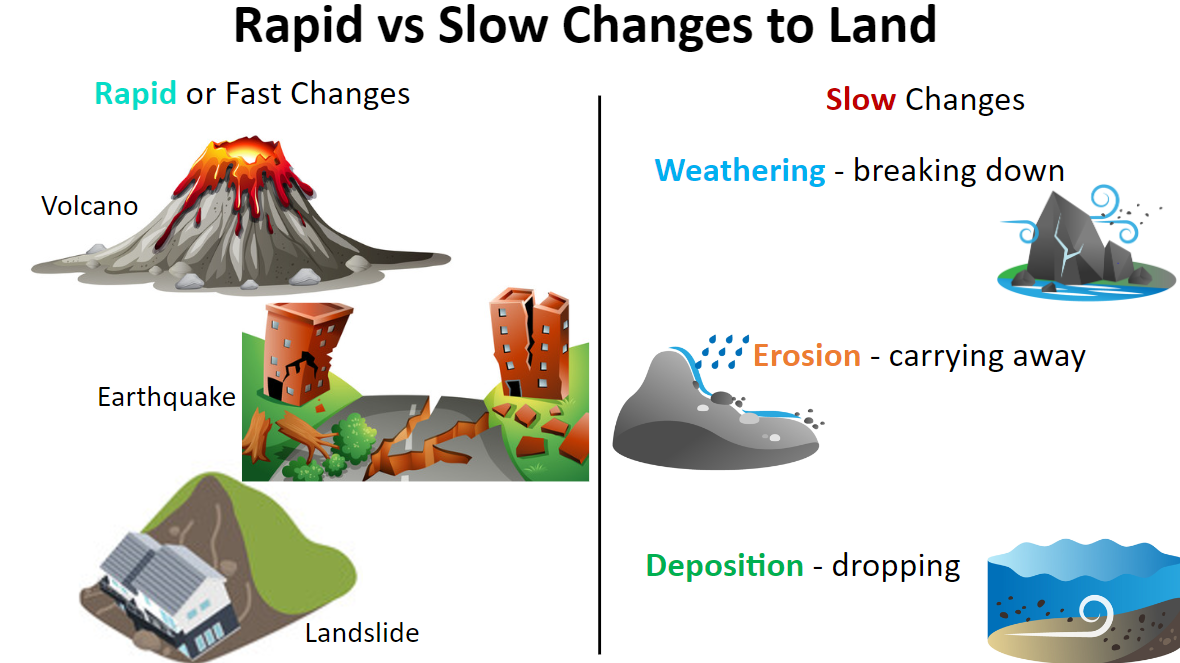
Landslides, earthquakes, and volcanoes change landforms faster than weathering, erosion, and deposition. How do landslides, earthquakes, and volcanoes change the land rapidly?

3.7B
5.7.B

1
Asemmisa {{asɛmmisaAhyɛnsode}}
6.

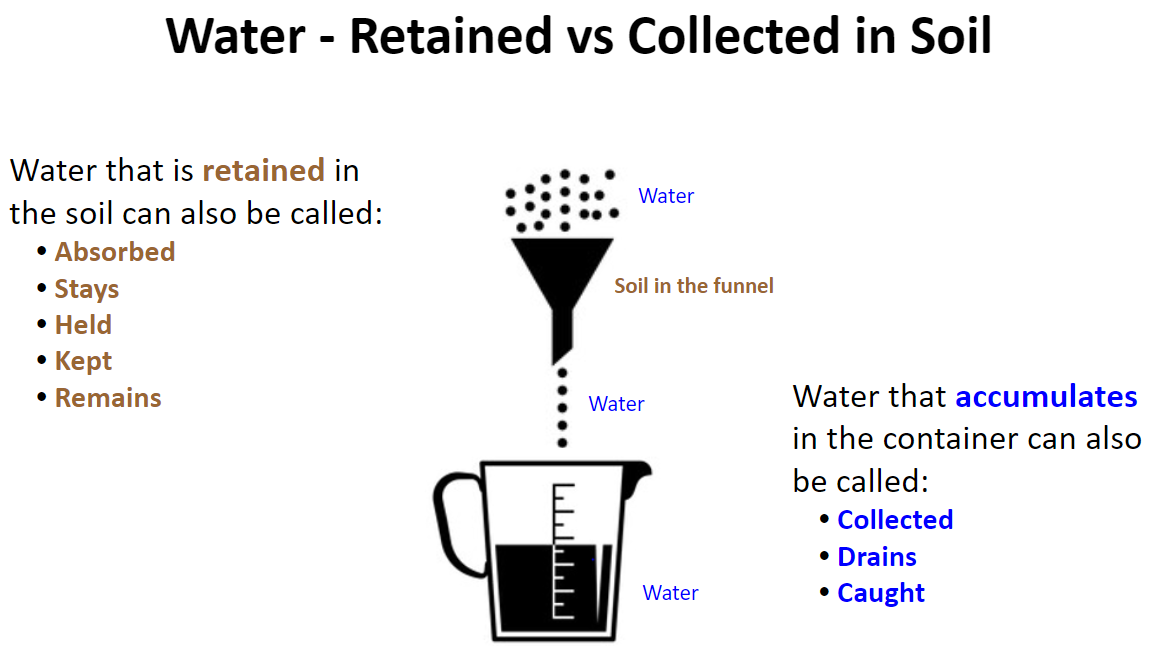
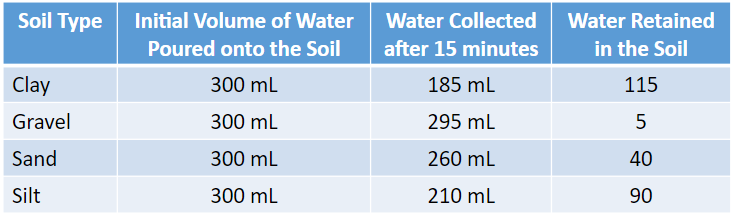
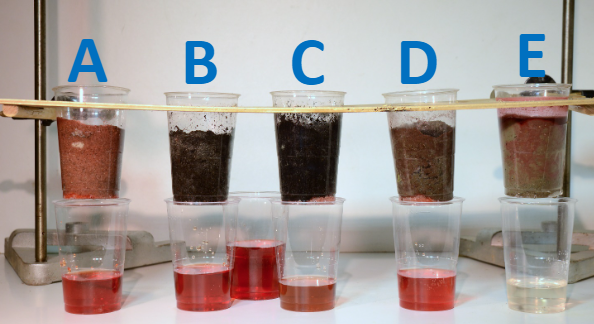
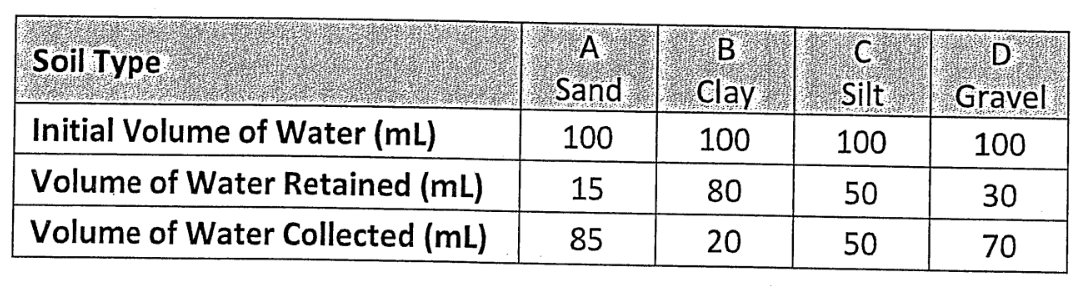
Water travels through different types of soil due to differences in the soils’ porosity.

How much total water was retained by all the soils?

5.7.B
Ɛhia
1
Asemmisa {{asɛmmisaAhyɛnsode}}
7.

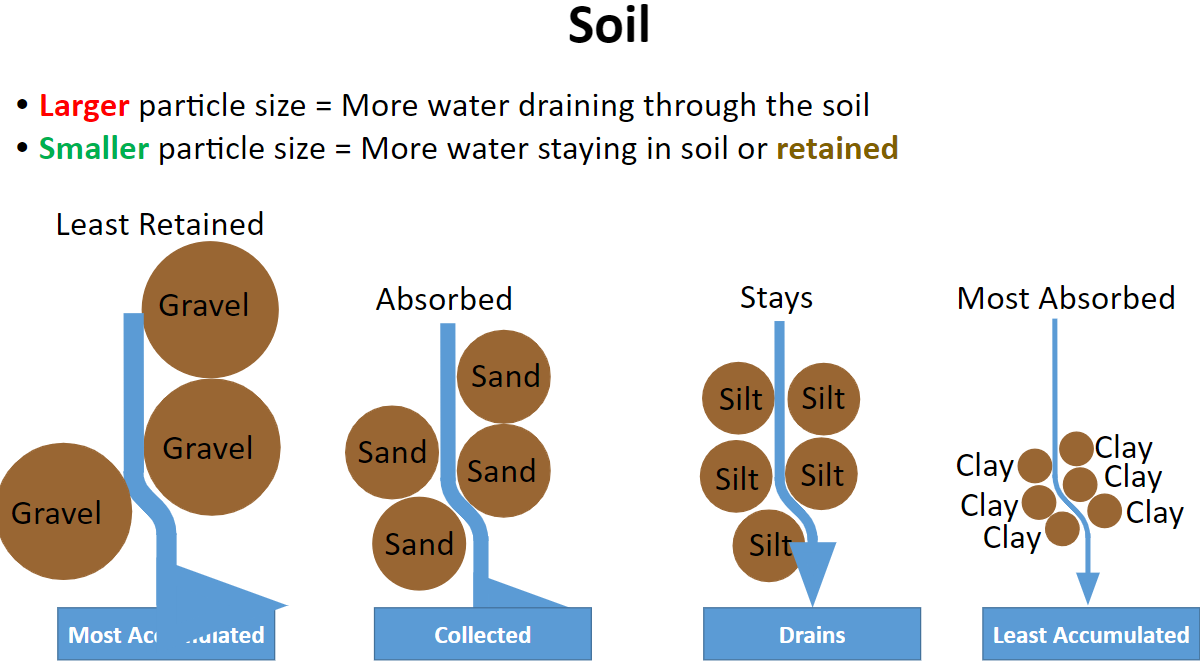
Which soil type is the best at retaining water?

5.7.B

Ɛhia
1
Asemmisa {{asɛmmisaAhyɛnsode}}
8.

Based on the results above, which soil is made of the largest particles?

5.7.B
Asemmisa {{asɛmmisaAhyɛnsode}}
9.

Which soil drains the best?

Asemmisa {{asɛmmisaAhyɛnsode}}
10.

Identify the items below as either a fast change or slow change.

  • Volcano

  • Delta

  • Landslide

  • Wide Valley

  • Fast Change

  • Slow Change

Asemmisa {{asɛmmisaAhyɛnsode}}
11.

Wind, water, and ice create Earth's landforms over time. Complete the table to categorize the following landforms: Sand dune, Wide valley, Cave, Arch, Canyon, Glacier, Mesa, Ice wedging, and Delta.

Place THREE items in each category.

  • Delta

  • Ice wedging

  • Sand dune

  • Wide valley

  • Mesa

  • Arch

  • Canyon

  • Cave

  • Glacier

  • Wind

  • Water

  • Ice

Asemmisa {{asɛmmisaAhyɛnsode}}
12.

Which are characteristics of a landslide?

Select TWO correct answers.

Asemmisa {{asɛmmisaAhyɛnsode}}
13.

Students need soil that effectively drains water away for use with succulents in their classroom. They investigated four different soil samples and their ability to retain water. Which two samples should students use in their classroom?

Select TWO correct answers.

Asemmisa {{asɛmmisaAhyɛnsode}}
14.

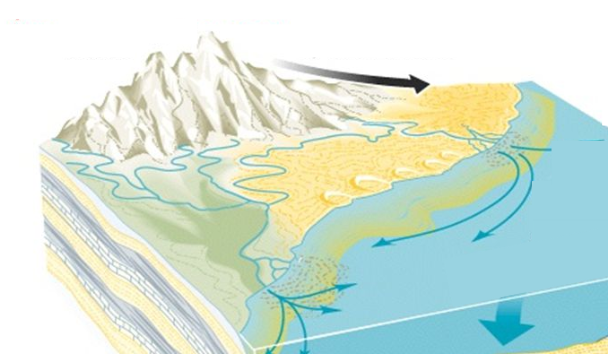
How is a delta primarily formed?

Asemmisa {{asɛmmisaAhyɛnsode}}
15.

What primary factor contributes to the formation of a canyon?

Asemmisa {{asɛmmisaAhyɛnsode}}
16.

How is a u-shaped valley typically formed?

Asemmisa {{asɛmmisaAhyɛnsode}}
17.

What distinguishes the formation of a canyon from a delta?

Asemmisa {{asɛmmisaAhyɛnsode}}
18.

Which location on this delta will have the most deposition?

Asemmisa {{asɛmmisaAhyɛnsode}}
19.

Where does weathering, erosion and deposition occure?

Mmuae Afoforo a Wobɛpaw:
weathering
erosion
deposition