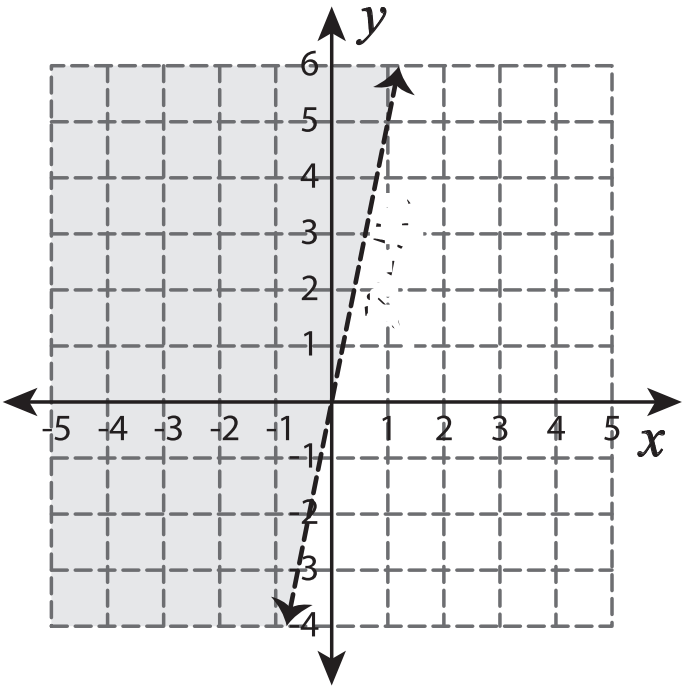
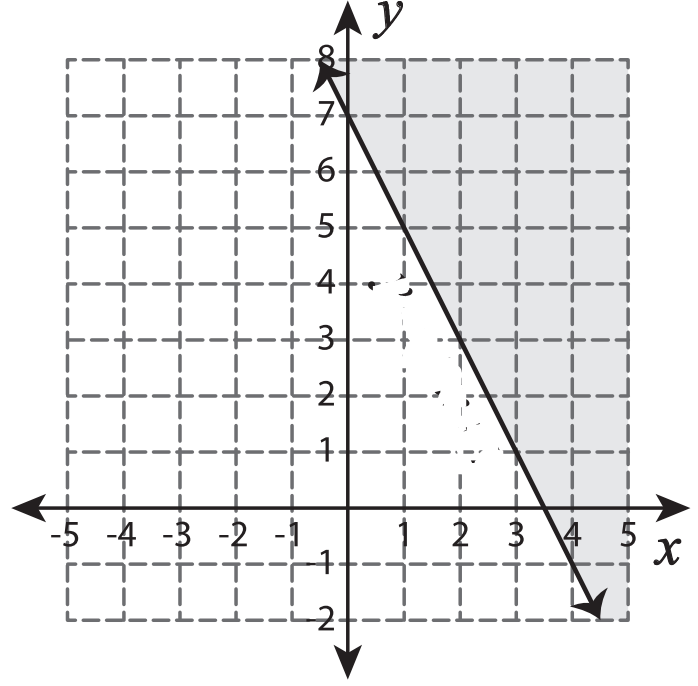
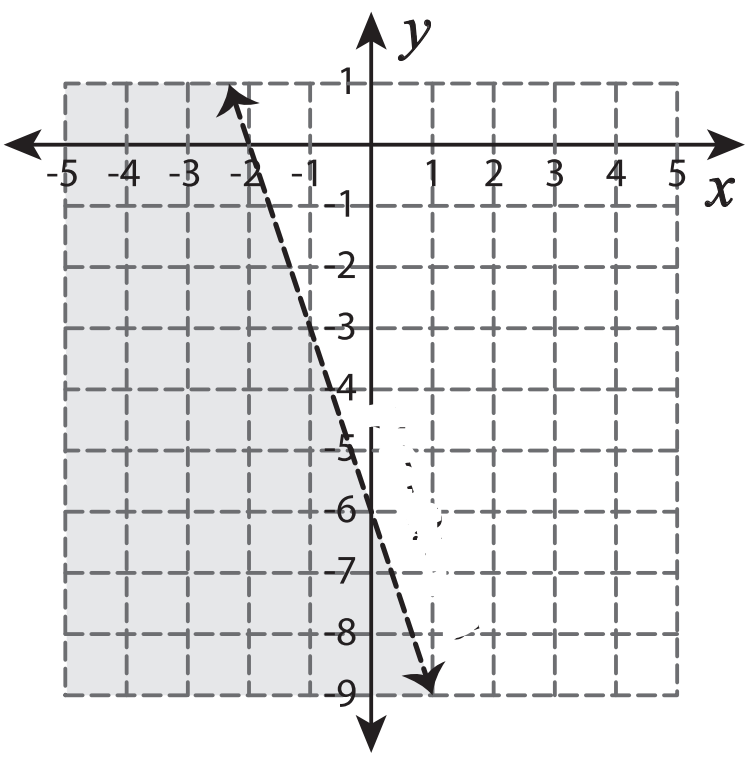
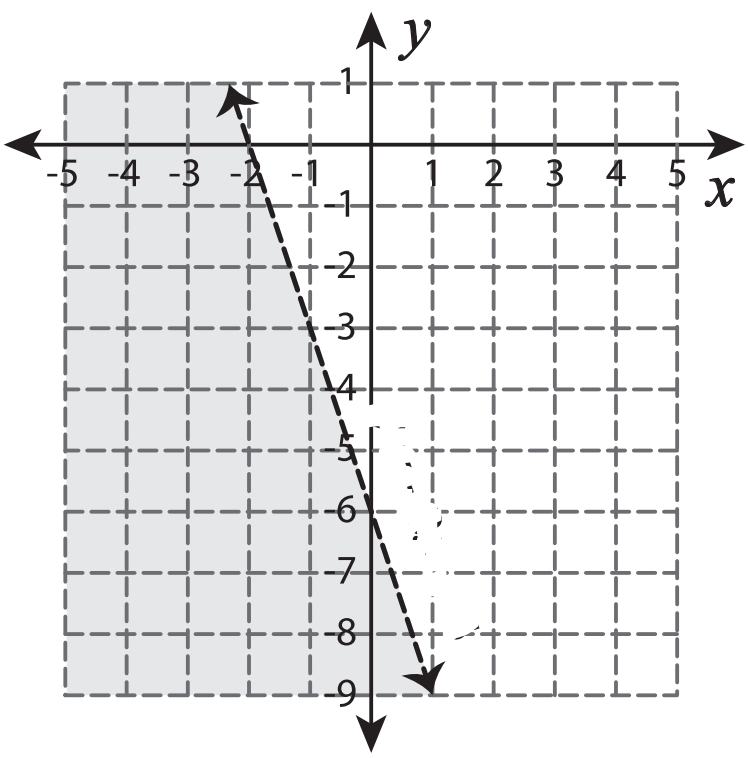
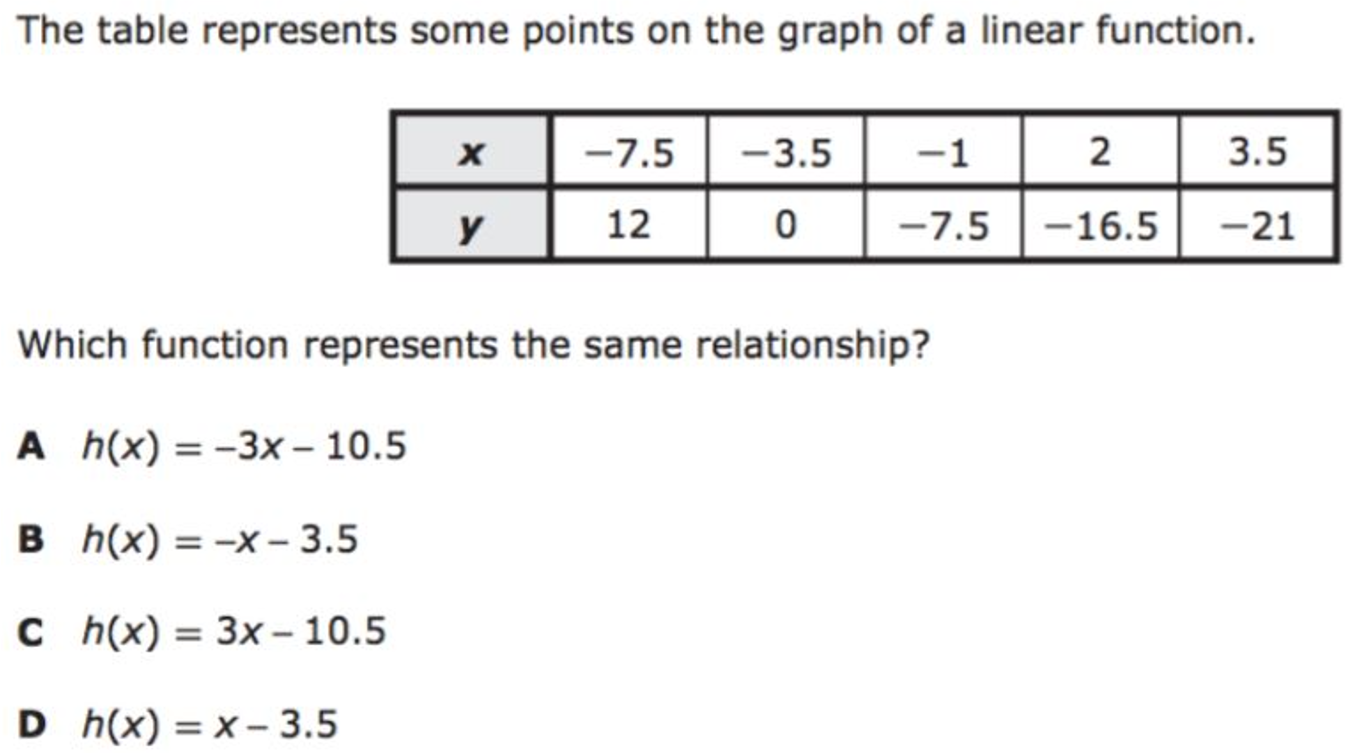
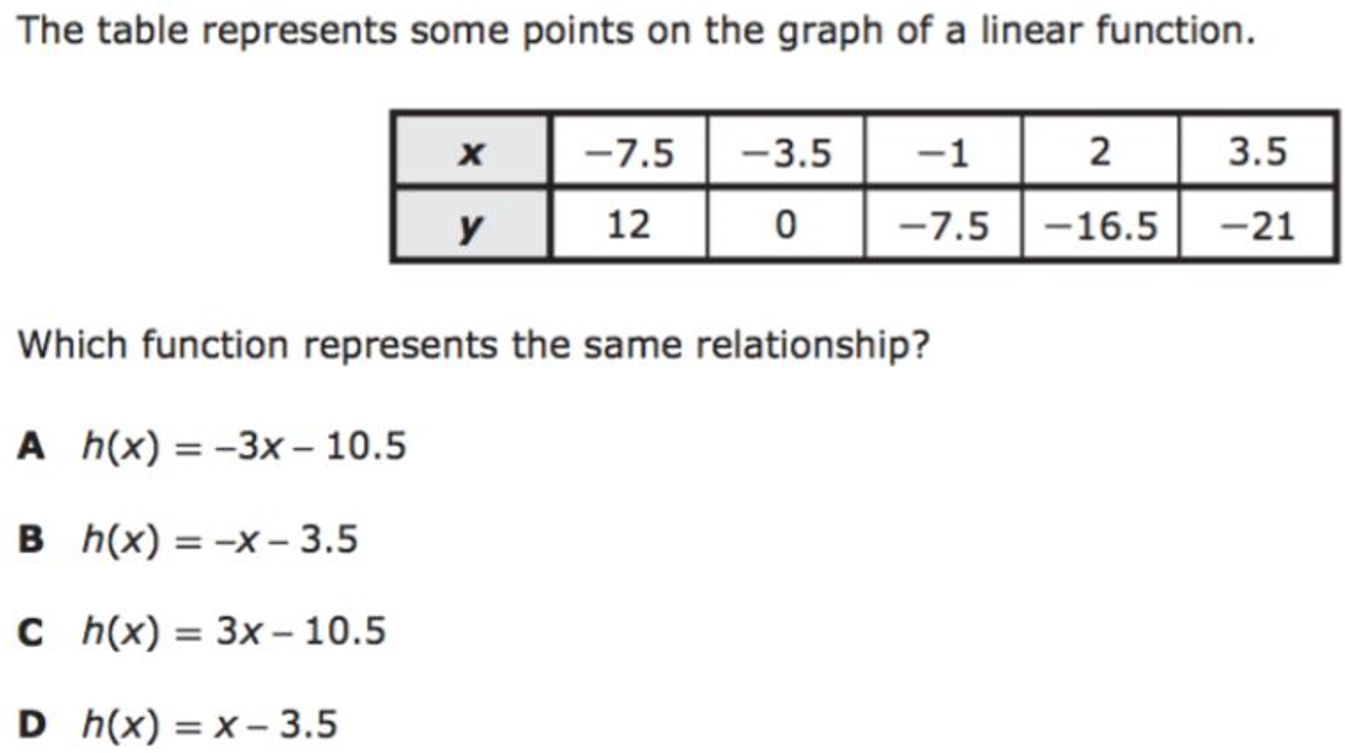
What is this an example of?
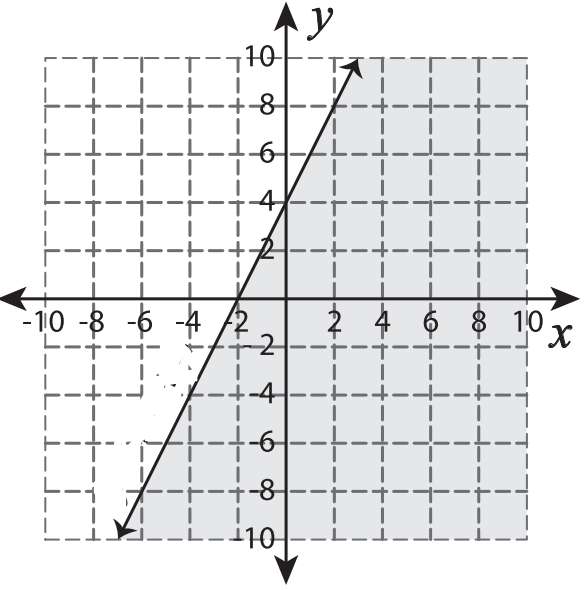
What is this an example of?
How would you read this symbol?
How would you read this symbol?
How would you read this symbol?
How would you read this symbol?
How would you graph this symbol?
How would you graph this symbol?
How would you graph this symbol?
How would you graph this symbol?
What is this an example of?
What is this an example of?
What is this an example of?
What is this an example of?
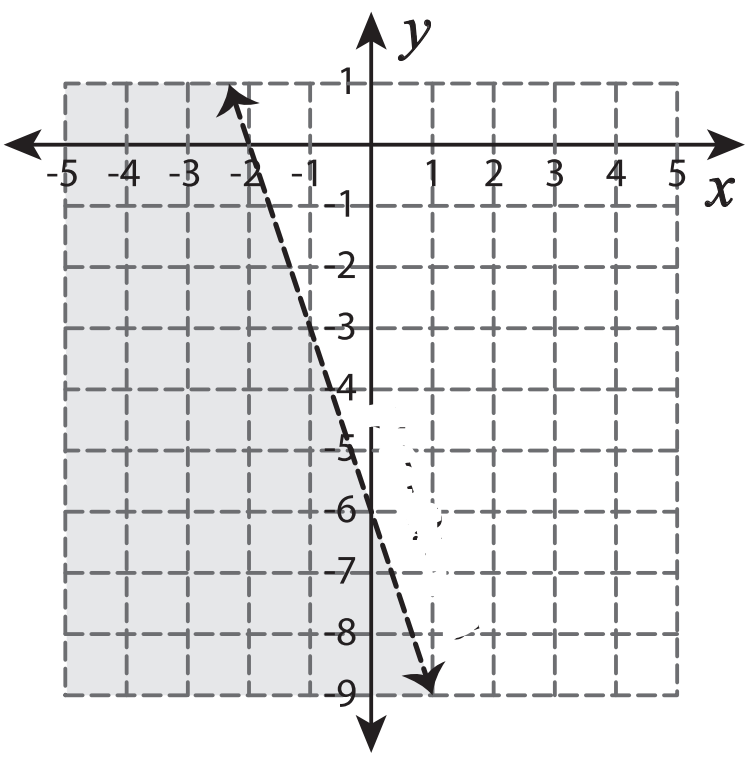
When you have a dashed line can a solution be on the dashed line?
(The answer is no) (A Point on a dashed line can NOT be a solution)
Could the point (-1,-3) be a solution to this inequality.
Which point is a solution to this inequality?
The point must be where the shading is at.
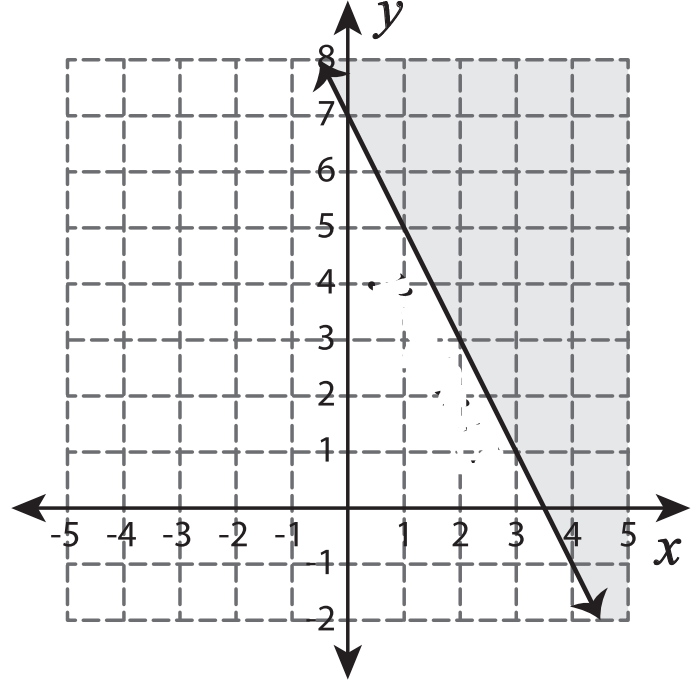
When you have a solid line can a solution be on the line?
(The answer is yes)
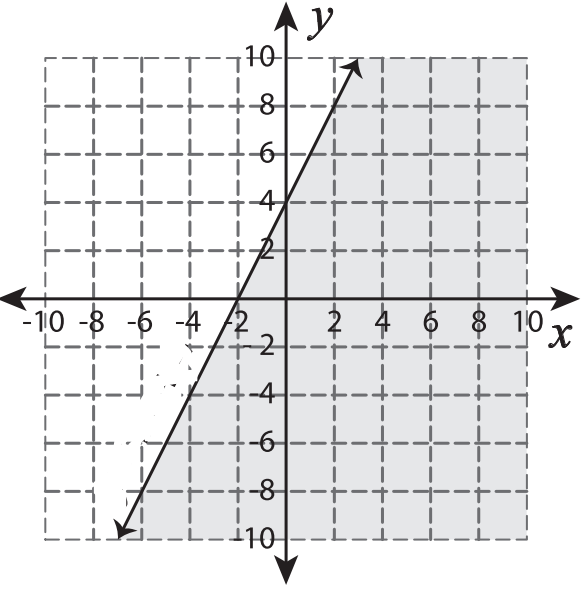
Which point is a solution to this inequality.
The point must be where the shading or solid line is at.
There are 2 points listed that are a solution to this inequality.
What are they?
If you were putting a table into List & Spreadsheets what would you use if it
were a LINEAR function?
When you see the phrase "rate of change" what are you looking for?
If you were putting a table into List & Spreadsheets what would you use if it
were a Quadratic function?
If you were putting a table into List & Spreadsheets what would you use if it
were a Exponential function?
Where do you find the root(s) of a function?
What can you use to help you remember all the different terms that are talking about the same thing as the Roots?
Which of the following is an example of a LINEAR function?
Which of the following is an example of a Quadratic function?
Which of the following is an example of a Exponential function?
Solve this equation.
Solve it using Nsolve.
Do this by going to the normal calculate section of your calculator.
Then type in Menu 3,1.
It will look like this
Then fill it in like this
make sure you put a comma and whatever letter you have put earlier in the equation. Most of the time it will be x.
Use nsolve when there is only one variable and you have an equal sign.
Solve this equation.
Solve it using Nsolve.
Do this by going to the normal calculate section of your calculator.
Then type in Menu 3,1.
Solve this equation.
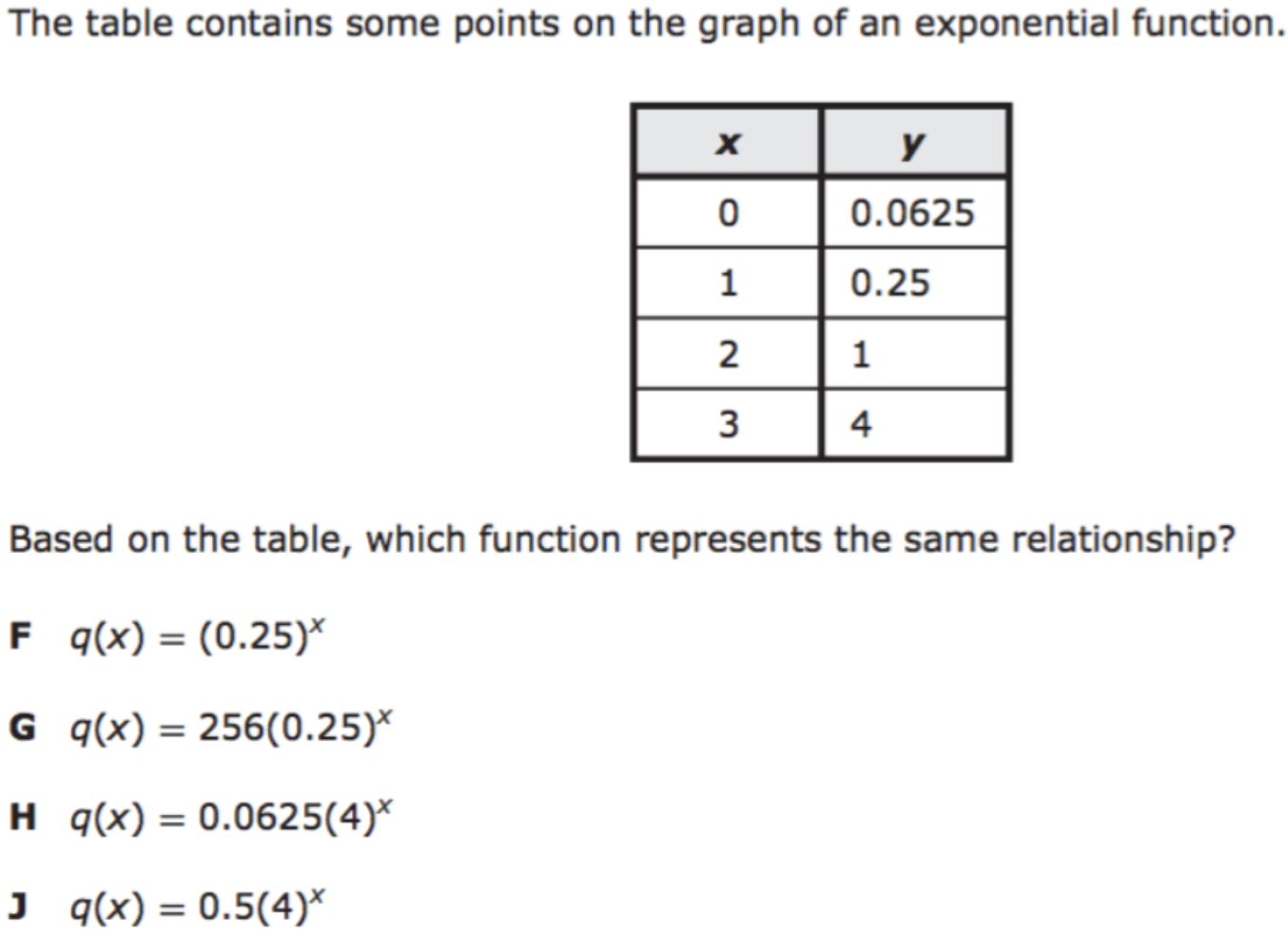
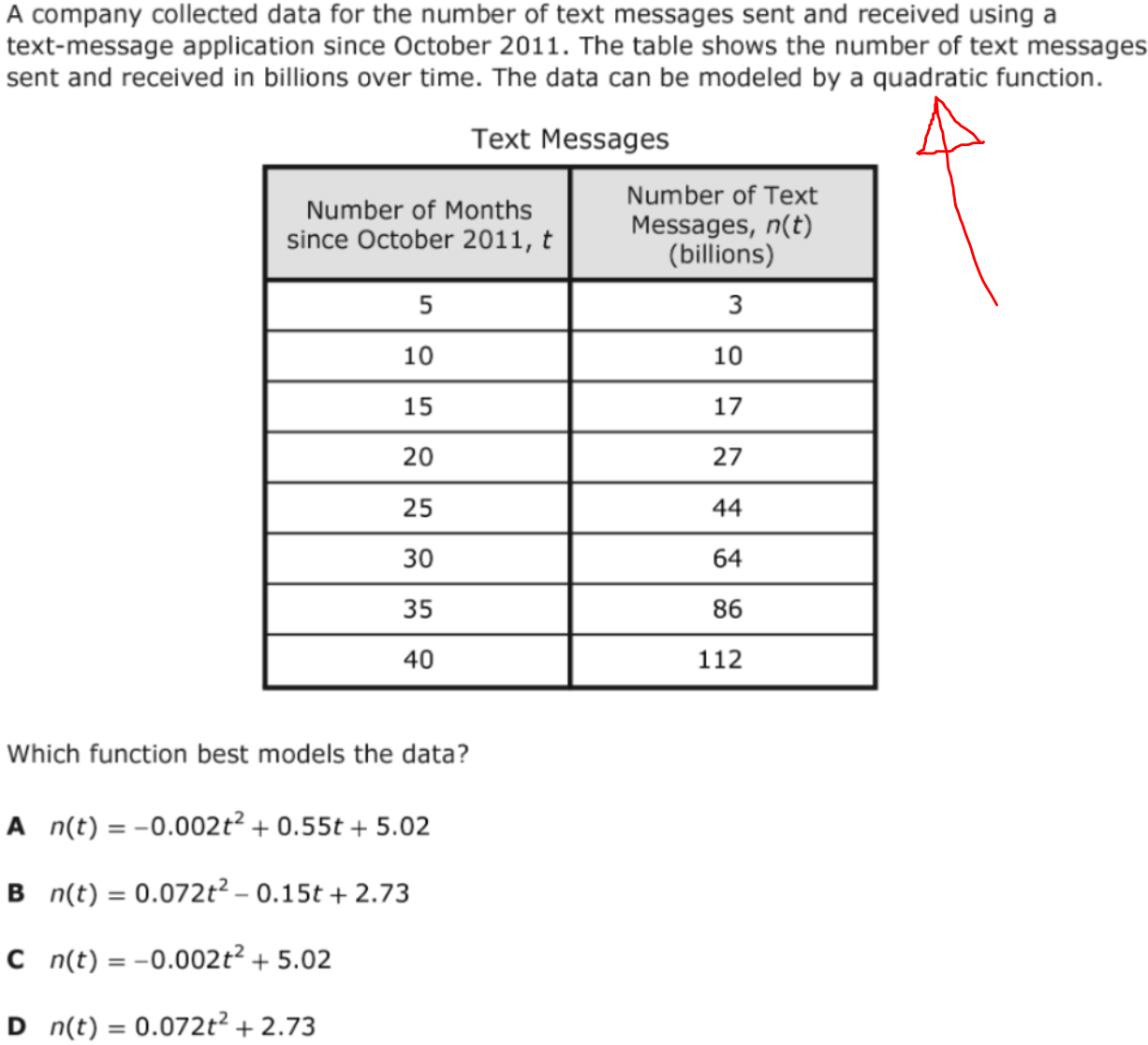
This problem says it is an exponential function.
Type this table into List & Spreadsheets. Use Menu 4,1,A to find the "a" and "b" value.
What is the correct answer?
This problem says it is an quadratic function.
Type this table into List & Spreadsheets. Use Menu 4,1,6 to find the "a" "b" and "c" value.
Menu 4,1,6
What is the correct answer?
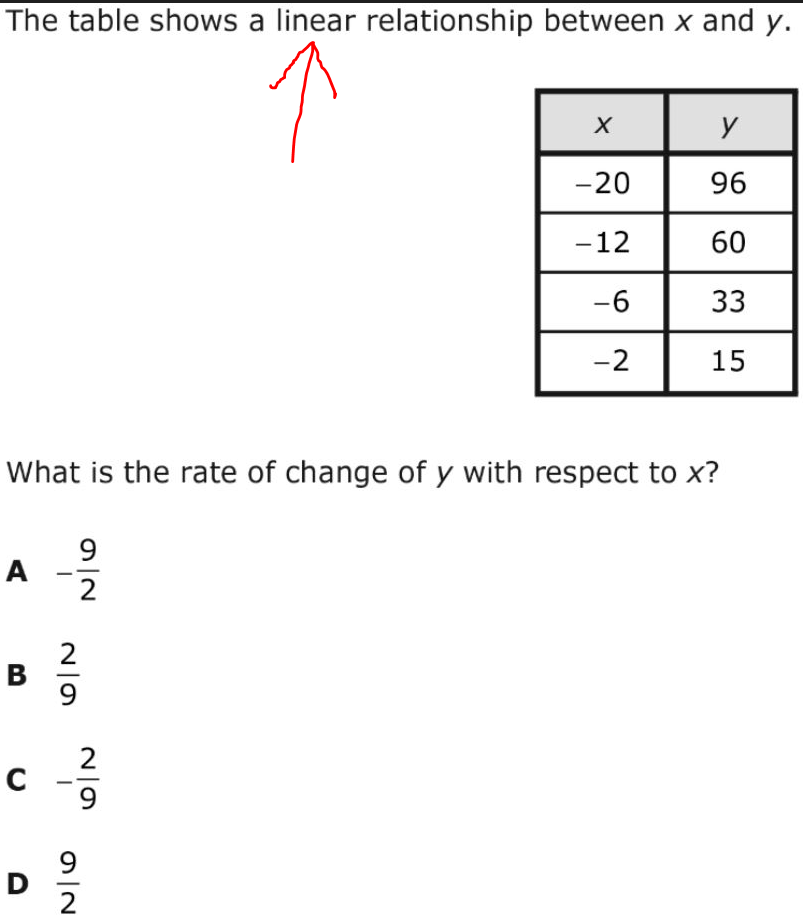
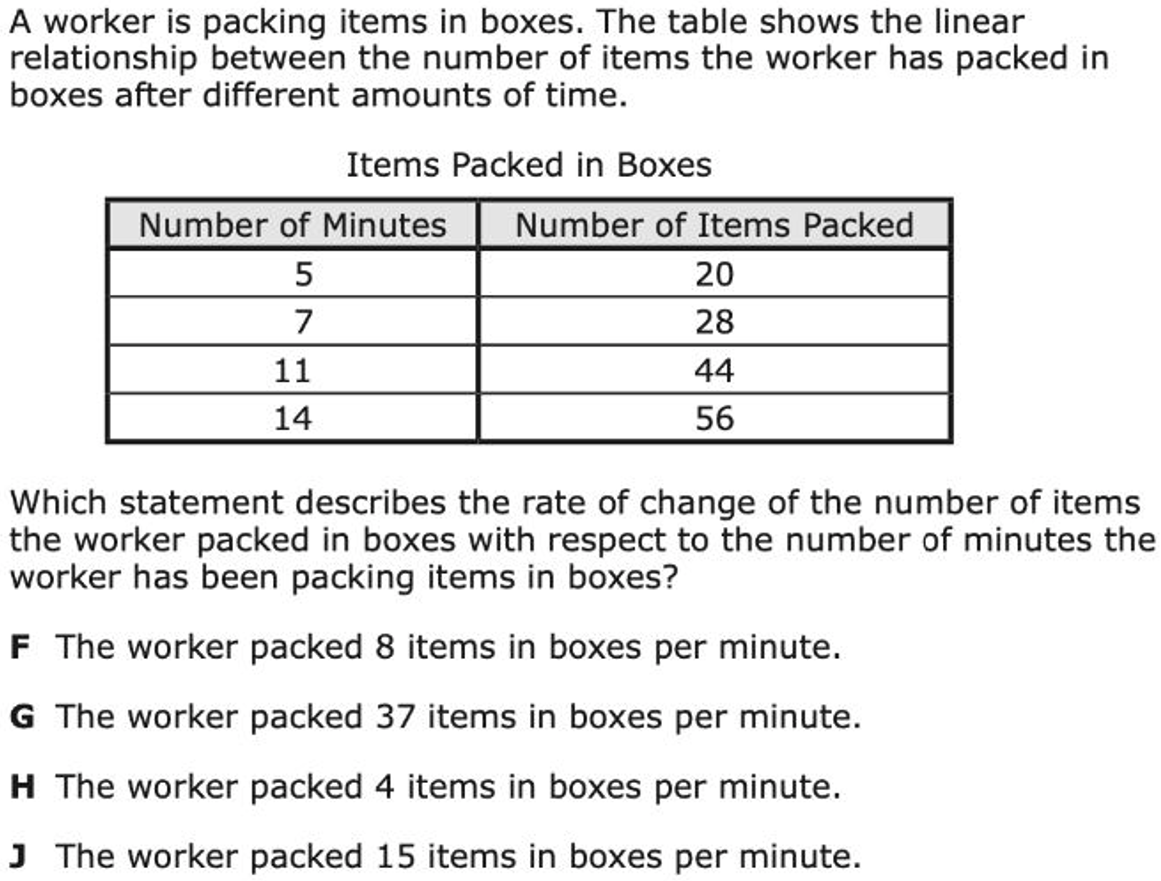
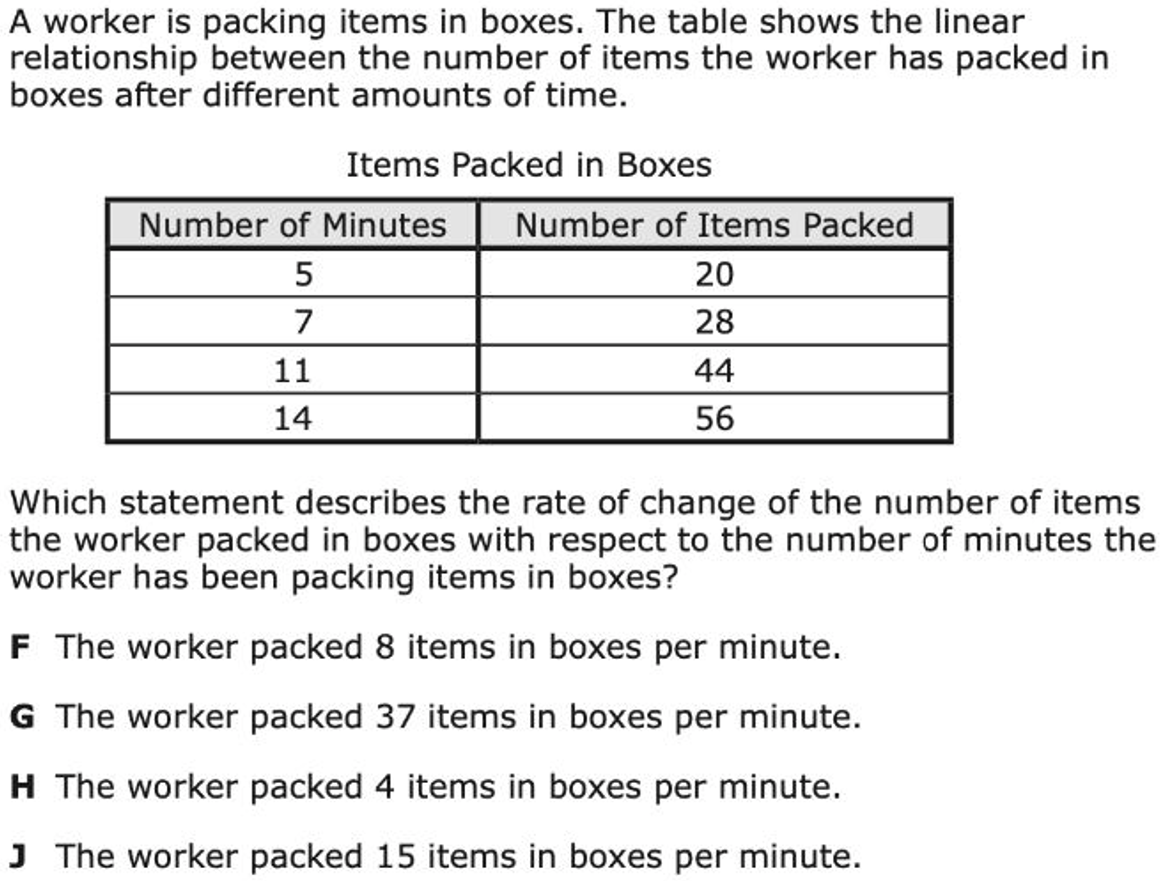
This problem says it is an linear function.
Type this table into List & Spreadsheets. Use Menu 4,1,3 to find the "m" and "b" value.
Menu 4,1,3
What is the correct answer?
When you use List and Spreadsheet and then
Menu 4,1,3 it gives you an "m" value and a "b" value.
What does the "m" value tell you about the function?
When you use List and Spreadsheet and then
Menu 4,1,3 it gives you an "m" value and a "b" value.
What does the "b" value tell you about the function?
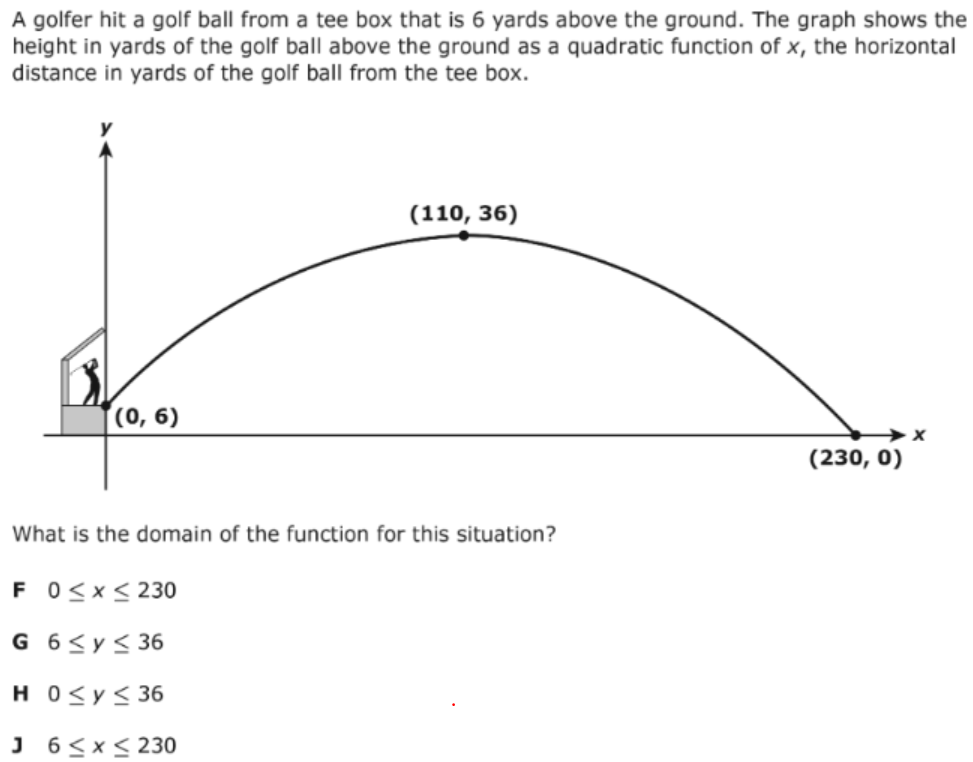
What type of function is this problem dealing with?
Read through the problem. There is a key word in it.
What is the domain of a function?
When you look at this coordinate
(-3,9)
Which value is the domain value?
What is the correct answer to this problem?
What type of function is this problem dealing with?
Read through the problem. There is a key word in it.
Rate of change is speaking about slope.
When dealing with linear functions what do you use after putting into List and Spreadsheets?
The "m" value is speaking about the slope?
What is the correct answer to this question?
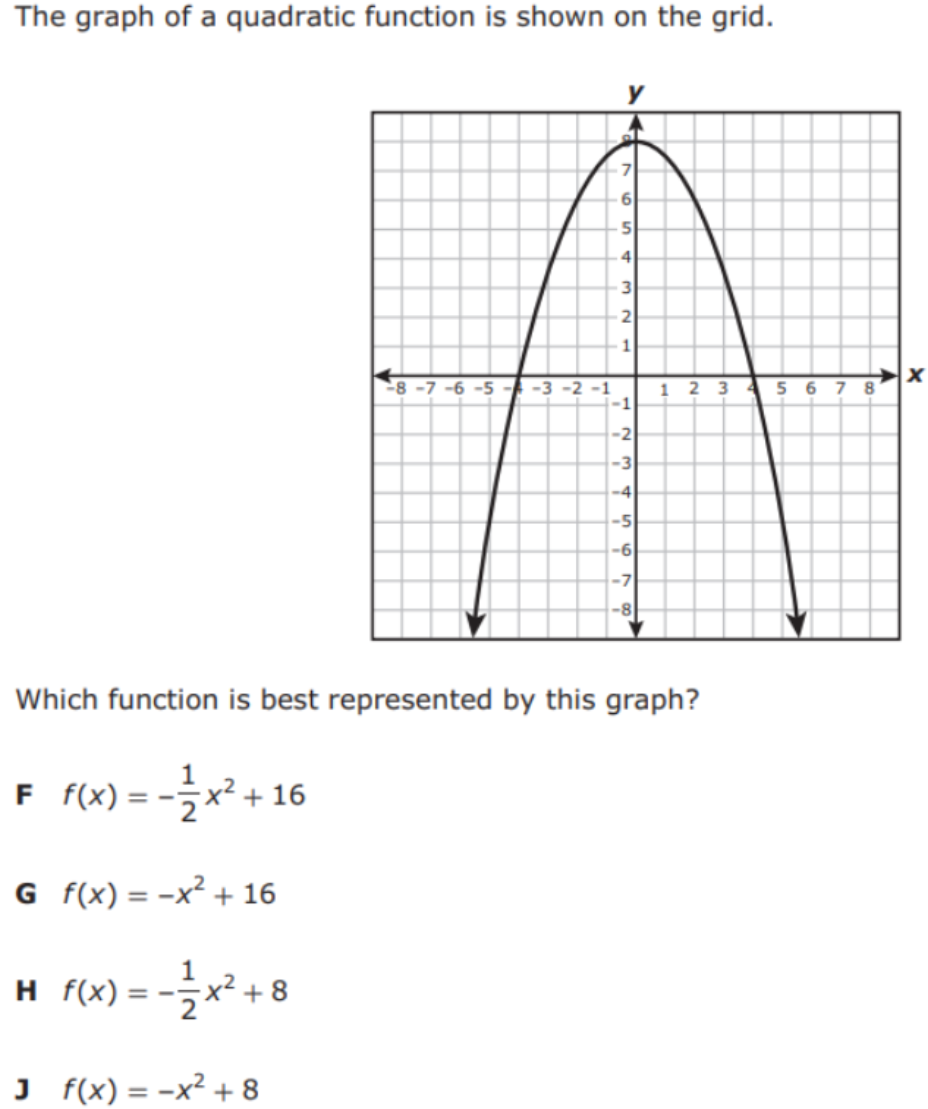
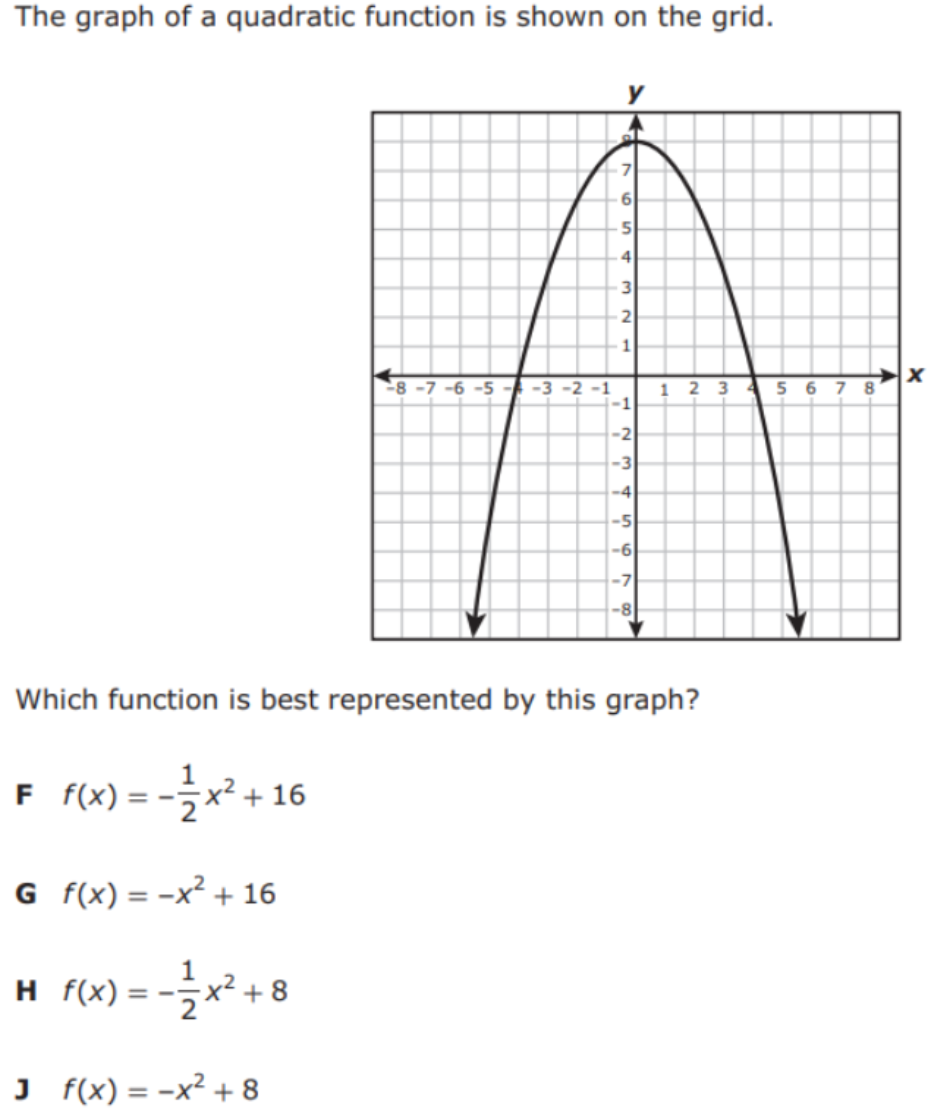
What type of function is this problem dealing with?
Read through the problem. There is a key word in it.
Graph each answer choice here and find the one that matches to the graph given.
What is correct answer?
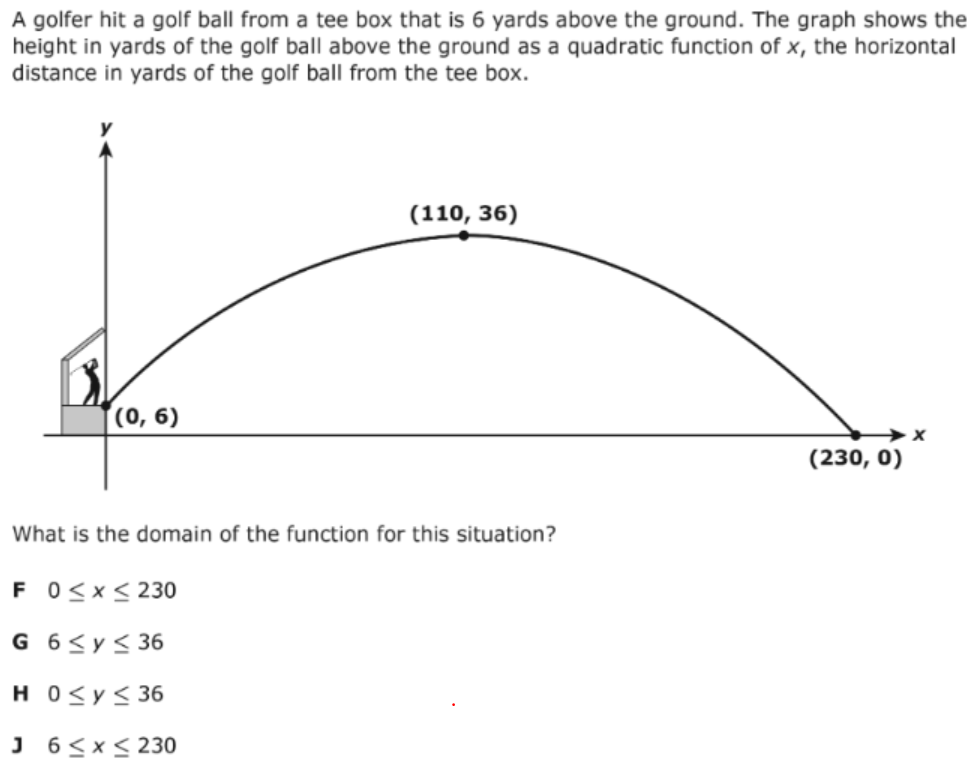
What type of function is this problem dealing with?
Read through the problem. There is a key word in it.
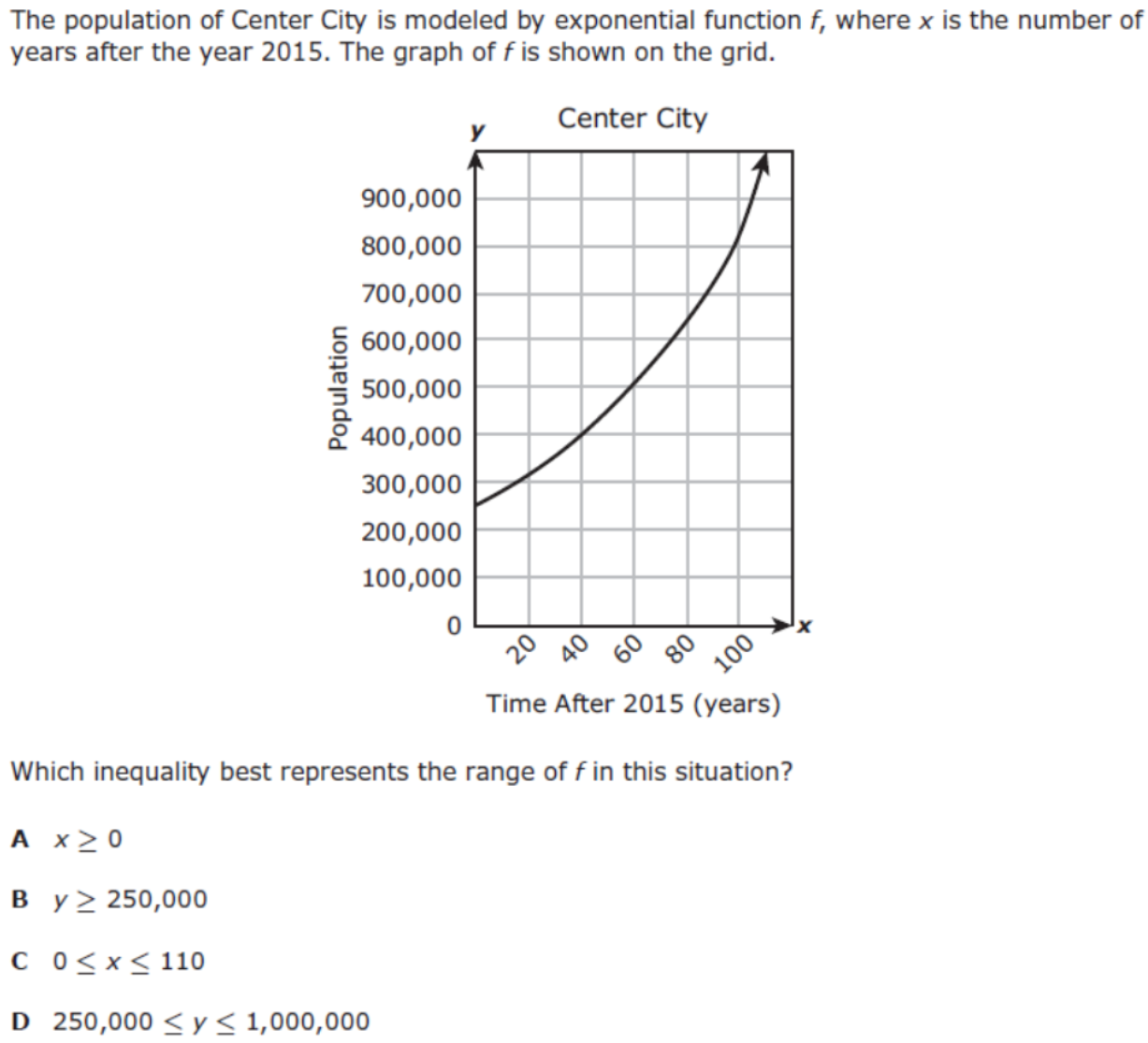
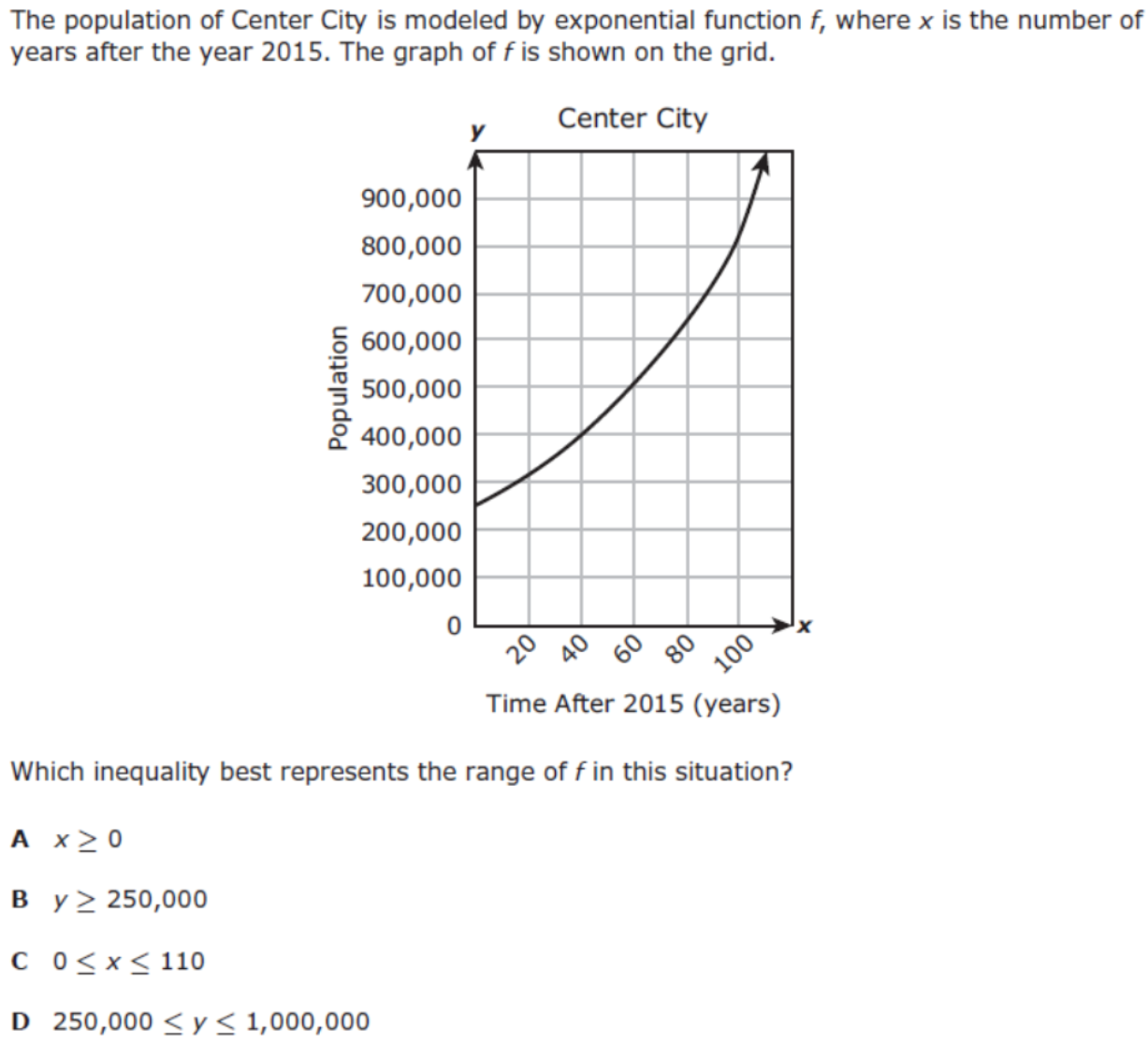
What is the range of a function?
In this coordinate
(-12, 18)
What is the range value?
This question is asking about the range values.
Look at the lowest number that the curved line hits on the Y-AXIS.
Then find the highest number it hits on the Y-AXIS.
What is the correct answer?
(You know since it is asking for the range that anything with x is not going to be the correct answer)
(There is an arrow at the top of the curved line. It is going to go forever up)
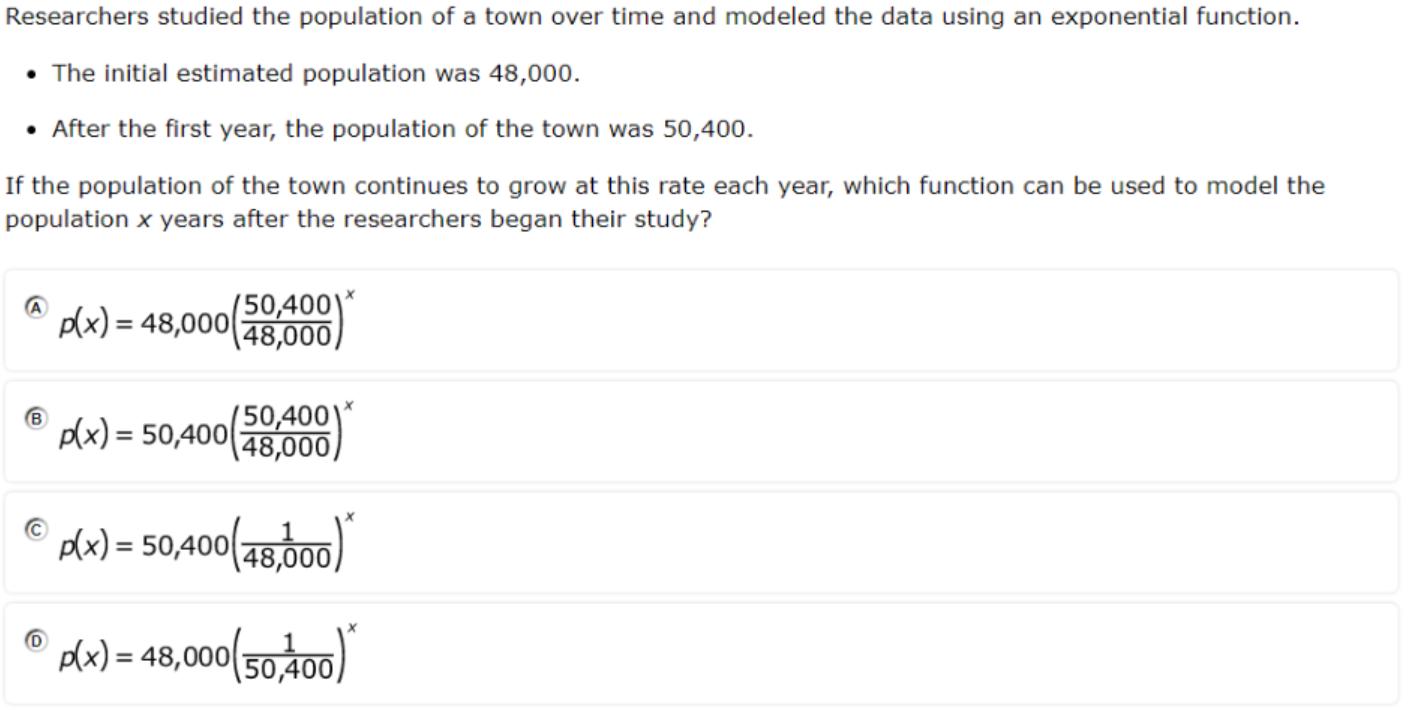
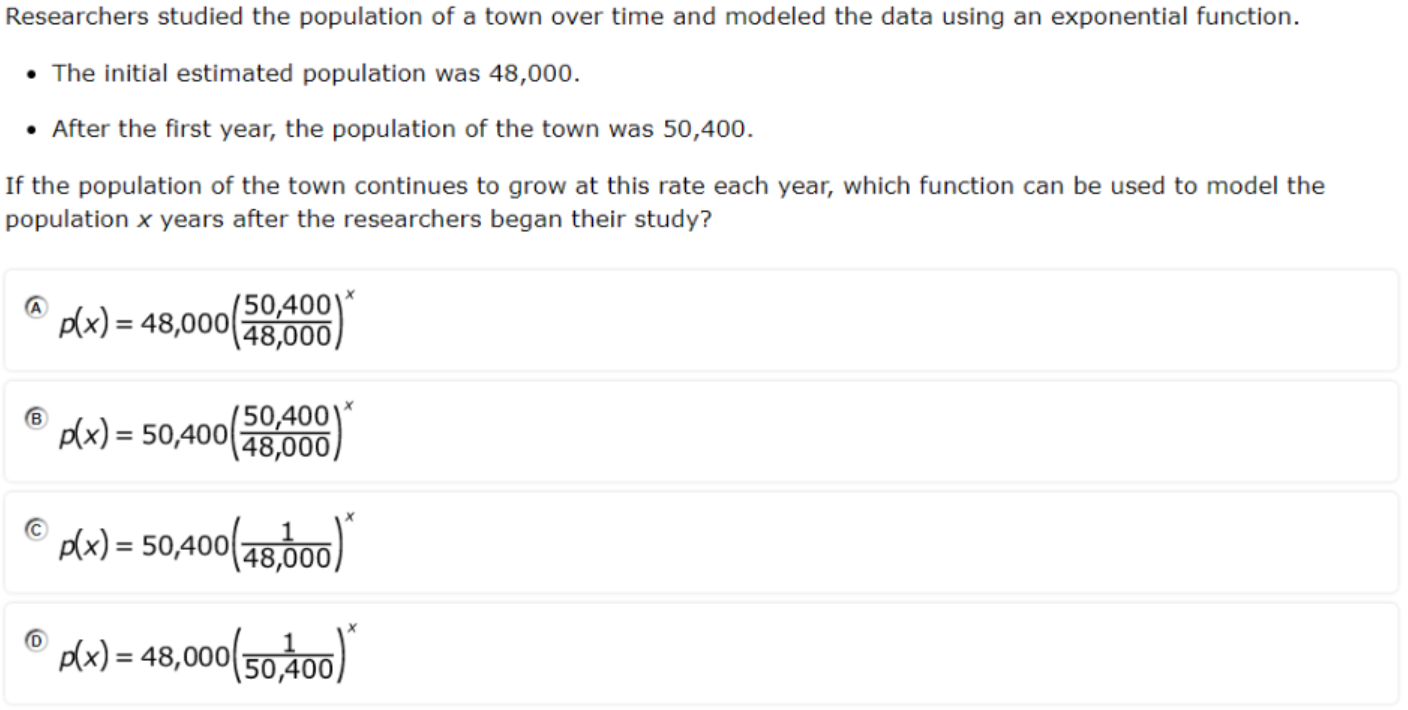
What type of function is this problem dealing with?
Read through the problem. There is a key word in it.
When dealing with exponential functions the initial amount is the first number?
(the answer is true)
a = initial amount (the amount that the problem starts with)
b = rate
What is the correct answer?
What type of function is this problem dealing with?
Read through the problem. There is a key word in it.
This is a Linear function. Type this into List & Spreadsheet. Use Menu 4,1,3.
What is the correct answer?