Friday 4/5 - ER PB 1 Review - Food Chain
star
star
star
star
star
Last updated about 1 month ago
17 Nsɛmmisa
Vocabulary Review
Food Chain / Food Web and Energy
3
1
2
1
1
3
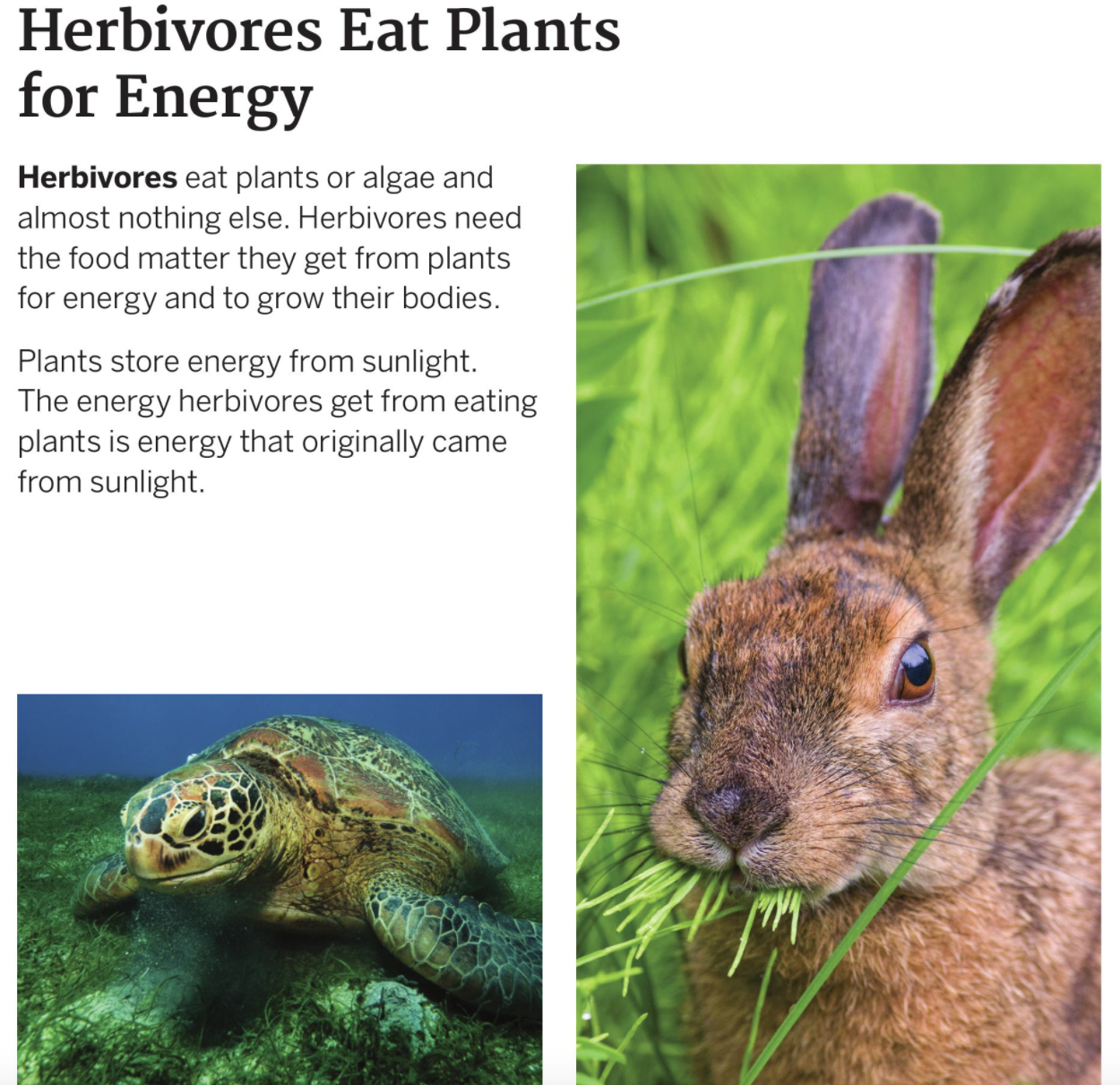
Herbivores eat ________________
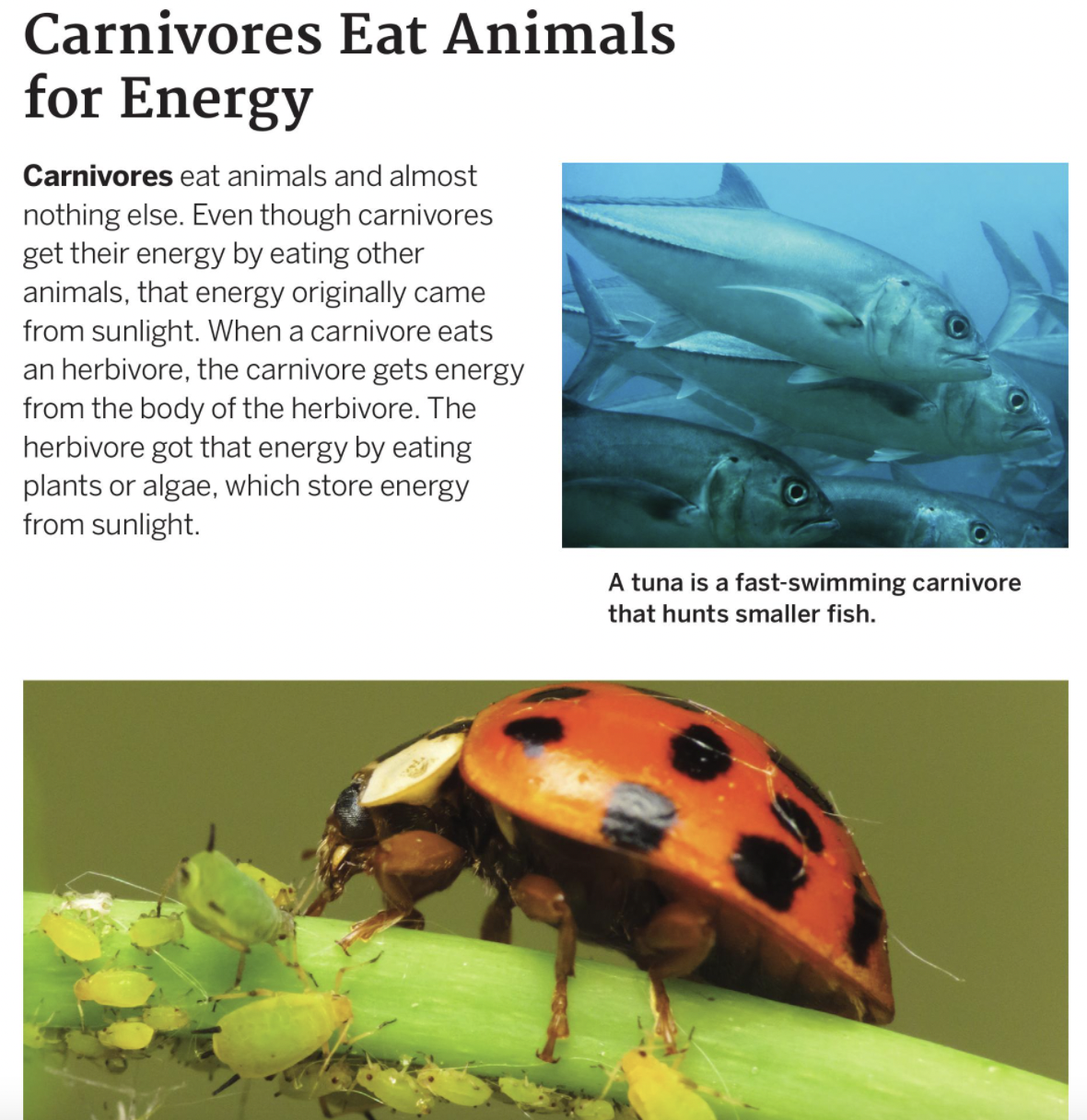
Carnivores eat ________________
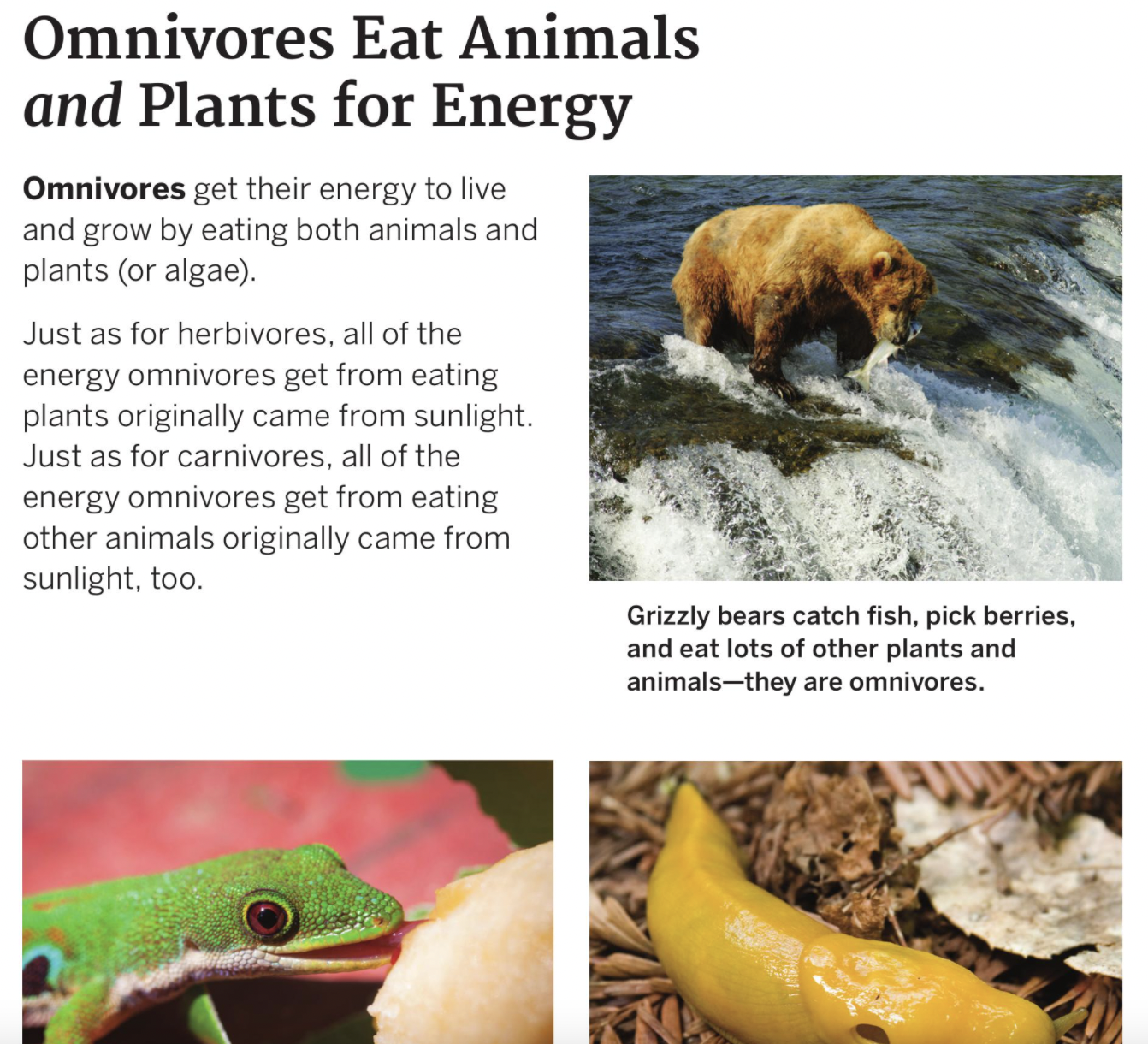
Omnivores eat ________________
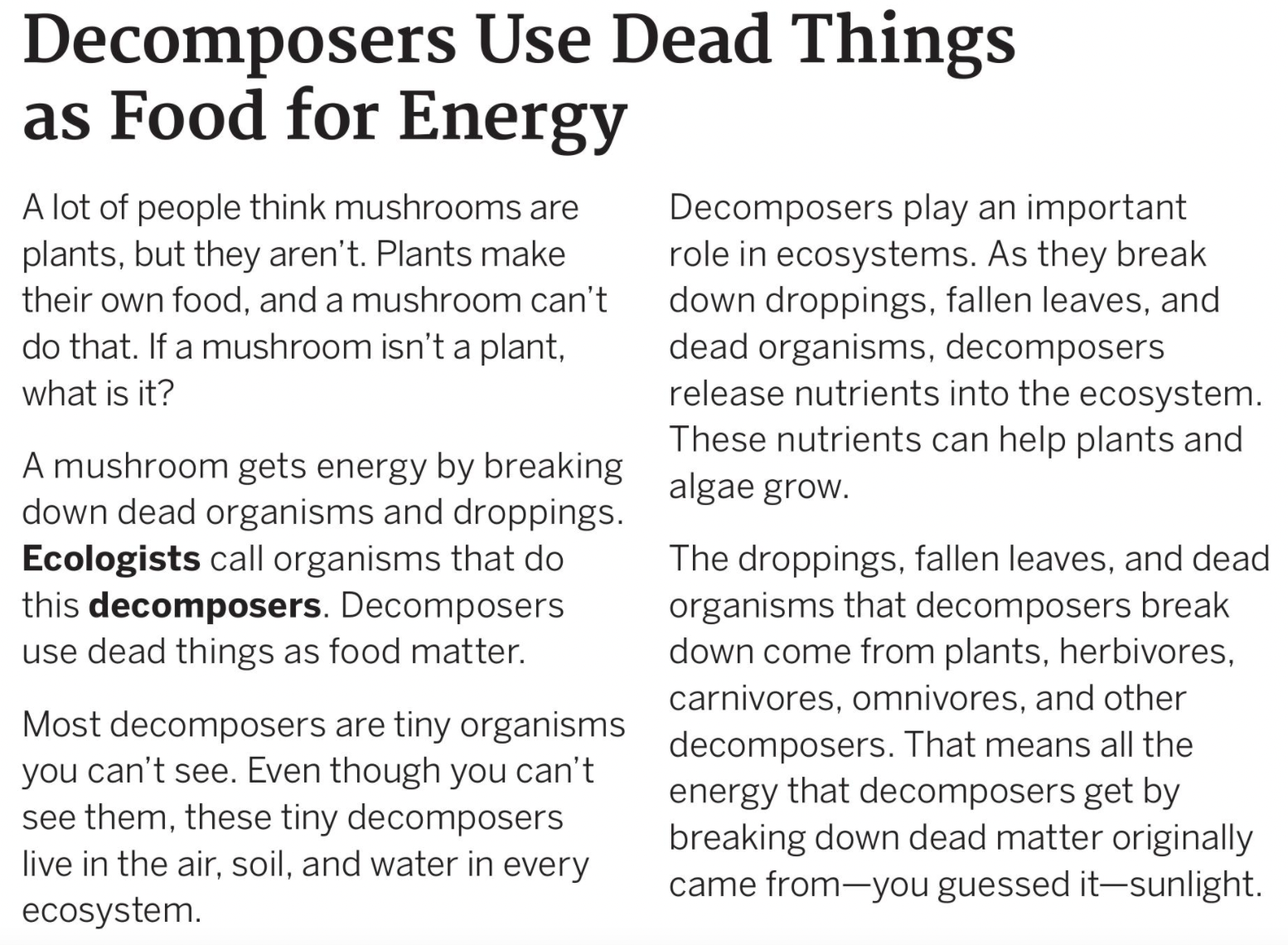
Decomposers eat ________________
There is a snake, grass, and mouse in an ecosystem.
Describe how each organism in this ecosystem must get its energy (1 point each):
Snake - How does the snake get energy?
Mouse - How do the mouse get energy?
Grass - How does the grass get energy?
Write a food chain with the organisms snake, grass, and mouse to correctly show the energy relationships (3 points).
Criteria For Success:
organisms are in the correct order
arrows correctly show the flow of energy
all three organisms are included in the food chain
When the snake eats the mouse, what 2 things does the snake use the food molecules for?
1.
2.
The snake does not eat grass.
Explain how the molecules from the grass can become the body molecules of the snake.
Criteria For Success:
Describe the food chain.
Explain how the food molecules move in the food chain.
A grasshopper was introduced into the ecosystem. The grasshopper is an herbivore. What will happen to the size of the snake population, increase, decrease, or stay the same. Explain why.
The snake population will _______ because ______
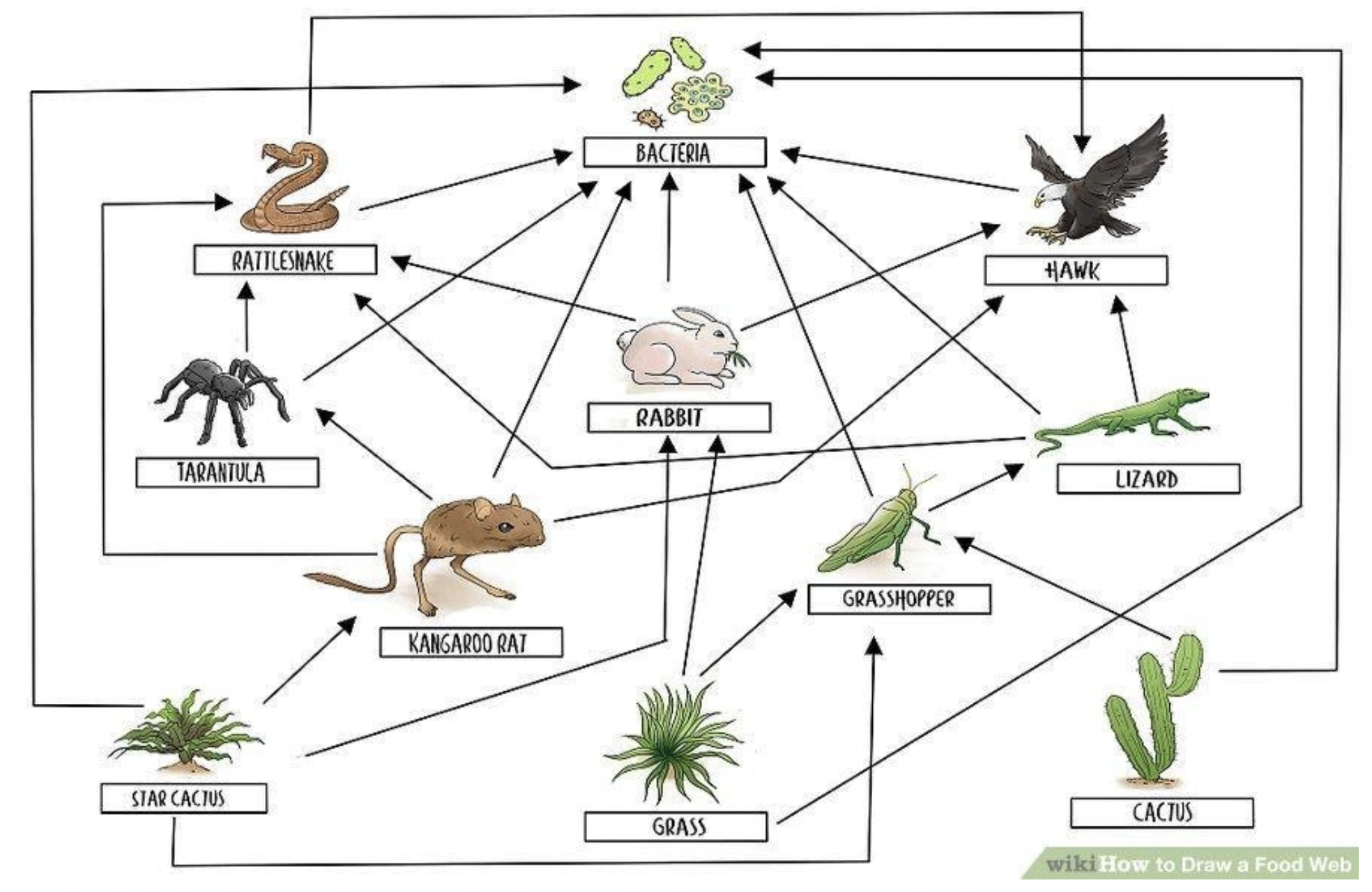
Fill out the boxes to create a food chain from the food web above:
cactus → → →
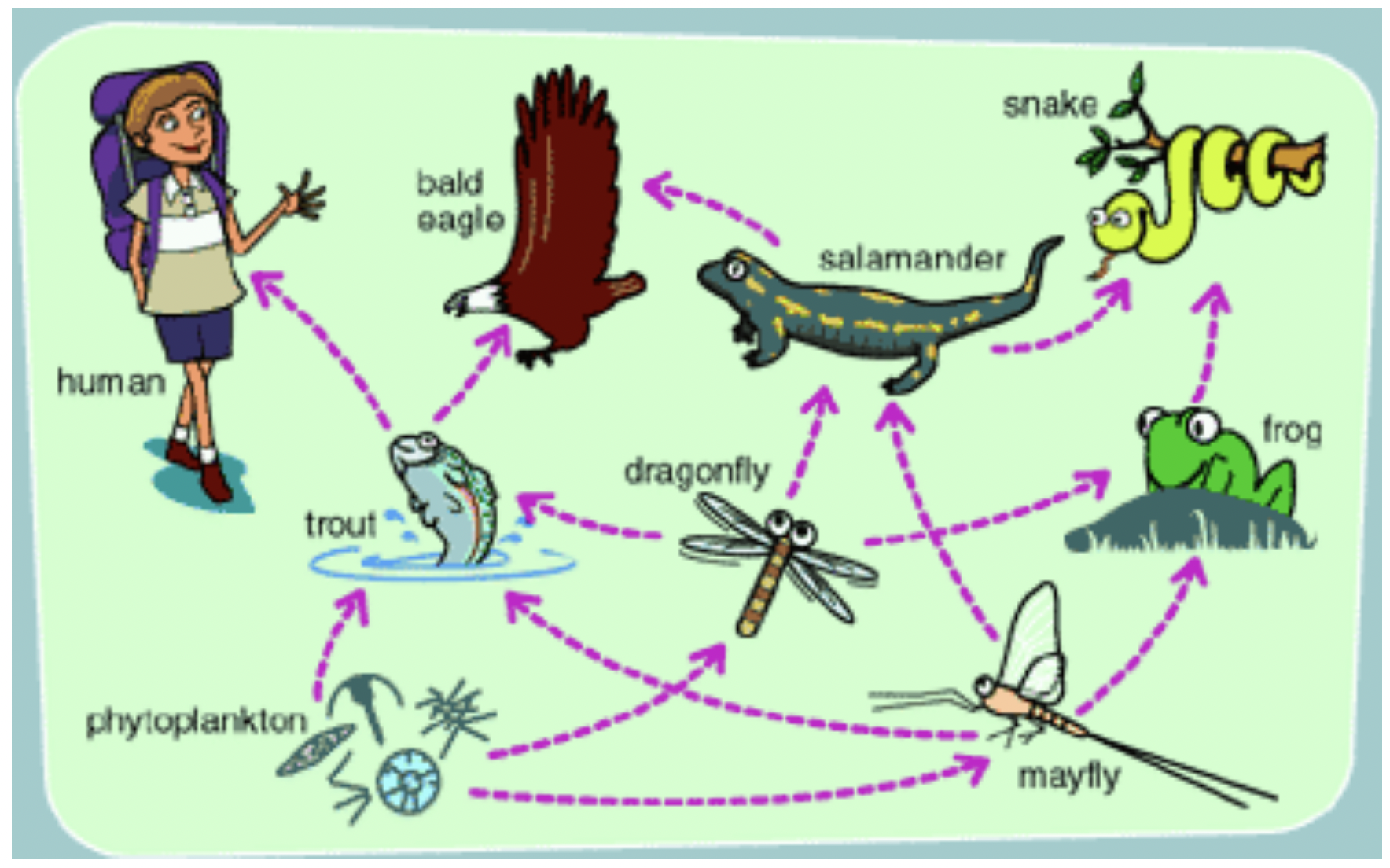
Use the food web model and the vocabulary words below to answer the following questions:
Producer - any organism that makes its own food using sunlight, water, and carbon dioxide
Consumer - any organism that eats other organisms for food
Herbivore - animal that eats plants, algae, or plankton
Carnivore - animal that eats other animals
Omnivore - animal that eats both plants and animals
What organism is the PRODUCER in this food web?
The salamander gets energy from which 2 organisms?
The eagle is a(n) ______________
The dragonfly is a(n) __________
The trout is a(n) ______________
Where do the food molecules that the salamander eats *originally* come from?
When the salamander eats food, what 2 things does the salamander use the food molecules for?
1.
2.