EOC SB4c.Viruses

Last updated over 1 year ago
10 questions
Required
1

In the 1940s, the scientist J. B. S. Haldane linked many human red blood cell disorders with
the tropical regions where malaria occurs. Haldane hypothesized that the widespread
presence of these red blood cell disorders as well as traits that protect individuals from
malaria were the result of natural selection. Haldane’s hypothesis was later confirmed by the
research of A. C. Allison. The resistance to malaria carried by individuals in areas where malaria is widespread is the
result of —

Required
1

Put the following in order from smallest to largest.

  1. Prokaryotic cell
  2. Eukaryotic cell
  3. Virus
Required
1

Which of these describes a difference between viruses and cells?

Required
1
Vaccines and antibiotics are two important tools used in medicine to combat infectious diseases, but they differ in their targets and mechanisms of action. __________ are primarily used to prevent viral infections by stimulating the immune system to recognize and defend against specific viruses. They contain__________ forms of viruses or viral components that prompt the immune system to produce antibodies and memory cells, providing long-term protection against future infections. In contrast, __________ are medications used to treat bacterial infections. They work by targeting and killing bacteria or inhibiting their growth. By interfering with bacterial cell wall synthesis, protein production, or DNA replication, effectively eliminating bacterial pathogens. It's crucial to differentiate between vaccines and antibiotics to ensure appropriate treatment and prevention strategies for viral and bacterial infections, respectively, thereby minimizing the development of antibiotic resistance and optimizing public health outcomes.
Required
1

In the 1880s, Louis Pasteur developed a method of weakening viruses. The weakened viruses
could be injected into healthy individuals. How is this method effective in fighting viral diseases?

Required
1

An illness caused by a certain virus includes fever, rash, joint pain, red eyes, and headache.
The virus is transmitted to people by infected mosquitoes. Symptoms quickly occur within
three to twelve days after contracting the virus. There is no vaccine for this virus.
Which description best explains the reproductive cycle of this virus?

Required
1

The graph below summarizes how effective the seasonal flu vaccine has been at preventing infection with the flu virus. The data were collected over a 13-year period.
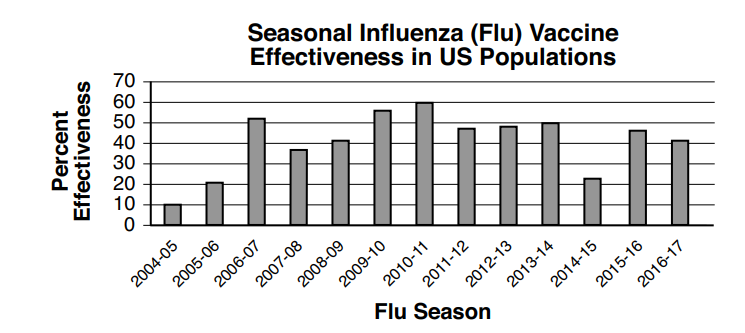
Based on the data provided, a reasonable interpretation would be that
Required
1

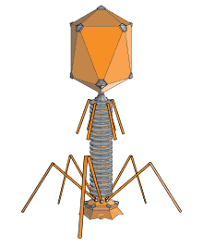
What virus is pictured below?

Required
1
The __________ cycle occurs when injected viral DNA turns the host cell into a virus making machine. While the __________ cycle occurs when injected viral DNA integrates into the host DNA and is then passed on during cell division.
Required
1

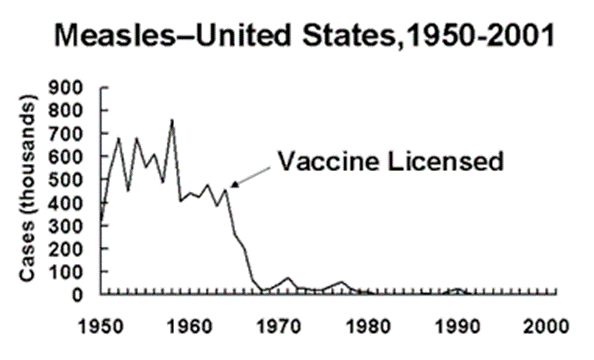
📷The measles virus is highly contagious and spreads through the air through coughing and sneezing. Measles starts with a fever, runny nose, cough, red eyes, and sore throat. It is followed by a rash that spreads quickly over the entire body. The graph above illustrates the number of measles cases in the US from the years 1950 – 2001.


Which of the following statements best explains the sharp decline in measles infections around the year 1964?