Ɛhia
1
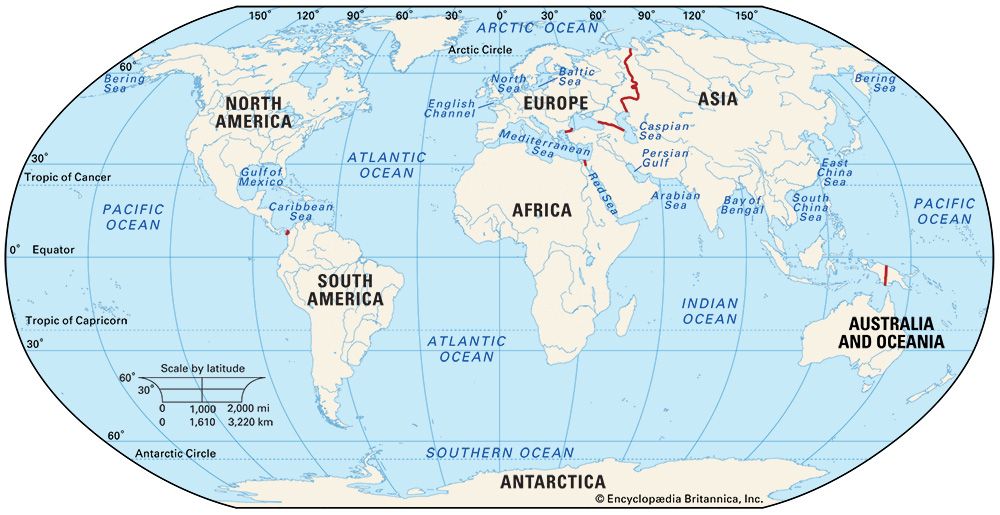
Check the circle below that circles India.
Check the circle below that circles India.
6.5.1
Ɛhia
6
6.5.1
Learning Intention:
I am learning about the ancient History of one of the world's oldest civilizations, India.
Success Criteria:
I can describe the basic geography of India and identify the unique characteristics of ancient Indian towns.
I can draw out the Hindu caste system established by the Aryan invasion of India.
I can summarize the major beliefs, texts, and stories of Hinduism and Buddhism.
I have listed the major achievements of the Maurya and Gupta Empires.
Check the circle below that circles India.
When completing Formative assignments students are expected to read the text on the left entirely before moving on to the next section.
The Tigris and the Euphrates are the two life giving rivers of India.
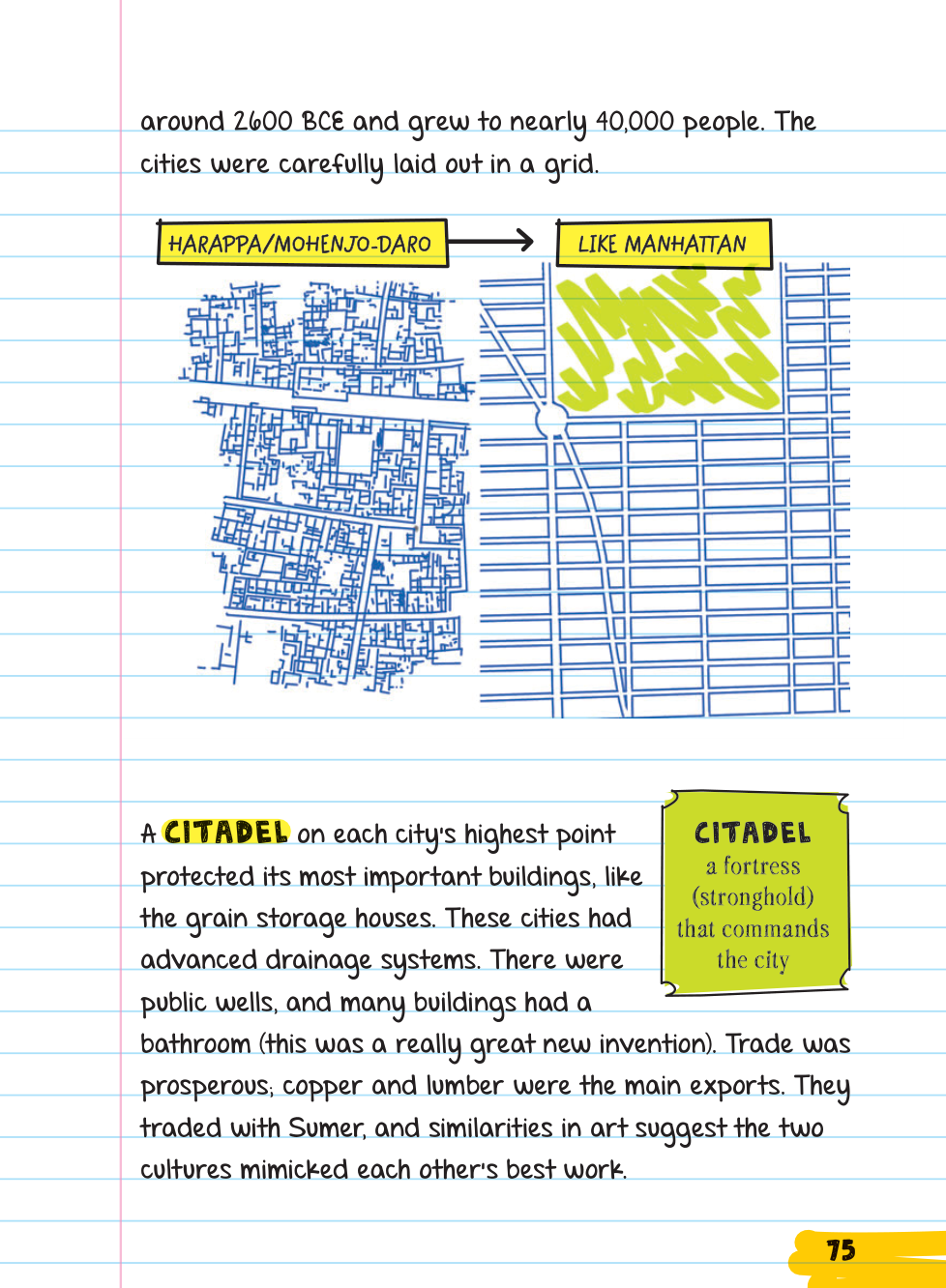
Use the grid pictures to the left to gather your insights.
What do the grids of Harappa / Mohenjo-Dara have in common with Manhattan, New York?
How are they different?
Answer in at least two sentences.
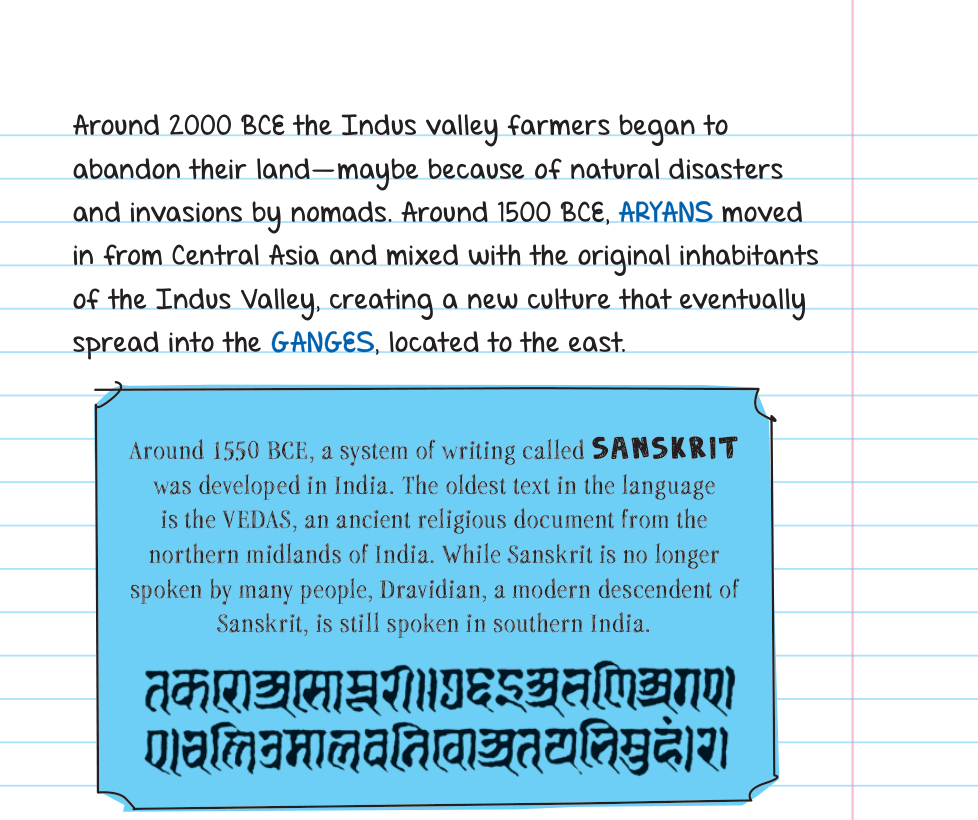
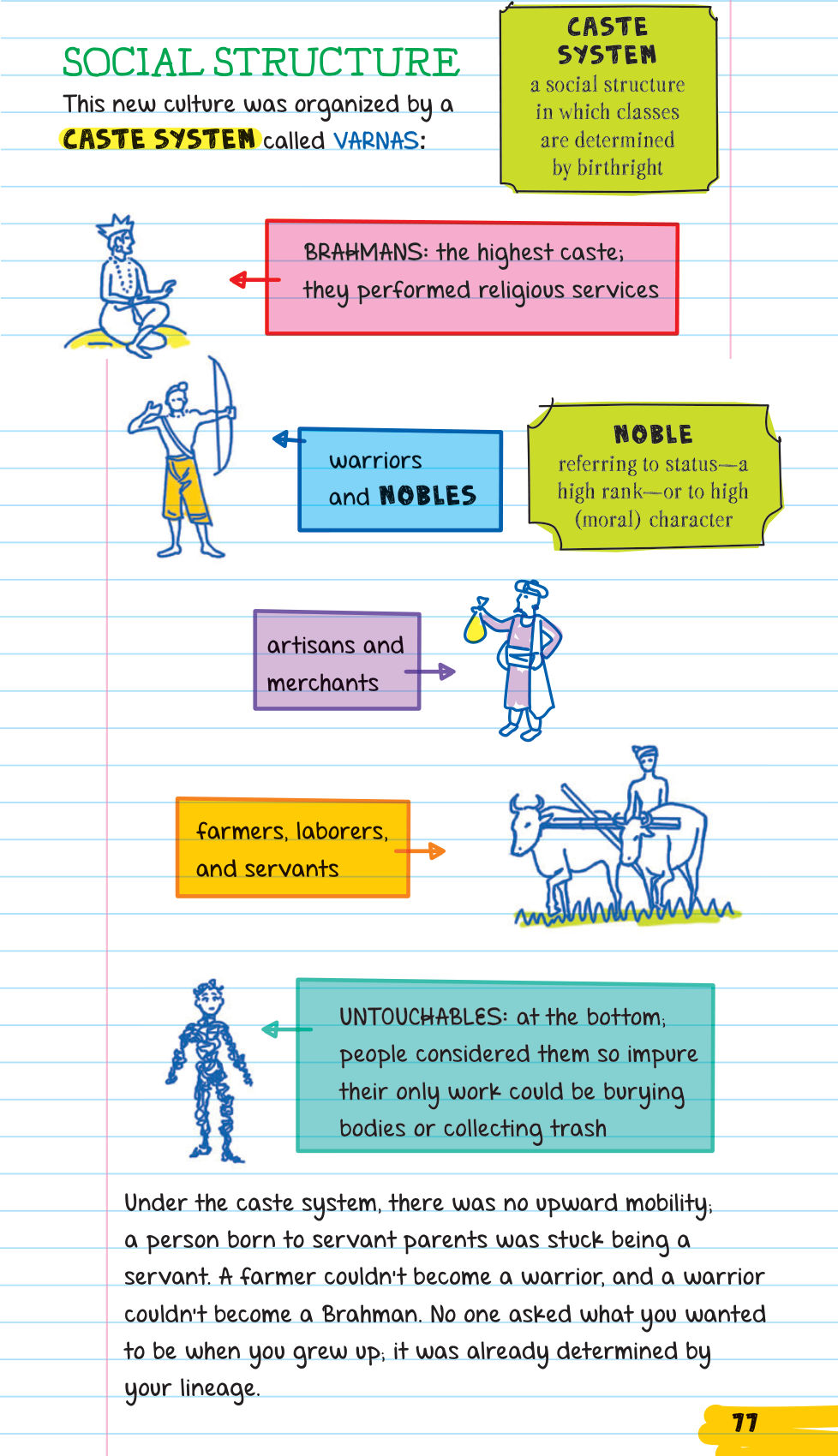
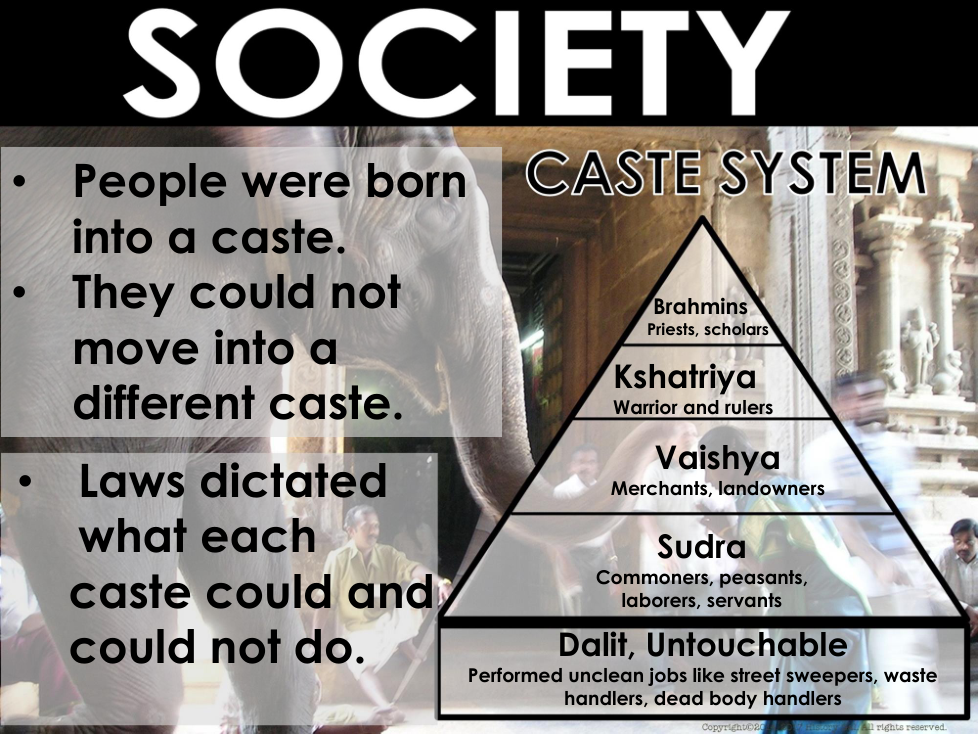
Match the caste with its responsibilities using pictures.
| Draggable item | arrow_right_alt | Corresponding Item |
|---|---|---|
Sudra | arrow_right_alt |
|
Vaishya | arrow_right_alt |
|
Dalit, "Untouchables" | arrow_right_alt |
|
Kshatriya | arrow_right_alt |
|
Brahmin | arrow_right_alt |
|
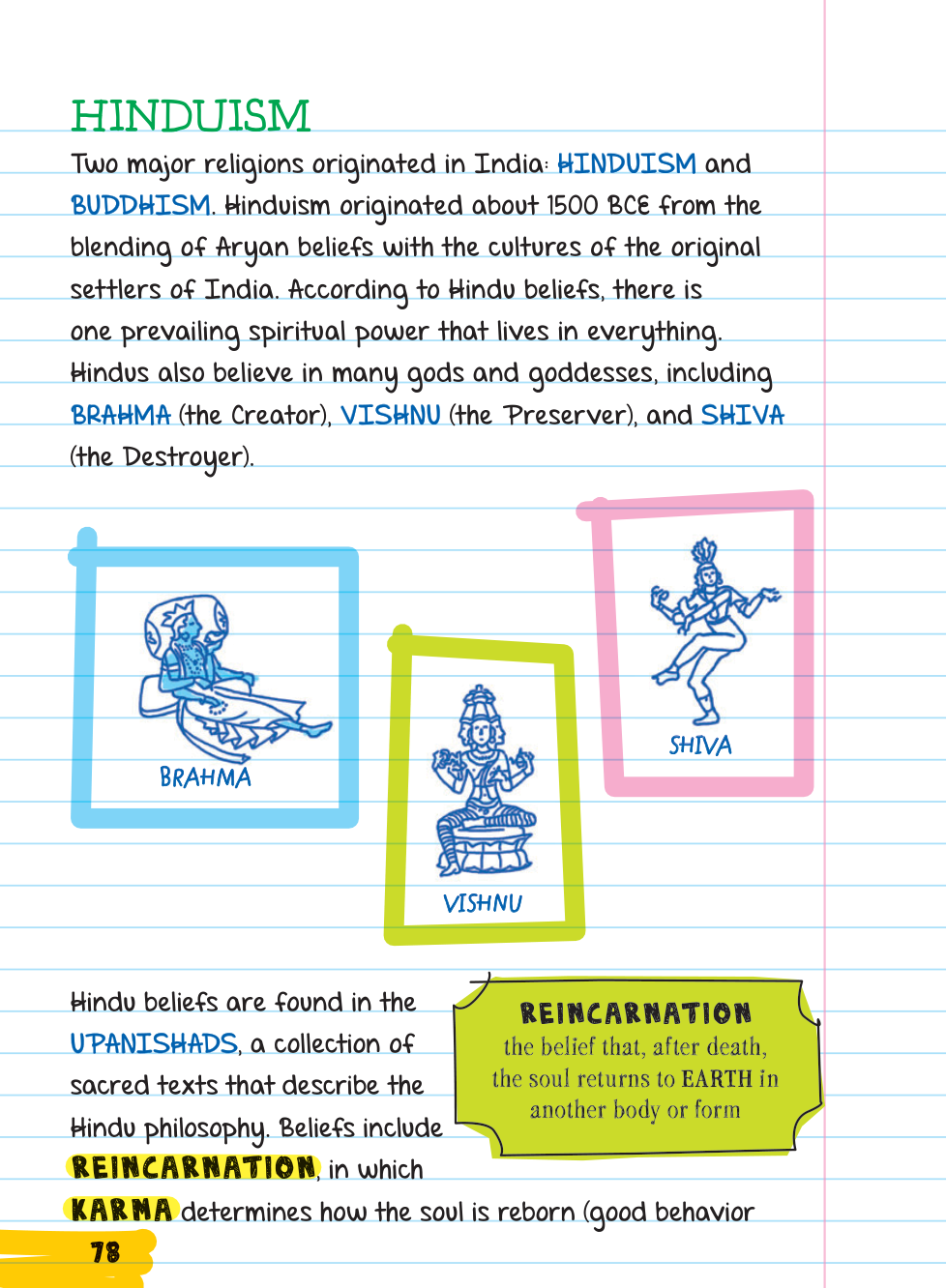
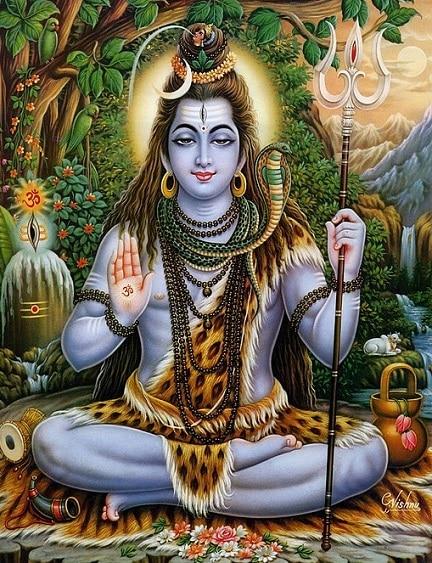
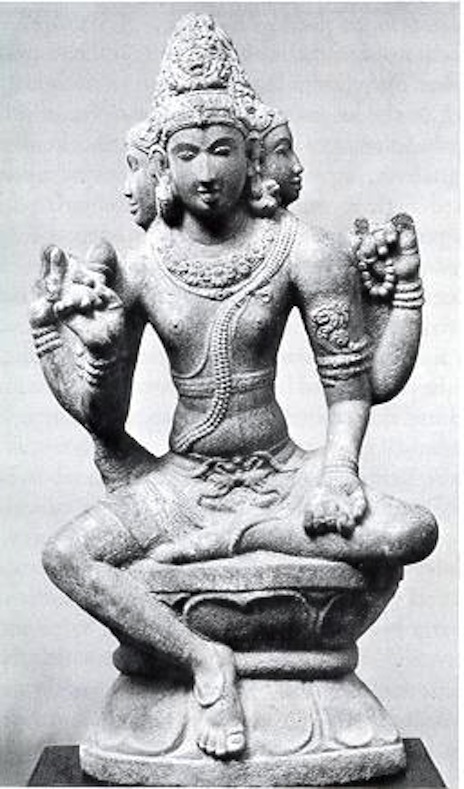
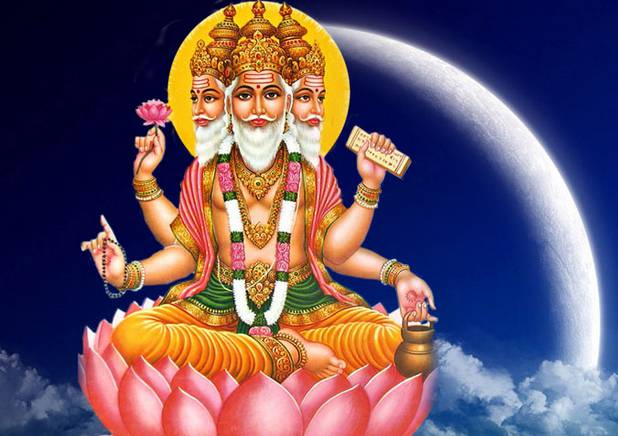
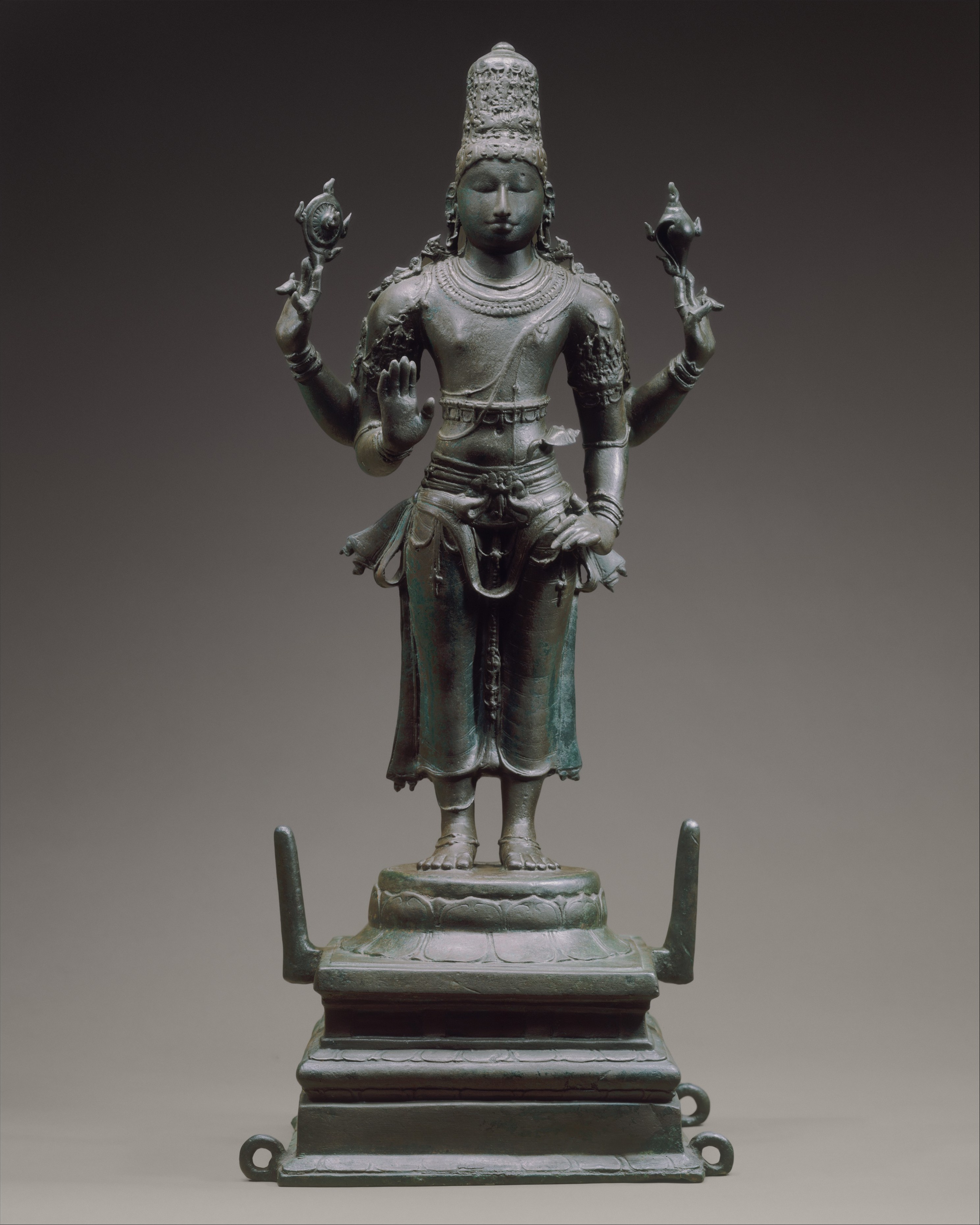
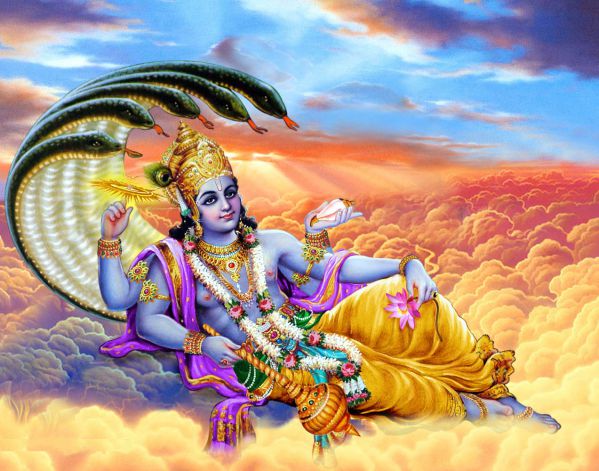
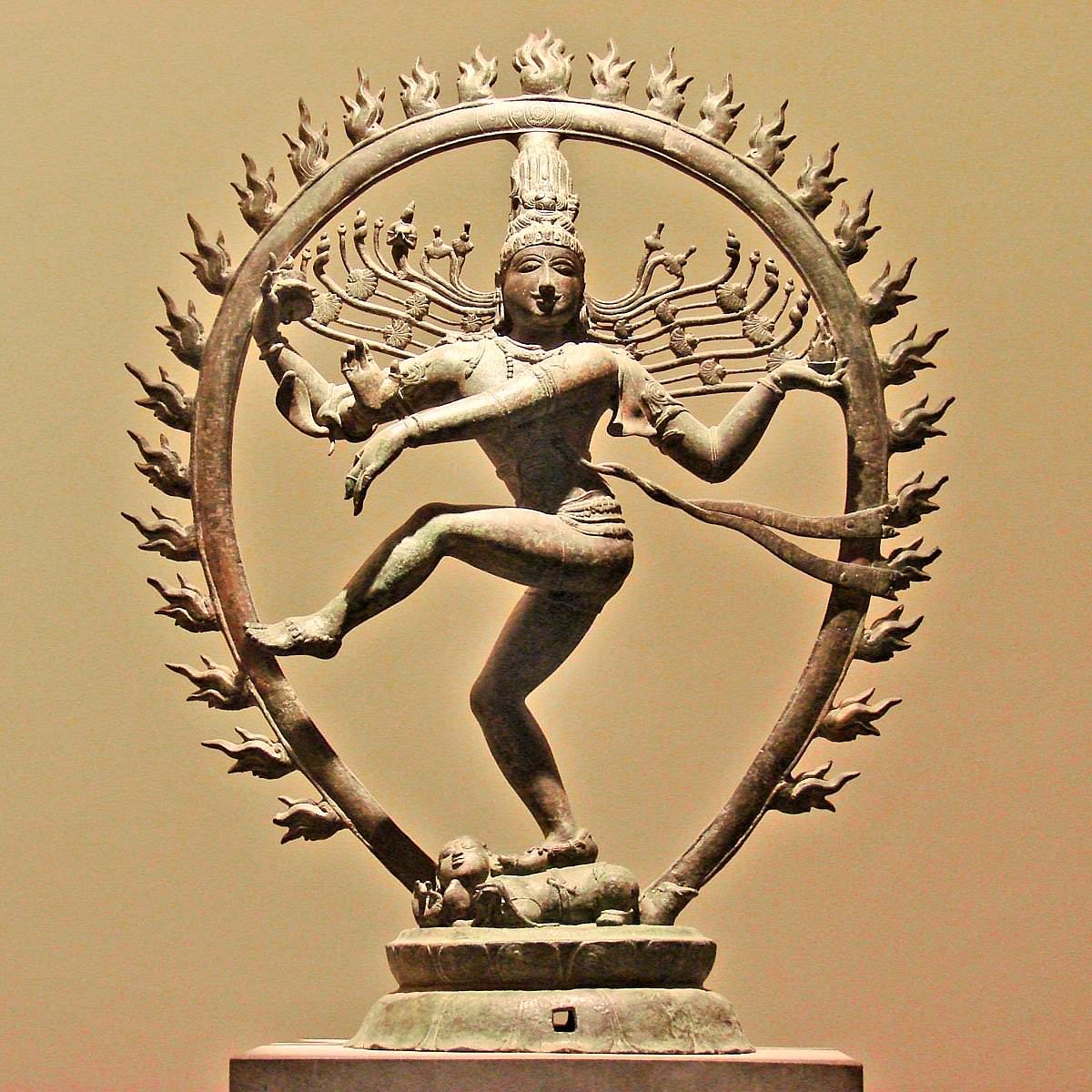
Match the below Hindu gods to their title.
| Draggable item | arrow_right_alt | Corresponding Item |
|---|---|---|
Shiva
| arrow_right_alt | the Creator
|
Brahma | arrow_right_alt | the Preserver
|
Vishnu
| arrow_right_alt | the Destroyer
|
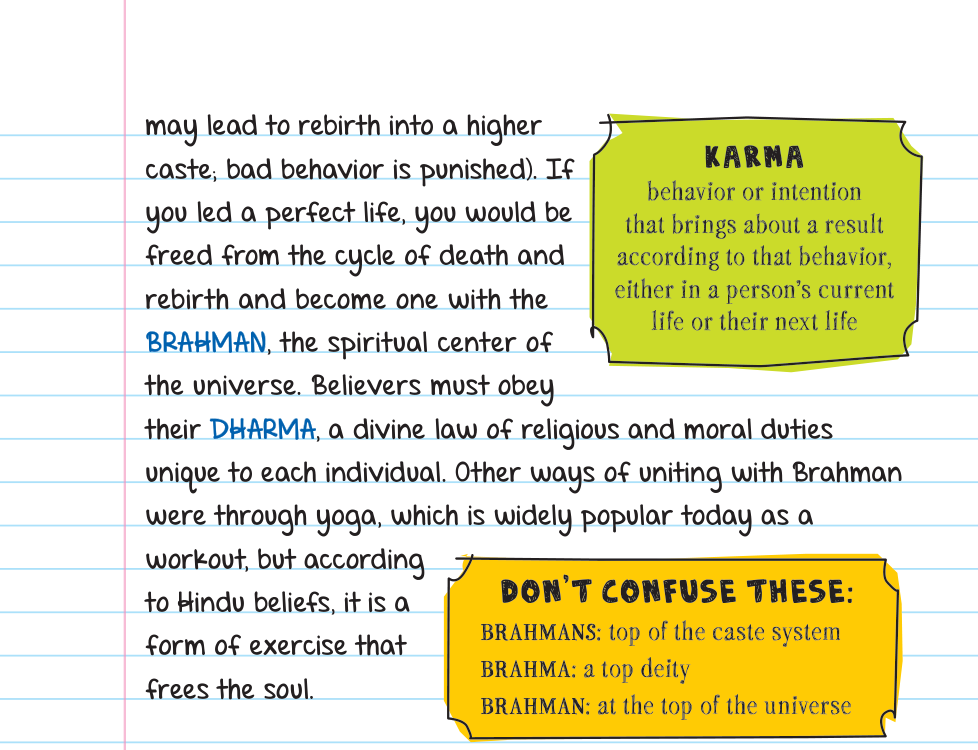
Match each example of Karma to an appropriate reincarnation story.
| Draggable item | arrow_right_alt | Corresponding Item |
|---|---|---|
A Kshatriya was lazy. They did not go to fight in war but instead paid others to go in their place. They were killed after being found cowardly hiding in the citadel. | arrow_right_alt | They would not be reincarnated but instead become one with the Brahman.
|
A Vaishya wasted their life. Rather then further the family business they spent the businesses money on women and pleasure. They stole from their customers. Abused their spouse. Bribed the police to ignore their crimes. Eventually they were arrested for their crimes and they committed suicide in prison. | arrow_right_alt | They would be reincarnated into a lower caste for failing to uphold their caste's duties. 👎️ |
A Brahmin studied long and hard the Vedas and the Upanishads. They served their community well. As they grew old they sat below a tree to meditate. They were found the next day still below that tree. Their legs were still crossed, their eyes closed, their fingers locked, and back straight but not breathing. | arrow_right_alt | They would be reincarnated into a higher caste for successfully upholding their caste's duties. 👍 |
A Sudra lived their life well. They never had much money but when they did they used it to help their family and community. They grew food and celebrated the gods. | arrow_right_alt | They would be reincarnated as an animal. They failed the duties of their caste so much they may become a bug. 🪰 To live short lives over and over again until working their way up the animal kingdom. 🐐 Eventually becoming the lowest caste, a Dalit or Untouchable. |
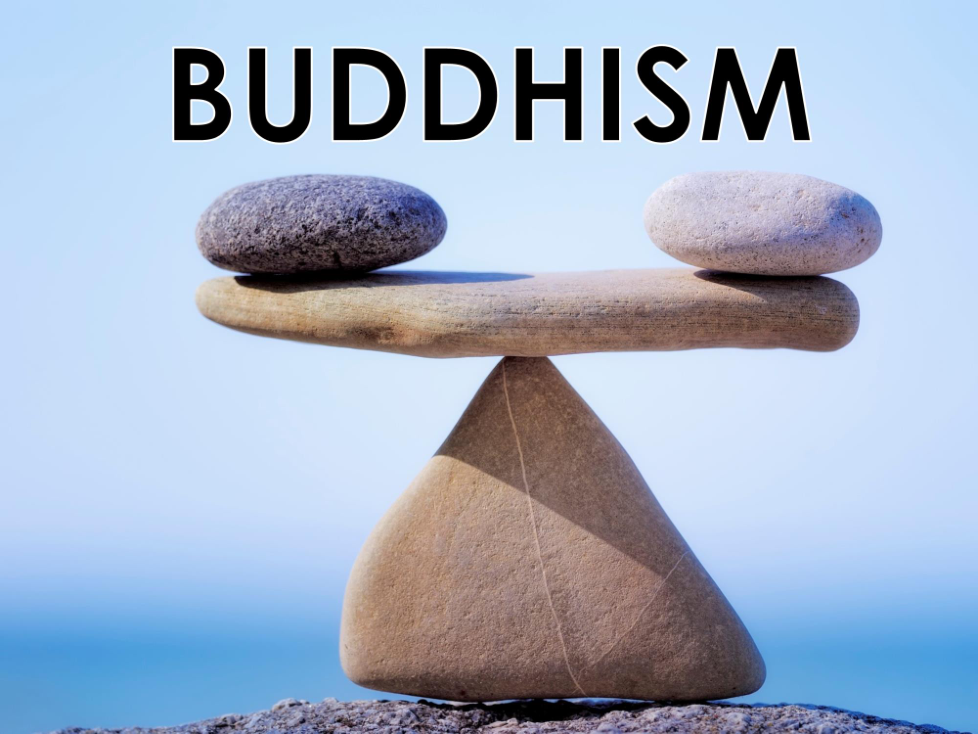
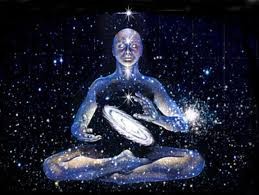
Make an educated guess, a prediction.
In your opinion, what does this picture have to do with Buddhism?
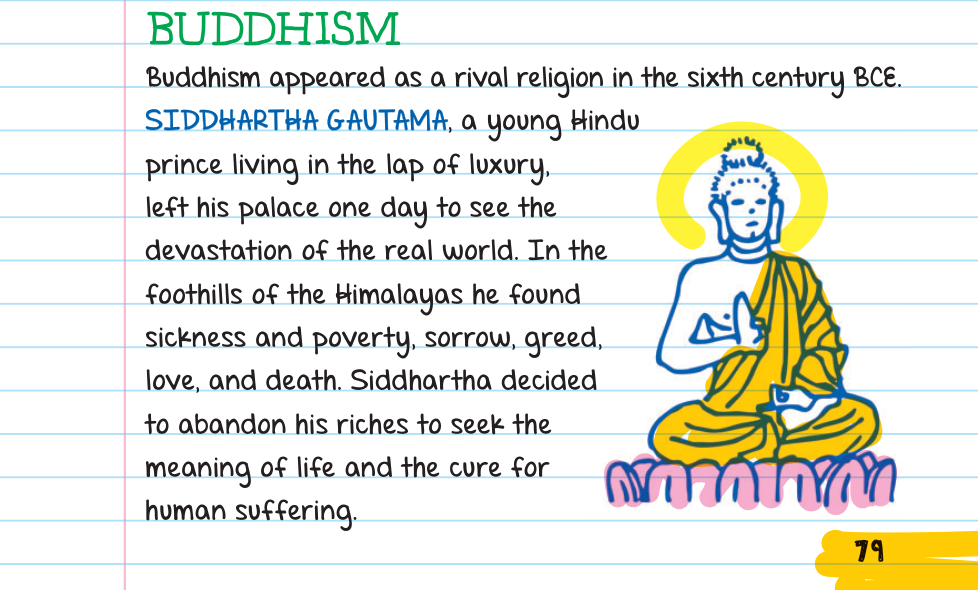
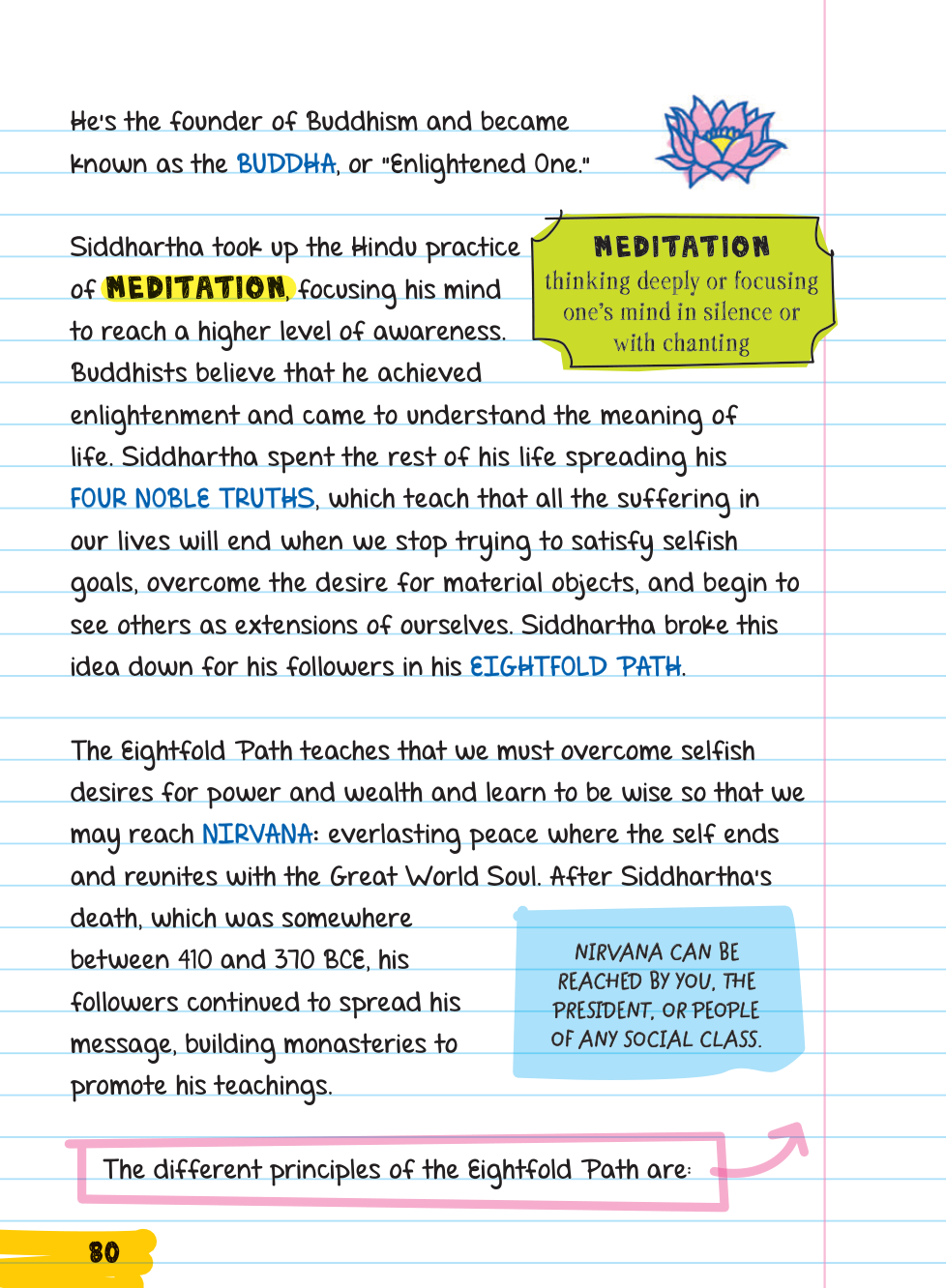
What fundamentally is Buddhism's goal?
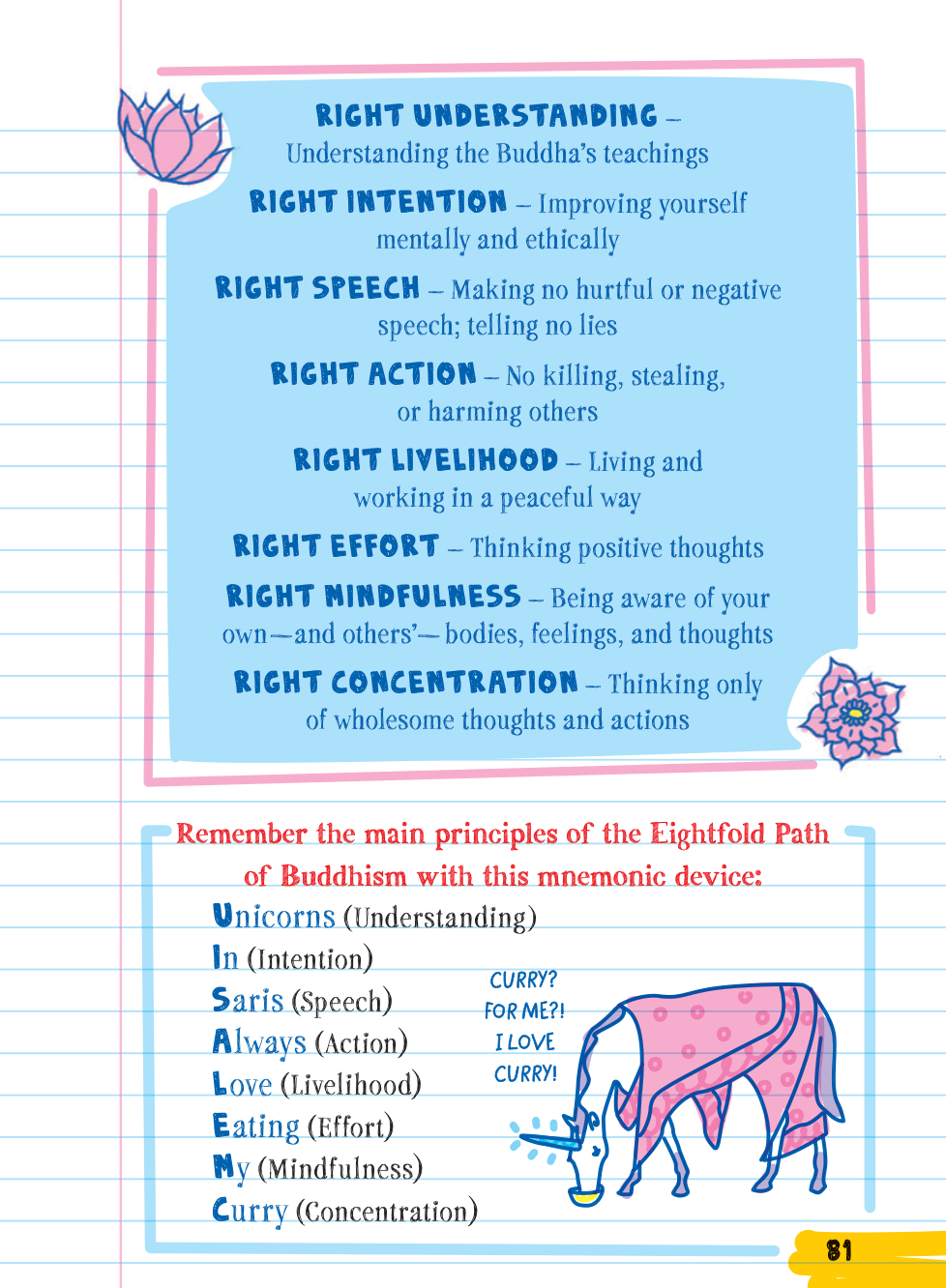
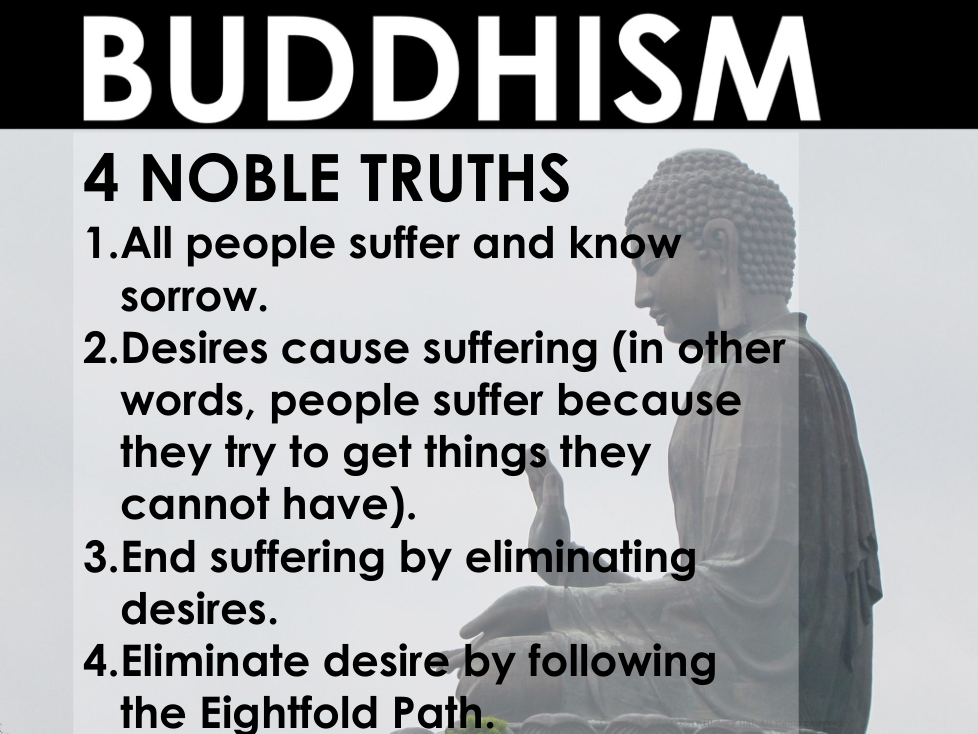
Complete the 4 Noble Truths by typing in the missing words below:
1. All people
2.
3.
4. Eliminate desire by following the
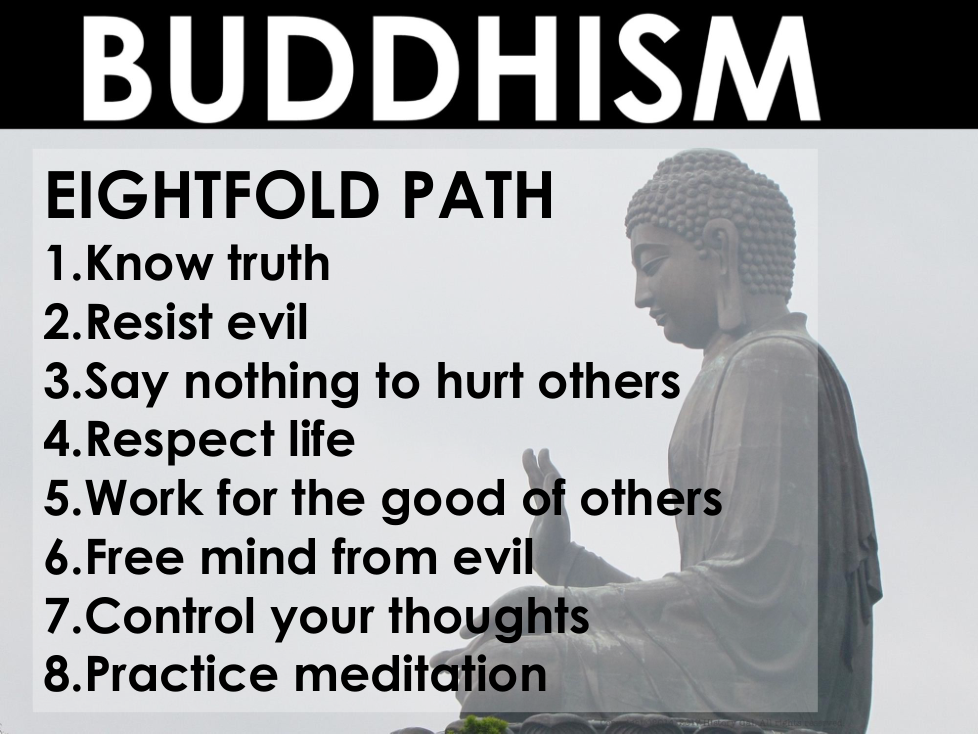
What parts of the Eightfold Path do you agree with? Disagree with?
Write at least three (3) sentences.
Match the belief to it's religion by checking where it belongs.
Hinduism | Both | Buddhism | |
|---|---|---|---|
Originated in India. | |||
Popular in all of Asia. | |||
Popular in India. | |||
Follows a strict Caste System. | |||
Rejects Caste Systems. | |||
Believes in Reincarnation. | |||
Has many gods. | |||
Doesn't reject gods, but also doesn't follow any. | |||
Follows the Four Noble Truths and Eightfold Path. | |||
Has the holy texts called the Vedas and the Upanishads. |
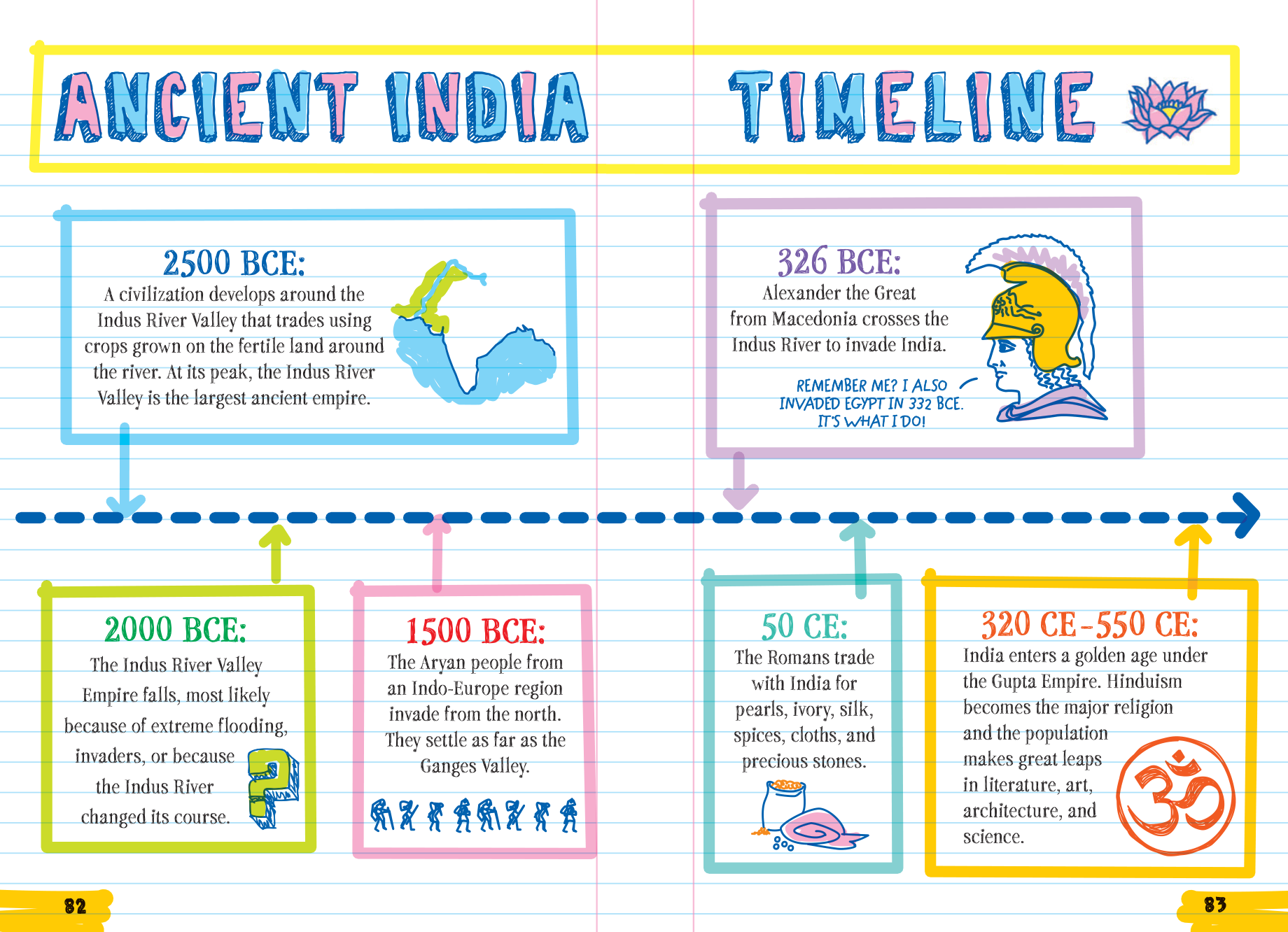
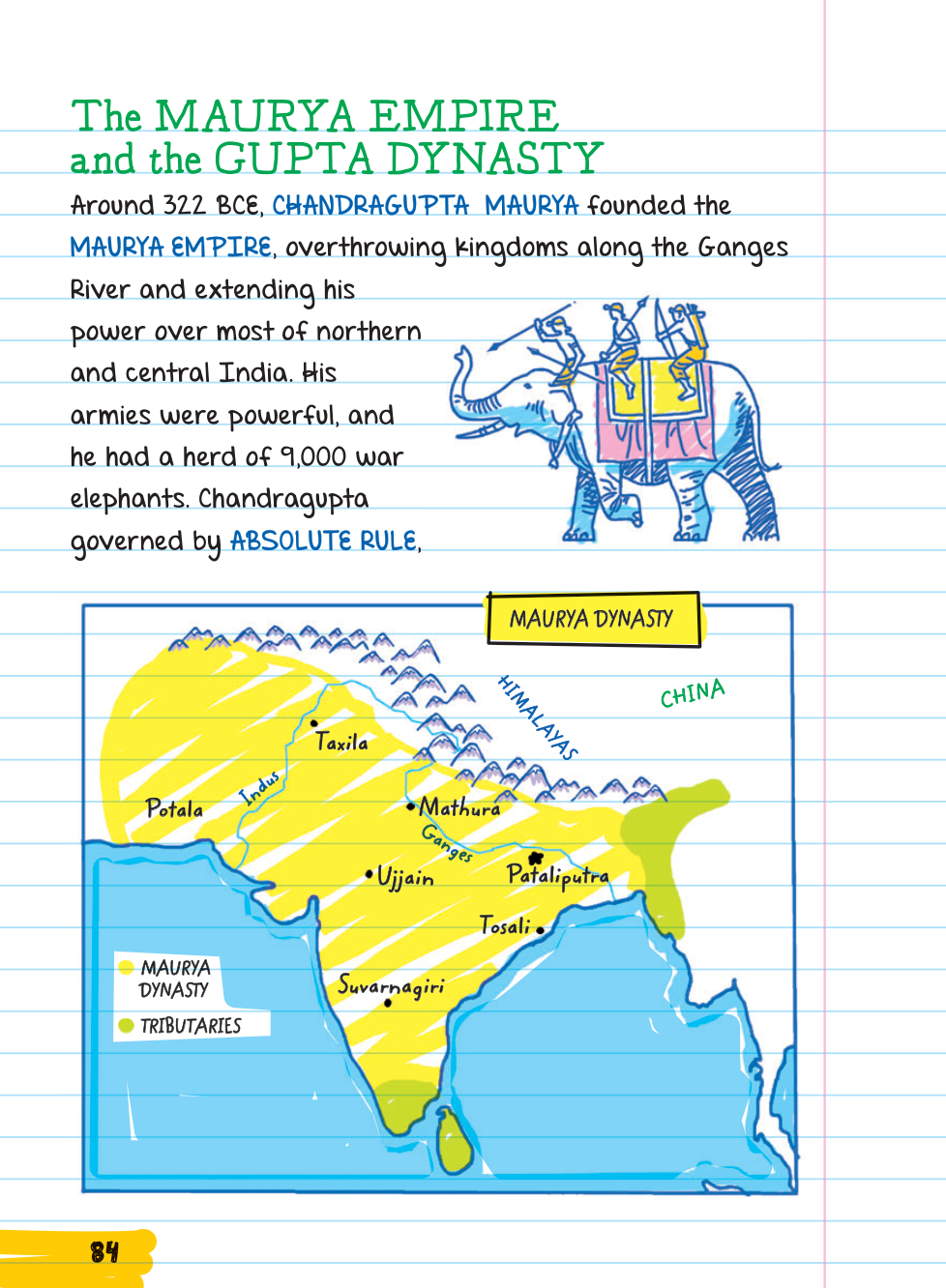
Chandragupta Maurya was the first the unite all of India into one empire.
How did he do it?
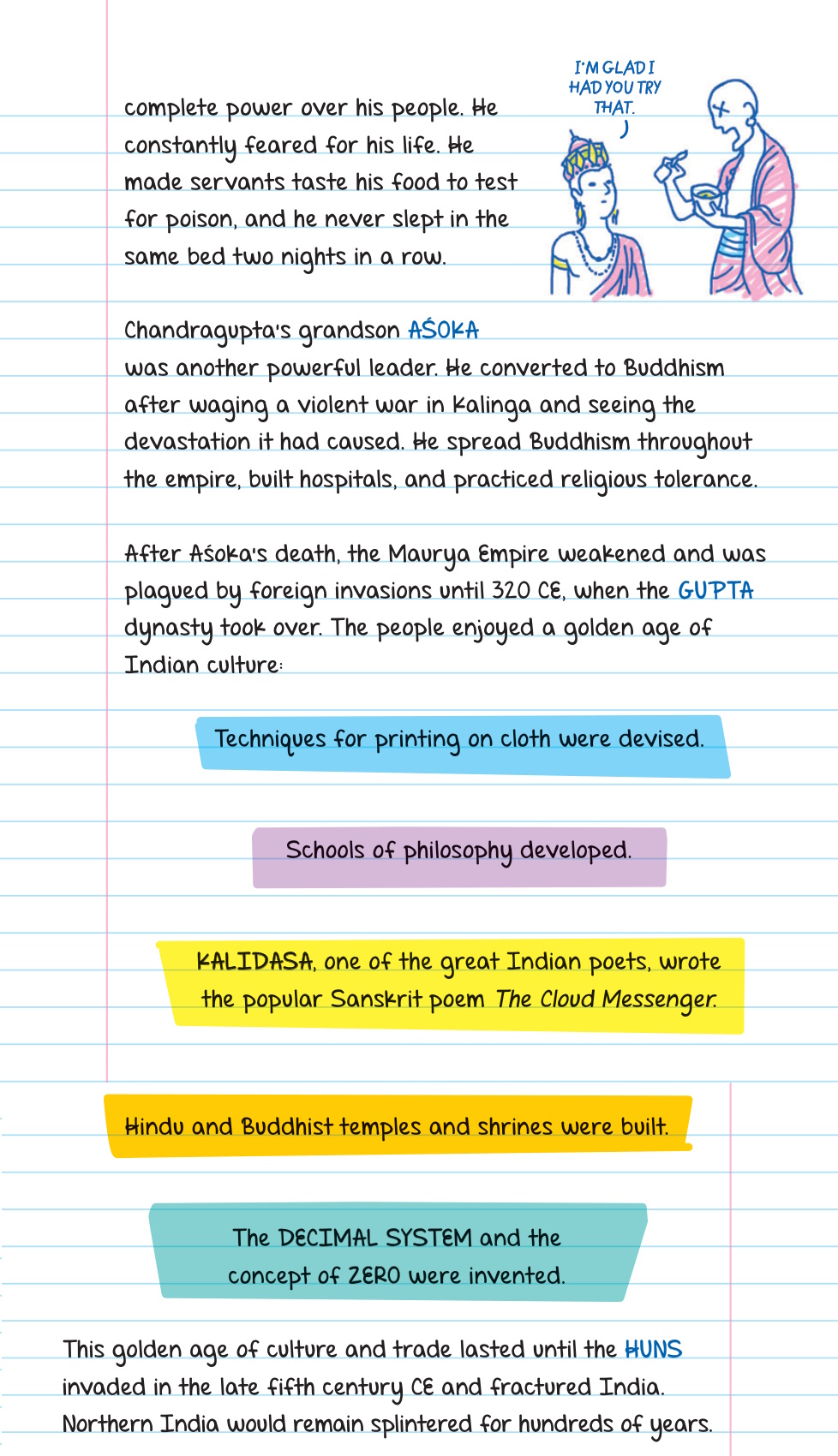
What is Chandragupta's grandson Asoka known for?
Create your own Hindu inspired god(s) project using AI art!
1. Open SBLink.
2. Find the Canva application and open it.
3. SBLink should automatically log you in but if it doesn't login using your School Gmail.
4. Click the link below and follow the instructions to complete your project:
https://www.canva.com/design/DAFmZHZ8Ts8/1Ur06sgomAaUad6BGfBimg/view?utm_content=DAFmZHZ8Ts8&utm_campaign=designshare&utm_medium=link&utm_source=publishsharelink&mode=preview
5. To turn in the assignment you must click the "Share" button in the top right. Set the "Collaboration link" to "Anyone with the link" can view. Then click copy link. Paste this link into the Google Classroom assignment turn in page.
Rubric:
You should have at least four (4) sentences. Each sentence answers a question below:
1 - Describe your god(s) physical features.
2 - Describe what your god(s) wear, ride, own, or use often.
3 - What is your god(s) powers or domain? What are they the god(s) of?
4 - What is the story behind your created deity, where were the born, etc?
(You are not graded on the quality of the image created but you cannot receive credit if there is no image.)
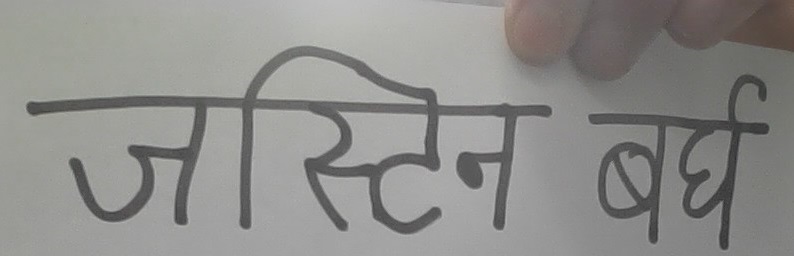
Use the key and instructions below to write your name in the ancient language of India, Sanskirt and the modern language of India, Hindi!
Step 1
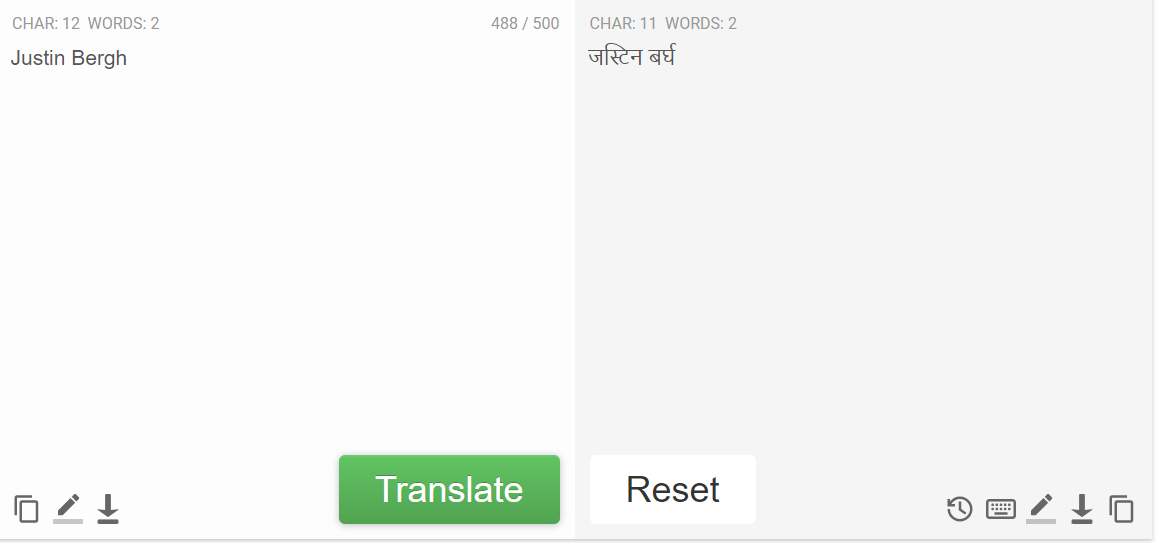
Trying to translate to Sanskrit is very difficult so for this project we will be using translation applications. Open this link: https://easyhindityping.com/english-to-sanskrit-translation
Step 2
Type your First and Last name on the left. Click the big green translate button.
Step 3
Copy the Sanskrit text on the right.
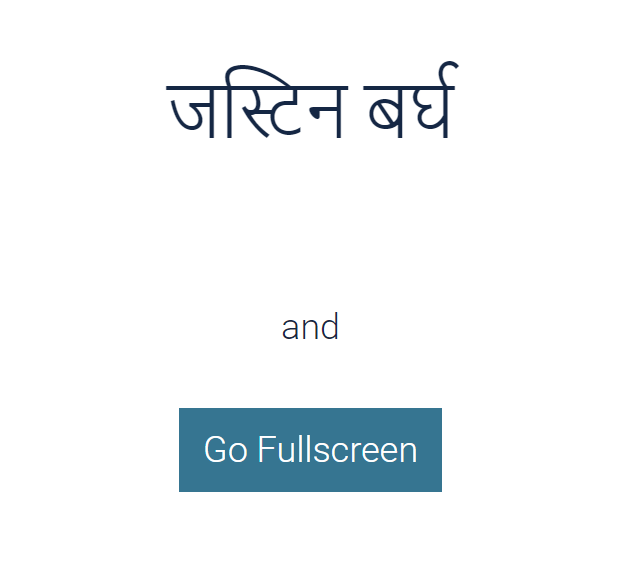
Open this website: https://fullskr.in/
Paste the Sanskrit text onto this website and click 'Go Fullscreen' to get a better look at the translation.
Step 4
Write your Sanskrit name on a piece of paper large and proud!
Step 5
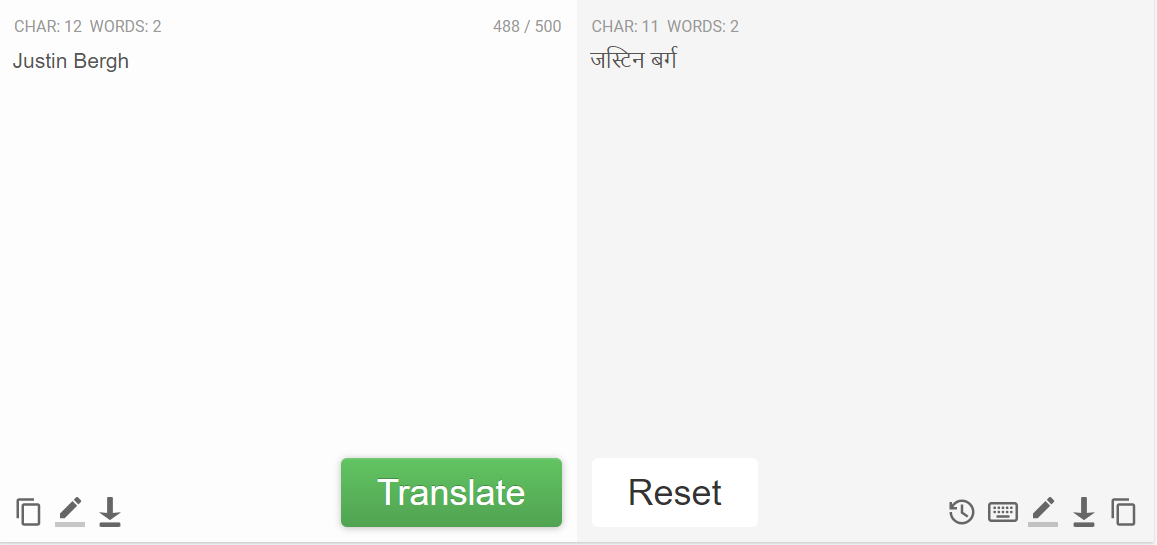
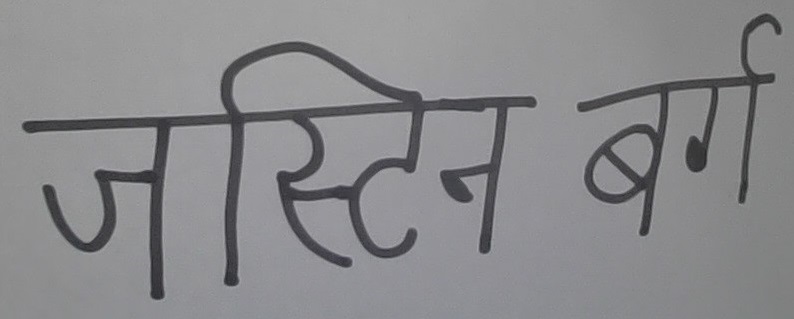
Trying to translate to Hindi is very difficult so for this project we will be using translation applications. Open this link: https://www.easyhindityping.com/english-to-hindi-translation
Step 6
Type your First and Last name on the left. Click the big green translate button.
Step 7
Copy the Hindi text on the right.
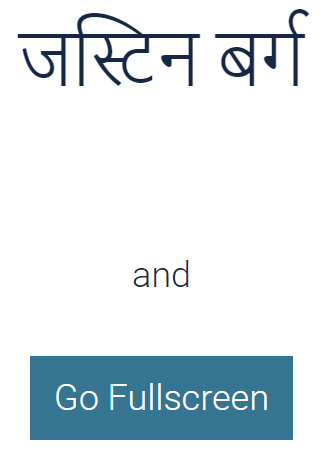
Open this website: https://fullskr.in/
Paste the Hindi text onto this website and click 'Go Fullscreen' to get a better look at the translation.
Step 8
Write your Hindi name on a piece of paper large and proud!
Rubric (How you will be graded in the activity.)
4 - I wrote my name in Sanskrit & Hindi following all the steps in big bold writing.
3 - I translated my name in Sanskrit & Hindi.
2 - I translated my name in Sanskrit.
1 - I tried to translate my name in Sanskrit.
0 - I was unable to write my name in Sanskrit.
Follow the instructions below to create your own interpretation of the Buddha.
Step 1
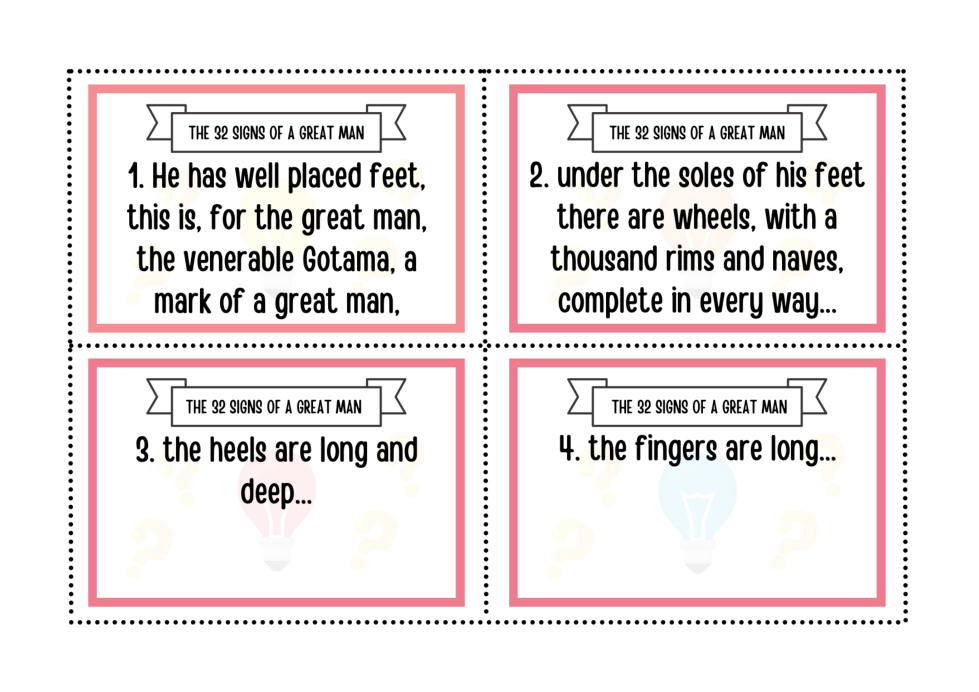
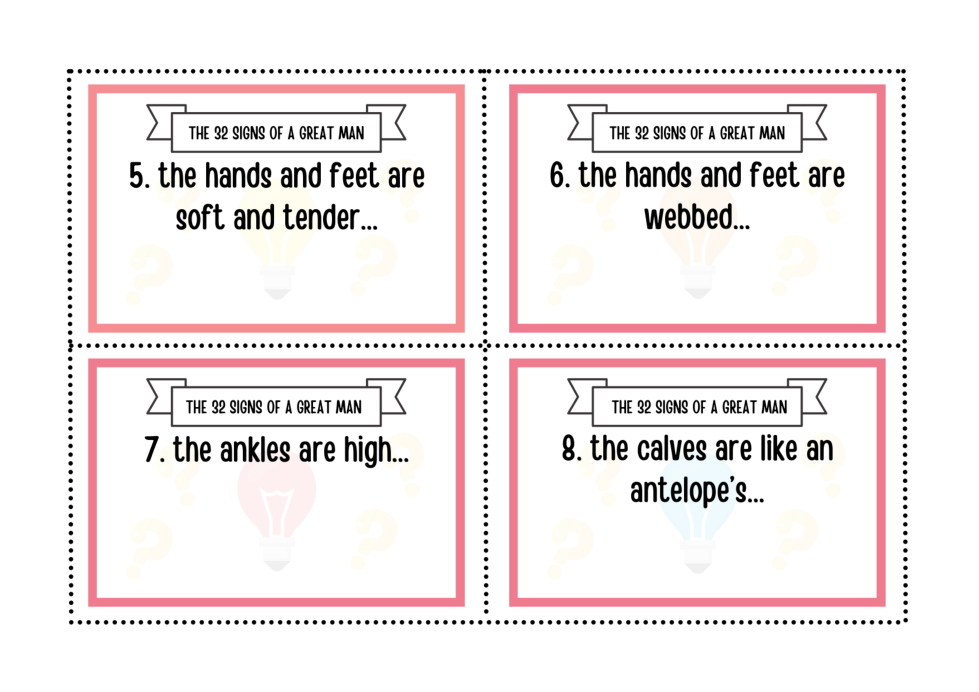
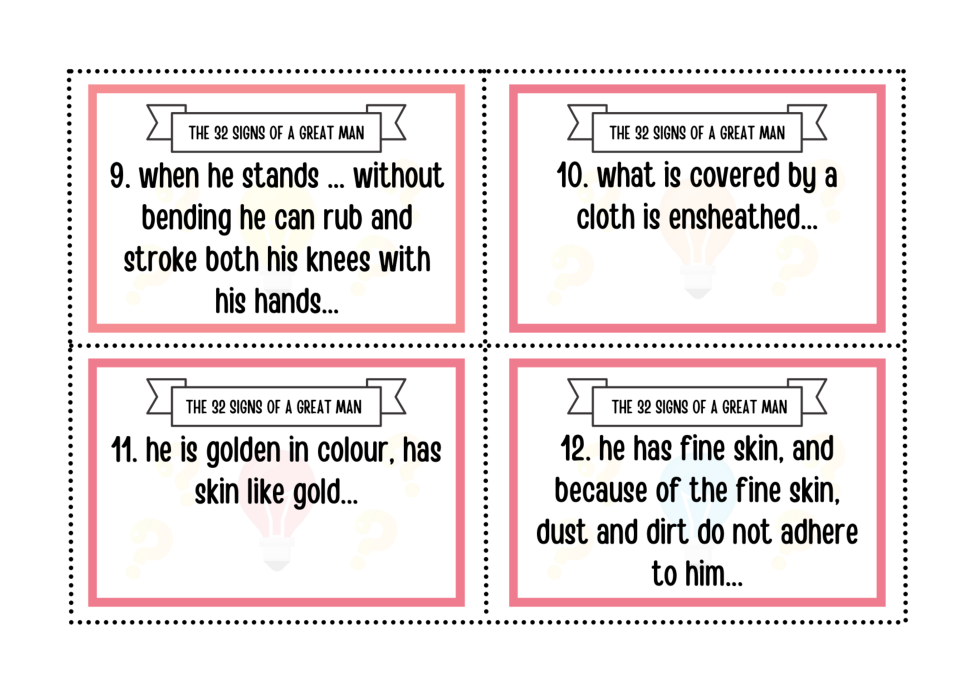
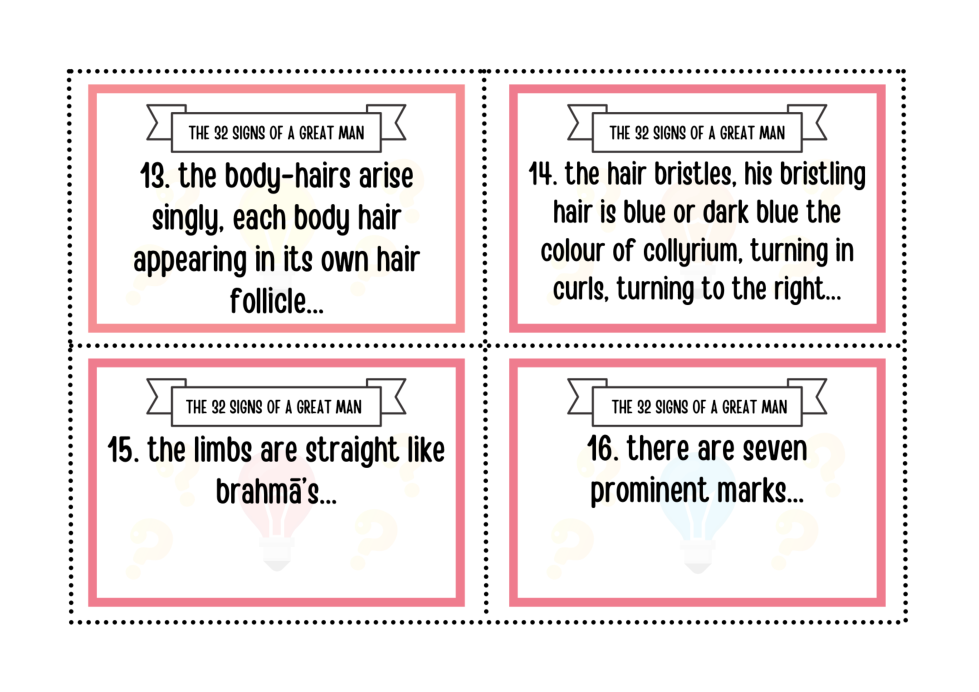
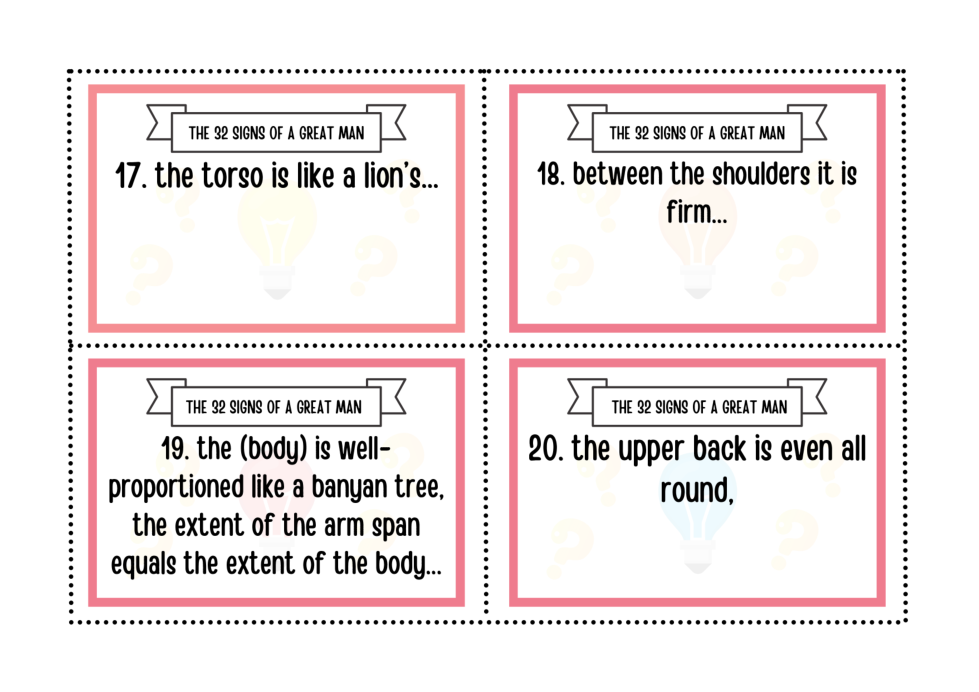
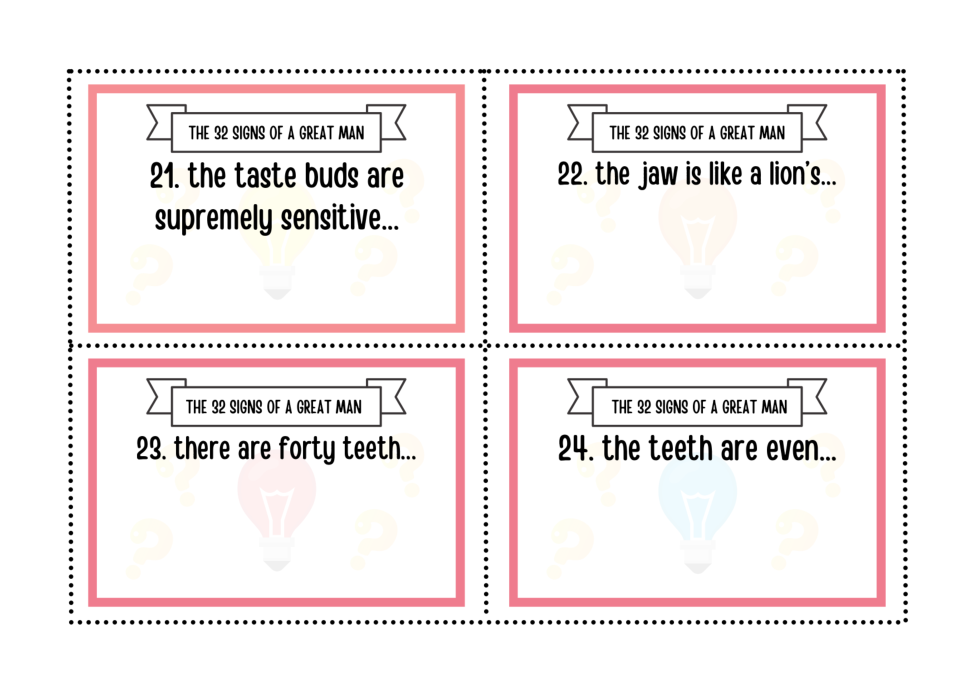
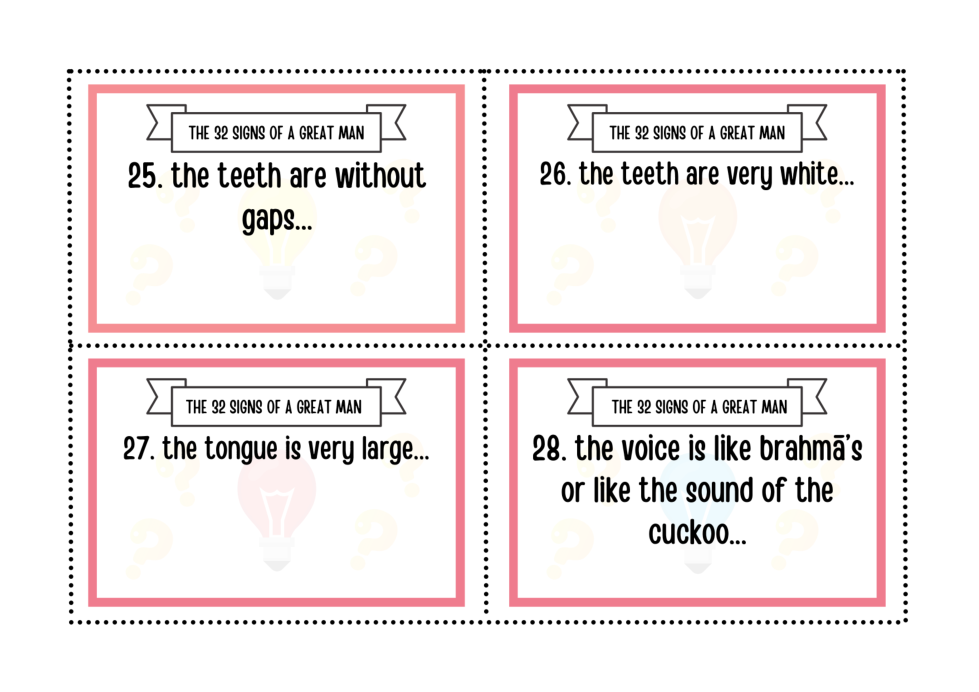
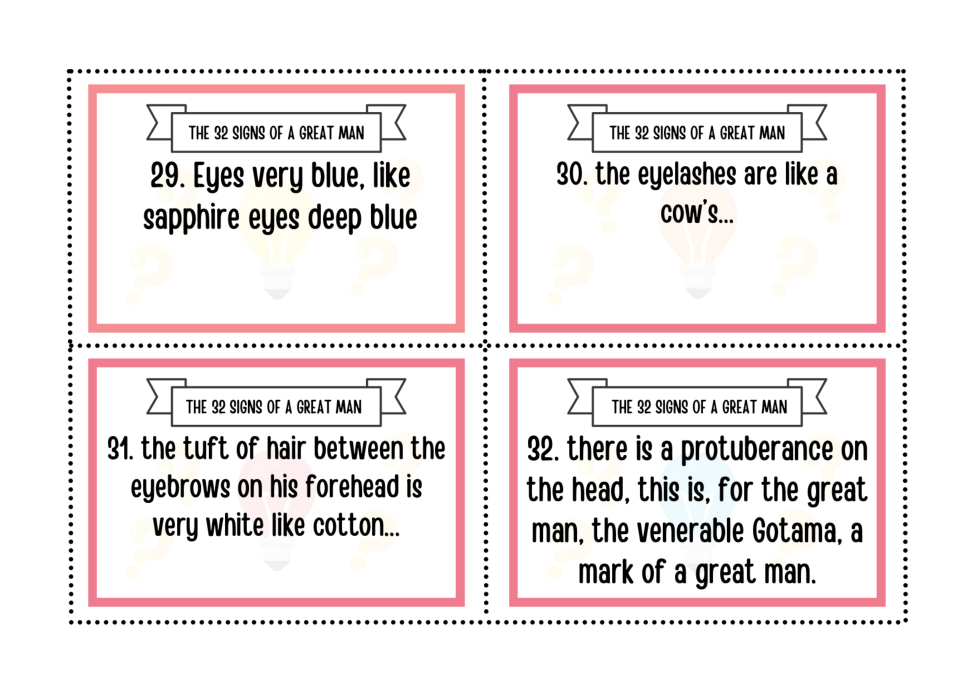
Nobody knows exactly what the first Buddha Siddhartha Gautama looks like because for the first 300 years that Buddhism existed it was taboo (bad luck or considered morally wrong) to draw the Buddha. Eventually this went away and Buddhism developed the tradition of "The 32 Signs (Marks) of a Great Man". These 32 details were main details that any drawing of the Buddha or later Buddhas ought to look like.
You will be put into a group and given a stack of 32 cards. Each card will have a description of the Buddha. Once you get your cards decide if you want to work in a group to draw one big picture or each draw your own small picture (or use AI art like our last project!).
Step 2
One at a time read each card. Try your best to talk with your teammates to decide what you think each card actually means. Some of these are confusing! Don't ask the teacher for help. Don't Google pictures of the Buddha. Just use your imagination and your friend's ideas.
Step 3
Start drawing out your Buddha (or typing paraphrases of the descriptions into the AI art generator)!
Step 4
After drawing out a part of the Buddha, draw a arrow pointing to the body part and write in the arrow the number of the card you interpreted from. (If your doing AI art do your best to find in the art parts of the art that you think corresponds to what you typed. Type in little writing bubble arrows the numbers pointing to the spots.)
Step 5
After all 32 signs have been interpreted and drawn, check to make sure you have all 32 numbers in arrows pointing at the parts. It's OK for one arrow to have more then one number in it. (If you are doing AI art, just do your best. I'm not expecting all 32 numbers, but I am expecting a number-arrow per body part.)
Step 6
Sign your name(s) on the back of the drawing. Turn in the drawing to Mr. Bergh! (If you did AI art, upload your finished work to the Google Classroom assignment page using the "+ Add or create" feature. Then hit the "Turn In" button.)
Rubric (How you will be graded in the activity.)
4 - Only by reading descriptions of the Buddha, I drew or used AI art to make my own Buddha figure.
3 - Only by reading descriptions of the Buddha, I drew or used AI art to make my own Buddha figure, but I didn't use at least five descriptions of the Buddha.
2 - Only by reading descriptions of the Buddha, I drew or used AI art to make my own Buddha figure, but I didn't include the descriptions I interpreted from in my final work.
1 - I made my own unique drawing or AI art of the Buddha.
0 - I was unable to interpret the descriptions of the Buddha to make my own art.
How was the continent of India traditionally protected from invaders?
| Draggable item | arrow_right_alt | Corresponding Item |
|---|---|---|
From the South | arrow_right_alt | the Himalayan Mountains were difficult to pass. |
From the North | arrow_right_alt | the Indian Ocean was too vast for non-modern ships to journey far from shore. |
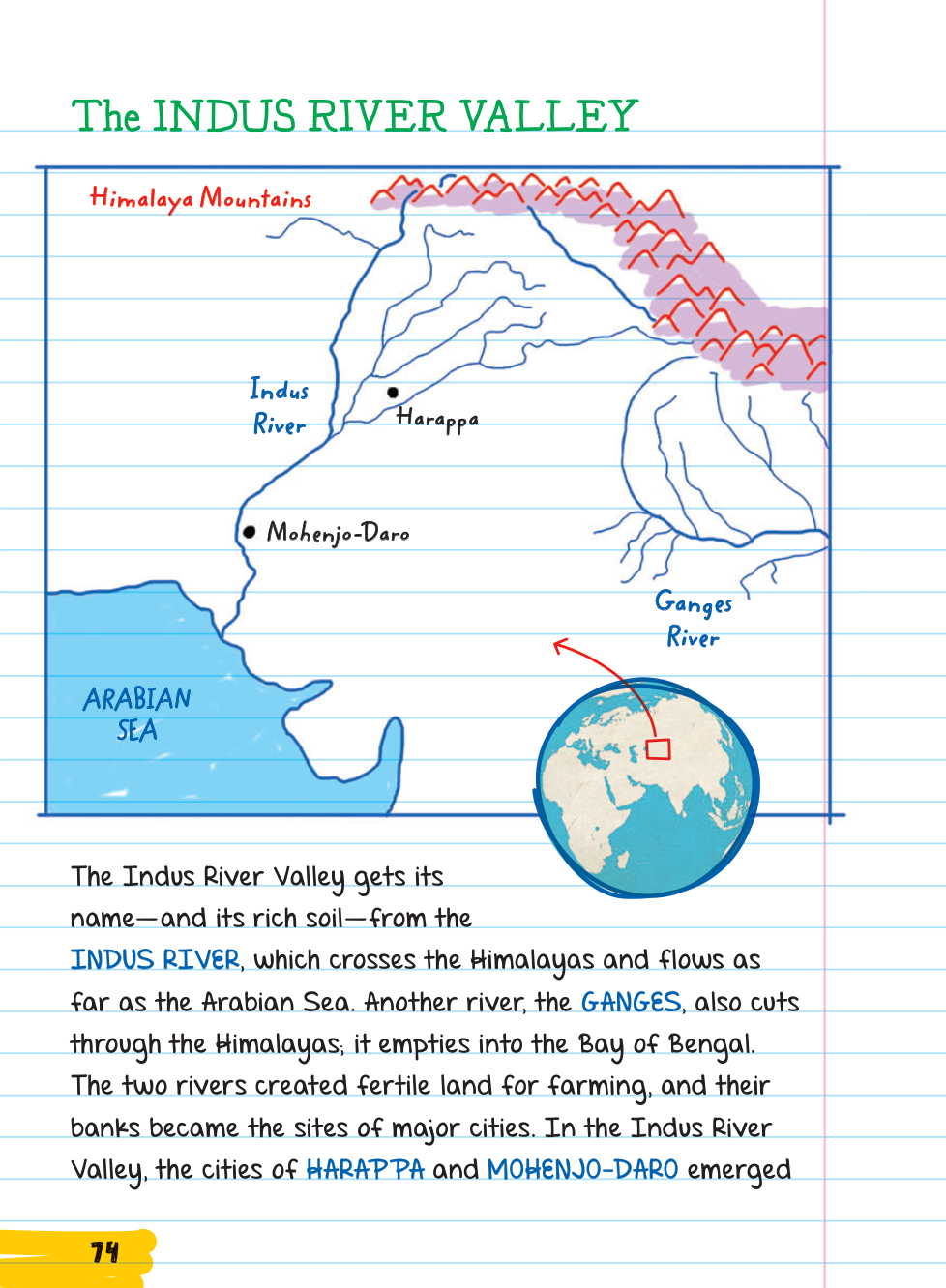
What are the two life giving rivers of India and which way do they flow?
| Draggable item | arrow_right_alt | Corresponding Item |
|---|---|---|
Ganges River | arrow_right_alt | streams West. |
Indus River | arrow_right_alt | streams East. |
Use the hints in the song to identify the accomplishments of the Indus Valley cities of Mohenjo-Daro and Harappa.
Which of the following did the Aryans NOT bring to India?
On the top of the Hindu caste system were the . Below that were real people who talked with them, the . Under that were those with swords and warrior skills the . Below that were those with some knowledge, enough to trade and build things but not enough to do anything else the . Under that were the majority of the people, simple farmers called . Lastly there were those who would clean the trash and sewers the .
The Vedas are holy books of Hinduism.
When Hindu's talk to Christians they compare the Christian 'Holy Spirit' to the Hindu 'Brahman'.
Hindus believe in Reincarnation based on Karma.
Siddhartha Gautama, an Indian prince who gave up his worldly possessions, was the first Buddha.
Nirvana is a place.
"All that we are is the result of what we have thought. The mind is everything. What we think, we become." - Buddha
What do you interpret this quote to mean?
"Thousands of candles can be lit from a single candle, and the life of the candle will not be shortened. Happiness never decreases by being shared." - Buddha
What do you interpret this quote to mean?
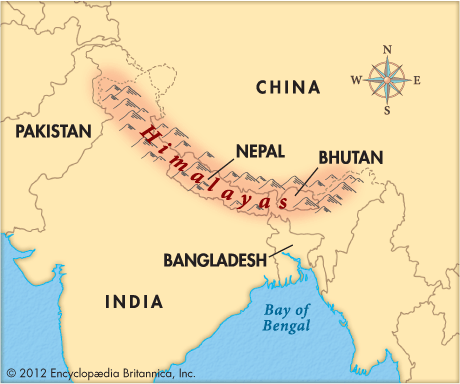
Select below all of the countries that exist alongside the Himalayas today.
Why is it important for a town to have a citadel?
Buddhism was originally a protest religion.
Select below the accomplishments of India's Golden Age under the Gupta Empire.