Ɛhia
1
6.6.2
Ɛhia
1
6.6.2
Ɛhia
1
6.6.2
Learning Intention:
I am learning about the qualities of Ancient China that make China a unique civilization in the world.
Success Criteria:
I can briefly summarize the major achievements of China's earliest dynasties.
I can describe the major geographic features surrounding China and why China, like other ancient civilizations, formed around great rivers.
I can describe the fundamentals of Confucianism and Taoism.
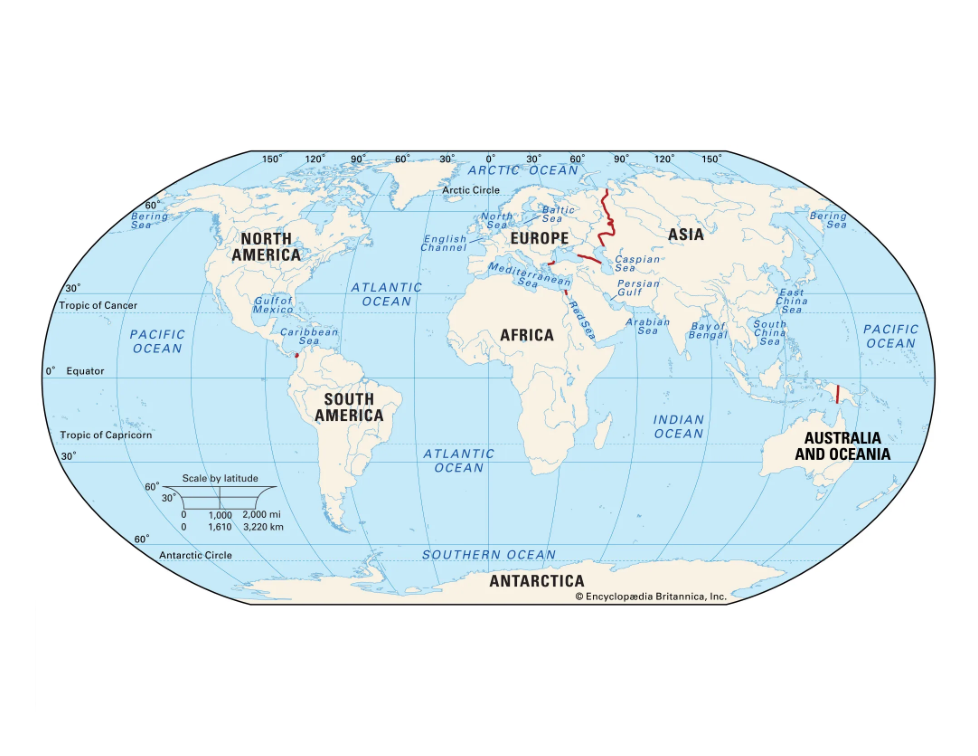
Check the circle below that circles China.
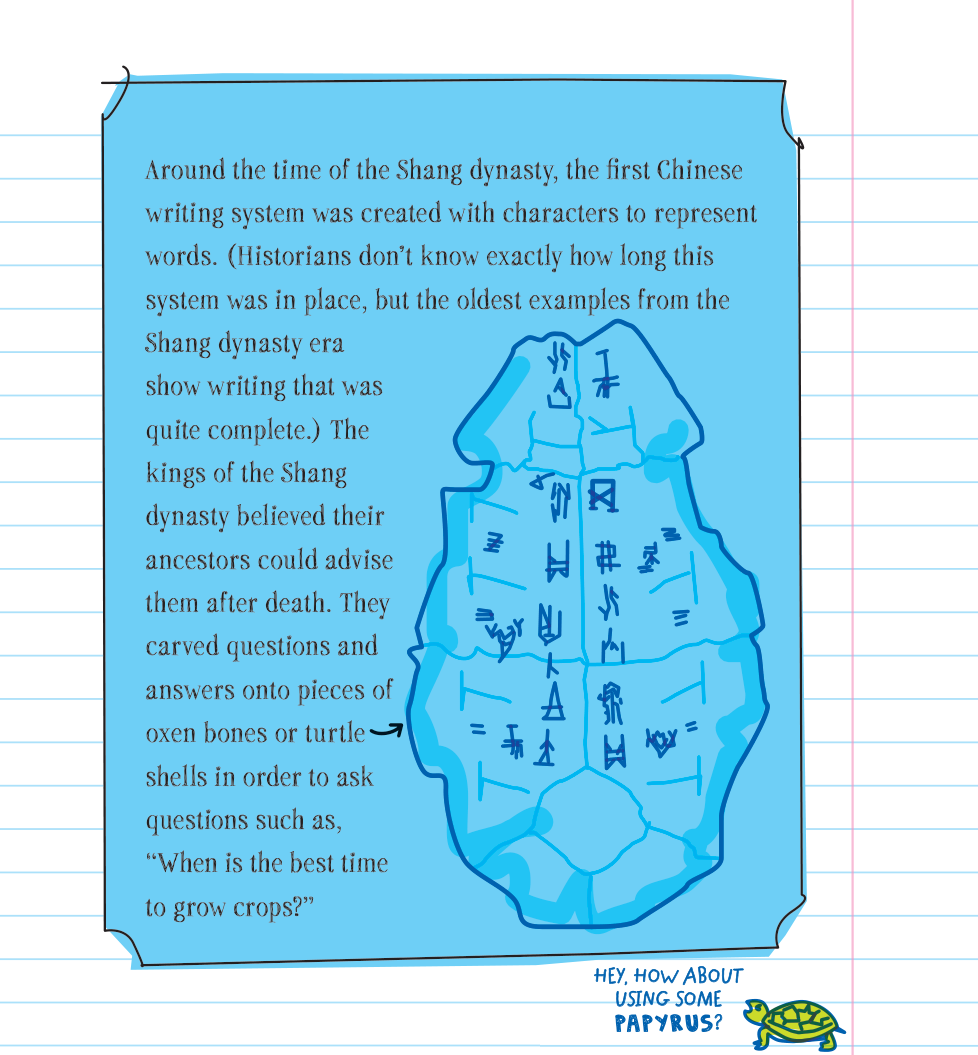
Match the questions that may be carved into a Shang Dynasty turtle shell to it's answer.
| Draggable item | arrow_right_alt | Corresponding Item |
|---|---|---|
国王的旅程会吉祥吗? Will the king's journey be auspicious? | arrow_right_alt | 桃月梅月种植农作物。 Peach and Plum month grow crops. |
什么时候是种植农作物的最佳时间? When is the best time to grow crops? | arrow_right_alt | 为大雨做准备。 Prepare for a great rain. |
雨对我们会灾难性的还是不会灾难性的? Will or will not the rain be disastrous to us? | arrow_right_alt | 国王将是安全的。 The king shall be safe. |
1. If you saw your first name in the video, go back to when you saw it and write it down on a piece of scratch paper.
If you did not see your first name in the video use Google Translate to translate ONLY your first or given name! See link below.
https://translate.google.com/?sl=en&tl=zh-CN&op=translate
Then write that down in English, Pinyin, and Chinese.
Example: Adam, Yàdāng, 亚当
2. If after you've written down your name in Chinese you don't like the way it sounds or you want a new name, that's OK! In Chinese people have created names, so we can create you a new name just for Chinese! Take an idea that you like, perhaps it's your favorite animal, favorite plant, or a part of your personality, or a hobby you have and combine it with another word.
Some examples can be found on this website of the top 100 Chinese names: https://listophile.com/names/nationality/chinese/
Once you've created a name put each of the words into Google Translate by themselves and translate them into Chinese. Write the English, Pinyin, and Chinese down on scratch paper.
3. Ask Mr. Bergh to come and check your work on scratch paper. Mr. Bergh will then show you how to write your name correctly in Chinese. You will have to copy Mr. Bergh until you too can write your name correctly in Chinese. If you see Mr. Bergh helping another student be patient. Raise your hand and wait until Mr. Bergh comes to your desk.
4. Watch the video below on how to make an origami turtle. Follow the steps in the video. Replay it as many times as you need to. WE'RE MAKING TURTLES!
5. Write your Chinese name correctly on the back of your origami turtle in marker.
Rubric (How you will be graded in the activity.)
4 - I created an origami turtle and wrote my name on the back in Chinese.
3 - I created an origami turtle.
2 - I wrote my name in Chinese following correct stroke order.
1 - I attempted to either make an origami turtle or write my name in Chinese.
The Zhou Dynasty was short lived.
What was the Warring States Period?
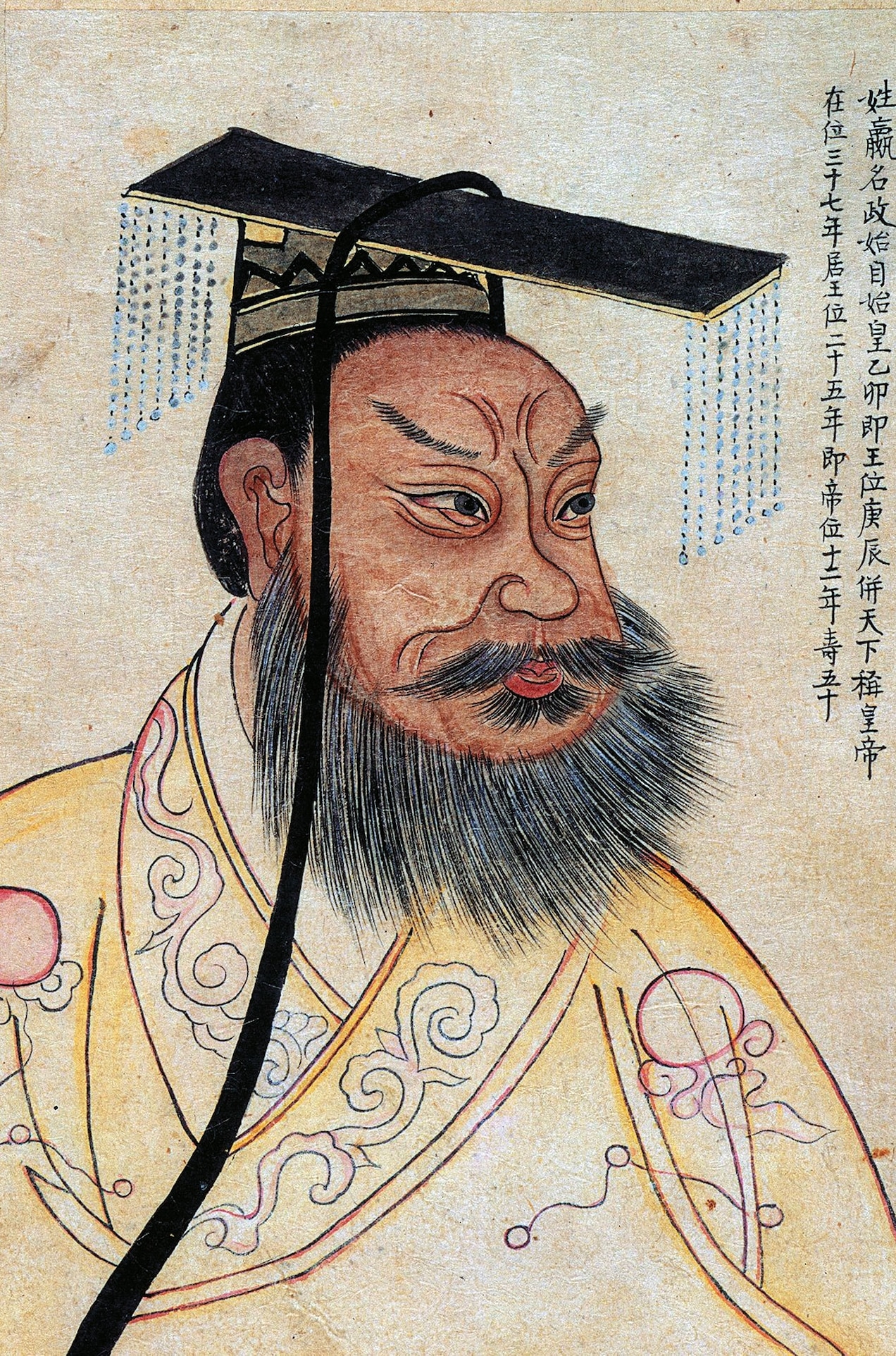
Qin Shi Huang established the Qin Dynasty. His dynasty quickly fell apart after he died. He was a very successful ruler but was hated by the people.
Below separate Qin Shi Huang actions into successful and hated categories.
Began construction of the Great Wall of China
Used slave labor and the bones of the dead to build the Great Wall.
Built massive canals to connect Northern and Southern China.
Ruled as a despot, refusing to share any power and taking interest in controlling everything himself.
United China after the Warring States Period, expanding Chinese cultural influence and providing safety to those his his lands.
Believed in superstitious magic, didn't care about morality but was focused only on results, and launched failed expeditions to Japan.
Reasons for Success
Reasons for being Hated
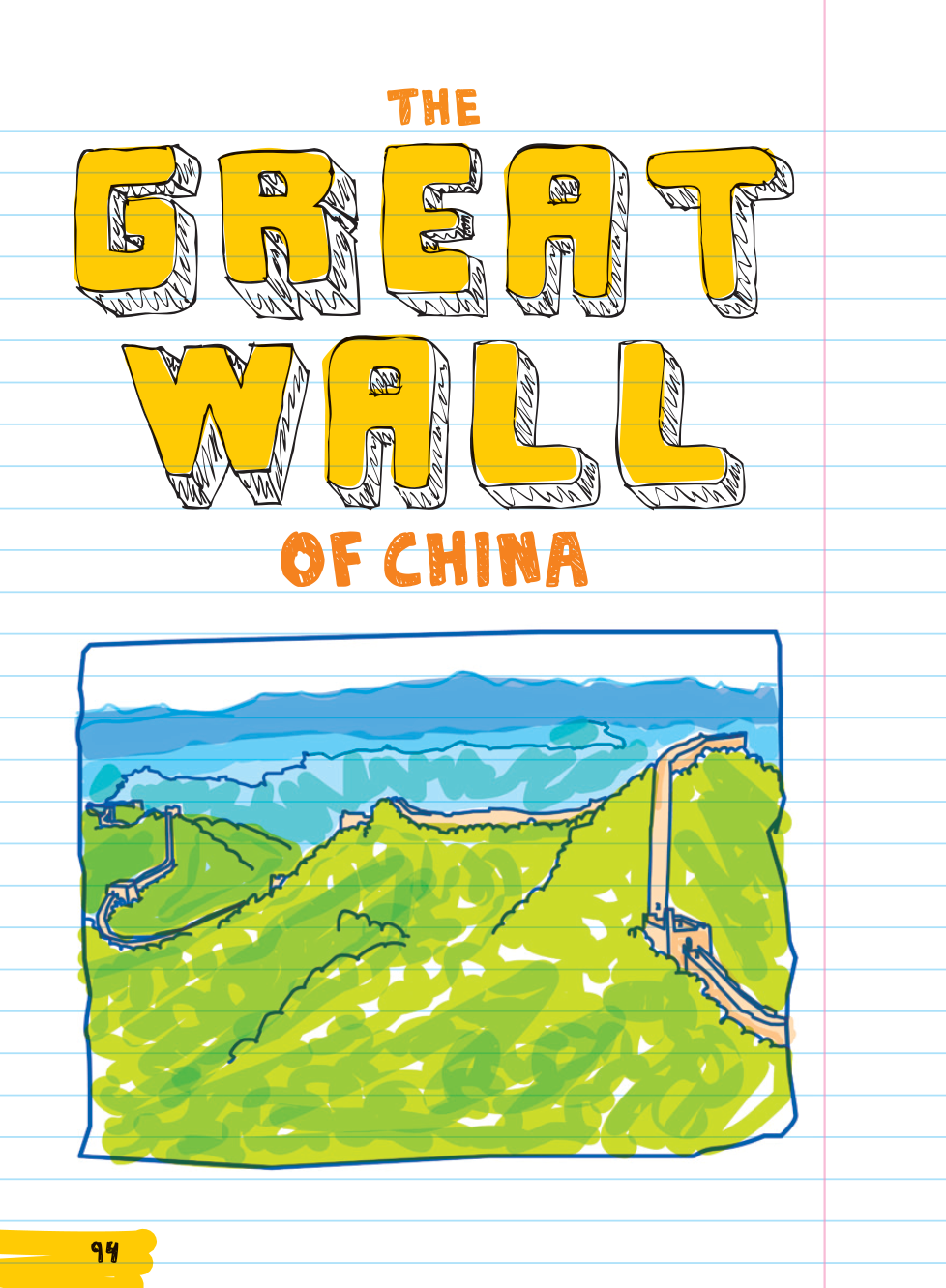
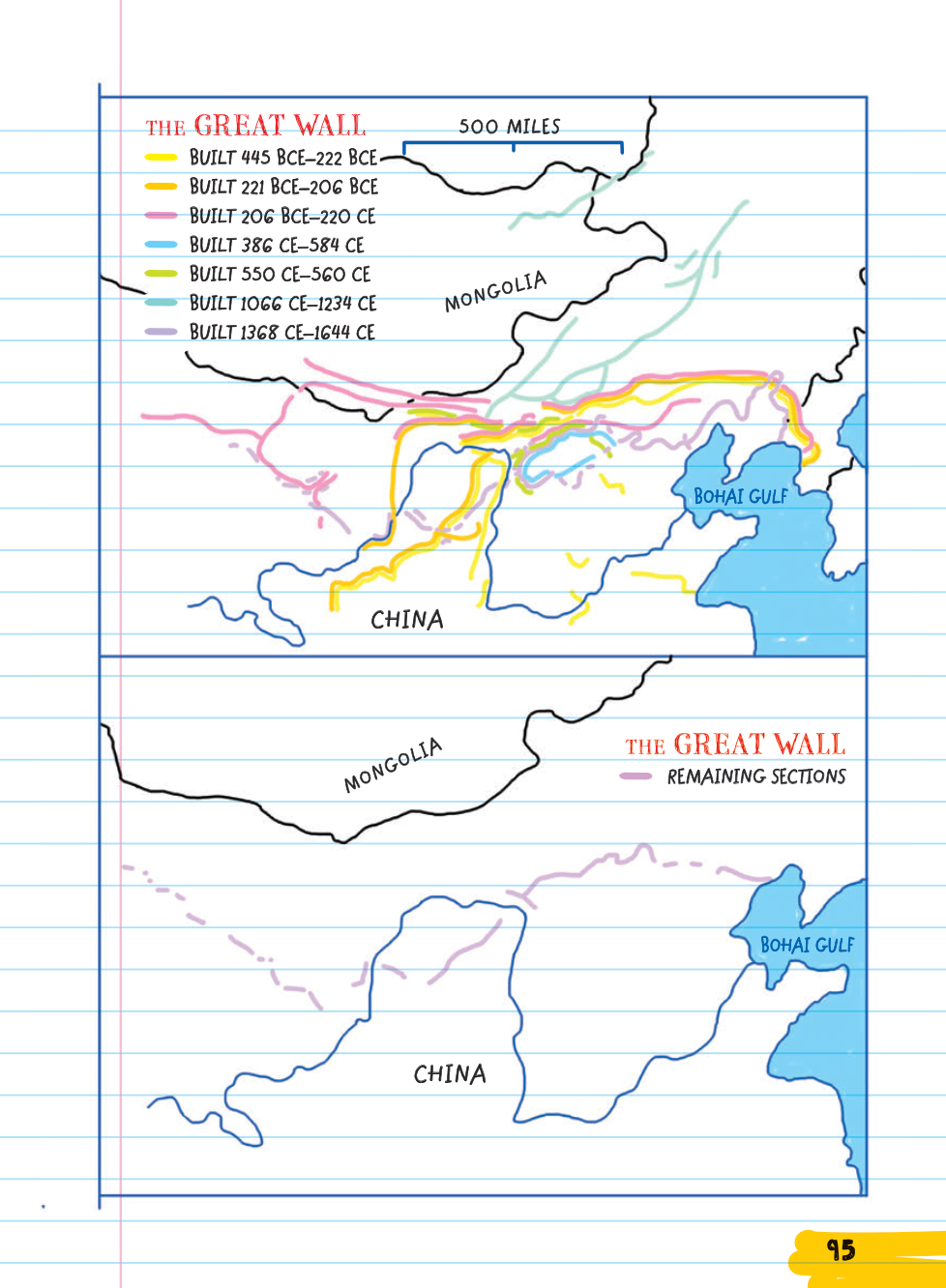
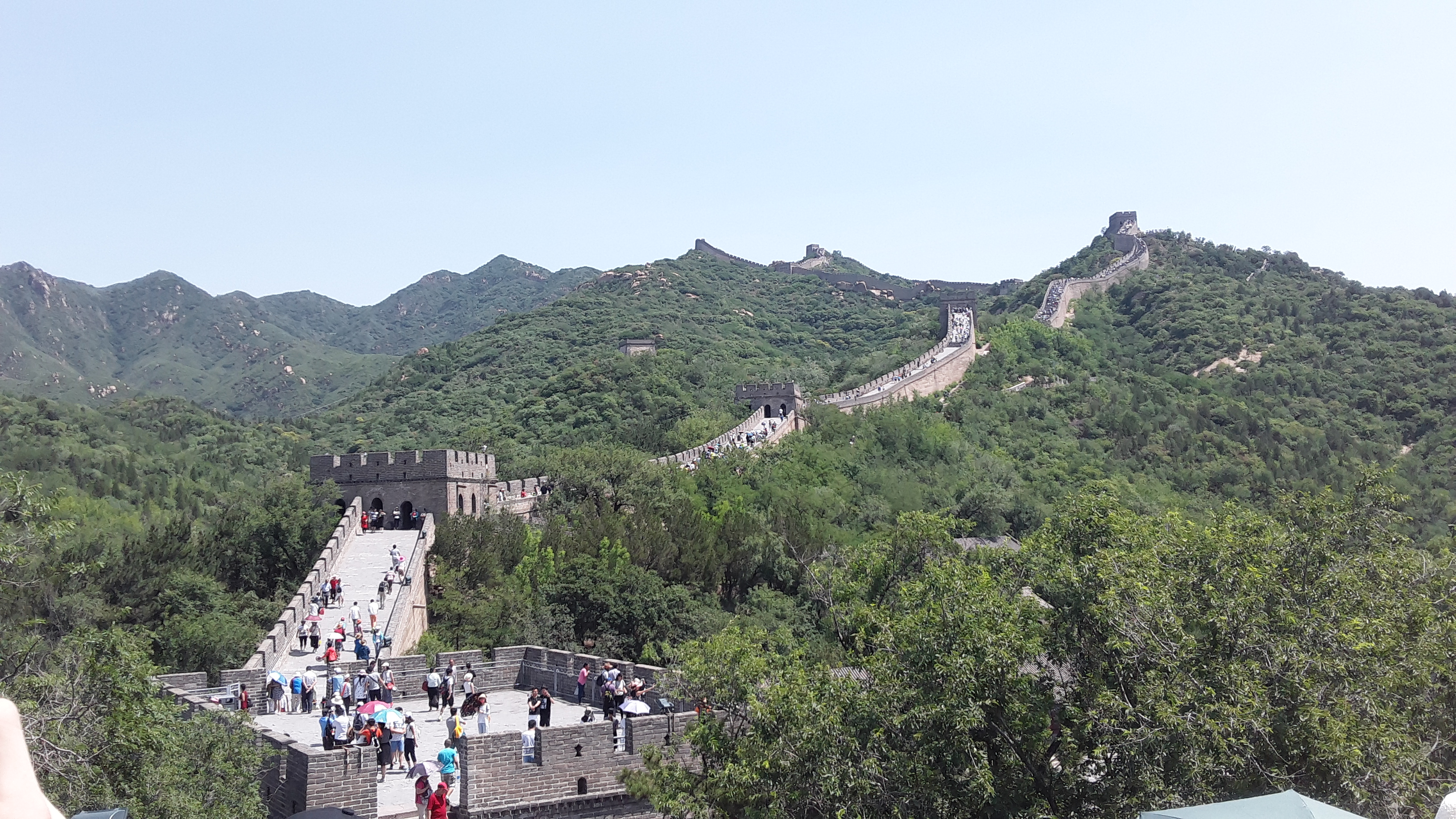
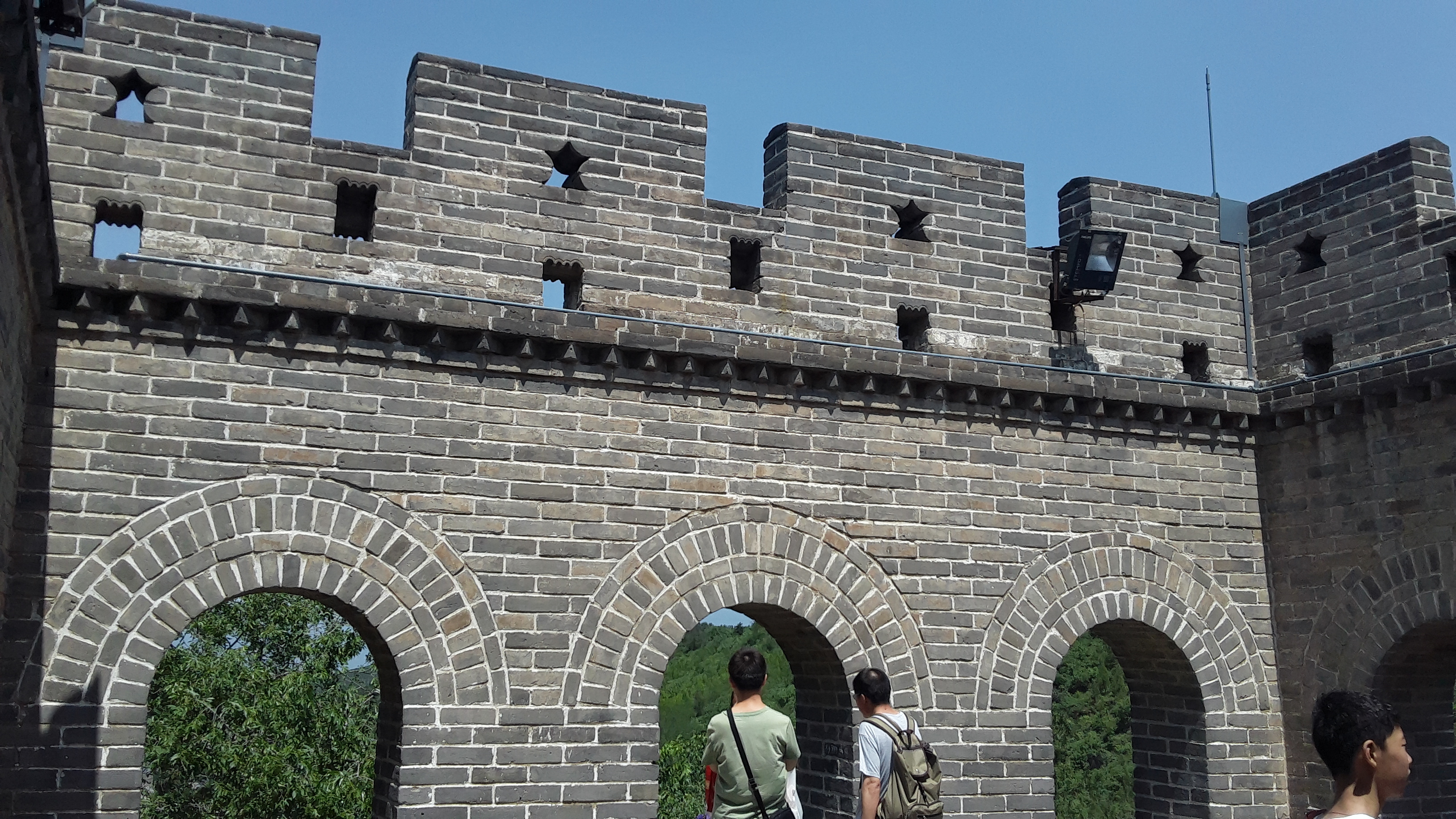
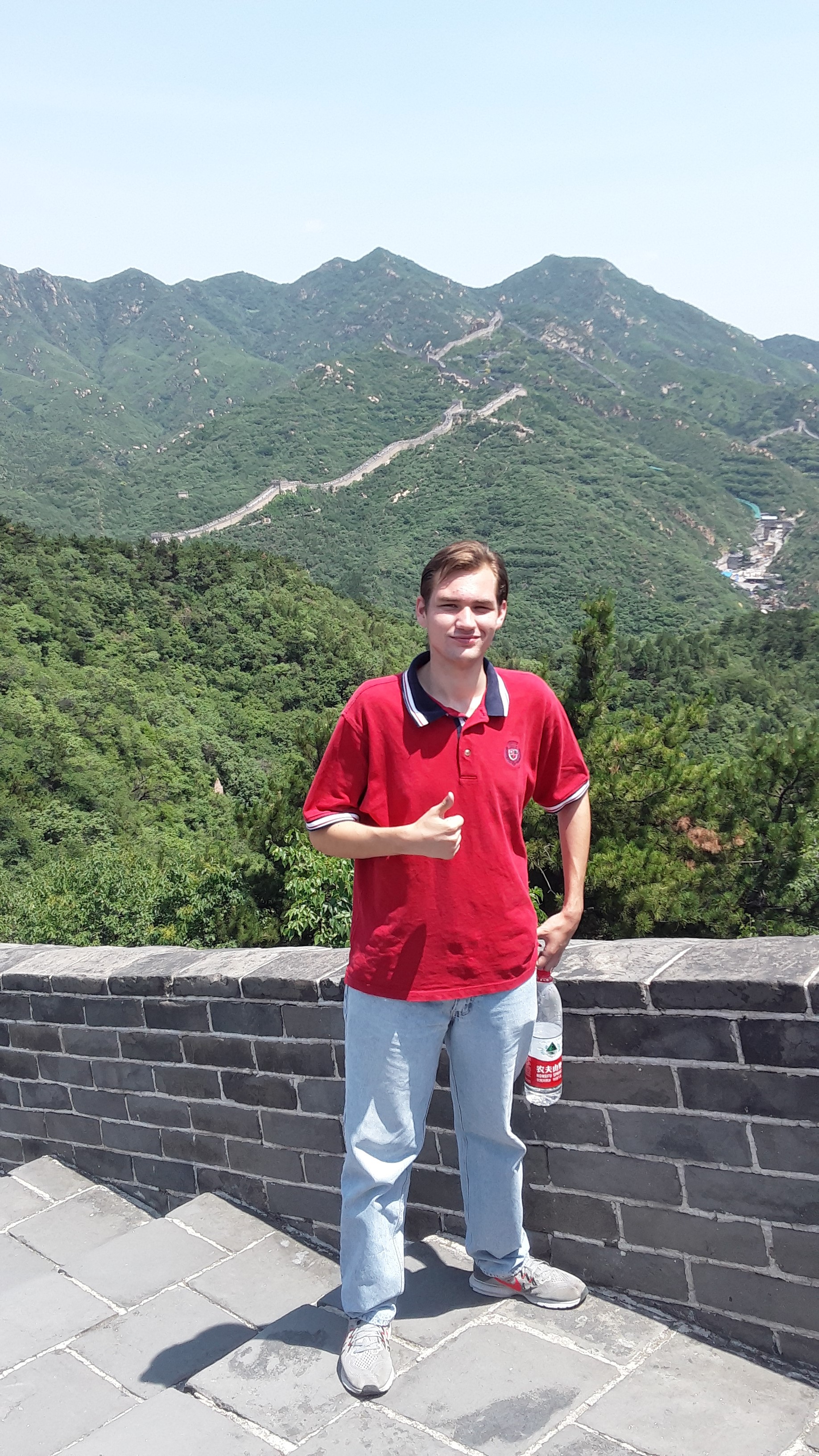
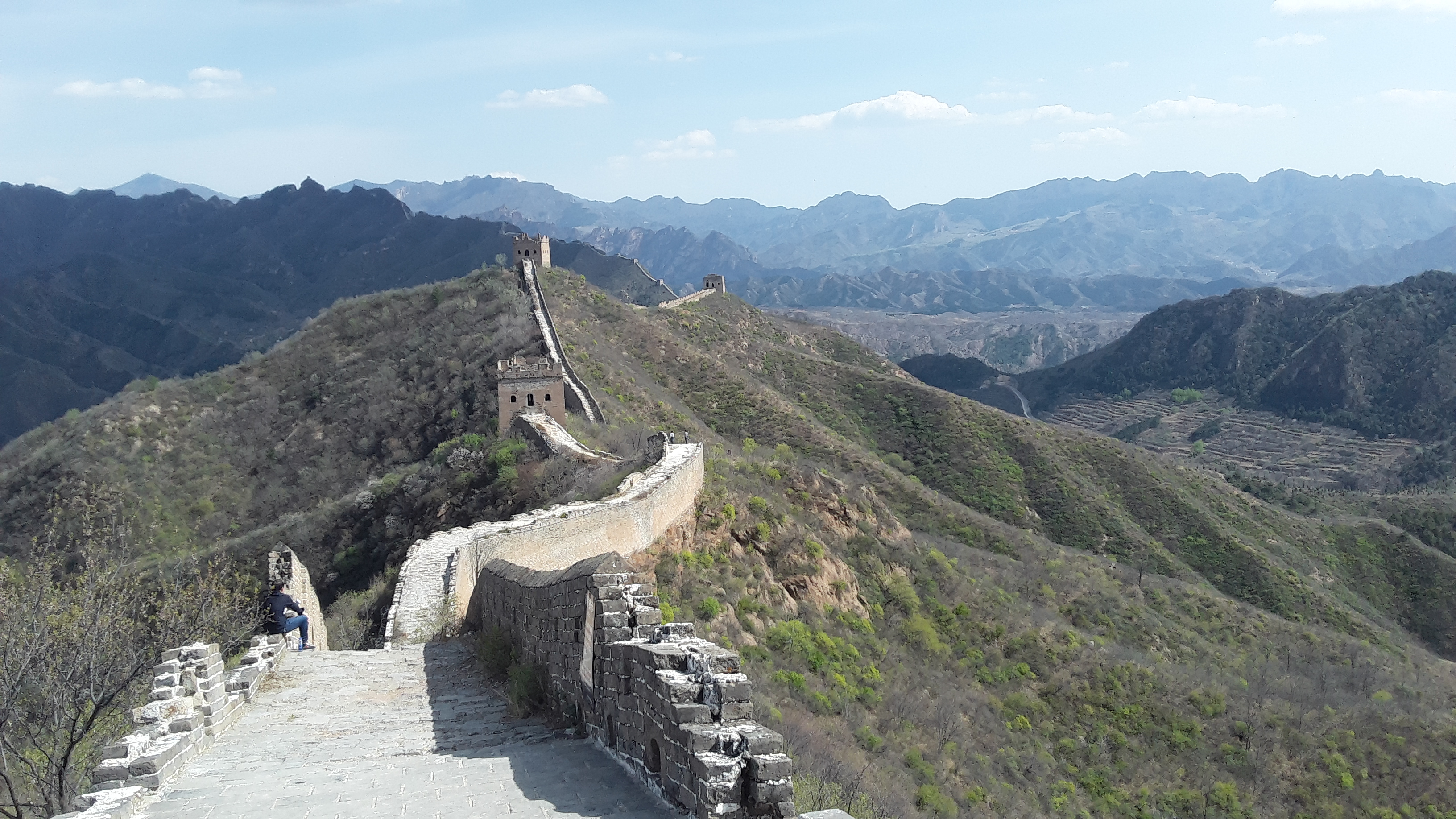
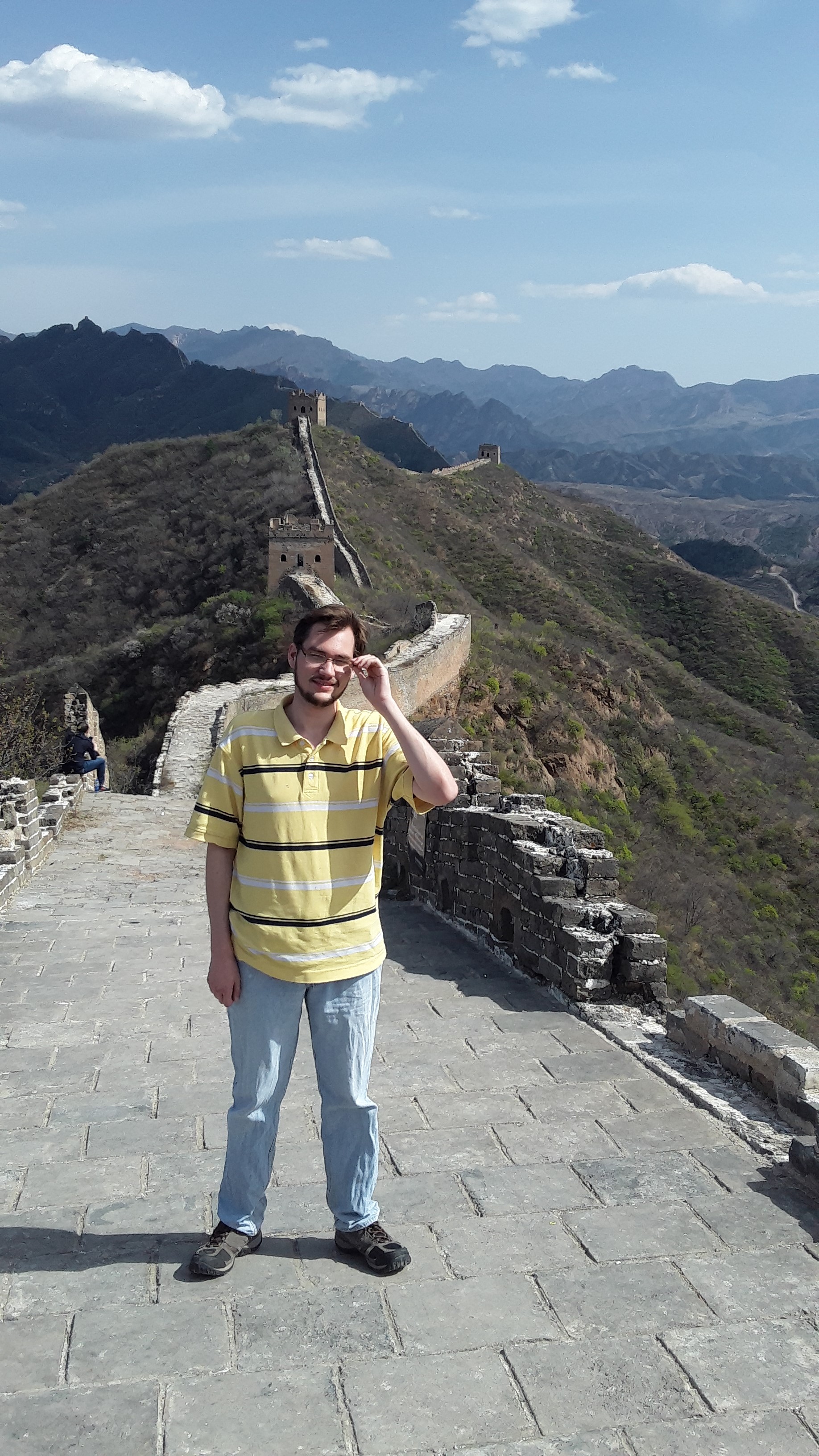
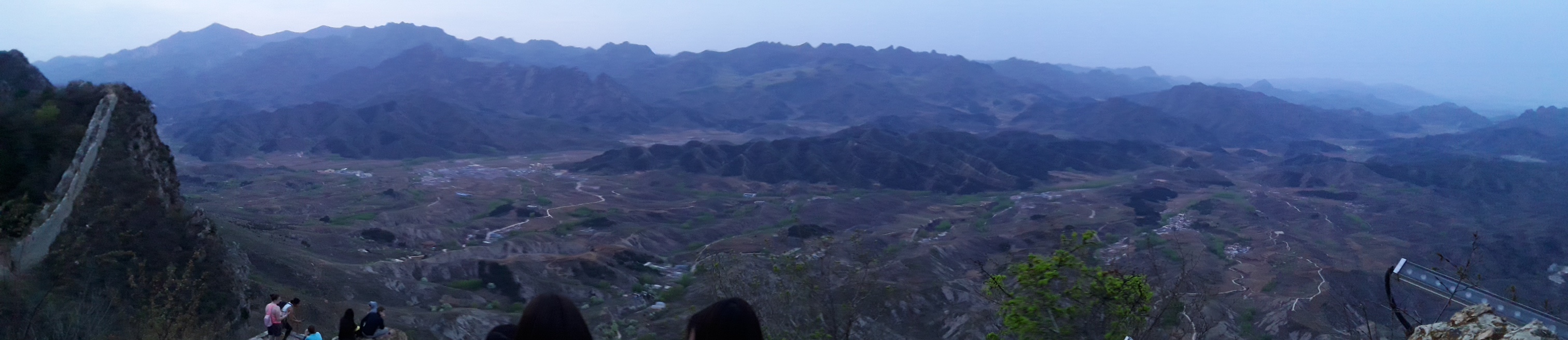
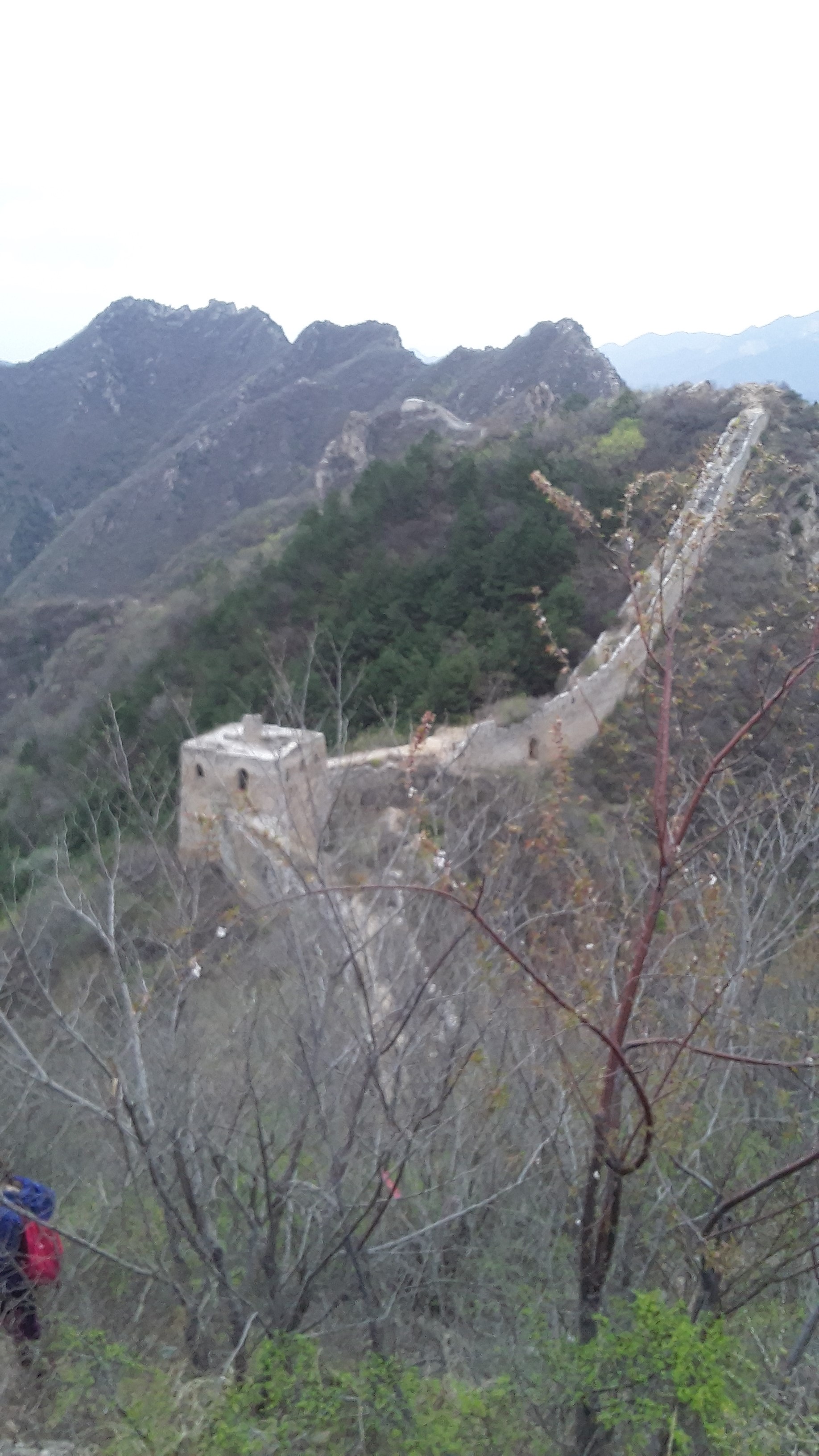
The Great Wall of China is one massive wall stretching over 1000 miles.
Why build the Great Wall of China?
Consider the following facts to answer the essential question. Answer in your own words, in at least three sentences.
1. It was possible to travel around the Great Wall.
2. The Great Wall was not one complete wall and had breaks between sections.
3. It was possible to climb the Great Wall, although it was very difficult.
4. Much of the Great Wall was built on mountains and hills.
5. There were only about 110 soldiers per kilometer.
6. The Great Wall could not be destroyed using ancient technology.
7. The Great Wall was very intimidating.
8. Most nomadic peoples, like the Mongolians, fought on horseback.
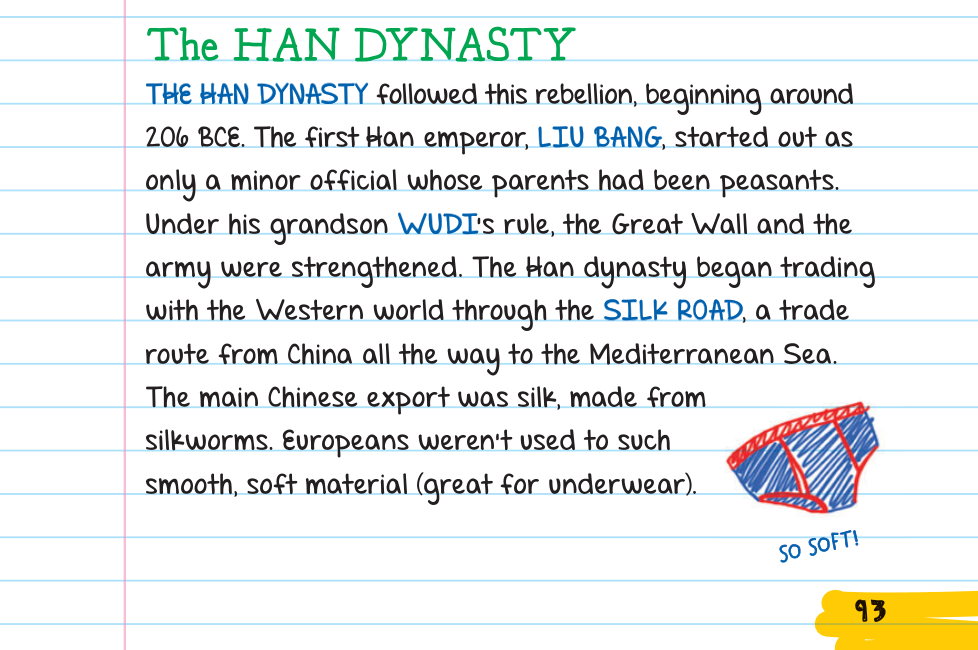
The Han Dynasty played such a significant role in the foundation of Chinese culture that the majority ethnicity of the Chinese people today call themselves the Han.
If you were to summarize the Han Dynasty in only one word, what word would it be?
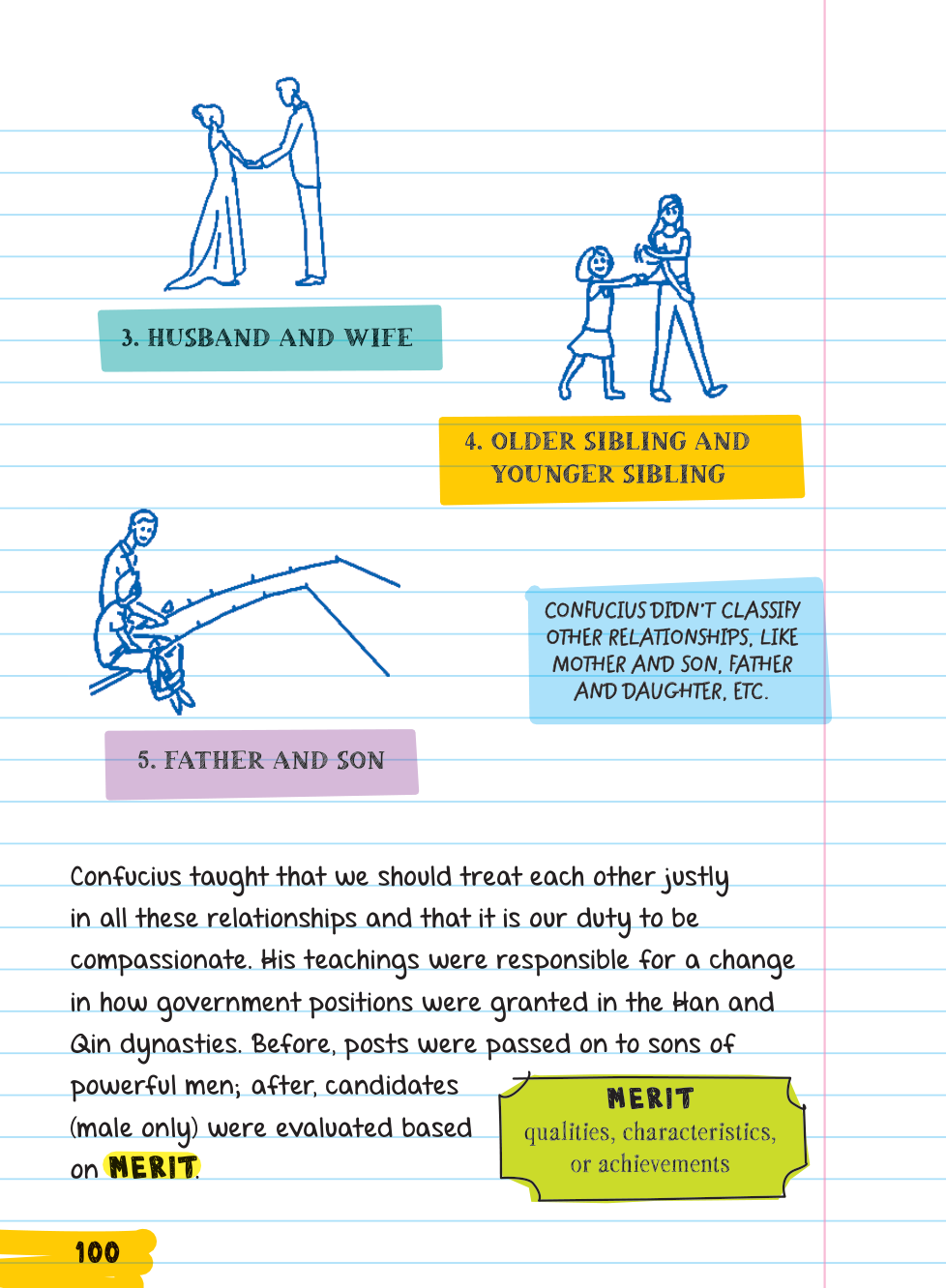
In your own words, why is important to hire people to jobs based on merit?
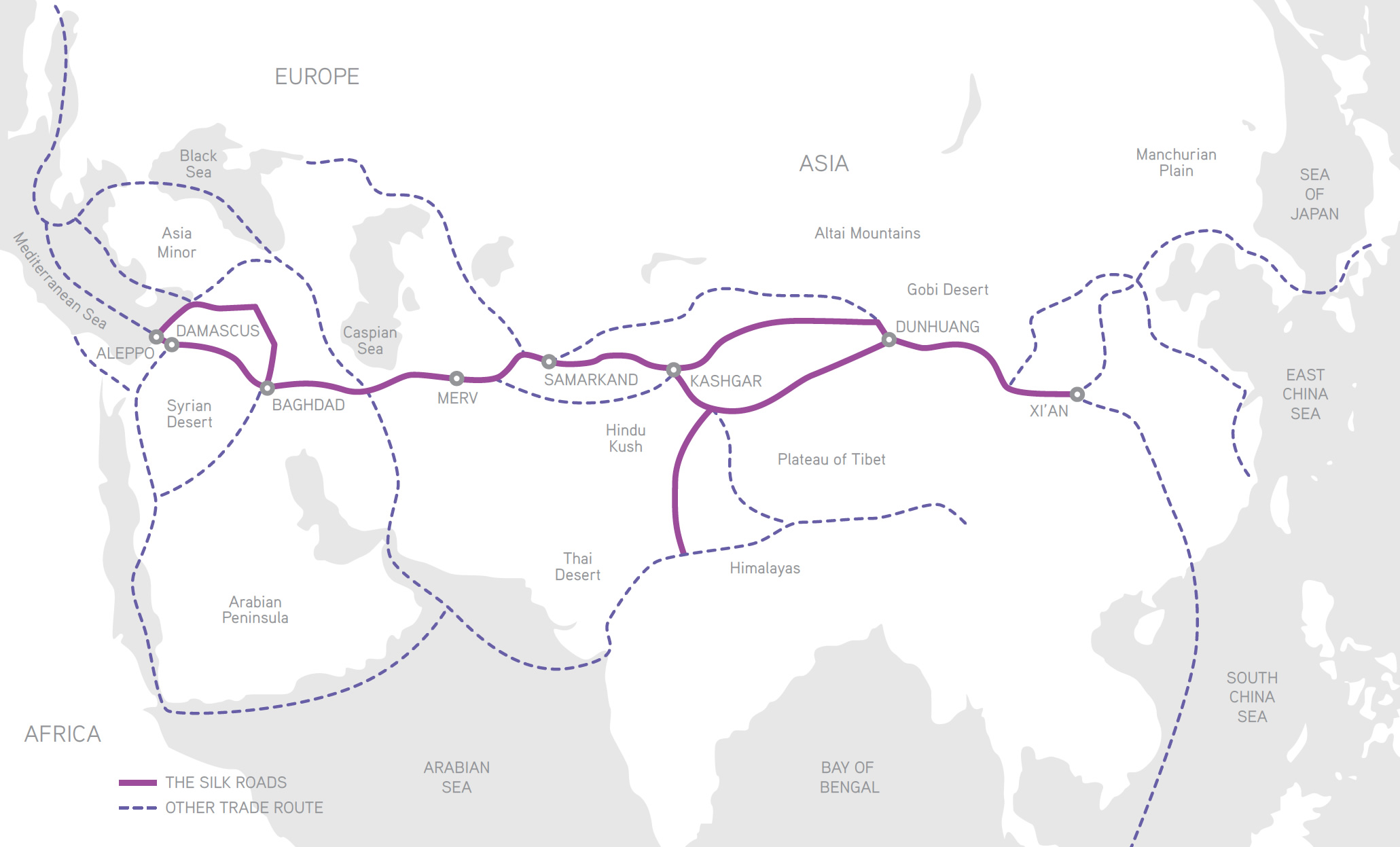
Rubric (How you will be graded in the activity.)
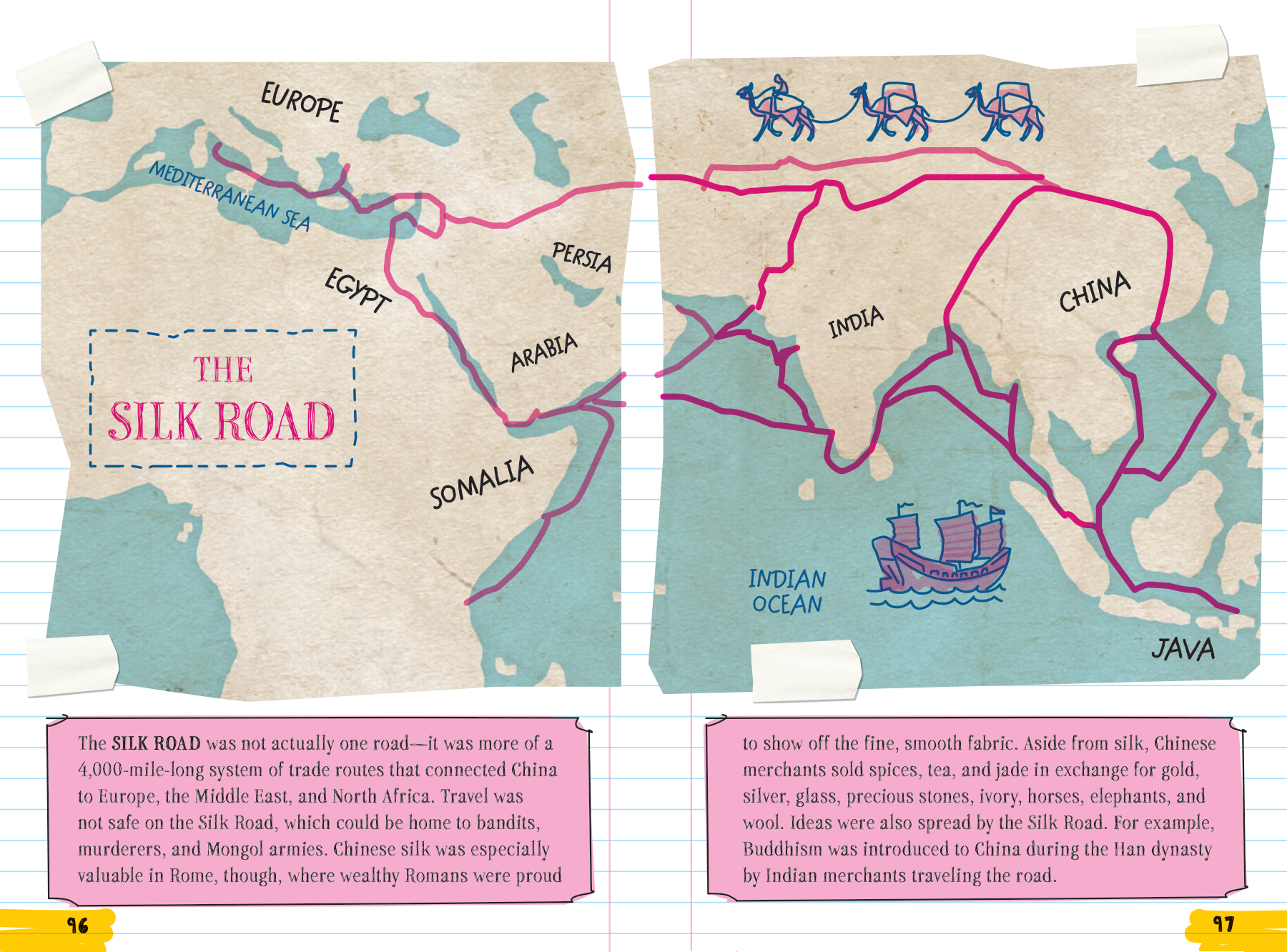
4 - I contributed to the Ancient Silk Road map, successfully completing my role's tasks and presented on my work.
3 - I contributed to the Ancient Silk Road map, successfully completing my role's tasks but my work wasn't presented on.
2 - I contributed to the Ancient Silk Road map, completing my role's tasks in part.
1 - I made very little contribution to the Ancient Silk Road map.
0 - I was unable to contribute to the Ancient Silk Road map.
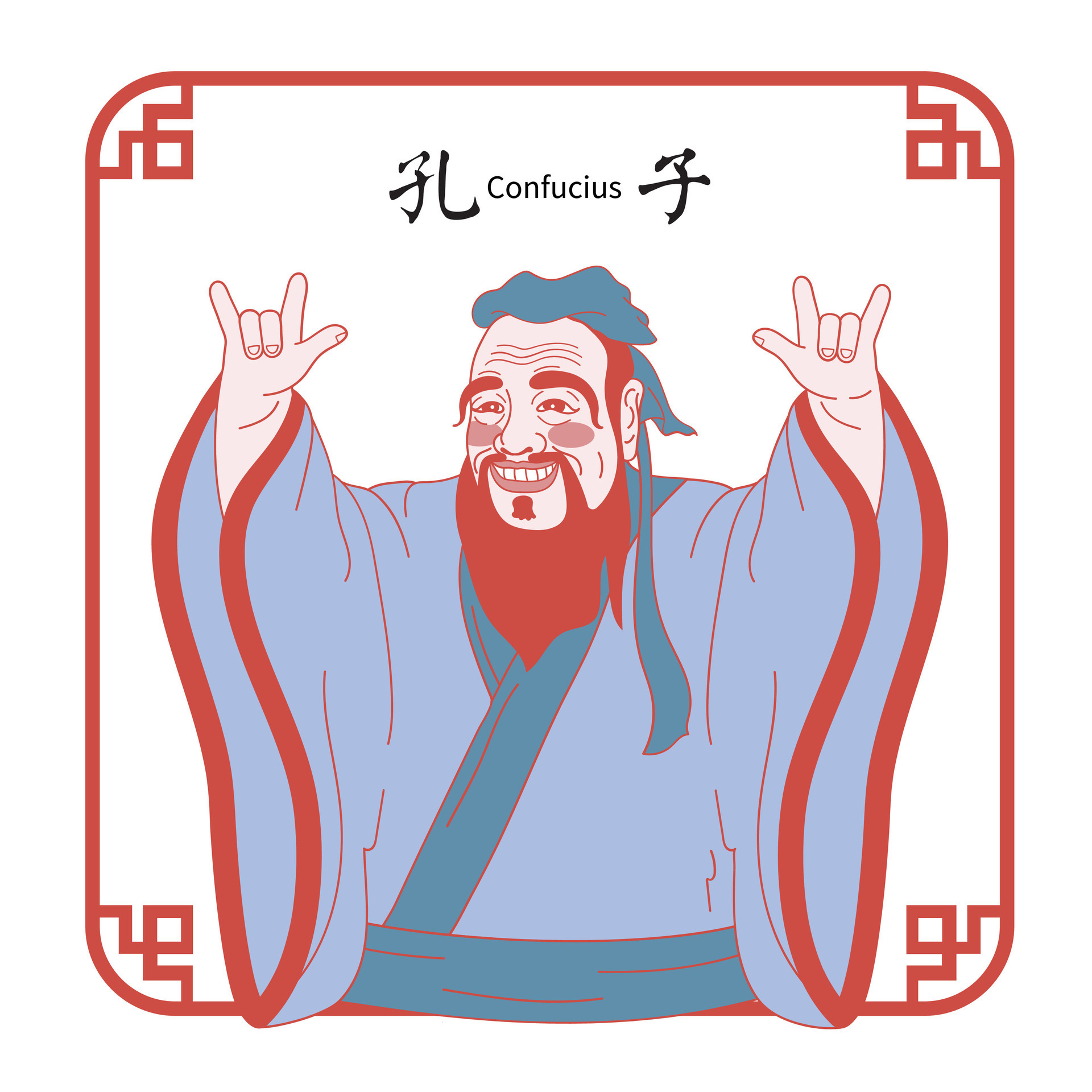
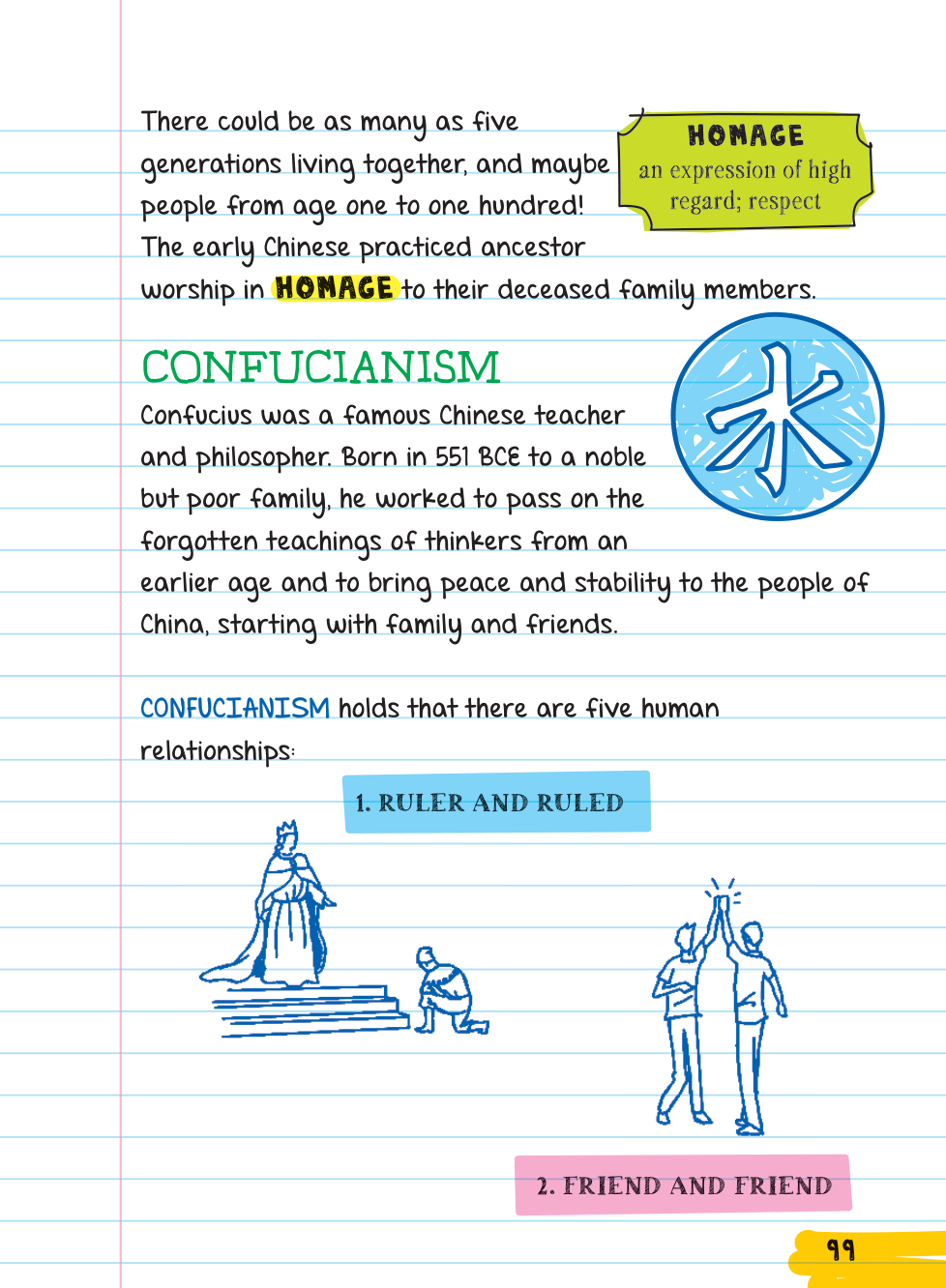
“Every relationship is perfect. It brings out a part of yourself that you chosen to ignore. That person may not be the problem. It may just be your perception of yourself.” - Confucius
All of life is relationships (unless you live alone in the woods).
Lets take some time to honor the relationships in our life with a very simple project.
Step 1
Think of a time when…
a classmate helped you
a teacher or other adult at the school helped you
a relative helped you
a neighbor helped you
someone helped you during a difficult time
something you are grateful for
someone thanked you for something you did
Use that memory to decide who to write a simple "thank you" note to.
Step 2
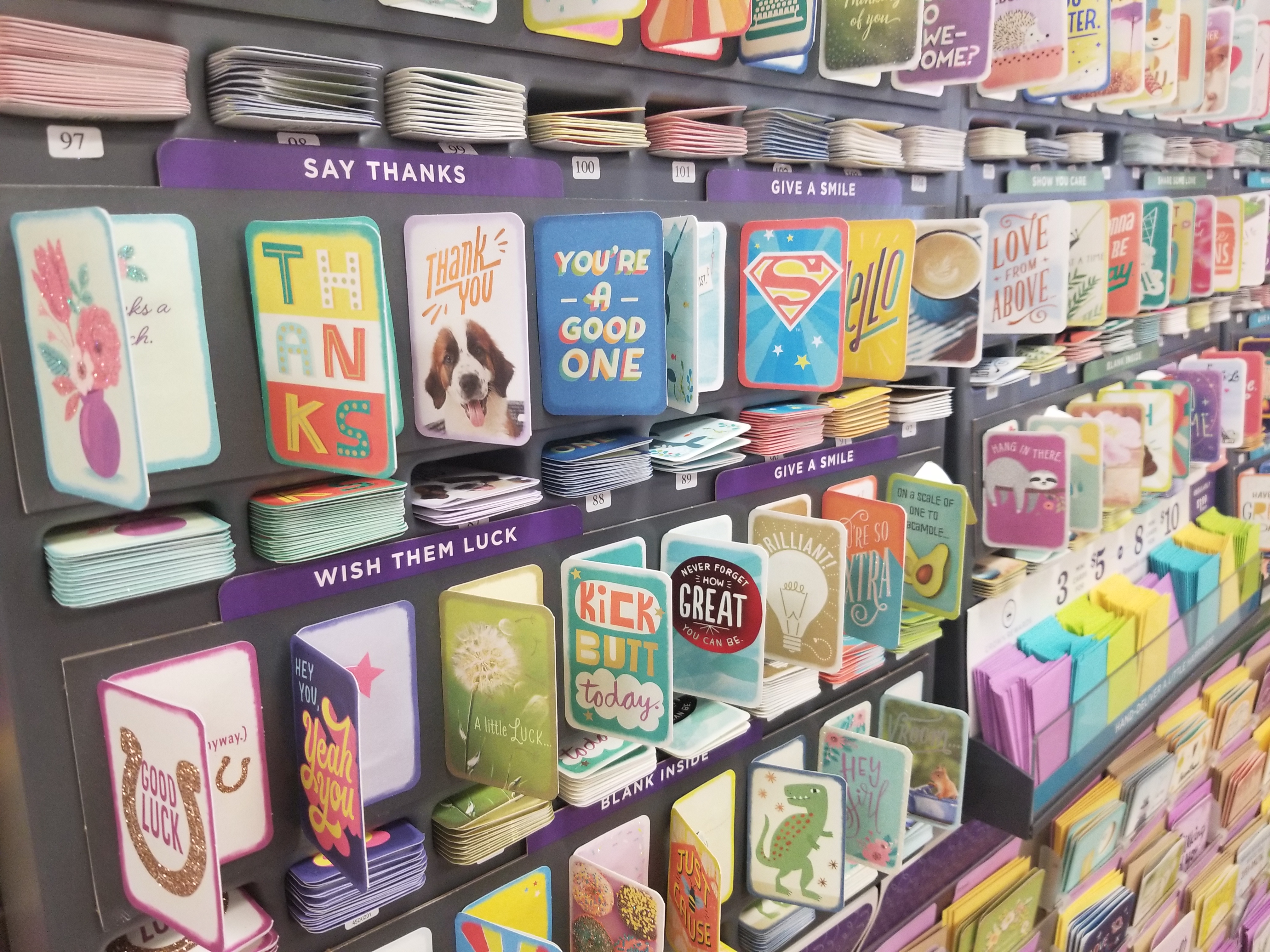
You will be handed a simple blank sheet of paper. If you want a color other then white ask the teacher. Fold the paper in half so that it is a card.
Step 3
Open your card with a greeting that addresses your card recipient.
Step 4
Write a thank you message to express your gratitude.
Step 5
Add specific details to your thank you cards.
Step 6
Write a forward-looking statement.
Step 7
Reiterate your thanks.
Step 8
End with your regards.
Rubric (How you will be graded in the activity.) Must include all of the following.
4 - My card had specific details why I'm saying thanks, a forward-looking statement, and is ended neatly.
3 - I started my card with a greeting addressing someone and wrote a thank you message.
2 - I made my card unique through use of style, color, art, and/or graphics.
1 - I created a thank you card for someone important to me in my life.
The first Chinese dynasty was the Shang.
What is the name of the river ancient northern Chinese civilization started on?
Select below the achievements of the Shang Dynasty.
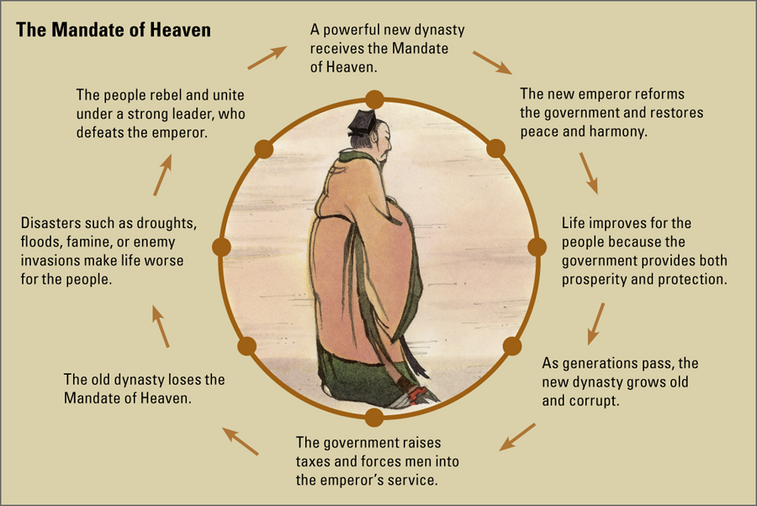
The Zhou (pronounced Joe but with a z sound) Dynasty developed what concept to assert their right to rule?
What two founding Chinese systems of thought originated during the Warring States Period?
Which of the following is the most accurate definition of the word dynasty.
Select below the achievements of the Qin Dynasty.
Select below the achievements of the Han Dynasty.
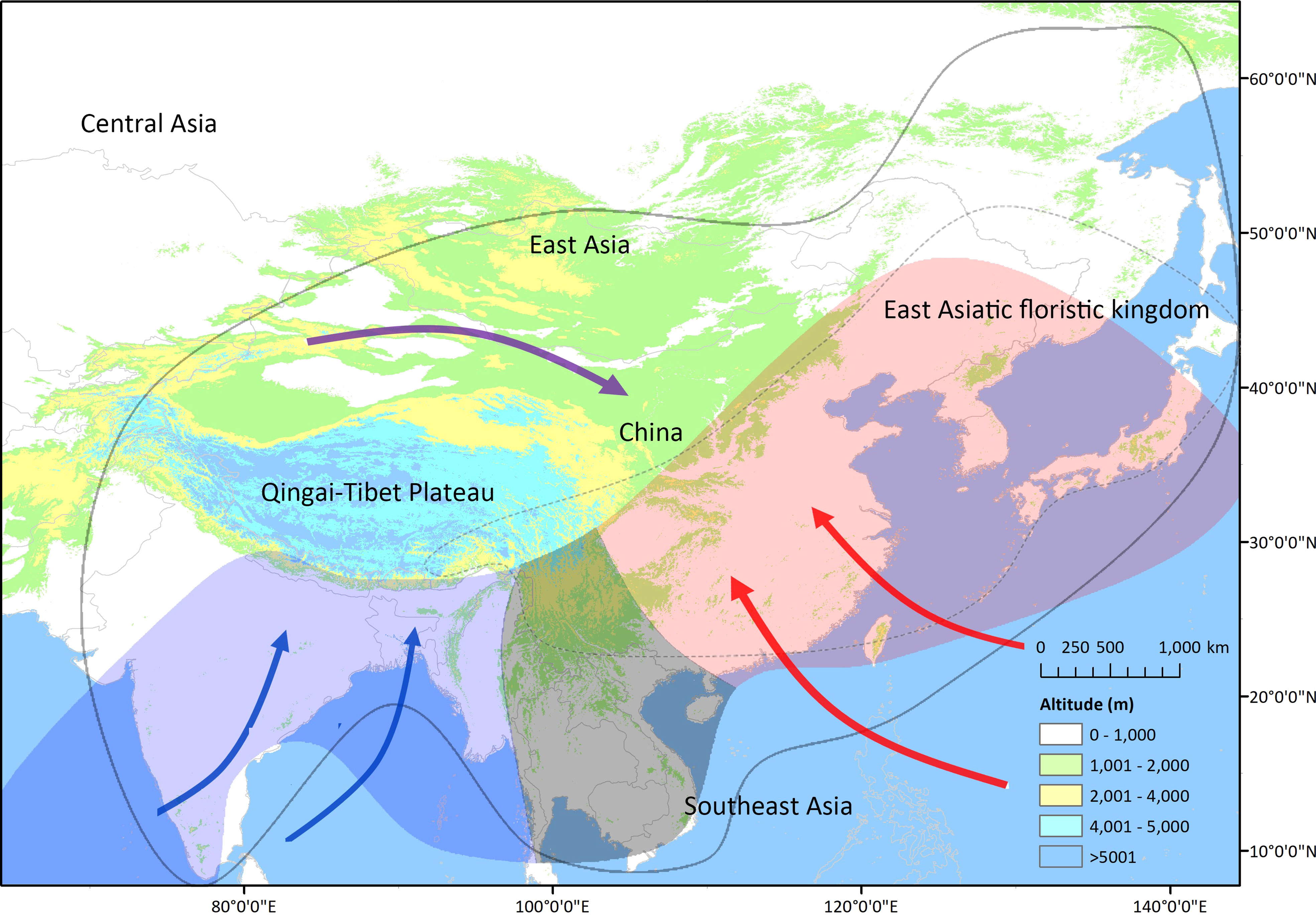
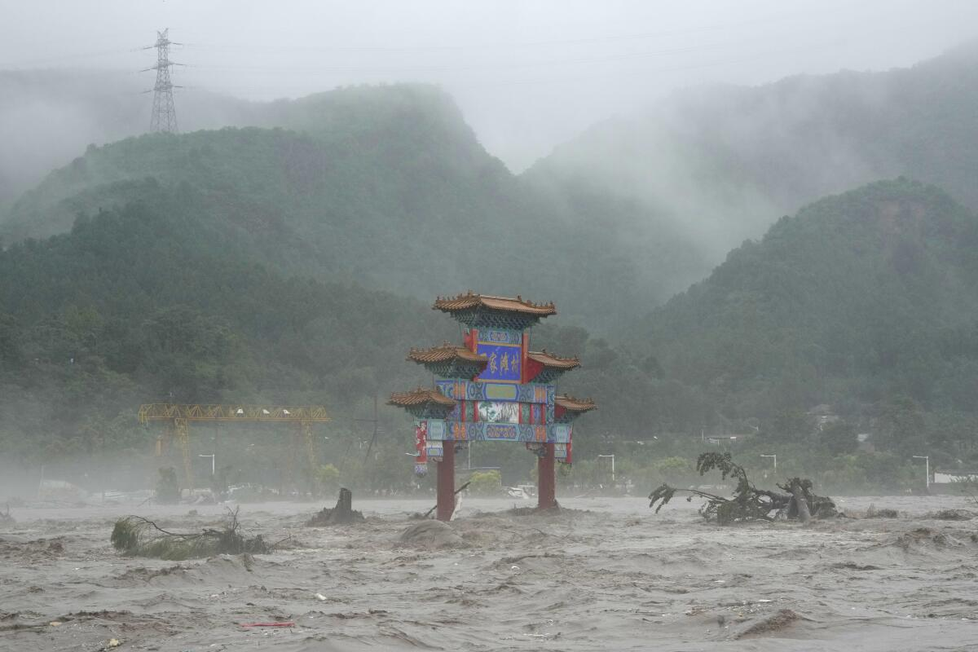
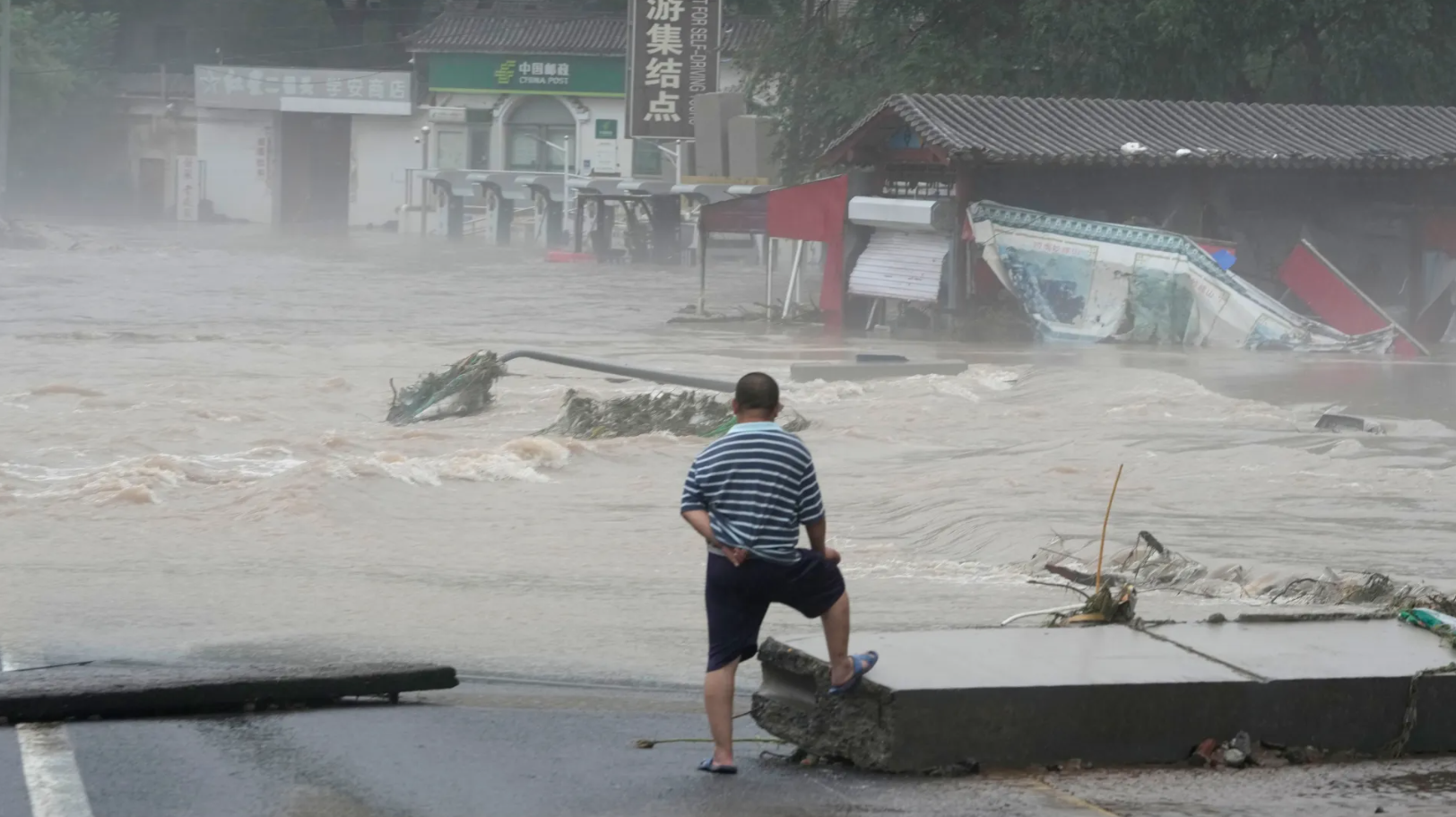
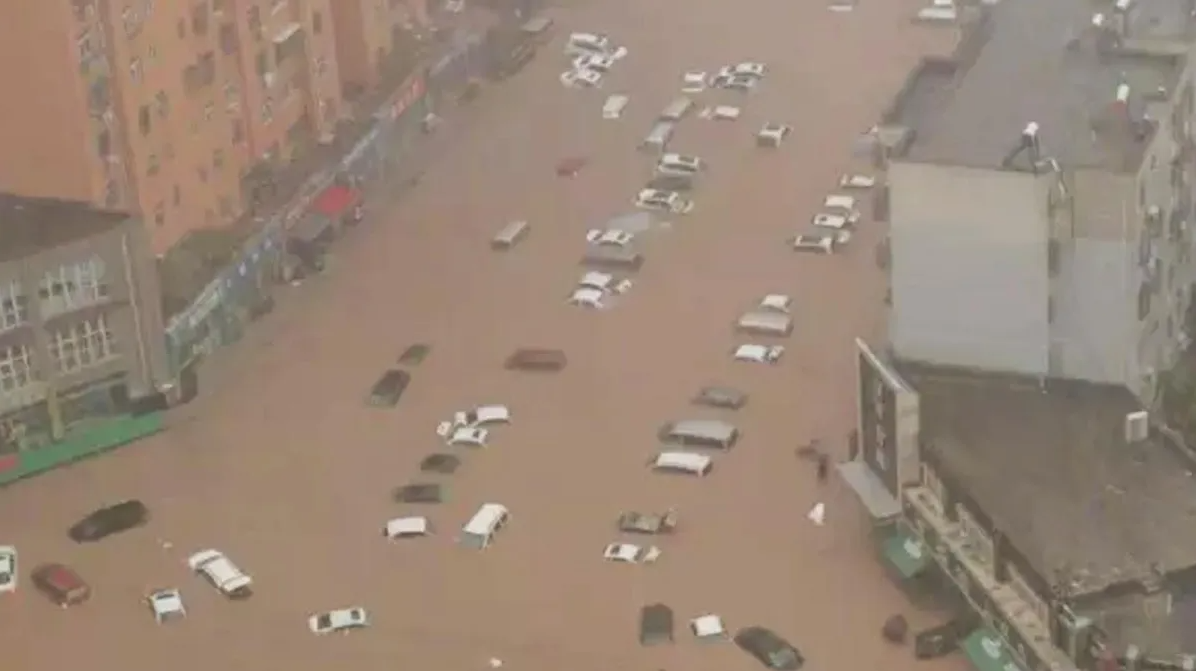
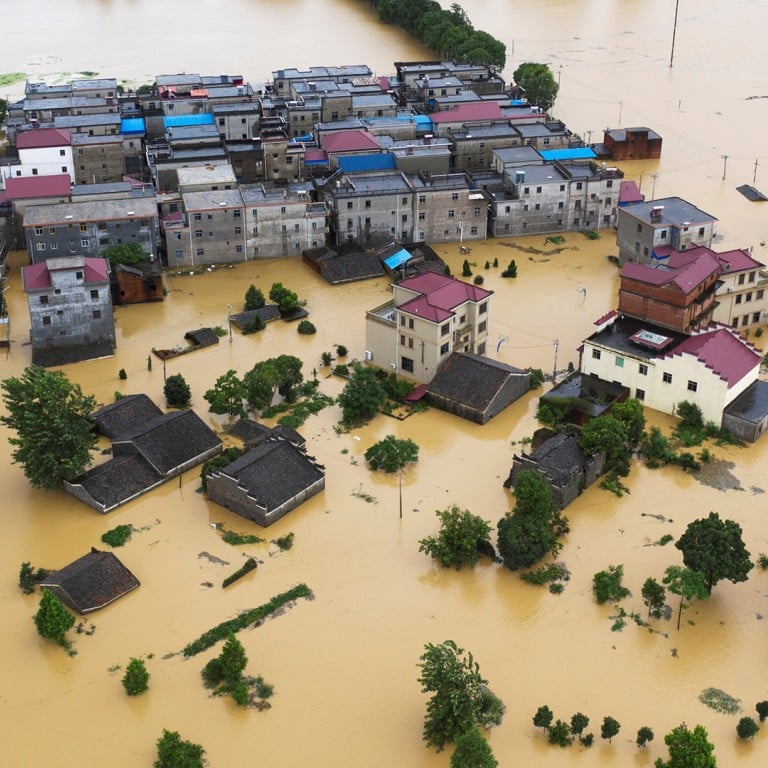
What is a monsoon?
Use the above monsoon map to answer the question:
Which part of Asia gets the most rain?
Considering the images above...
How would you and your family prepare for a monsoon?
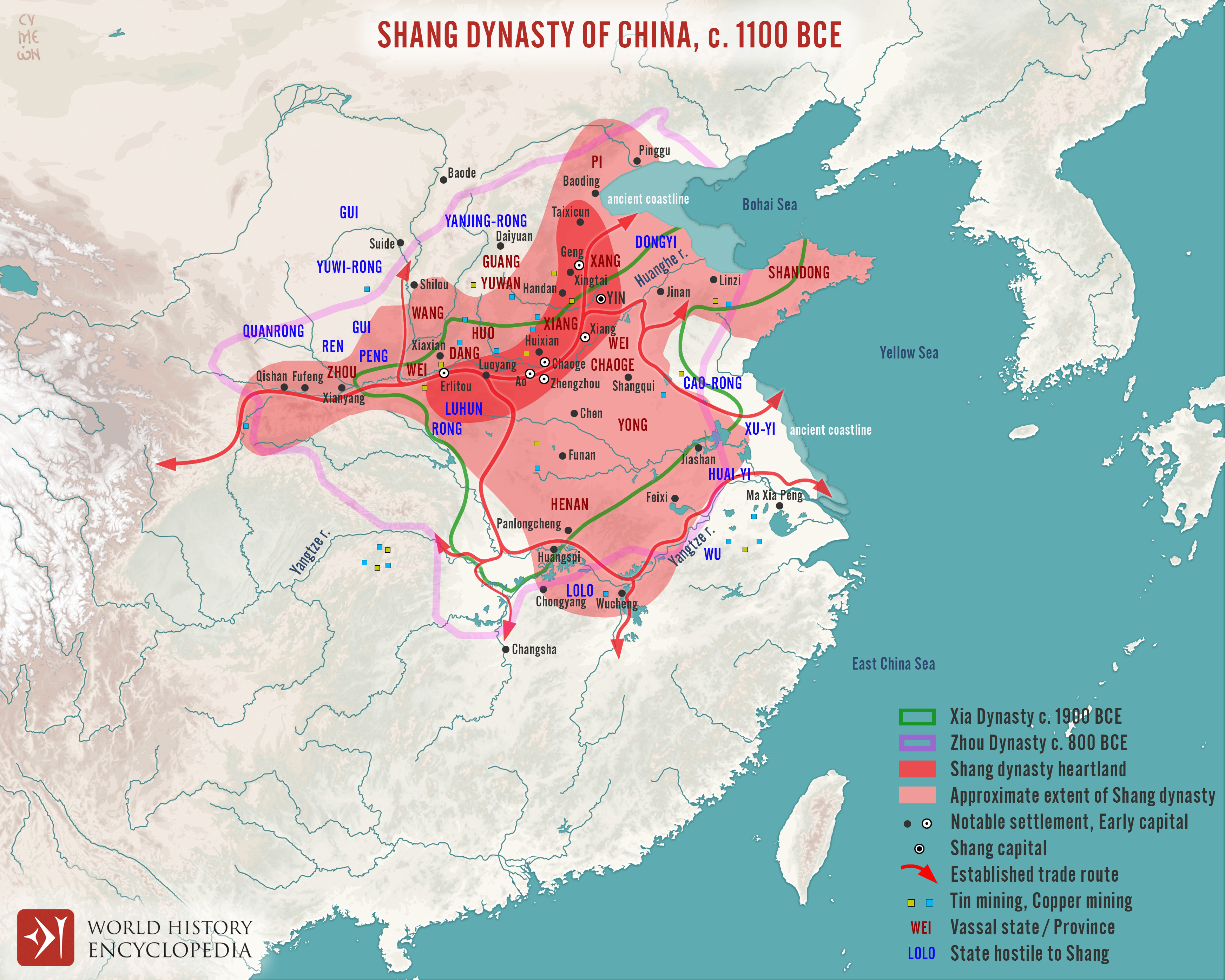
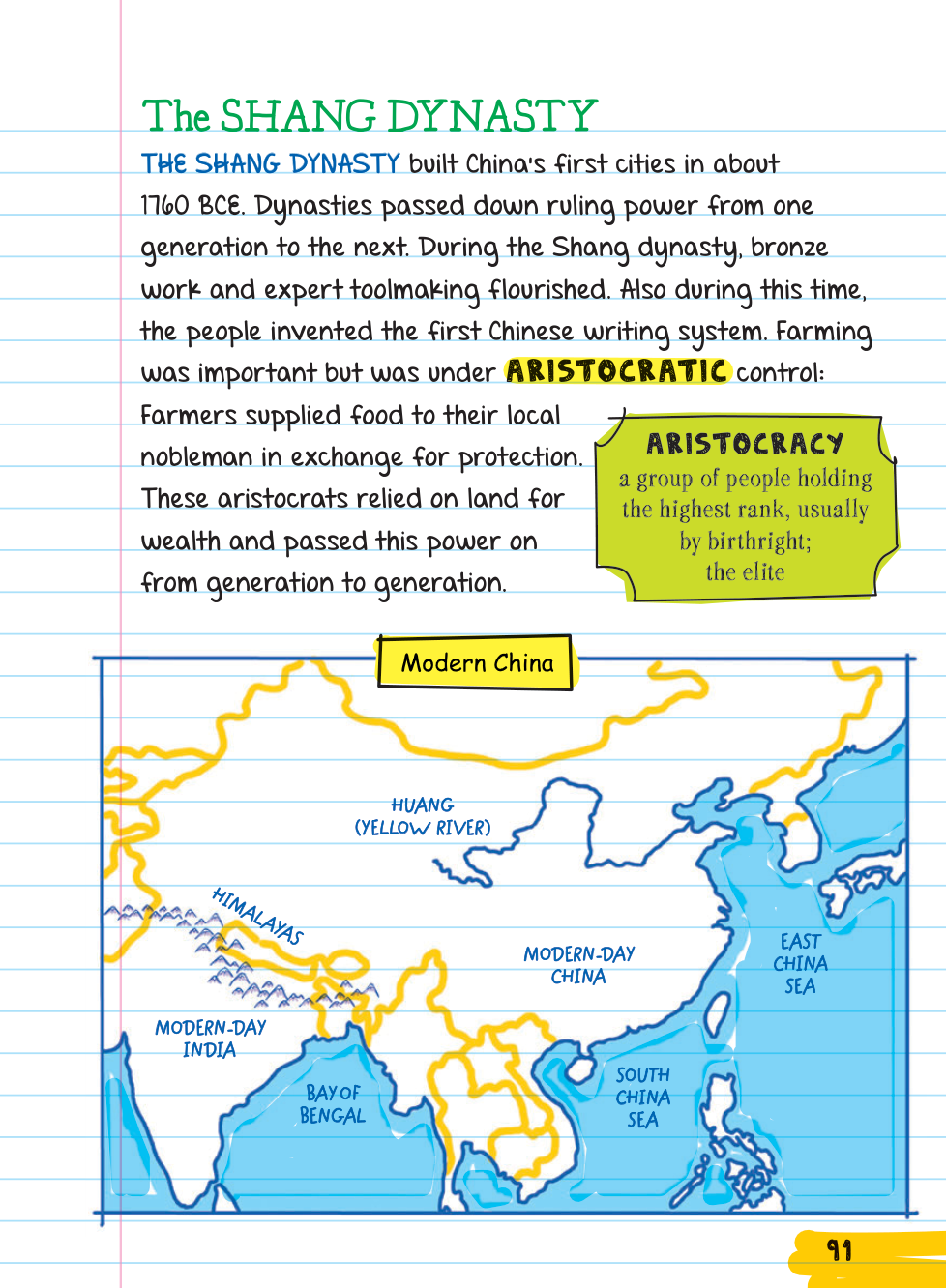
Compare the Modern China map to the Shang Dynasty map to determine if the following claim is true or false.
Claim: The Shang Dynasty was the first dynasty to unite all of China.
Evidence: Draw out your evidence on the provided map.
Reasoning: Type out your reasoning that connects your claim to the evidence.
What group of people were the most powerful in ancient China?
When writing a full name in English, where do Surnames go?
When writing a full name in Chinese, where do Surnames go?
Why are personal names in Chinese not called given names like in English but created names?
What is Bruce Lee's created name?
| Draggable item | arrow_right_alt | Corresponding Item |
|---|---|---|
Little (xiaǒ, 小) | arrow_right_alt | Dragon (lóng, 龙)
|
What does transliterate mean?
You can only transliterate your name into Chinese if your name ...
From what time period do most of the remaining sections of the Great Wall of China come from?
Match the vocabulary to its definition.
| Draggable item | arrow_right_alt | Corresponding Item |
|---|---|---|
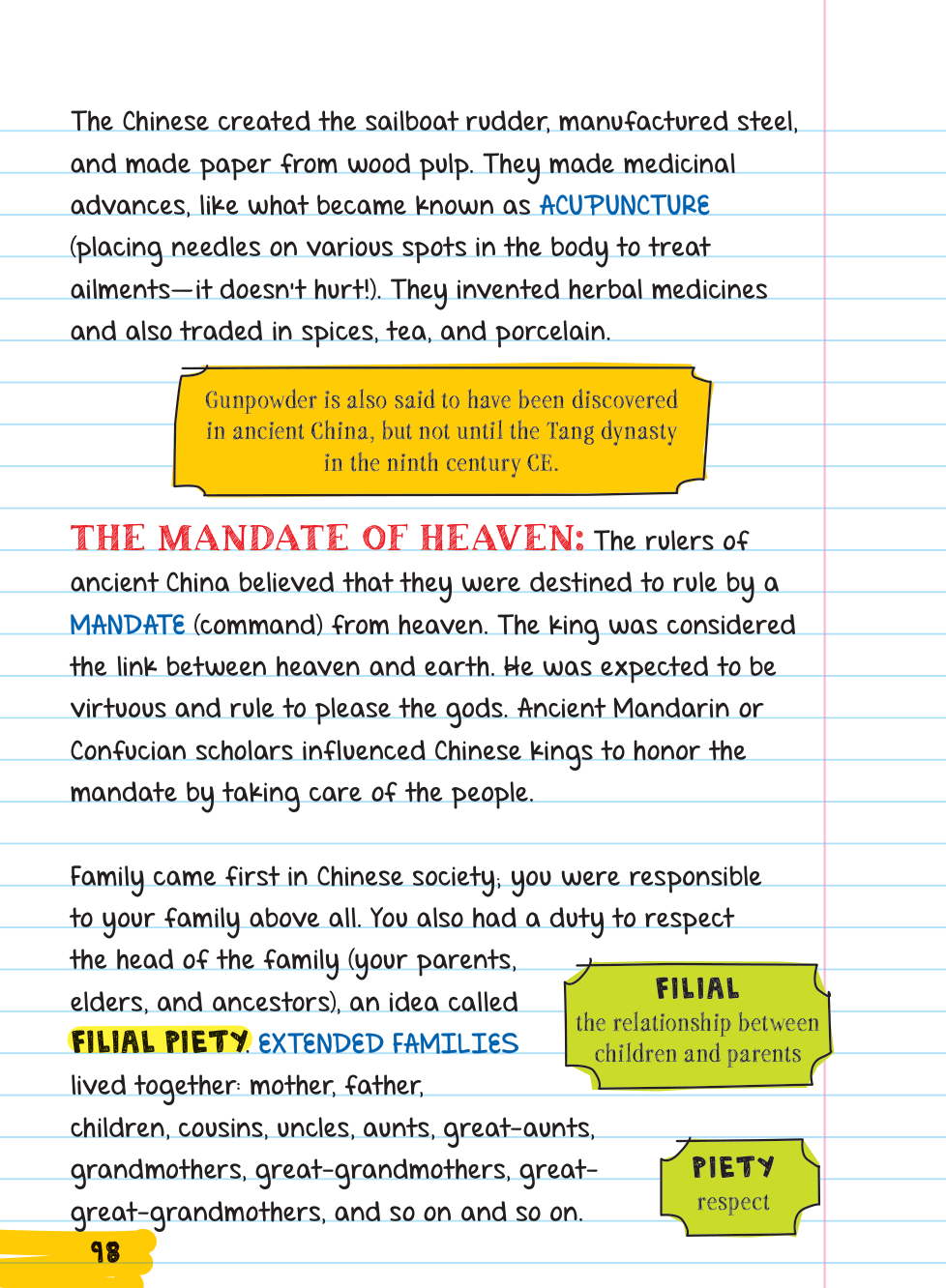
Filial Piety | arrow_right_alt | A traditional Chinese medicine technique where needles and hot glass are used to treat ailments. |
Extended Families (Clan) | arrow_right_alt | A command, often by someone or something superior in rank. |
Piety | arrow_right_alt | Loyalty to one's family, especially those older to you in the family. |
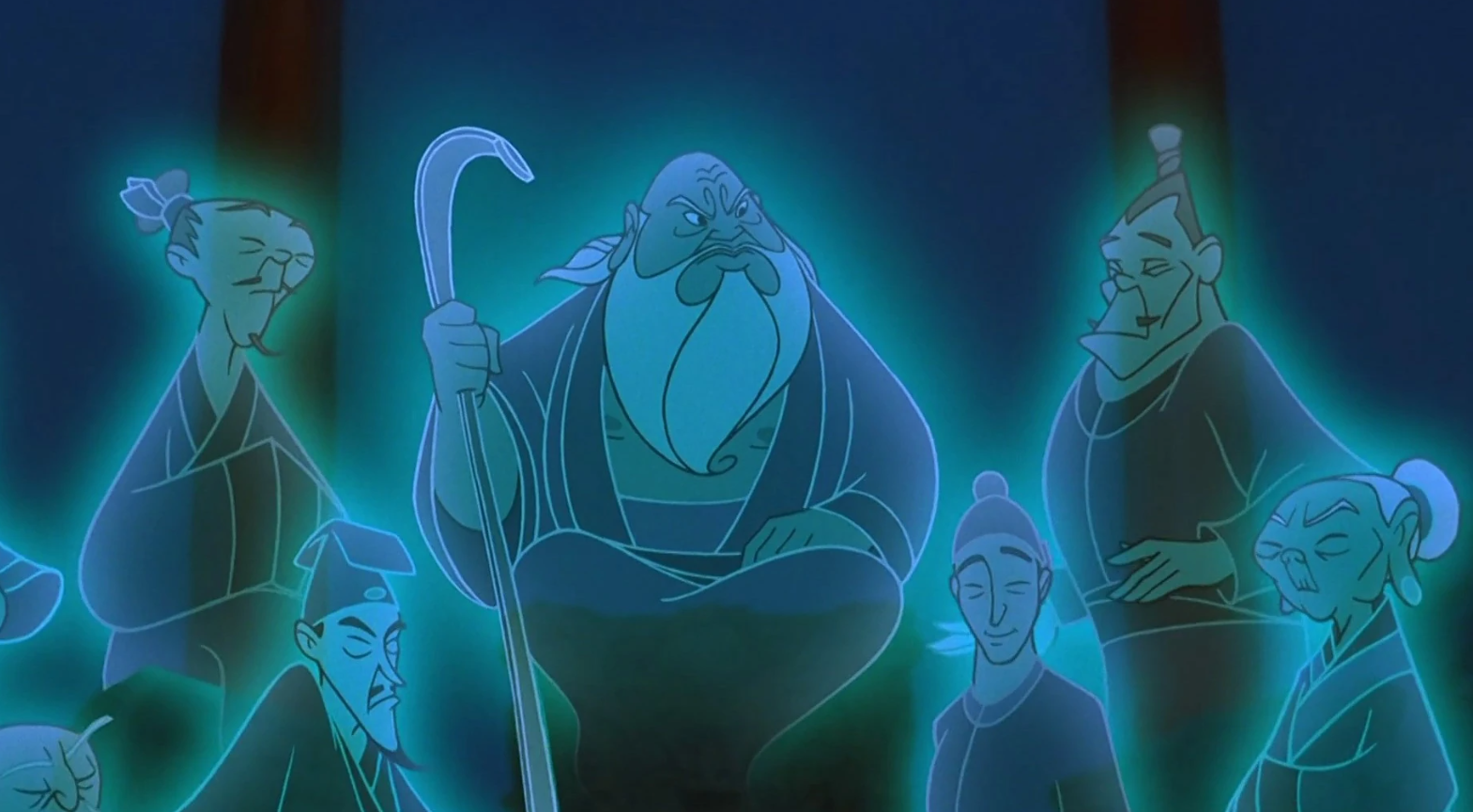
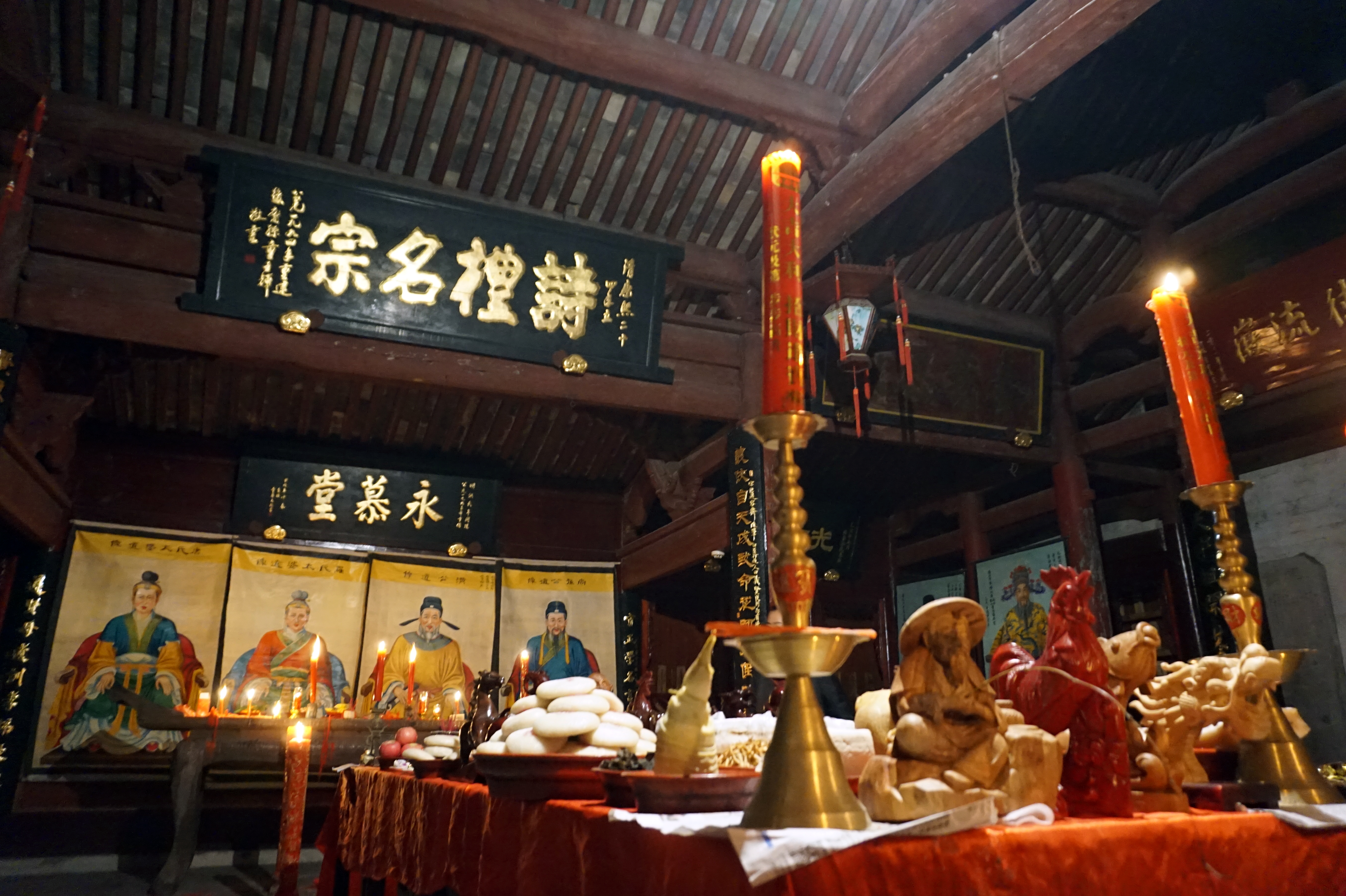
Filial | arrow_right_alt | Members of a family beyond parents and children. Usually sharing the same family name. In ancient times these kinship ties were very important and often people were loyal to family before anything else. |
Acupuncture | arrow_right_alt | The relationship between children, parents, and grandparents. |
Homage | arrow_right_alt | Respect, often towards people, beliefs, or religion. |
Mandate | arrow_right_alt | An expression of high regard, respect, or honor. |