Learning Intention:
I am learning about the rise of Roman civilization and its effects on the world.
Success Criteria:
I can trace the major events and myths of the founding of the Roman Republic.
I can list the features of the Roman Republic and compare them to the United States.
I can describe the class divide in Roman society.
I can describe who Julius Caesar was and what became of him.
I can describe some of the lasting achievements of the Roman Empire.
I can list major events in the rise of Christianity and understand its spread through the lands of the Roman Empire.
I can in my own words tell the story of at least one of Rome's legendary figures.
Match the vocabulary word to it's definition.
| Draggable item | arrow_right_alt | Corresponding Item |
|---|---|---|
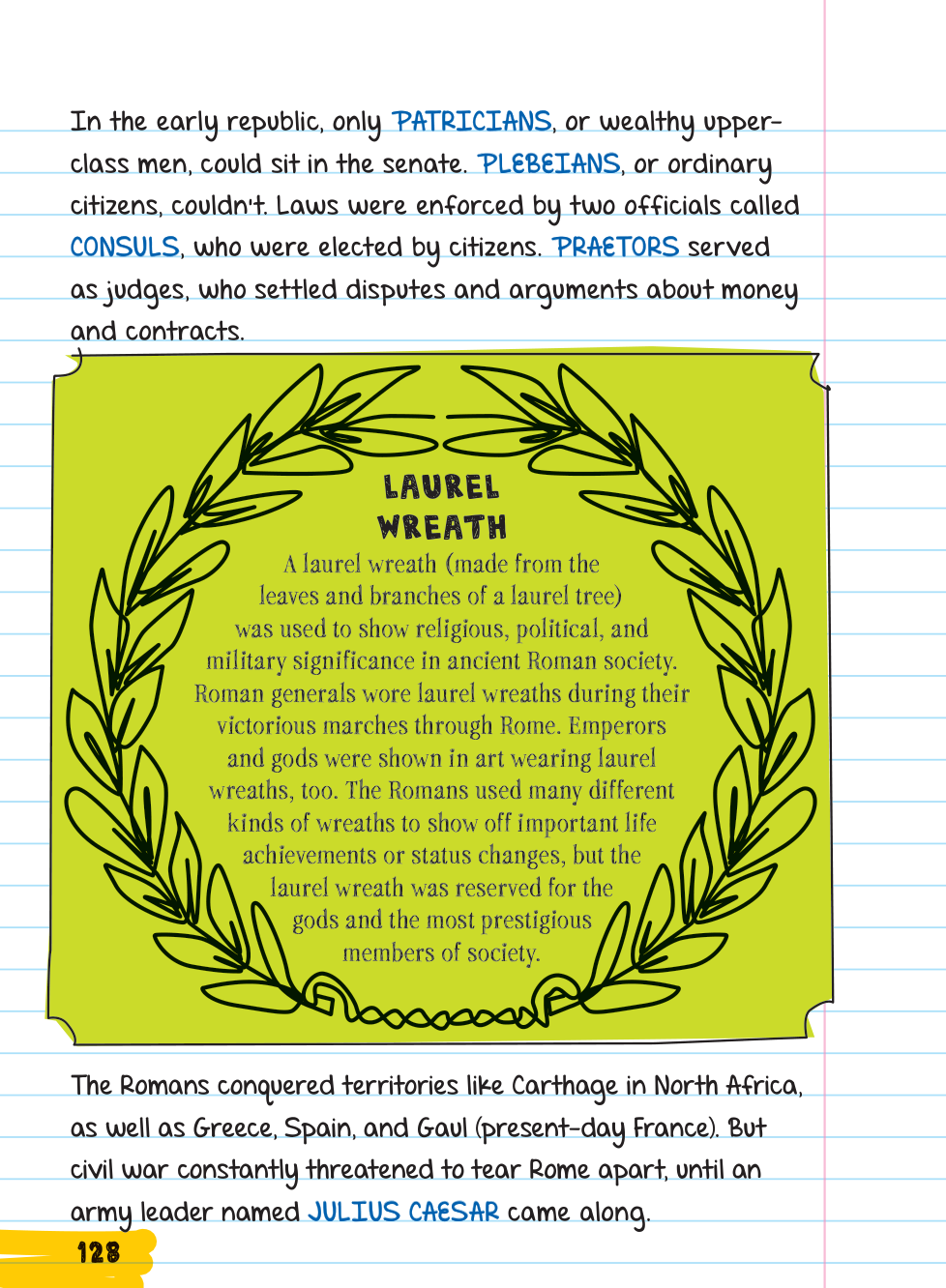
Consuls | arrow_right_alt | A government where select citizens vote for people to rule as representatives of the people. |
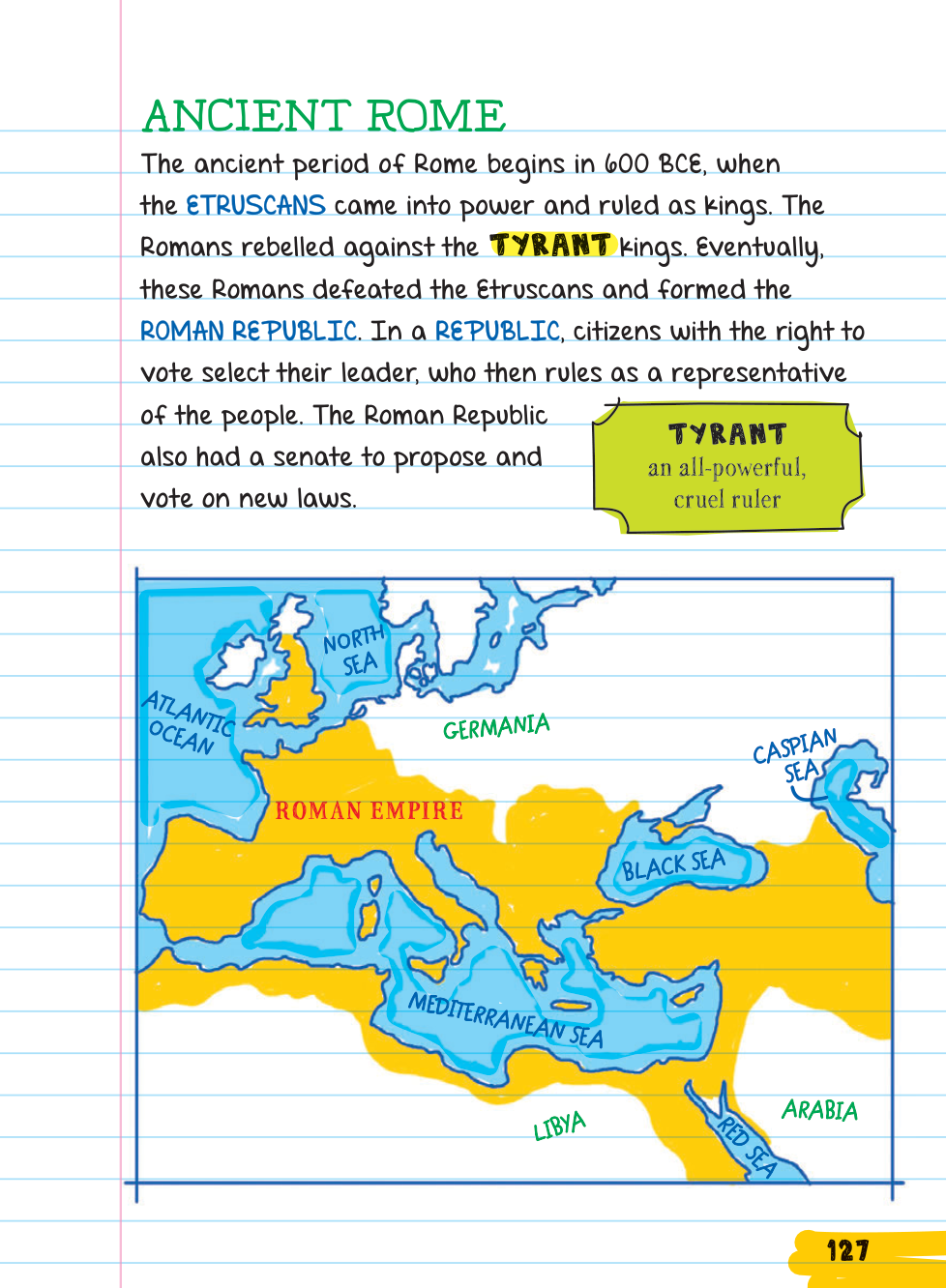
Republic | arrow_right_alt | A Italian culture group in ancient Northern Italy. |
Patricians | arrow_right_alt | A ruler who governs with few to no checks to their power. Often unfairly and by force. |
Plebeians | arrow_right_alt | The wealthy upper class of Rome. |
Etruscans | arrow_right_alt | Ordinary citizens of Rome. |
Praetors | arrow_right_alt | The two chief executives (highest law enforcers) of Rome. |
Tyrant | arrow_right_alt | Select citizens who served as judges. |
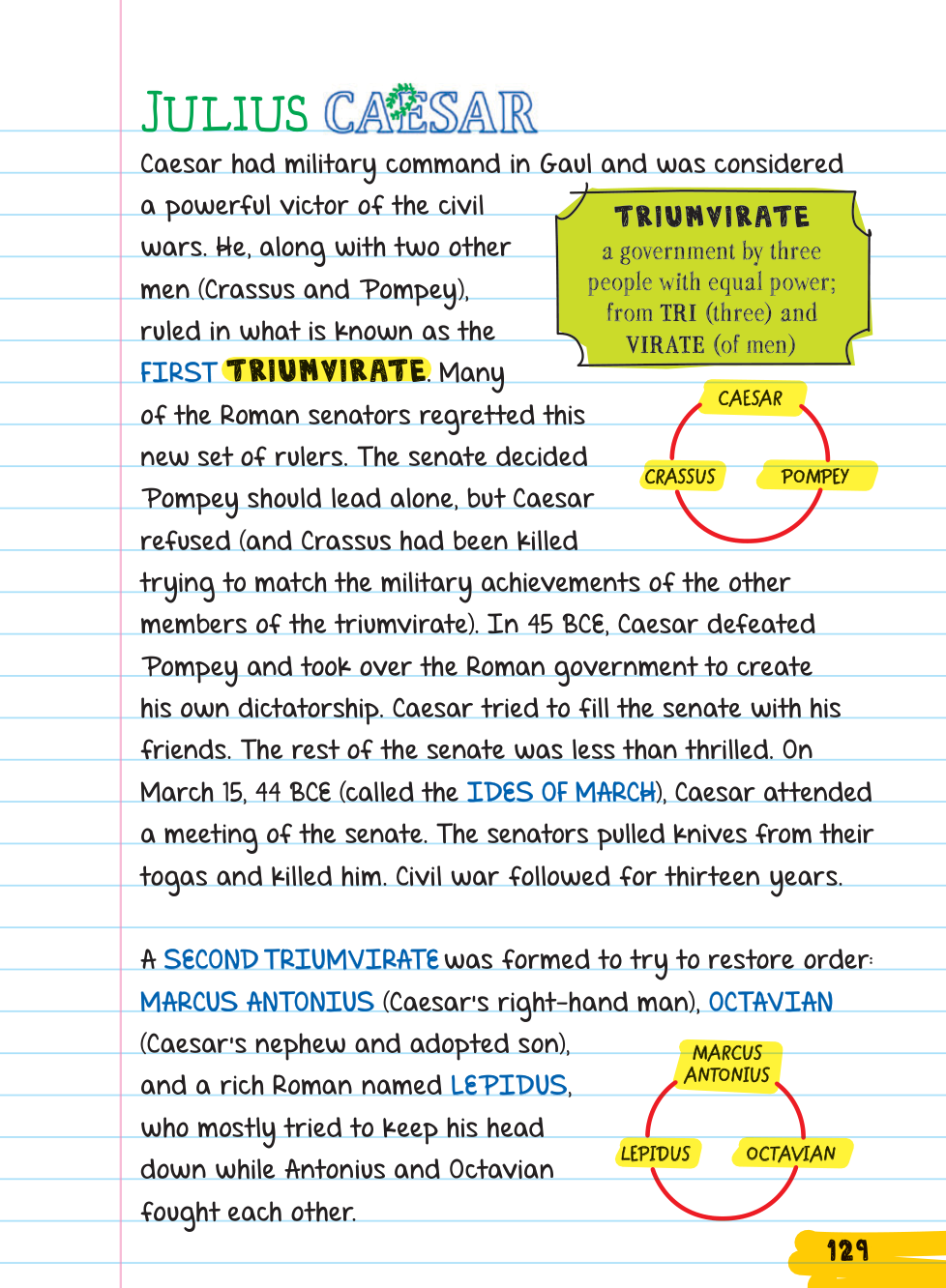
Write a one paragraph summary of who Julius Caesar was, what he did, and what happened to him.
Julius Caesar created a dictatorship within the Roman Republic.
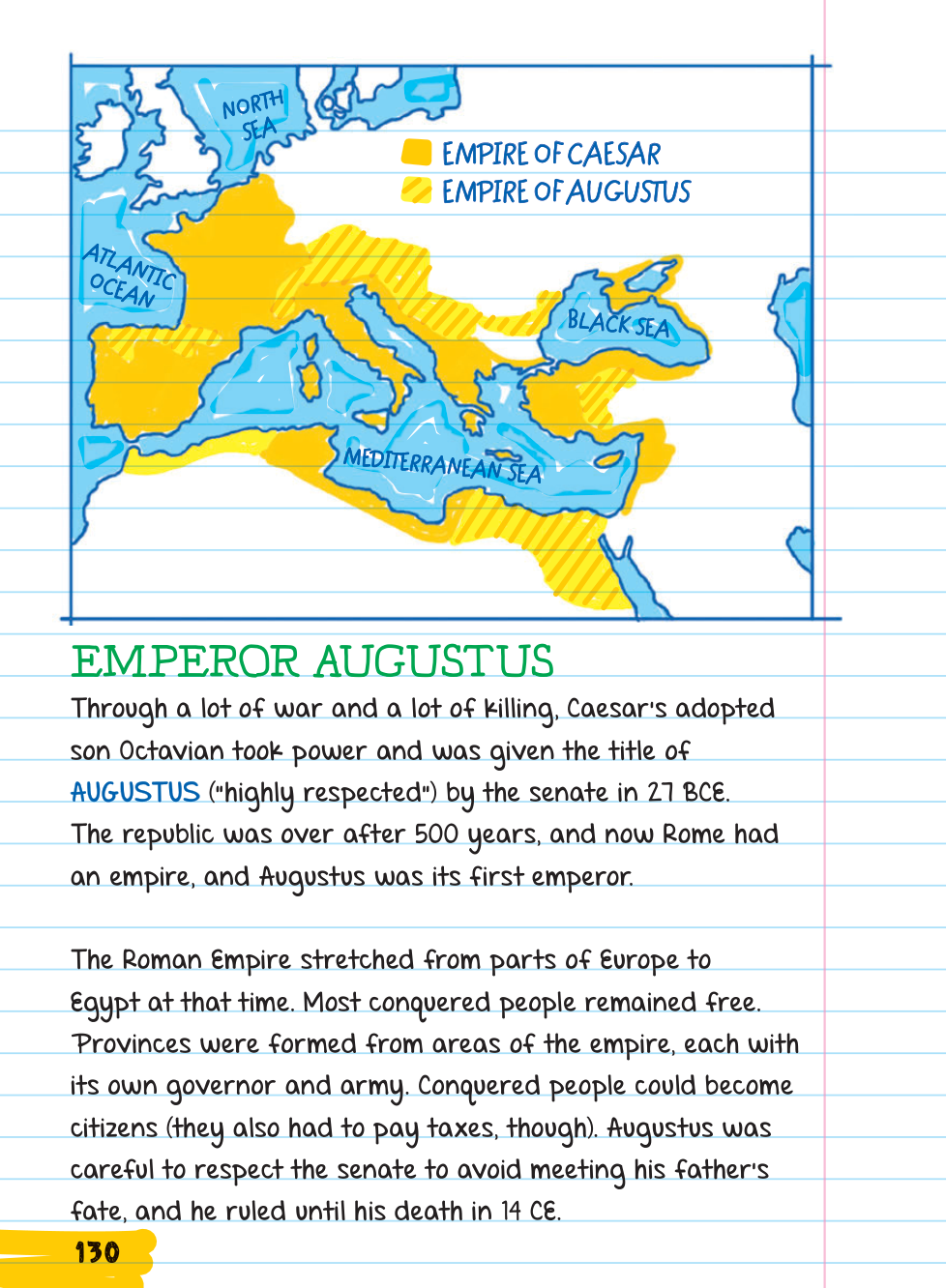
Octavian Augustus Caesar finished what his adoptive father started, ending the Roman Republic, turning it into the Roman Empire.
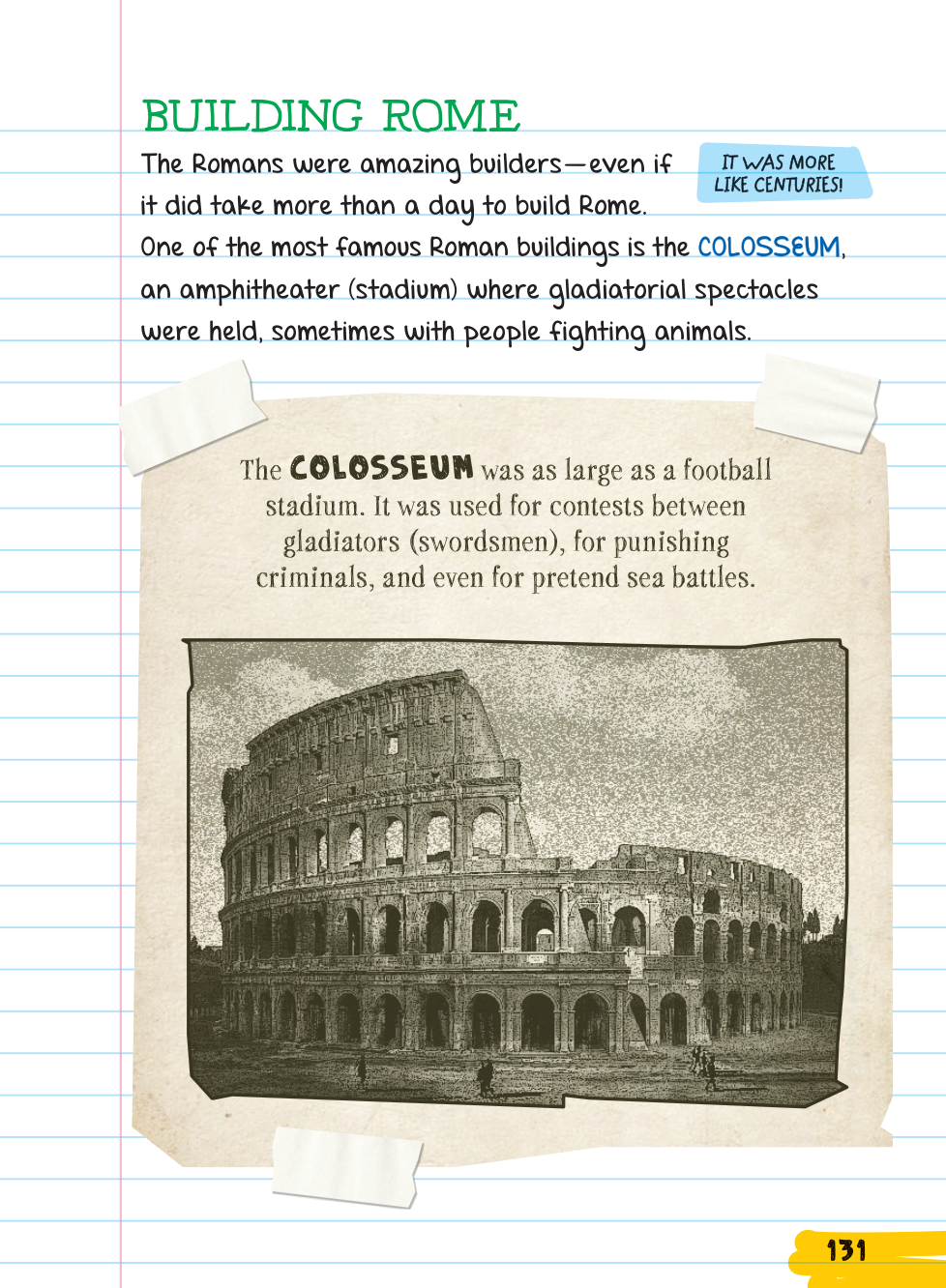
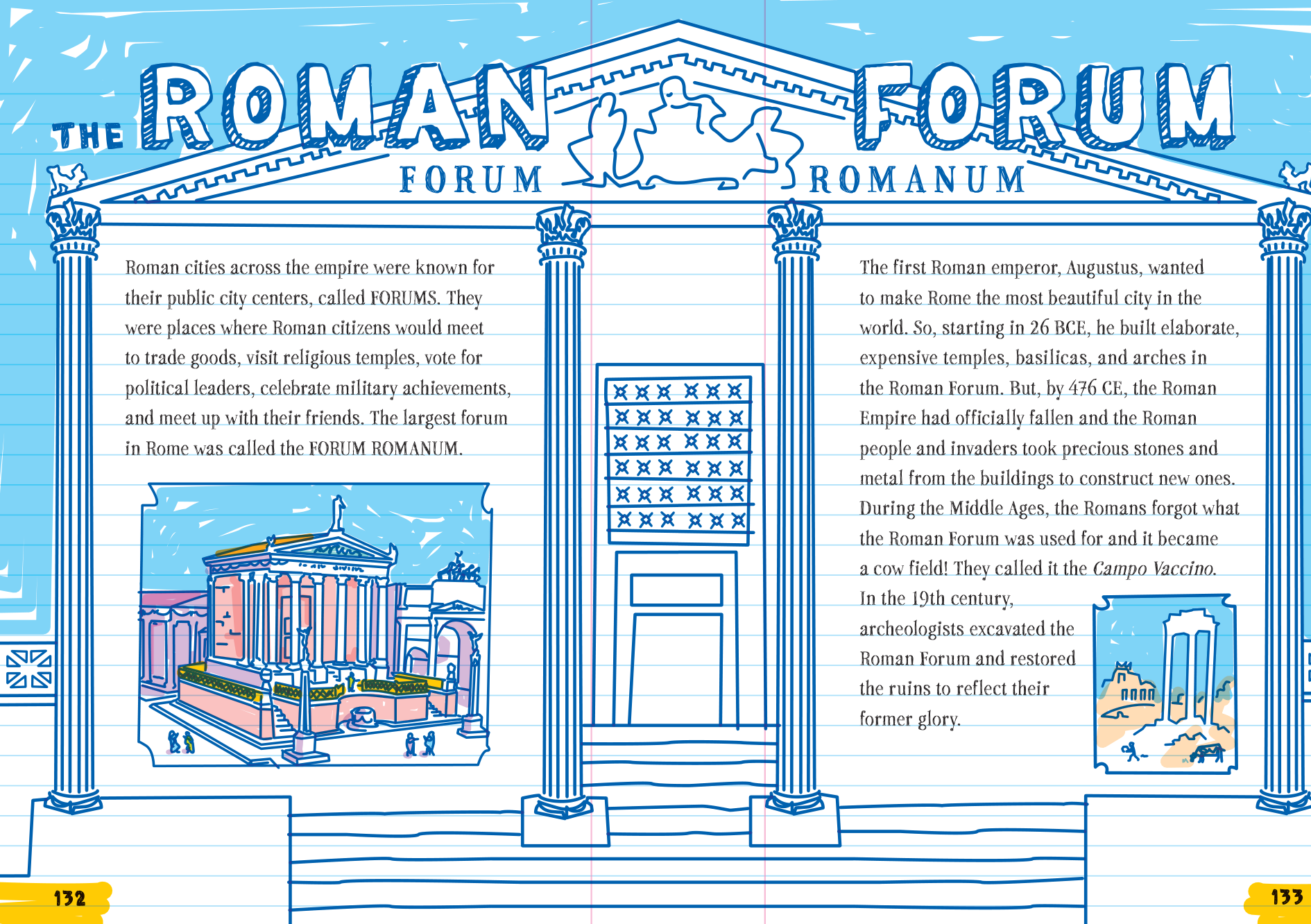
Choose the best definition for the word, forum.
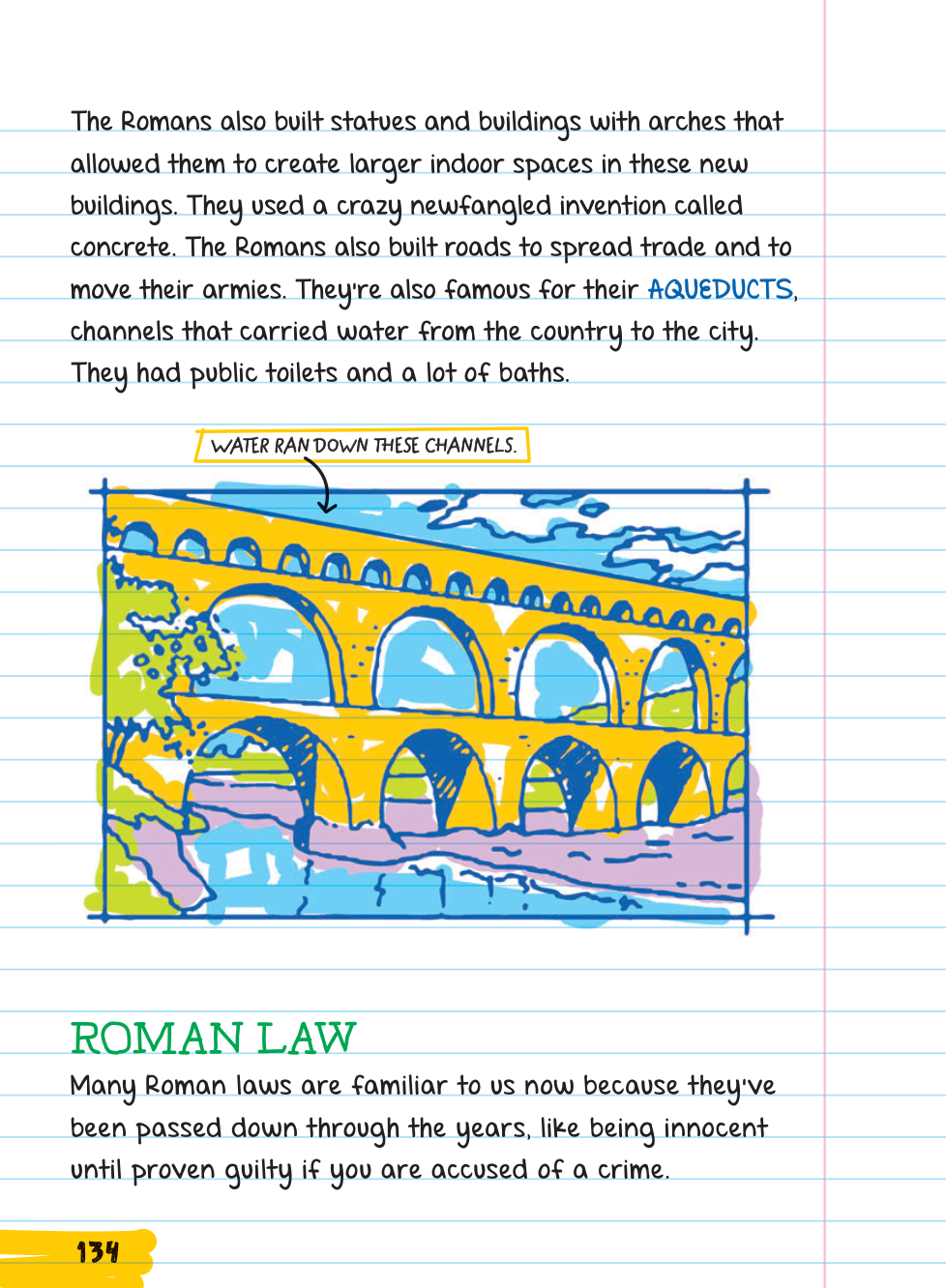
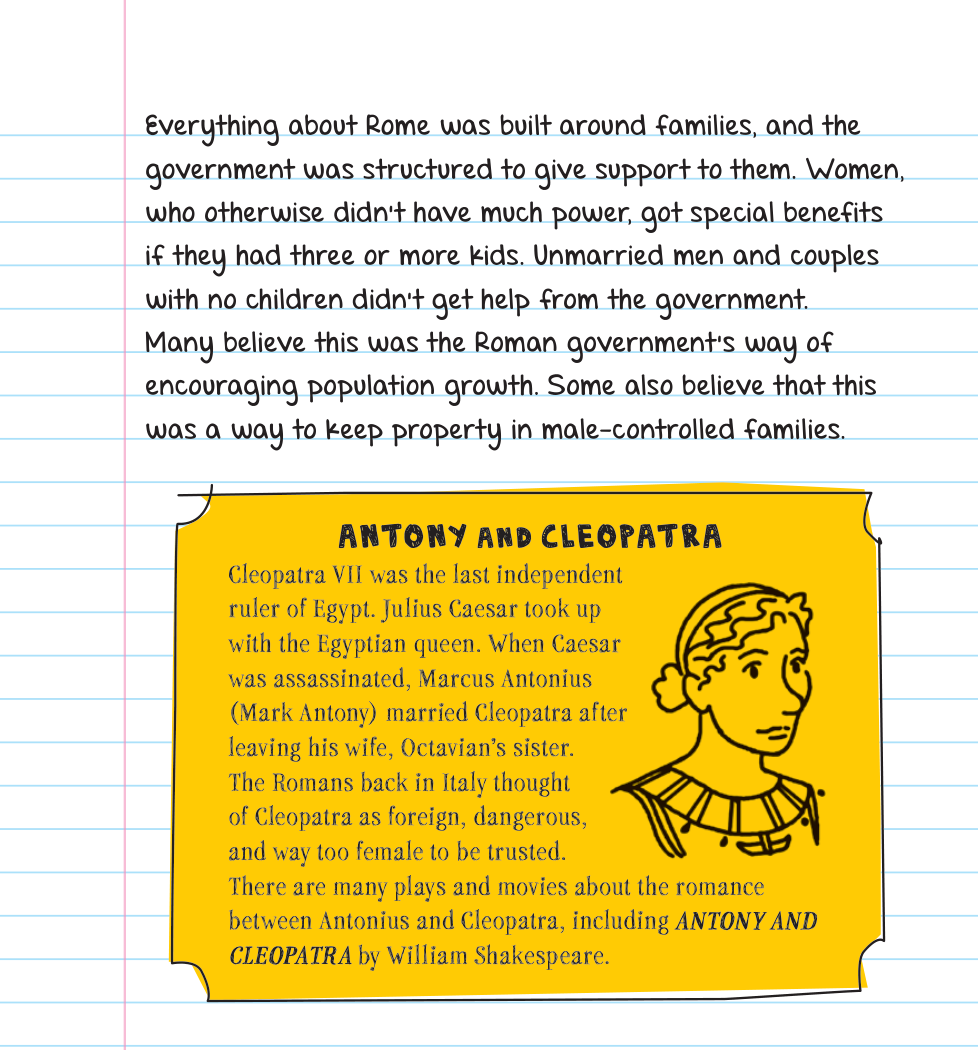
Select below Roman inventions that we still use today.
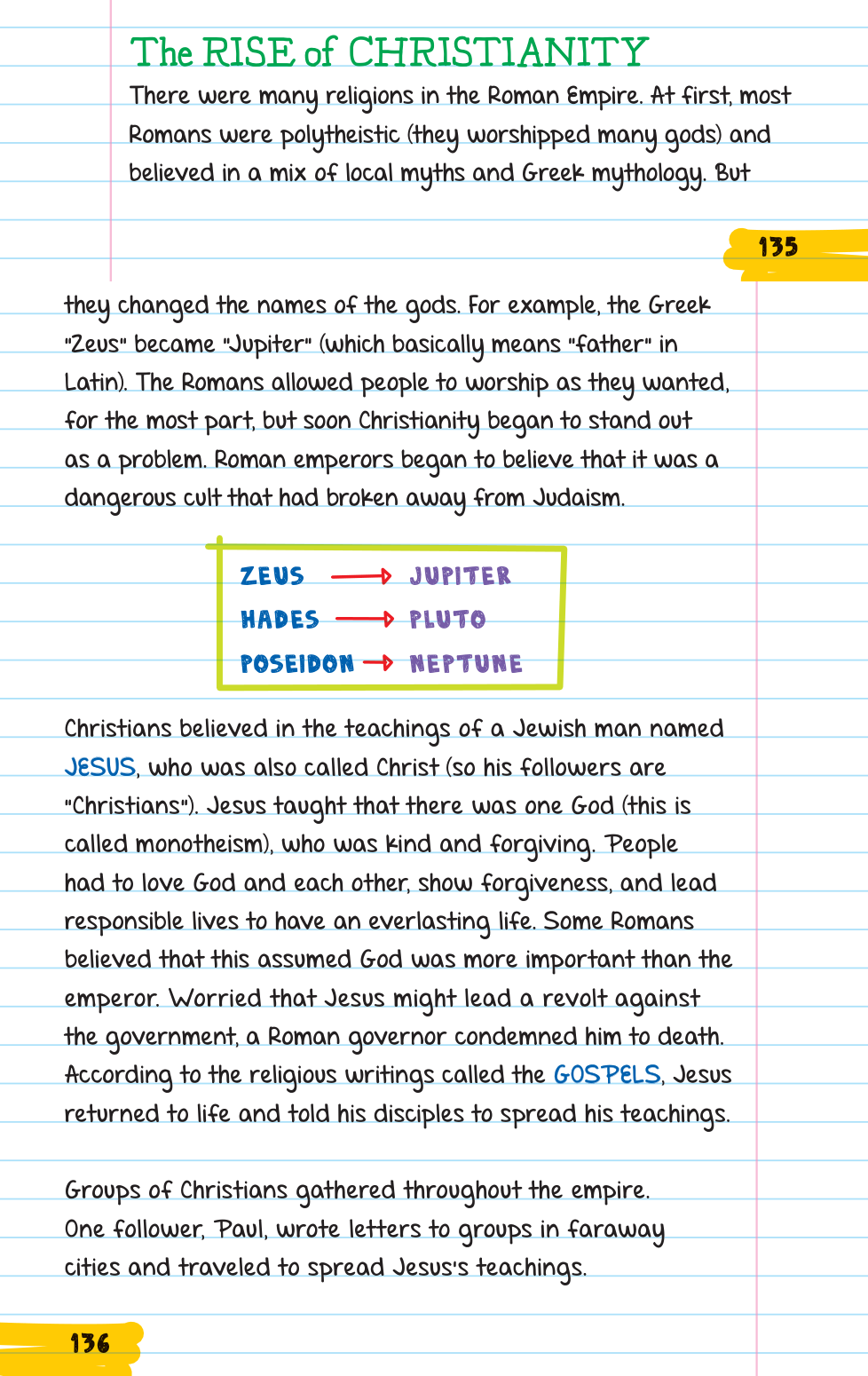
Originally the Romans were polytheistic, worshiping the same gods as the Greeks under different names.
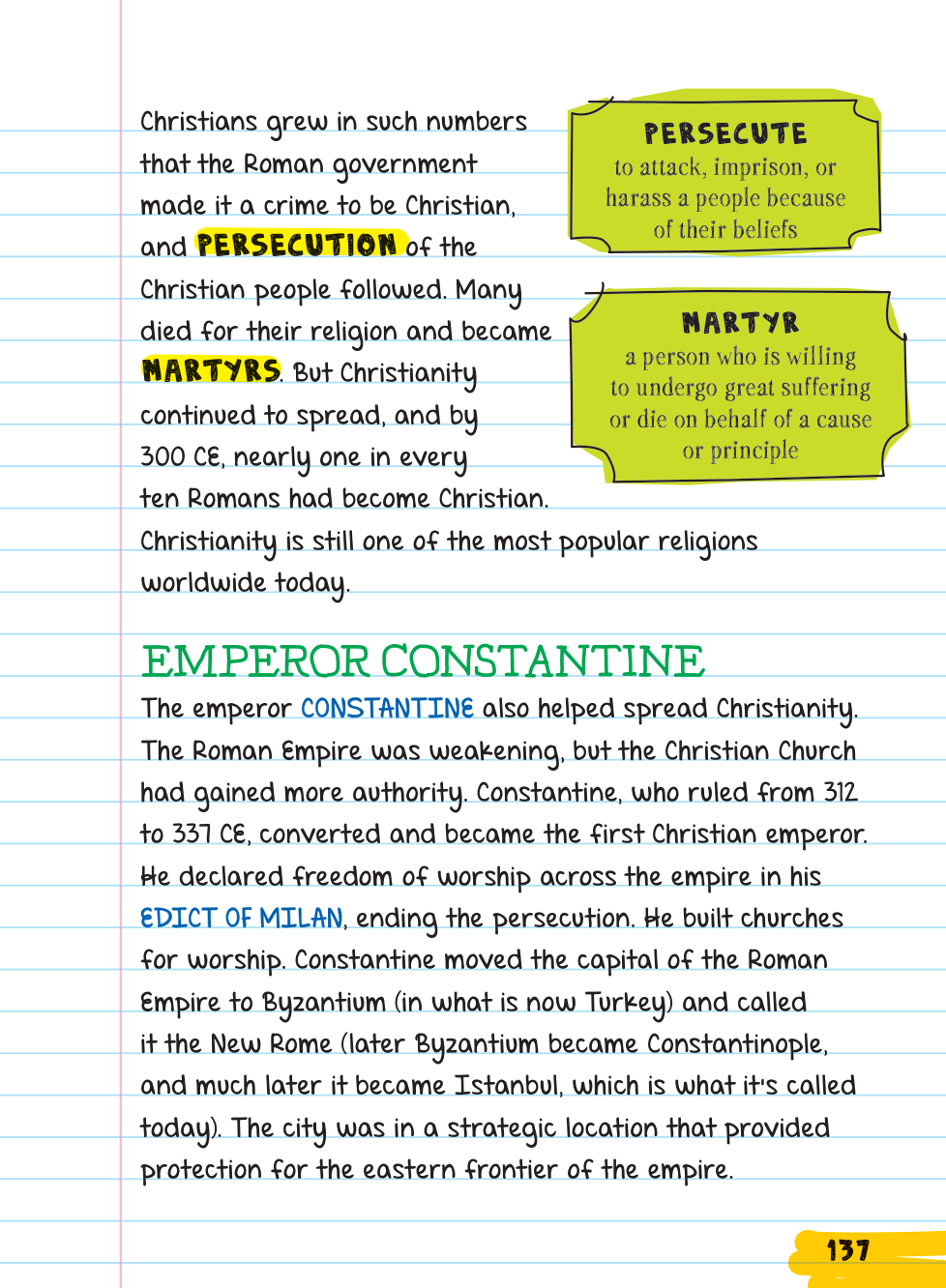
The Roman government was originally , believing in . The emperors of Rome viewed Christianity as a to their power and authority. As a result various Roman emperors made it a crime to be Christian and started of Christians. Many Christians were killed for their religion, becoming . These deaths inspired even more people to convert to Christianity. It became a losing battle for Roman Emperors to fight the spread of Christianity.
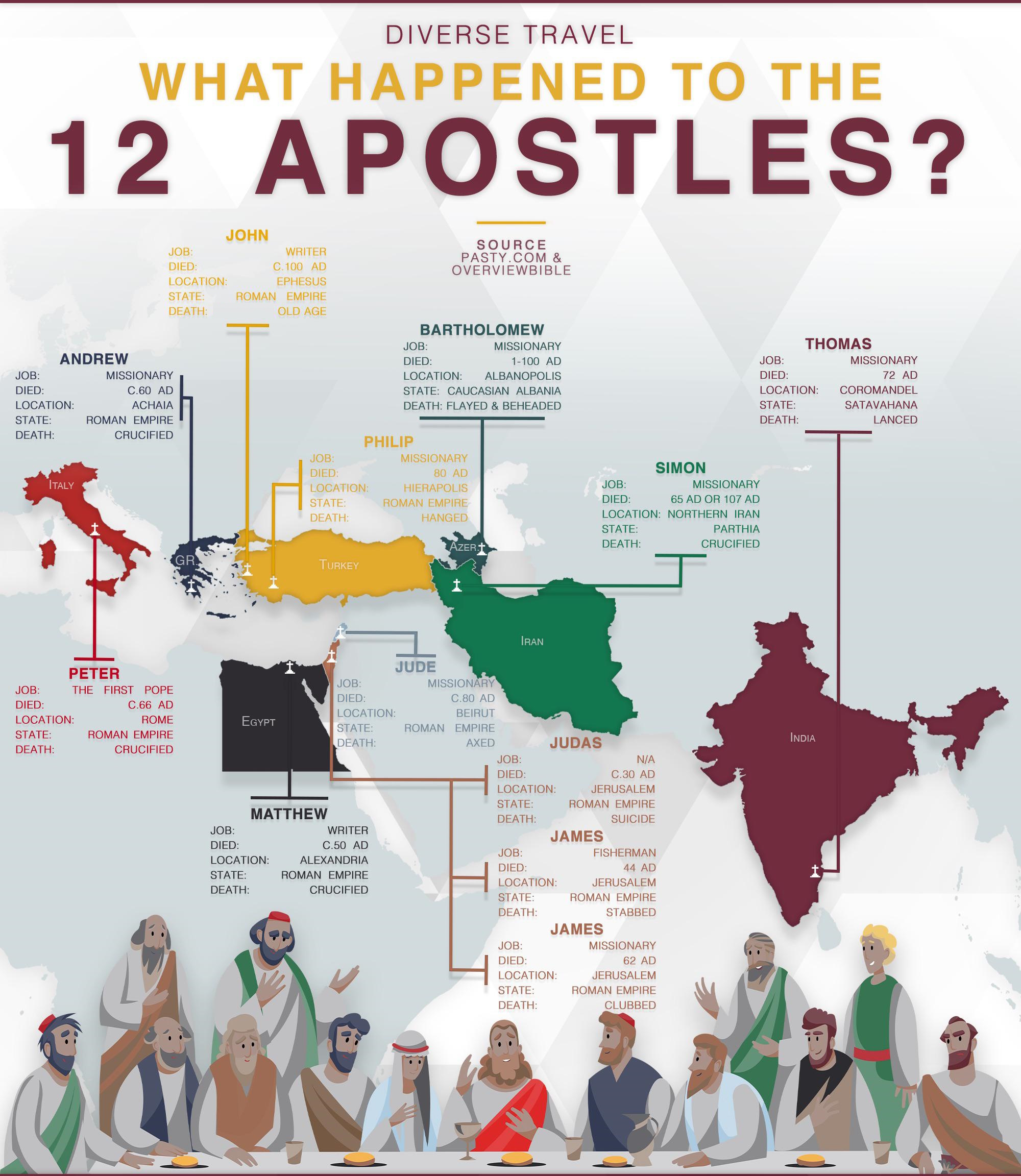
Using what you've learnt about the Rise of Christianity.
Why did Romans failed to stop it's spread and eventually adopted Christianity?
Use at least one (1) quote from the text or video.
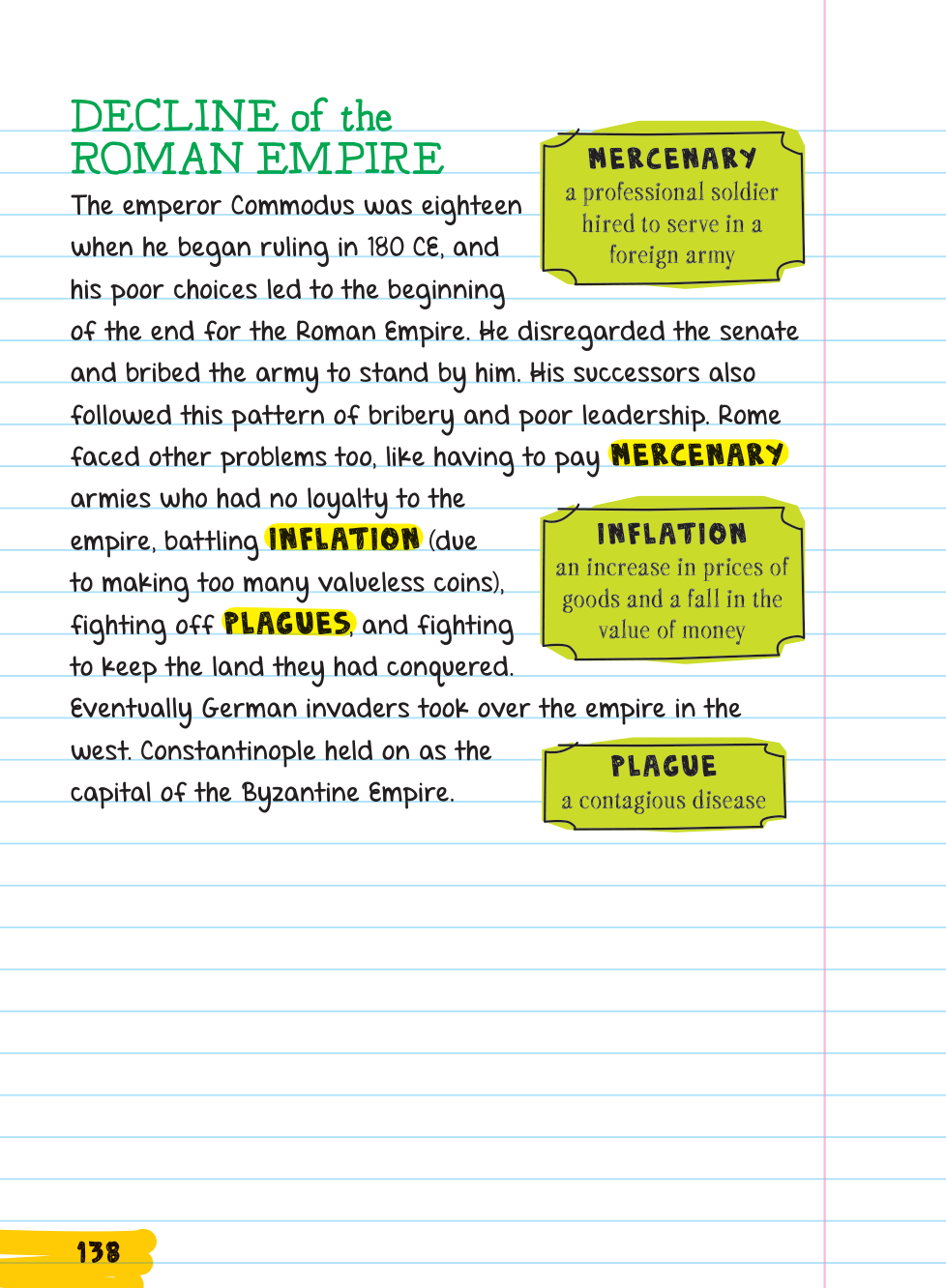
Give your opinion with a written explanation as to why you have it.
Which of the following is the worst?
1. Armed thugs in charge of your neighborhood that you have to pay "protection" money to.
2. Your money not being worth very much, that is, you can't afford to buy anything.
3. A deadly disease spreading in your community, one that you can try to avoid but can't cure.
The United States shares many of the problems of the late Roman Empire.
Match problems that are similar.
| Draggable item | arrow_right_alt | Corresponding Item |
|---|---|---|
The Roman Empire expanded its territory too far beyond it's borders, conquering people who didn't want to be Roman, and becoming over reliant on mercenaries. | arrow_right_alt | The American dollar is devalued due to over printing, too much money being in too few hands, and a rise in the cost of essential goods. |
The Roman Empire traded far and wide. As it traded the merchants spread disease causing plague that the people didn't understand. | arrow_right_alt | The United States polices territories across the world, influencing people to adopt Western values who don't want to, and becoming over reliant on a few military companies. |
The leaders of Rome became more corrupt, worse at their jobs, disregarded democracy, and accepted bribes. | arrow_right_alt | The United States trades with countries around the world, like China. Coronavirus-19 traveled from China causing plague in the United States that many people didn't understand. |
The Roman coin was devalued due to over printing, using less metal per coin, and rampant shaving of coin edges, causing inflation. | arrow_right_alt | The leaders of the United States have become more corrupt, worse at their jobs, many have become more authoritarian, and some accept bribes. |
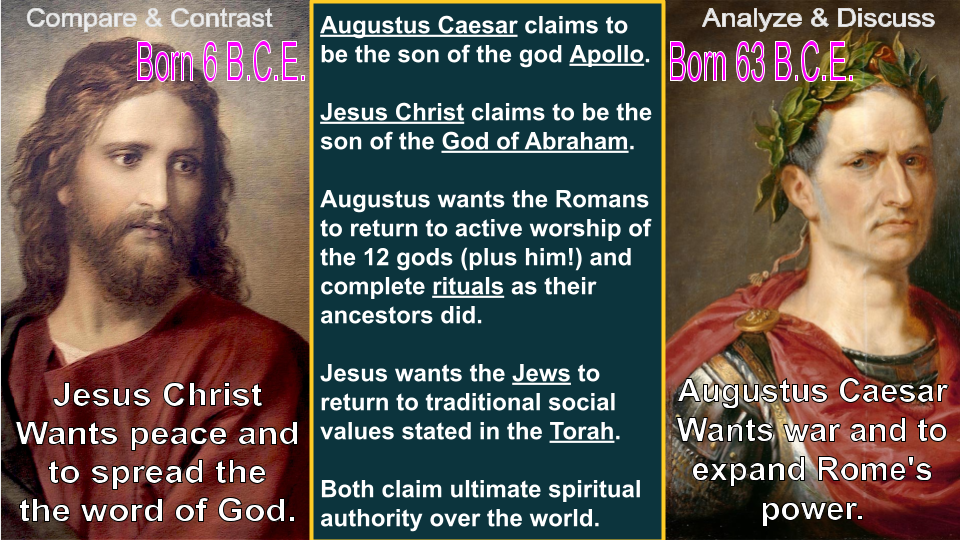
Take out a sheet of note paper or wait for the teacher to pass out a compare and contrast sheet.
Actively participate in discussion while writing down the similarities and differences between the Emperor of Rome Gaius Julius Caesar Augustus (Octavian) and Jesus Christ of Nazareth.
Note - No one really knows what Jesus looked like. This painting is based on the traditional European or Catholic/Orthodox church interpretations.
Note - Mr. Bergh put up a painting of Augustus's adoptive father Julius Caesar because there aren't that many good paintings of Augustus Caesar. Augustus made similar claims about his father too. These claims were not openly propagated until long after Julius Caesar's death, during the Augustus Caesar's rule as Emperor of Rome.
Want lots of extra credit for watching a movie?
Feel like you need to raise your grade as the end of the year is approaching?
If you want to watch the full story of Spartacus, here is a link I found to it for free on Dailymotion. https://dai.ly/x7zq8f9 You can also find it on other Streaming services and Mr. Bergh has a copy you can borrow. There are a lot of advertisements if you watch it on Dailymotion and I don't like advertisements.
WARNING. Classic film was made before rating system. Film is from 1960.
May be inappropriate for some audiences.
Ask your parents if it's OK to watch.
You may write/draw a report on what you learned from this film and for each full page I'll give you one whole assignment worth of extra credit.
Voting in a Representative Democracy
Step 1 Issues
In Representative Democracy the citizens of a place vote for elected officials to run the government, enact laws, and rule over them. Representative Democracy is a means by which a community can come together to solve a issue equally. As a community our class will now come together to solve a real issue just before with Direct Democracy. First we must come up with an issue to discuss.
Issue: All communities are different. If our class has a particular issue they think is important to solve any student may wait for their turn to speak and put forward an issue.
If you have the "talking stick" no one else may talk. The teacher is the "censor" and may block students from debating if they are not polite and/or talk out of order. A time limit will be placed on the debate. Once the issues have been collected we will raise our hands for each issue. The issue to get the most hands raised will be addressed. The others may not.
Step 2 Actions
Now that an issue has been selected it must be decided who will solve the issue. We will debate back and forth what to do and who will do it. Each candidate for office will have their name written on the board with their proposed solution to the issue. Repeat debate steps from step 1. The teacher may modify actions if they break school or classroom rules as a judge.
Step 3 Voting
A ballot box will be taken out. Each student will be given one paper. Each student will then write the name of the person they believe can solve the issue best. The ballots must be private, others may not see who you voted for if you choose not to share. Each student will take turns dropping their paper (ballot) into the ballot box.
Step 4 Results in Action
The students and the teacher are obliged by the vote results to put the individual voted for charge to solve the issue. This step will be different depending on what was voted on. Depending on the student voted for and the issue to be solved the dictator teacher may invalidate the election if it goes against school rules.
CONGRATULATIONS you participated in Representative Democracy! This is the system the United States of America follows to create it's government.
This assignment is based on PARTICIPATION. The teacher will be recording on his seating chart who did and didn't participate and by how much. You must participate to earn your grade. Voting automatically gives two points. Debating gives one point. If you go over four points all extra points will be turned into PBIS points.
Rubric (How you will be graded in the activity.)
4 - I participated in Representative Democracy within the classroom collecting at least four participation points.
3 - I participated in Representative Democracy within the classroom collecting at least three participation points.
2 - I participated in Representative Democracy by voting (or collected 2 points).
1 - I participated in Representative Democracy within the classroom collecting at least one participation point.
Before Rome was a republic it was ruled over by a tyrant Etruscan king.
Etruscans are Romans.
Type a quote from the text that proves your answer to question 11.
The map to the left shows the Roman Republic.
What were the consequences of Augustus becoming emperor of Rome?
Select below examples of modern forum(s).
Originally the Romans allowed people to worship whatever gods they wanted as long as they recognized the Roman gods.
Why did the Roman government crucify (murder by nailing to a cross) Jesus?
The oldest depiction of Jesus Christ of Nazareth is graffiti drawn on the wall of an ancient rich kid's school.
Select the ways that this graffiti of Jesus Christ was drawn in order to insult Christians.
We know that the unnamed crucified god of Alexamenos is supposed to be Jesus because he has the head of a lion.
Early Christians did not start drawing Jesus crucified until...