Preskoči na glavni sadržaj
Prijava
Sign up for FREE
arrow_back
Biblioteka

Thursday 5/14 - Reading selections and adaptations

star
star
star
star
star
Posljednje ažuriranje about 7 hours ago
14
Selections and Adaptations Reading
0
0
Exit Ticket
1
1
1
1

Where Do Our Traits Come From?

When somebody says that a newborn baby has “his mother’s eyes” or “her father’s smile,” what are they trying to say?

Physical characteristics like eye color, hair color, and dimples are called traits. All of your traits are given to you by your parents. But how?

You inherit something called genes (information) from your parents. These genes (information) determine your traits. When a new baby is made, they inherit 50% of their genes from their mother and 50% of their genes from their father. That's why you might hear people say you look like one of your parents, maybe having your mom's eyes or your dad's smile.

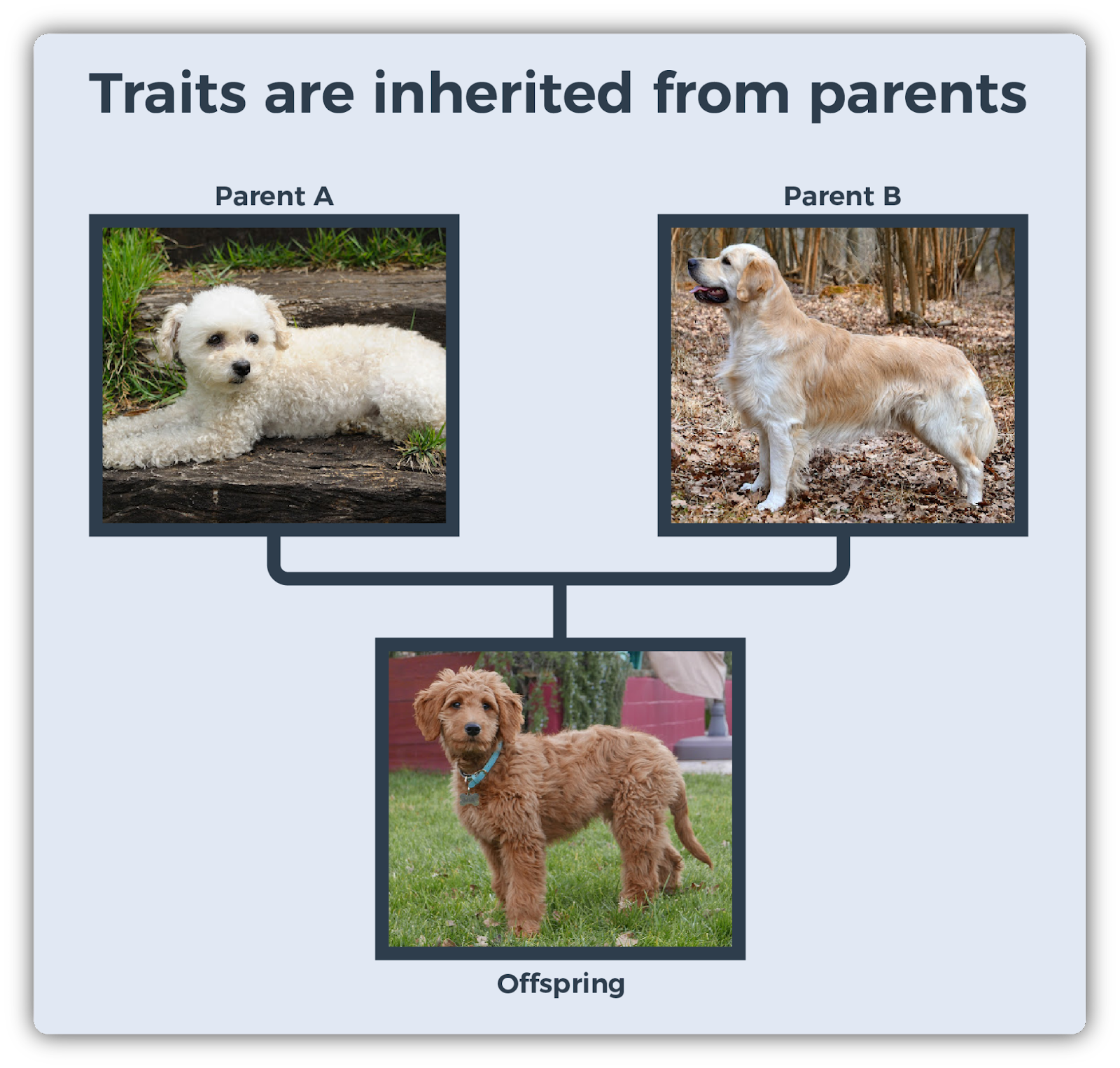
Like humans, most animals also inherit traits from their parents. The diagram below shows two dog parents with their offspring.
0
Pitanje 1
1.

Which traits did the offspring puppy inherit from each of its parent?
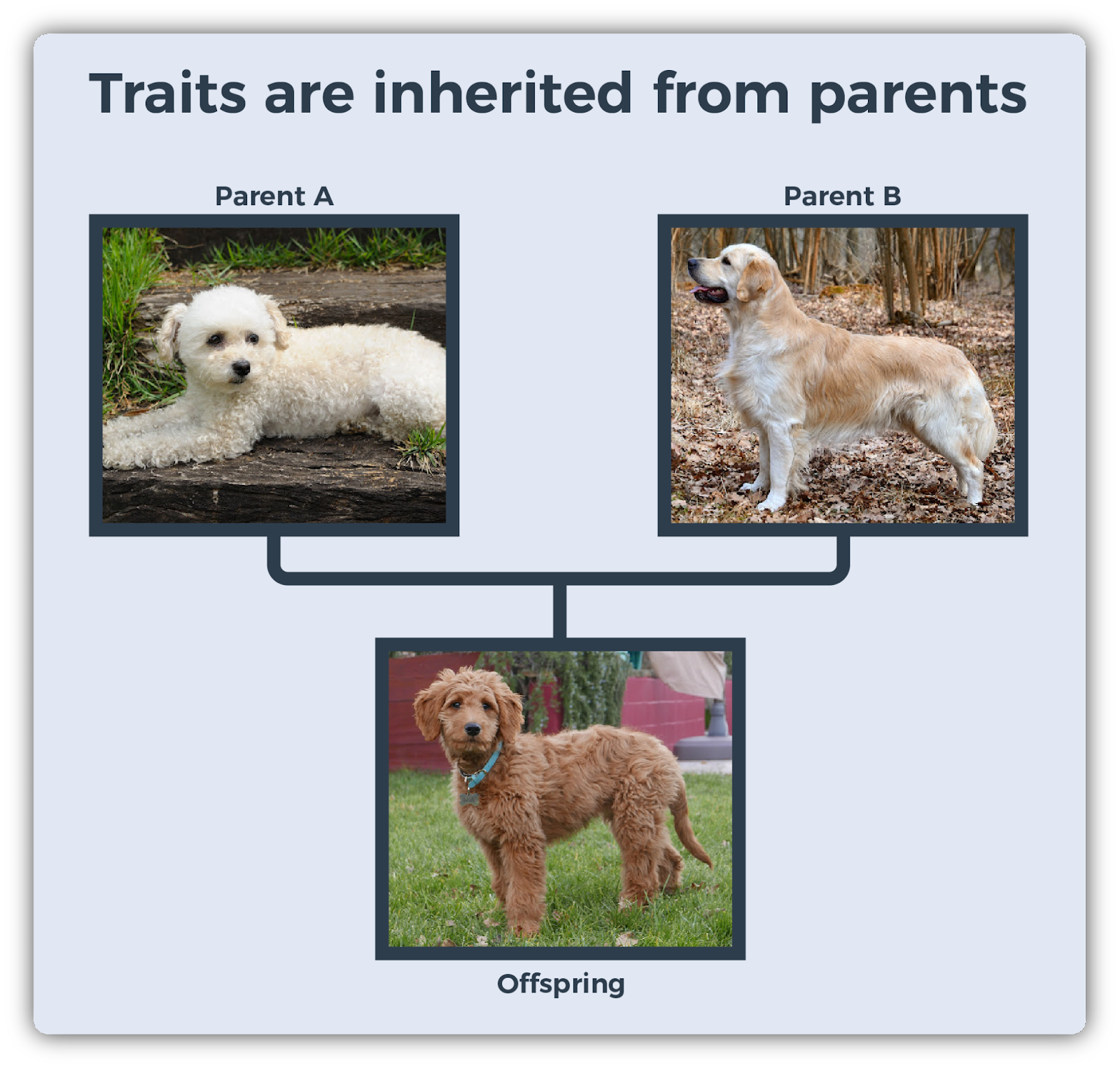
The puppy inherited the _____ from Parent A and the _____ from Parent B.
Genetic Variations

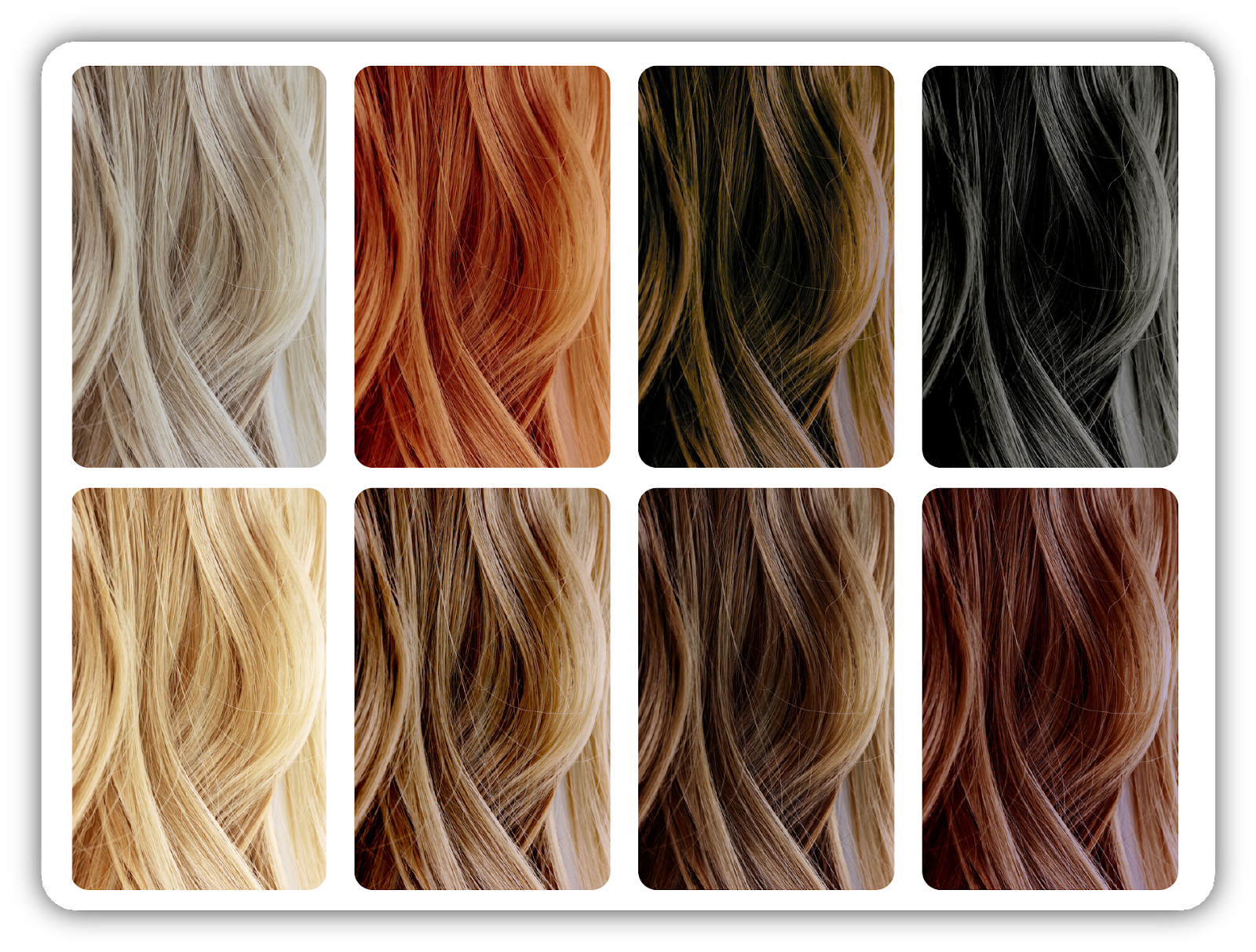
How many different hair colors can you think of?

Some of your friends and family may have red, brown, black, or blonde hair. As humans, we’re all part of the same species. So how can hair color in the same species have a lot of variety?

A species is a group of organisms that share similar characteristics.

Our hair color is an example of genetic variation. Genetic variation is the variety of genes and traits within a population. Everyone inherits a unique combination of genes (information) and traits from each of their parents. This explains why people have different traits like hair color, eye color, and skin color.

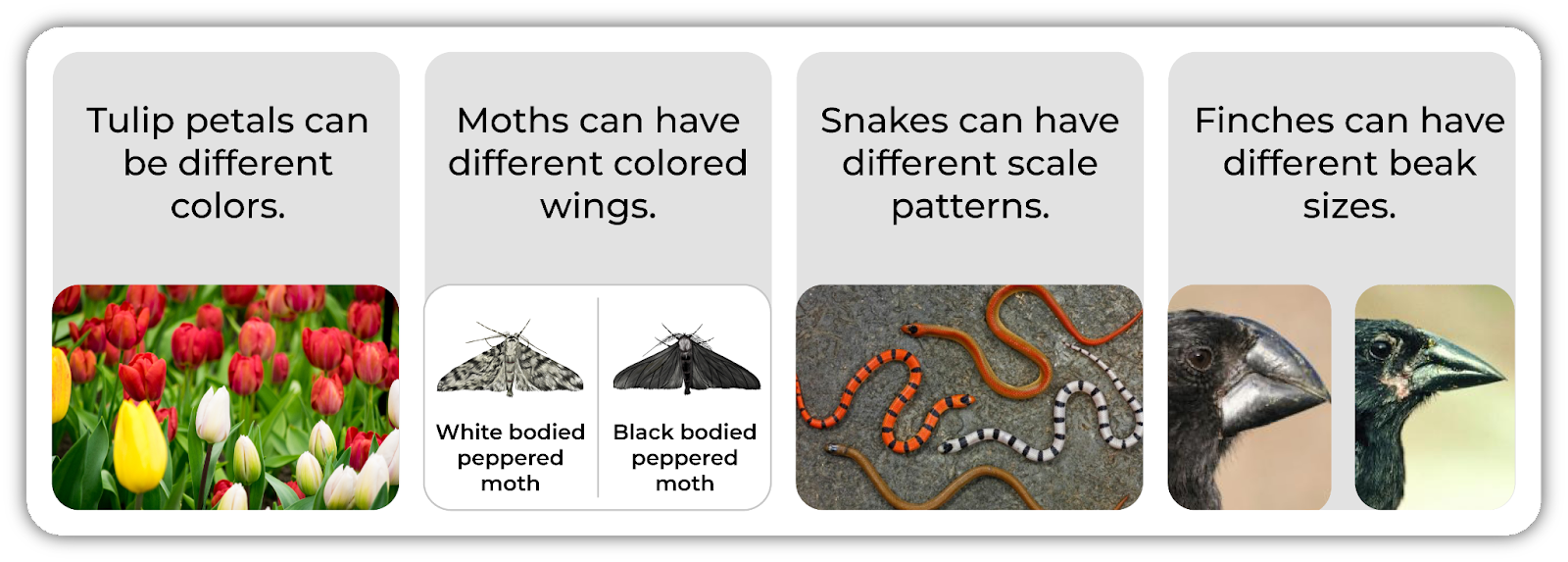
Genetic variation also exists in animals and plants. Tulip petals can be different colors, moths can have different colored wings, snakes can have different scale patterns and colors, and finches can have different beak sizes.

0
Pitanje 2
2.

Why do humans have different colored hair?

Humans have different colored hair because ____

What is an Adaptive Trait?

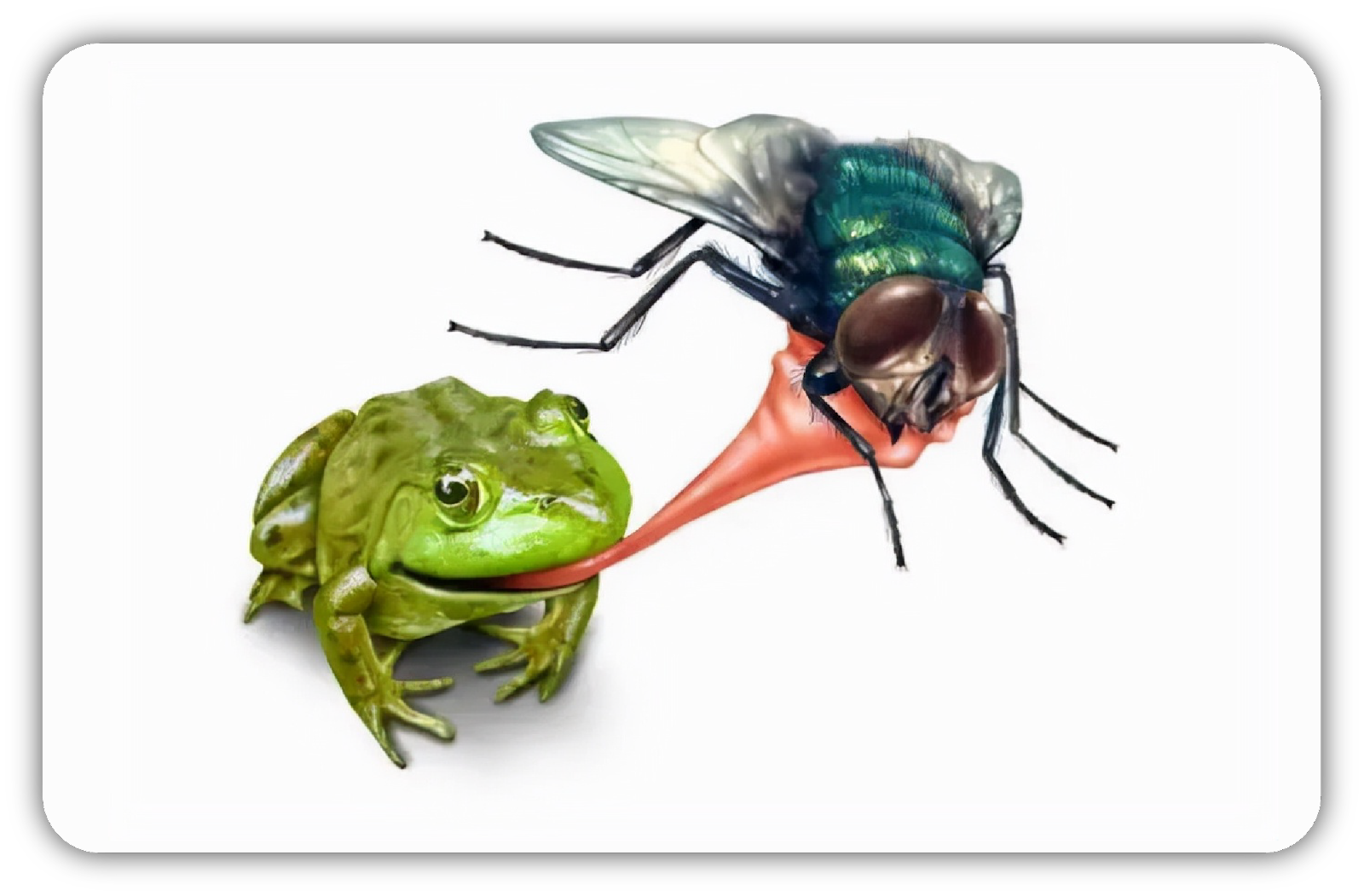
Frogs are known for their long, sticky tongues that help them catch prey. But what would happen if a frog had a shorter tongue?

Scenario:

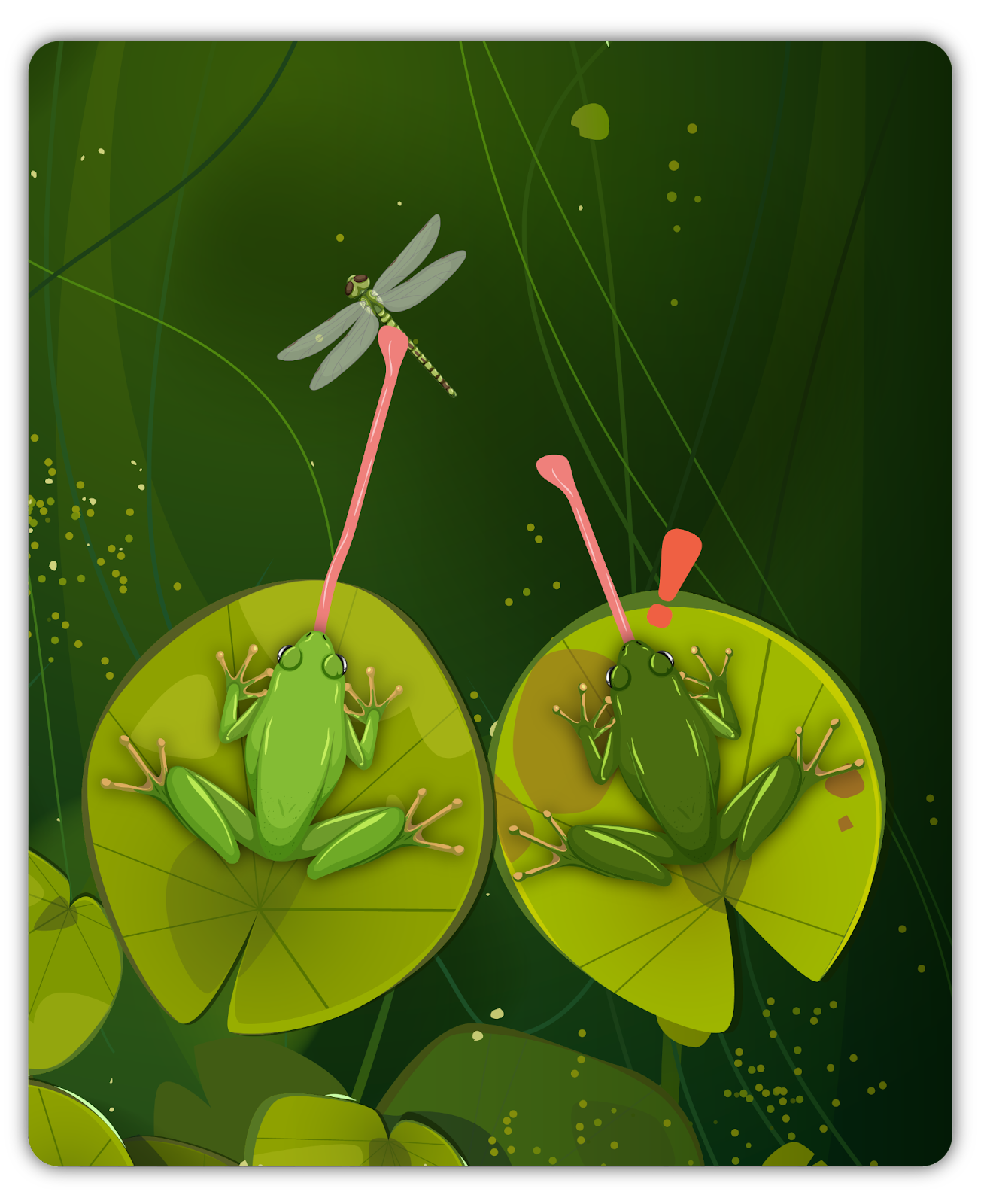
Two hungry frogs are sitting in a pond. They love to eat flies, and their pond has a bunch of them! But flies move fast, so the frogs have to stick their tongues out quickly to catch them. Luckily, frogs can stick their tongues out five times faster than the blink of an eye.

But one frog has a longer tongue and one has a shorter tongue. Who is more likely to catch more flies? In other words, who had the advantage?

The frog with the longer tongue would be able to catch more flies, which means it gets the energy it needs to survive. That means that having a long tongue is an adaptive trait for this frog.

0
Pitanje 3
3.

An adaptive trait is any characteristic that helps an organism survive and/or reproduce.

Why does having a long tongue an adaptive trait for the frog?

Having a long tongue is an adaptive trait for the frog because _____

Pitanje 4
4.

An adaptive trait is any characteristic that helps an organism survive and/or reproduce.

Match the advantage with the adaptive trait on the right.

Stavka koja se može prevućiarrow_right_altOdgovarajuća stavka

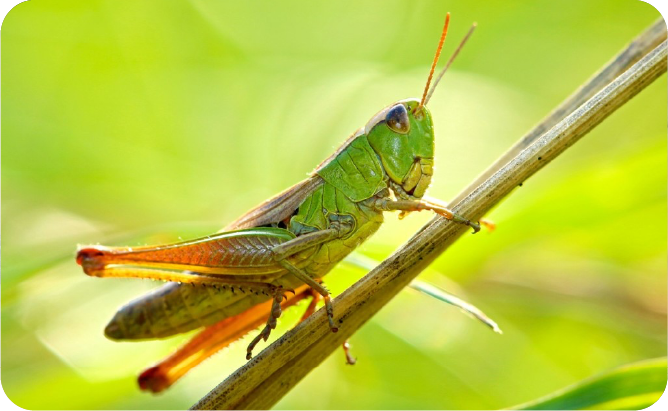
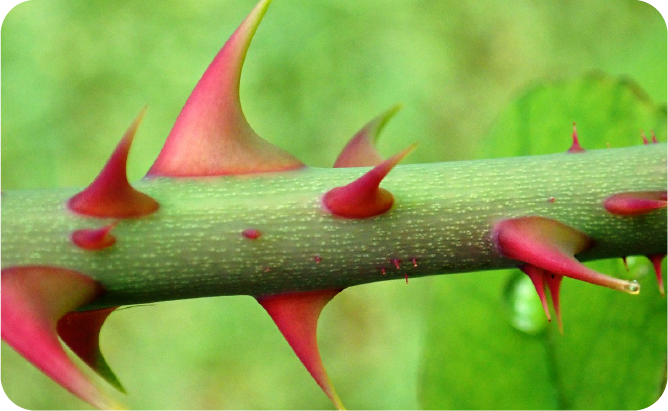
Helps keep away predators

arrow_right_alt

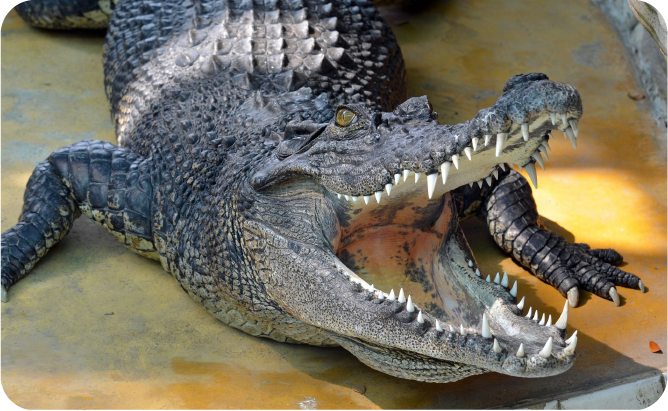
A crocodile’s large, powerful jaw

Helps them clamp down on their prey and deliver a powerful bite.

arrow_right_alt

A grasshopper’s green color

Helps them blend in with their surroundings to hide from predators

arrow_right_alt

A rose’s thorns

Get That Food

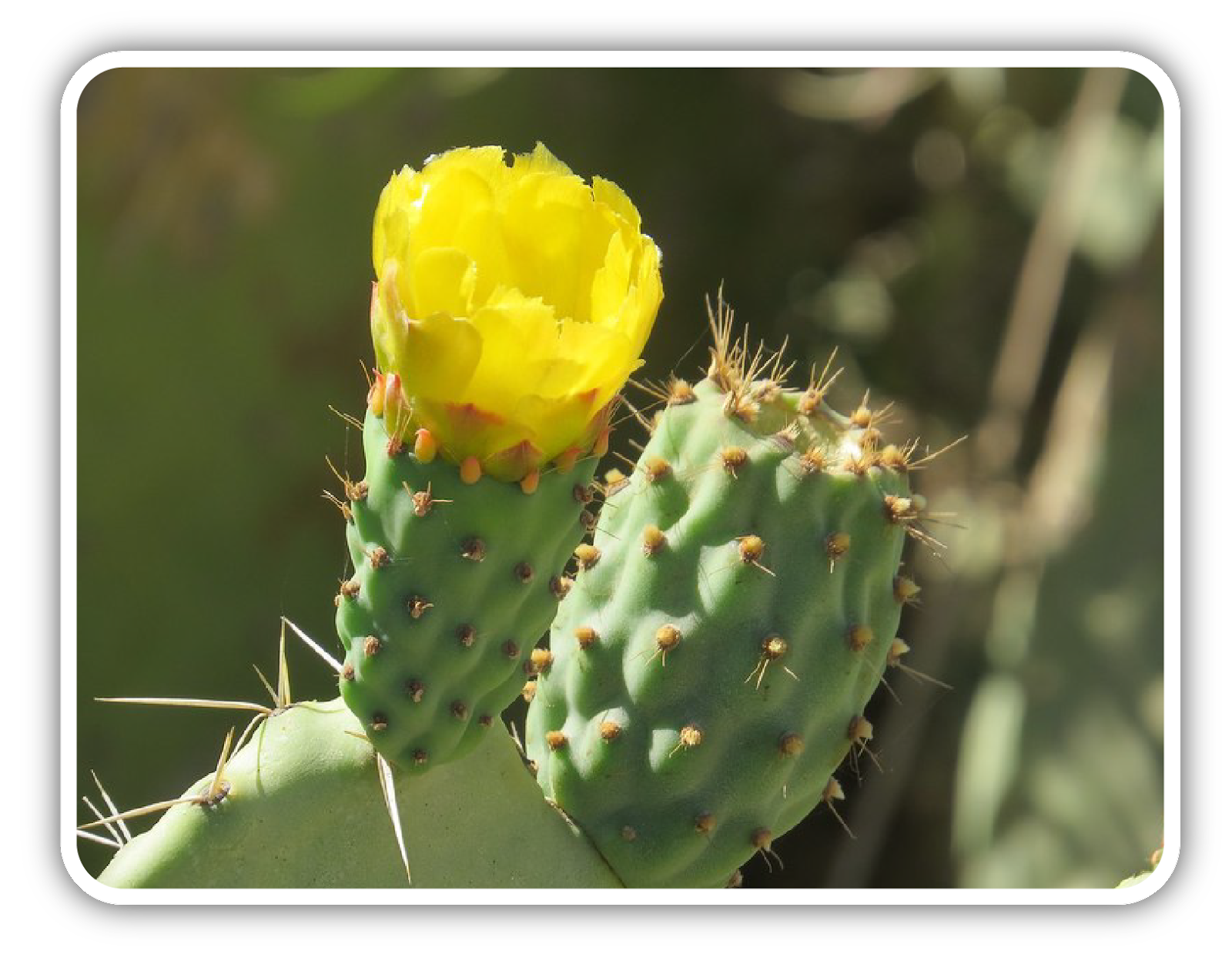
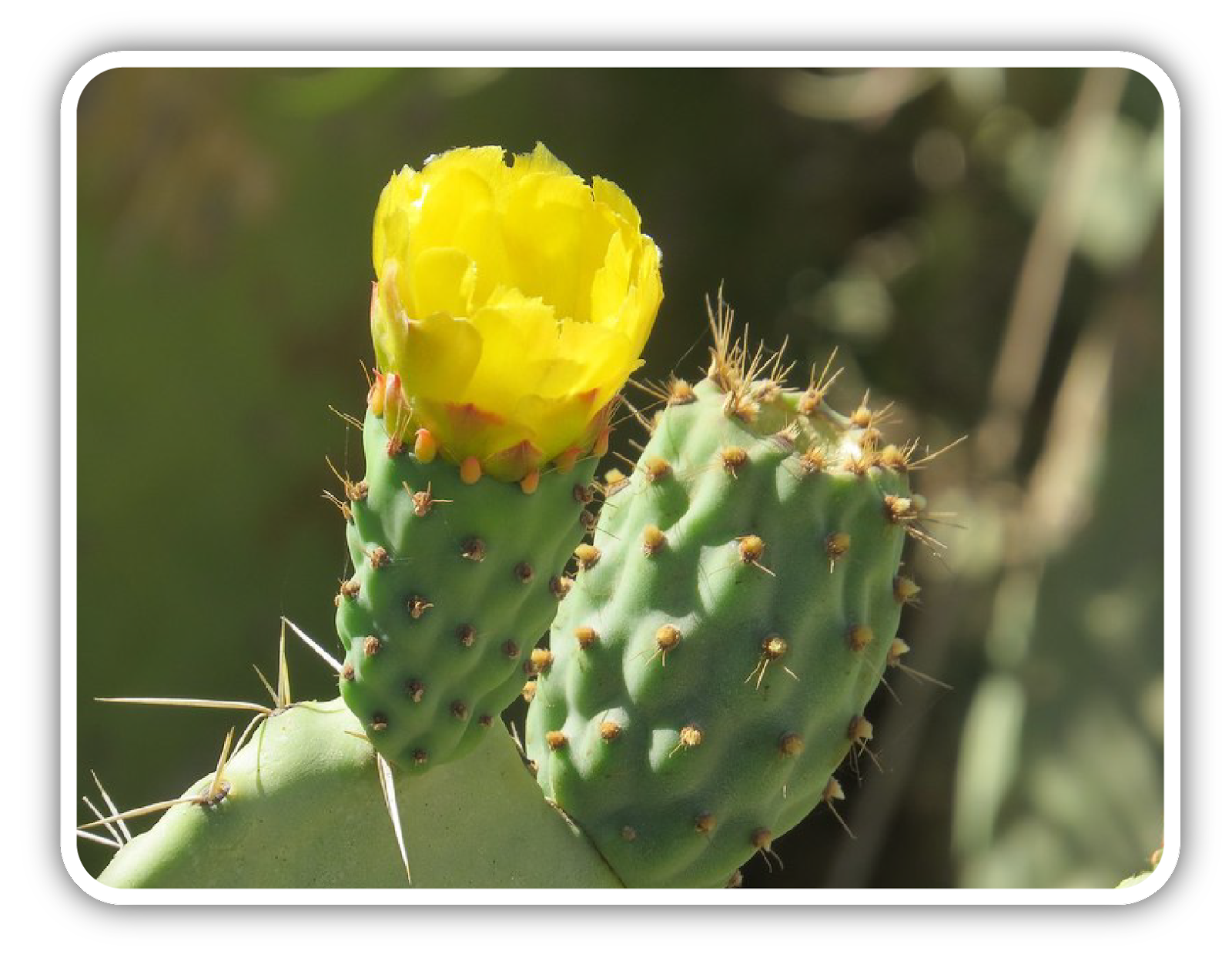
On the Galapagos Islands, some cacti produce flowers. These flowers have nectar and pollen that are a great source of food for finches. But some finches have an adaptive trait that makes it easier for them to reach this food than other finches on the Galapagos Islands.

Pitanje 5
5.

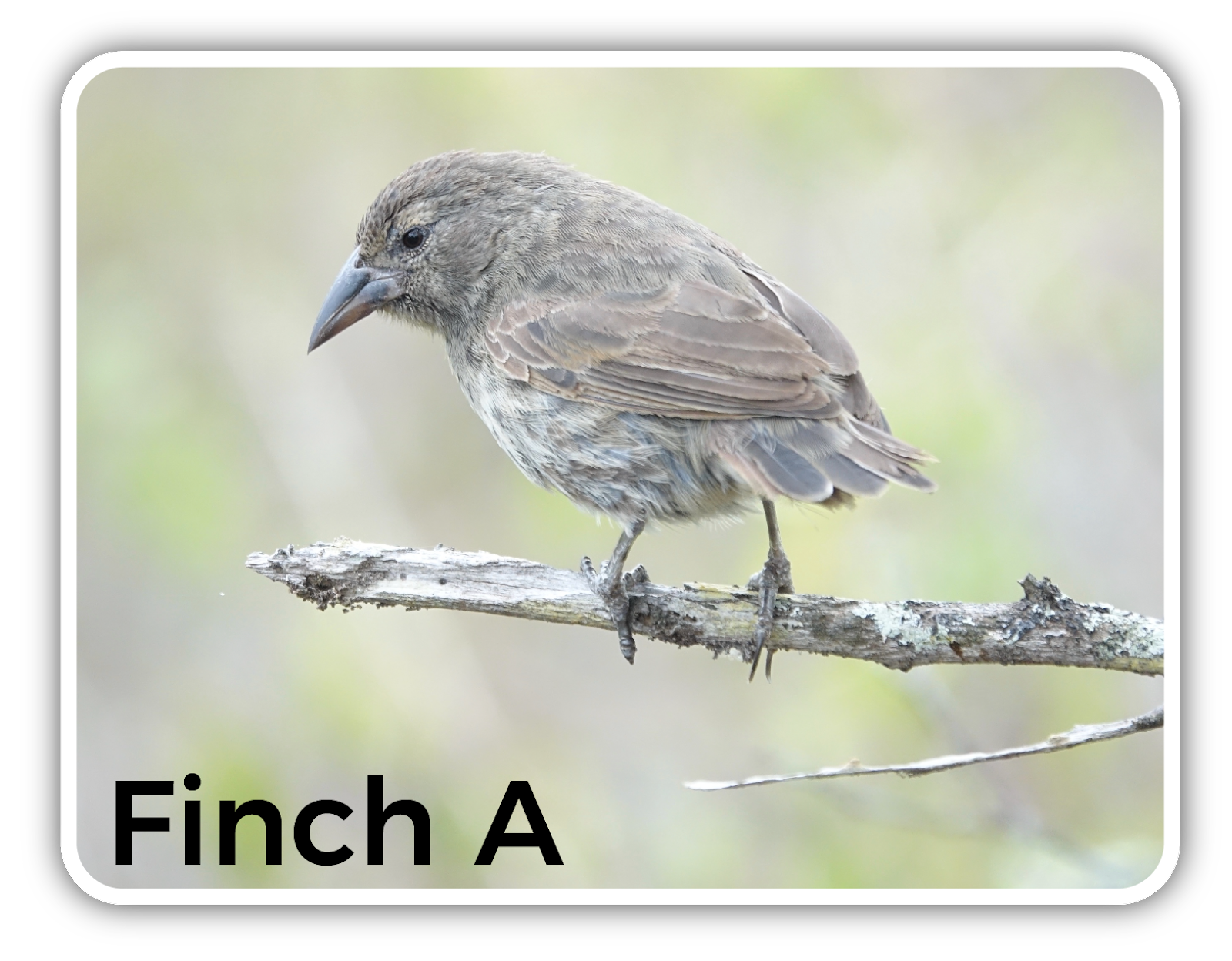
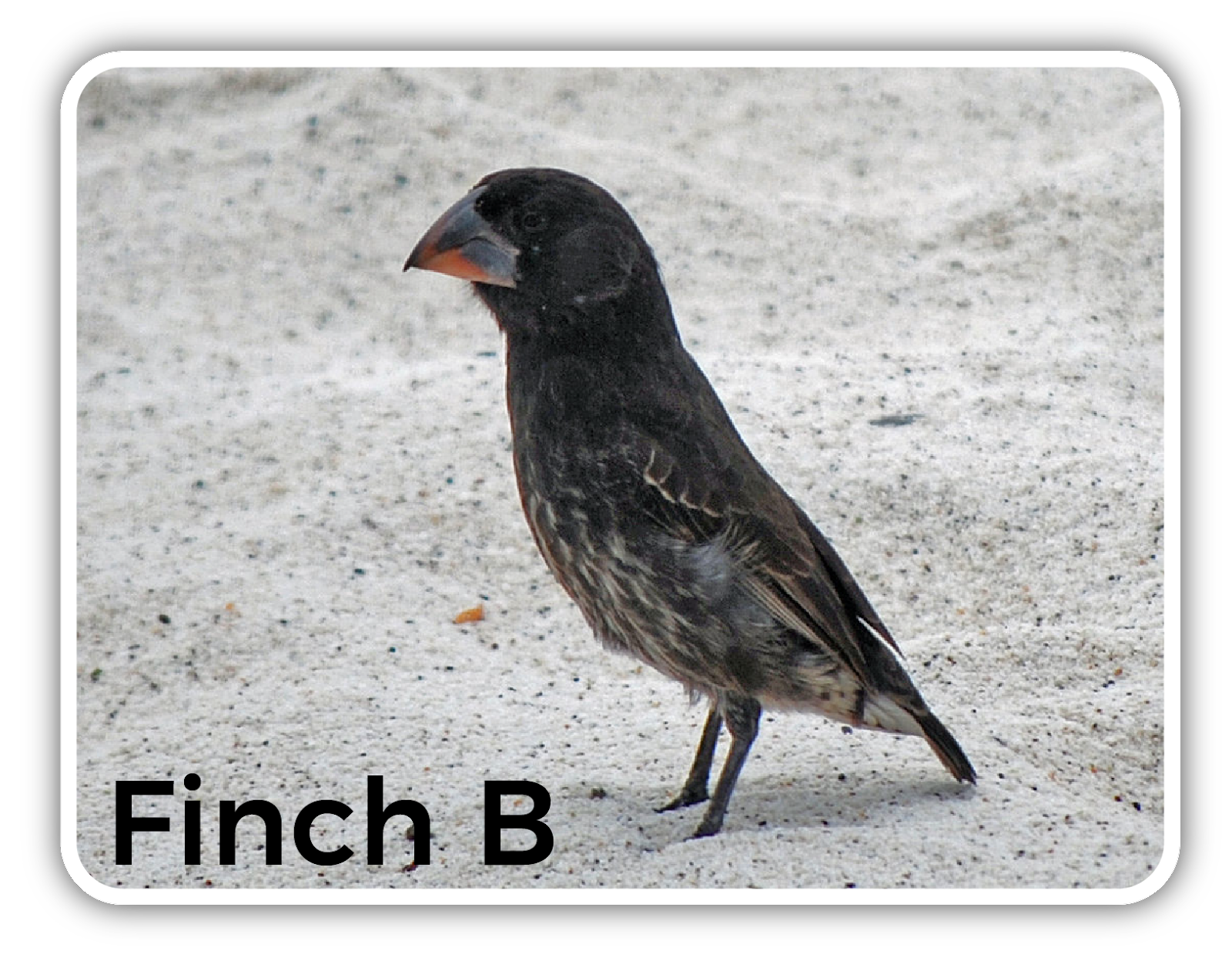
Finch A has a longer, more narrow beak and Finch B has a wider, thicker beak. Which Finch has a beak shape that is more helpful for getting into a small space like a deep flower?

Finch ____ because ____

Survival of the Fittest

When we talk about "fitness," it doesn't just mean strength. In science, fitness refers to being better for a specific situation. For example, if we compare Finch A and Finch B, Finch A is considered "more fit" because its adaptive trait (its beak) makes it better for its environment than Finch B.

Now that we know what fitness is, we can understand that “Survival of the Fittest” means that the fittest organism—the one with the most adaptive traits—will survive.

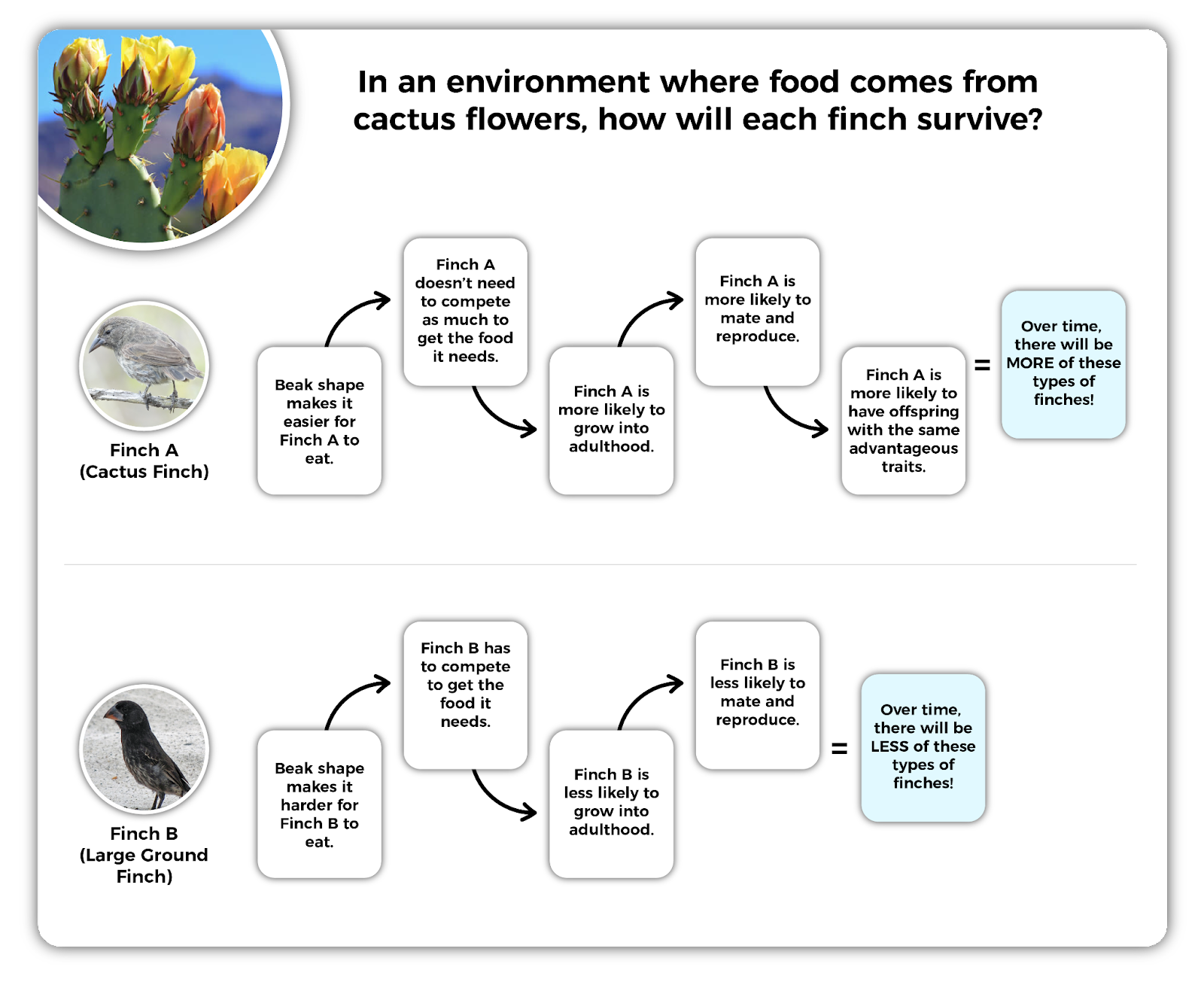
Let’s look at what happens to Finch A and Finch B over time.

0
Pitanje 6
6.

Why will there be more of Finch A over time?

There will be more Finch A because ____

0
Pitanje 7
7.

Why will there be less of Finch B over time?

There will be less Finch B because ____

Natural Selection

If Finch A and B lived on an island where there’s not much to eat except the pollen from cactus flowers, then Finch B could be in big trouble.

If it’s unable to get enough food to eat, Finch B could have a hard time surviving or reproducing, and this finch species may go extinct from the island.

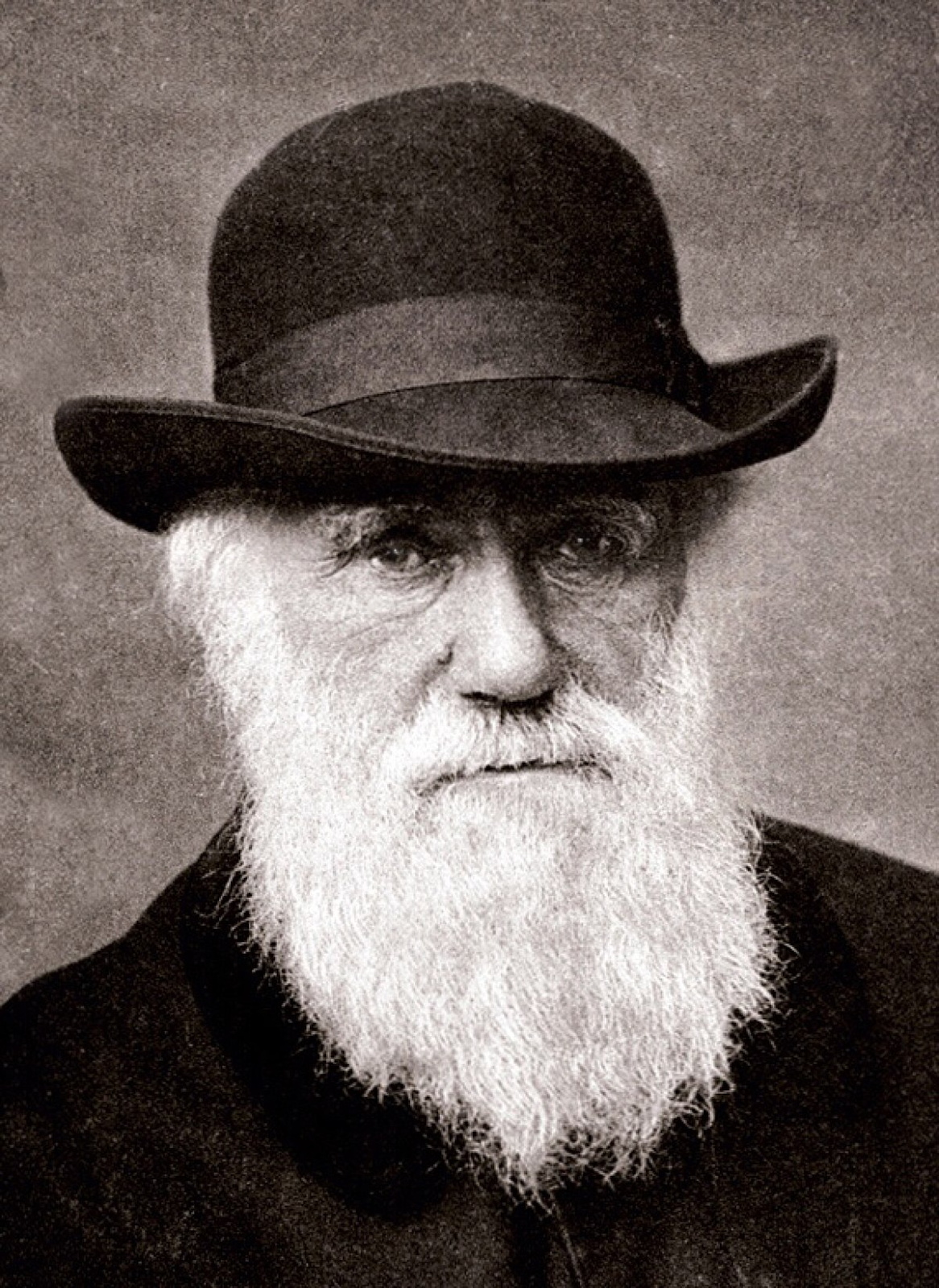
“Survival of the Fittest” can also be used to describe the process of natural selection, which was first explained by Charles Darwin. He was an English naturalist, biologist, and geologist who studied natural selection in a variety of species.

Charles Darwin observed a variety of finches on the Galapagos Islands.

He realized that the shape of the finches’ beaks depended on the food that was available. The finches adapted to the food sources on the island.

His observations led him to his theory that different organisms adapt and change in order to survive. He called this theory natural selection.

Natural selection explains how a population of species evolves over time in response to their environment.

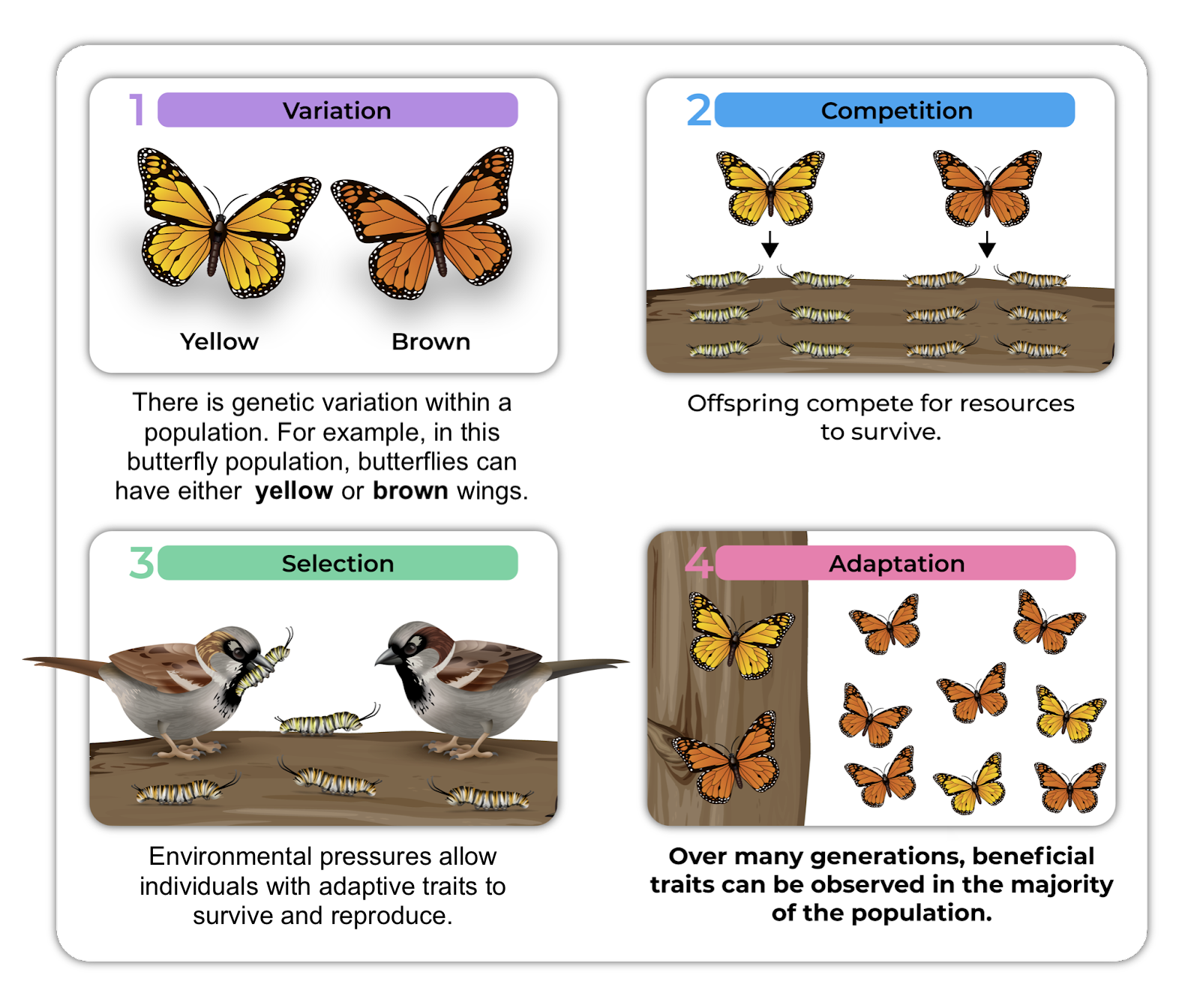
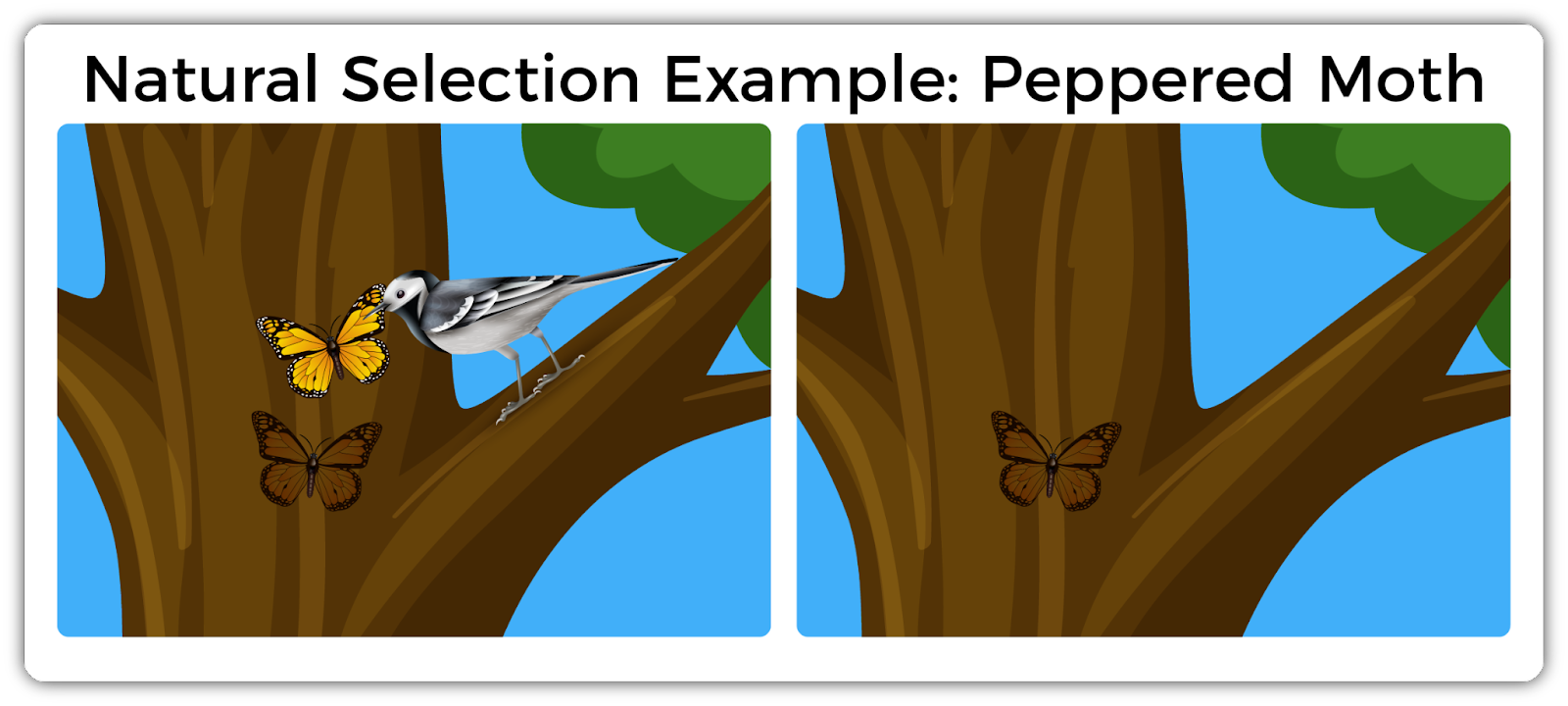
Let’s analyze an example showing the process of natural selection.

0
Pitanje 8
8.

Did the process of natural selection was better for the brown or yellow butterfly? Why?

Natural selection was better for the ______ butterfly because ______

Natural Selection Leads to Adaptation

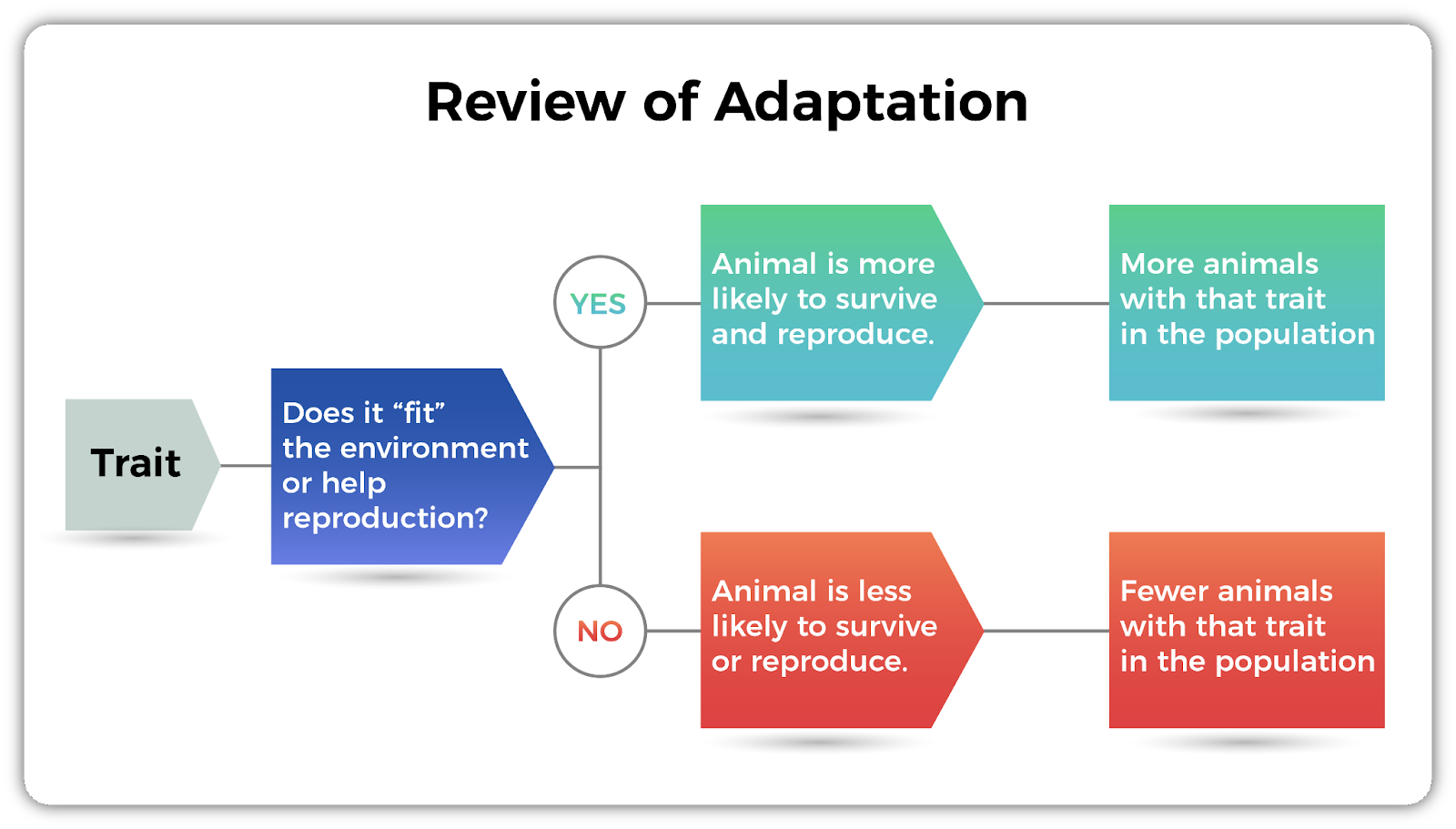
The process of natural selection causes advantageous (helpful) traits to become more popular in a population over time. This helps the species get better adapted to live its environment.

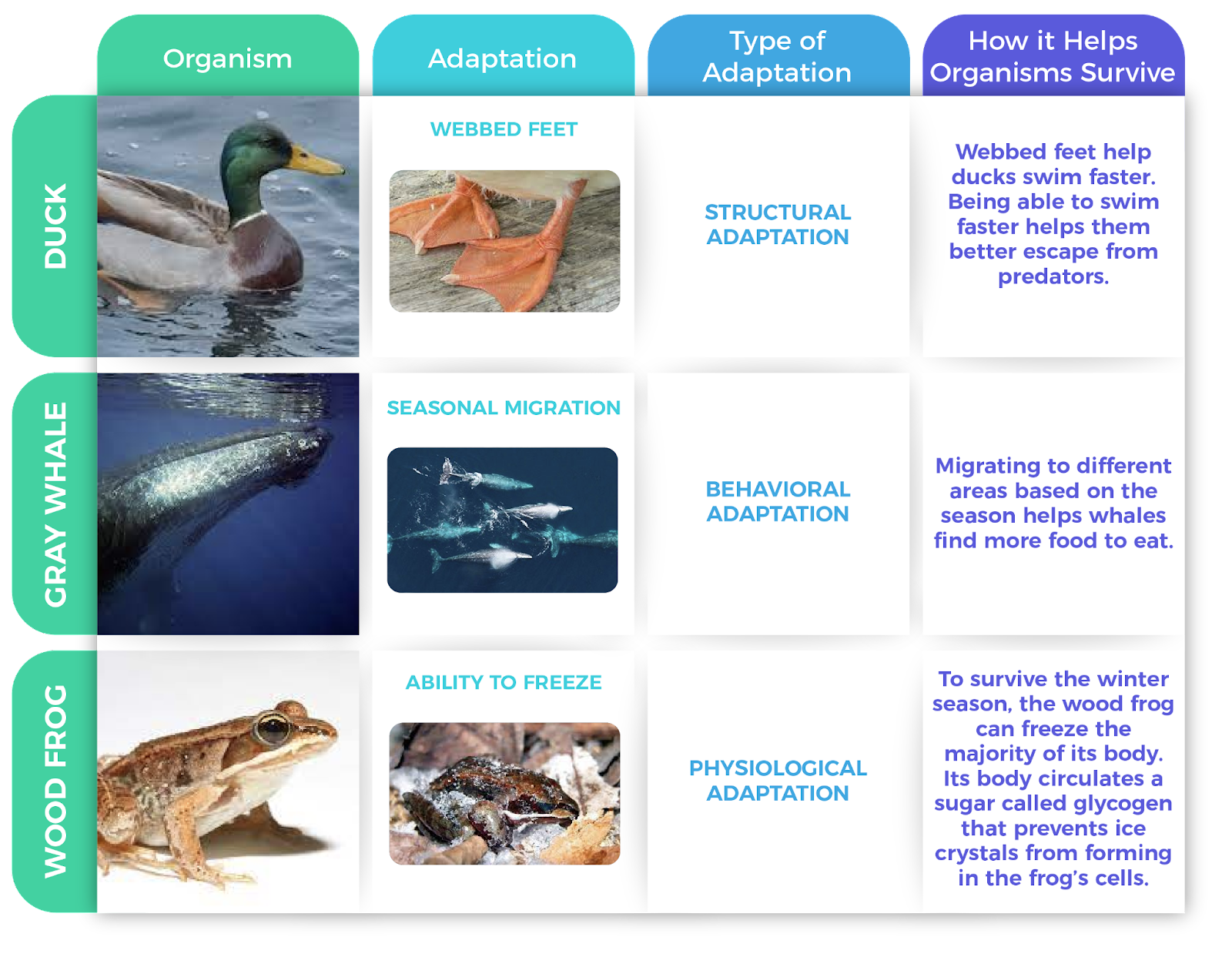
An adaptation is a feature or behavioral characteristic that helps an organism better survive in its environment.

As we saw with the color of butterflies in the previous section, colors that camouflage with the environment is just one example of an adaptation. Species have evolved (changed) many different types of adaptations that help them to survive.

Let’s look at some examples of different types of adaptations:

  • Structural Adaptations are physical features that help an organism survive.

  • Behavioral Adaptations are actions an organism takes to help it survive.

Animals and humans can inherit traits that set them apart from others of the same species. These traits might give them advantages that help them survive and reproduce. When many individuals in a group have these helpful traits, it's because of natural selection. This process makes these traits more common over time, helping the species adjust to their surroundings.

As our climate and environment continue to change, natural selection will continue to happen across many different plants and animals to help them survive their new environments.

Pitanje 9
9.

True or False: Traits that help organisms survive and reproduce in a new environment become more common within a population.

1
Pitanje 10
10.

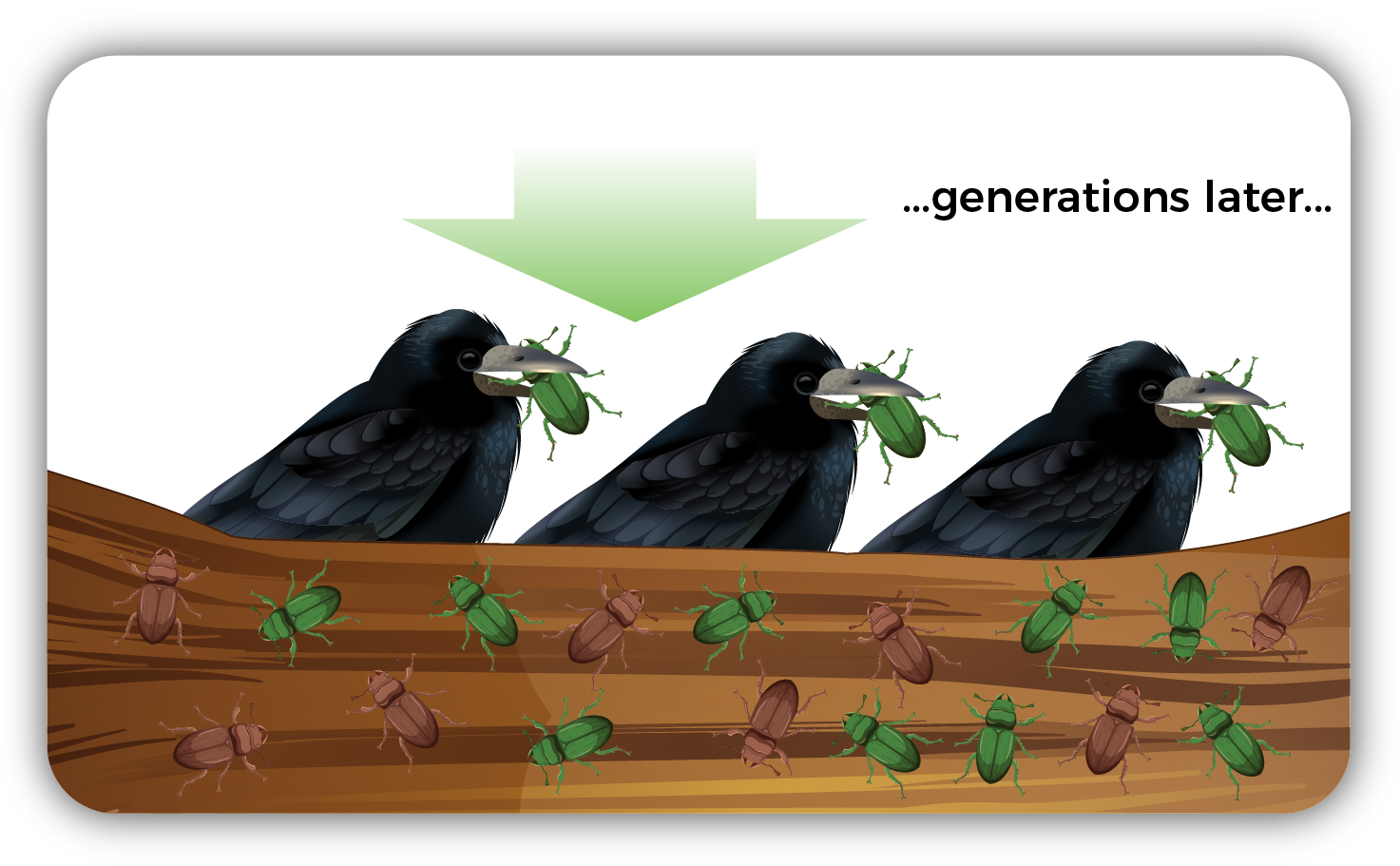
Based on the information provided in the diagram, why would birds hunt and kill more green beetles in this environment?

1
Pitanje 12
12.

Based on the scenario shown in this diagram below, identify the adaptive moth trait.

Pitanje 13
13.

The process of __________ helps to explain how a population of species changes, or evolves (change) over time in response to their environment.

Pitanje 14
14.

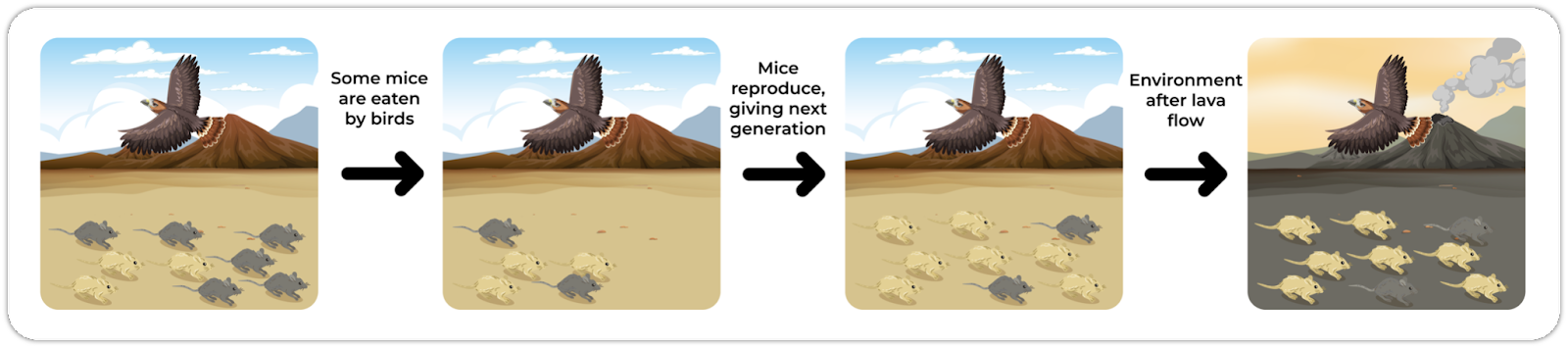
Study the following model showing selection of mice in a desert environment.

If a nearby volcano erupted and lava flow covered the ground, what would most likely happen to the mouse population over time?

Pitanje 11
11.

In this environment, if birds continue to eat green beetles, which of the following may occur over time?