Check Your Knowledge!
Complete the quiz questions below using your chapter 4 notes.
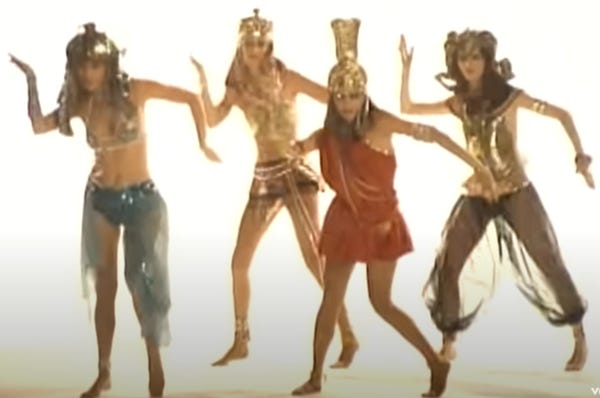
You can walk like an Egyptian, maybe even write like one, but can you think like one?
Check Your Knowledge!
Complete the quiz questions below using your chapter 4 notes.
You can walk like an Egyptian, maybe even write like one, but can you think like one?
Select all answers that apply to the question below:
How did the Nile River help the Egyptian people?
Select the level of the social pyramid that the Pharaoh belongs.
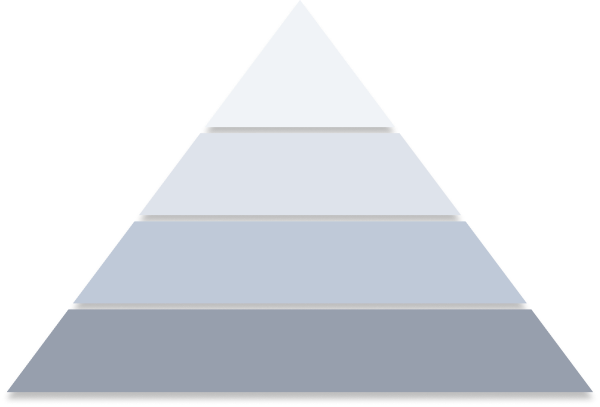
Select the level of the social pyramid that the Viziers and Priests belong.
Select the level of the social pyramid that the Scribes and Craftspeople belong.
Select the level of the social pyramid that the Peasants, Servants, and Slaves belong.
Match the major feat to the Egyptian dynasty that accomplished it.
| Draggable item | arrow_right_alt | Corresponding Item |
|---|---|---|
Middle Kingdom | arrow_right_alt | The largest pyramid ever built, the Pyramid of Giza was constructed. It took 20 years, up to 100,000 workers, and more then 2 million stones to build. |
New Kingdom | arrow_right_alt | The Kingdom of Kush (Nubia) was conquered to the South and added to Egypt. This connected the upper and lower Nile. |
Old Kingdom | arrow_right_alt | During the last of the ancient Egyptian periods, Egypt conquered foreign territories and was made rich. During this time luxurious but hidden tombs were made for its pharaohs. |
Read the graphic to answer the question below:
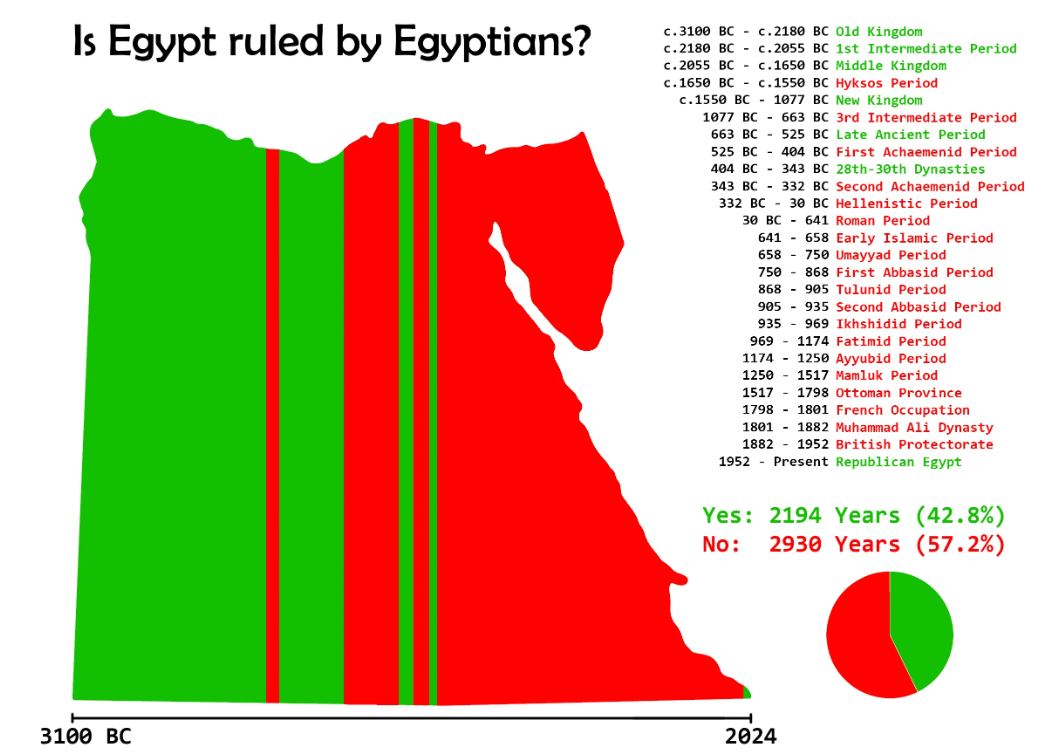
Note this map is subjective. It could be argued that foreigners who conquer Egypt and live there for generations eventually become Egyptian themselves.
Excluding Republican Egypt, when was the last time Egypt was ruled by native Egyptians?
Select all below that are true of the ancient Egyptian writing system.
Oral histories are stories of the past that people pass down by word of mouth.
Why are oral histories more important in understanding ancient Africa than in understanding some other civilizations?
Explain in at least two sentences using your own words.
What civilization founded Carthage?
Where was the city of Carthage located, and how long did Carthage stay in power?
What empire ended Ancient Egypt's 3000 year long History?