Wednesday 5/27 - Colossal Canyon - Rock Layers and Fossils
star
star
star
star
star
Last updated about 1 month ago
13 Nsɛmmisa
Fossils and the Earth Long Ago
0
Reviewing Colossal Canyon
Exit Ticket
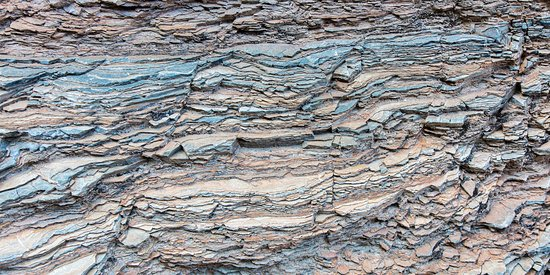
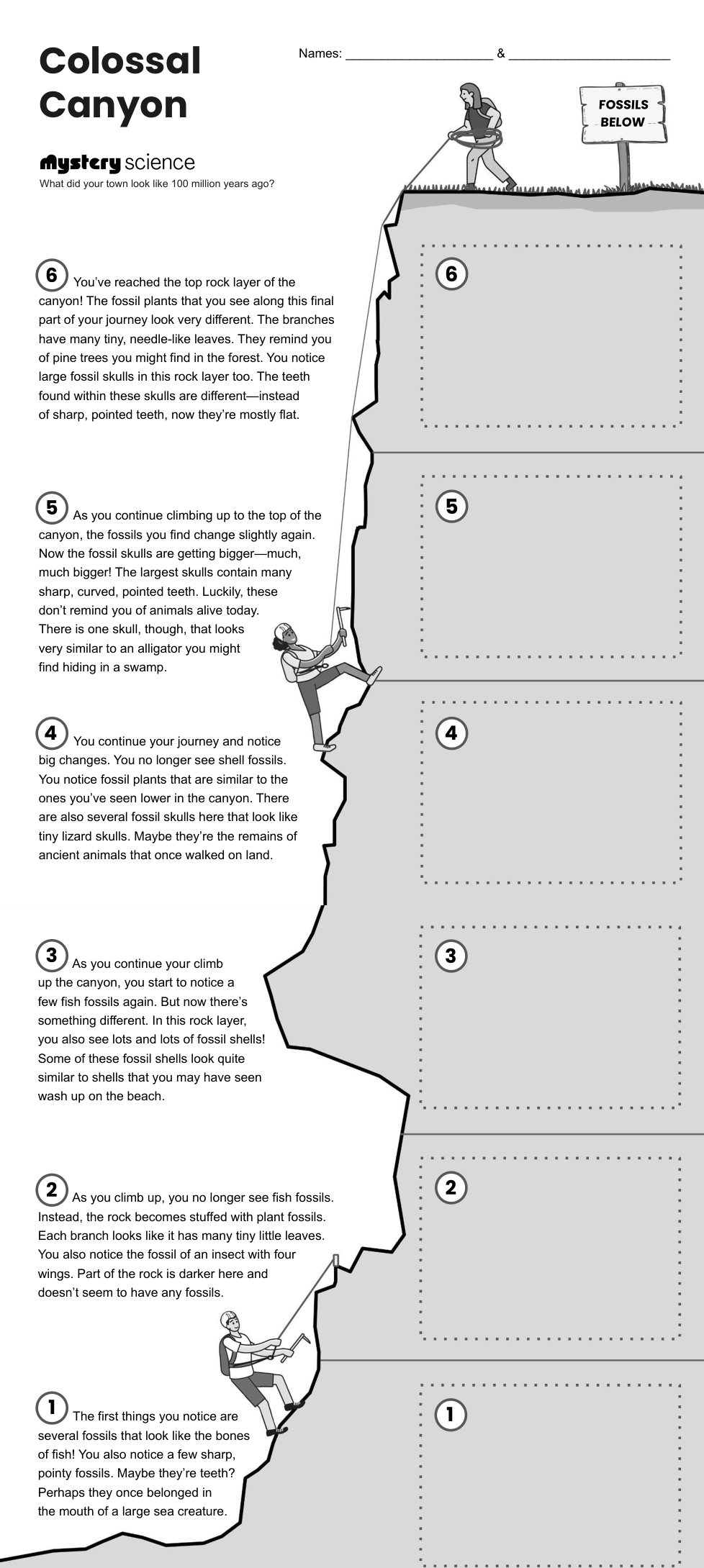
Look at the rock in the picture. This rock is called a sedimentary rock. These rocks are made from layers of mud and sand. The layers got pressed together. Slowly they became rock. It takes a long time to make sedimentary rock. Paleontologists look at fossils inside the layers of these rocks. This helps them learn about plants and animals from long ago. Fossils in the bottom layers are the oldest. Fossils in the top layers are not as old. Paleontologists found more plant fossils in the bottom layers. They found more animal fossils in the top layers. This means that plants were on Earth before animals. They also learned that the oldest plants did not have roots! They floated in water.
What is sedimentary rock?
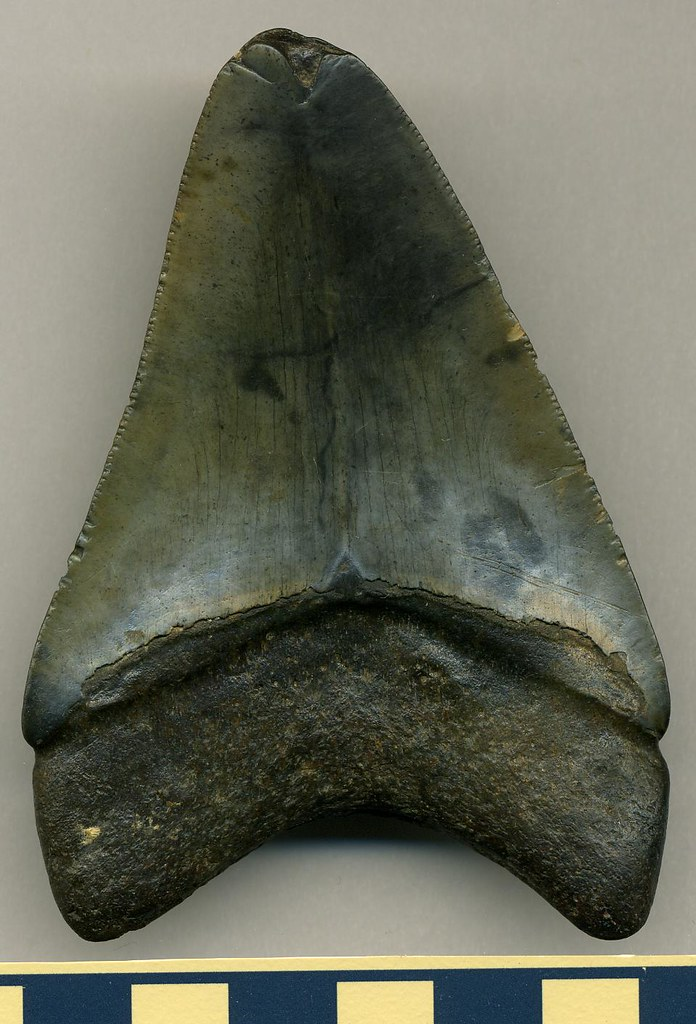
Fossils give clues about the past. Fossils give paleontologists information about plants and animals from long ago. They can study, or look closely at, a fossil of a tooth. A sharp tooth means the animals ate meat. A big tooth means the animal was big. They can also learn from fossil footprints. A big footprint means the animal was big. A small footprint means the animal was small.
What do paleontologists learn from studying fossils in sedimentary rock?
Fossils can tell us what Earth was like a long time ago. They tell us about how it has changed. Paleontologists may be on a mountain. They may find a fossil of a fish on the mountain. This was not a mountain a long time ago. It was underwater! They may go to a cold place. They may find a fossil of a plant that grows in warm places. This means the place was not cold a long time ago. It was warm. The earth has changed a lot!
What might paleontologists learn when they find a fossil of a fish on top of a mountain?
What is the main idea of paragraph 3?
Read each description of the rock layers on the right to match the correct picture on the left.
| Draggable item | arrow_right_alt | Corresponding Item |
|---|---|---|
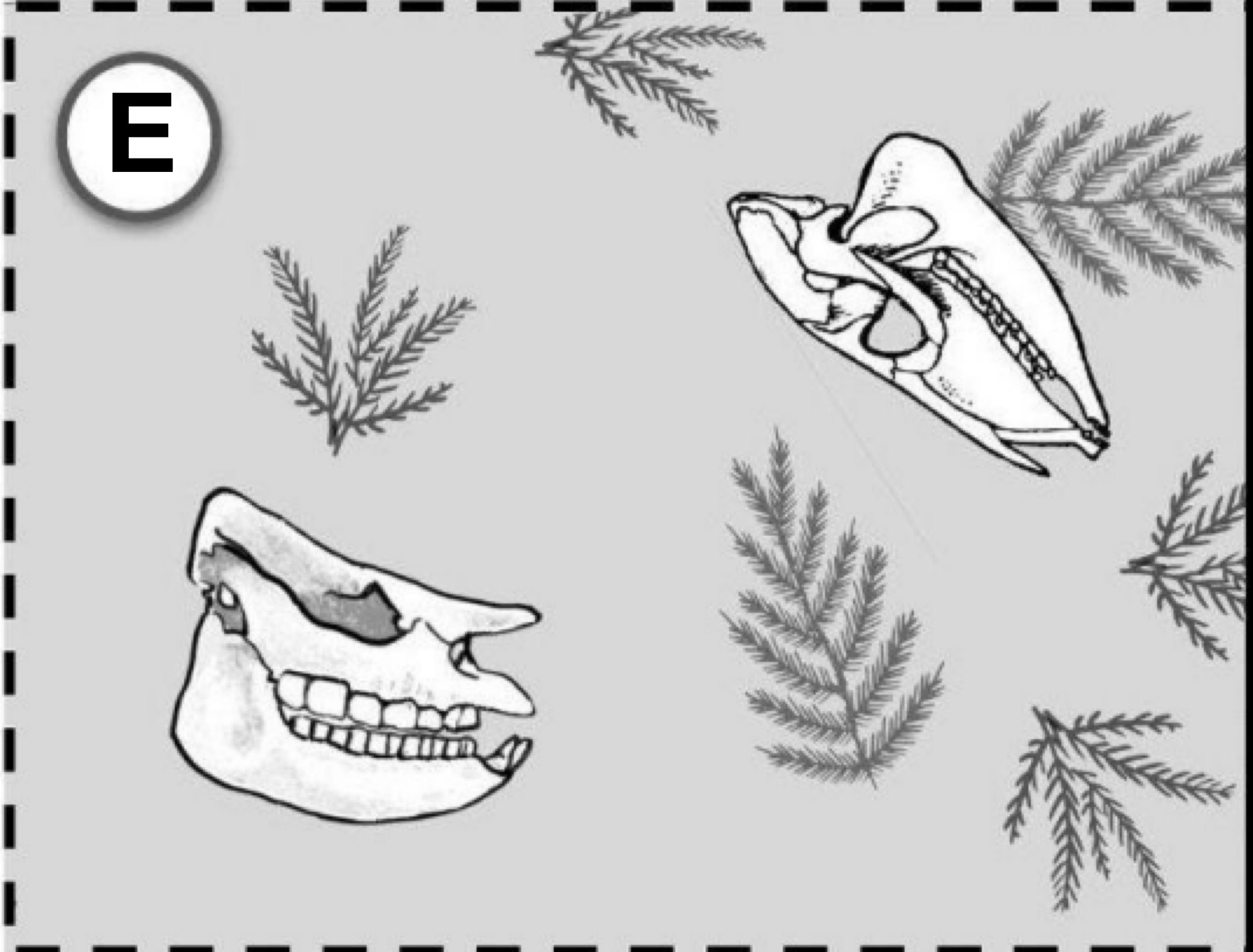
| arrow_right_alt | Layer 6 - You’ve reached the top rock layer of the canyon! The fossil plants that you see along this final part of your journey look very different. The branches have many tiny, needle-like leaves. They remind you of pine trees you might find in the forest. You notice large fossil skulls in this rock layer too. The teeth found within these skulls are different—instead of sharp, pointed teeth, now they’re mostly flat. |
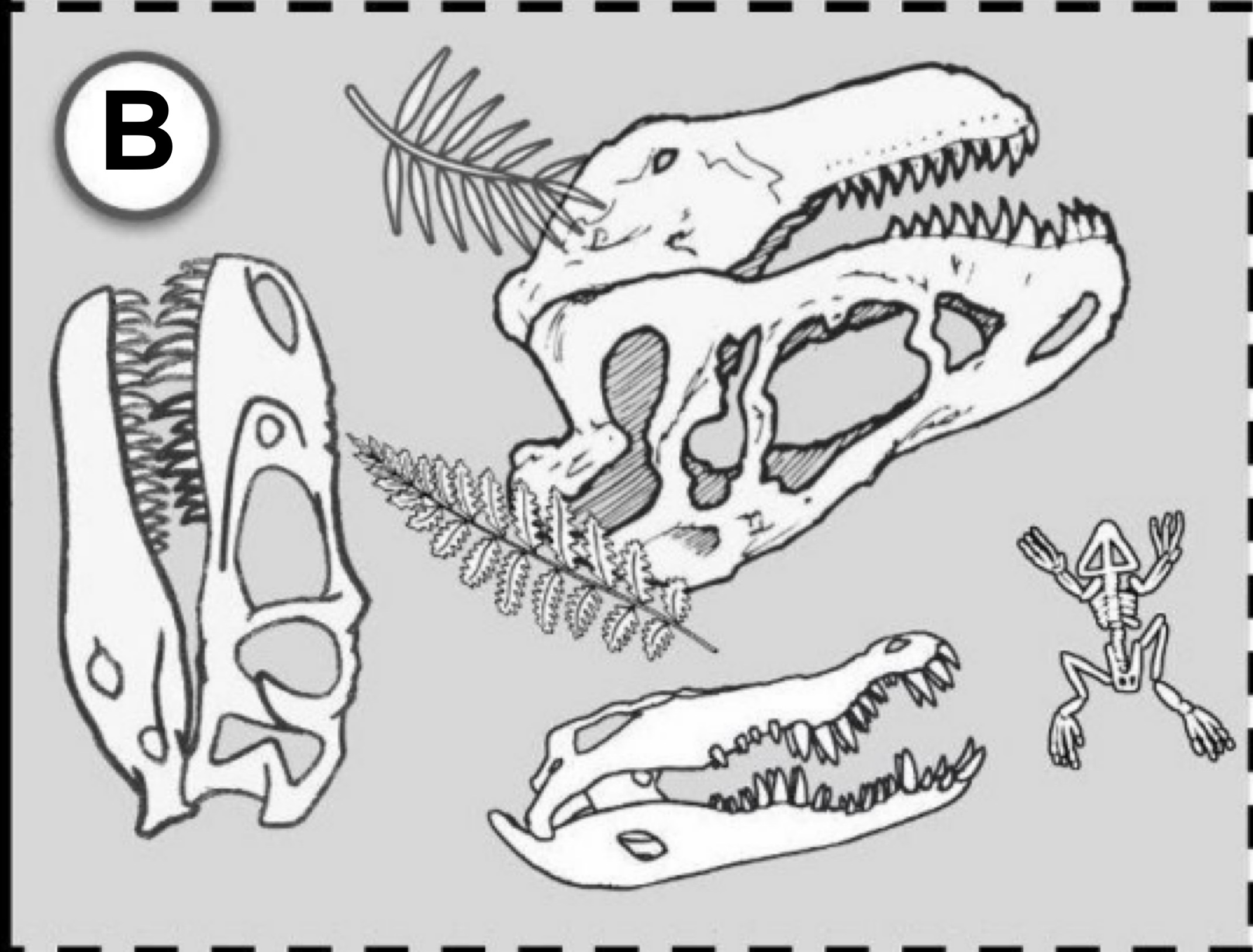
| arrow_right_alt | Layer 5 - As you continue climbing up to the top of the canyon, the fossils you find change slightly again. Now the fossil skulls are getting bigger—much, much bigger! The largest skulls contain many sharp, curved, pointed teeth. Luckily, these don’t remind you of animals alive today. There is one skull, though, that looks very similar to an alligator you might find hiding in a swamp. | |
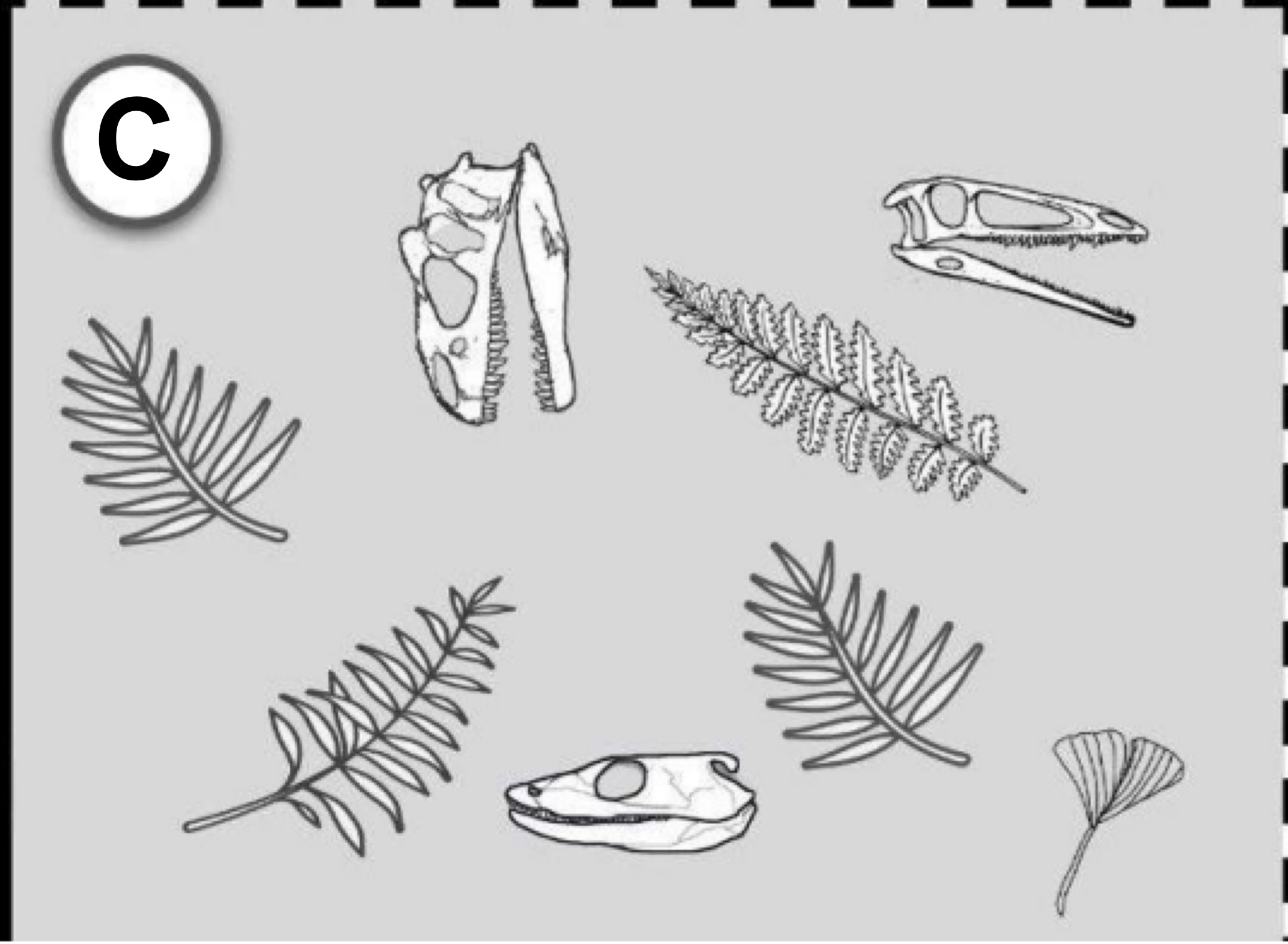
| arrow_right_alt | Layer 4 -You continue your journey and notice big changes. You no longer see shell fossils. You notice fossil plants that are similar to the ones you’ve seen lower in the canyon. There are also several fossil skulls here that look like tiny lizard skulls. Maybe they’re the remains of ancient animals that once walked on land. |
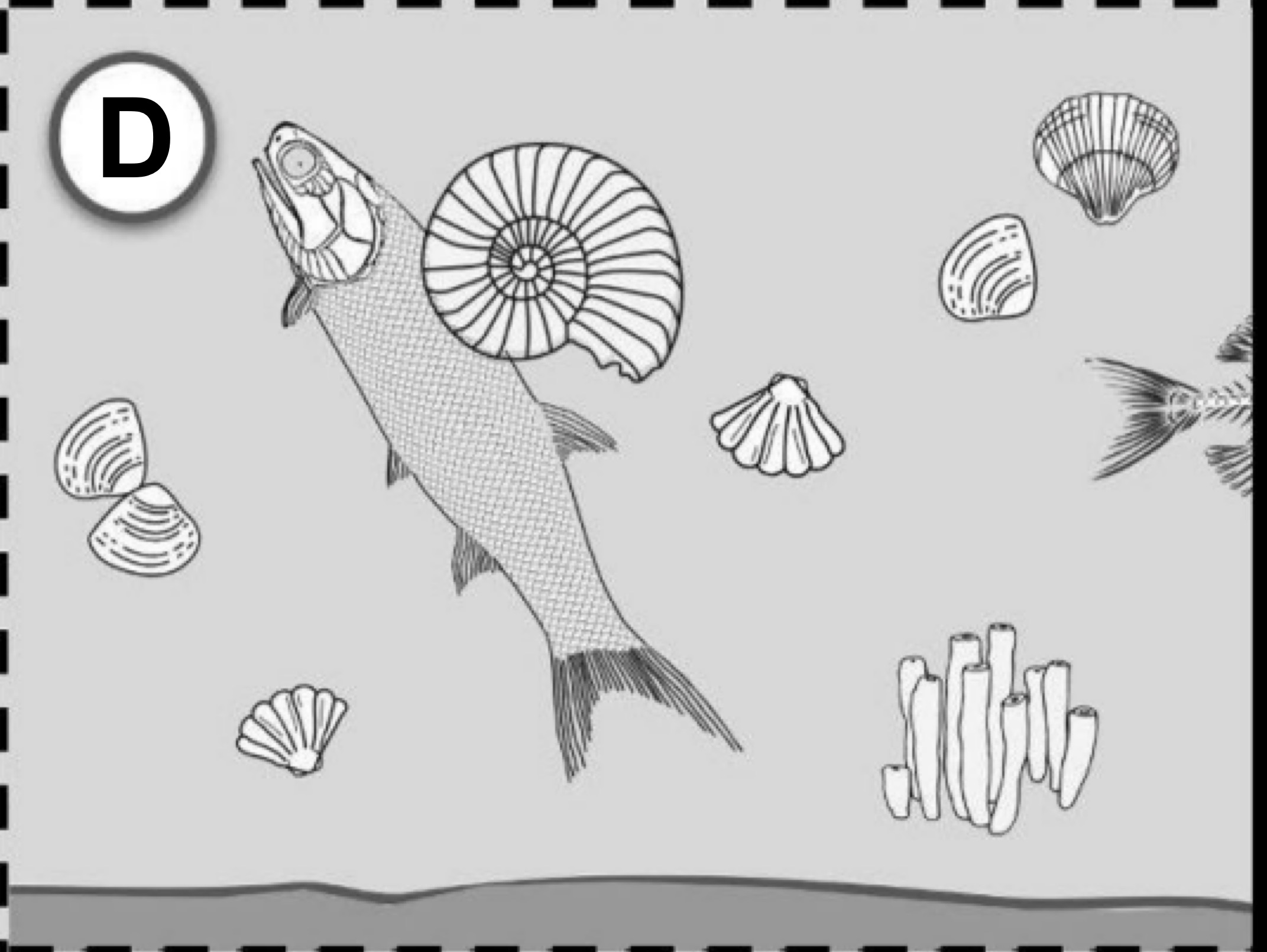
| arrow_right_alt | Layer 3 - As you continue your climb up the canyon, you start to notice a few fish fossils again. But now there’s something different. In this rock layer, you also see lots and lots of fossil shells! Some of these fossil shells look quite similar to shells that you may have seen wash up on the beach. |
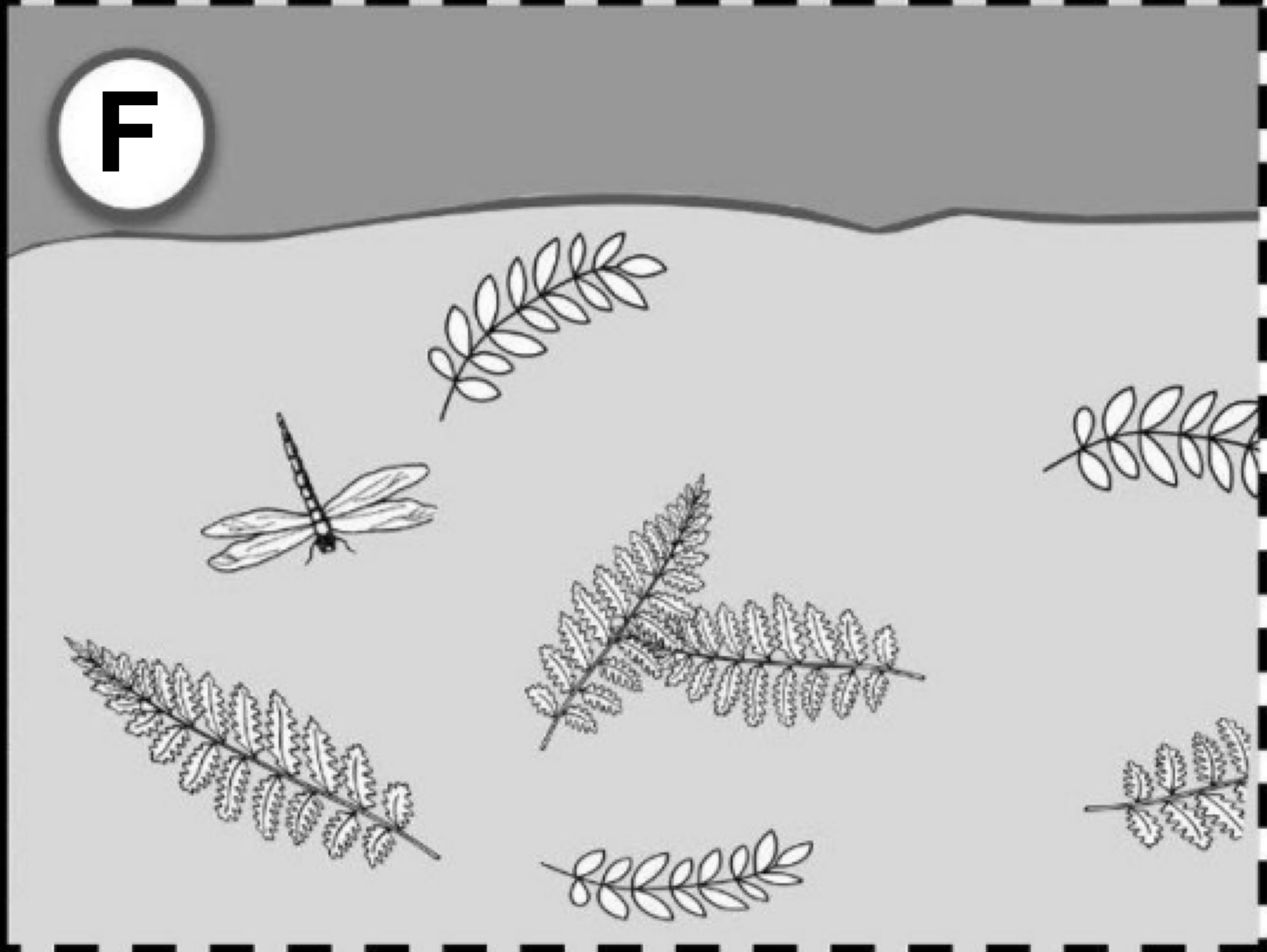
| arrow_right_alt | Layer 2 - As you climb up, you no longer see fish fossils. Instead, the rock becomes stuffed with plant fossils. Each branch looks like it has many tiny little leaves. You also notice the fossil of an insect with four wings. Part of the rock is darker here and doesn’t seem to have any fossils. |
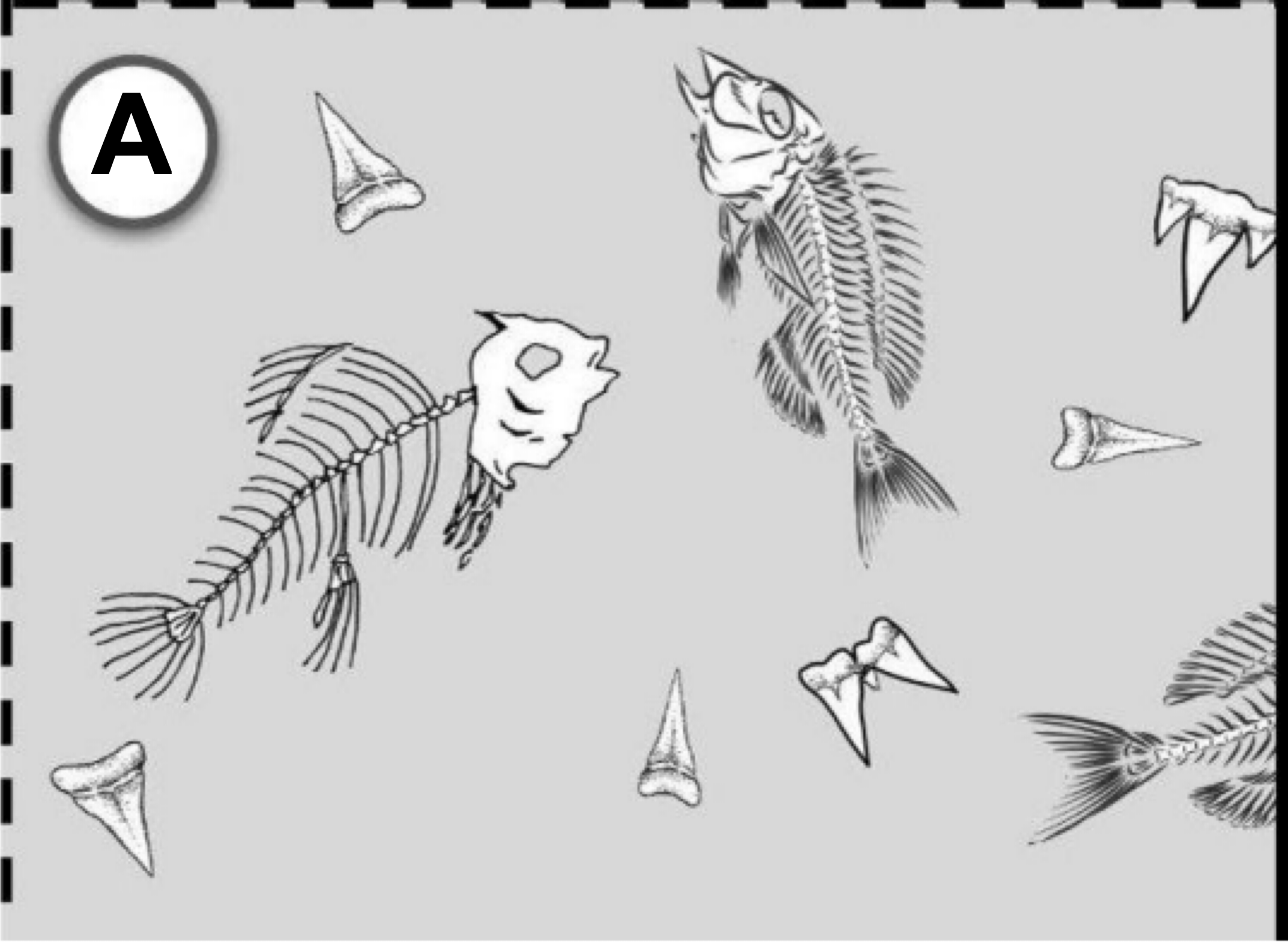
| arrow_right_alt | Layer 1 - The first things you notice are several fossils that look like the bones of fish! You also notice a few sharp, pointy fossils. Maybe they’re teeth? Perhaps they once belonged in the mouth of a large sea creature. |
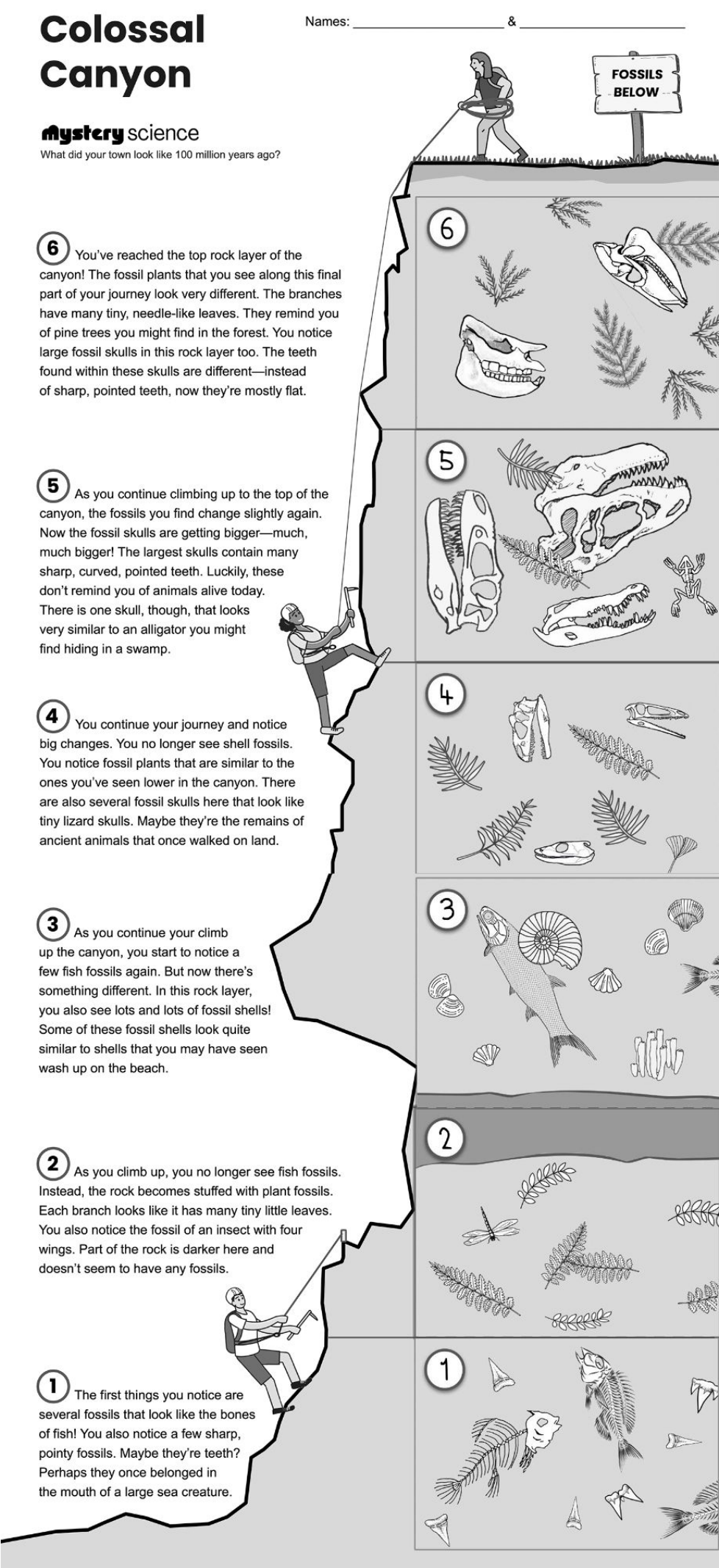
What do you think the environment was like when the fossils in Layer 1 were alive? Why do you think that?
What do you think the environment was like when the fossils in Layer 6 were alive? Why do you think that?
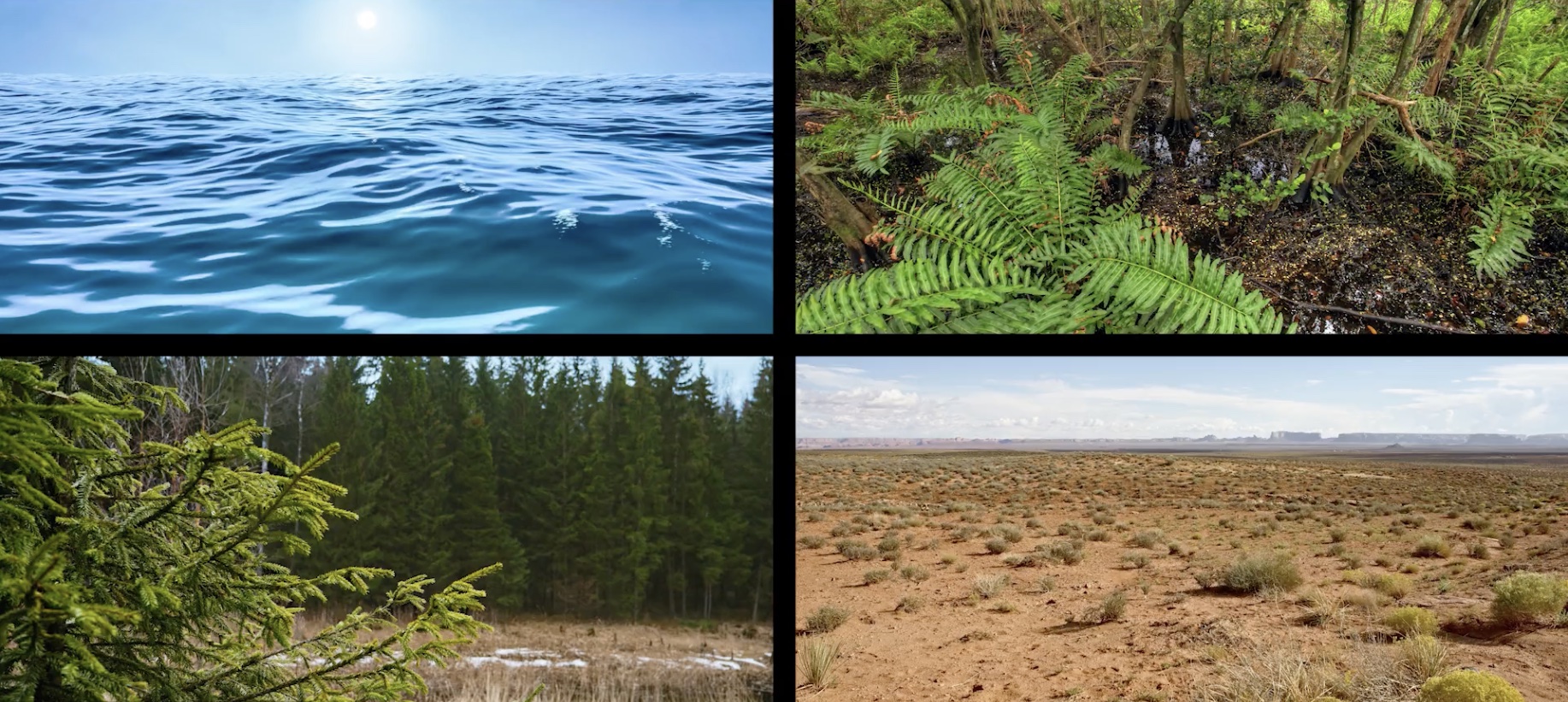
Do you think that Colossal Canyon used to look like any of these environments? Why or why not?
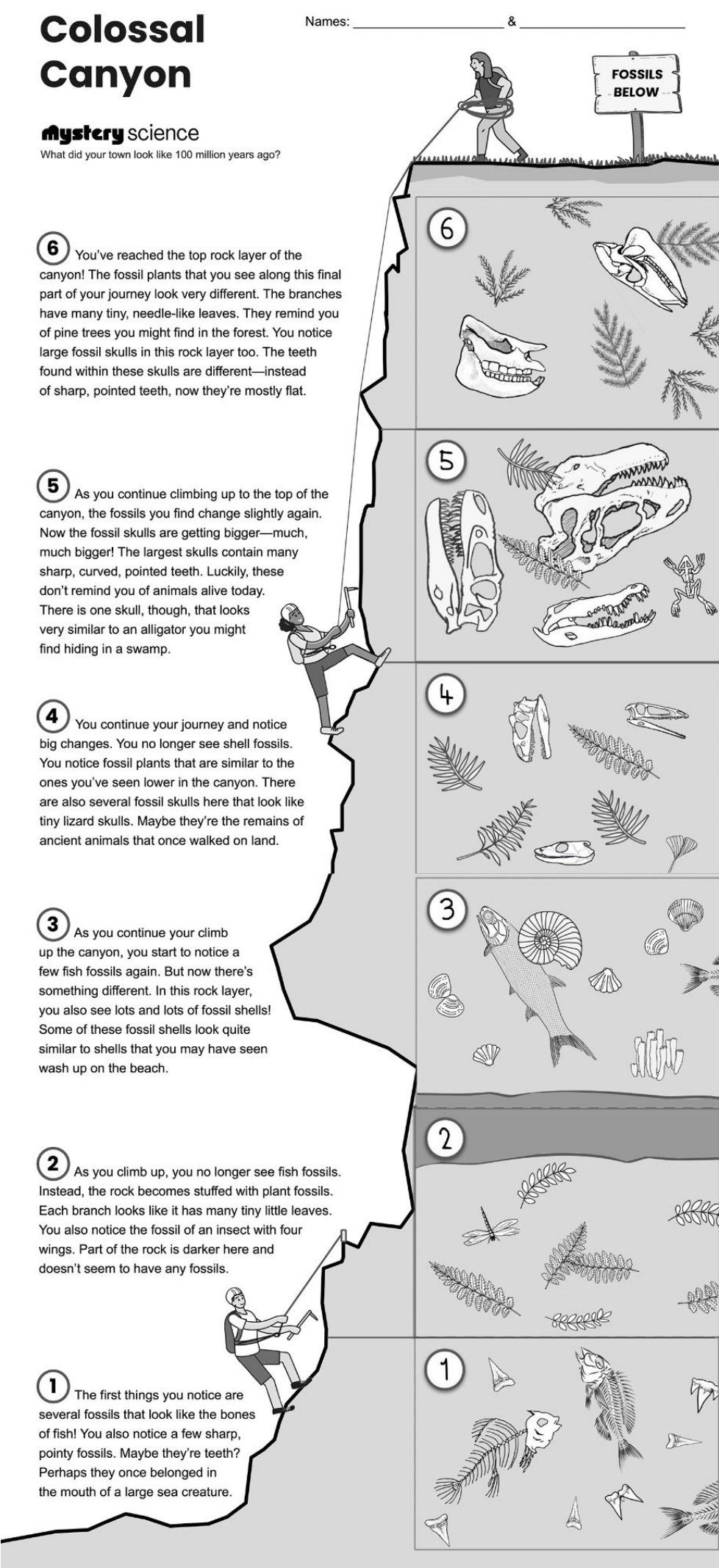
How many times do you think the environment has changed in Colossal Canyon?
What evidence do the fossils provide to support your answer from Question 9.
Which layer of fossils is the oldest?
Which layer of fossils is the newest?
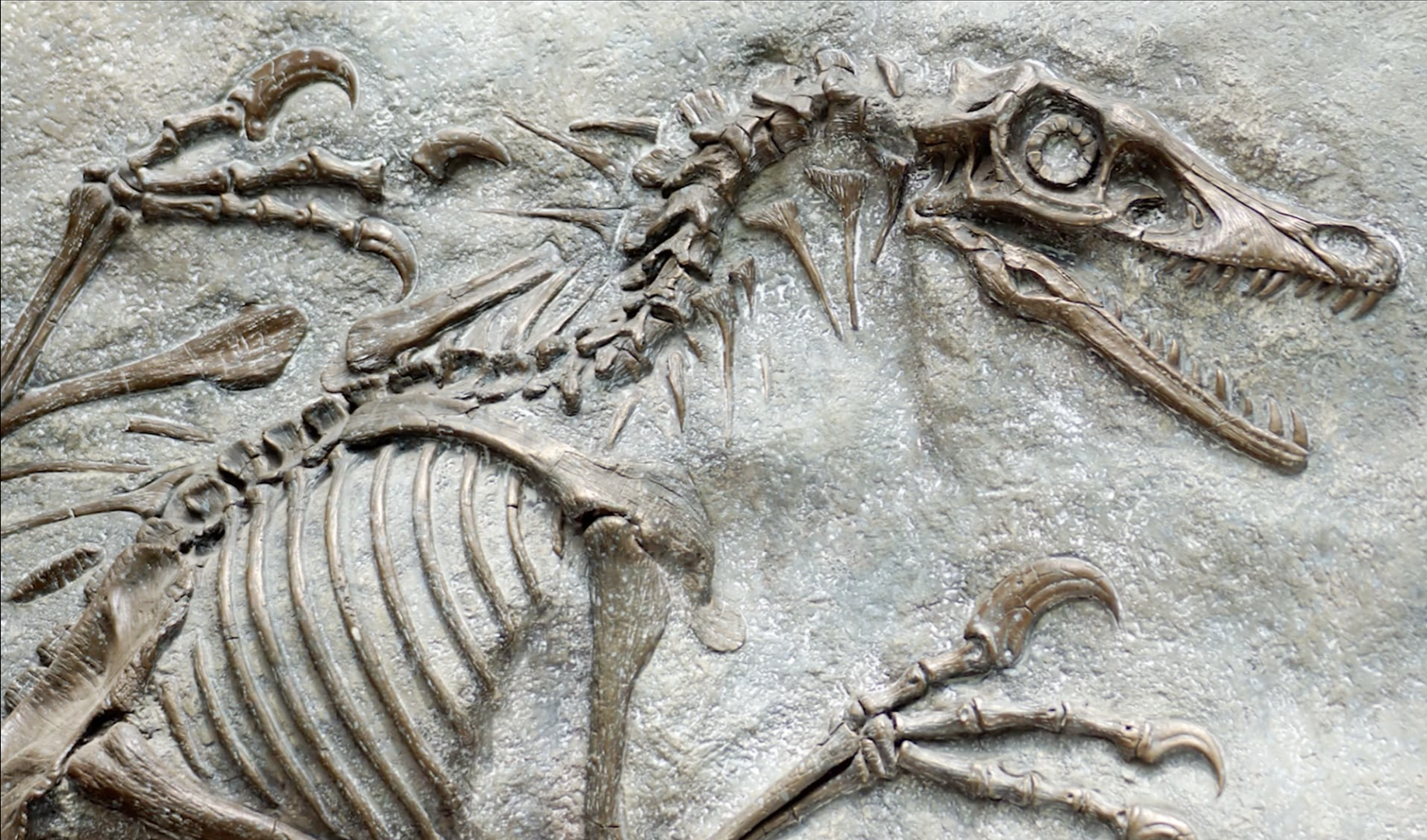
How could a fossil get inside solid rock?