Twa kɔ nsɛm atitiriw so
Log in
Sign up for FREE
arrow_back
Laabri

Biology Final Exam 23-24

star
star
star
star
star
Last updated almost 2 years ago
50 Nsɛmmisa
Hyɛ no nsow a efi ɔkyerɛwfo no hɔ:

This is a comprehensive exam covering all of the material we have learned this year. Each unit is represented with 5 overarching questions.

This is a comprehensive exam covering all of the material we have learned this year. Each unit is represented with 5 overarching questions.

Unit 0 - Nature of Science
1
1
1
1
1
SC.5.N.2.1
Unit 1 - Biochemistry
1
1
1
1
1
Unit 2 - Cells
1
1
1
1
1
Unit 3 - Energetics
1
1
1
1
1
Unit 4 - Cell Growth & Division
1
1
1
1
1
Unit 5 - Genetics and Heredity
1
1
1
1
1
Unit 6 - Nucleic Acids & Protein Synthesis
1
1
1
Bio.3.1.2
1
Bio.3.1.1
Bio.3.1.2
1
Unit 7 - Evolution & Classification
1
1
1
1
1
Unit 8 - Viruses & Bacteria
Ɛhia
1
BIO.4.A
BIO.4.C
Ɛhia
1
BIO.4.A
BIO.4.C
Ɛhia
1
1
Ɛhia
1
BIO.4.C
Unit 9 - Ecology
1
1
1
1
1
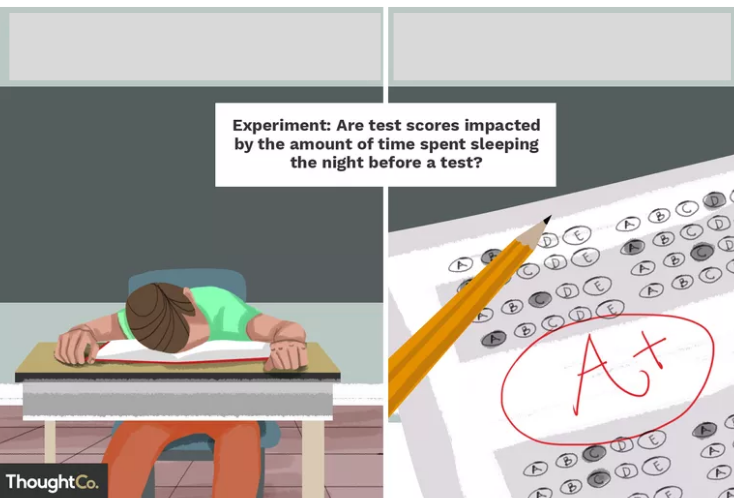
Asemmisa {{asɛmmisaAhyɛnsode}}
1.

Which of the following is true about the conclusion in an experiment?

Asemmisa {{asɛmmisaAhyɛnsode}}
2.

A scientific hypothesis

Asemmisa {{asɛmmisaAhyɛnsode}}
3.

The variable that changes in response to the independent variable is the _________ variable.

Asemmisa {{asɛmmisaAhyɛnsode}}
4.

What is the independent variable in this experiment?

Asemmisa {{asɛmmisaAhyɛnsode}}
5.

Scientists communicate their results by publishing their work. What reasoning explains why this is important?

Asemmisa {{asɛmmisaAhyɛnsode}}
6.

Enzymes can act as organic catalysts in living things. How do enzymes affect reaction rates in cells?

Asemmisa {{asɛmmisaAhyɛnsode}}
7.

Match each macromolecule on the left to its function on the right

Draggable itemarrow_right_altCorresponding Item

Protein

arrow_right_alt

Quick energy source; structural support in plants

Nucleic Acids

arrow_right_alt

Cell membranes; waterproof coating; chemical messengers

Lipid

arrow_right_alt

Muscles, structural, antibodies, enzymes

Carbohydrate

arrow_right_alt

Carry genetic information

Asemmisa {{asɛmmisaAhyɛnsode}}
8.

Match the monomer on the left with the macromolecule that it is makes on the right.

Draggable itemarrow_right_altCorresponding Item

Fatty acid/Glycerol

arrow_right_alt

Protein

Amino acid

arrow_right_alt

Nucleic acid

Monosaccharide

arrow_right_alt

Lipid

Nucleotide

arrow_right_alt

Carbohydrate

Asemmisa {{asɛmmisaAhyɛnsode}}
9.

Water molecules stick to each other through what type of bonding?

Asemmisa {{asɛmmisaAhyɛnsode}}
10.

Which 2 enzymes can function in a neutral pH?

Asemmisa {{asɛmmisaAhyɛnsode}}
11.

Which structure-function pair is mismatched?

Asemmisa {{asɛmmisaAhyɛnsode}}
12.

The cell membrane is described as selectively permeable. Select one of the following choices that best describes the cell membrane as selectively permeable.

Asemmisa {{asɛmmisaAhyɛnsode}}
13.

The phospholipid bilayer describes a structure with:

Asemmisa {{asɛmmisaAhyɛnsode}}
14.

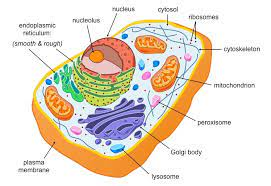
Cells have special structures within them that perform specific functions. These structures are called_________?

Asemmisa {{asɛmmisaAhyɛnsode}}
15.

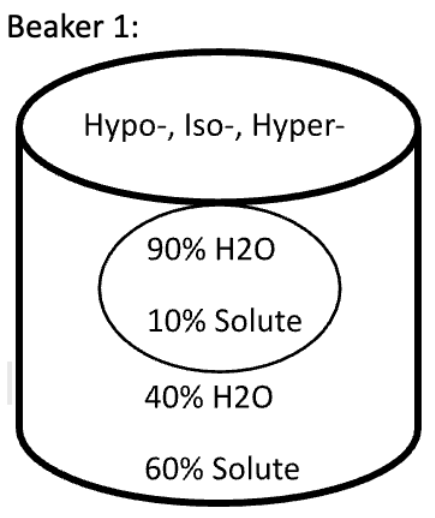
Which correctly pairs the direction water will move and the type of solution the cell is in?

Asemmisa {{asɛmmisaAhyɛnsode}}
16.

A scientist observed that during the course of a chemical reaction the number of ATP molecules was reduced . What did the scientist most likely learn from the observation?

Asemmisa {{asɛmmisaAhyɛnsode}}
17.

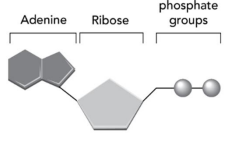
The diagram shows the structure of adenosine diphosphate (ADP). What describes the conversion of ADP to ATP?

Asemmisa {{asɛmmisaAhyɛnsode}}
18.

Most of cellular respiration occurs inside of which organelle?

Asemmisa {{asɛmmisaAhyɛnsode}}
19.

The energy produced during respiration is placed into what energy molecule?

Asemmisa {{asɛmmisaAhyɛnsode}}
20.

Which product of photosynthesis is the food?

Asemmisa {{asɛmmisaAhyɛnsode}}
21.

The cell cycle is the

Asemmisa {{asɛmmisaAhyɛnsode}}
22.

Fruit fly body cells have 8 chromosomes. After mitosis, you would expect a resulting fruit fly daughter cell to have

Asemmisa {{asɛmmisaAhyɛnsode}}
23.

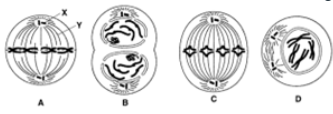
The correct order for the cells shown in the figure above is:

Asemmisa {{asɛmmisaAhyɛnsode}}
24.

If a somatic (body) cell starts with 60 chromosomes, how many chromosomes would the new gametic (sperm or egg) cell have after going through meiosis?

Asemmisa {{asɛmmisaAhyɛnsode}}
25.

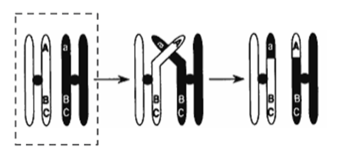
Which process is illustrated in the diagram above?

Asemmisa {{asɛmmisaAhyɛnsode}}
26.

Which of the following shows a homozgous dominant genotype?

Asemmisa {{asɛmmisaAhyɛnsode}}
27.

If both parents are homozygous dominant for brown eyes. What is the probabitility of them having a child with blue eyes?

Asemmisa {{asɛmmisaAhyɛnsode}}
28.

Factors that control traits are called

Asemmisa {{asɛmmisaAhyɛnsode}}
29.

An organism’s physical appearance is its

Asemmisa {{asɛmmisaAhyɛnsode}}
30.

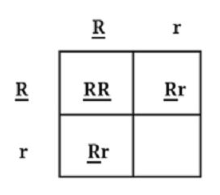
In the table shown above, among the offspring, what is the ratio of dominant to recessive for this trait?

Asemmisa {{asɛmmisaAhyɛnsode}}
31.

Assume that the DNA of an organism contains 20% adenine (A). What percentage of guanine (G) would be in this DNA?

Asemmisa {{asɛmmisaAhyɛnsode}}
32.

The molecule that carries the transcribed DNA template code is

Asemmisa {{asɛmmisaAhyɛnsode}}
33.

The process of copying a gene's DNA sequence into a sequence of RNA is called:

Asemmisa {{asɛmmisaAhyɛnsode}}
34.

Assign each of the characteristics below to either DNA or RNA.

  • Cytosine

  • Thymine

  • Found only in the nucleus

  • Made up of nucleotides

  • Adenine

  • Ribose

  • Deoxyribose

  • Guanine

  • Single stranded

  • Found in the nucleus and cytoplasm

  • Double stranded

  • Uracil

  • DNA

  • RNA

  • Both DNA & RNA

Asemmisa {{asɛmmisaAhyɛnsode}}
35.

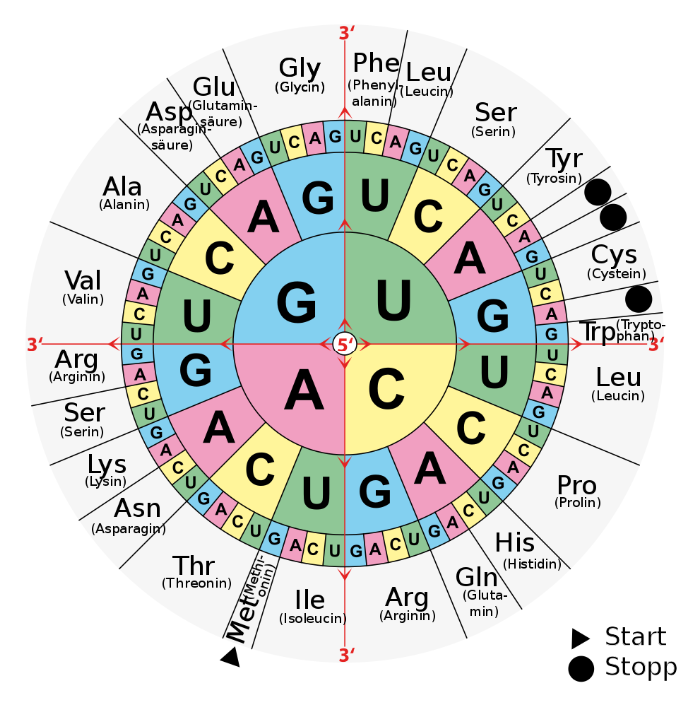
Transcribe the mRNA T A C C C G C A T A T A into Amino Acids (Use the codon wheel for abbreviations)

Asemmisa {{asɛmmisaAhyɛnsode}}
36.

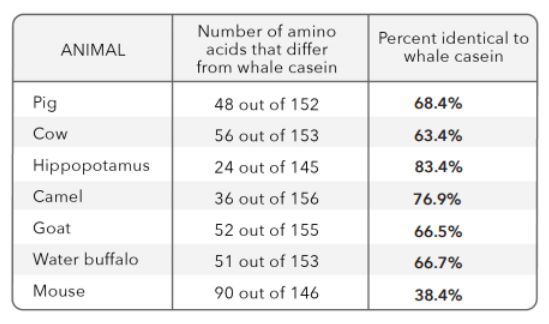
Which organism is most closely related to the whale?

Asemmisa {{asɛmmisaAhyɛnsode}}
37.

A mechanism for change in populations where an organism with a favorable trait survives, reproduces, and pass the favorable phenotype to the next generation. Organisms without the favorable phenotype are less likley to survive and reproduce.

Asemmisa {{asɛmmisaAhyɛnsode}}
38.

Structural features with a common evolutionary origin

Asemmisa {{asɛmmisaAhyɛnsode}}
39.

An organism’s scientific name consists of

Asemmisa {{asɛmmisaAhyɛnsode}}
40.

Which group of organisms includes only multicellular heterotrophs?

Asemmisa {{asɛmmisaAhyɛnsode}}
41.
Draggable itemarrow_right_altCorresponding Item

arrow_right_alt

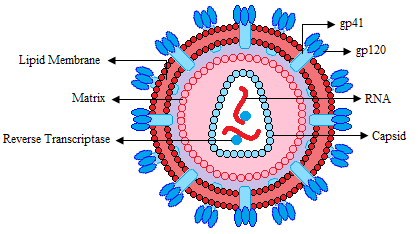
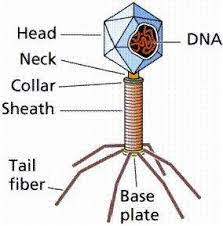
virus

arrow_right_alt

animal cell

arrow_right_alt

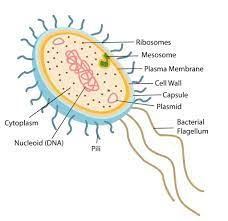
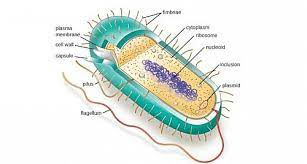
bacteria

Asemmisa {{asɛmmisaAhyɛnsode}}
42.
Draggable itemarrow_right_altCorresponding Item

arrow_right_alt

eukaryote

arrow_right_alt

prokaryote

arrow_right_alt

non-living

Asemmisa {{asɛmmisaAhyɛnsode}}
43.

Which of these describes a difference between viruses and cells?

Asemmisa {{asɛmmisaAhyɛnsode}}
44.

What does the term 'viral infection' mean?

Asemmisa {{asɛmmisaAhyɛnsode}}
45.

Bacteria are living organisms.

Asemmisa {{asɛmmisaAhyɛnsode}}
46.

Ticks feeding off deer and its nutrients is an example of which type of symbiosis?

Asemmisa {{asɛmmisaAhyɛnsode}}
47.

_______________ is all of the populations of different species that live in the same area and interact with one another.

Asemmisa {{asɛmmisaAhyɛnsode}}
48.

Which type of succession takes longer and why?

Asemmisa {{asɛmmisaAhyɛnsode}}
49.

If a bird eats a mouse that eats grass, the bird is a(n)

Asemmisa {{asɛmmisaAhyɛnsode}}
50.

The largest population that an environment can support is called its