Log in
Sign up for FREE
arrow_back
Library

Classwork: Analyzing the Great Depression (2023-2024)

star
star
star
star
star
Last updated over 1 year ago
23 questions
Note from the author:
Required
1
Content Objective: I will be able to understand the relationship between the consumerism of the 1920s and the Great Depression.

Standard Objective: I will be able to draw connections between events (cause/effect).

Absent? Just want to review the slides? Click here for the slides from today.
Content Objective: I will be able to understand the relationship between the consumerism of the 1920s and the Great Depression.

Standard Objective: I will be able to draw connections between events (cause/effect).

Absent? Just want to review the slides? Click here for the slides from today.

Day 1: Questions to Consider

What was the Great Depression?

How was the economy similar to the economy during the Covid pandemic of 2020?

Required
1
Question 1
1.

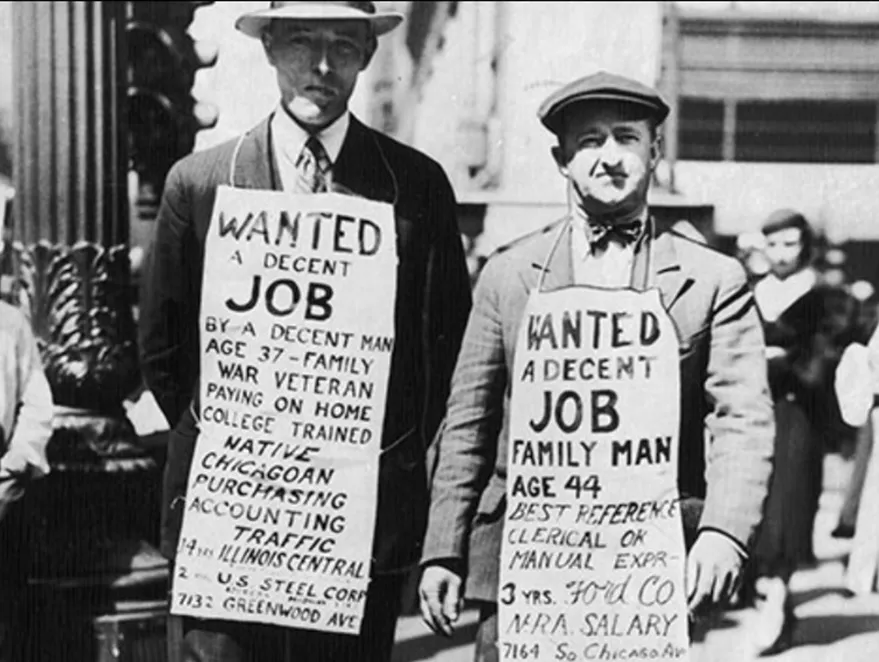
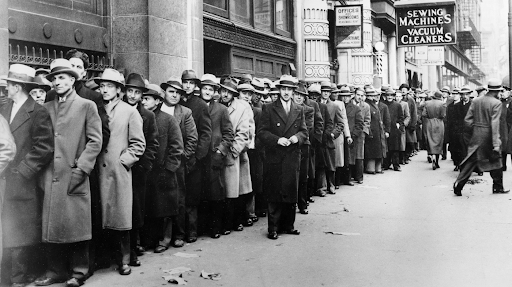
Warm Up: What do you notice about this primary source photograph taken during the Great Depression? Circle or star any key details you see in the "show your work" box.

Required
1
Question 2
2.

What do you think these people are standing in line for?

Required
1

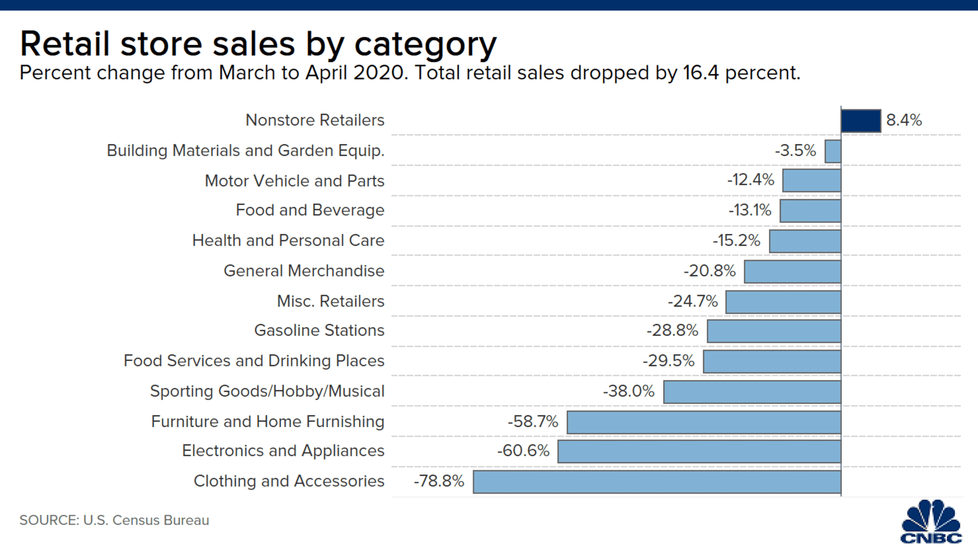
Before we learn about the Great Depression, let's compare it to the economy during the 2020 Coronavirus Pandemic.

Required
1
Required
1
Required
1
Question 6
6.

Why did the economy struggle so much during 2020? If you are unsure, take a guess!

Required
1
Question 7
7.

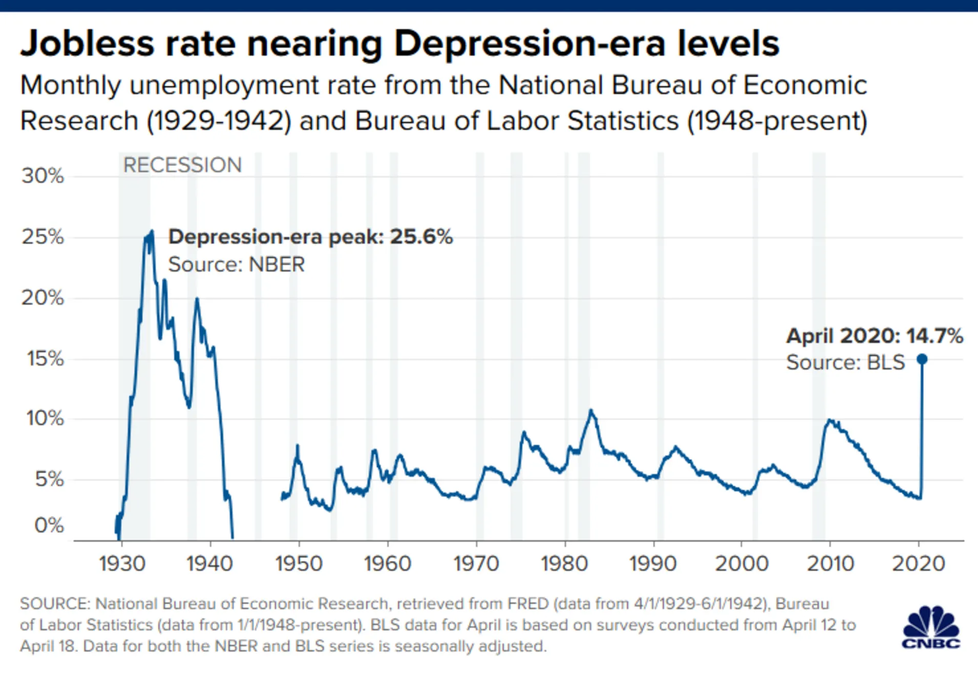
What is this graph measuring?

Required
1
Required
1
Question 9
9.

Do you work at a job currently? If so, where do you work? Which category measured in the graph does your job fall under?

Required
1
Question 10
10.
Let's review: For the United States, the effects of World War I were positive -- ushering in the Roaring 1920s as a decade of unprecedented _______ , new patterns of _______, such as purchasing consumer goods like radios, cars, vacuums, beauty products or clothing

The expansion of _______ in the 1920s allowed for the sale of more consumer goods and put cars within reach of average Americans. Now individuals who could not afford to purchase a car at full price could still buy it and pay for that car over time -- with _______ , of course!

With so many new products and so many Americans eager to purchase them, _______ became a central institution in this new consumer economy.
Required
1
Question 11
11.
The Great Depression was primarily caused by the _______ , overextension of credit, and wealth _______ of the Gilded Age and Roaring 20s.

While European countries owed the U.S. money from World War I, those debts were never repaid.

When the U.S. economy plummeted after the Stock Market Crash of _______ , many Americans tried to withdraw their life savings during _______ , which caused many banks to foreclose.

Nationwide defaults on loans and mortgages led to rampant unemployment, homelessness, and _______ economic collapse.
Required
1
Question 12
12.

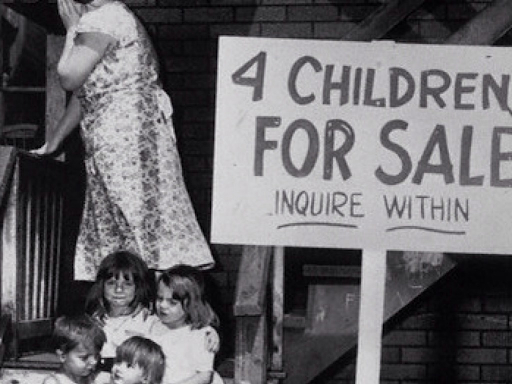
Look at the men from Illinois pictured to the left. Notice how one man is a "Native Chicagoan." How do you think these men felt during this time period? What do you think was going through their minds when this photograph was taken?

The graph to the left shows the price of stocks during each year.

-Higher the line=higher the price of each stock = more money for companies/economy

-Lower the line=cheaper the price of each stock=less money for companies/economy
Required
1
SQN.01
Required
1
Question 14
14.

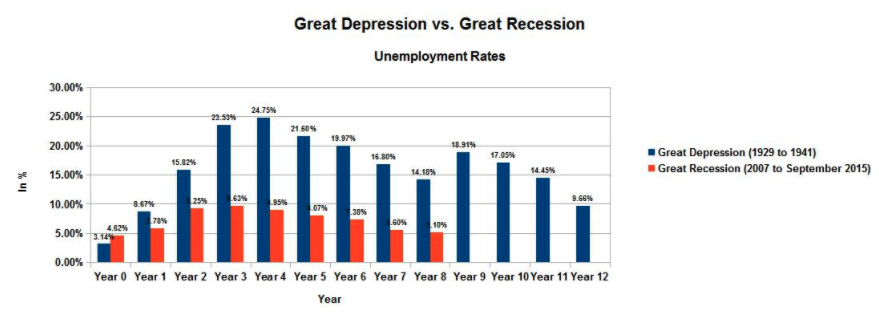
Which economic crash was worse?

SQN.01
Required
1
Question 16
16.

Exit Ticket for Day 1: What is one similarity between the economic conditions during the Great Depression and the Coronavirus Pandemic?

Day 2: Questions to Consider

What were the major effects of the Great Depression on ordinary Americans?

How can I start summarizing texts instead of writing down notes word for word?

Directions: Now that you've learned about the causes of the Great Depression, it's time to learn about the effects it had on different groups of Americans.

Please pull up these notes beginning at slide #19 and answer the comprehension questions.

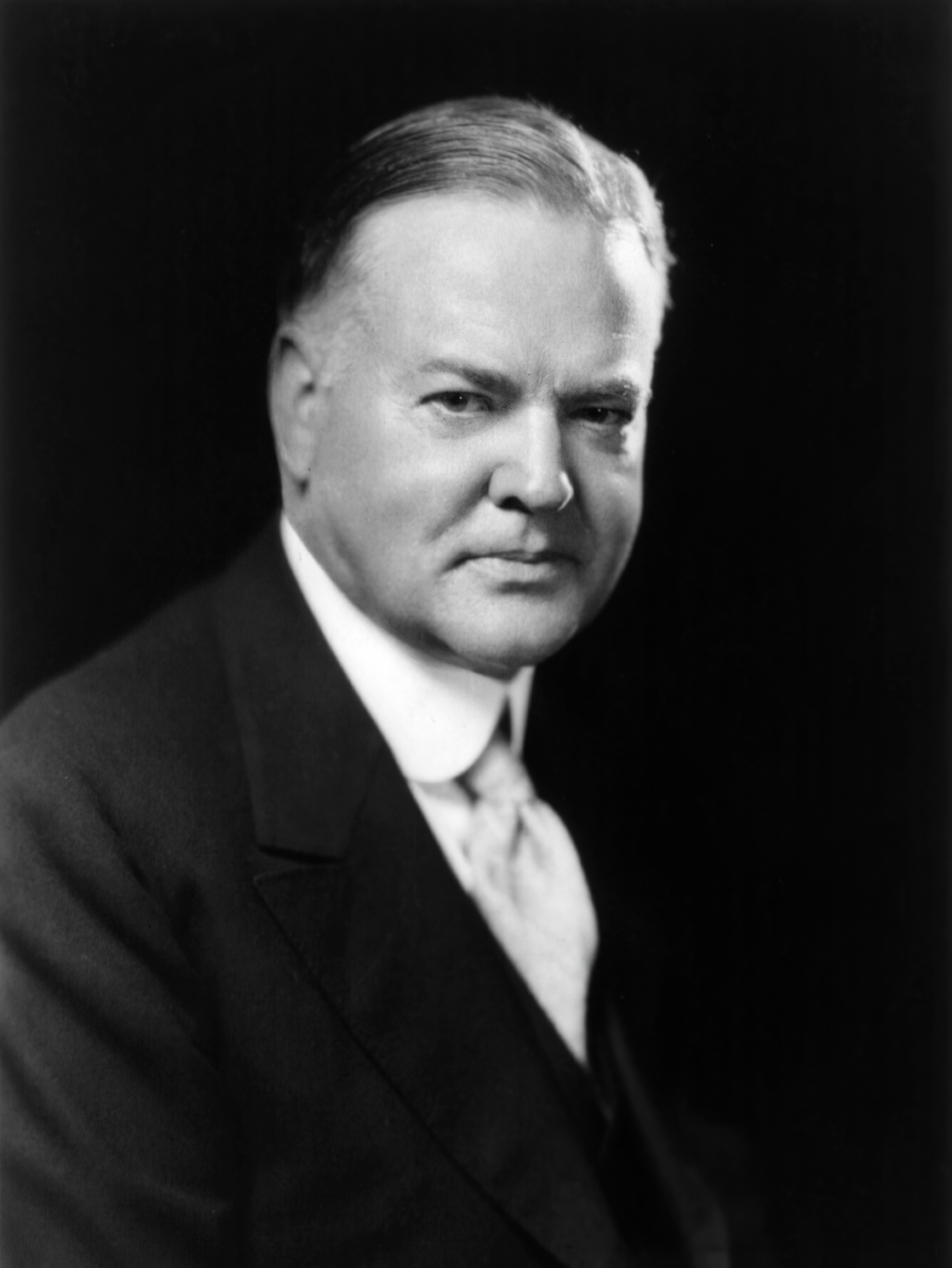
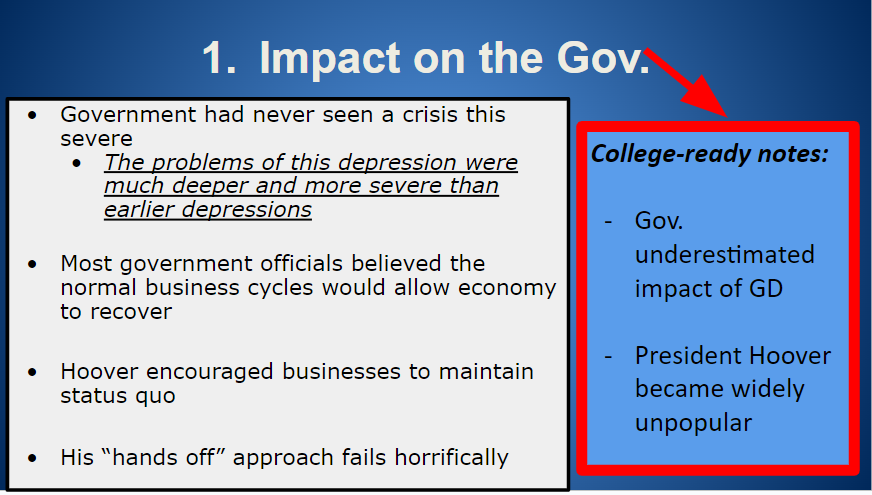
President Hoover was in charge of the federal government during the Great Depression.

In college, professors will often talk very fast in lectures and you will need to be able to type/write quickly to catch key info.

Unfortunately, you won't see fill in the blank notes, and some lectures won't have slides at all. Here is an example of how to take college-ready notes.
Required
1
Question 17
17.

In your own words, please summarize the main idea of this slide.

Required
1
Question 18
18.

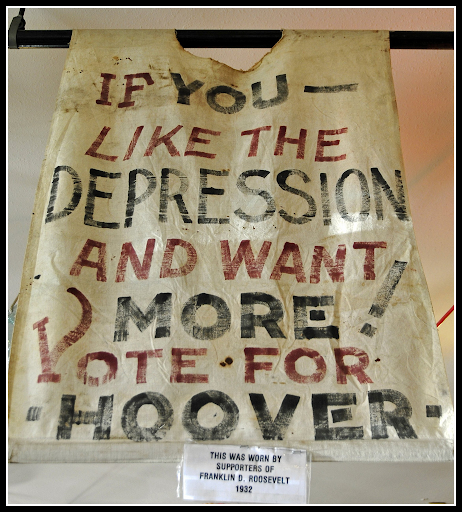
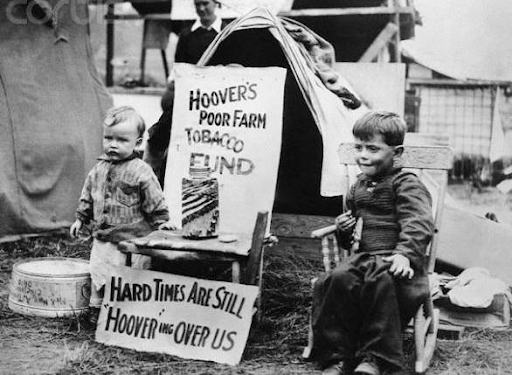
What does this image tell you about how the American people felt about his handling of the economic crisis?

Required
1
Question 19
19.

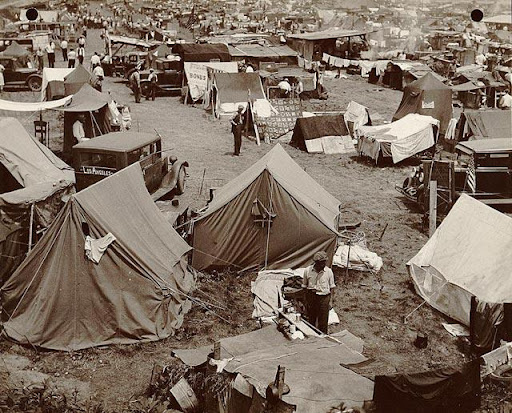
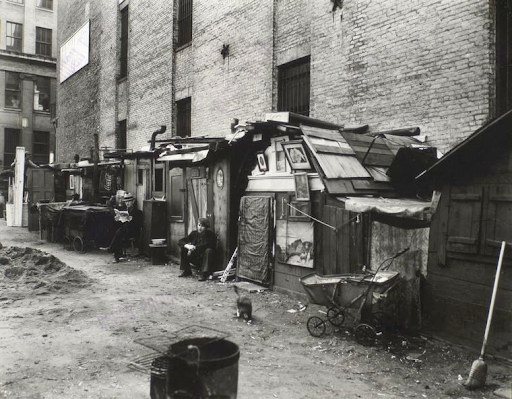
What kind of impact did the Great Depression have on homelessness?

Required
1
Question 20
20.

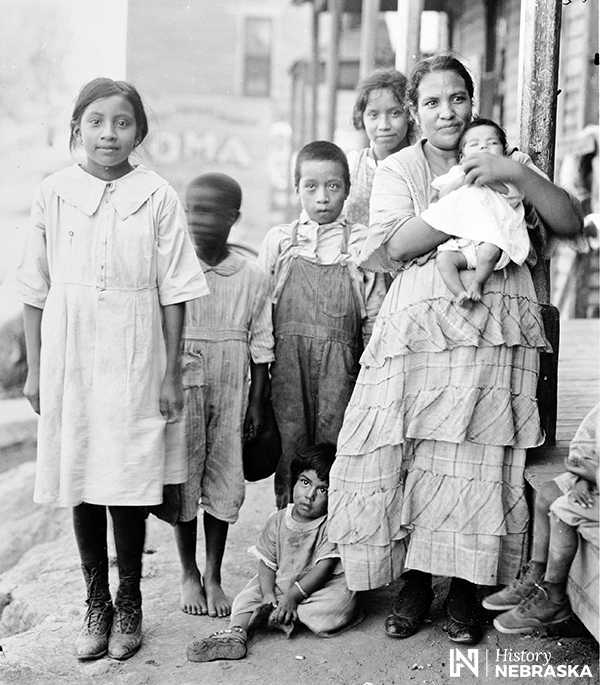
Which of the following best describes the impact of the Great Depression on people of color (POC)?

IIRC.01
Required
1
Question 21
21.

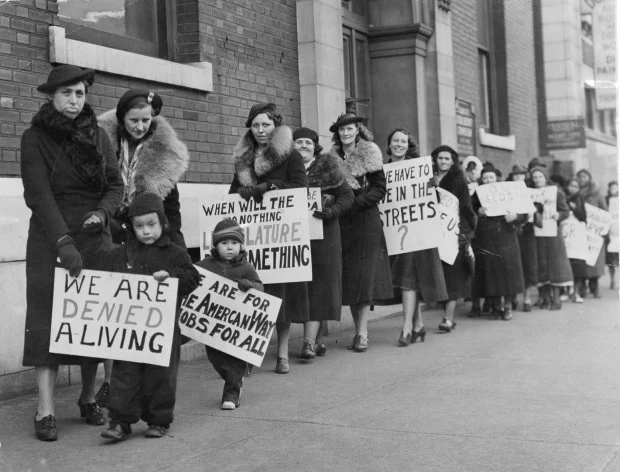
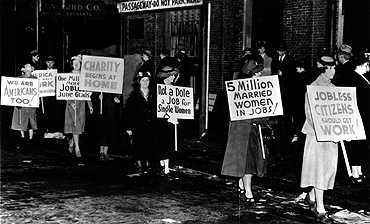
Which of the following best describes the impact of the Great Depression on women?

Required
1
Question 22
22.

Which of the following best describes the impact of the Great Depression on men?

Required
1
Question 23
23.

What was the impact of the Great Depression on children?

Question 3
3.

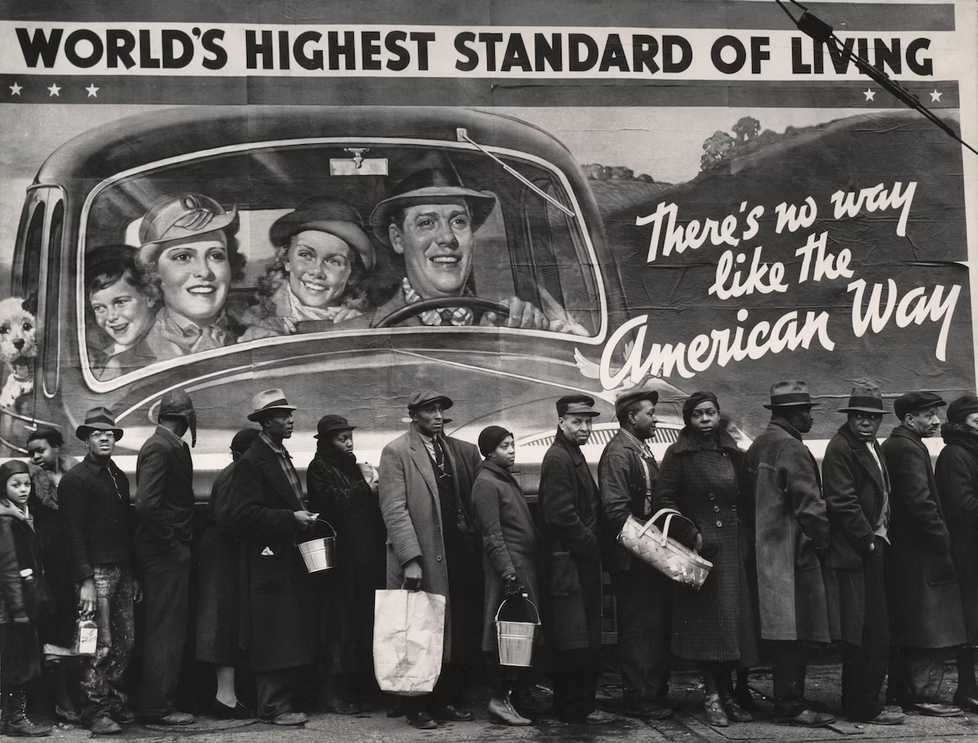
In what ways is this image hypocritical? If you forget what "hypocritical" means, take a brief moment to look it up on Google now!

Question 4
4.

Which year did our country experience the highest unemployment rate ever?

Question 5
5.

What percentage of Americans were unemployed in April of 2020?

Question 8
8.

Which type of retail stores suffered the most at the start of the pandemic?

Question 13
13.

In the graph, which range of years displays a decrease in Common Stock Prices?

The Great Depression
Question 15
15.

Which type of economic crash is more severe?

Communities were able to come together and support families in need.
Homelessness was at an all-time high and many people were forced to make their own homes out of cheap materials.
President Hoover created ”shantytowns” where people could find shelter if they were evicted from their homes.
The U.S. government put a freeze on mortgages so many people were able to keep their homes.
They were often blamed for the Depression even though it affected them most.
Hispanic Americans were treated better than African Americans even though they were "non-White."
They responded with violence and rioted in the streets as one in four POC were unemployed.
They had good job security as the first ones hired and the last to be fired.
Women were happy to be able to stay at home and not have to work.
Women gained a lot of rights after they had earned the right to vote with the Nineteenth Amendment.
Women thrived and were able to make a lot of money selling food and school supplies.
After men of color, white women and women of color were the first to be laid off before white men.
Many men were ashamed that they could not provide for their families and fulfill the traditional role of "breadwinner."
Men stayed with their families no matter how difficult the Great Depression became for them.
With more free time on their hands, men were able to reflect on their individual life paths and preserve their self-worth.
Schools remained open so students were able to prioritize their education regardless of economic strife.
Many children had to help their families by working and schools became no longer as important.
No matter how bad the Great Depression got, all children were taken care of by their families.