Log in
Sign up for FREE
arrow_back
Library

Musculoskeletal System Part 2 Practice

star
star
star
star
star
Last updated 11 months ago
13 questions
1
1
1
1
1
1
1
1
1
1
1
1
1
Question 1
1.

Sort the following into the three major categories of joints.

Question 2
2.

Question 3
3.

Question 4
4.

Question 5
5.

Question 6
6.

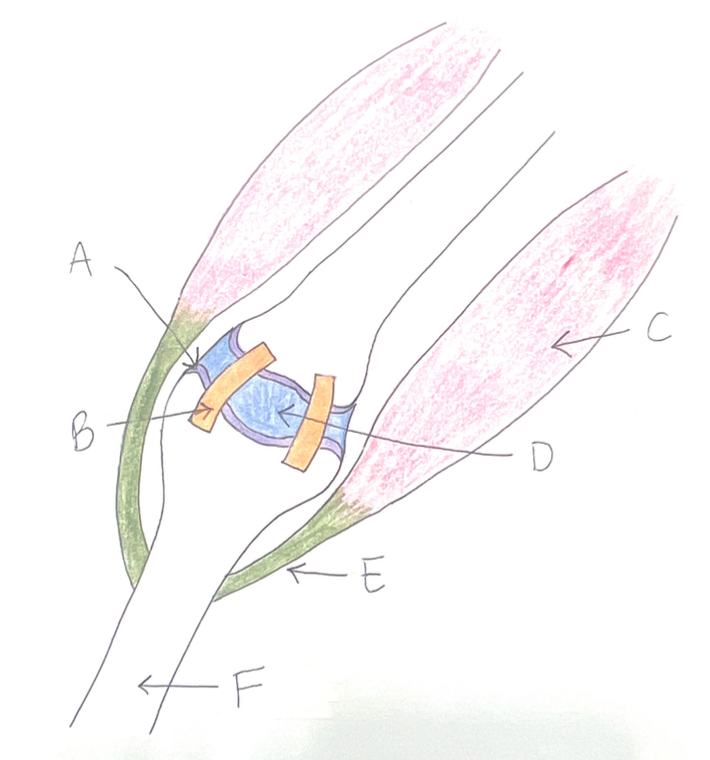
Use this image of a joint to answer the questions that follow.

Question 7
7.

Which letter is pointing to a muscle?

Question 8
8.

Which letter is pointing to a bone?

Question 9
9.

What is the name of the smallest functional unit in structure C? (it has a sliding filament structure)

Question 10
10.

What is A pointing to? (purple)

Question 11
11.

What is B pointing to? (orange)

Question 12
12.

What is D pointing to? (blue)

Question 13
13.

What is E pointing to? (green)

Unite bones using cartilage
Ex = sutures in the skull
Mostly immovable
Ex = between certain vertebrae (not the 1st and 2nd)
Has the most movement
Ex = between the ribs and the sternum
Dense fibrous connective tissue
Doesn't move very much but a little bit
Includes fluid filled joint cavity
Ex = roots of the teeth
Fibrous Joints
Cartilaginous Joints
Synovial Joints
Which of the following are examples of synovial joints? Select all that apply.
Pivot
Capsular
Ballot
Saddle
Glymphoid
Plane
Ball and socket
Condylar
Hinge
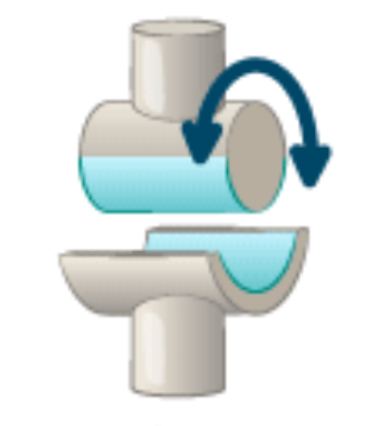
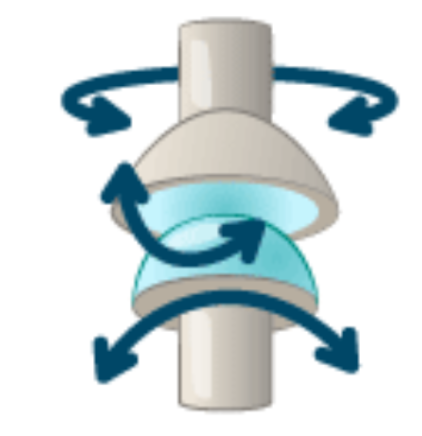
Sort the following into the three types of synovial joints that we are covering.
Involves partial rotation
Ex = first and second vertebrae near the skull
Ex = between the radius and ulna allowing to turn forearm
Allows movement in a single direction
Ex = elbow
Ex = knee
Allows for movement in several directions
Ex = shoulder
Ex = hip
Is the most likely to have a dislocation
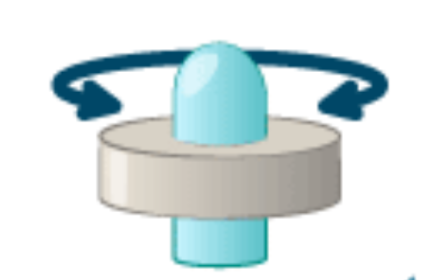
Pivot
Hinge
Ball and socket
Which of the following are functions of ligaments? Select all that apply.
Connect bone to bone
Stabilize a joint
Cushion a joint
Connect muscle to bone
Connect muscle to muscle
Prevent dislocation
Allow muscles to pull the bones
Shock absorber in the joints
Which of the following are functions of tendons? Select all that apply.
Connect bone to bone
Stabilize a joint
Cushion a joint
Connect muscle to bone
Connect muscle to muscle
Prevent dislocation
Allow muscles to pull the bones
Shock absorber in the joints
Which of the following are functions of cartilage? Select all that apply.
Connect bone to bone
Stabilize a joint
Cushion a joint
Connect muscle to bone
Connect muscle to muscle
Prevent dislocation
Allow muscles to pull the bones
Shock absorber in the joints
A
B
C
D
E
F
A
B
C
D
E
F