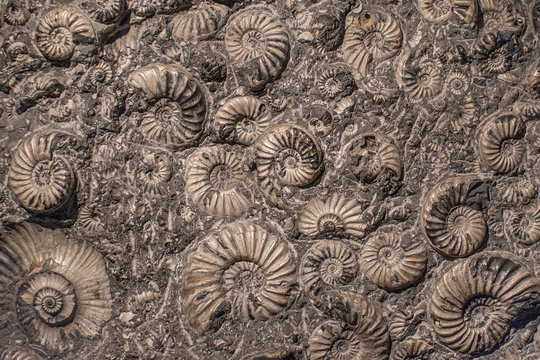
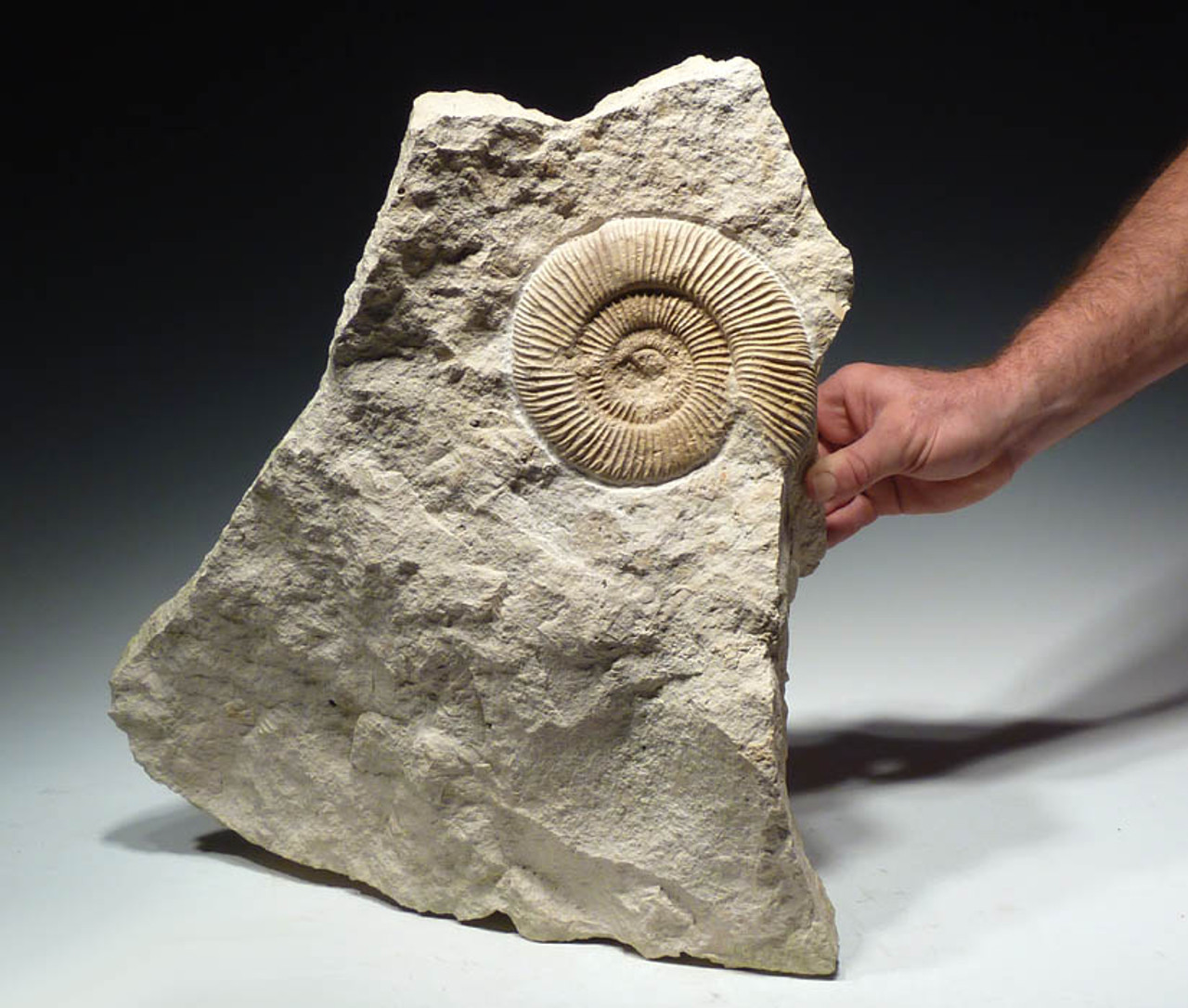
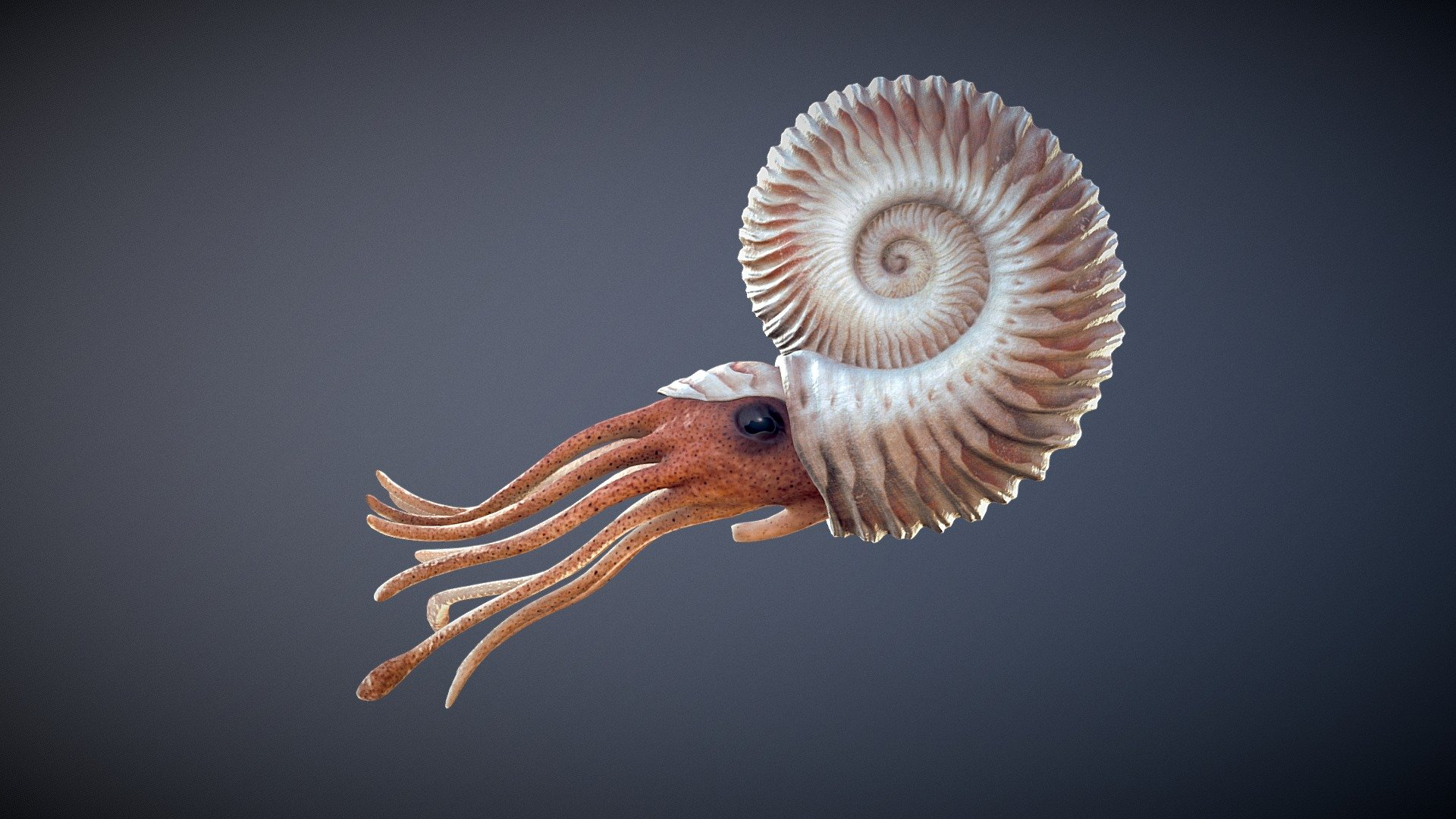
In 1970, fossil remains of a Tyrannosaurus rex were found in Big Bend National Park. The Tyrannosaurus rex fossil included part of an upper jaw and some very sharp teeth. Which conclusion is best supported by the discovery of these fossils?
Required
1 point
1
Question 2
2.
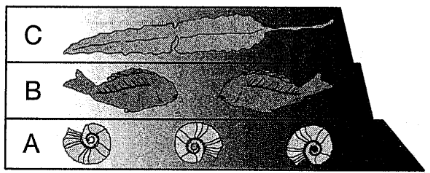
Marine geologists collect samples of fossils such as those pictured below.
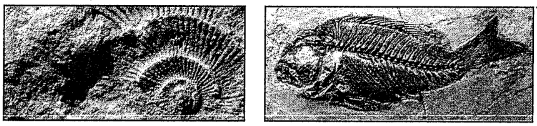
Based on the information in the pictures, what conclusion can be made about marine fossils and their environments?
Required
1 point
1
Question 3
3.
Students compare the fossils shown in Layer A with those in Layer C.
What conclusion can be made by comparing the fossils in these two layers?
Required
1 point
1
Question 4
4.
Which of the following would be the best to use when gathering information to identify fossils?
Required
1 point
1
Question 5
5.
What is a fossil?
Required
1 point
1
Question 6
6.
Which type of rock generally contains fossils?
Required
1 point
1
Question 7
7.
What can a fossil reveal about its environment when it was alive?
Required
1 point
1
Question 8
8.
What kind of organism might leave behind a trace fossil?
Required
1 point
1
Question 9
9.
What do fossils help us understand?
Required
1 point
1
Question 10
10.
Which of these could potentially become a fossil?
Required
1 point
1
Question 11
11.
How can we determine the environment in which an organism lived by studying its fossil?
Required
1 point
1
Question 12
12.
What do we call the study of fossils?
Required
1 point
1
Question 13
13.
Fossils can provide information about what the environment was like when the organism was alive.
Required
1 point
1
Question 14
14.
Using models, we can predict the exact age of any fossil found.
Required
1 point
1
Question 15
15.
Fossils found in different layers of soil indicate they existed in different periods of time.
Required
1 point
1
Question 16
16.
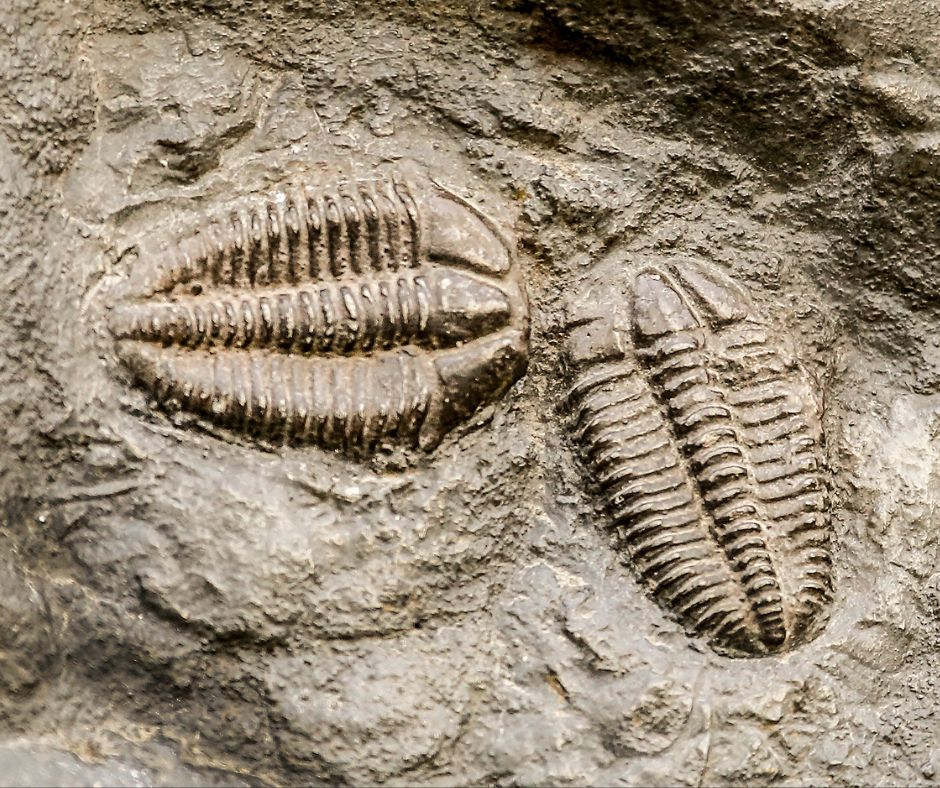
Look at this fossil:
What type of organism did this fossil come from?
Required
1 point
1
Question 17
17.
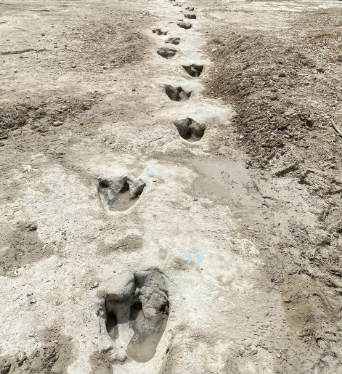
This fossil shows the footprints of an animal that lived long ago. Based on the footprint pattern and size, what type of animal do you think made these prints?
Required
1 point
1
Question 18
18.
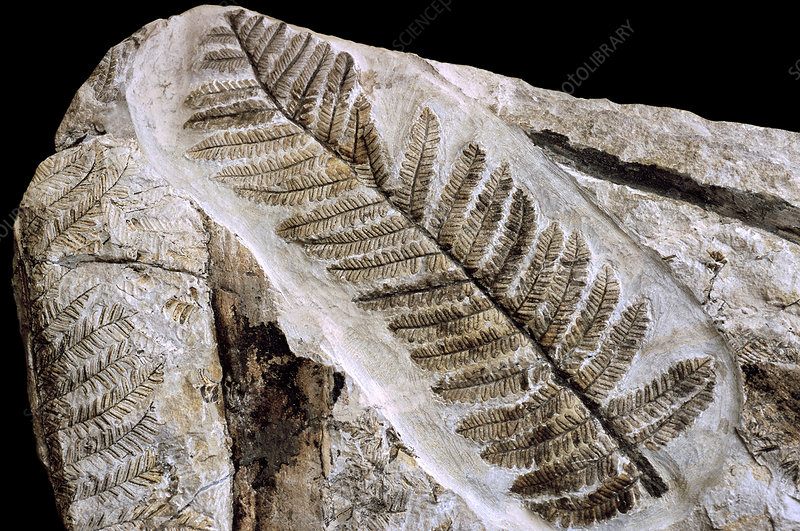
The fossil below contains the imprint of a fern leaf. What can you infer about the environment this plant lived in based on this fossil evidence?
Required
1 point
1
Question 19
19.
What are two ways that fossils can form over time.
Required
1 point
1
Question 20
20.
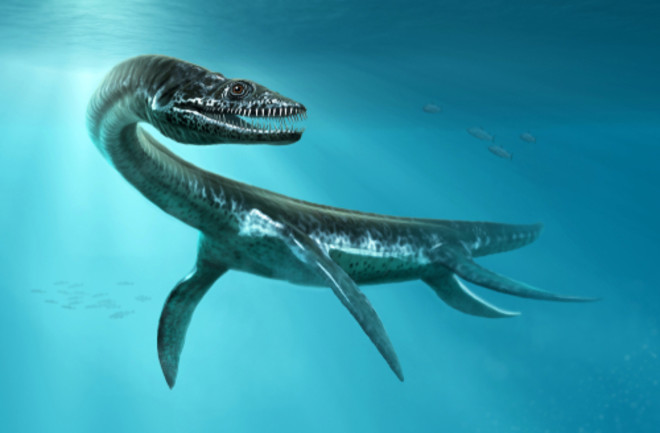
Paleontologists often use model reconstructions to understand what extinct organisms may have looked like. Look at this model of a prehistoric marine reptile. What features tell you this animal was adapted to live in the ocean?
Required
1 point
1
Question 21
21.
Fossils provide evidence of organisms that lived on Earth millions of years ago.
Required
1 point
1
Question 22
22.
Fossils are primarily found in sedimentary rock layers. Why is this the case?
Required
1 point
1
Question 23
23.
The fossil below shows a preserved cluster of shells. What can you infer about the ancient environment where these organisms lived?
Required
1 point
1
Question 24
24.
What are two ways scientists use fossils as evidence to learn about past environments on Earth?
Required
1 point
1
Question 25
25.
Look at this ammonite fossil cast and model. What modern-day organism is most closely related to this extinct species?