PART ONE [REQUIRED - HOMEWORK IF INCOMPLETE]
Directions: Read the article "Aztec Eagles Over the Pacific" and answer the corresponding questions below.
Adapted from The National WWII Museum, September 27, 2021
Directions: Read the article "Aztec Eagles Over the Pacific" and answer the corresponding questions below.
Adapted from The National WWII Museum, September 27, 2021
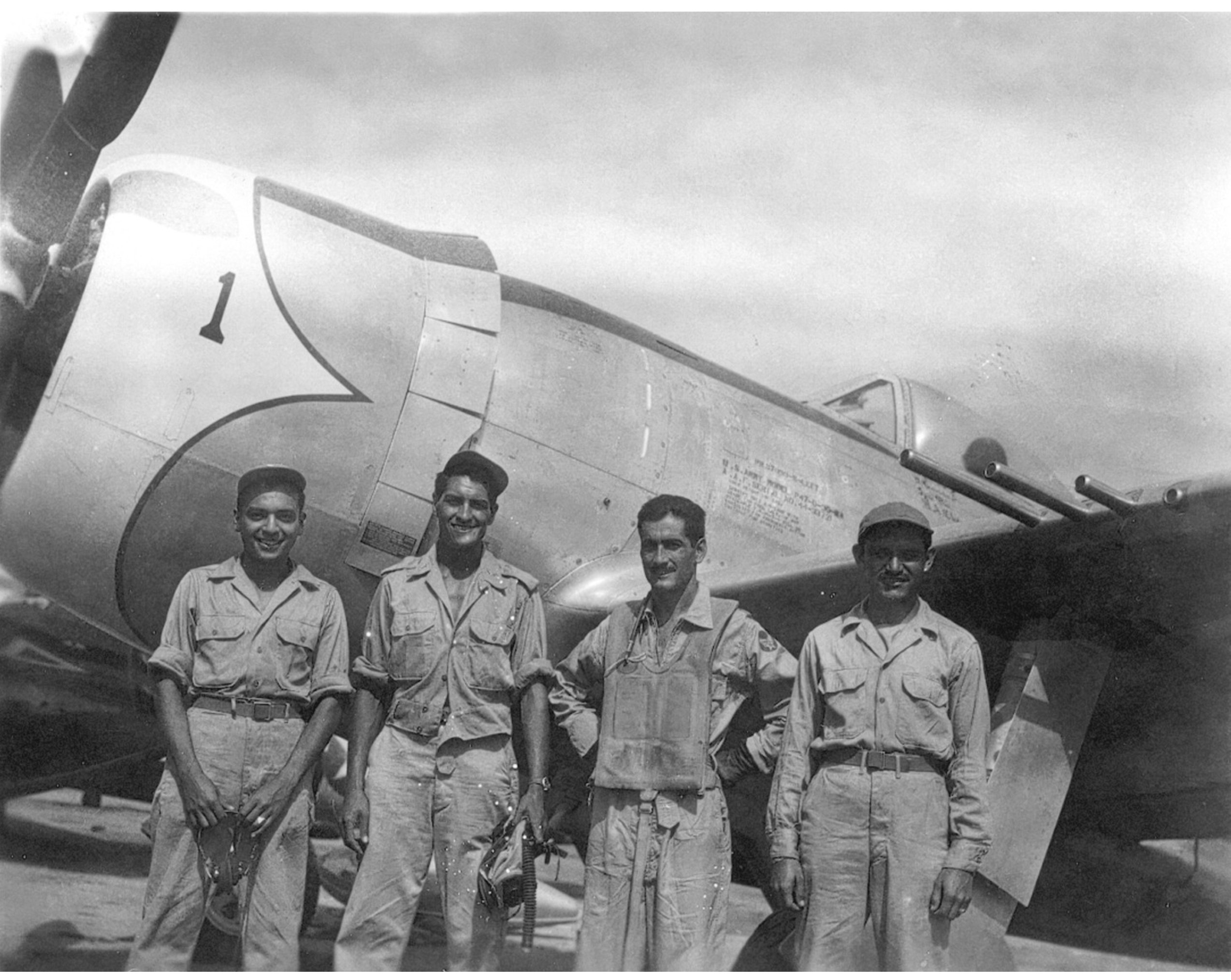
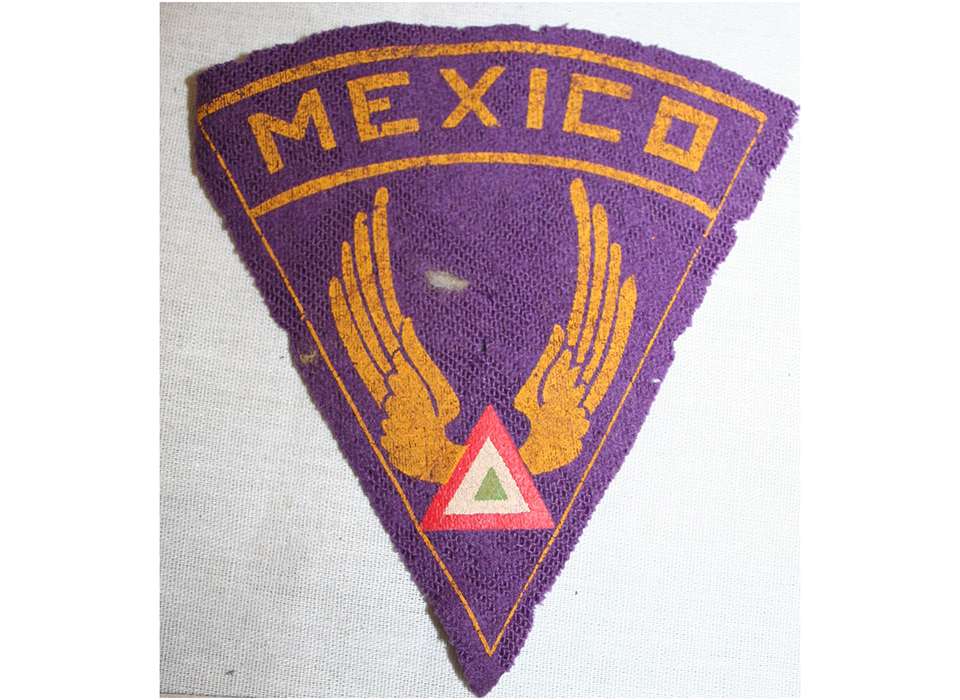
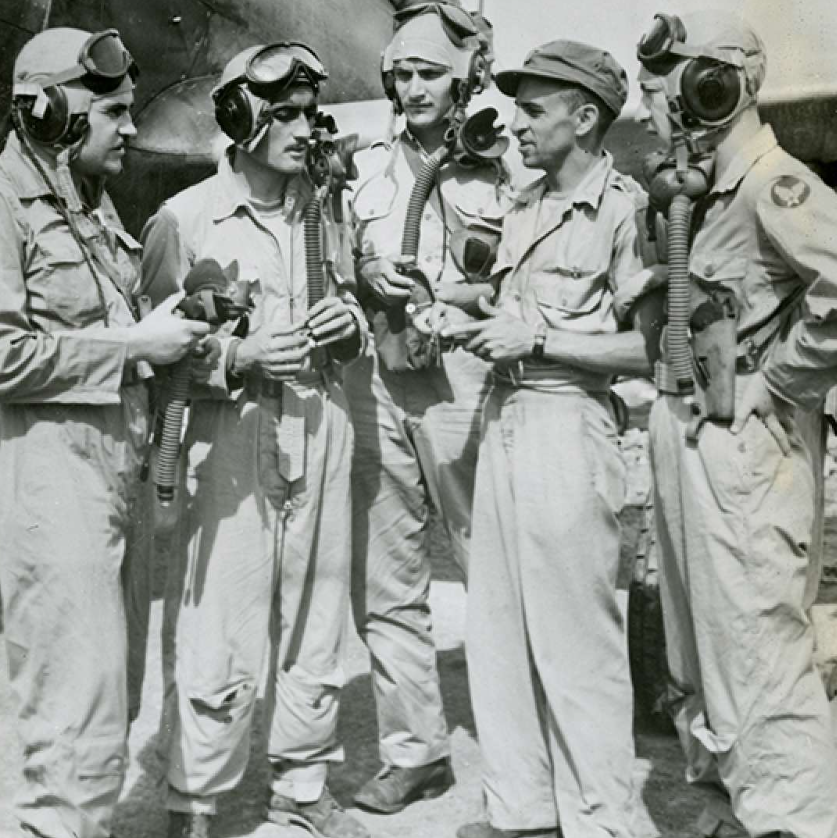
A single squadron of Mexican flyers completed over nearly 800 individual aircraft combat missions in the waning days of World War II. In collections of wartime patches, the winged roundel of the Mexican Air Force stands apart. This extraordinary unit was Escuadrón Aéreo de Pelea 201; the Aztec Eagles. Consisting of 36 volunteer pilots and 264 ground personnel, these men served in the Pacific during the final months of combat with the Japanese.
The beginnings of this unique fighting unit started years before, on the other side of the world. In Germany’s U-boat activity off the US Coast in 1942, two Mexican tanker ships were caught in the crossfire. Though clearly marked so as to not be mistaken for British or American ships, the German subs sent them to the bottom. These aggressions compelled Mexico to declare war on Germany, Japan, and Italy in May of 1942.
What event prompted Mexico to declare war on Germany?
The war opened up many opportunities for the United States and Mexico to solidify their partnership in the face of threats from abroad. The countries shared ports, airfields, and other facilities and the US purchased large amounts of copper and zinc from Mexico for its war production needs.
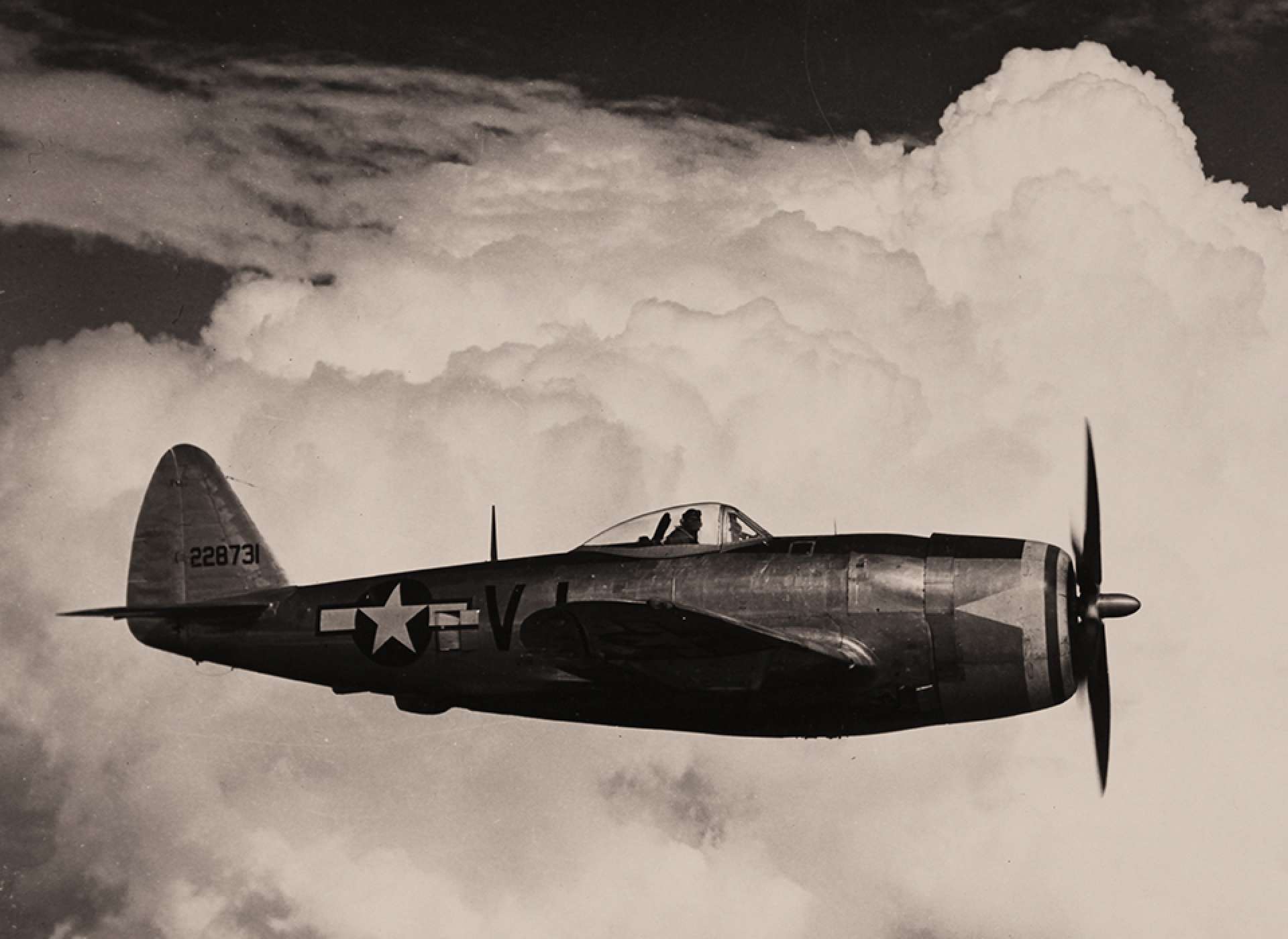
After a long debate, Mexican President Manuel Ávila Camacho decided to accept the US invitation to train Mexican combat flyers and their support teams. The men who comprised the core of this first flying unit moved to Texas in 1944. After months of training in smaller aircraft, the young Mexican pilots finished their instruction in American-built Republic P-47 Thunderbolt fighters. The Mexican aviators fondly referred to their new plane as “El Jarro.”
Name at least two examples of how Mexico and the United States worked together during WWII:
What was the offer from the U.S. that Mexican President Camacho accepted?
Escuadrón 201 landed in the Philippines and were attached to the American 58th Fighter Group—a unit who had been tangling with the Japanese in the South Pacific for more than a year. All aircrafts looked similar, but the Mexican flyers added their own unique flourishes to differentiate their Jarros from the rest. In the place of the red and white stripes on the tails of most 58th aircraft, Escuadrón 201 machines flew with green, white and red rudders—an echo of the three vertical fields seen on Mexico’s flag.
They supported ground combat operations of American and Filipino armies, dropping hundreds of 1,000 and 500-pound bombs and conducting treacherous strafing runs over Japanese positions. Beyond, the flyers participated in several seven hour missions north, lugging loads of bombs to enemy targets on the island of Formosa.
When the war came to an end, the Aztec Eagles returned home. At a parade in Mexico City, the returning heroes handed over their battle flag to President Ávila Camacho. The Aztec Eagles were Mexico’s only military unit to ever engage in combat outside the country’s national borders. In the years after World War II, no less than five of the young pilots who began their flying careers in Escuadrón 201 would reach the rank of general in the Mexican Air Force.
How did the Mexican flyers make their plane look different from other flying units?
Name at least one accomplishment of the Aztec Eagles-either during or after WWII.
Directions: Select one Latinx war hero to learn more about. As you read their story answer the following questions below.
Who did you select?
What was this person's life like prior to serving in the war?
How did they contribute to the war effort? What was one of their accomplishments or achievements?
What was one way they were honored for their service?
Stories like the Latinx heroes from part one, and the Aztec Eagles from part two aren't often well known, but they are important ones to be told! How do these stories highlight how the war was won by the contributions of people from all different backgrounds?