5.11 Classwork/HW: Japanese Internment During WWII

Last updated over 1 year ago
11 questions
Note from the author:
Content Objective: I will be able to understand what Japanese American relocation and internment is.

Standard Objective: I will be able to draw reasonable conclusions from the text.
Content Objective: I will be able to understand what Japanese American relocation and internment is.

Standard Objective: I will be able to draw reasonable conclusions from the text.
1

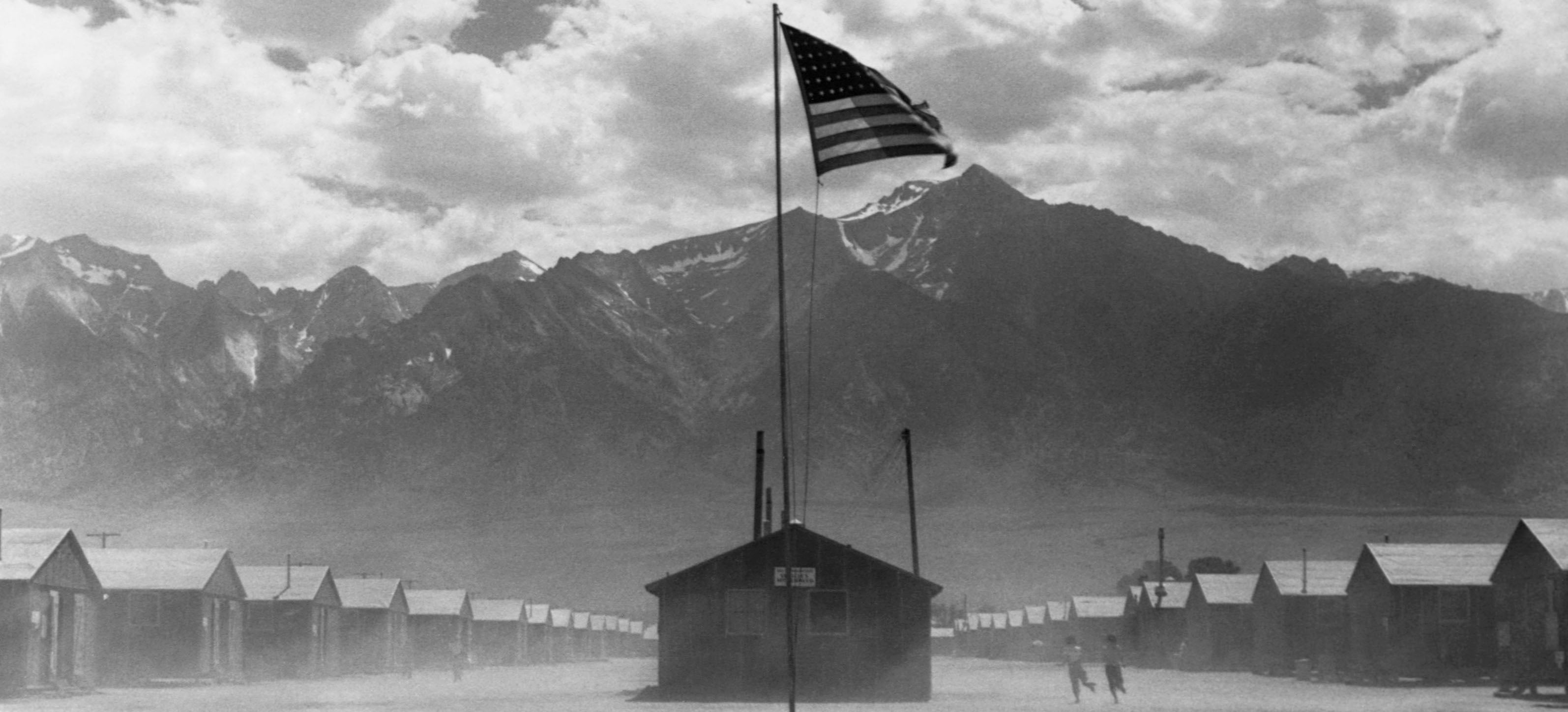
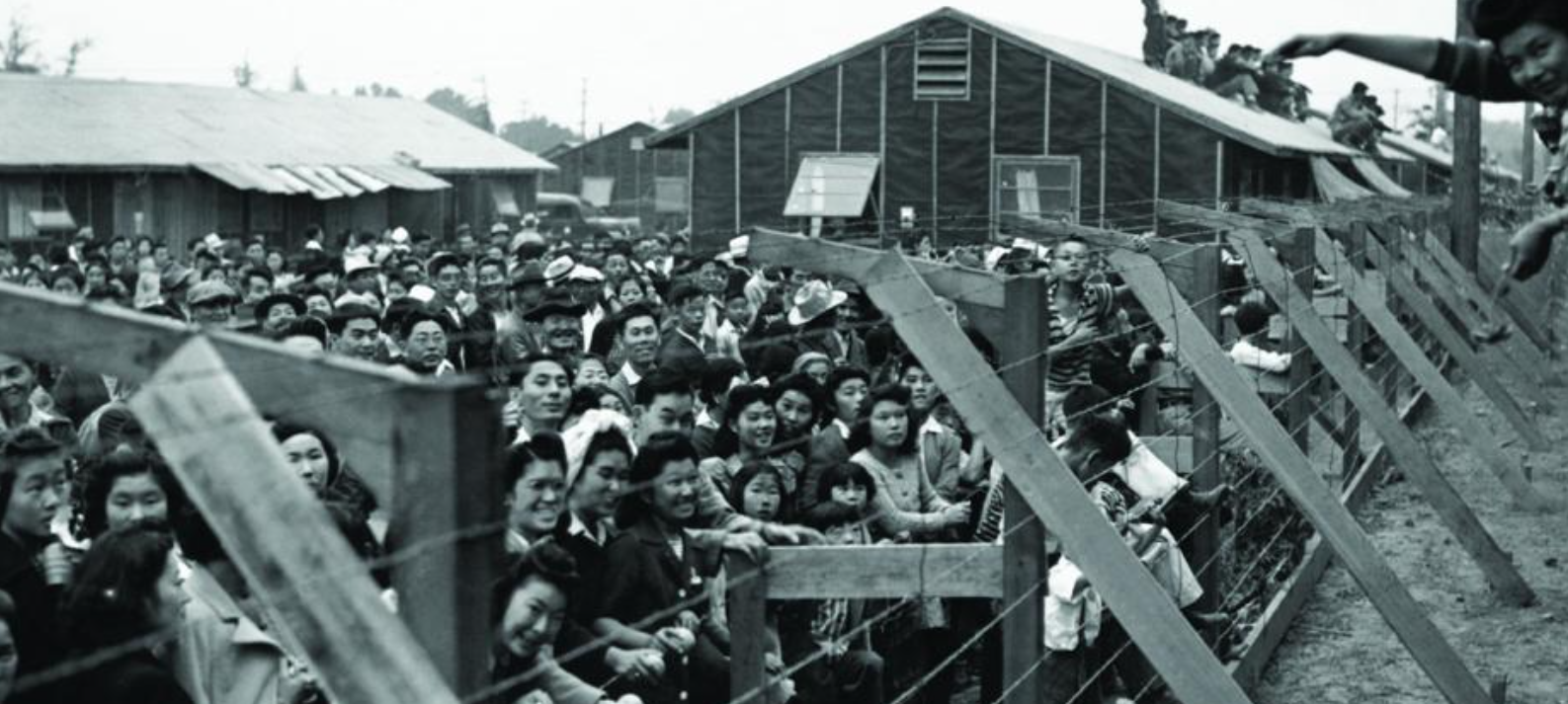
Warm Up: What does this image remind you of? What do you notice about the people in the image?

Using your inference skills and background knowledge from this unit, what country do you think these people are in and what country do you think they are from?
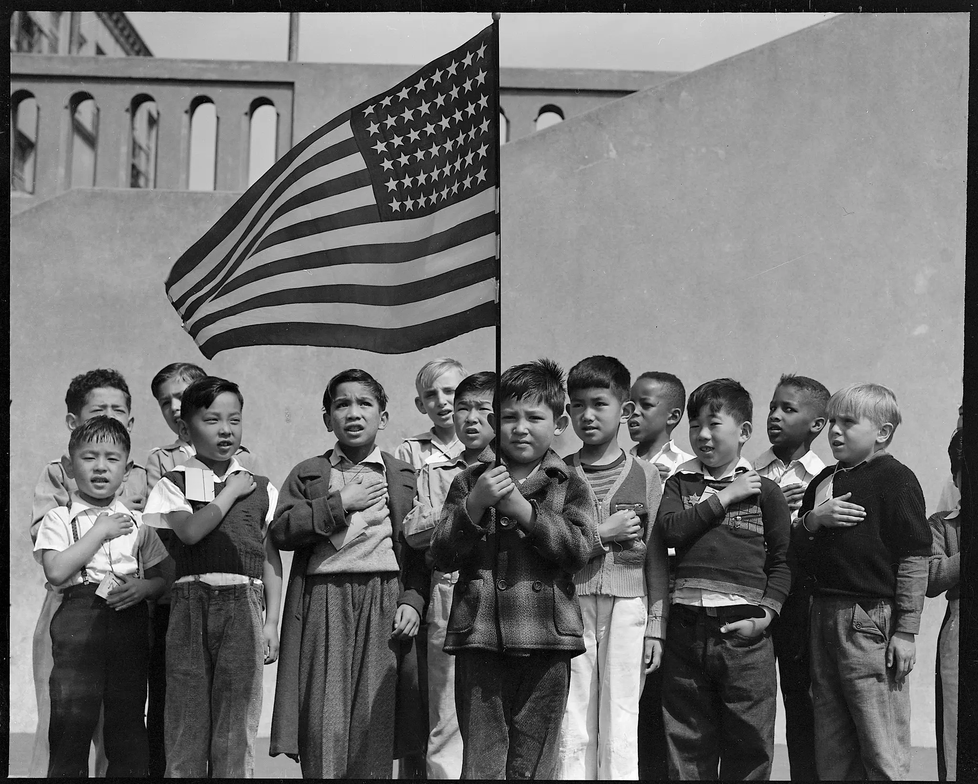
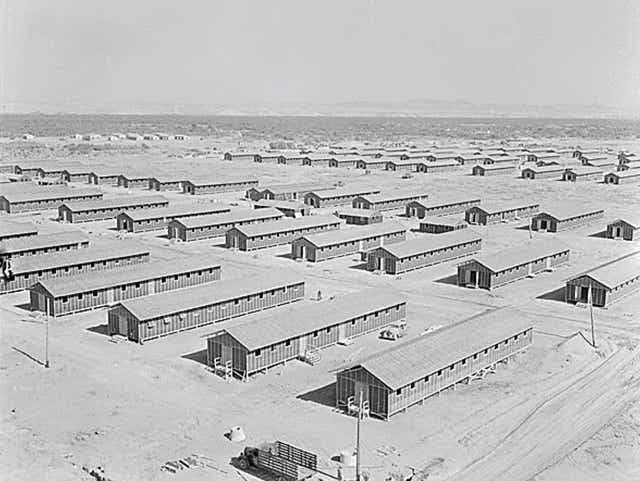
The day after Pearl Harbor, the United States formally declared war on Japan and entered World War II. Over the next few months, almost 120,000 people of Japanese ancestry, over 60 percent of whom were American citizens, were forcefully removed from their homes, businesses, and farms on the West Coast and forced to live in internment camps.

Why? The U.S. government feared that these individuals, simply because of their ethnicity, posed a national security threat.

To be clear, this is a MAJOR violation of our Constitutional rights.
1

How would you summarize the text above into three "college-ready" notes, so that if it were deleted, you would still have the key ideas?

Thousands of Japanese Americans were FORCED to leave their homes and live in INTERNMENT CAMPS.
What is an INTERNMENT CAMP? Internment is the imprisonment of people, without formal charges or an explanation of the crimes they committed. The term is especially used for the confinement "of enemy citizens in wartime or of terrorism suspects," as used on Japanese Americans during World War II.
1

How would you summarize the above text into one college-ready bulletin point?

So, it is clear how the government treated Japanese Americans, but what did regular Americans think about this situation? Let's look at several images to determine how the American public viewed Japanese people during World War Two.

1

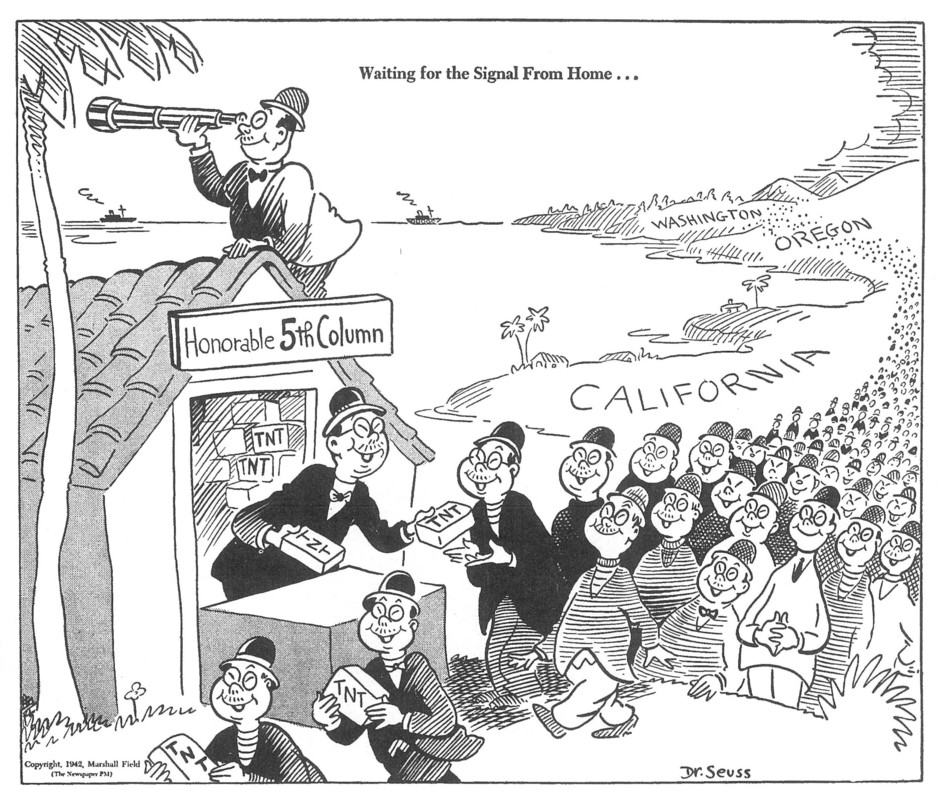
This cartoon was created and widely circulated in 1942 (1942 is right in the middle of World War Two.) Circle any key details you notice in the show your work tab.

1

What do you think this cartoon is trying to say about the people depicted in the cartoon?

0

What do you see in this document? What feelings, questions, or ideas does this document bring up for you? The man who owns the store is a Japanese American citizen.

0

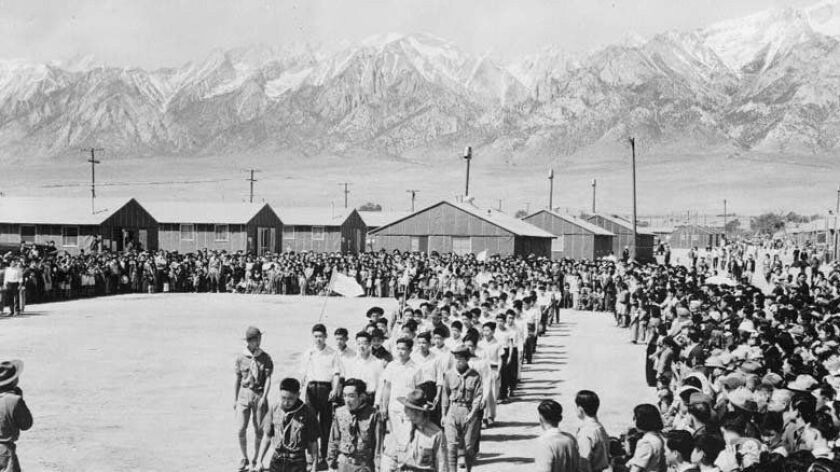
What do you see in this document? How does this show how Japanese Americans supported the United States during World War Two?

0

What do you see in Document H? How does this image show how many Americans treated Japanese Americans during this time period?

0

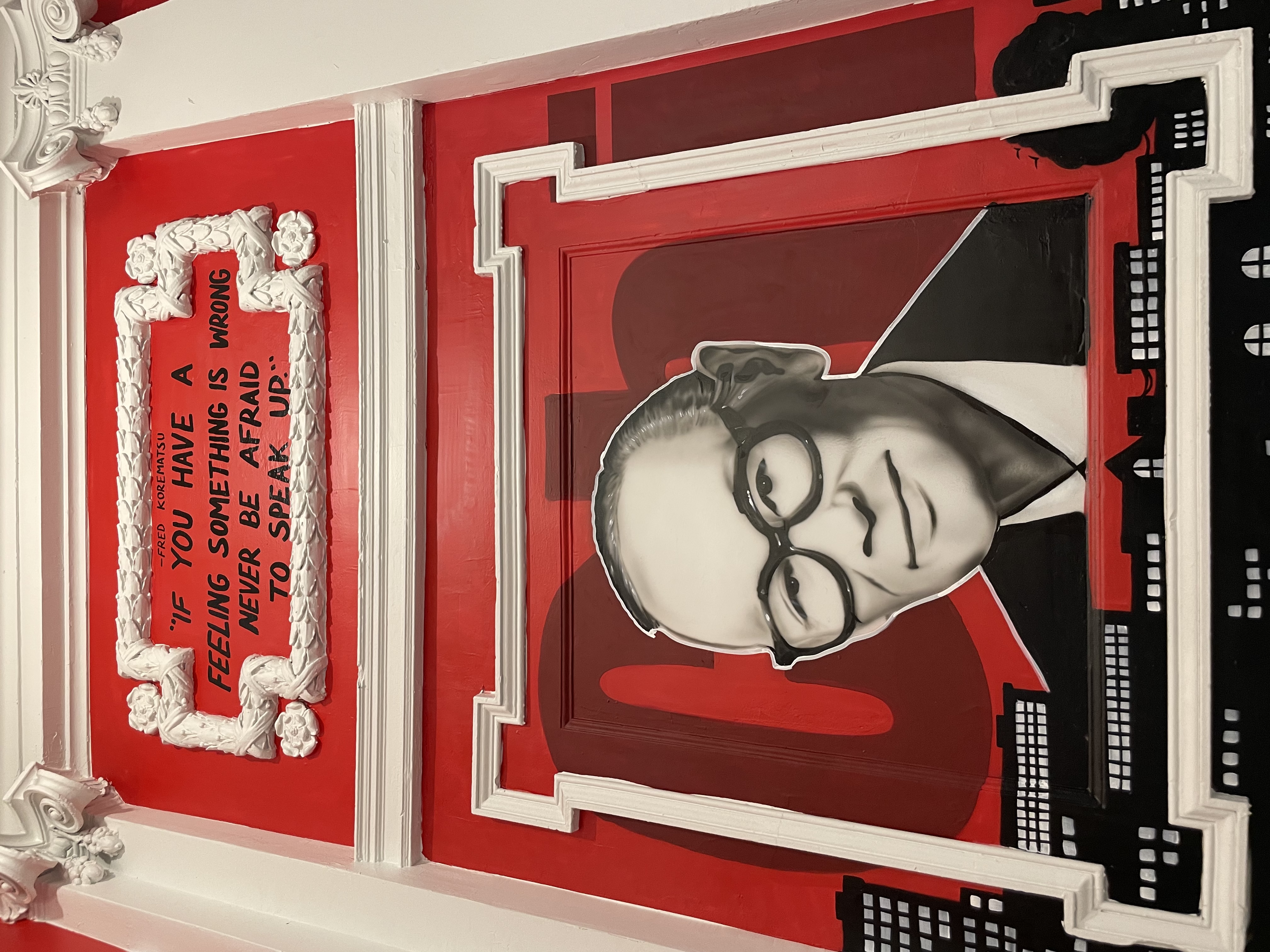
What do you see in Document I? What feelings, questions, or ideas does this document bring up for you?

Fred Korematsu was a national civil rights hero. In 1942, at the age of 23, he refused to go to the government’s internment camps for Japanese Americans, and sued the United States government for a violation of his Constitutional rights.

The Supreme Court case was called Korematsu vs. the United States. Although the court ruled that Japanese interment was justified, Korematsu's case shed light on the injustices done to thousands of Japanese Americans during WWII.

Today, Korematsu's court case is seen as one of the biggest mistakes of the Supreme Court in American history. In 1998, Fred Korematsu was awarded the Presidential Medal of Freedom, the highest civilian honor.
1

How would you summarize this text into three college-ready bullet points?

1

Exit Ticket: What was Japanese internment, why was it enacted, and how did it violate the rights of Japanese Americans?