Log in
Sign up for FREE
arrow_back
Library

Mapping Lab: Oceania & Antarctica

star
star
star
star
star
Last updated about 1 month ago
15 questions
Location
Required
7
Required
6
Intepreting Maps
Required
1
Required
2
Required
1
Required
3
Required
1
Required
1
Required
2
Required
3
Required
2
Required
4
Required
2
Think Like a Geographer
Required
15
Question 1
1.
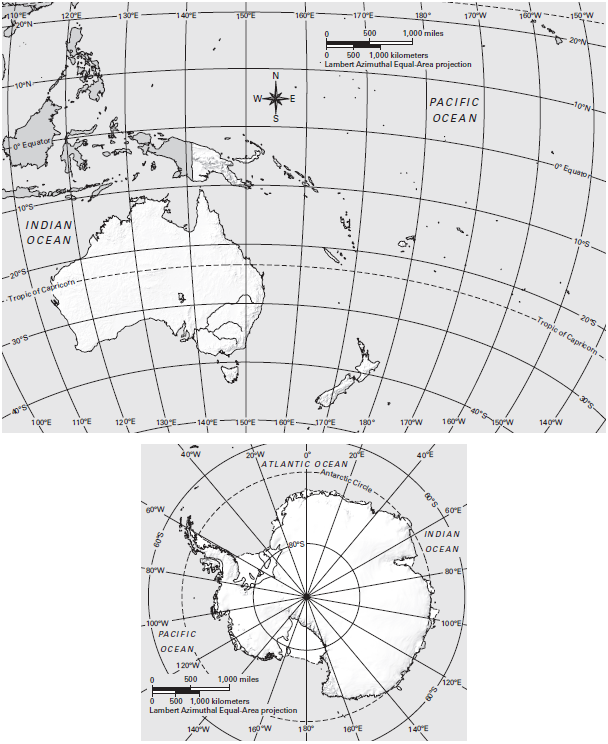
Drag and drop each terrain feature to the correct location using the grid coordinates provided.
Other Answer Choices:
Great Dividing Range (28°S, 150°E)
Vinson Massif (78°S, 85°W)
Weddell Sea (73°S, 40°W)
North Island (38°S, 176°E)
Mt. Wilhelm (6°S, 145°E)
Ross Sea (74°S, 180°)
Great Sandy Desert (19°S, 123°W)
Question 2
2.
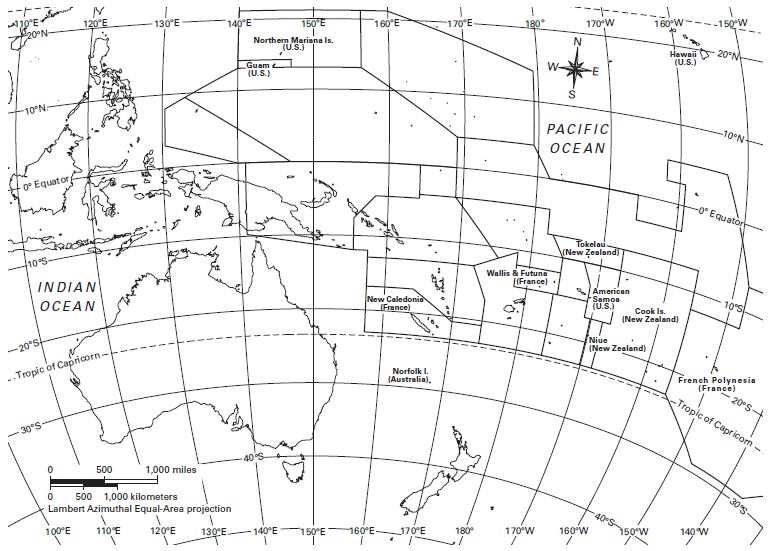
Drag and drop each country to the correct location using the grid coordinates provided.
Other Answer Choices:
Nauru (1°S, 165°E)
Australia (25°S, 120°E)
Papua New Guinea (7°S, 145°E)
Fiji (18°S, 178°E)
Tuvalu (8°S, 178°E)
Kiribati (5°S, 170°W)
New Zealand (45°S, 170°E)
Tonga (20°S, 175°W)
Samoa (13°S, 172°W)
Question 3
3.
_______ is the most populous city in New Zealand. (use correct spelling and capitalization)
Question 4
4.
The elevation of most of western Australia is _______feet because it lies on the _______.
Question 5
5.

What is the only type of vegetation zone found in Antarctica?

Question 6
6.
List three abundant resources found in Australia.
_______
_______
_______
Question 7
7.

Which three countries in this Oceania have areas with a population density of over 25 people per square mile?

Question 8
8.

Which two vegetation zones are most common between the equator and 20° S?

Question 9
9.
Name two countries in Oceania that have both of these vegetation zones. (from #8 use correct capitalization and spelling)
_______
_______
Question 10
10.
__________is the most common climate zone between the equator and 10°S? __________ and __________ have mostly this climate type.
Question 11
11.
The center of Papua New Guinea has a _______ climate. How do the physical features explain why this part of the country has a different climate than the coastal parts do?_______
Question 12
12.
Name three cities in Oceania with populations of 1 million people or more. (use correct spelling and capitalization)
_______
_______
_______
How do climate and physical features help explain why these large cities are located where they are? _______
Question 13
13.
Most of the land in _______ is used for livestock raising. This is because the biggest vegetation zones are desert scrub and _______ which are suitable for grazing livestock.
Question 14
14.

Use the maps to drag each description to the correct location. Each category should have 5 characteristics.

  • Population: 25-125/sq. mile
  • Population: 2-25/ sq. mile
  • Physical: North Island
  • Land Use: Only Commercial Fishing and Subsistence Farming
  • Physical: Solomon Islands Archipelago
  • Population: under 2/sq. mile
  • Vegetation: Broadleaf Evergreen Forest
  • Land Use: Little to none
  • Physical: the Great Victoria Desert
  • Climate: Tropical Wet
  • Land Use: Iron nearby
  • Climate: Marine West Coast
  • Vegetation: Desert Scrub
  • Vegetation: Mixed Forest
  • Climate: Arid
  • (30° S, 130° E)
  • (6° S, 155° E)
  • (37° S, 174° E)
Required
1
Question 15
15.

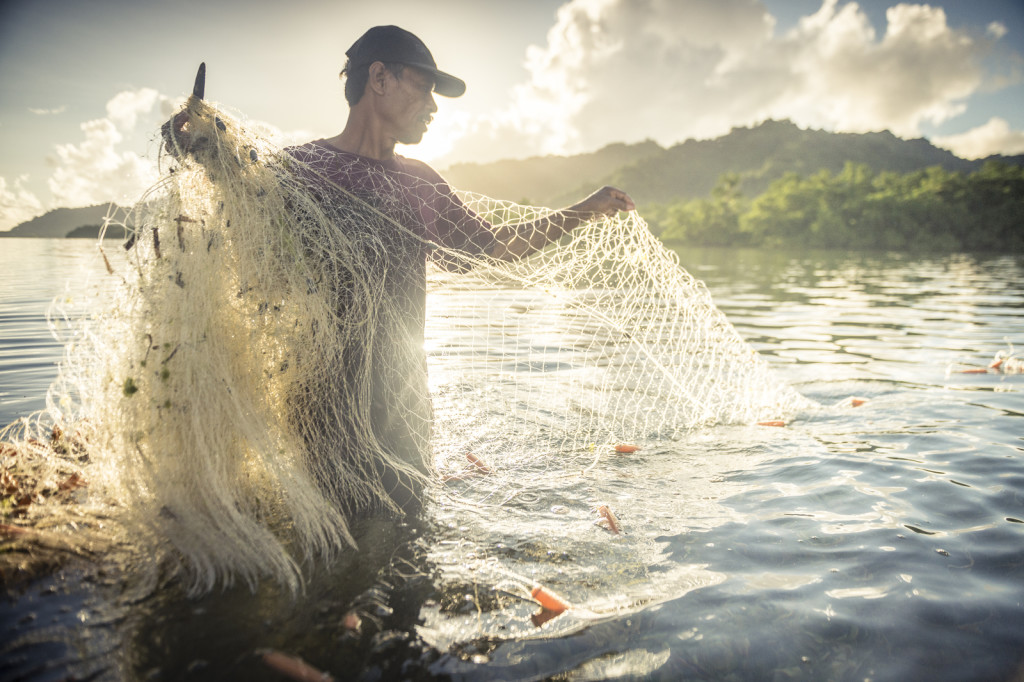
This picture was most likely taken at...