Log in
Sign up for FREE
arrow_back
Library

ISD 7th Grade Science (2024) - Final Exam!

star
star
star
star
star
Last updated 9 months ago
41 questions
Read the questions carefully. Ask for help when you need it. Do your best. And, good luck!
1
1
1
0
1
1
2
1
1
1
1
1
1
1
0
1
1
1
1
1
1
1
1
1
1
1
1
3
1
1
1
1
2
3
3
3
3
Question 1
1.

Which best describes the principle of uniformitarianism?

Question 2
2.

What rock layer are you most likely to find fossils in?

Question 3
3.

Dinosaur tracks would be an example of ______.

Question 4
4.

Index Fossils are used to measure the relative age of rock layers.

Question 5
5.

Which criteria is NOT a common qualifier for something to be an index fossil?

1
Question 6
6.

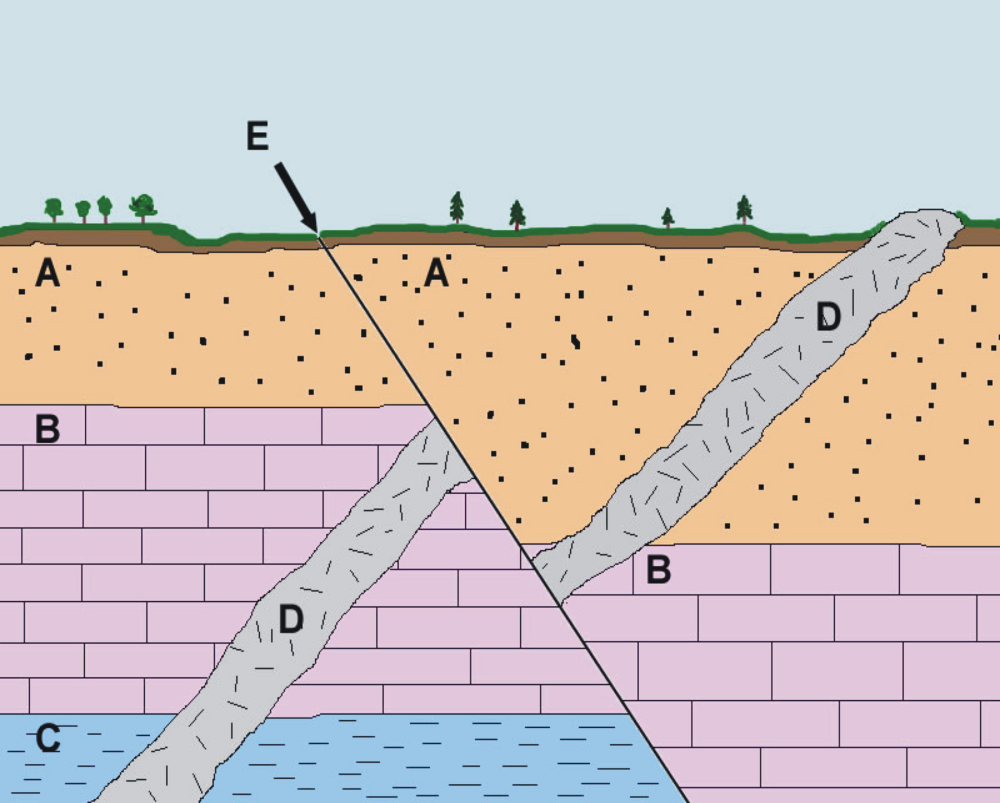
Put the layers in order from the youngest to the oldest (youngest layer should be at the top of the list, oldest is on the bottom of the list):

  1. D
  2. C
  3. B
  4. E
  5. A
Question 7
7.

Which of the following statements best describes the difference between absolute dating and relative dating of rocks?

Question 8
8.

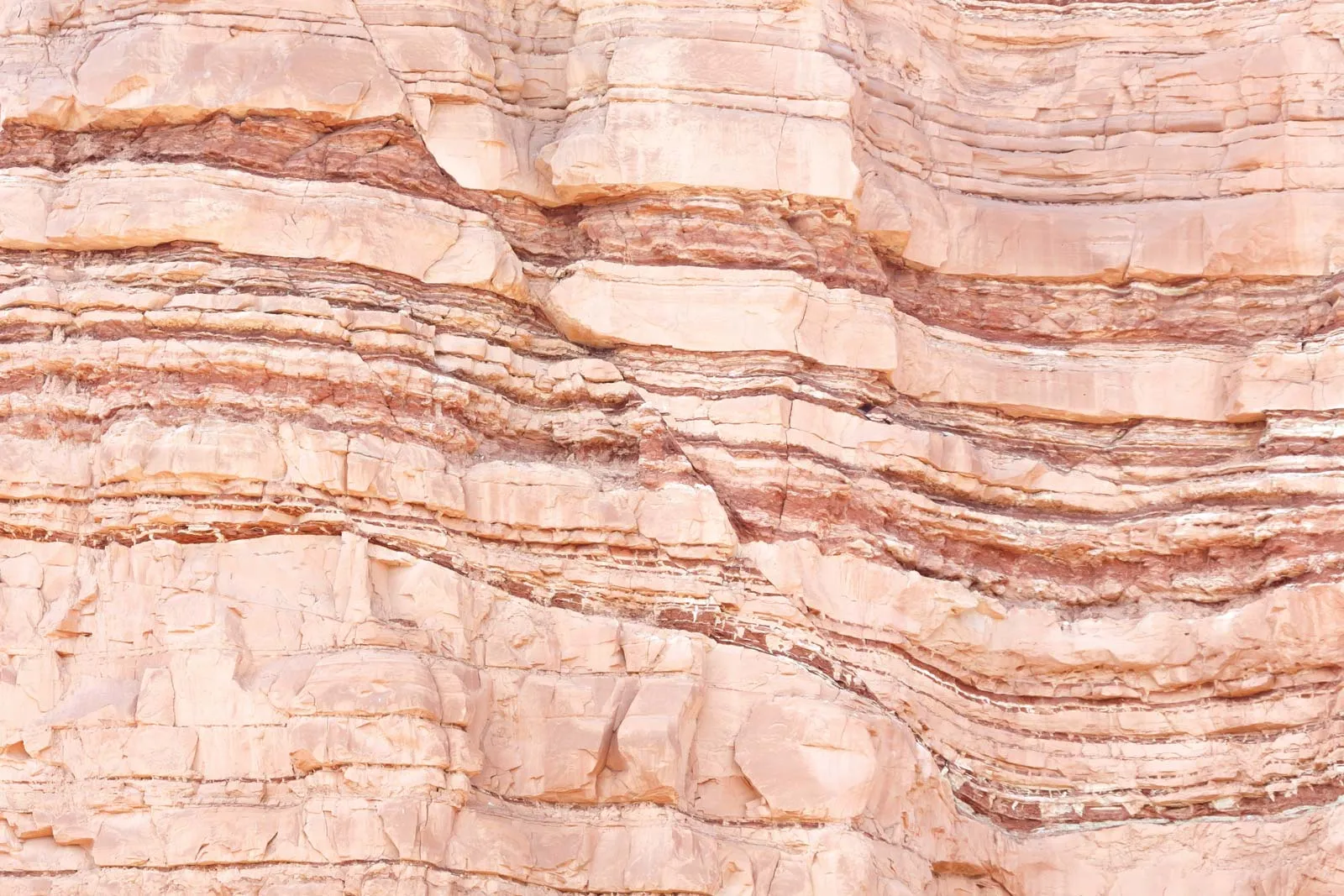
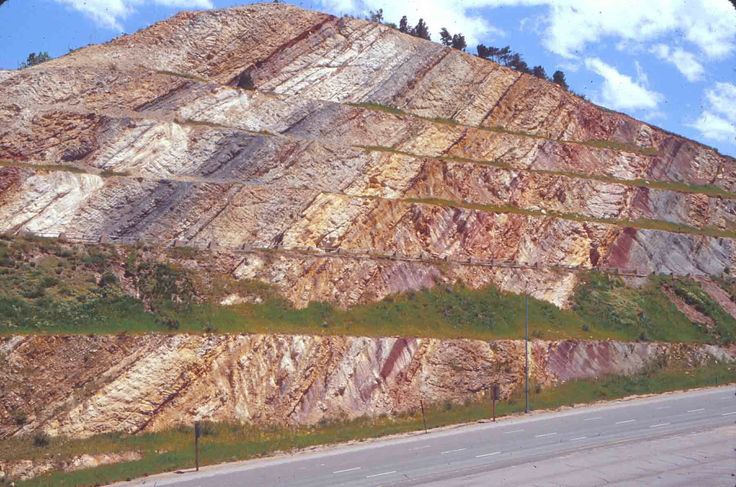
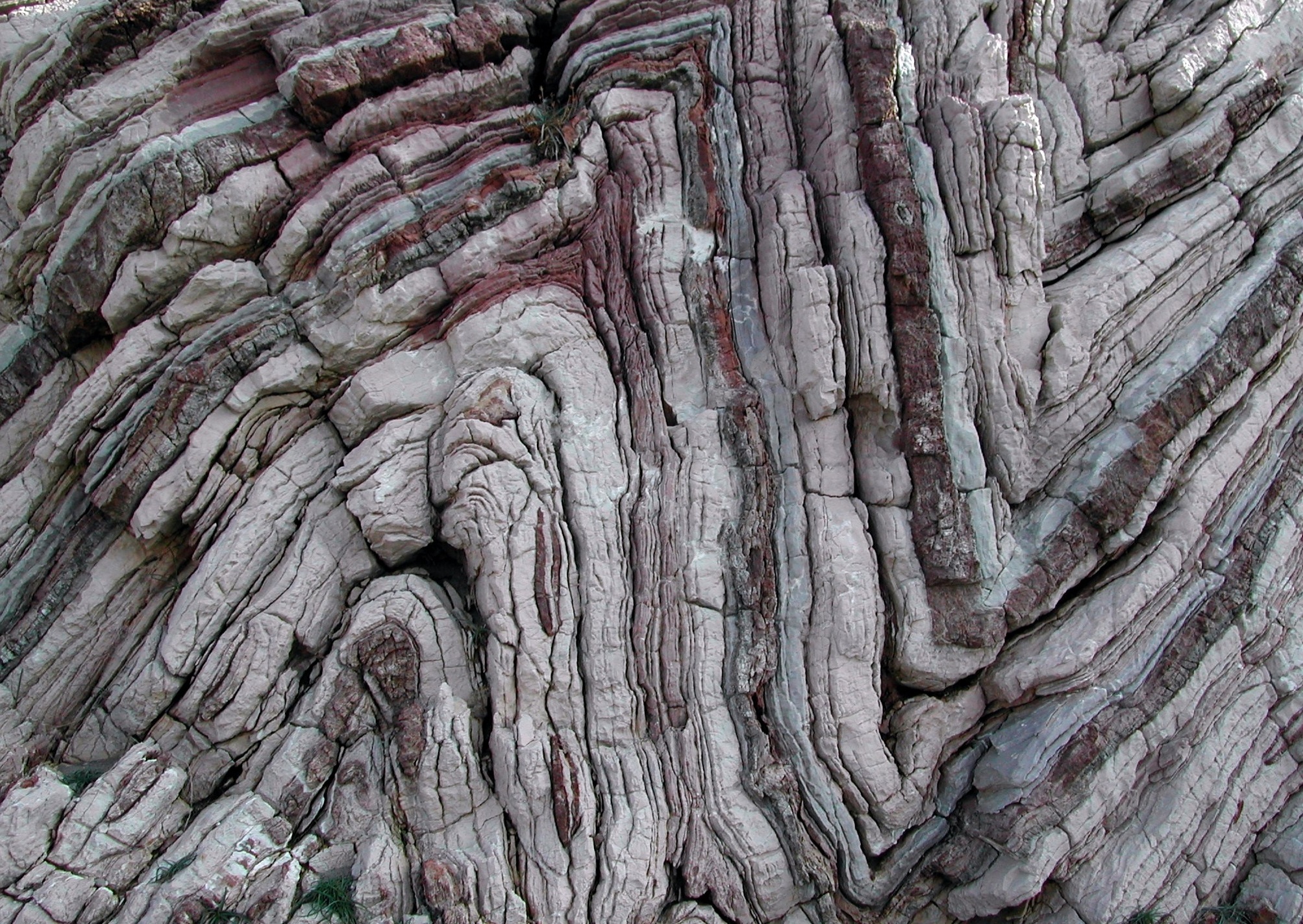
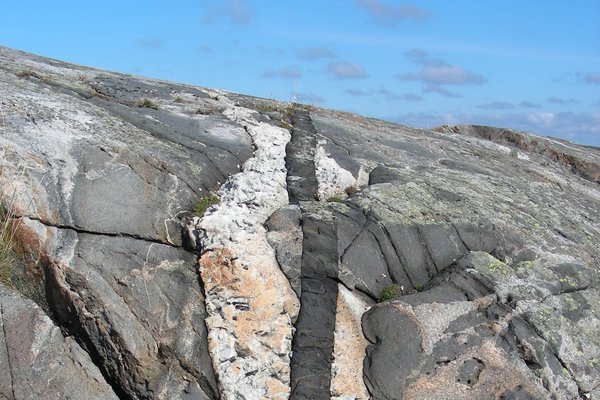
Match the image with the term:

Draggable itemarrow_right_altCorresponding Item
arrow_right_alt
Tilting
arrow_right_alt
Folding
arrow_right_alt
Intrusion
arrow_right_alt
Fault
Question 9
9.

Which answer best describes the terms presented in question #8:

Question 10
10.

What is a radioactive isotope?

Question 11
11.

The half-life of Zinc-71 is 2.5 minutes. If you start with a 100.0 gram sample, how many grams would be left after 7.5 minutes has elapsed?

Question 12
12.

What era are we currently in?

Question 13
13.

Think about the rock cycle. Match the term with the definition:

Draggable itemarrow_right_altCorresponding Item
deposition
arrow_right_alt
the break down of rocks by water, wind, ice, and changes in temperature
weathering
arrow_right_alt
process by which sediment is moved from one place to another
erosion
arrow_right_alt
process by which sediment comes to rest (or is dropped off)
For questions 14-17, fill in the blanks using one of these possible options:
  • sedimentary
  • metamorphic
  • igneous
Question 14
14.
_______ rock forms when high temperature and pressure change the content of the rock (or change the type of rock).
Question 15
15.
_______ rock forms from cooling lava and magma.
Question 16
16.
Intrusive and extrusive are terms that relate to _______ rocks.
Question 17
17.
In _______ rock, you're most likely to see layers of rock.
1
Question 18
18.

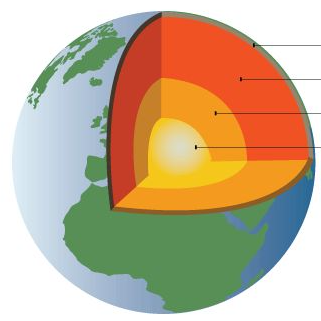
Place Earth's compositional layers in the correct order (from outermost to innermost):

  1. Crust
  2. Mantle
  3. Core
1
Question 20
20.

Which physical layer of Earth is divided into pieces called tectonic plates?

Question 21
21.

What is the theory of plate tectonics?

Question 22
22.

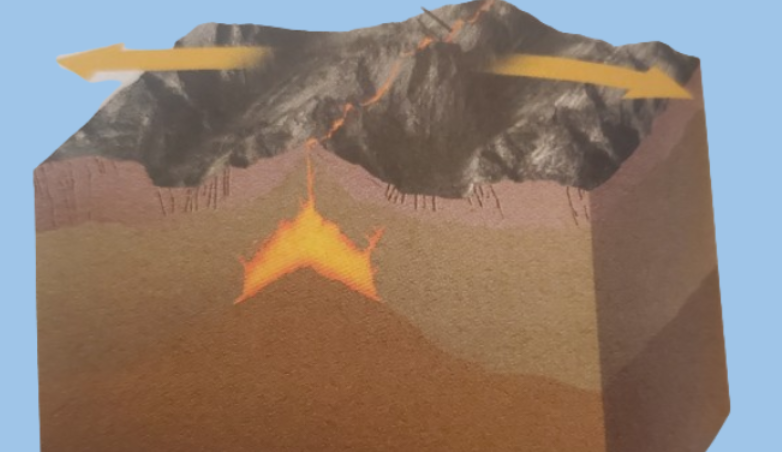
What type of boundary occurs when two tectonic plates move away from each other?

Question 23
23.

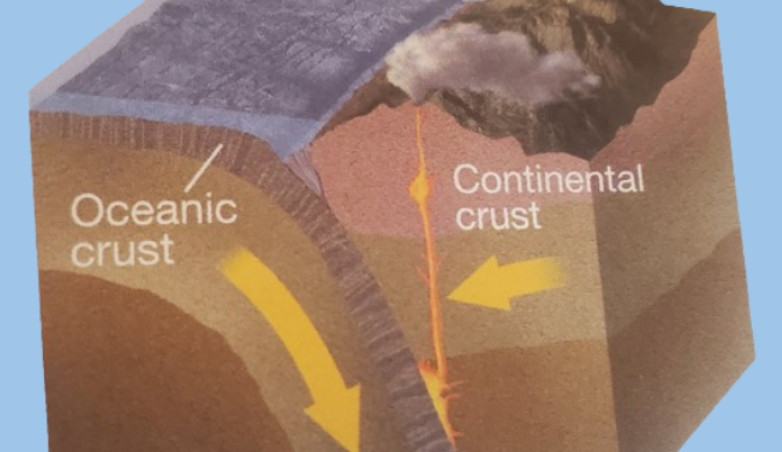
Which of the following occurs at a convergent boundary?

Question 24
24.

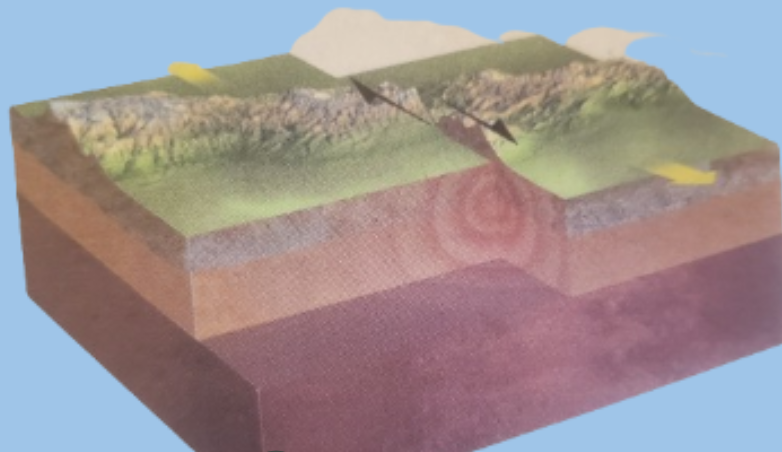
Match the plate boundary with the picture:

Draggable itemarrow_right_altCorresponding Item
Convergent
arrow_right_alt
Divergent
arrow_right_alt
Transform
arrow_right_alt
Question 25
25.

Which of the following is an example of how tectonic plates move based on one tectonic plate sinking below another due to its own weight?

Question 26
26.

The movement of material due to differences in density that are caused by differences in temperature is called _________.

Question 27
27.

Which term describes a location where volcanic features exist over mantle plumes (giant pillars of molten rock) within a tectonic plate, rather than at a plate boundary? Clue: think about Hawaii...

Question 28
28.

Which statement is most accurate about magma and lava?

1
Question 29
29.
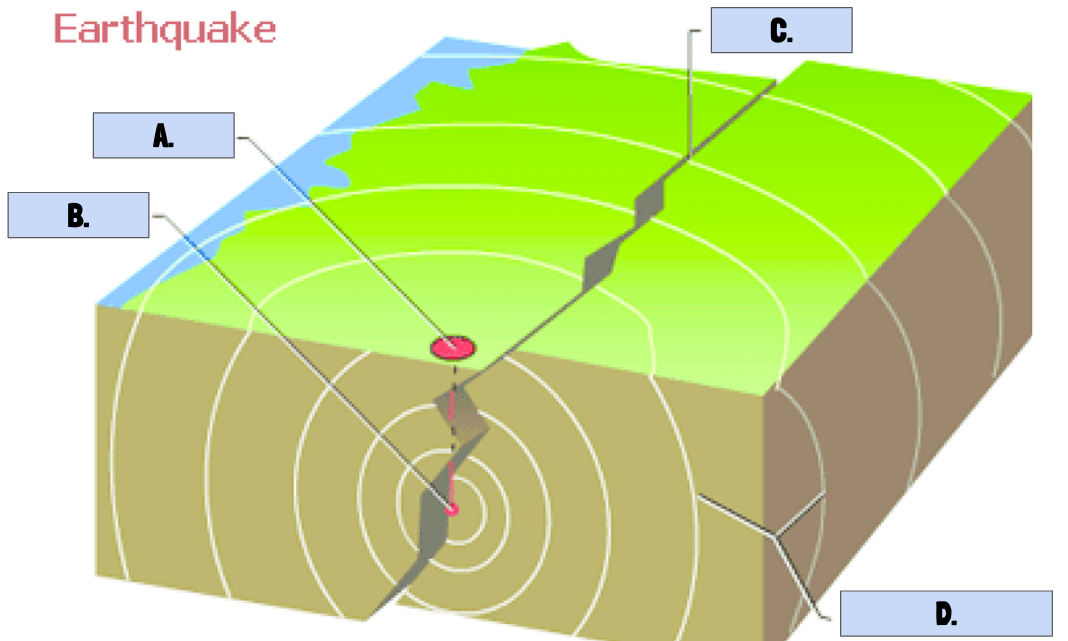
A is called _______ . B is called _______. C is called _______ . And, D is called _______ .
Question 30
30.

Match the type of stress with the boundary (related to earthquakes):

Draggable itemarrow_right_altCorresponding Item
tension
arrow_right_alt
divergent boundaries
compression
arrow_right_alt
convergent boundaries
shear stress
arrow_right_alt
transform boundaries
Question 31
31.

The deflection of moving objects from a straight path due to Earth's rotation is known as the Coriolis Effect.

Question 32
32.
Three three parts/elements that make up the fire triangle are _______ , _______ , and _______ .
Question 33
33.

Positive feedback loops are good for increasing the frequency/intensity of wildfires, but bad for people. Put the steps of this positive feedback loop in the correct order.

  1. Release of more CO2 (Carbon Dioxide)
  2. Warmer Temps
  3. Drier Forests
  4. More Wildfires
  5. Warmer Temps
Question 34
34.

What is the purpose of prescribed burning?

Question 35
35.

Which graphs best shows an increase in the amount of land burned by fires over the last few decades?

Question 36
36.

The river source usually has a flatter or lower gradient, while the river's mouth usually has a steeper or higher gradient.

Question 37
37.

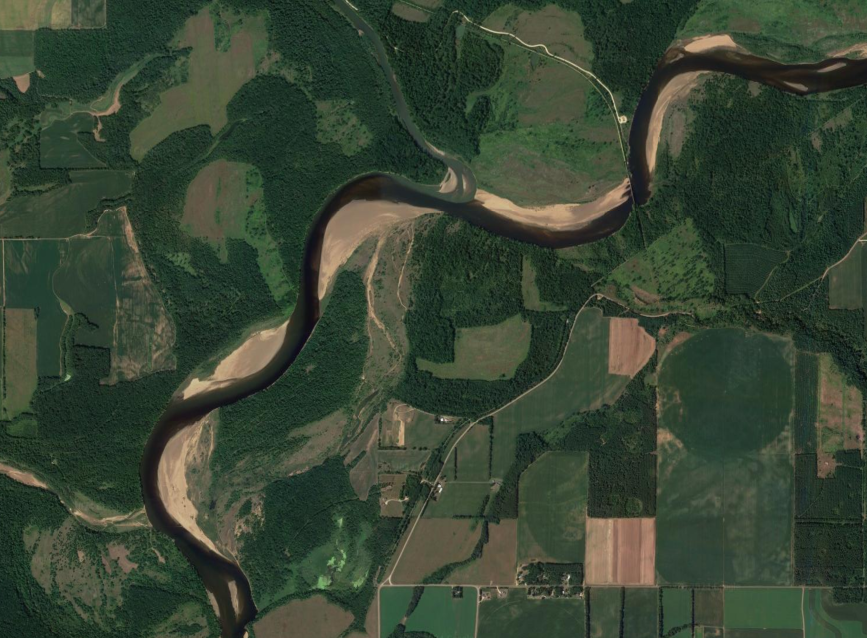
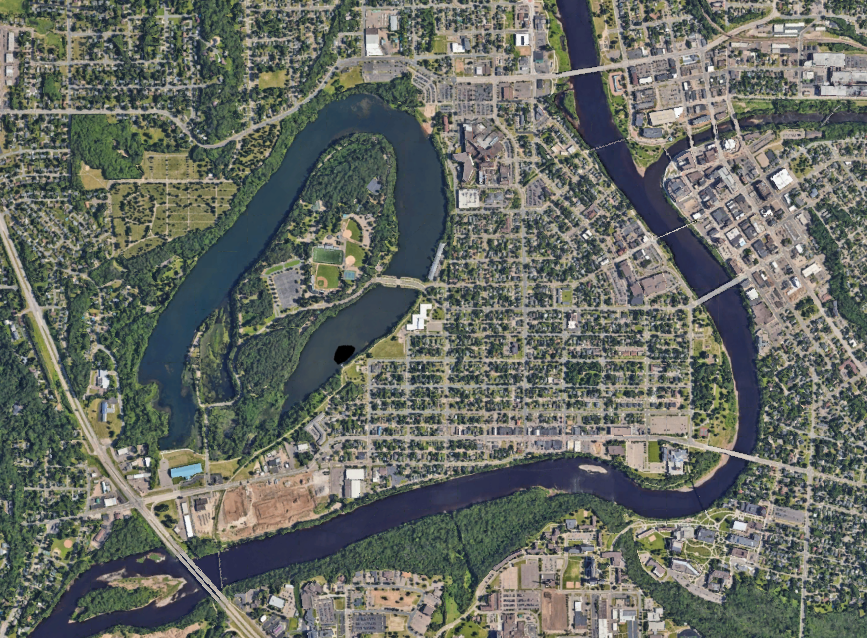
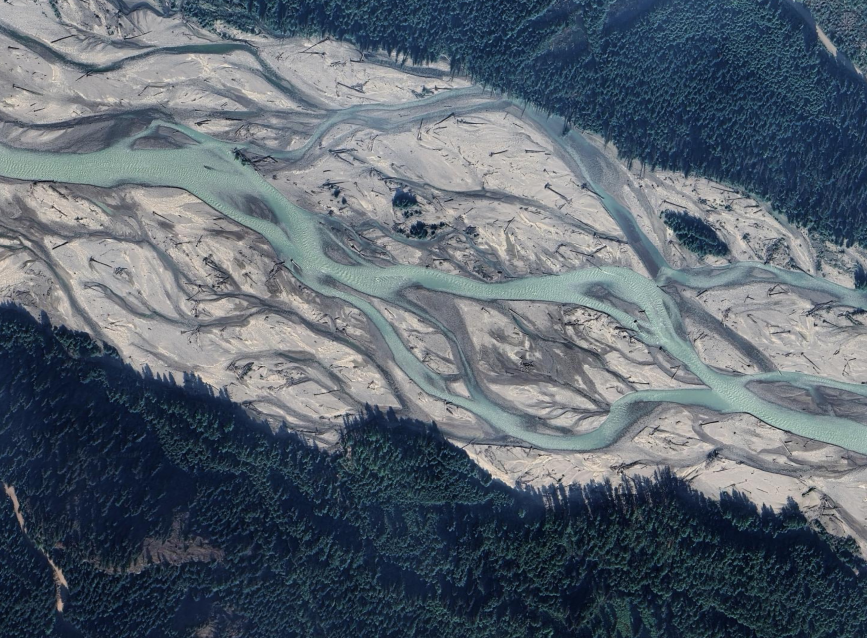
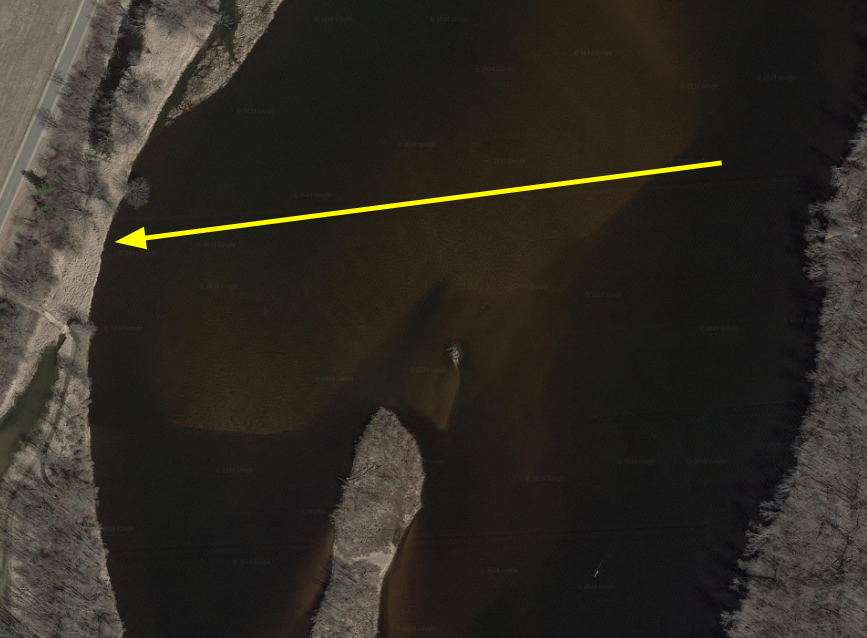
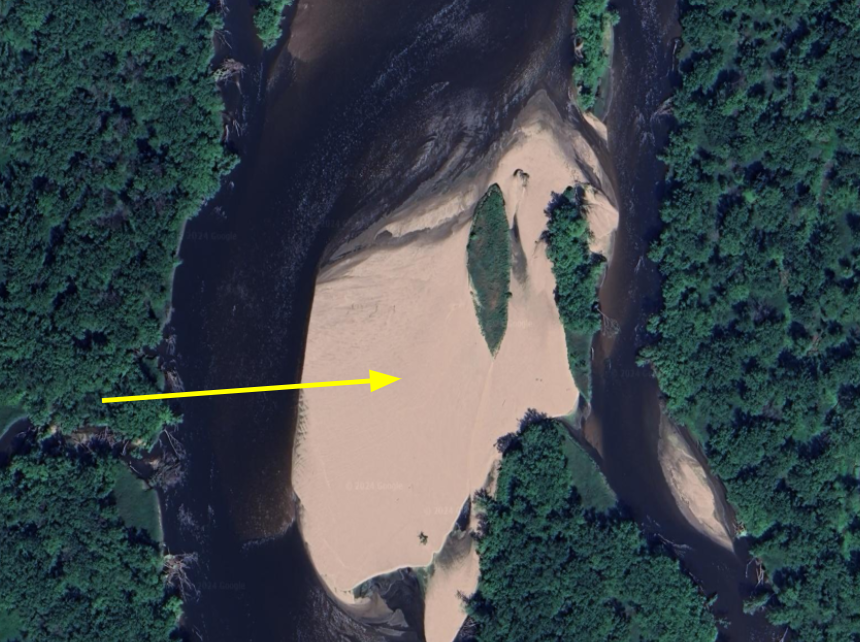
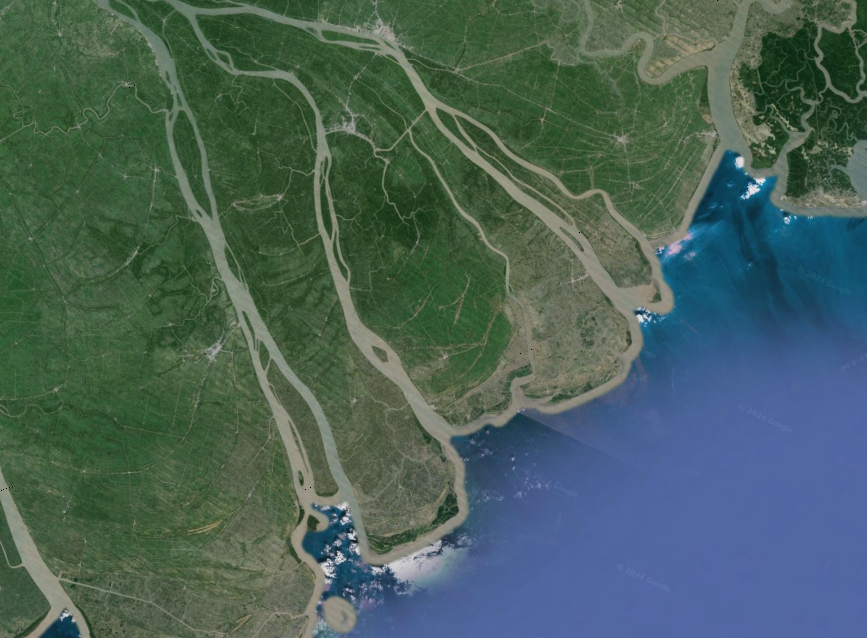
Match the term with the image:

Draggable itemarrow_right_altCorresponding Item
meander
arrow_right_alt
oxbow
arrow_right_alt
braided stream
arrow_right_alt
cut bank
arrow_right_alt
deposition bar or point bar
arrow_right_alt
delta
arrow_right_alt
Question 38
38.

Think back to your role (or technically, any role) from our Wildfires Town Hall.
a) What was your role's view on prescribed burns, and why?
b) What is another role that may strongly disagree or strongly agree with you, and why?
For full credit, your answer should exemplify a thorough understanding of prescribed burns as well as knowledge of how community members could potentially address wildfires.

Question 39
39.

What is the connection between wildfires and climate change? Describe at least THREE major ways one affects or impacts the other. Be thoughtful and thorough in your response for full credit.

Question 40
40.

Rivers are dynamic and change over time. Describe how EACH of the following affects rivers and their shape. Incorporate specific vocabulary terms and concepts from the stream table or river vocabulary posters for full credit.
- erosion
- transportation
- deposition

Question 41
41.

Choose any natural disaster we discussed in class. Describe the role climate change OR plate tectonics plays when it comes to this specific natural disaster. Be thoughtful and thorough in your response for full credit.

Question 19
19.

In which layer does convection happen?