Parts of a Wave
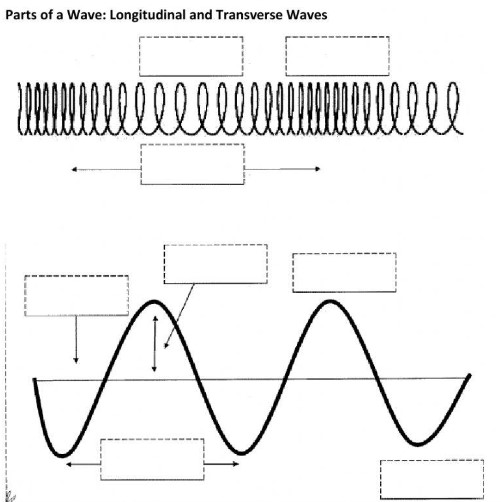
Mmuae Afoforo a Wobɛpaw:
amplitude
rest position
Wavelength (longitudinal)
compression
trough
rarefaction
Wavelength (transverse)
crest
Definitions
| Draggable item | arrow_right_alt | Corresponding Item |
|---|---|---|
Refers to a repeated motion | arrow_right_alt | Period |
Refers to the amount of time between occurrences in a repeating motion. | arrow_right_alt | frequency |
Refers to the number of occurrences in a certain amount of time of a repeating motion. | arrow_right_alt | Oscillation |
Definitions
| Draggable item | arrow_right_alt | Corresponding Item |
|---|---|---|
When a sound seems higher or lower to the observer due to the source being in motion | arrow_right_alt | Resonance |
Can be observed in the pendulum of a grandfather clock | arrow_right_alt | Doppler Effect |
When the sound produced by an instrument seems ‘louder’ because it is close to the natural frequency of the material | arrow_right_alt | Harmonic Motion |
Parts of a Wave
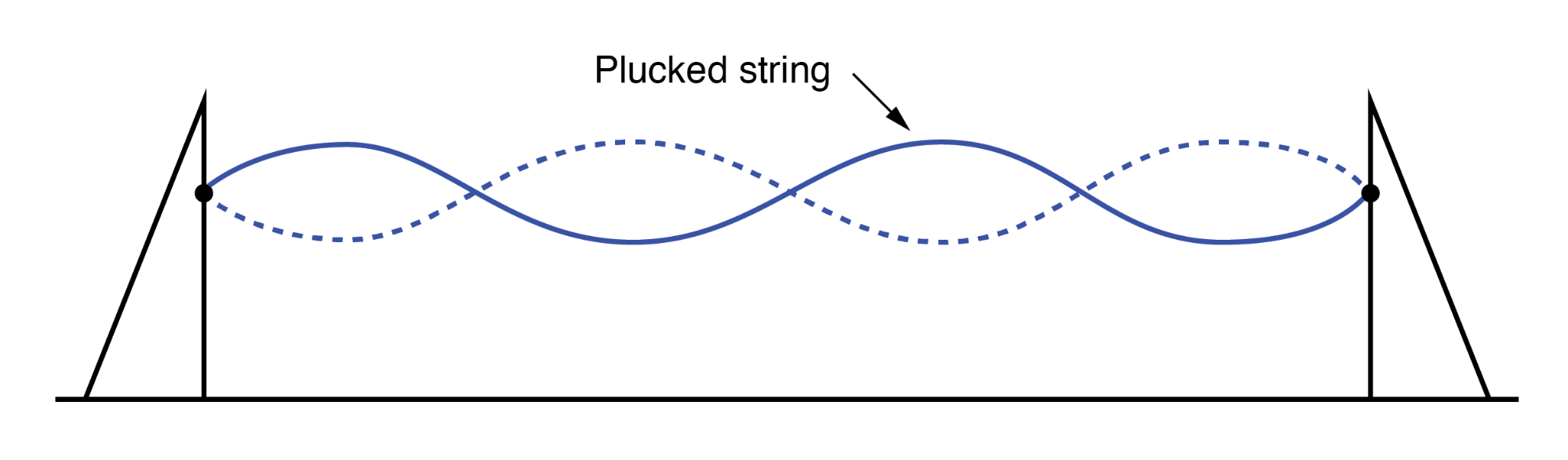
Parts of a standing wave: 1-2 Match the terms to the correct location; 3 which harmonic is this wave?
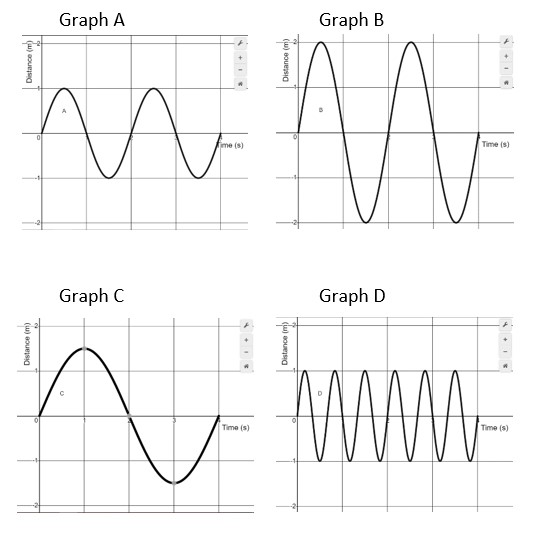
The student plays the right note (Illustrated by graph A) but the director asks them to play louder. Which graph represents the same note at a louder volume?
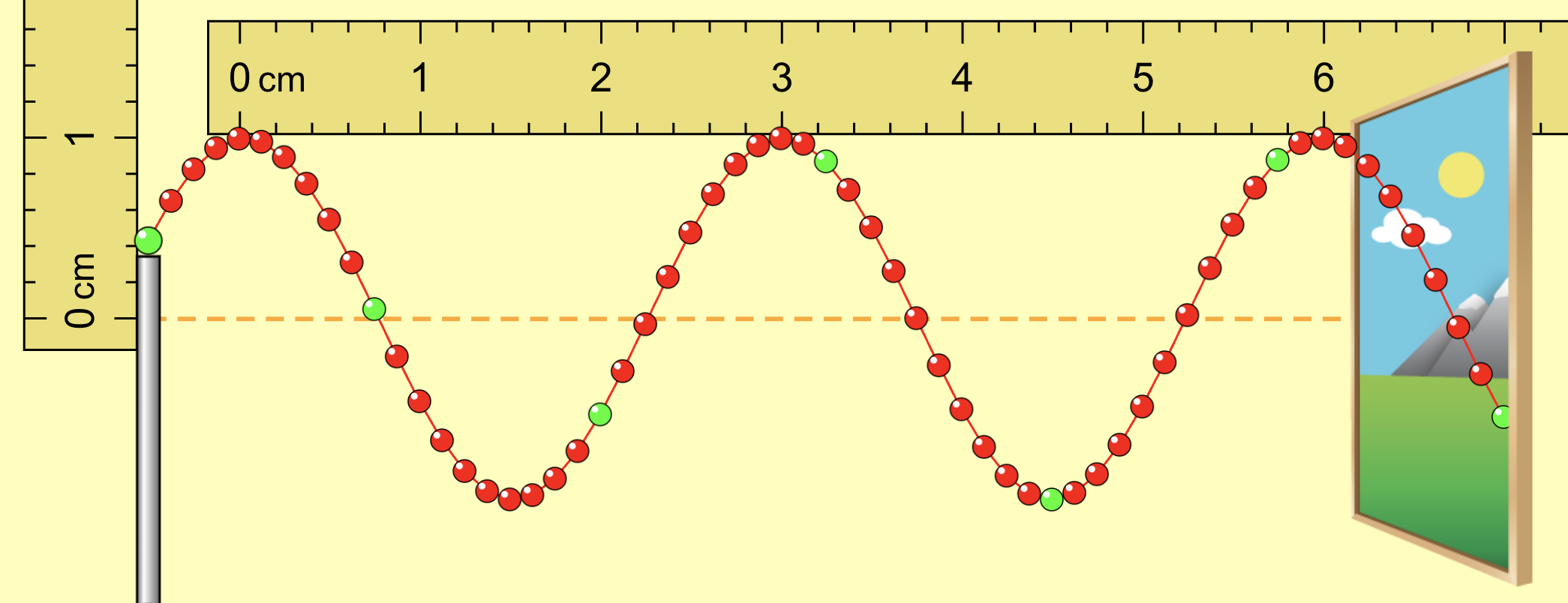
Measure and record the wavelength of the wave shown below. The rulers are already set up for you.
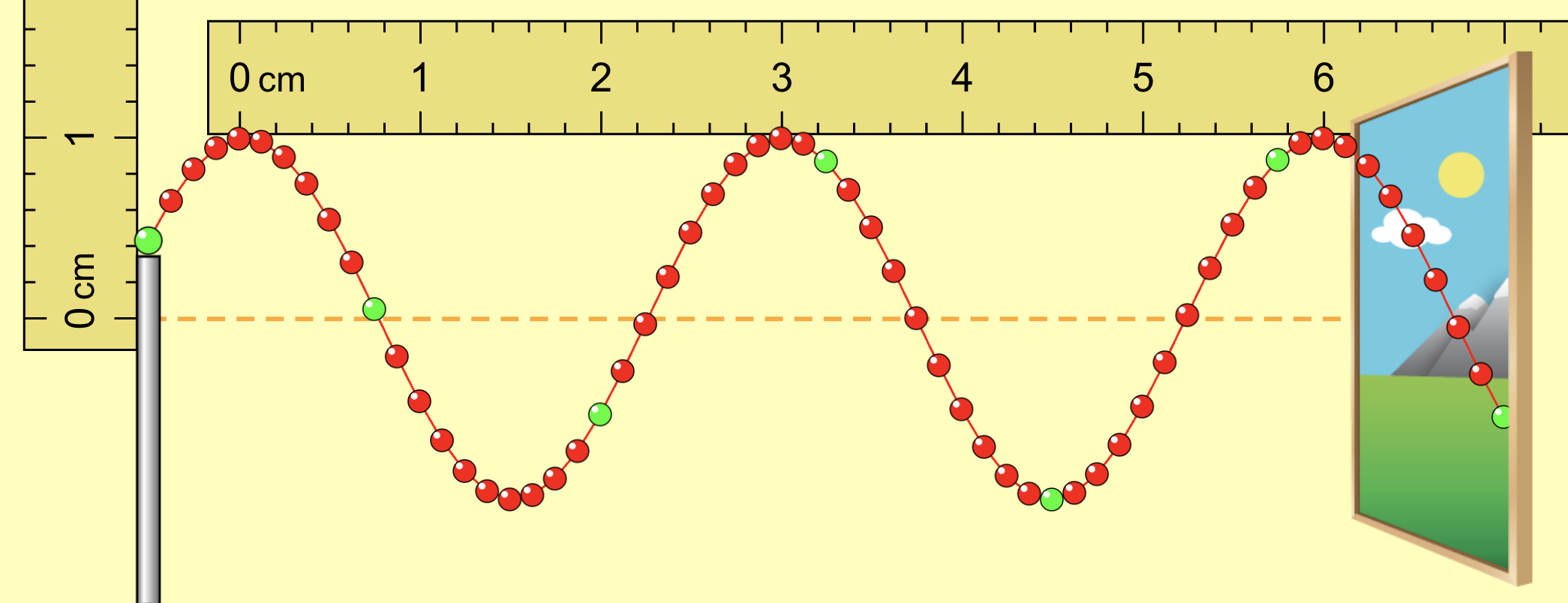
Measure and record the amplitude of the wave shown below. The rulers are already set up for you.
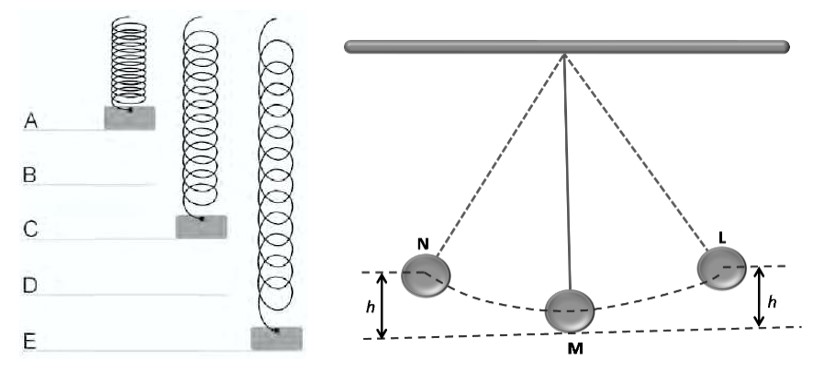
If the mass in the spring system were doubled the spring would oscillate and have displacement.
The phenomenon of beats results from sound.
Tarzan swings back and forth on a long vine. His friend Jane notices in amazement that he makes 30 complete swings in 144 seconds
Identify the data:
... 30 complete swings...
... 2.4 minutes
Calculate the Period of the motion.
Calculate the frequency of the motion.
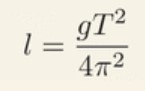
Calculate the Length of the vine
The next note is higher than graph A … which graph would represent a higher pitch?
Which graph represents the lowest pitch?
The point(s) when the system(s) are at equilibrium
The point(s) where Gravitational Potential Energy (GPE) is at a maximum
The point(s) where Elastic Potential Energy (EPE) is at a maximum
The point(s) where Kinetic Energy (KE) is at a maximum