Check Your Knowledge!
Complete the quiz questions below using your chapter 6 notes.
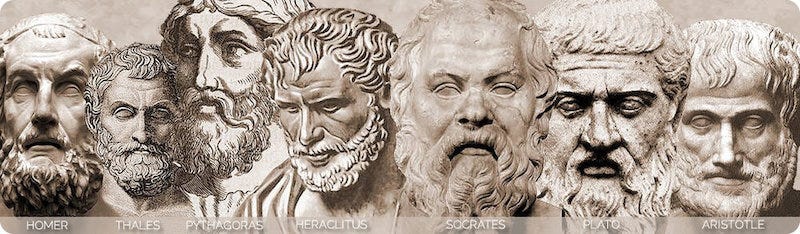
Let now the great Greek philosophers of old guide your thought!
Check Your Knowledge!
Complete the quiz questions below using your chapter 6 notes.
Let now the great Greek philosophers of old guide your thought!
Geographically, what is Greece like?
What is a "citizen"?
Select below responsibilities of a citizen.
What is Direct Democracy?
Select below examples of Direct Democracy.
What happened during the Dark Ages of Greece?
Who was the "king" of the Greek gods?
Who was the "queen" of the Greek gods?
What did the Greeks call their family of gods?
What is philosophy?
What happened during the Golden Age of Greece?
What is a polis?
Select the three major playwrights of Ancient Greece whose stories still effect us today.
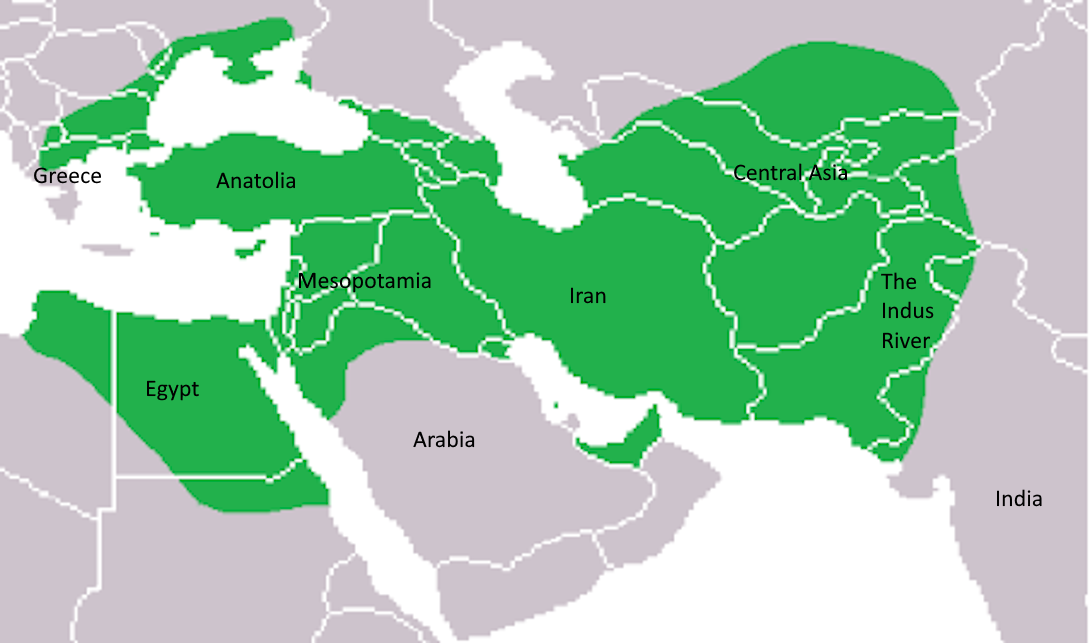
Select below locations the ancient Persian Empire had conquered.
What was the result of the Greco-Persian Wars?
What was the result of the Peloponnesian Wars?
How did Alexander "the Great" earn his name?
Match the famous Greek philosopher to what they are known for.
| Draggable item | arrow_right_alt | Corresponding Item |
|---|---|---|
Aristotle | arrow_right_alt | Inventing the Socratic Method, a way of thinking by asking questions instead of just accepting what you know to be true. |
Socrates | arrow_right_alt | Wrote a book called the Republic. Believed society should be divided into workers, soldiers, and educated rulers. |
Plato | arrow_right_alt | Founded the school, the Lyceum. He helped to define categories of logic, such as biology and physics. He invented the basis for studying plants and animals we still use today. |
Drag and drop the attributes of the Greek city-states of Athens and Sparta to the society the belong to.
Had a warrior culture where only the strongest survived, and the weak were made into slave labor.
Government was ruled by voting citizens in a Direct Democracy.
Promoted the arts, philosophy, and culture.
Was incredibly wealthy thanks to trade throughout the Mediterranean Sea.
Promoted the physical sports especially those relating to combat.
Government was ruled by a Monarchy.
Athenian
Spartan
Separate the major achievements of ancient Greek civilization into different categories.
Invented concept of citizenship.
Invented concept of Direct Democracy.
Greek philosophy serves as the basis for modern western philosophy.
Greek playwrights created tragedies and comedies that are still performed.
Homer’s epic poems, the Iliad and the Odyssey still influence story writing today.
Greek culture invented the Olympic Games, a tournament of skill now participated in by nations across the world today.
Alexander the Great’s conquests spread Greek culture, language, and ideas across the Western World.
Greek architecture and art heavily influence western styles.
Government and Civics
Literature and Stories
Philosophy and Ideas
Arts and Sports