Log in
Sign up for FREE
arrow_back
Library

Biomolecules Part 1 Practice

star
star
star
star
star
Last updated over 1 year ago
23 questions
1
1
1
1
1
1
1
1
1
1
1
1
1
1
1
1
1
1
1
1
1
1
1
Question 1
1.

Resequence the following from smallest to largest level of organization

  1. Organs
  2. Landscape/biome
  3. Organism
  4. Tissues
  5. Biosphere/Earth
  6. Molecules
  7. Cells
  8. Body systems
  9. Atoms
  10. Community/Ecosystem
  11. Population
Question 2
2.

Select which of the following are biomolecule categories:

Question 3
3.

What is the name of a small molecule that can be combined together to make a larger molecule?

Question 4
4.

What is the name of the larger molecule that is formed when the smaller molecules from the previous question are bound together in a chain?

Question 5
5.

What is the name of the reaction that combines two monomers together?

Question 6
6.

What is released when a bond is formed between two monomers?

Question 7
7.

What is the name of the reaction that separates two monomers/breaks down a polymer?

Question 8
8.

Which of the following is a primary function of carbohydrates in the body?

Question 9
9.

What is the name of the monomer of a carbohydrate (not an example but the name of the type of molecule)?

Question 10
10.

What is the name of the reaction that binds monosaccharides together?

Question 11
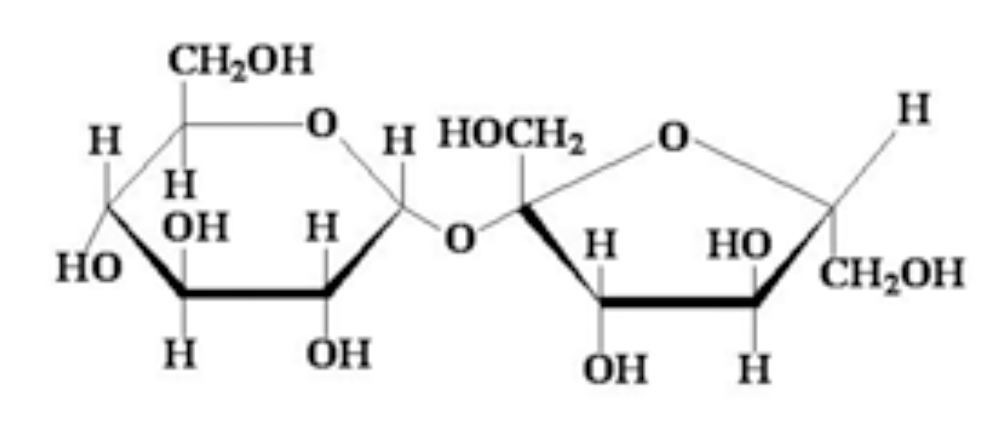
11.

What is sucrose, a disaccharide, made up of?

Question 12
12.

What is the name of a carbohydrate polymer (not an example but the name of the type of molecule)?

Question 13
13.

What monomer are starch, cellulose, and glycogen made up of?

Question 14
14.

What is the name of the reaction that breaks down polysaccharides into monosaccharides?

Question 15
15.

Sort the following:

  • Fiber/cellulose
  • Starch
  • Glucose
  • Sucrose
  • Glycogen
  • Fructose
  • Monosaccharide
  • Disaccharide
  • Polysaccharide
Question 16
16.

Which of the following are easier to break down and provide more short term energy?

Question 17
17.

Which of the following take longer to break down and provide longer term energy?

Question 18
18.

Which of the following are major functions of lipids?

Question 19
19.

Which of the following are characteristics of most lipids?

Question 20
20.

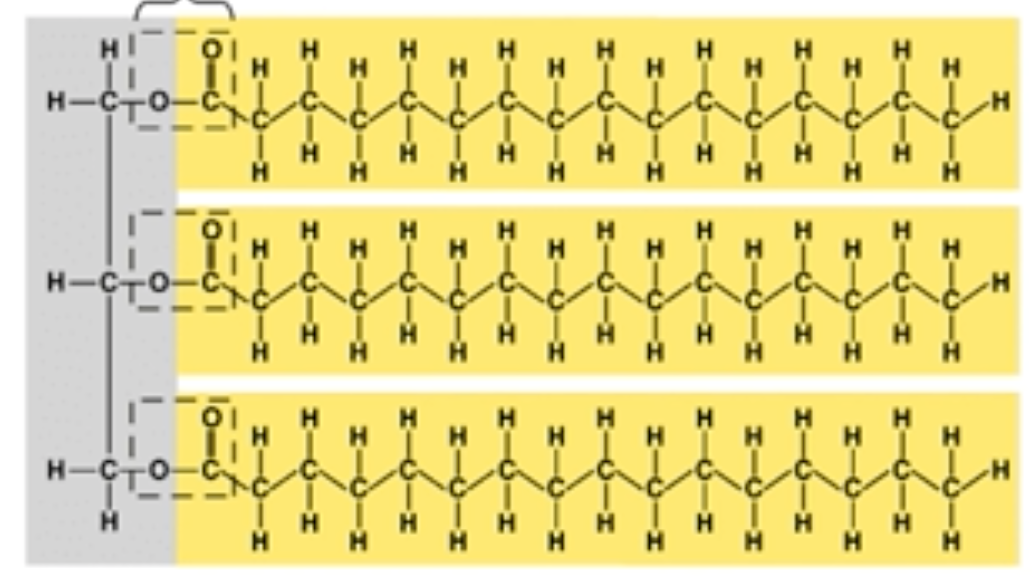
Which of the following makes up a glyceride?

Question 21
21.

Which of the following are true about phospholipids?

Question 22
22.

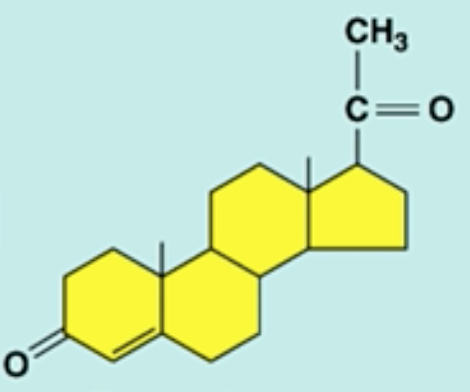
What category of lipid are involved in signaling in our bodies and include molecules like testosterone, estrogen, progesterone, etc.?

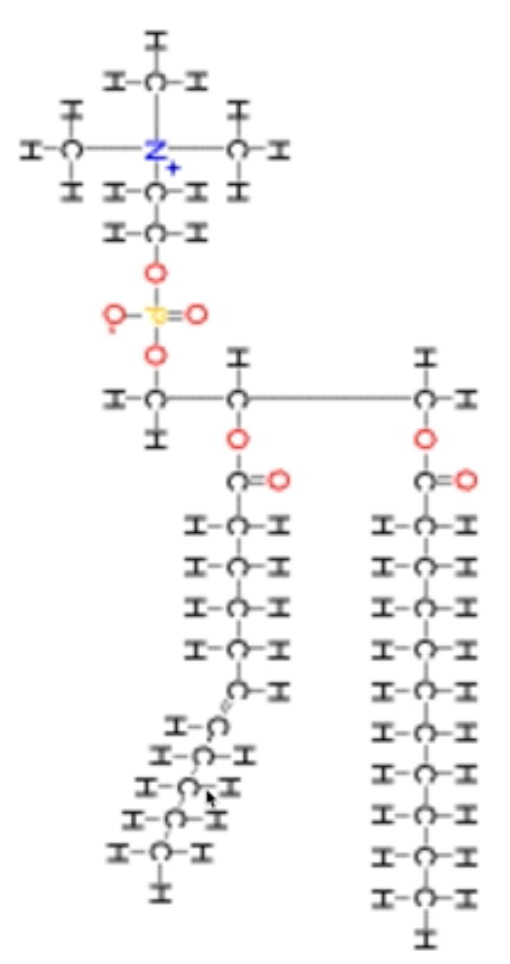
Question 23
23.

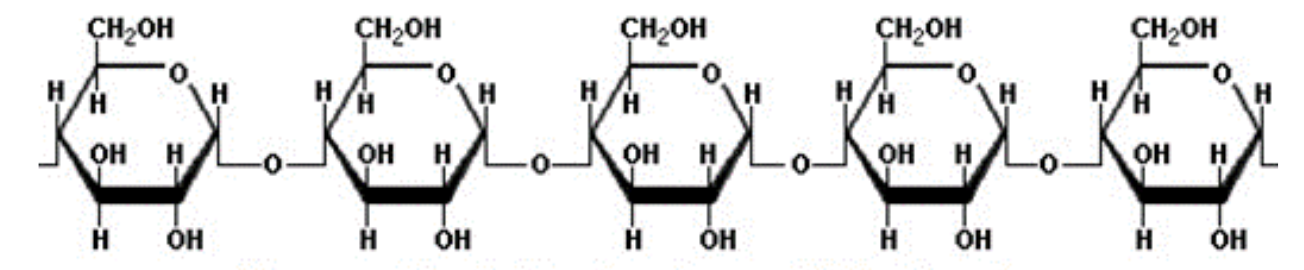
Match the following molecules:

Draggable itemarrow_right_altCorresponding Item
arrow_right_alt
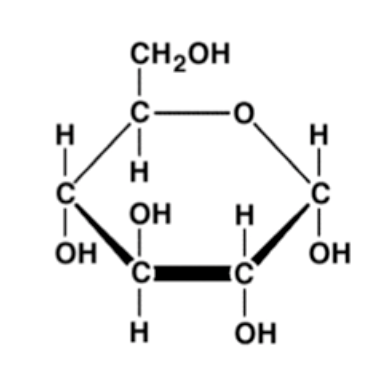
Glucose
arrow_right_alt
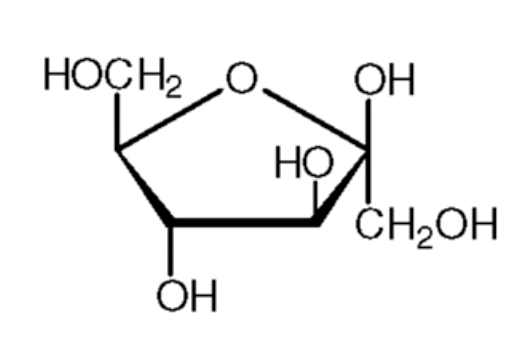
Fructose
arrow_right_alt
Sucrose
arrow_right_alt
Starch/polysaccharide
arrow_right_alt
Triglyceride
arrow_right_alt
Phospholipid
arrow_right_alt
Steroid