Ɛhia
1
A historian would find this passage most useful for explaining King Louis XIV’s attempt to:
A historian would find this passage most useful for explaining King Louis XIV’s attempt to:
9.9.c.ii
Ɛhia
1
9.9.c.ii
A historian would find this passage most useful for explaining King Louis XIV’s attempt to:
Which concept is being described in this quotation?
Based on this passage, which claim is most plausible?
Which historical document most influenced the government of Venezuela as described in this passage?
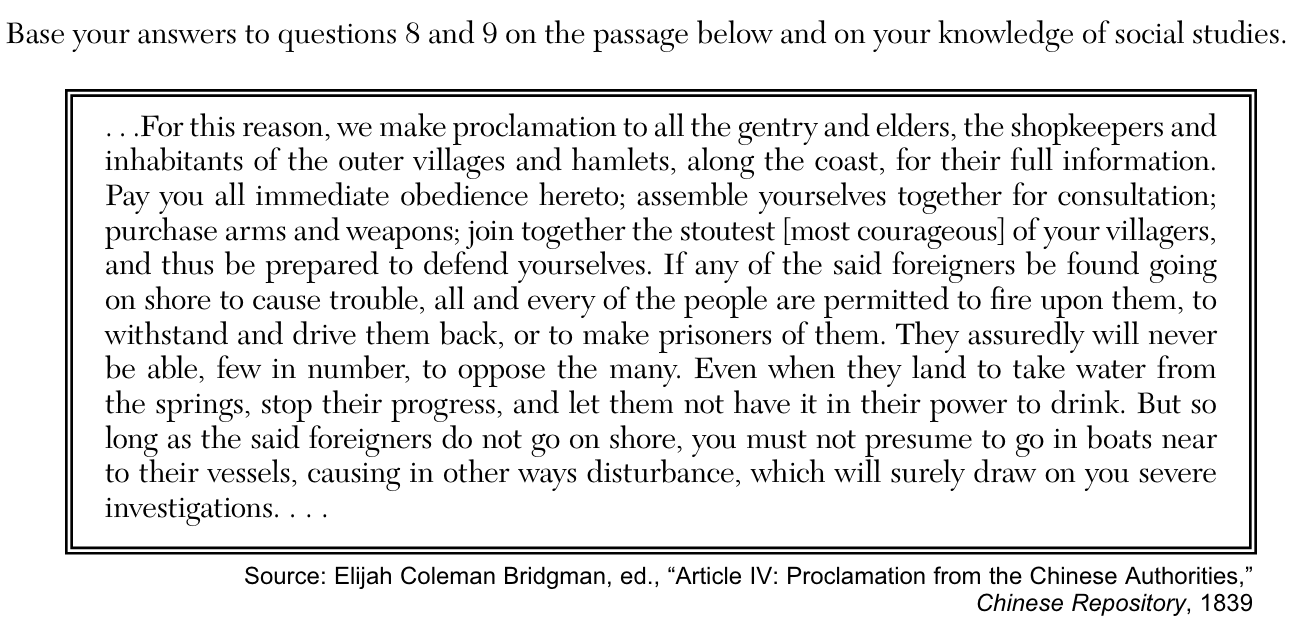
Which statement best describes the author’s purpose in issuing this proclamation?
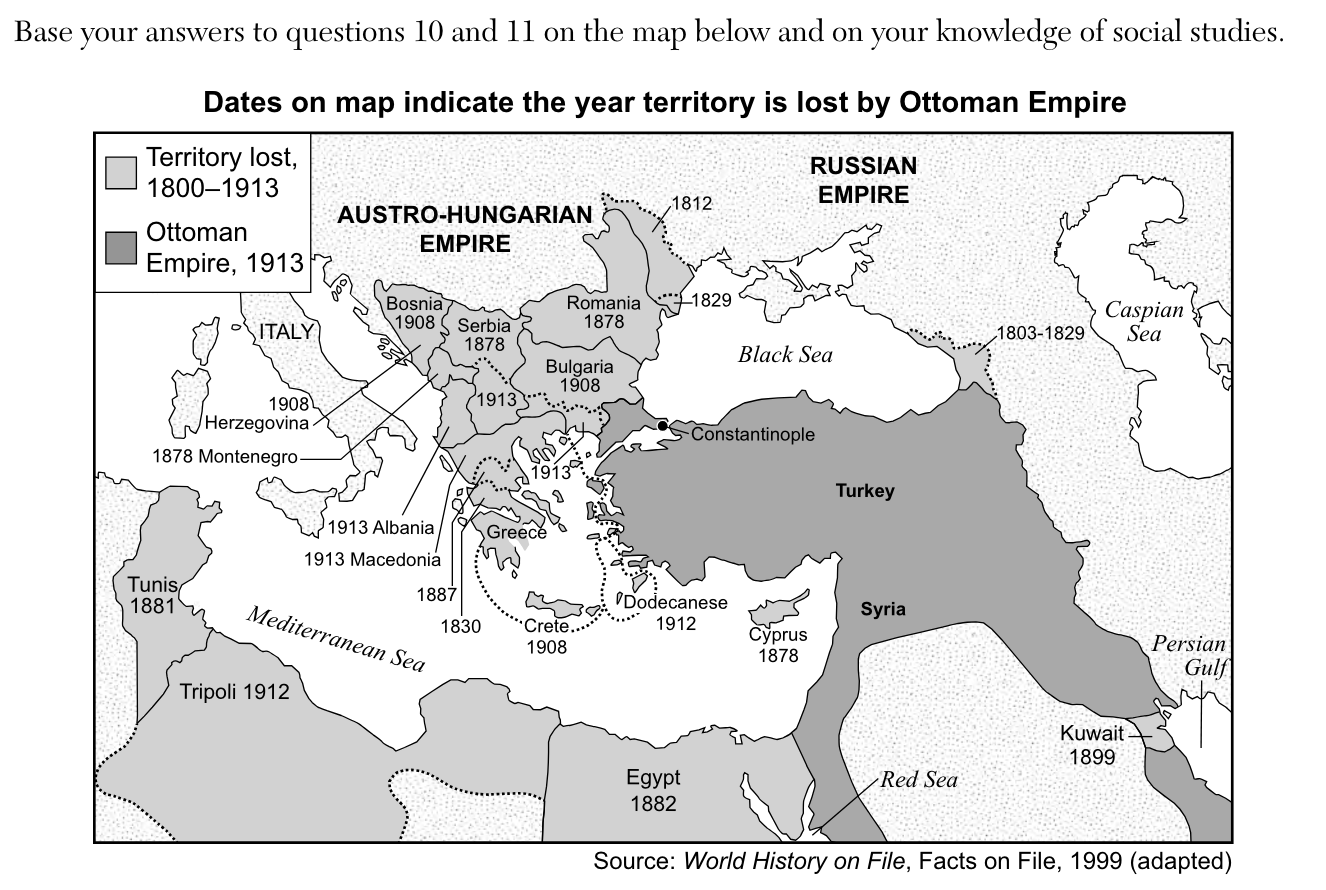
Based on this map, what was a significant challenge faced by the Ottoman Empire between 1800 and 1913?
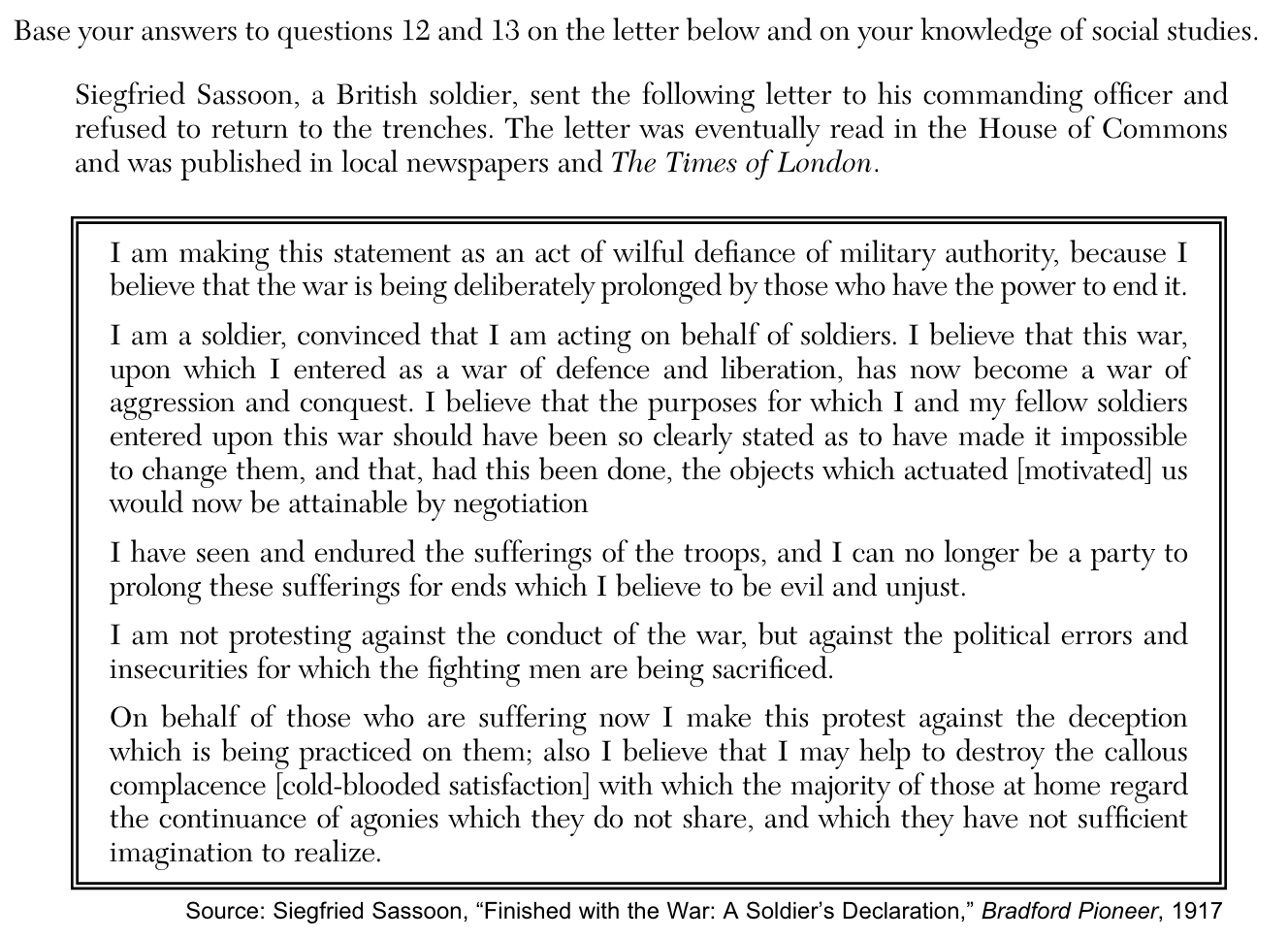
Which statement best describes this author’s point of view?
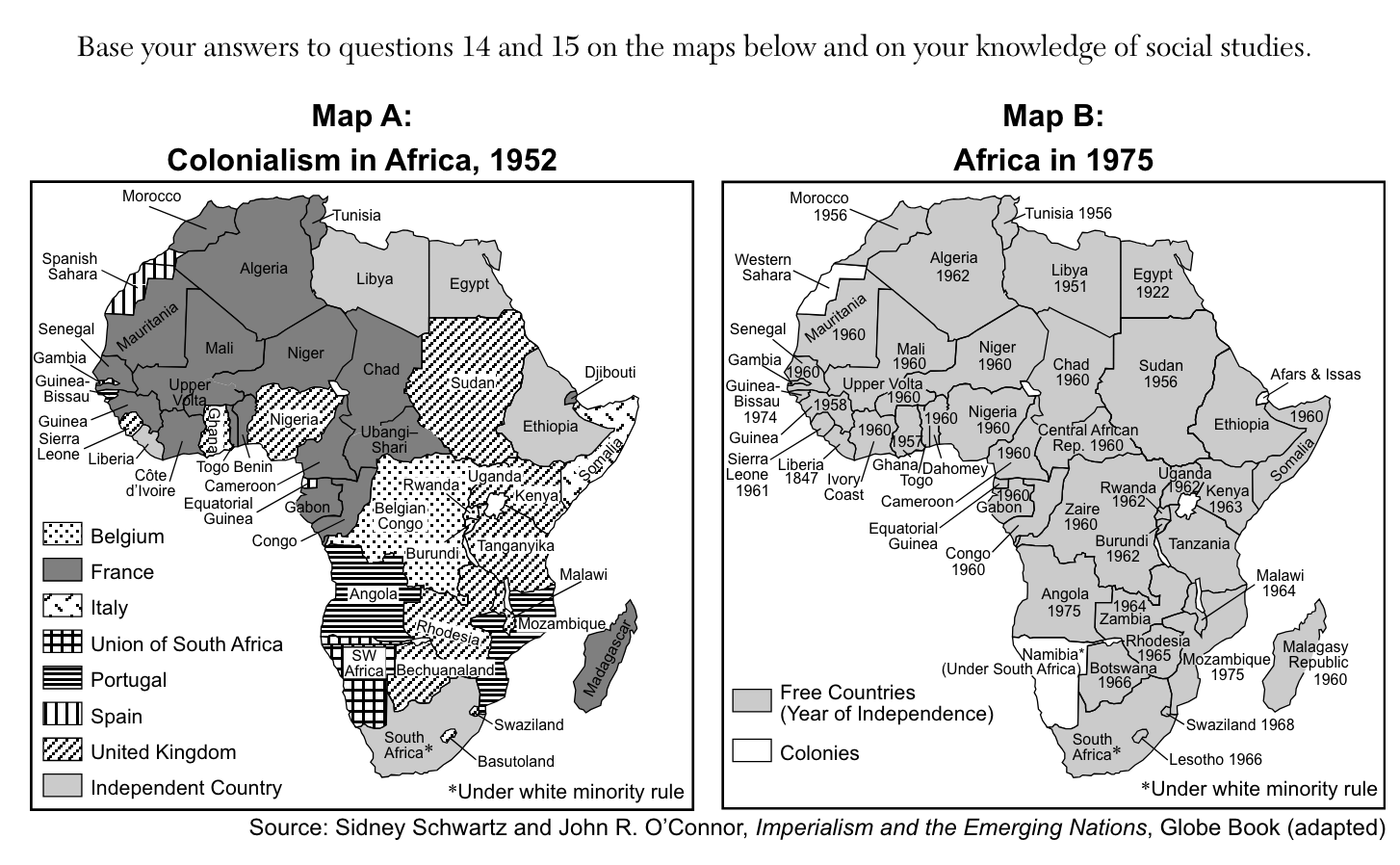
Which historical event was a significant factor in bringing about the conditions shown on Map A?
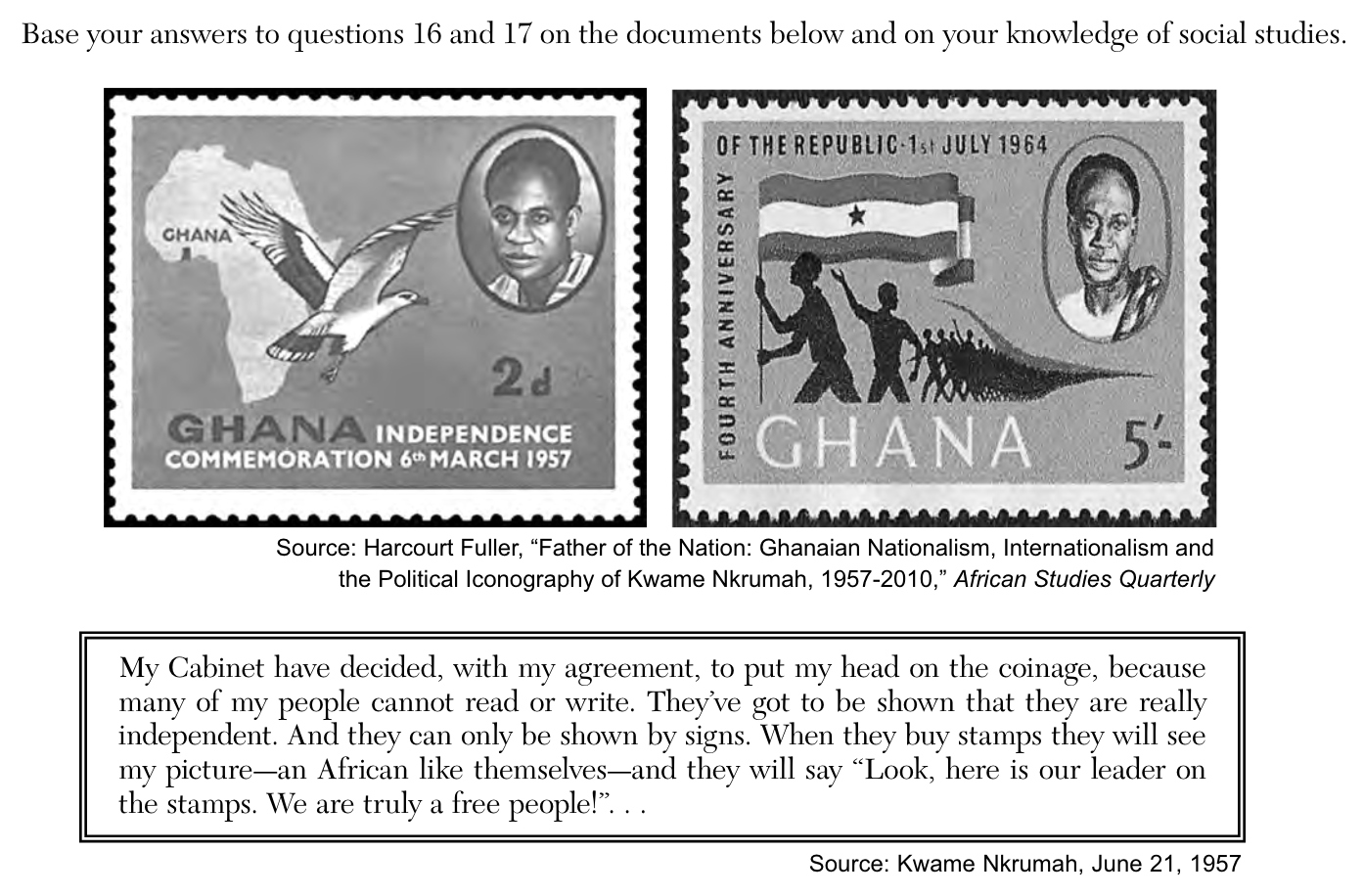
Which statement is best supported by the evidence included in these documents?
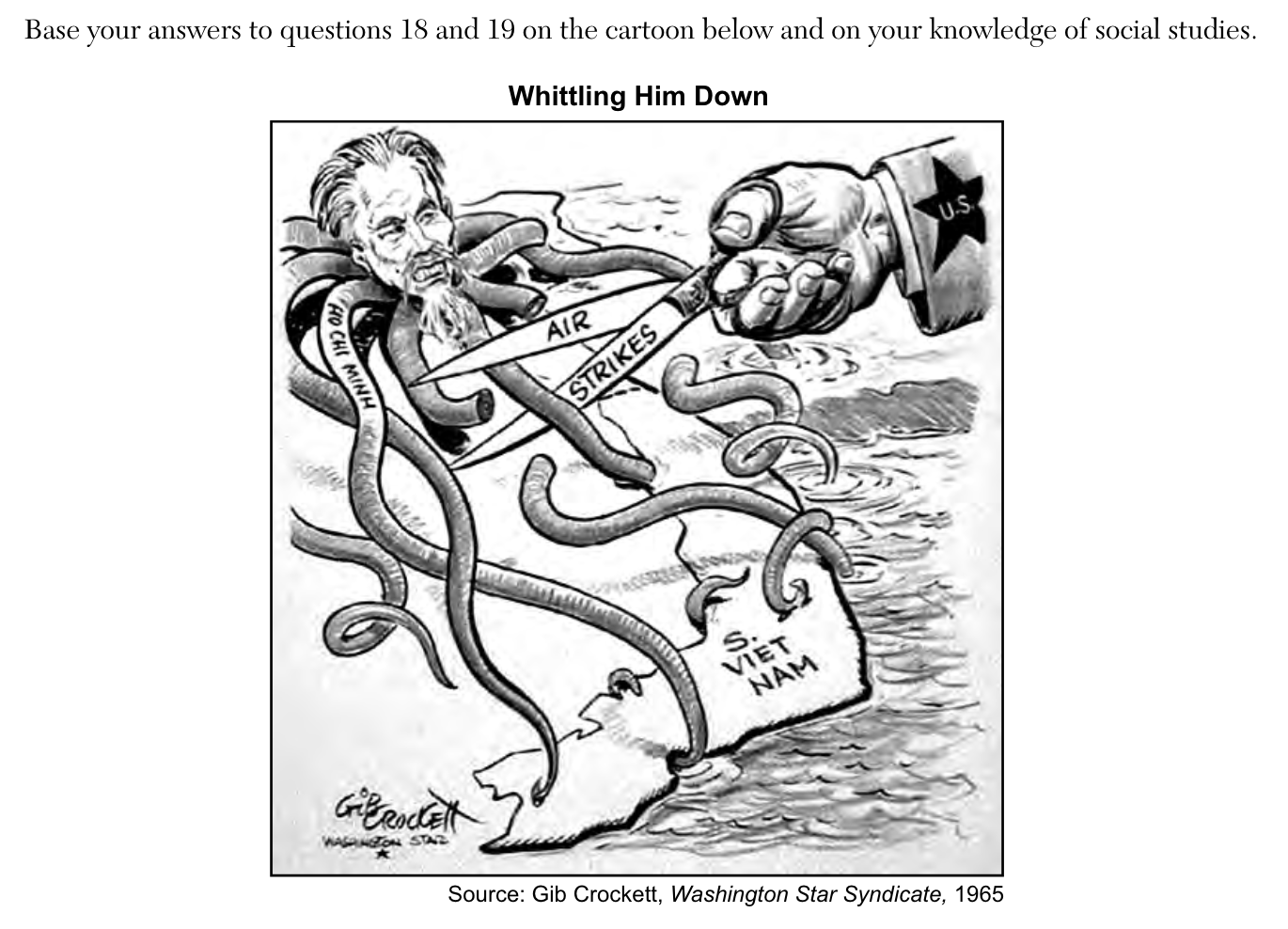
Which claim is best supported by the evidence depicted in this cartoon?
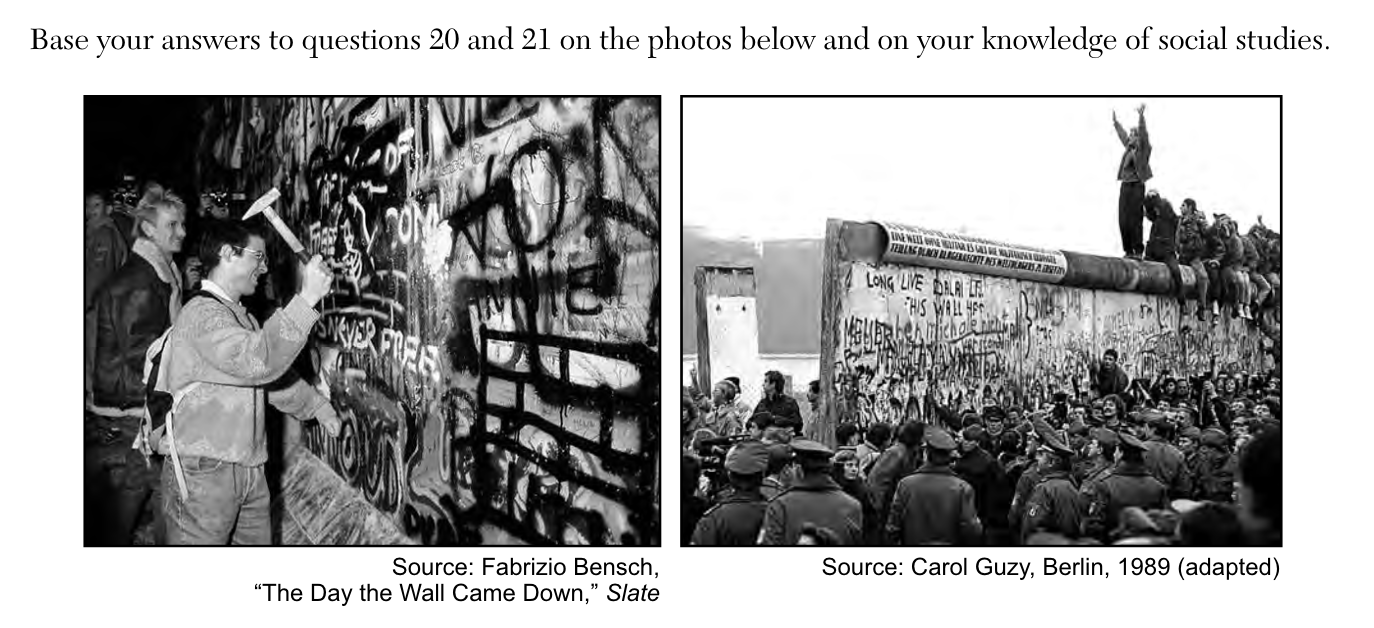
These photographs could best be used when studying the end of which conflict?
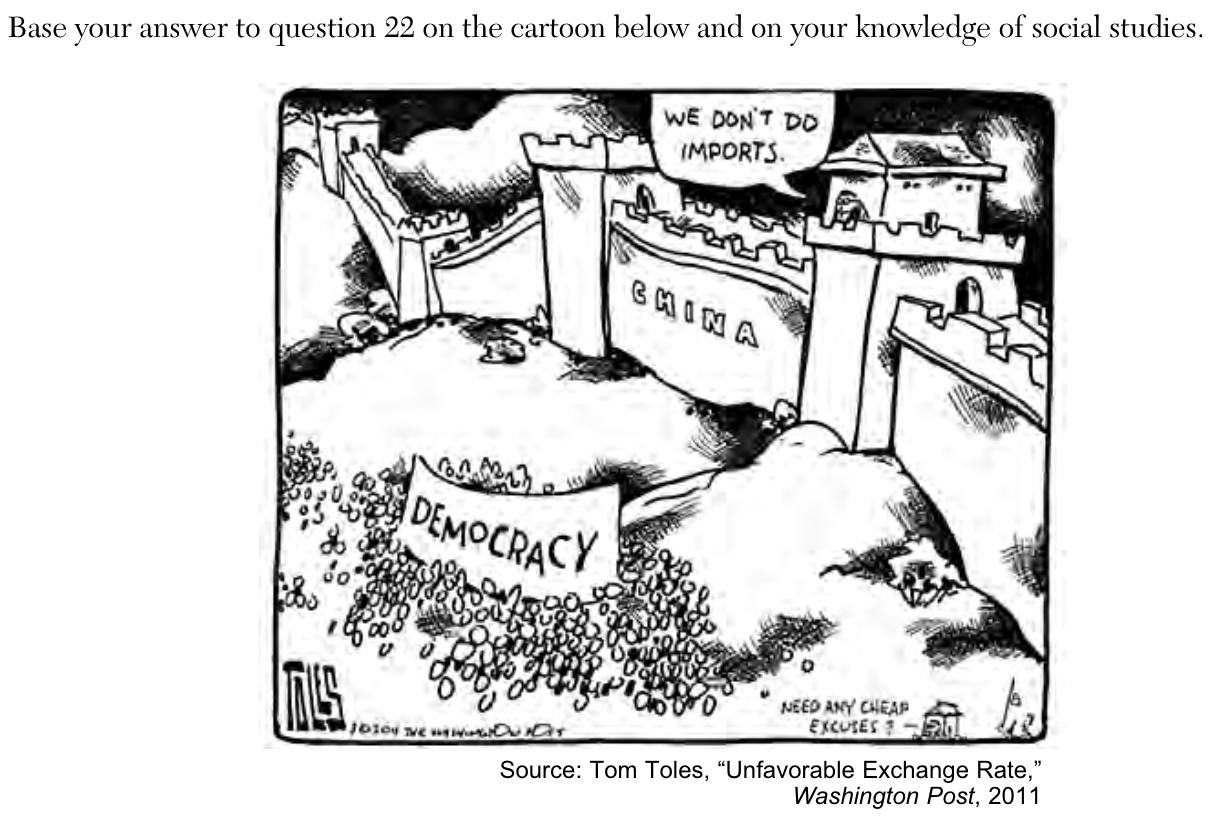
What point of view is depicted in this cartoon?
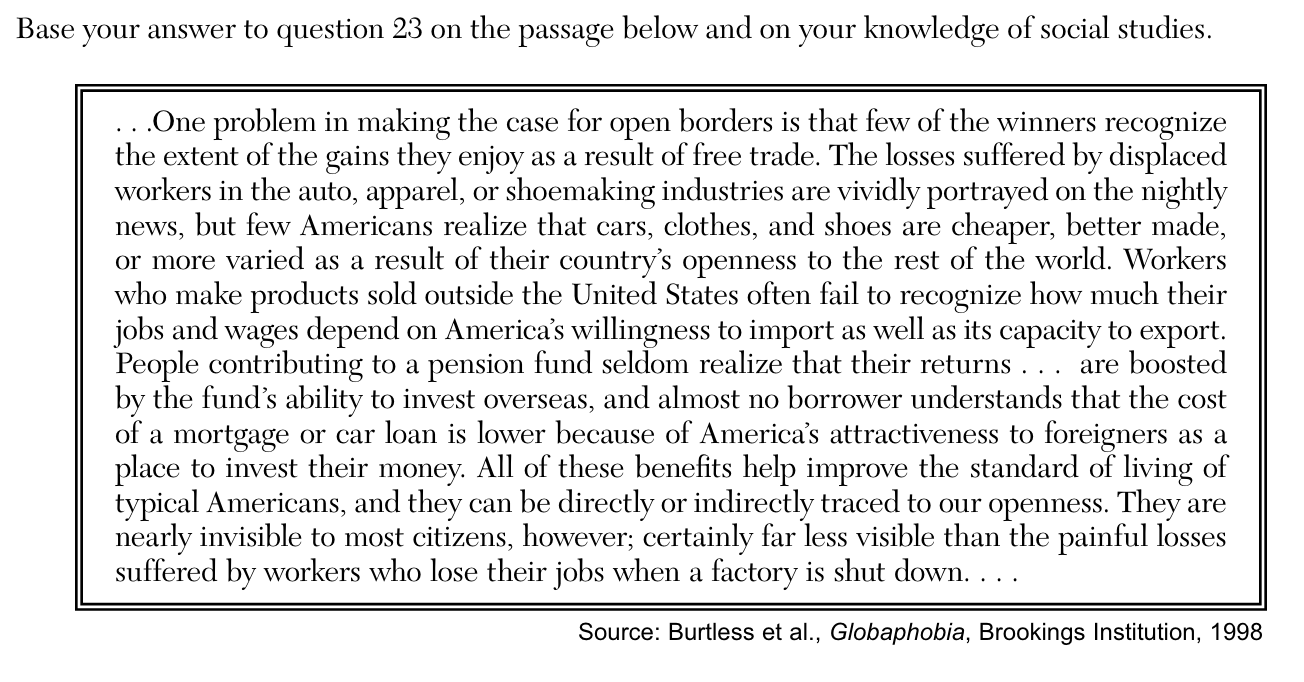
An economist would find this passage most useful for

Which claim is best supported by these 21st-century headlines?
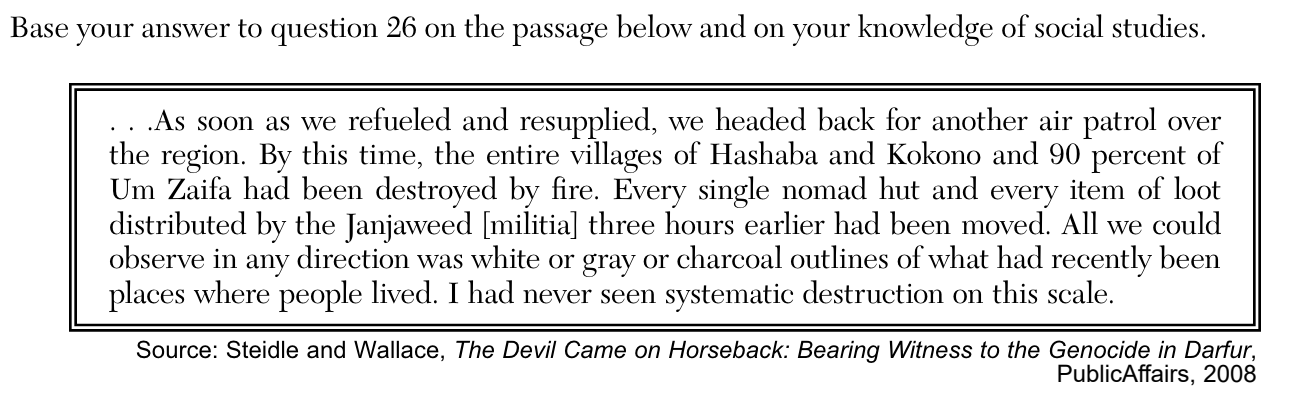
Which provision of the United Nations Universal Declaration of Human Rights was violated by the actions described in the passage?
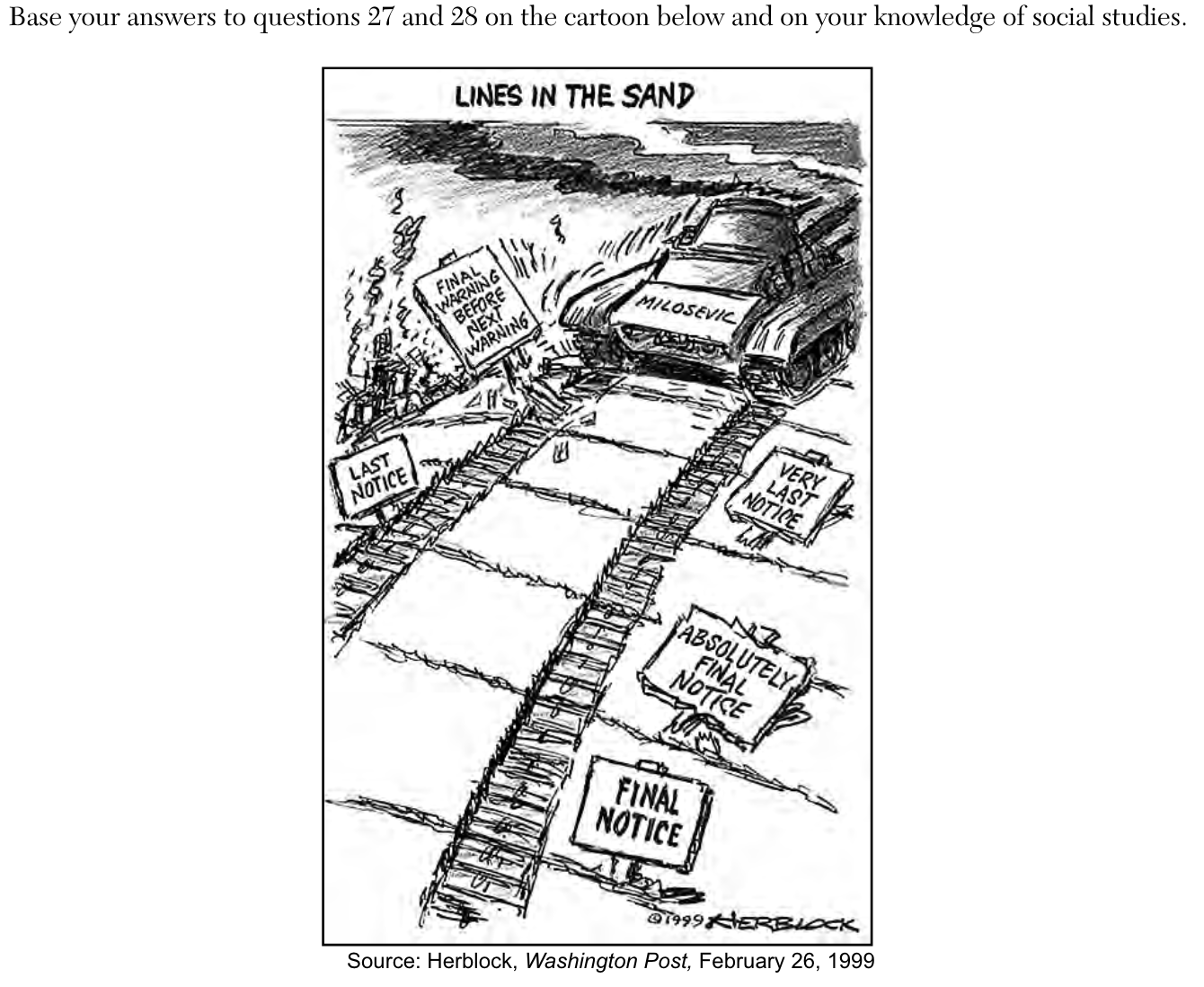
The behavior criticized in this cartoon is most similar to which concept?
Student Instructions:
SHORT-ANSWER CONSTRUCTED RESPONSE QUESTIONS (CRQ) These questions are based on the accompanying documents and are designed to test your ability to work with historical documents. Each Constructed Response Question (CRQ) Set is made up of 2 documents. Some of these documents have been edited for the purposes of this question. Keep in mind that the language and images used in a document may reflect the historical context of the time in which it was created.
In developing your answers to Part II, be sure to keep these explanations in mind:
Identify—means to put a name to or to name.
Explain—means to make plain or understandable; to give reasons for or causes of; to show the logical development or relationship of something.
Short-Answer CRQ Set 1 Structure •
Question 29 uses Document 1 (Context) •
Question 30 uses Document 2 (Source) • Question 31 uses Documents 1 and 2 (Relationship between documents) Short-Answer CRQ Set 2 Structure •
Question 32 uses Document 1 (Context) •
Question 33 uses Document 2 (Source) •
Questions 34a and 34b use Documents 1 and 2 (Relationship between documents)
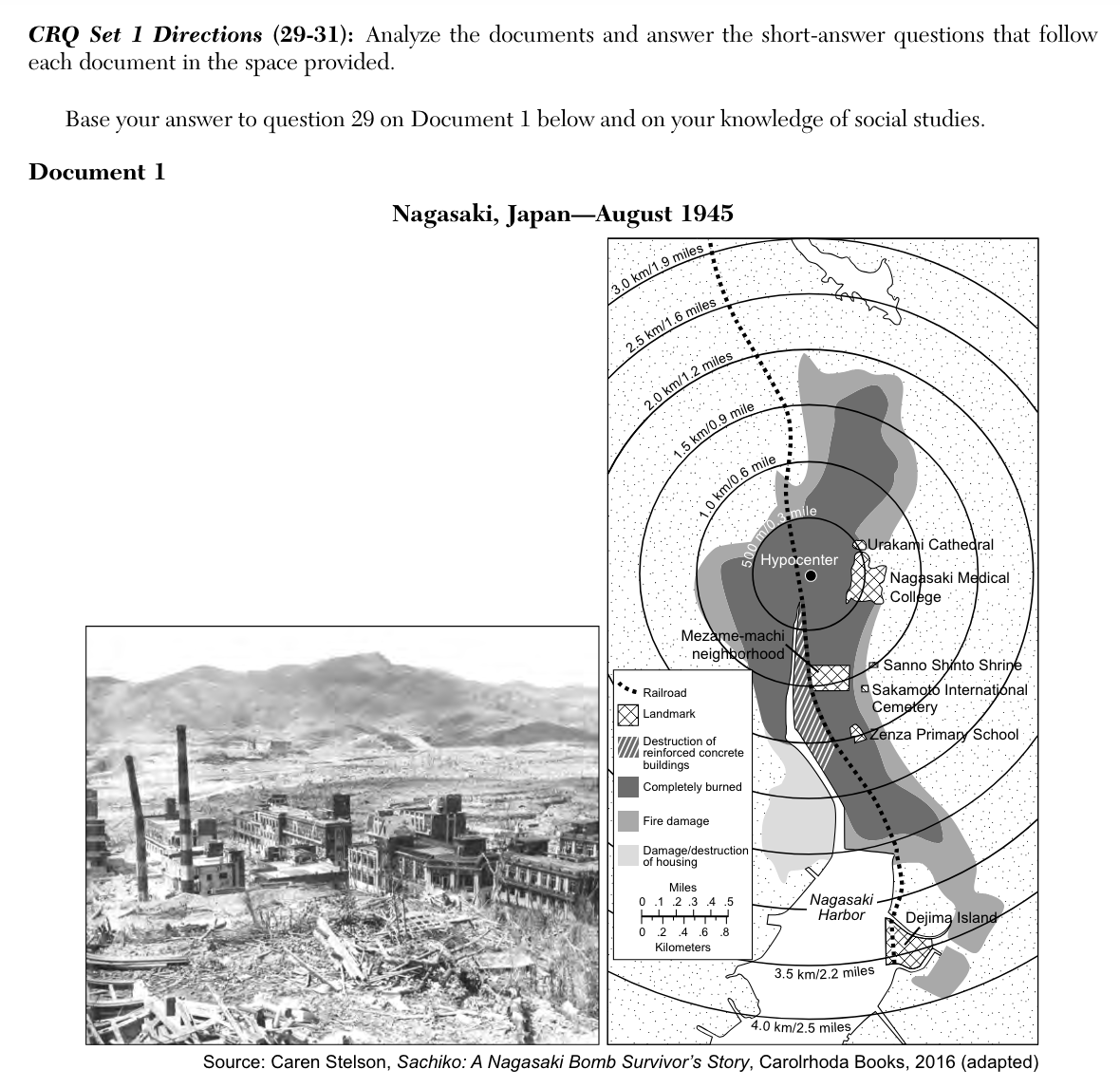
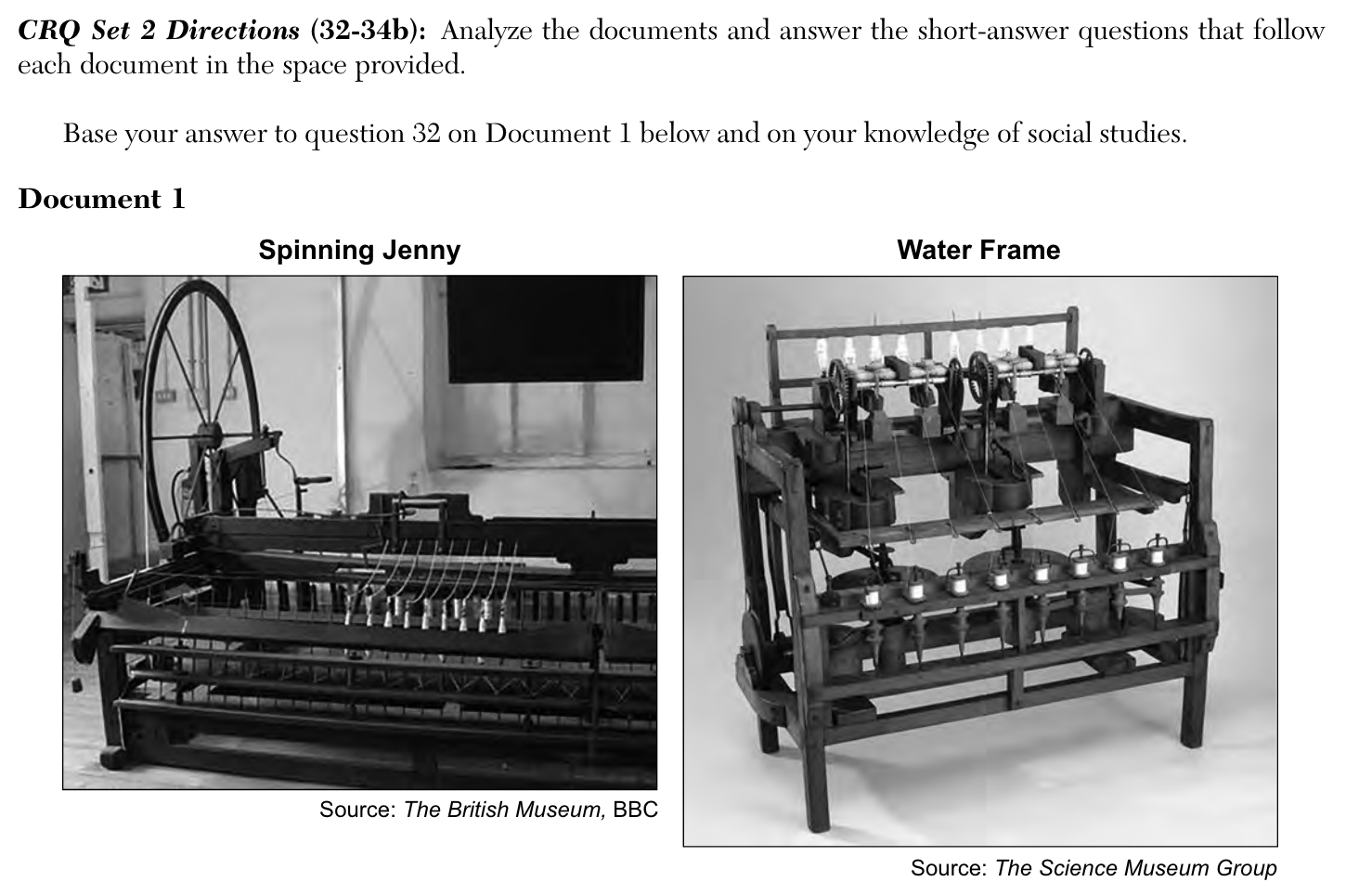
Explain the historical circumstances that led to the situation shown in the images in Document 1.
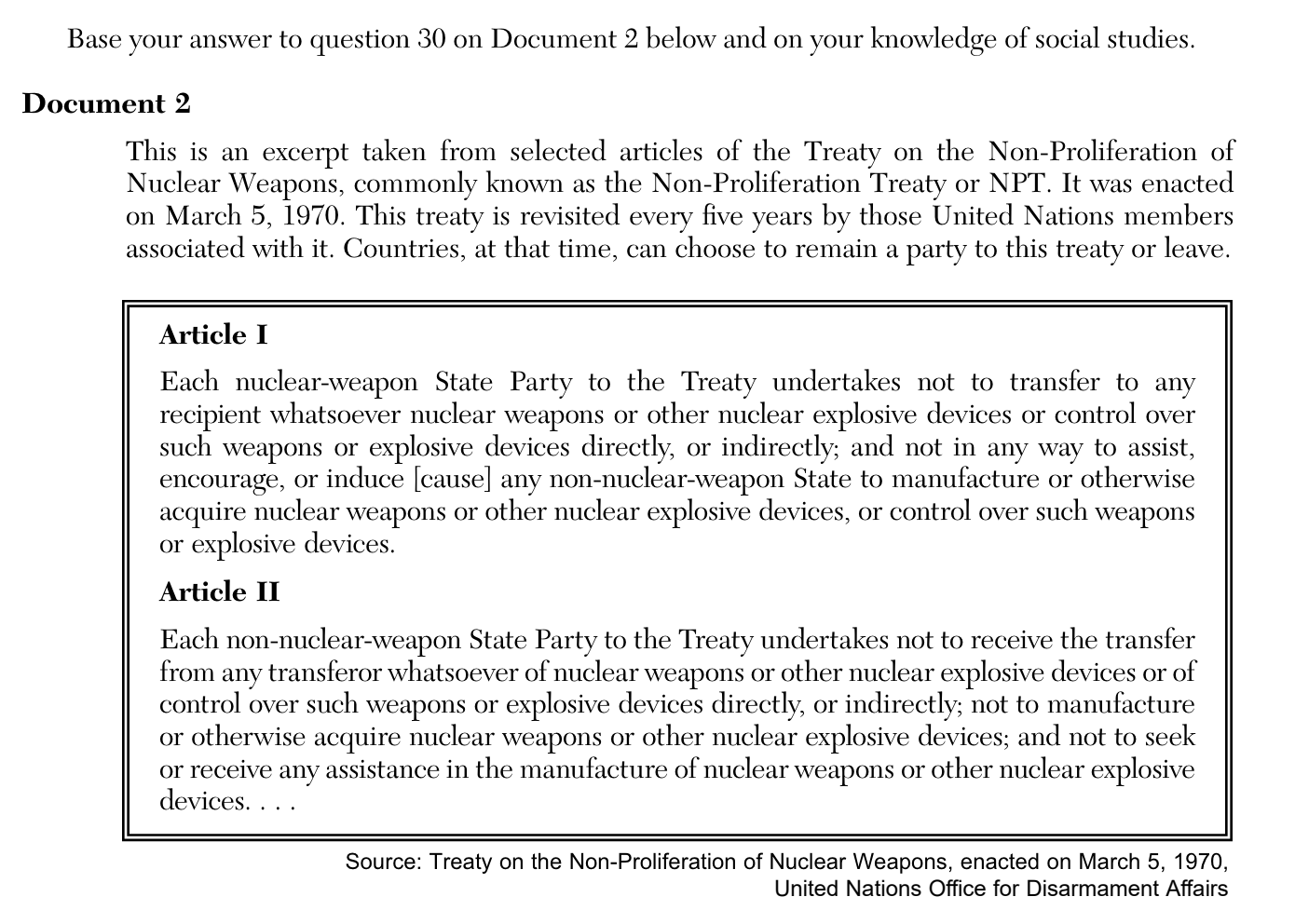
Explain the purpose of the Non-Proliferation Treaty based on this passage.
Document 1
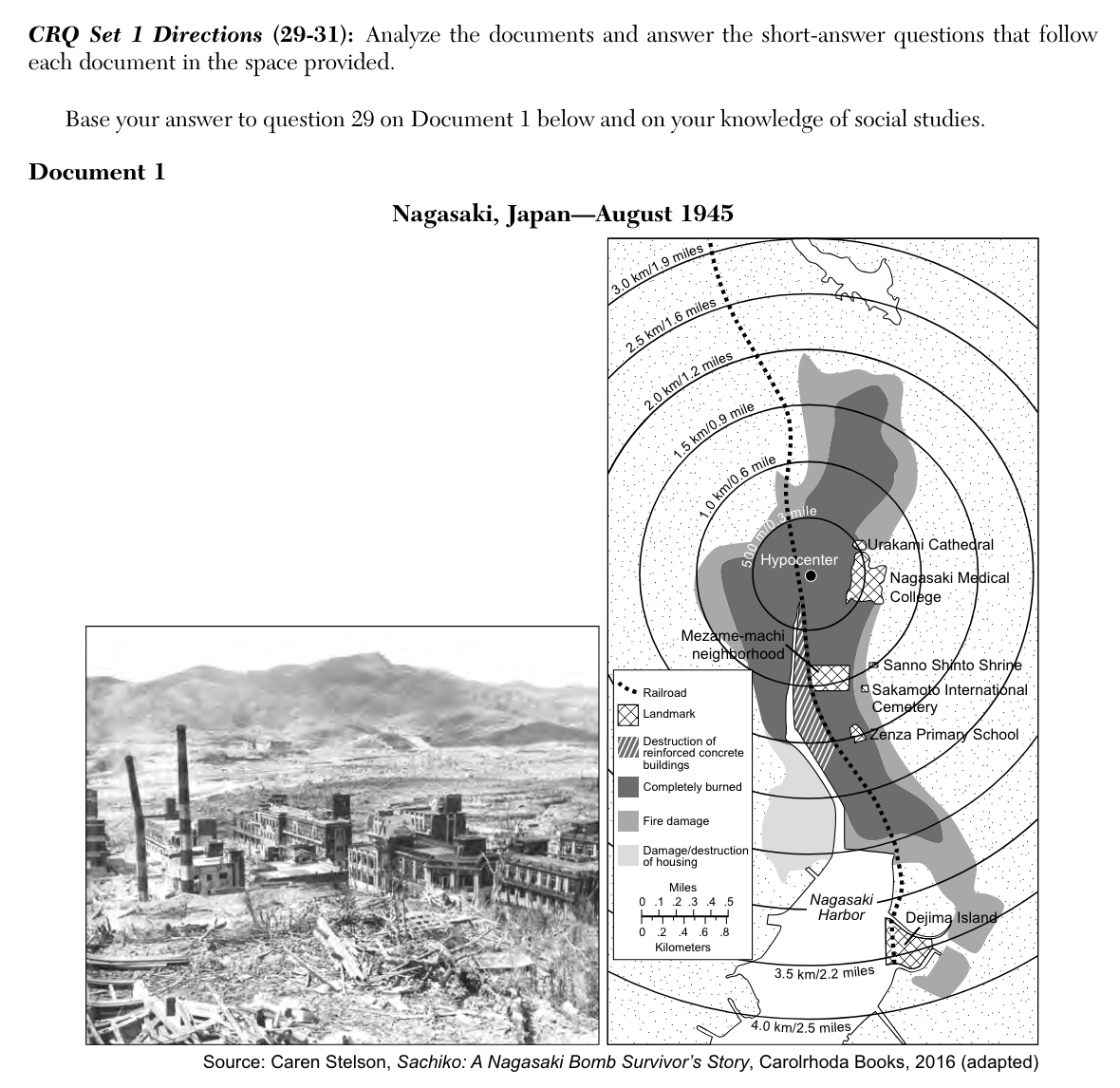
Base your answer to question 31 on both Documents 1 and 2 and on your knowledge of social studies.
Cause-refers to something that contributes to the occurrence of an event, the rise of an idea, or the bringing about of a development.
Effect-refers to what happens as a consequence (result, impact, outcome) of an event, an idea, or a development.
Identify and explain a cause-and-effect relationship between the events and/or ideas found in these documents. Be sure to use evidence from both Documents 1 and 2 in your response.
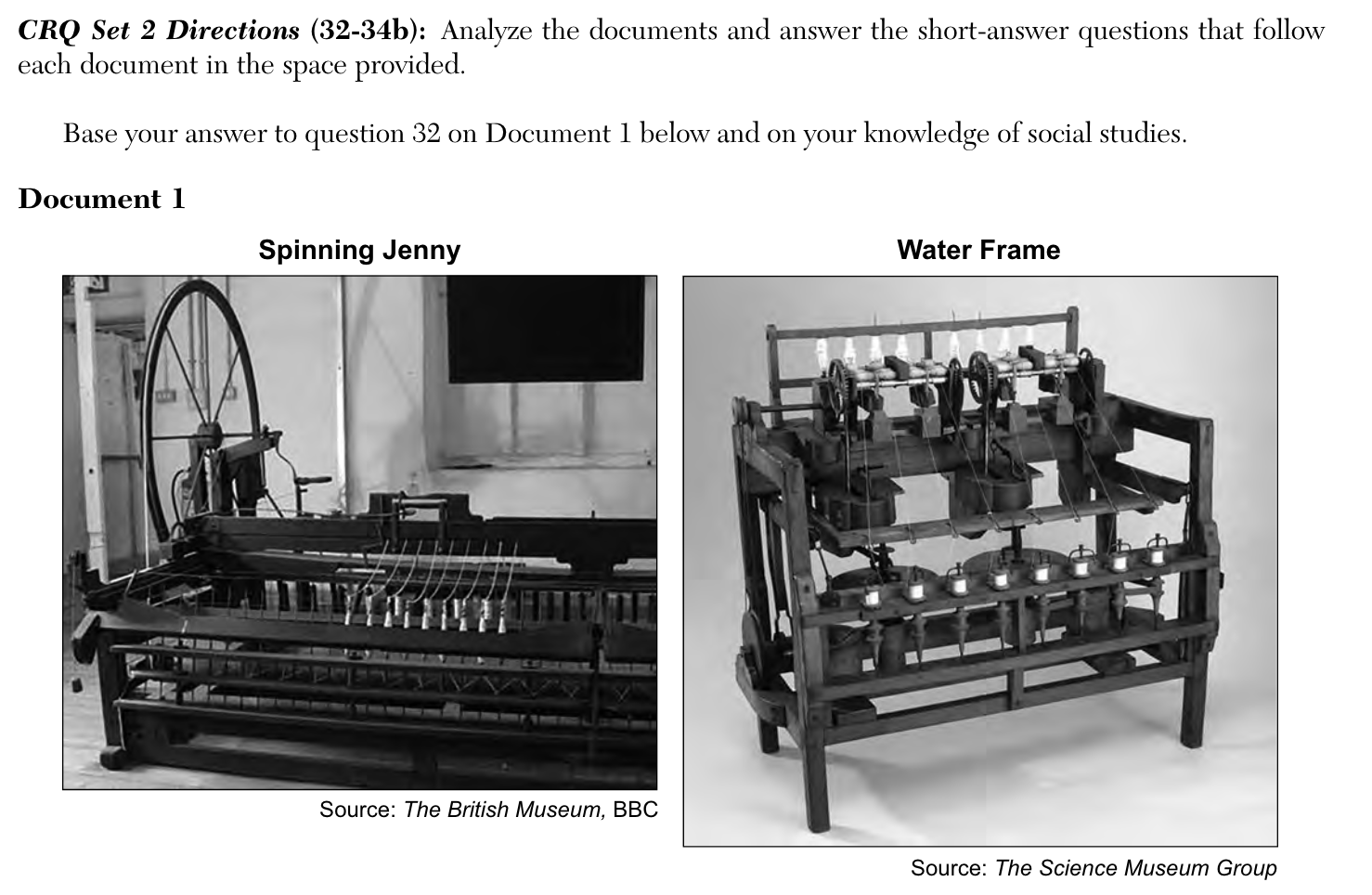
Explain the historical circumstances that led to the developments shown in these photographs.
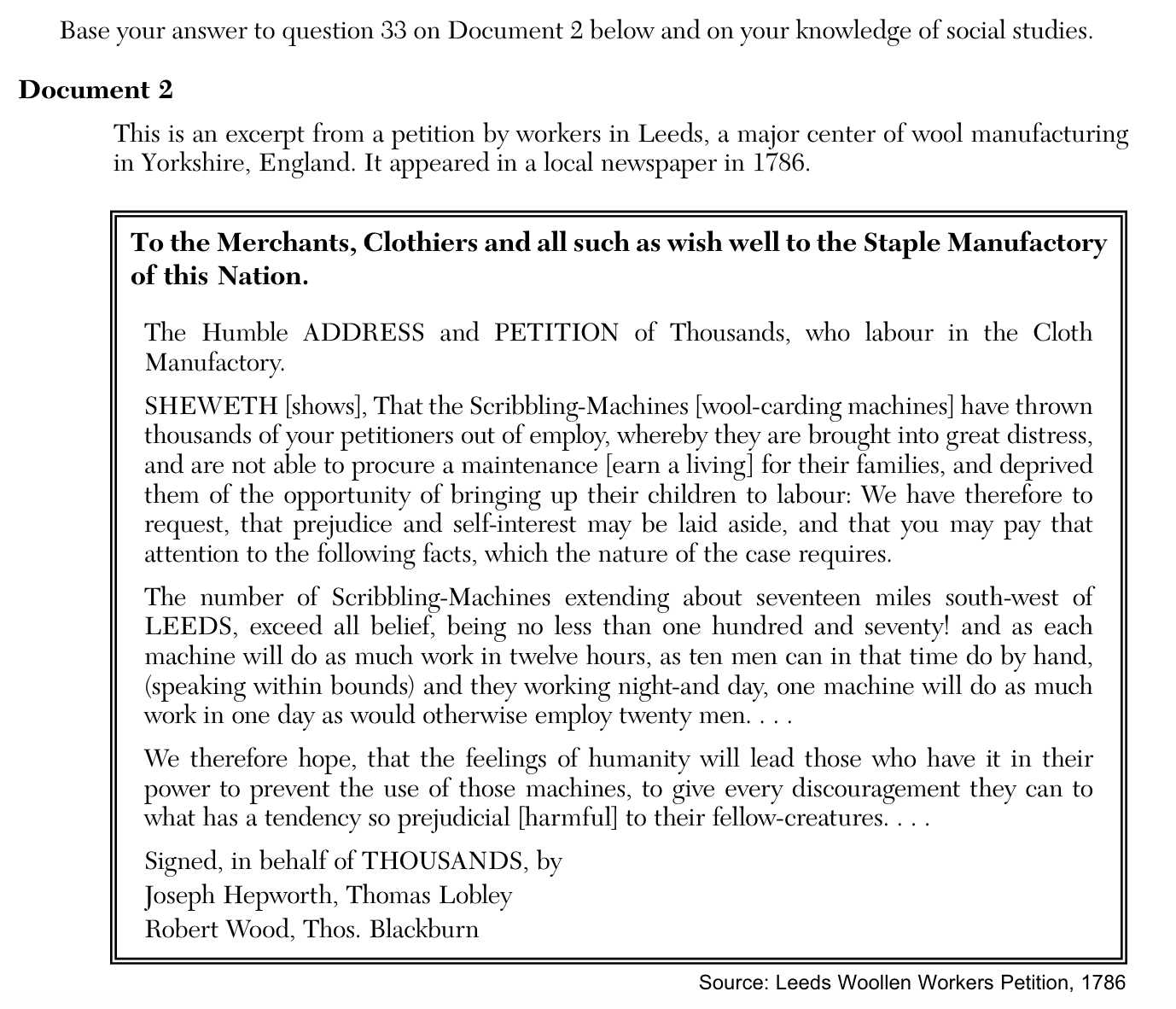
Based on this excerpt, explain the purpose of the 1786 petition written by Woollen Workers in Leeds, England.
Turning point—is a major event, idea, or historical development that brings about significant change. It can be local, regional, national, or global.
34a–34b Using evidence from both Documents 1 and 2 and your knowledge of social studies:
a) Identify a turning point directly associated with the historical developments found in both Documents 1 and 2.
b) Explain how the turning point you identified created significant change using evidence from both Documents 1 and 2.
Documents 1 and 2
TASK:
Identify and explain an enduring issue raised by this set of documents.
Argue why the issue you selected is significant and how it has endured across time using your knowledge of social studies and evidence from the documents.
In your essay, be sure to
• Identify the enduring issue based on a historically accurate interpretation of at least three documents
• Explain the issue using relevant evidence from at least three documents
• Argue that this is a significant issue that has endured by showing:
How the issue has affected people or has been affected by people
How the issue has continued to be an issue or has changed over time
• Include relevant outside information from your knowledge of social studies
In developing your answer to Part III, be sure to keep these explanations in mind:
Identify—means to put a name to or to name.
Explain—means to make plain or understandable; to give reasons for or causes of; to show logical development or relationship of something.
Argue—means to provide a series of statements that provide evidence and reasons to support a conclusion.
Which claim is best supported by the evidence in this passage?
The author’s purpose in writing this passage was to:
What was the main purpose of this passage?
The actions described in this passage are most directly related to the
Which claim about the Ottoman Empire is best supported by this map?
What was the purpose of this author’s letter?
What best explains the differences in national boundaries shown on the two maps?
These stamps were used by the government of Ghana as a way to promote:
The reach of Ho Chi Minh’s tentacles in the cartoon suggests that
What was an immediate result of the actions shown in these photographs?
Which international response resulted from these 21st-century headlines?
Which organization directly helped to end the human rights violation shown in this cartoon?