Twa kɔ nsɛm atitiriw so
Log in
Sign up for FREE
arrow_back
Laabri

CFU 6.LS2.4 Biomes (6/19/2024)

star
star
star
star
star
Last updated about 2 years ago
10 Nsɛmmisa
2
2
2
2
2
2
2
2
2
2
Asemmisa {{asɛmmisaAhyɛnsode}}
1.

Which abiotic factor affects organisms living in the tundra?

Asemmisa {{asɛmmisaAhyɛnsode}}
2.

Most of the nutrients in a tropical rain forest are returned very quickly to plants, so

Asemmisa {{asɛmmisaAhyɛnsode}}
3.

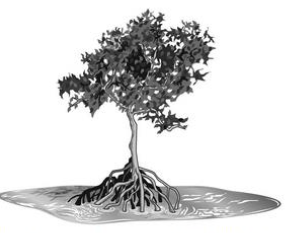
Mangrove trees have shallow roots that start above the ground. These roots filter out salt so the tree can receive fresh water. Based on this information, in which area are mangroves best suited to grow?
Asemmisa {{asɛmmisaAhyɛnsode}}
4.

Which statement describes the taiga?

Asemmisa {{asɛmmisaAhyɛnsode}}
5.

Which of the following is a characteristic of the deciduous forest?

Asemmisa {{asɛmmisaAhyɛnsode}}
6.

Trees in which biome have thick bark and thin waxy leaves to provide protection from the cold and their branches are flexible to cope with heavy snowfall?

Asemmisa {{asɛmmisaAhyɛnsode}}
7.

Which biome is characterized by the following?

Animals: burrow, thick outer coverings to reduce moisture loss, eat foods containing water

Plants: shallow roots, waxy stems, fleshy leaves to store water

Abiotic: hot in the day and cold at night, less than 10 inches of rain a year

Asemmisa {{asɛmmisaAhyɛnsode}}
8.

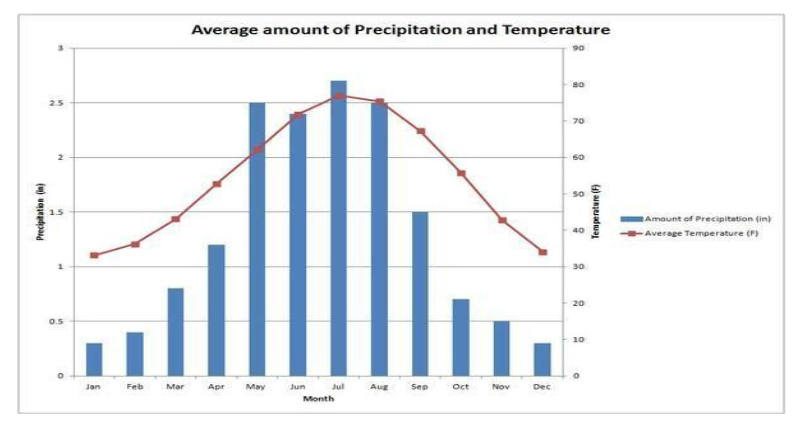
The graph below shows the average amount of rainfall and temperature in a specific biome.

What biome does the graph most likely represent?

Asemmisa {{asɛmmisaAhyɛnsode}}
9.

Which of the following could not be used to describe a marine biome?

Asemmisa {{asɛmmisaAhyɛnsode}}
10.

Which statement about the deep ocean zone is true?