Faith Schutt Ecological Succession

Last updated over 1 year ago
30 questions
Required
1

True or False: After a volcano erupts, life can NEVER return to the area

Required
1

When did Mt. St. Helens last erupt?

Required
1
Living things in a _______ square mile area were destroyed.
Required
1

The first signs of life to return were

Required
1

The alpine lupin were important because growing in the ash

Required
1

The willow plants that grew in the soil created by the alpine lupin are important because

Required
1
This weevil is a(n)_______ which is keeping the willows from becoming _______
Required
1

How long will it take for the area to turn back into a mature forest?

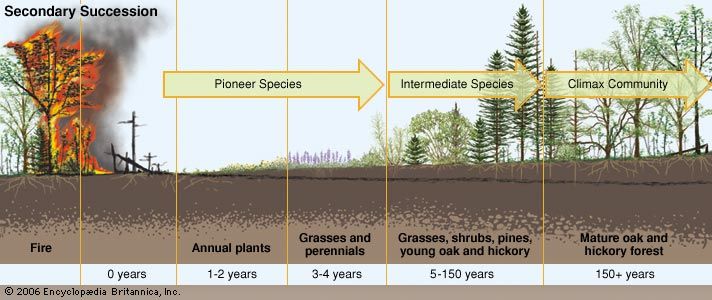
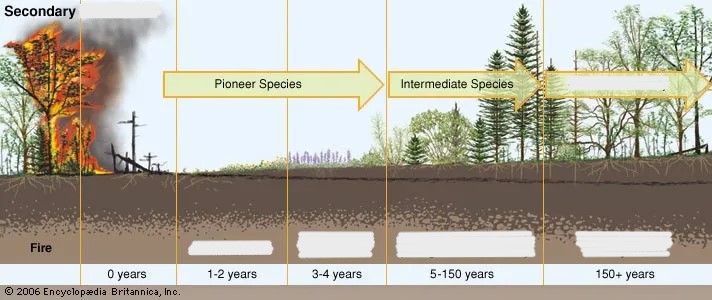
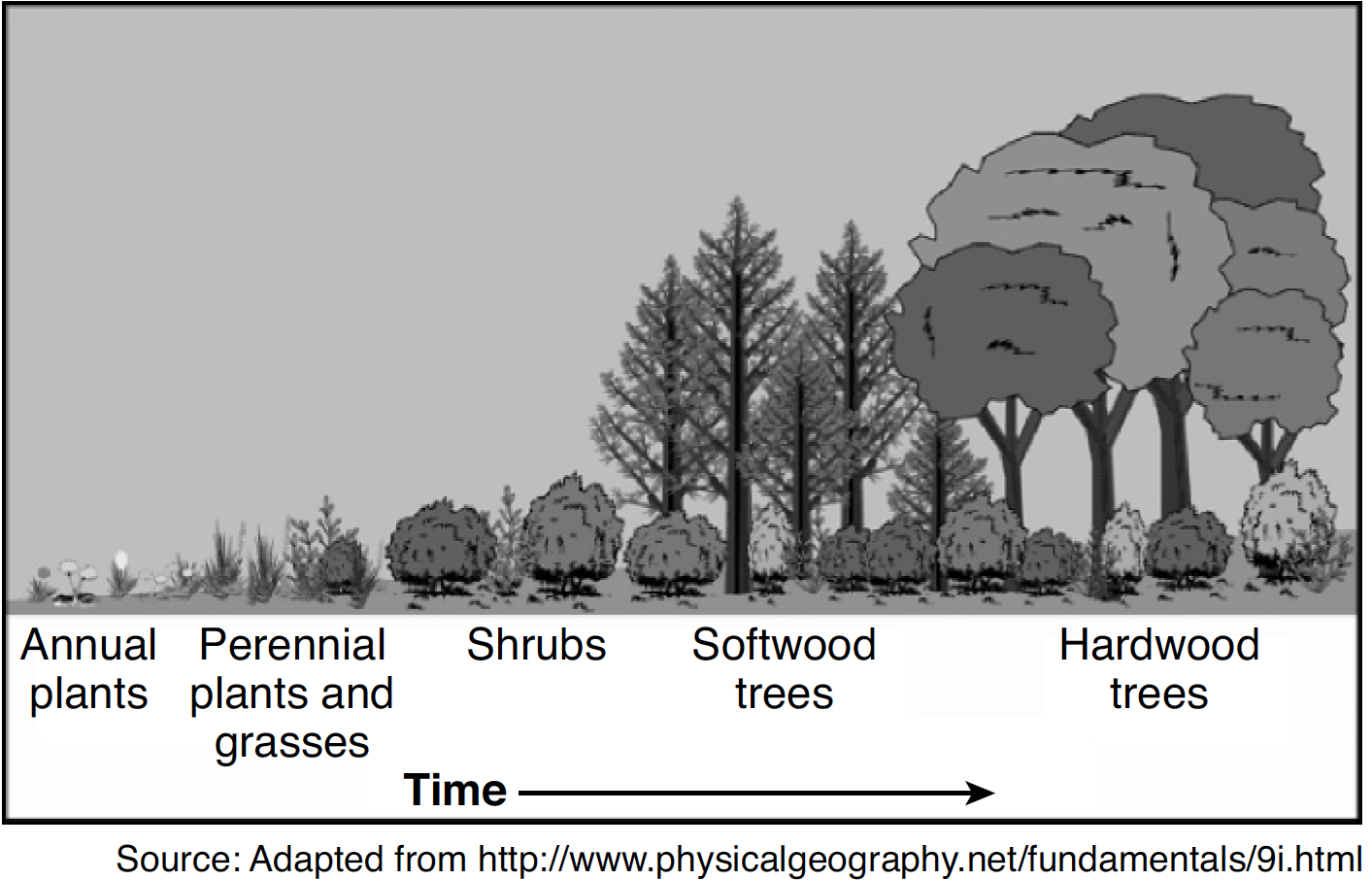
As an environment grows and changes, especially after a large disturbance, it is called ECOLOGICAL SUCCESSION.
As Wildfires Grow More Intense, Iconic Western Forests May Not Come Back
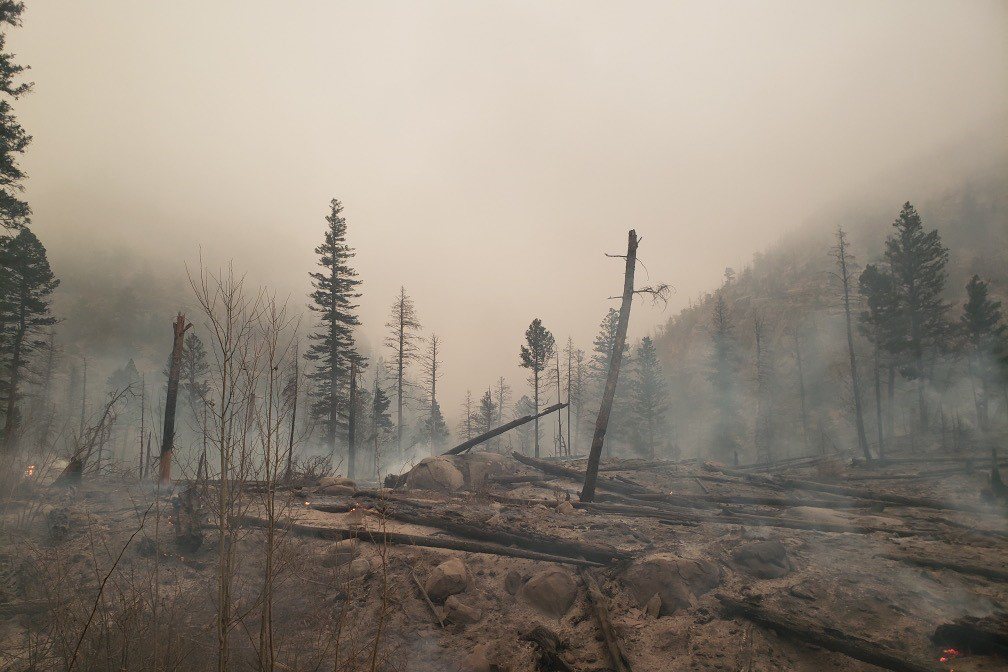
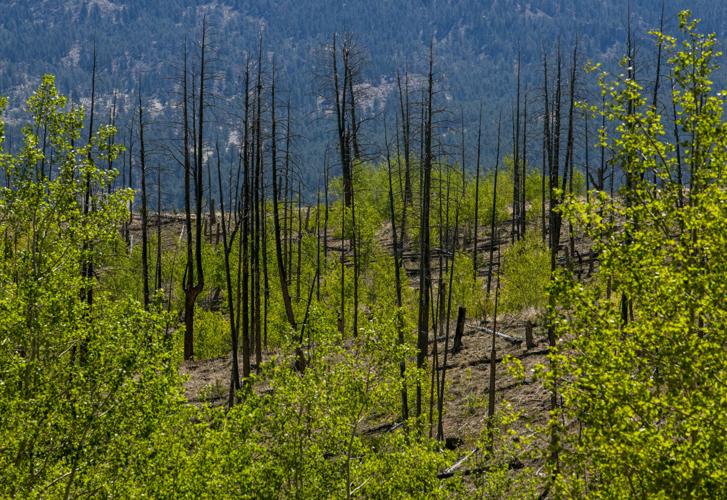
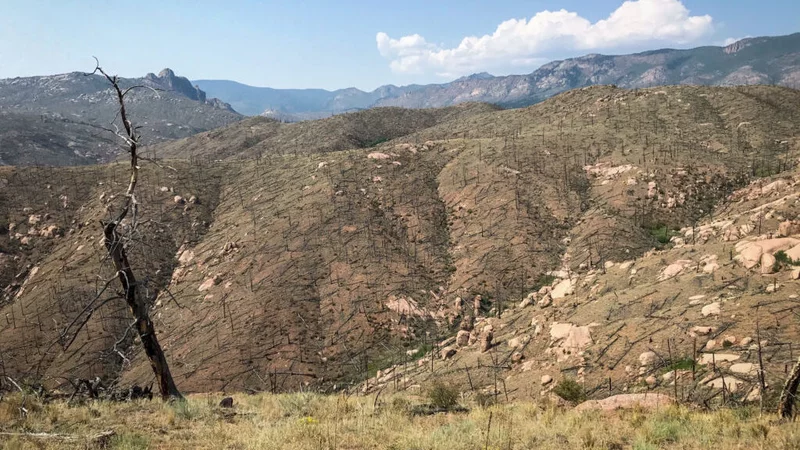
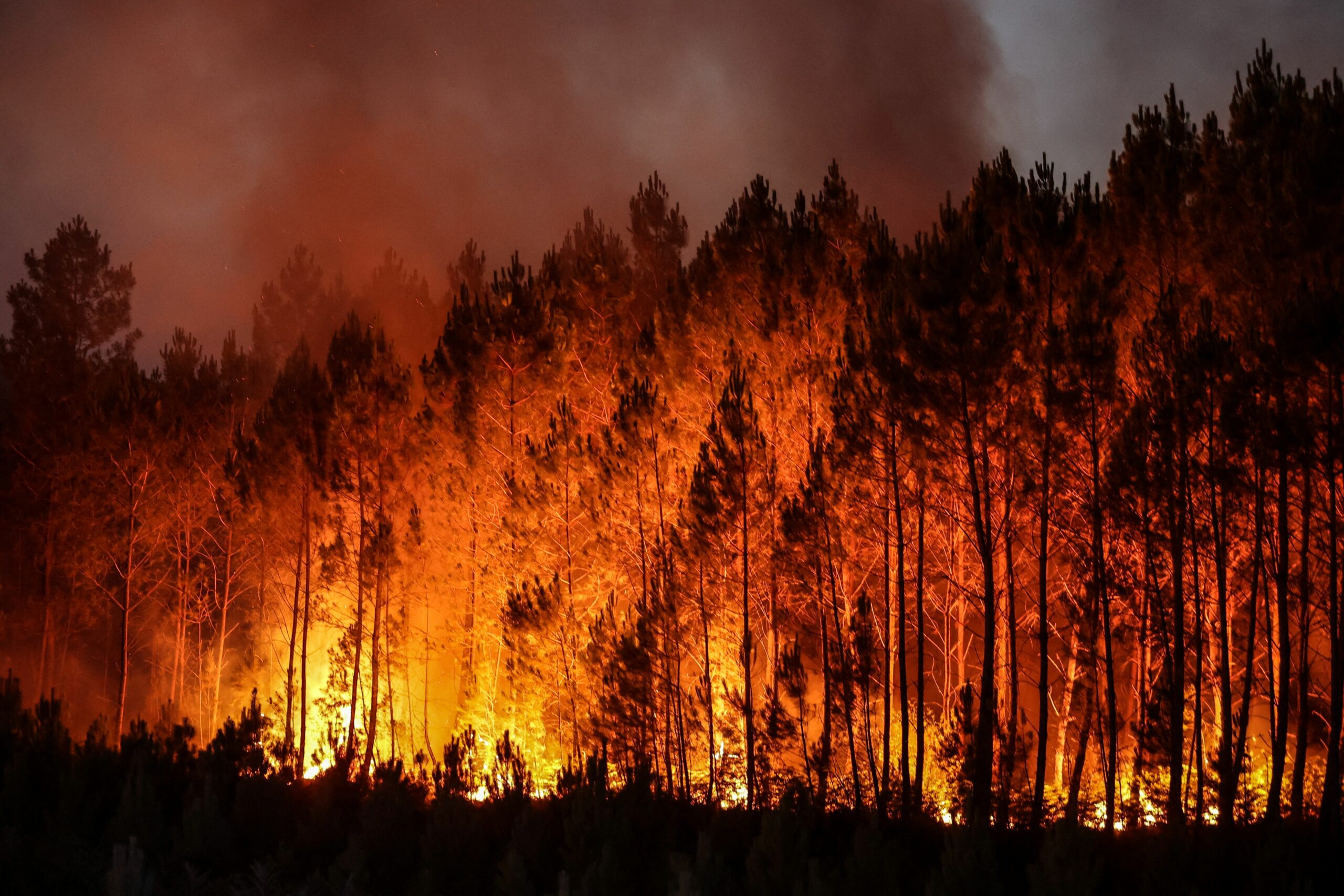
After a quick hike off a steep dirt road, forest ecologist Marin Chambers stands surrounded by grasses, shrubs and blackened bare trees. This is part of where the Hayman fire — until last month, Colorado's largest in recorded history — burned northwest of Colorado Springs back in 2002. The ground is dry, crunching underfoot.

"What we're seeing is a very large high-severity burn patch, where the vast majority of the trees have died," says Chambers, with the Colorado Forest Restoration Institute at Colorado State University.

These 18-square miles burned hot and fast in a single day, driven by how dense the forest was because of past fire suppression, high winds and extreme drought. Now, nearly two decades later, something you'd normally see after a wildfire is missing: new trees.

"Some regeneration may be occurring, but certainly not enough to recreate a forest in the near term," Chambers says. She and her colleagues have found that forests are struggling to grow back some of the state's most iconic species, like ponderosa pine and Douglas fir.
Required
1

What state does the article take place in?

Required
1

What are the main reasons for the fires becoming more intense?

Required
1

What process do ecologist normally expect to see in an area that has had a forest fire?
Required
1

Ecologist normally would expect to see ponderosa pine and Douglas fir trees growing back on forest fire sites.

Extreme forest fires leave behind massive burn areas with almost nothing alive. Any baby trees simply can't thrive in the increased heat and drought brought in summer from climate change in an area that has had one of these massive fires. "Imagine being a ponderosa pine seed trying to grow out here," Chambers says. Normally after a forest fire or other massive disturbance of an ecosystem, the slow but progressive recovery of the land occurs; from destruction back to a mature and stable ecosystem. With that gradual change, comes new species of plants and the animals that rely on them, which increases biodiversity and stability of the larger ecosystem.
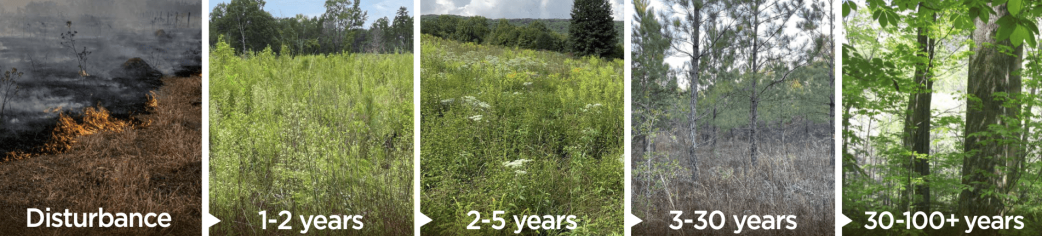
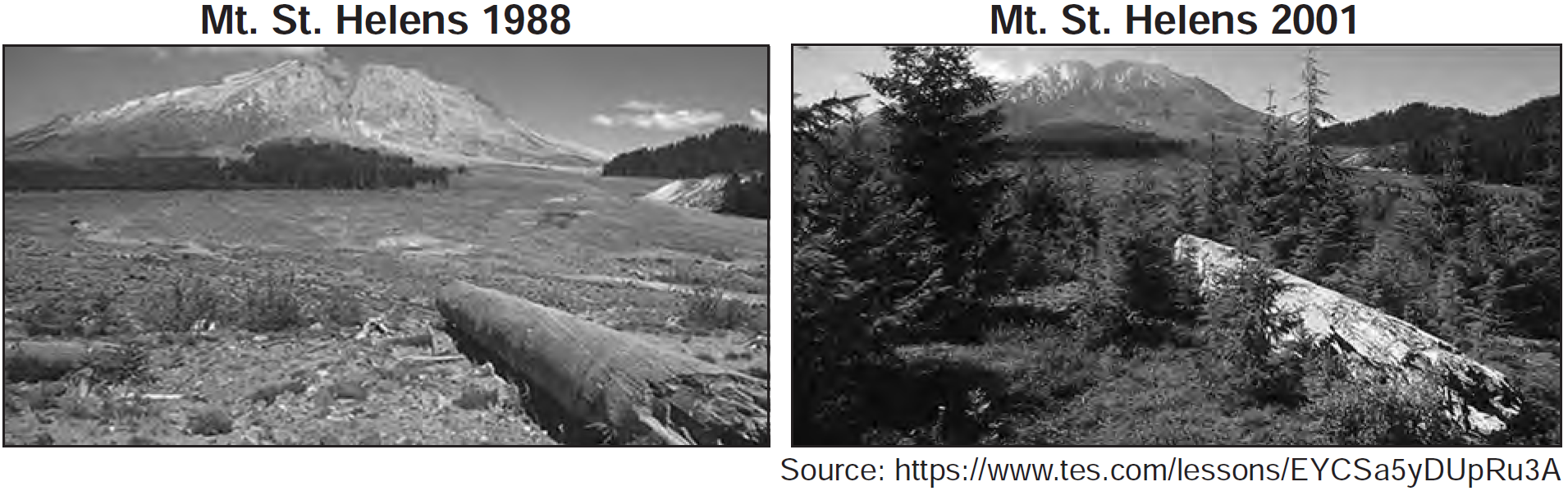
Normally it may take 100-200 years to reach the climax or mature ecosystem, like a forest, which can be monitored through observations of vegetation change over long periods of time, like these pictures taken at a forest fire a period of time.

Required
1

What are the main reasons that the forests are not regrowing ?

Required
1

What is the best explanation for ecological succession?

Required
1

How long can ecological succesion take for a forest ecosystem to reach a mature or climax forest?

A new study led by the University of Colorado Boulder also finds large parts of the Southern Rocky Mountains will become unsuitable for ponderosa pine and douglas fir tree regrowth as the climate continues to warm and become more dry. Lead author Kyle Rodman and hi steam found a stark dividing line, with very little regrowth after several large forest fires in the Rocky Mountains. Rodman says that in 2002, "was one of the driest years we've had in the past century or more. So any seedlings that might have established right after the fire, there's a good chance they would have been cooked in that drought."

New research is looking at other major concerns that are connected to the lack of ecological succession on these fire sites. For areas that can't regenerate, research has found they may instead convert to grasslands. Biologist Camille Stevens-Rumann, also of Colorado State University, says there can be lots of benefits to having patches of grasslands between forested areas. But it's a problem "where we're talking about tens of thousands of acres that have transitioned from forest to grasslands." One major concern is that trees sequester carbon. Fewer trees will capture less carbon, which means more warming, and therefore fewer trees, in a cycle that will make it hard to reach carbon neutrality. Thomas Veblen, of the University of Colorado Boulder, says this poses a problem for tree replanting efforts considered as a way to combat climate change. "Trees need moisture to survive, and they simply are not going to be surviving in the many, many places where we would like to have them planted and sequestering carbon," he says.
Required
1

Most areas that are struggling with ecological succesion of forests are becoming?

Required
1

What is the meaning of the word sequester, in the reading ?

Required
1

What global issue is related to this problem and growing because of it?

Ecologist - Ms. Stevens-Rumann has studied a large range of burned forests across the West and found some areas no longer able to support the same trees that have been there for one or two centuries.
"We're really moving away from the suitable climate for tree regeneration to happen," she says. But she wants to emphasize that Colorado is not losing all of its forests. Some trees, like aspen and oak, do better with regrowth after a fire. She says lodgepole pine forests, such as what's been burning in the Cameron Peak Fire north of Rocky MOuntain National Park, have also been found to recover better than some lower elevation trees. Fire actually makes their cones open to drop seeds.
In other cases a different species may move in, or trees may migrate to higher, cooler elevations. "That gives me hope for these landscapes," she says. "And I think part of what we all have to accept, in this new and changing world, is that these ecosystems are going to look different than the ones that maybe we have grown fond of in the past." Ecological succession will continue to happen, it just won't be in the predictable way that we have observed in the past with the same species coming back. Not only can we anticipate new types of vegetation to move into these areas that were once douglas fir forests, but also expect to see new and different species of animals than what once thrived in this landscape.
Required
1

All areas that burned are only going to turn into grasslands.

Required
1

What are two limiting factors that have impacted the normal process of ecological succession?

Required
1

What species of trees are becoming more common and replacing the ponderosa pine and Douglas fir trees?

Required
1

What significant change would need to take place in order for the normal ecological succession to take place?

Required
1

Why would ecologists expect to see different species of animals, if the trees and other vegetation in the area changed.

Required
1

What was the key message from the reading?

Required
1


Other Answer Choices:
Climax Community
Young forest
Mature forest
Succession
Grasses and weeds
Shrubs
Required
1

Mt. St. Helens erupted in 1980. The photographs represent the changing environment in the area of the Mt. St. Helens volcano in 1988 and 2001.
Following the volcanic eruption in 1980, which process occurred that resulted in an increase in the number of species?

Required
1

Which statement is true about the biological process shown?

Required
1

A farmer stopped maintaining a field that was once used to grow crops. Over time, the field eventually became a forest. These changes best illustrate the process of

Required
1

Which sequence of events best represents ecological succession?

Required
1

If the grass in the front yard of an abandoned house is not cut for several years, the yard may become overgrown with taller grasses, bushes, and shrubs. This is an example of the process of