Momentum AP
star
star
star
star
star
Last updated about 2 years ago
12 Nsɛmmisa
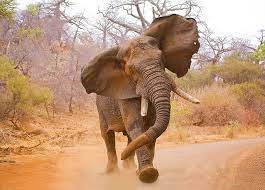
Calculate the momentum of a 1800-kg elephant charging a hunter at a speed of 7.50 m/s.
What is the momentum of a 0.0400-kg tranquilizer dart fired at a speed of 600 m/s toward the elephant? Round your answer to the nearest whole number
What is the momentum of the 90.0-kg hunter running at 7.40 m/s after missing the elephant? Round your answer to the nearest whole number
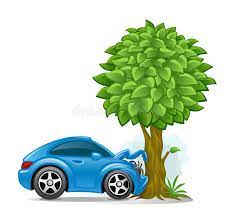
A car moving at 10 m/s crashes into a tree and stops in 0.26 s. Calculate the force the seat belt exerts on a passenger in the car to bring him to a halt. The mass of the passenger is 70 kg. Round your answer to the nearest whole number.
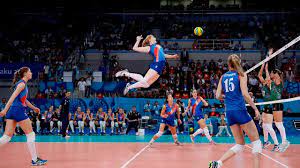
A volleyball is spiked so that its incoming velocity of +4.0 m/s is changed to an outgoing velocity of −21 m/s. The mass of the volleyball is 0.35 kg. What impulse does the player apply to the ball? Round your answer to two decimal places.
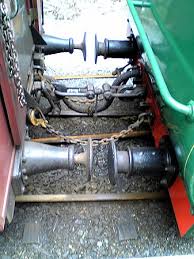
Train cars are coupled together by being bumped into one another. Suppose two loaded train cars are moving toward one another, the first having a mass of 150,000 kg and a velocity of 0.300 m/s, and the second having a mass of 110,000 kg and a velocity of −0.120 m/s. (The minus indicates direction of motion.) What is their final velocity? Round your answer to two decimal places.
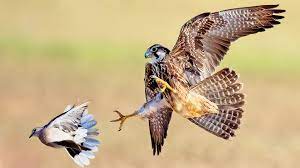
A 1.80-kg falcon catches a 0.650-kg dove from behind in midair. What is their velocity after impact if the falcon’s velocity is initially 28.0 m/s and the dove’s velocity is 7.00 m/s in the same direction? Round your answer to one decimal place.
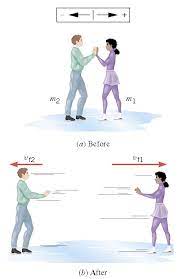
Two friends, Al and Jo, have a combined mass of 168 kg. At an ice skating rink they stand close together on skates, at rest and facing each other, with a compressed spring between them. The spring is kept from pushing them apart because they are holding each other. When they release their arms, Al moves off in one direction at a speed of 0.90 m/s, while Jo moves off in the opposite direction at a speed of 1.2 m/s. Assuming that friction is negligible, find Al’s mass. Round your answer to the nearest whole number.
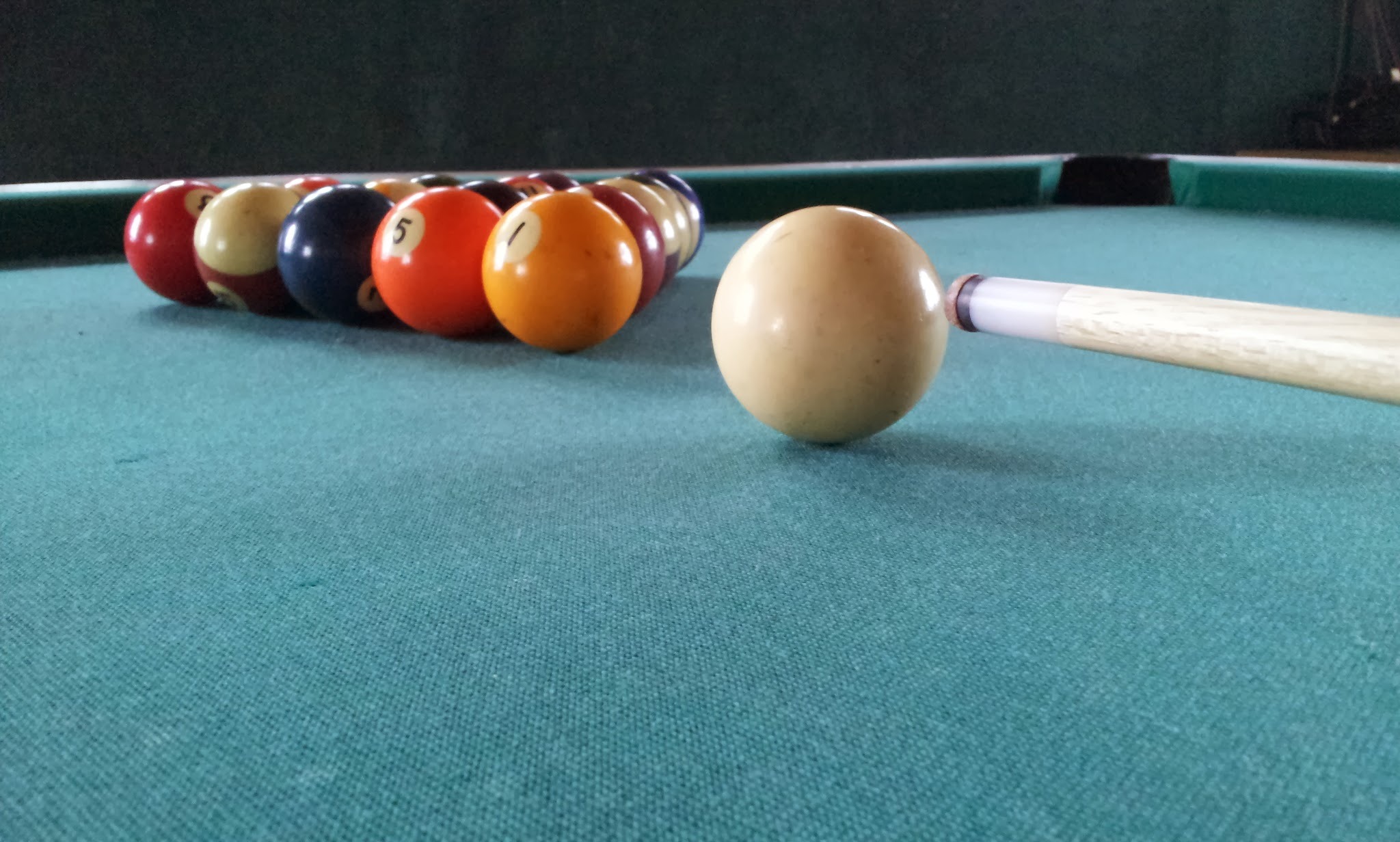
A cue ball (mass = 0.165 kg) is at rest on a frictionless pool table. The ball is hit dead center by a pool stick, which applies an impulse of +1.50 Ns to the ball. The ball then slides along the table and makes an elastic head-on collision with a second ball of equal mass that is initially at rest. Find the velocity of the second ball just after it is struck. Round your answer to two decimal places.
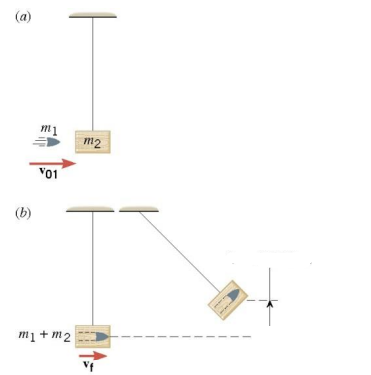
Find the speed of the bullet/block combination immediately after the collision. Round your answer to two decimal places
How high does the combination rise above its initial position?
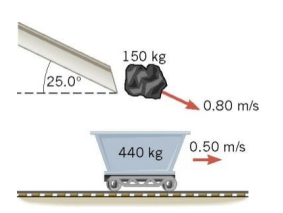
.A mine car, whose mass is 440 kg, rolls at a speed of 0.50 m/s on a horizontal track, as the drawing shows. A 150-kg chunk of coal has a speed of 0.80 m/s when it leaves the chute. Determine the velocity of the car/coal system after the coal has come to rest in the car. Round your answer to two decimal places