Use the attached periodic table and ion charts to help you in your progress. They will enlarge when you click on them. When you have images on the test, you can click to enlarge them as well.
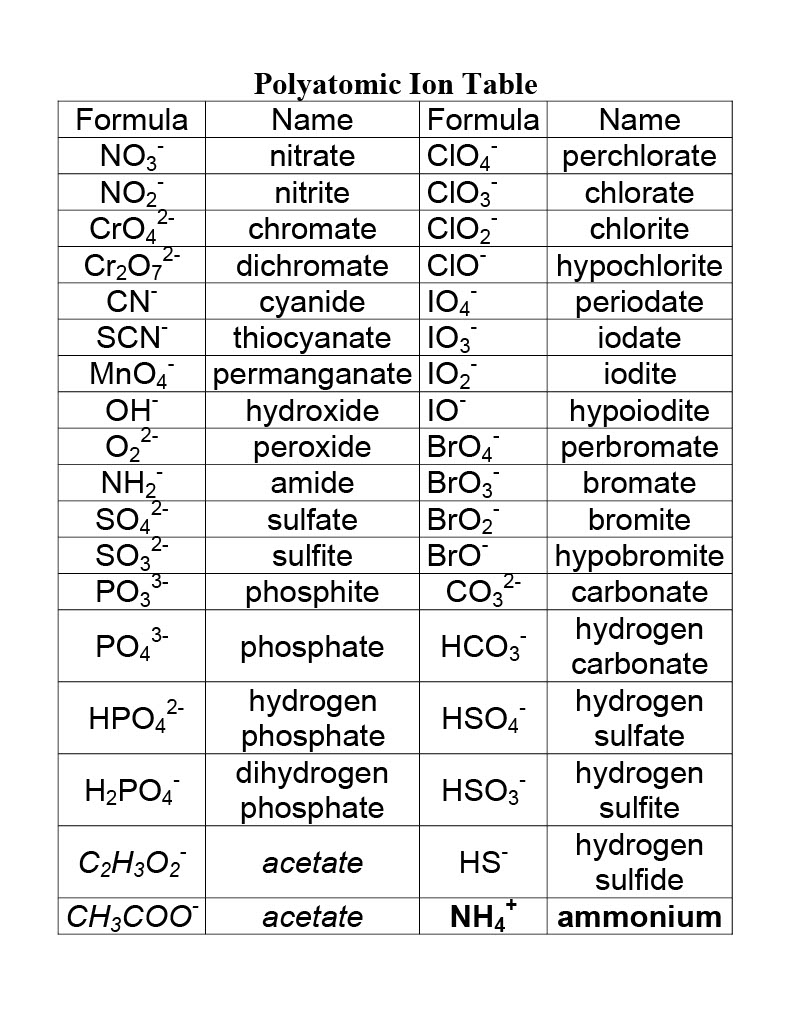
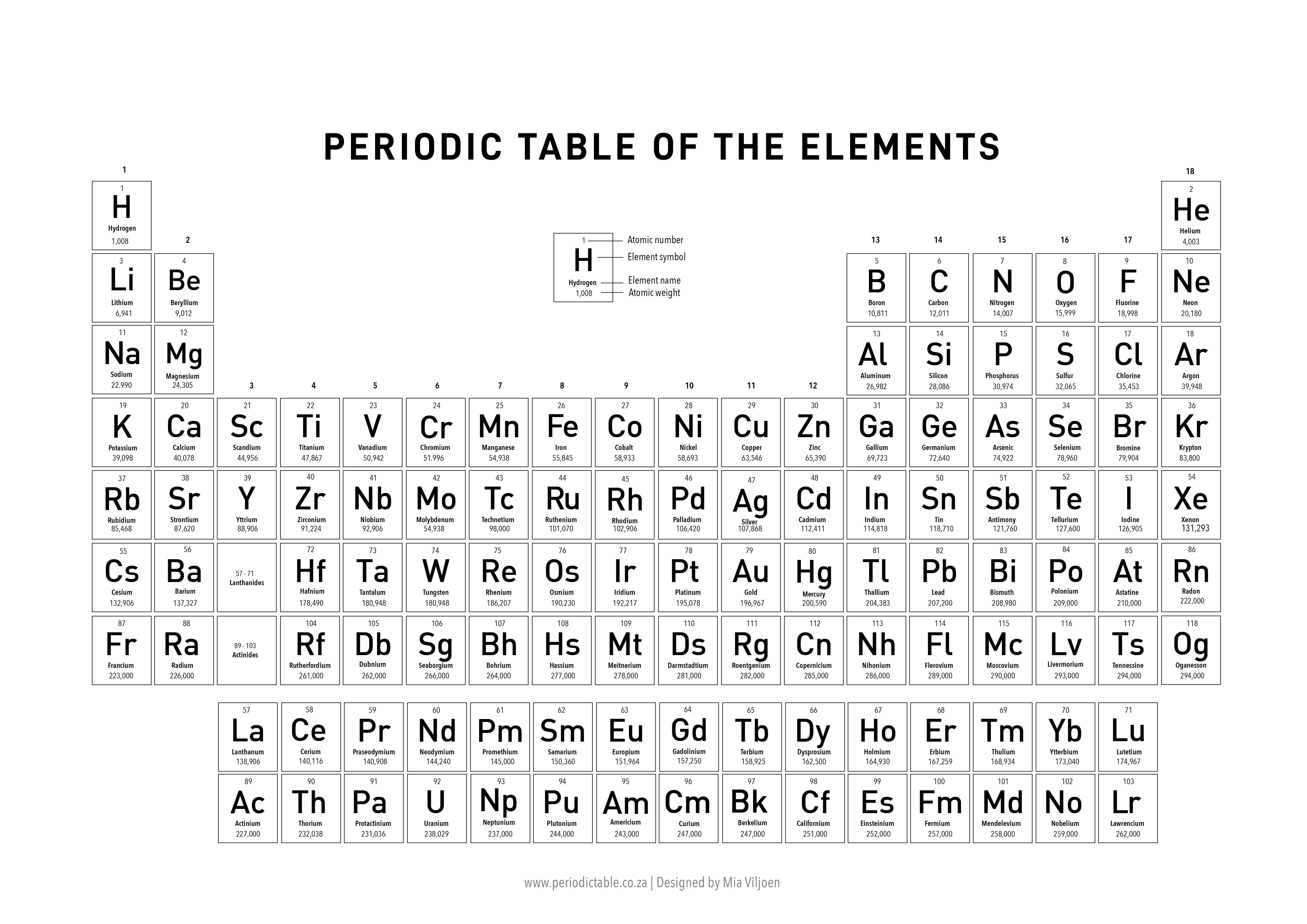
Use the attached periodic table and ion charts to help you in your progress. They will enlarge when you click on them. When you have images on the test, you can click to enlarge them as well.
According to the periodic table, how many neutrons are in a potassium atom that has an atomic mass of 41?
Use the Periodic Table of Elements to answer the following question.
Which sentence about the periodic table of elements is true?
Steel is a metal that is made from iron and carbon. During the steel making process, iron and carbon are melted, blended together, and then allowed to harden into a solid. The iron and carbon do not chemically react with each other. After steel was made, 20 samples were taken from one piece and tested. Each sample contained 98% iron and 2% carbon.
Which of the following terms best describes steel?
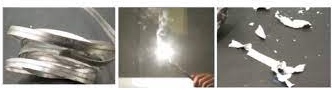
When magnesium (Mg) metal is burned in the presence of oxygen (O2), magnesium oxide (MgO) is produced. The properties of magnesium oxide are different than the individual properties of magnesium and oxygen because magnesium oxide is
What do the elements sulfur (S), nitrogen (N), phosphorus (P), and bromine (Br) have in common?
A diagram of the periodic table is shown below.
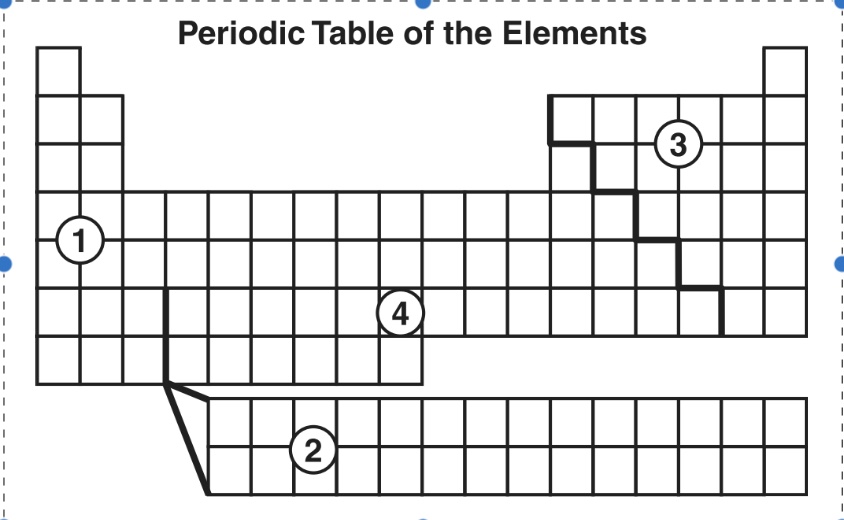
In which region of the table would nonmetals be found?
Which class of elements best conducts electricity?
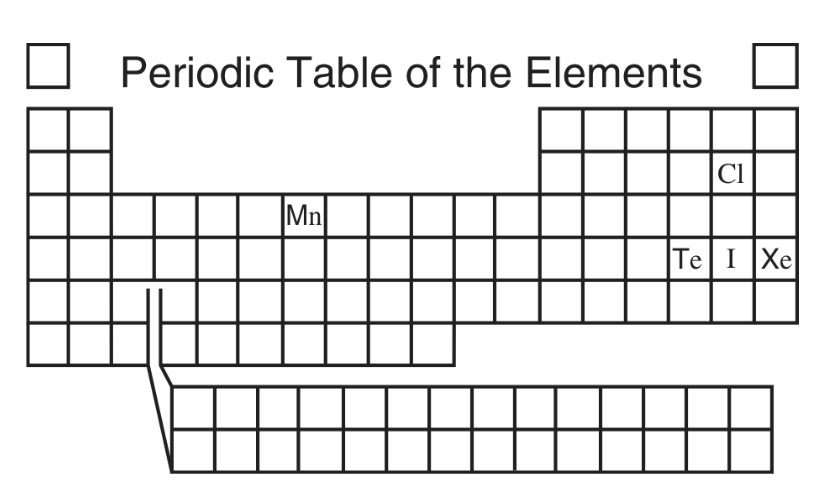
Iodine would have chemical properties most like
Which of the follow is the most important factor in determining an element's place in the periodic table?
The atomic number of iron is 26, and the atomic mass is 55.847. What do these numbers mean in relationship to the number of protons, electrons, and neutrons?
Refer to the portion of the periodic table to answer the question that follows.
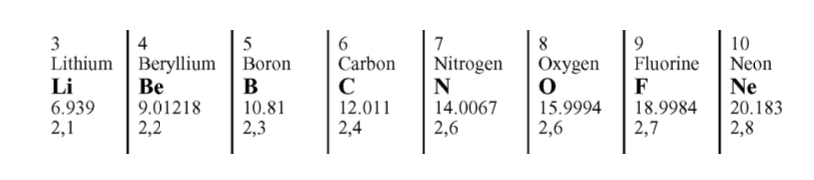
Which element in this group would be the least likely to react with other elements?
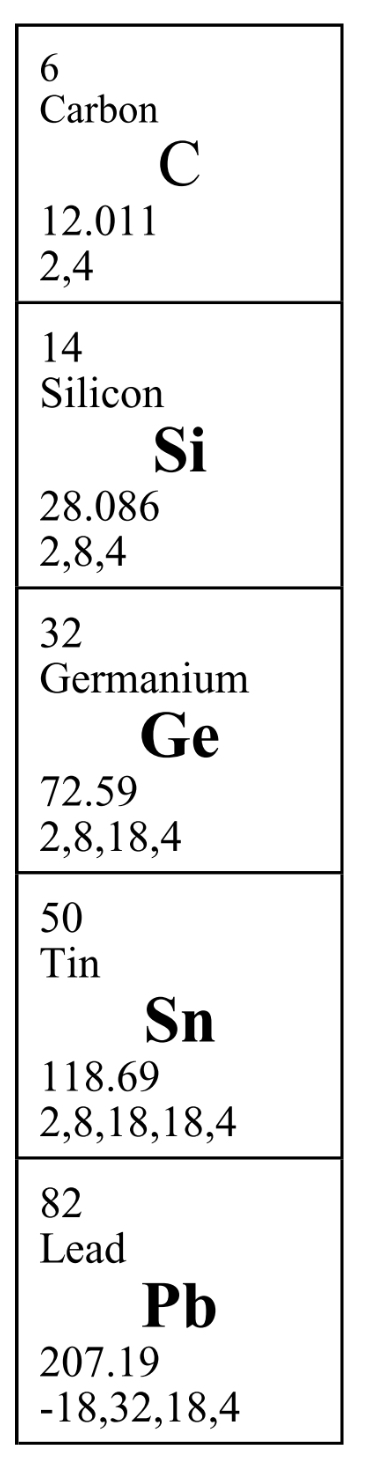
What do all of the elements listed above have in common?
Jeanette is studying a substance. Which property of the substance is chemical?
The table below show the physical properties of selected metals.
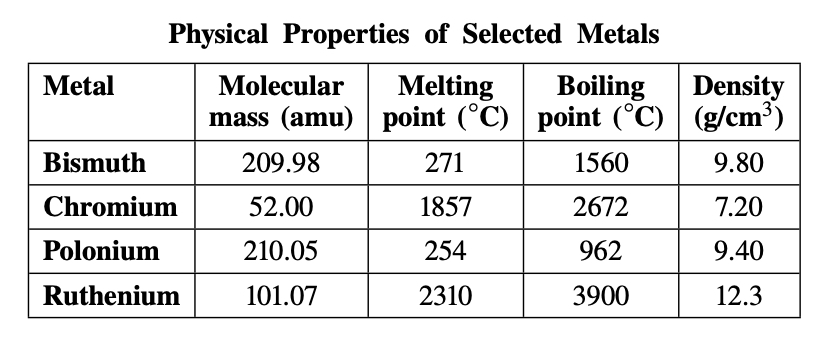
A cube of an unknown metal has a volume of 2.25 cm3 and a mass of 16.2 g. Based on data in the table above, what is the identity of this metal?
Which of the following trends in the periodic table should be expected as the atomic number of the halogens increases from fluorine (F) to iodine (I)?
Which of the following elements is a member of the halogen family and is located in period 3?
Which of the following statements explains why elements of the alkali metal family are highly reactive?
Which correctly list four atoms from smallest to largest radius size?
Which statement best describes the density of an atom's nucleus according to the modern theory of the atom?
Which of the following elements can form an anion that contains 54 electrons, 74 neutrons, and 53 protons?
Soda ash, or sodium carbonate, is used in glassmaking. It is composed of sodium ions and carbonate ions. Which of the following is the chemical formula of sodium carbonate?
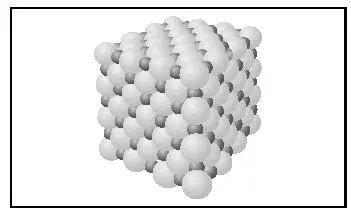
The diagram below represents particles of different elements in a crystal.
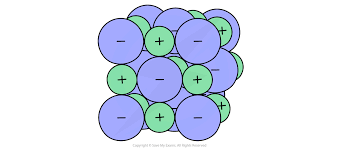
What types of bond holds these particles together?
Which is the correct formula for aluminum oxide?
Which of the following occurs in an ionic bond?
Monica made a snack for her friends by putting pretzels, peanuts, and raisins together in a bowl.

Which statement describes Monica's snack?
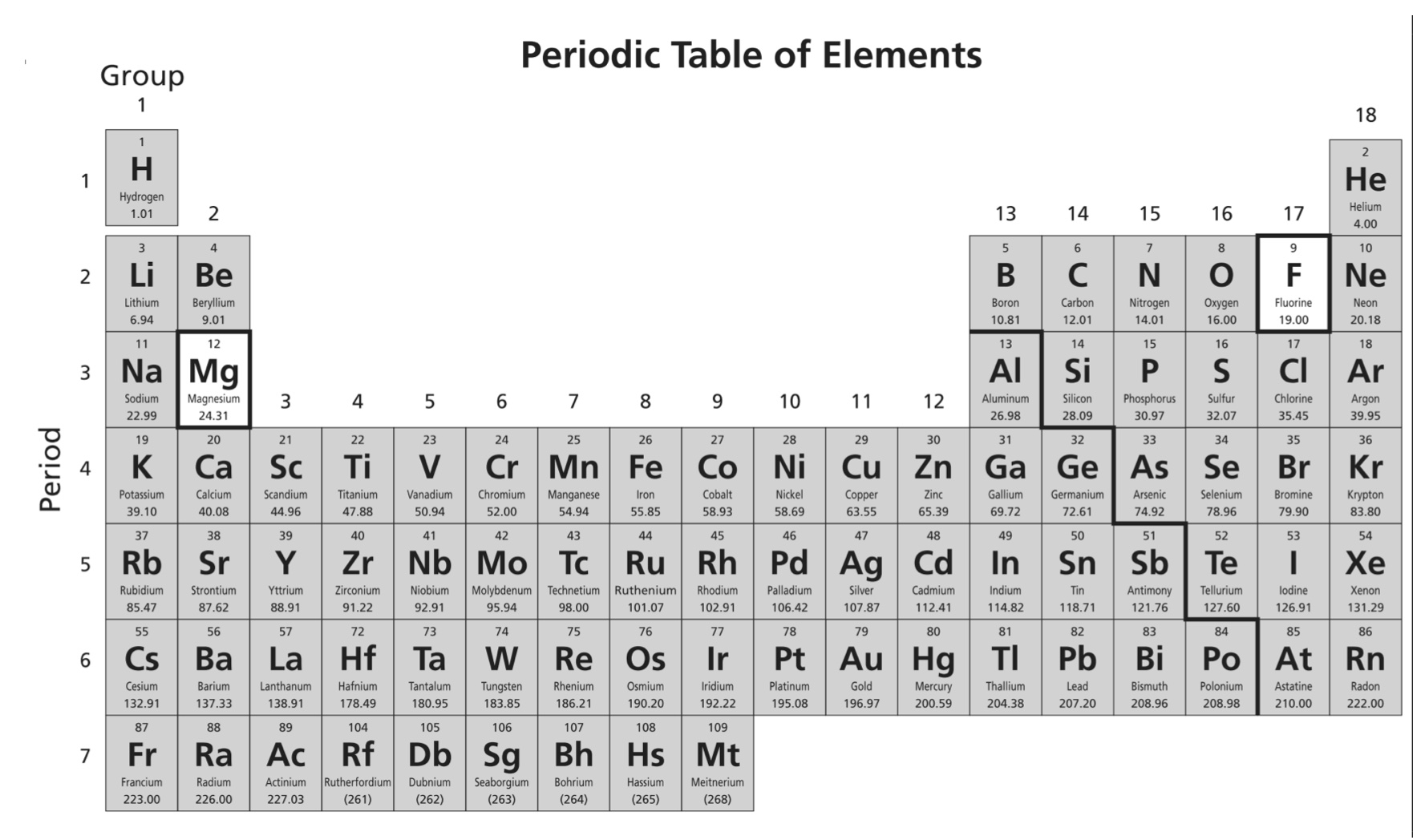
Calvin combines magnesium (Mg) and fluorine (F). Based on the periodic table, which statement describes the interaction of these two elements?
A balanced chemical equation reflects the idea that the mass of the products
Which of the following is an example of a chemical change?
Solids have a definite shape and volume. This is because
The picture below shows a solid floating in a liquid.
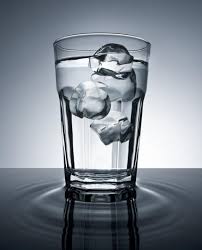
Which of the following statements describes one way that solids are different from liquids?
Which of the following shows an example of a chemical change?
Which of the following statement explains why oxygen is classified as a pure substance and air is classified as a mixture?
Which elements are both classified as metalloids?
If the formula of the oxide of metal M is MO, what is the most probable formula of the chloride of metal M?
In an experiment, 12.0 grams of solid carbon reacted with oxygen gas to form 44.0 grams of carbon dioxide gas. How many grams of oxygen reacted with the carbon?
C(s) + O2(g) --> CO2(g)
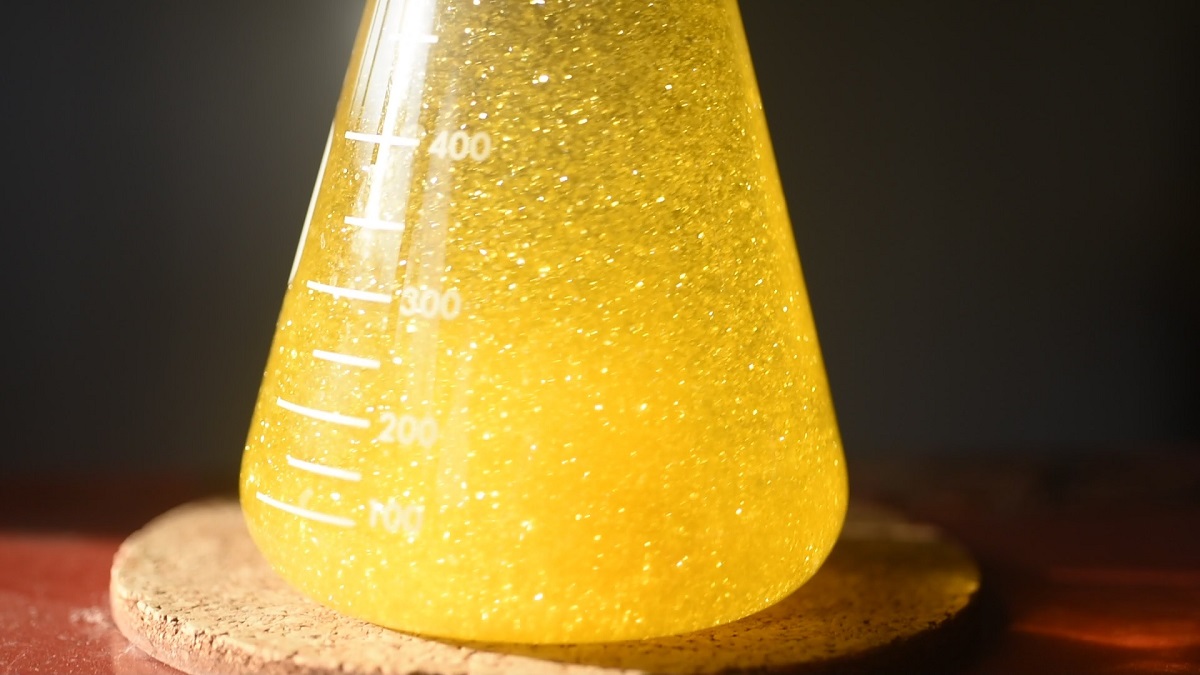
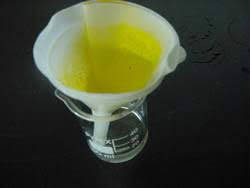
A yellowish cloudy liquid is poured through a filter. A yellow solid remains in the filter and a clear colorless liquid appears in the beaker below. What can be concluded from this information?
Which particle is a negatively charged ion?
Of the following elements, which element has the highest first ionization energy?
Match the following on what physical property you would use to separate the mixture.
| Draggable item | arrow_right_alt | Corresponding Item |
|---|---|---|
density | arrow_right_alt | sand and salt |
solubility | arrow_right_alt | iron and sulfur |
magnetism | arrow_right_alt | salt water |
boiling point | arrow_right_alt | rocks and sand |
size of particles | arrow_right_alt | oil and water |
When elements combine to form a compound, it is reasonable to predict that the compound
Drag and drop the pictures into the correct category to show chemical or physical change
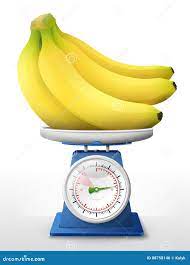
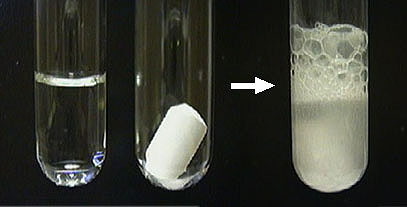
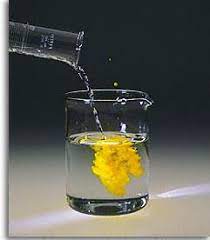
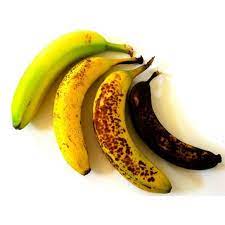

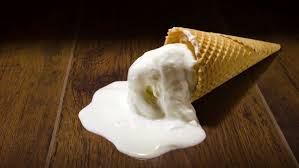
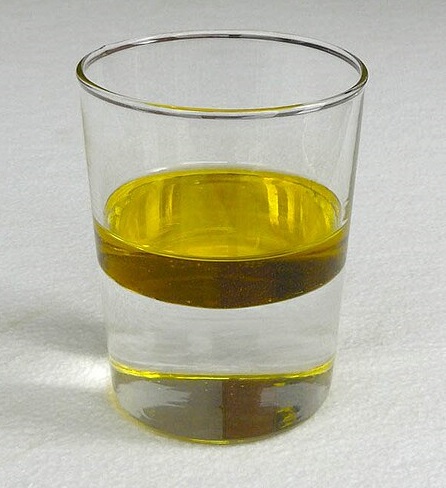
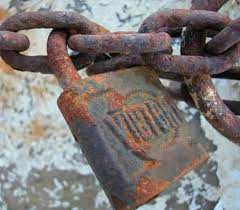
Chemical Change
Physical Change
An isotope is an atom of the element but with a different number of . This difference causes the of the atom to change.
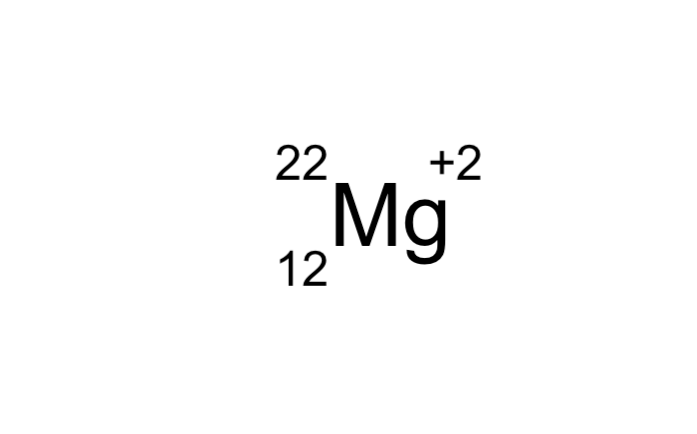
Calculate the molecular mass of PbSO4.
Matching the change of phases occuring below
| Draggable item | arrow_right_alt | Corresponding Item |
|---|---|---|
Solid to gas | arrow_right_alt | Freezing |
Liquid to solid | arrow_right_alt | Evaporation |
Liquid to gas | arrow_right_alt | Sublimation |
There are two reactants in a chemical equation, and one product. The mass of the product is 30g. The mass of the first reactant is 17g. What must the mass of the second reactant be, if the equation is to follow the law of conservation of mass?

The above Lewis Dot Structure would be correct for an element from which group of the periodic table?
Decide whether the following properties of matter are intensive or extensive
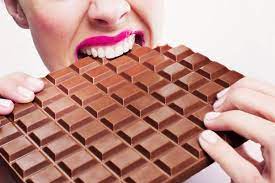
Taste of chocolate

Size of a cell phone screen
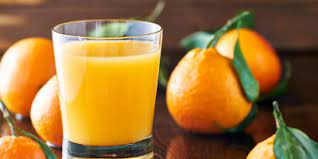
Color of orange juice
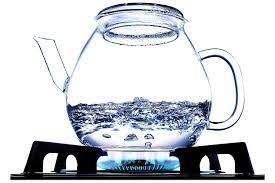
Boiling point of water
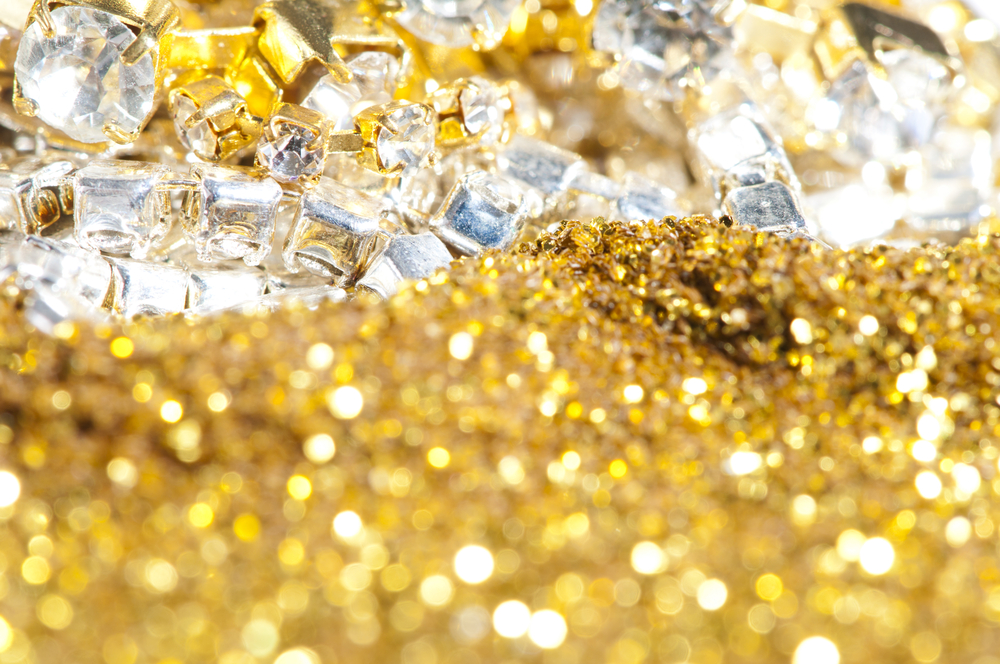
Density of gold
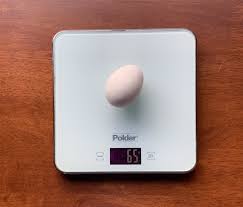
Mass of an egg
Intensive
Extensive