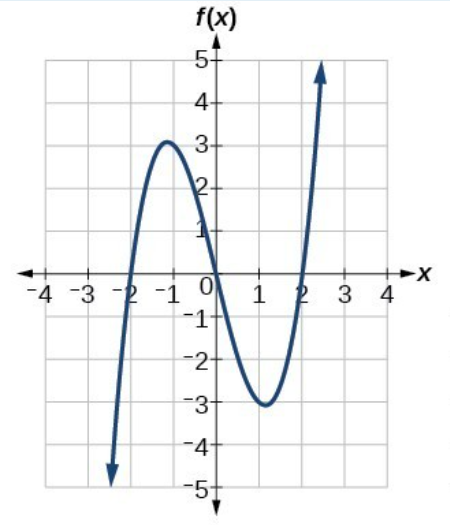
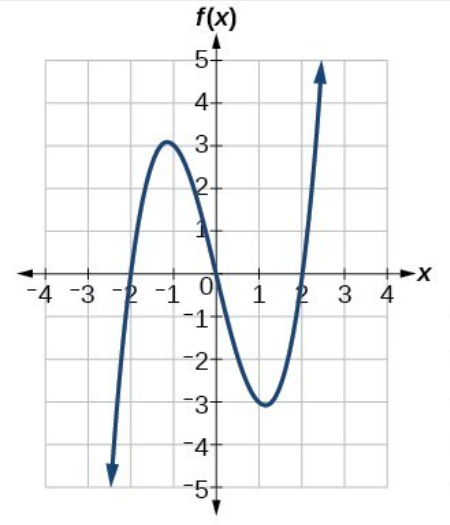
1) As x gets smaller; the function approaches infinity. x→ -∞ ; f(x)→ ∞
2) The graph of the function passes through the x-axis at 5
3) As x gets larger; the function approaches negative infinity. x→ ∞ ; f(x)→ -∞
For what interval of x is the function f(x) increasing?
For what interval of x is the function f(x) decreasing?
For what interval of x
is the function f(x) negative?
For what interval of x is the function f(x) positive?
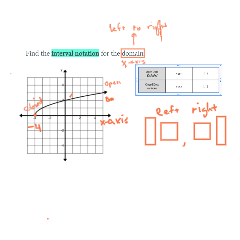
Use interval notation to describe the domain of this function.
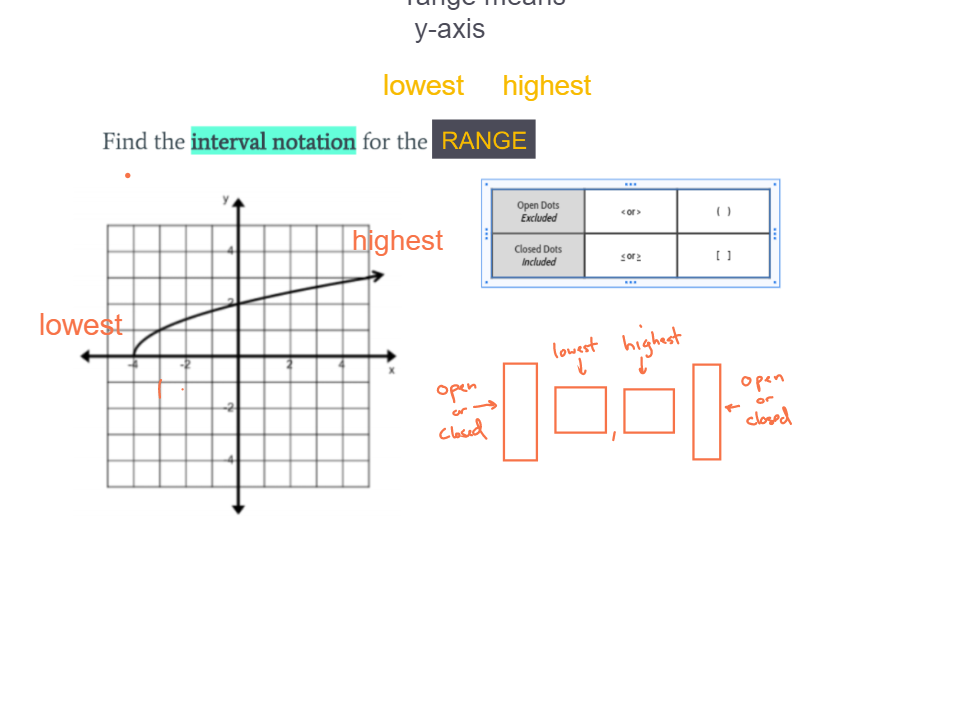
Use interval notation to describe the range of this function.
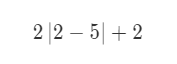
Simplify:
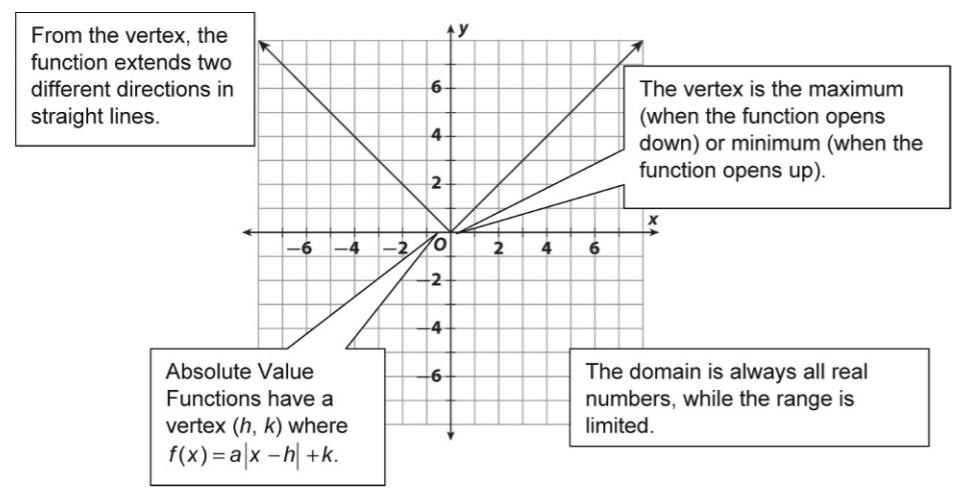
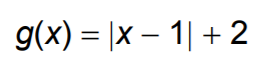
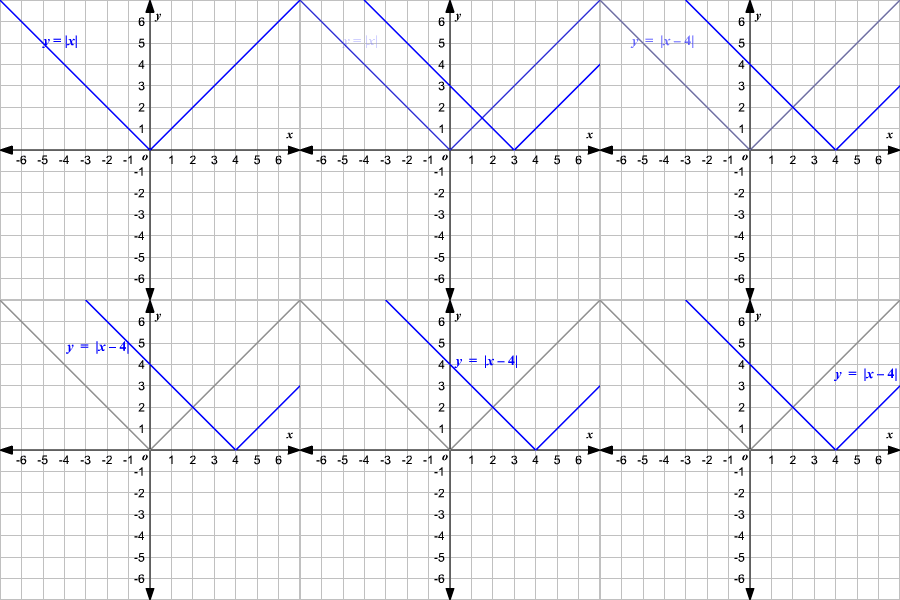
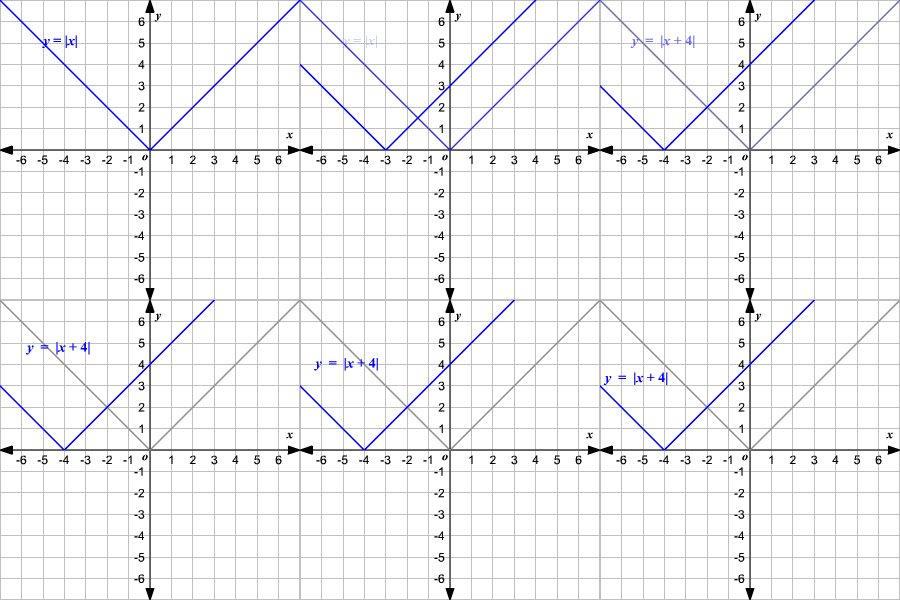
Use desmos to graph each function and find its vertex.


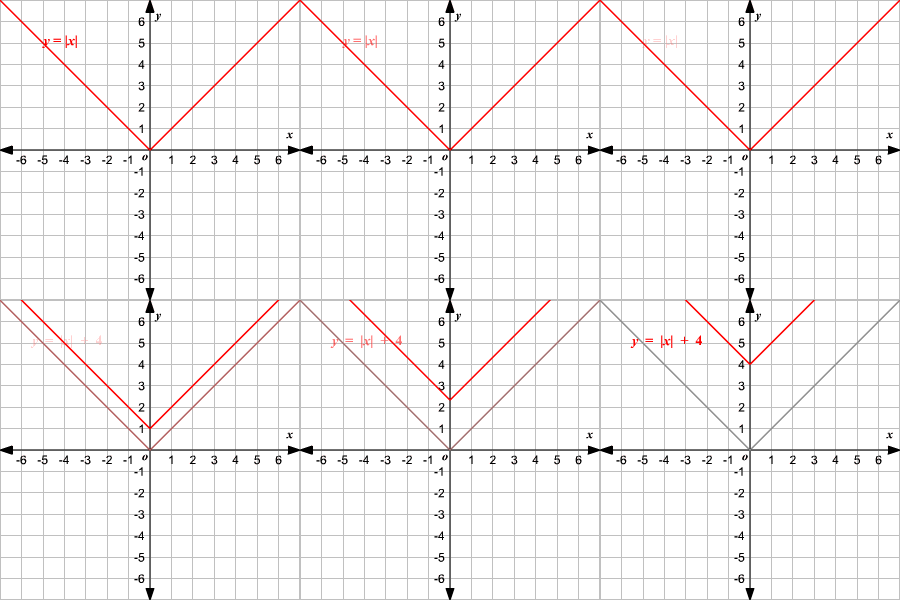
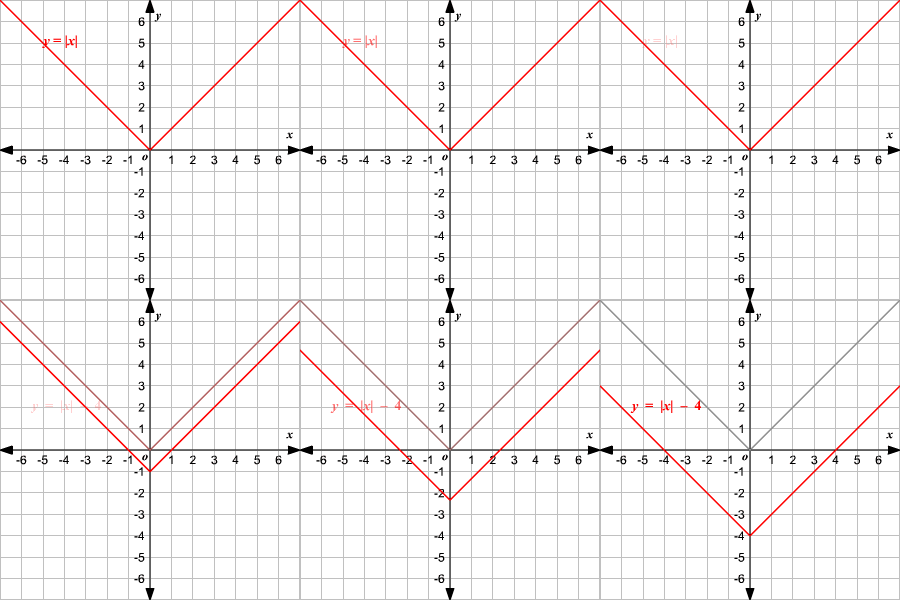
What is the equation for the translation of y = 2|x+2|+ 4, 6 units down?
What is the equation for the translation of y = 2|x+2|+ 4, 5 units up?


What is the equation for the translation of y = |x - 3|+ 4 , 7 units left?
What is the equation for the translation of y = |x - 3|+ 4 , 4 units right?

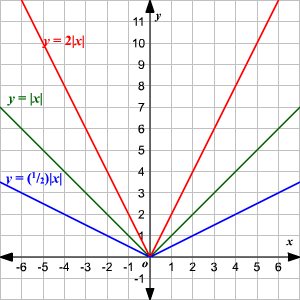
Compress the function y = |x - 3|+ 4 by a factor of 3.
Stretch the function y = |x - 3|+ 4 by a factor of 5.
What is the vertex of the function:
Based of the parent function, f(x)=|x|,
is this function stretched or compressed by a factor 3?
How does the "v" graph the of y = - 2|x | open?
How does the "v" graph the of y = ½|x | open?
Graph the absolute value function:
What is the vertex of the function:
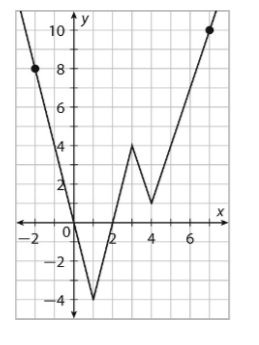
Is this an open or closed interval?
The definition of absolute value is...
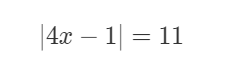
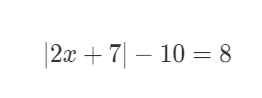
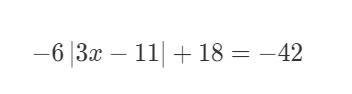
Solve the absolute value equation:
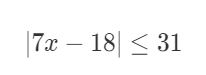
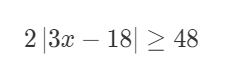
Solve the inequality. Then graph your solution.
Include all relevant graph detail.
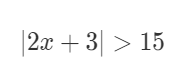
Solve the inequality. Then graph your solution.
Include all relevant graph detail.
Solve the inequality. Then graph your solution.
Include all relevant graph detail.