4.4 Quadratic Equation Review (Due 1/29/24)

Last updated 12 months ago
14 questions

Essential Question: What are other methods of solving quadratic functions besides factoring?


Learning Target: Students will be able to solve quadratic equations using the completing the square method to model real-world situations.


Show your work for credit.

Simplifying Radicals

Required
10

Simplify this radical.

Completing the Square: Rational Solutions

Required
10

Use Completing the Square to solve this quadratic equation. Give all solutions in simplest form.

Required
10

Use Completing the Square to solve this quadratic equation. Give all solutions in simplest form.

Completing the Square: Irrational Solutions

Required
10

Use Completing the Square to solve this quadratic equation. Give all solutions in simplest form.

Required
10

Use Completing the Square to solve this quadratic equation. Give all solutions in simplest form.

Quadratic Equation Review

Required
8

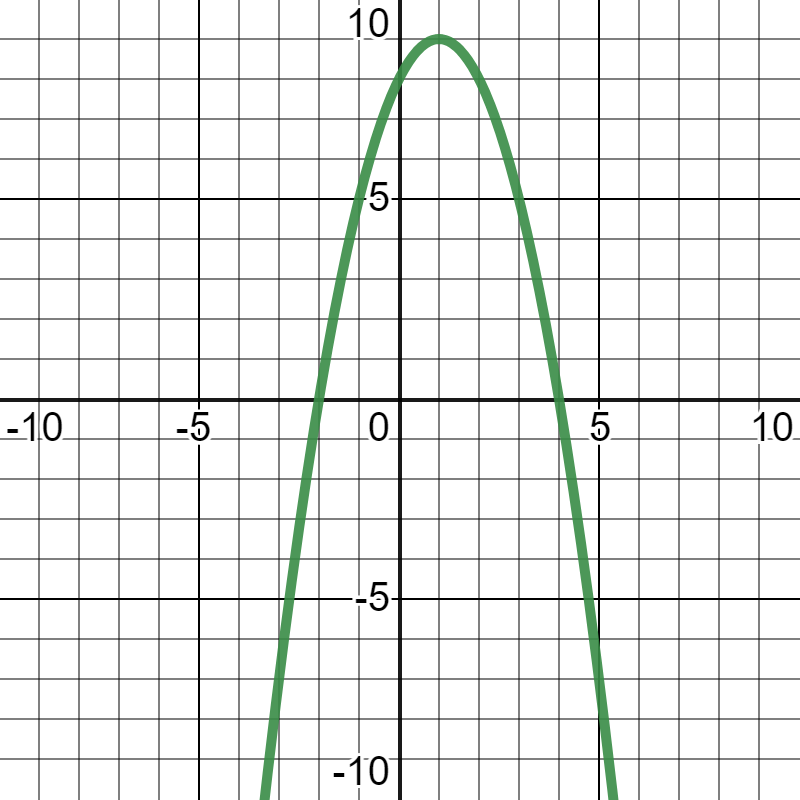
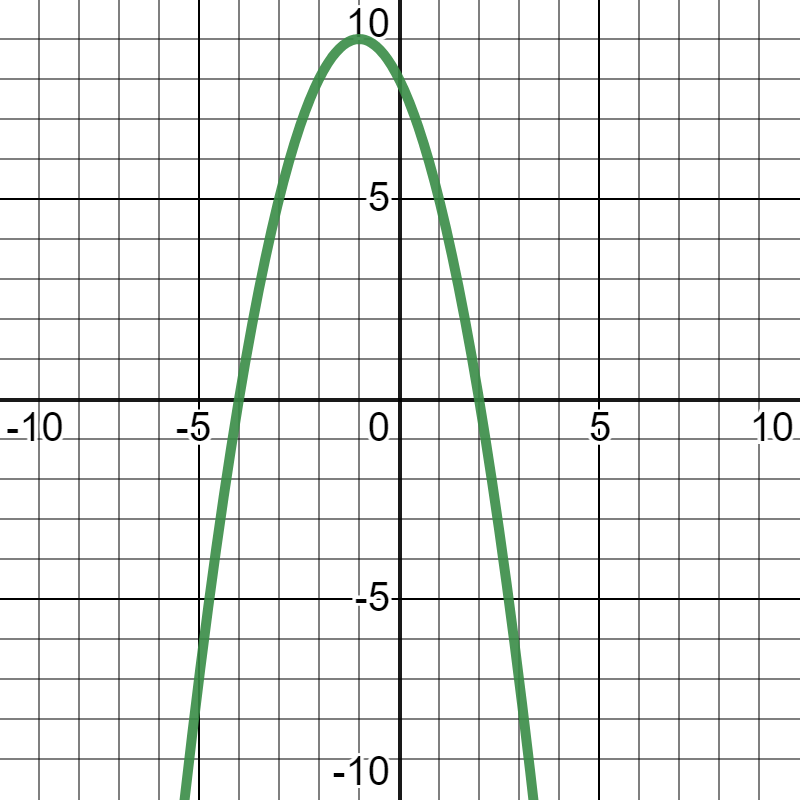
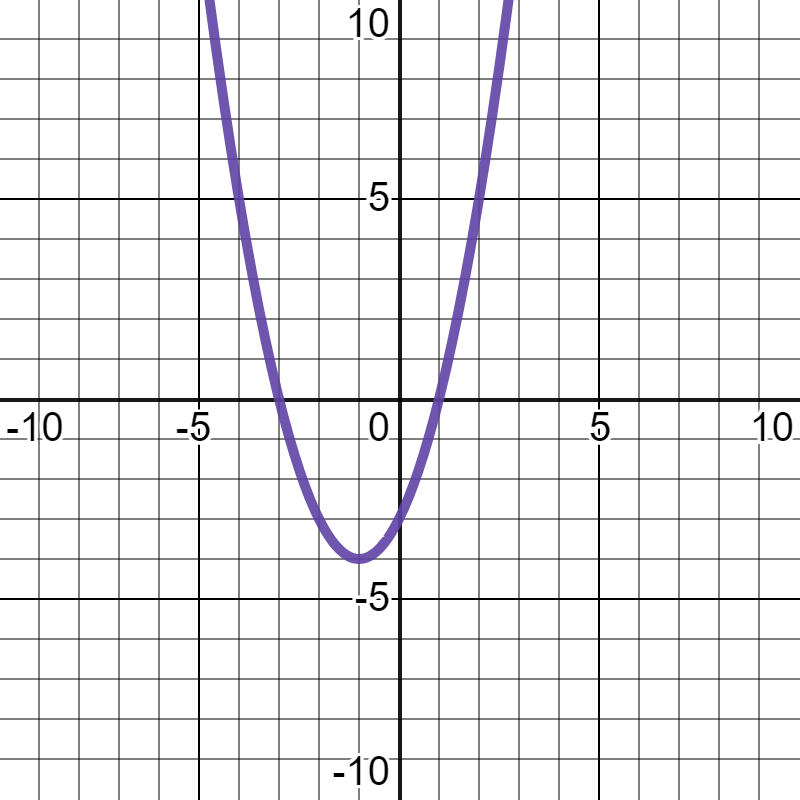
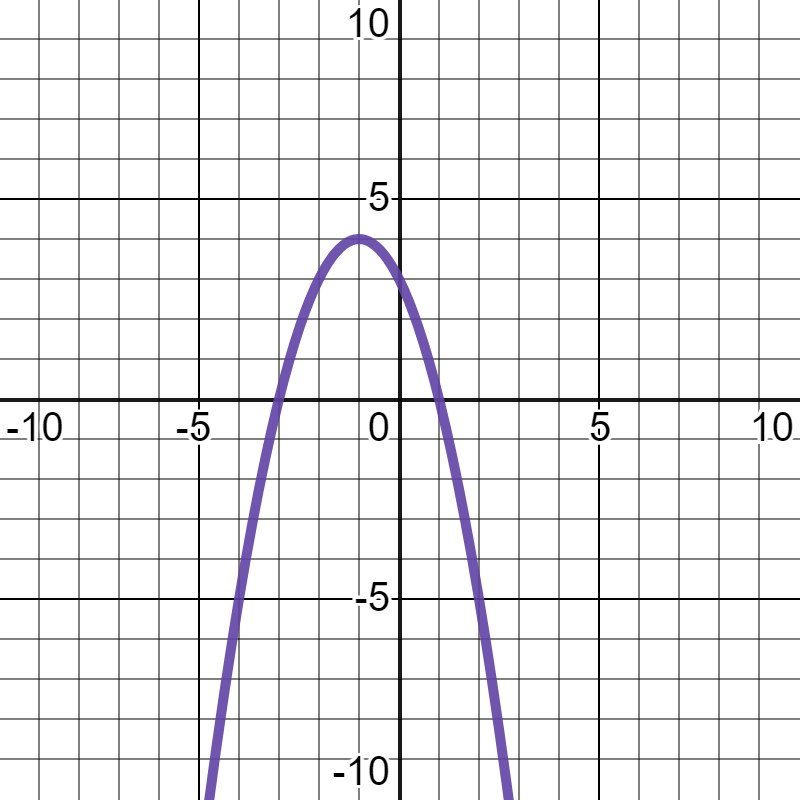
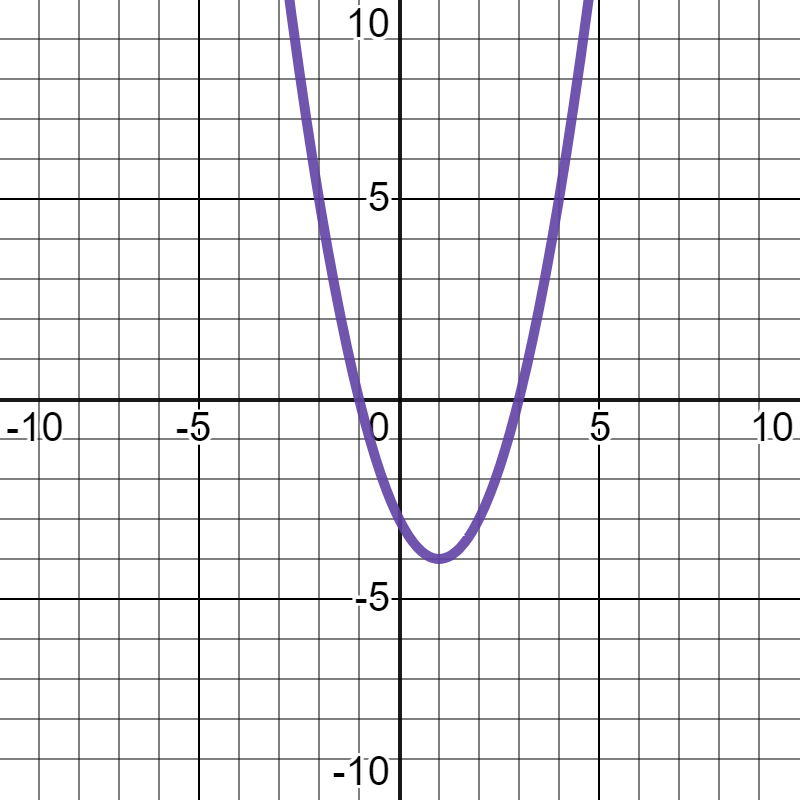
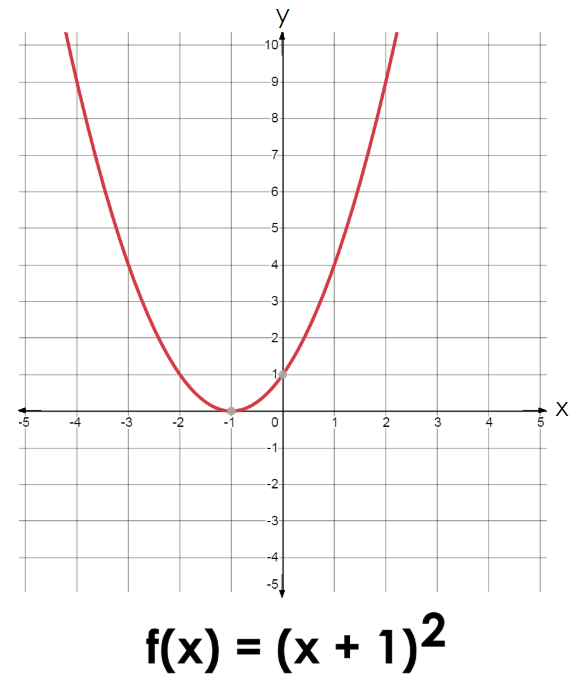
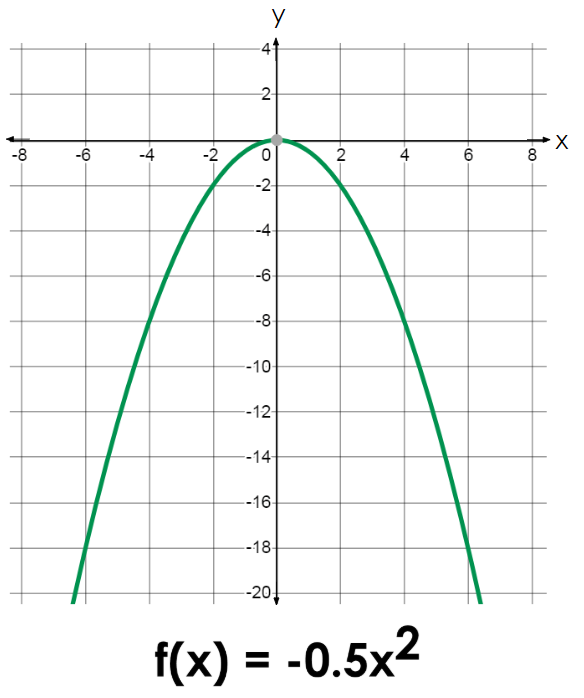
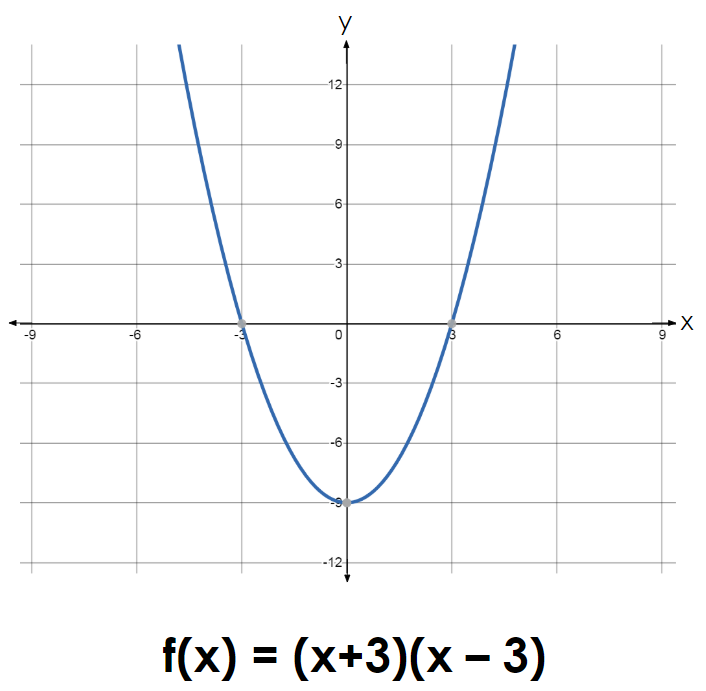
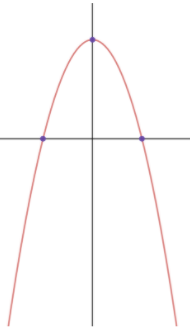
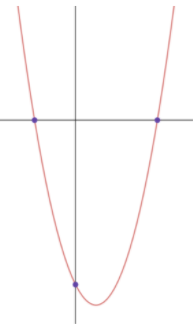
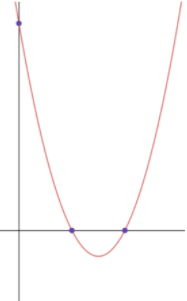
Match the graphs with their negative regions (below the x-axis).

Draggable itemCorresponding Item
(-1, 3)
(-∞, -1) and (3, ∞)
(-3, 1)
(-∞, -3) and (1, ∞)
(-2, 4)
(-∞, -2) and (4, ∞)
(-4, 2)
(-∞, -4) and (2, ∞)
Required
4

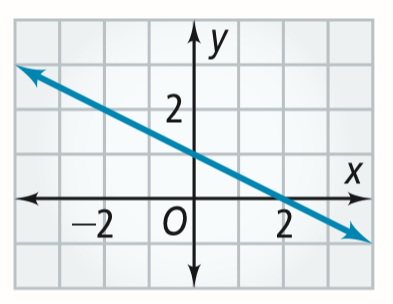
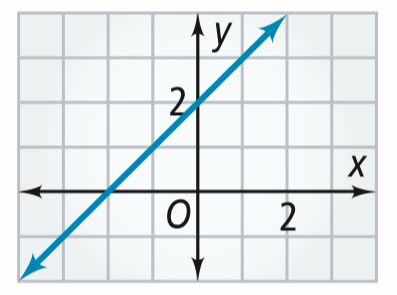
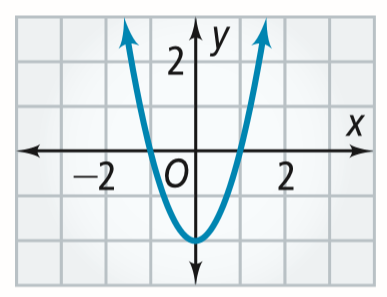
Use Your Vocabulary: Match each zero with its graph(s).

  • 1
  • -1
  • -2
  • 2
Required
12

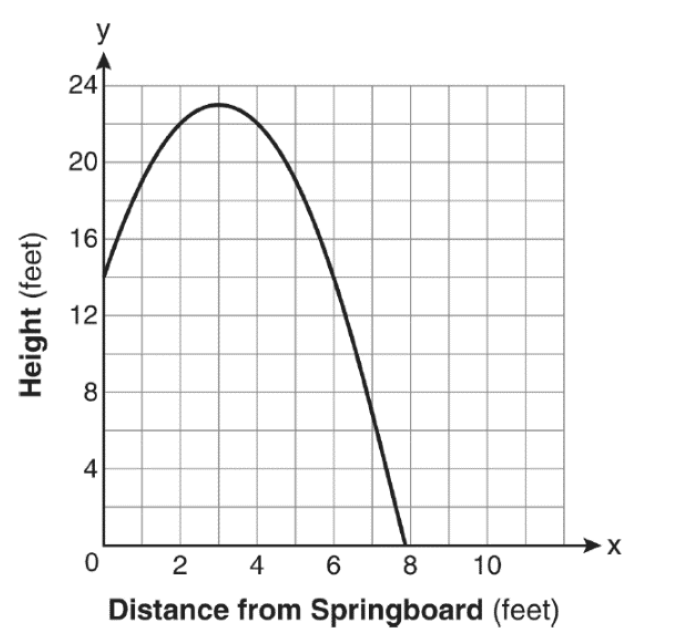
A swim team member performs a dive in the pool from a springboard.
The parabola below shows the path of her dive. Use the graph to answer the sorting question below.


Sort each statement into agree or disagree (based on the graph above)

  • The diver’s height was
    decreasing the entire time.
  • The springboard was 14 feet high.
  • The diver reached her
    maximum height at 23 feet in the air.
  • The diver landed in the water about 14 feet away from the springboard.
  • The diver’s range was between 0 and 23 feet.
  • The diver is going up in the air
    between 0 < x < 3.
  • The diver was 4 feet away from the springboard when she reached her maximum height.
  • Between 3 feet from the springboard and 8 feet from the springboard, the diver’s height was decreasing.
  • When the diver was 5 feet away from the springboard, she was 19 feet high.
  • Using the graph, f(2) = 22.
  • The diver was again at the height of the springboard 6 feet away from the board.
  • The diver’s height was changing at a faster rate between 4 feet and 6 feet from the springboard versus 6 feet and 8 feet from the springboard.
  • Agree
  • Disagree
Required
12

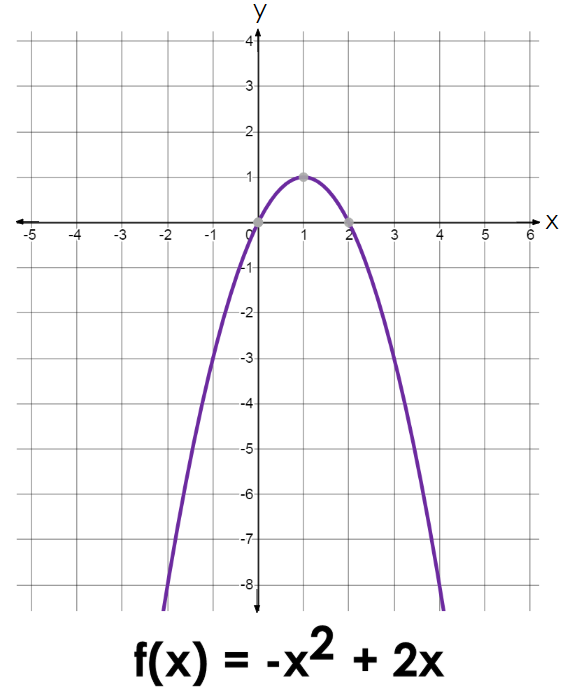
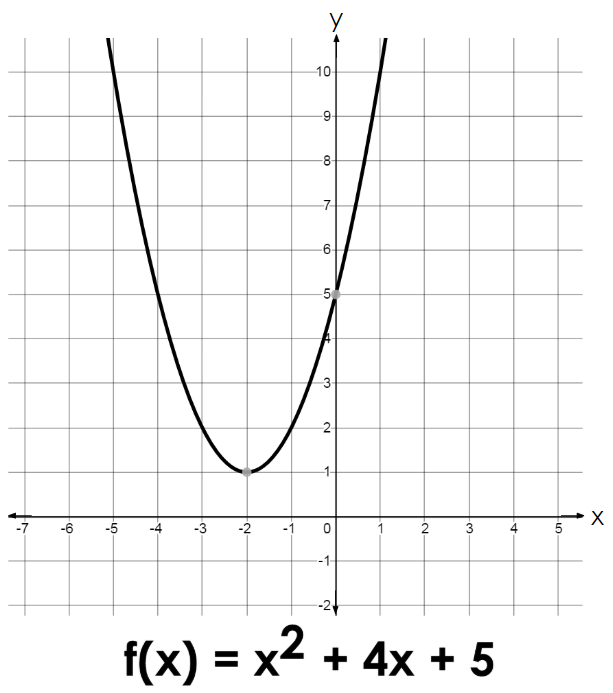
Match the statement to the quadratic equation it is describing.

  • My minimum is y=1 and
    all the y-values of my function are positive.
  • I have an axis of symmetry of x = -1.
  • The x-intercepts of my parabola are opposites.
  • The zeros of my parabola are (-6, 0) and (-2, 0).
  • Find my function using the clue below:
    f(-1) + f(4) = -11
  • My function's y-intercept and vertex are the same.
  • My function is only increasing over the interval x > -1.
  • My y-intercept is 5
    and my vertex is (-2, 1).
  • My function is decreasing over the interval (-4, ∞).
  • For my function, f(x) is negative when
    x < 0 and x > 2.
  • My function has a vertex that is (0, 0) and an axis of symmetry of x = 0.
  • The range of my function is y ≤ 1.
Required
3

Match each equation to its graph

Draggable itemCorresponding Item
f(x) = (x - 2)(x - 4)
f(x) = -(x + 2)(x - 2)
f(x) = (x + 2)(x - 4)
Required
10

Factor this quadratic function:
x2 - 3x - 4

Required
10

Factor this quadratic function:
x2 + 3x - 10

Required
10

Factor this quadratic function:
2x2 - 13x - 7

Required
10

Factor this quadratic function:
4x2 - 15x - 25