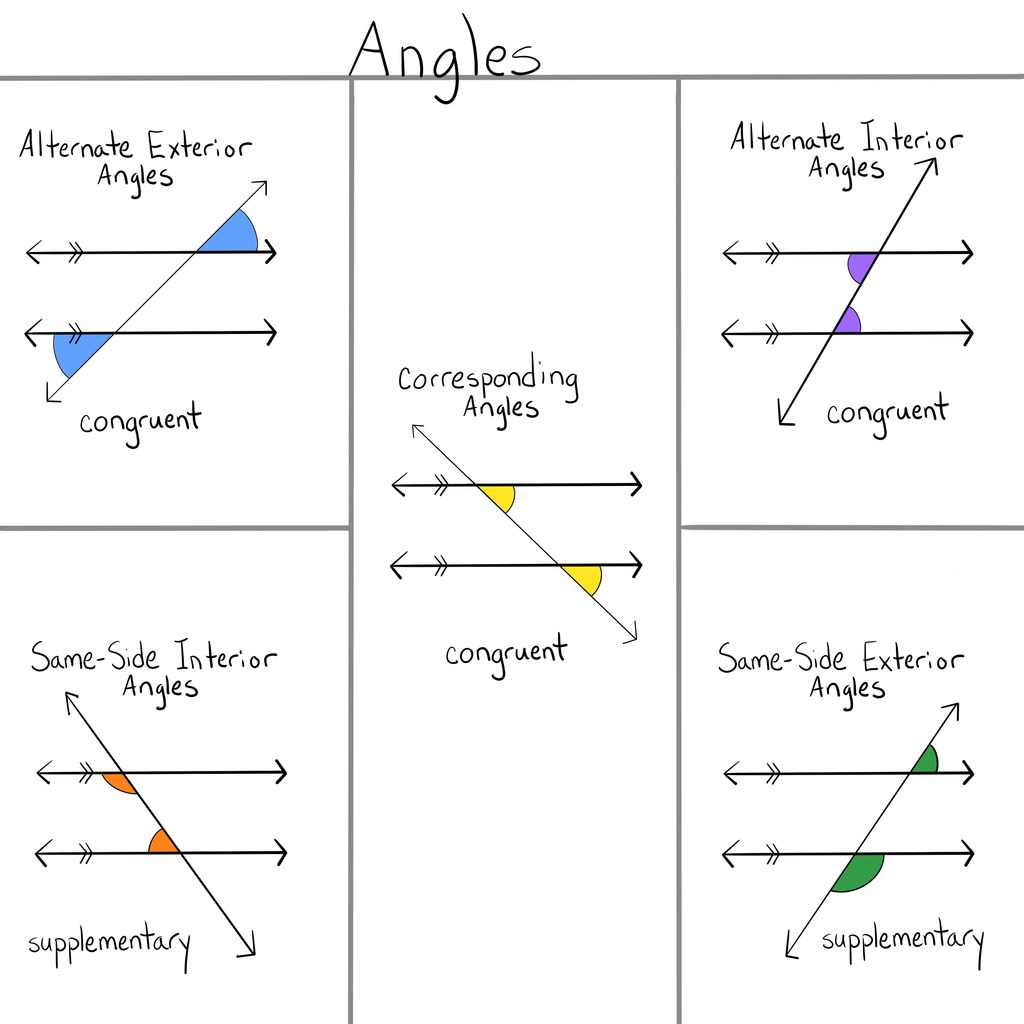
Essential Question: How do I identify angle relationships when lines are cut by a transversal?
Learning Target: Students will be able to identify angle relationships when lines are cut by a transversal.
Complete the entire assignment and show work for full credit.
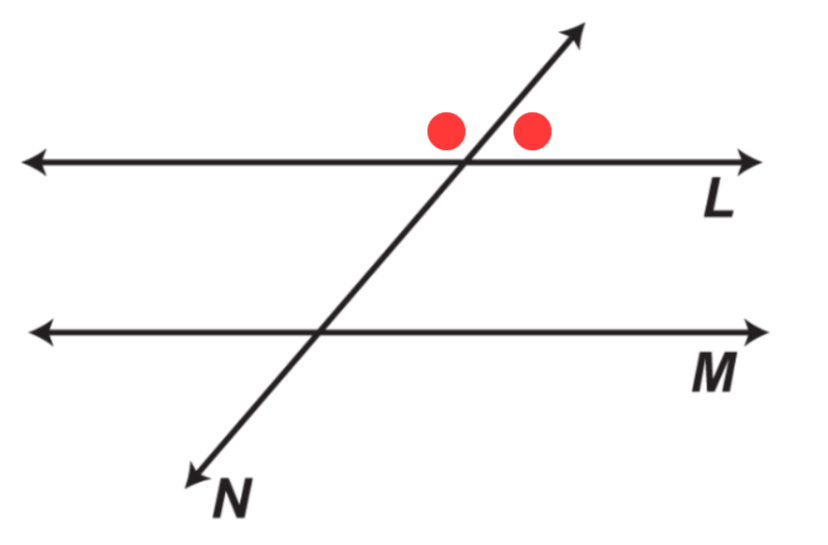
Highlight the transversal
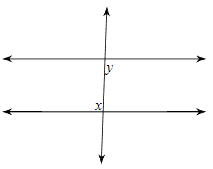
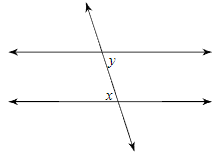
Name the angle relationship between the two indicated angles in the diagram:
These angles are on side(s) of the transversal and the other two lines. Therefore these angles are .
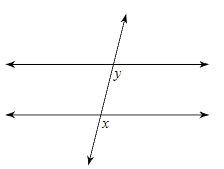
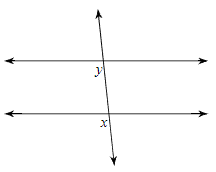
Name the angle relationship between the two indicated angles in the diagram:
These angles are on side(s) of the transversal and the other two lines. Therefore these angles are .
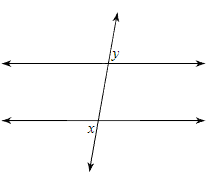
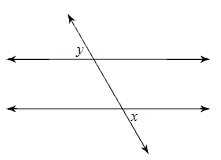
Name the angle relationship between the two indicated angles in the diagram:
These angles are on side(s) of the transversal and the other two lines. Therefore these angles are .
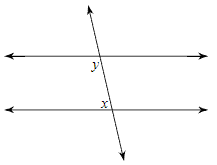
Name the angle relationship between the two indicated angles in the diagram:
These angles are on side(s) of the transversal and the other two lines. Therefore these angles are .
Name the angle relationship between the two indicated angles in the diagram:
These angles are on side(s) of the transversal and the other two lines. Therefore these angles are .
Name the angle relationship between the two indicated angles in the diagram:
These angles are on side(s) of the transversal and the other two lines. Therefore these angles are .
Name the angle relationship between the two indicated angles in the diagram:
These angles are on side(s) of the transversal and the other two lines. Therefore these angles are .
Name the angle relationship between the two indicated angles in the diagram:
These angles are on side(s) of the transversal and the other two lines. Therefore these angles are .
Name the angle relationship between the two indicated angles in the diagram:
These angles are on side(s) of the transversal and the other two lines. Therefore these angles are .
Name the angle relationship between the two indicated angles in the diagram:
These angles are on side(s) of the transversal and the other two lines. Therefore these angles are .
Draw an example of alternate interior angles.
Draw an example of alternate exterior angles.
Draw an example of same-side exterior angles.
Draw an example of same-side interior angles.
Draw an example of corresponding angles.

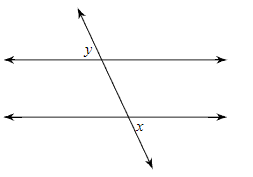
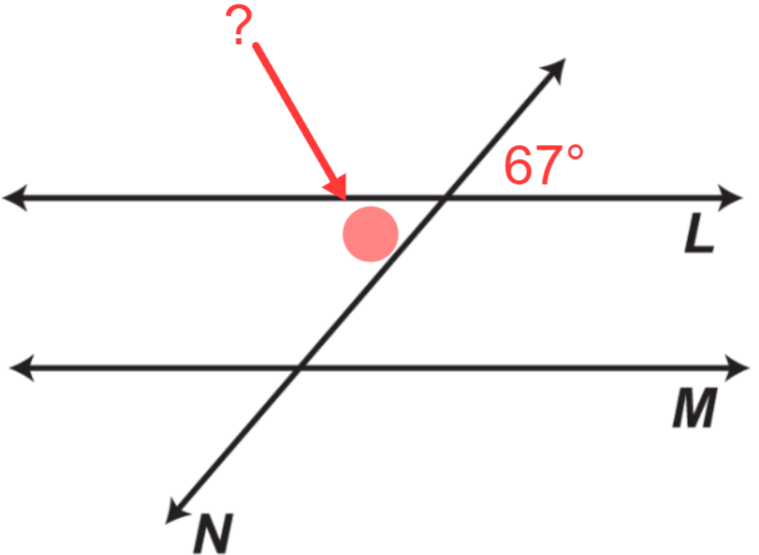
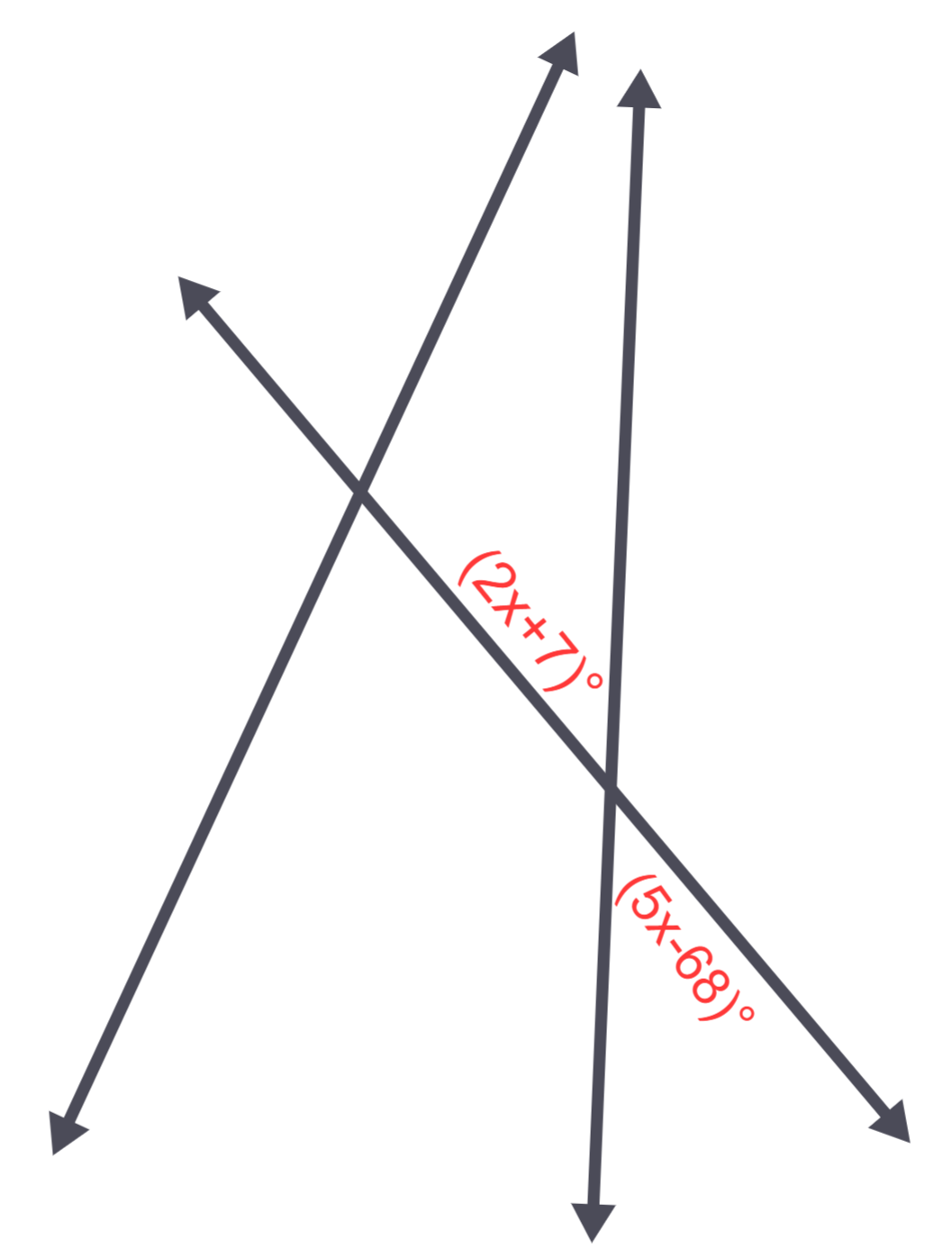
The indicated angles share . This makes the two are angles, so they . This means
What is the measure of the indicated angle? Do not forget to add the " ° " (degree) symbol in your answer.
![]()
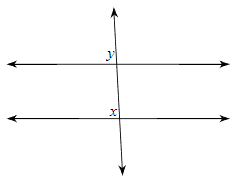
The indicated angles share . This makes the two are angles, so they . This means
What is the measure of the indicated angle? Do not forget to add the " ° " (degree) symbol in your answer.

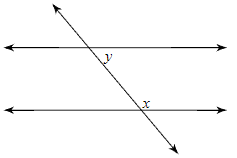
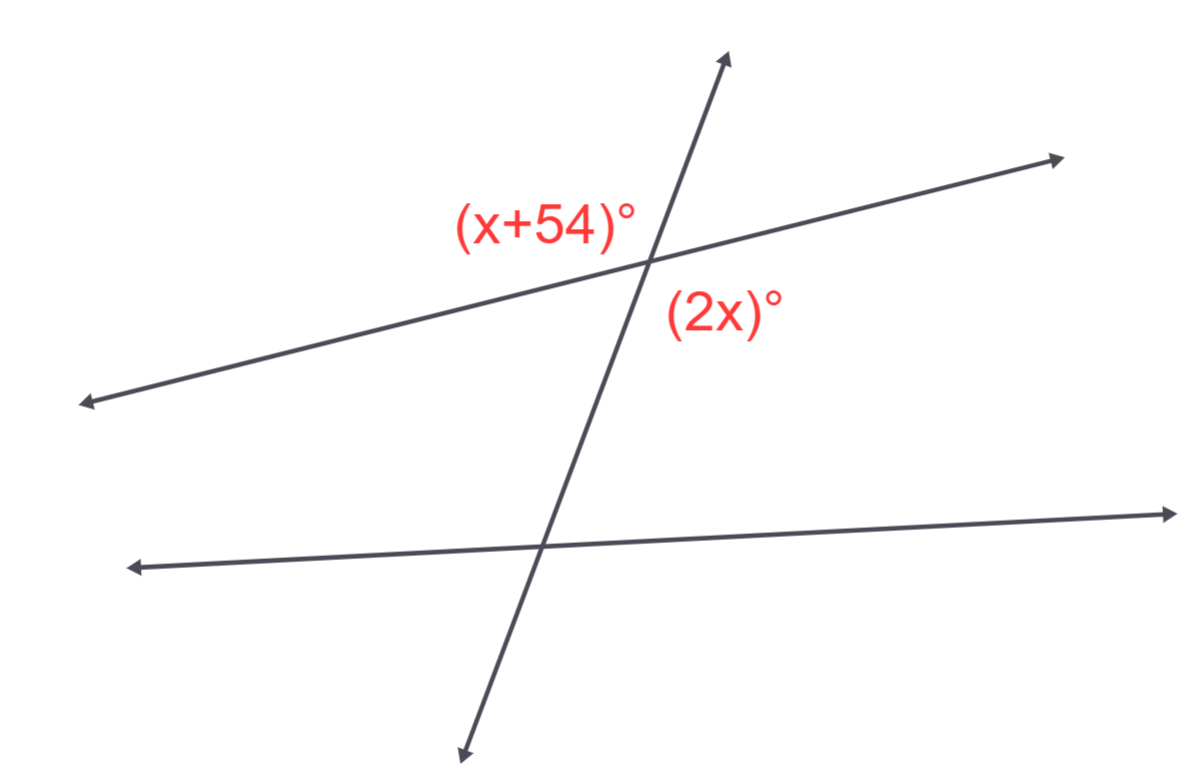
The indicated angles share . This makes the two are angles, so they . This means
Solve for x
x=
What is the measure of the indicated angle? Do not forget to add the " ° " (degree) symbol in your answer.

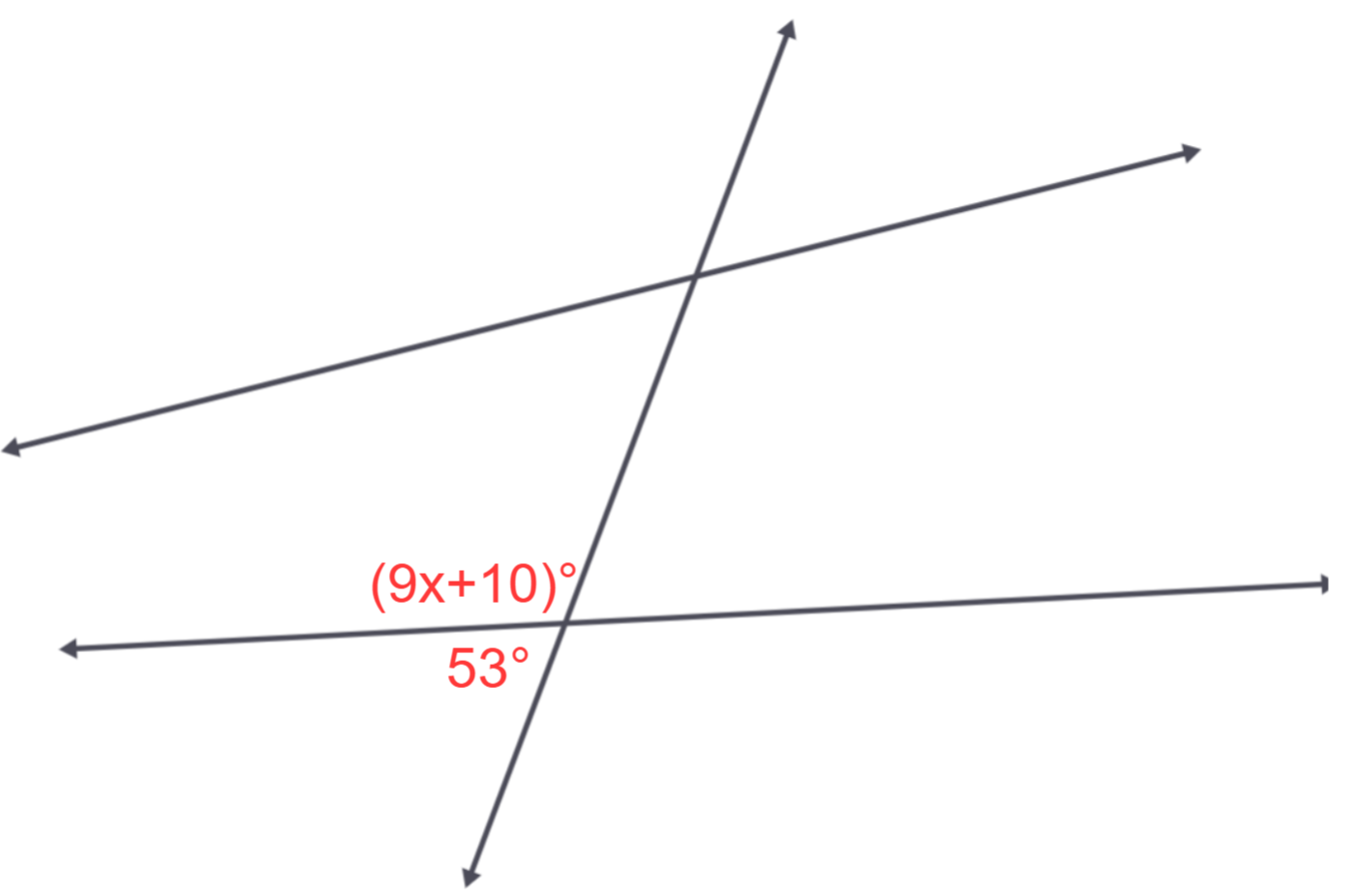
The indicated angles share . This makes the two are angles, so they . This means
Solve for x.
x=
What is the measure of the indicated angle? Do not forget to add the " ° " (degree) symbol in your answer.

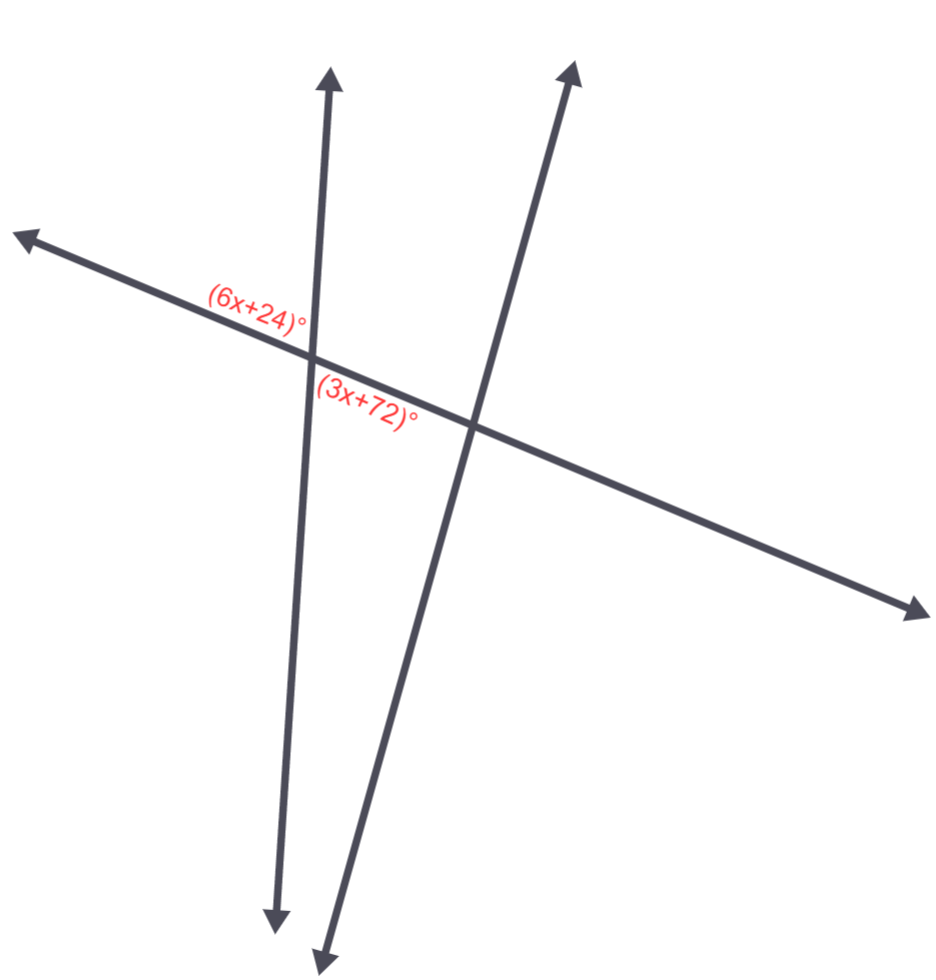
The indicated angles share . This makes the two are angles, so they . This means
Sovle for x.
x=
What is the measure of the indicated angle? Do not forget to add the " ° " (degree) symbol in your answer.

The indicated angles share . This makes the two are angles, so they . This means
Sovle for x.
x=
Solve for y.
y=
What is the measure of the indicated angle? Do not forget to add the " ° " (degree) symbol in your answer.