1
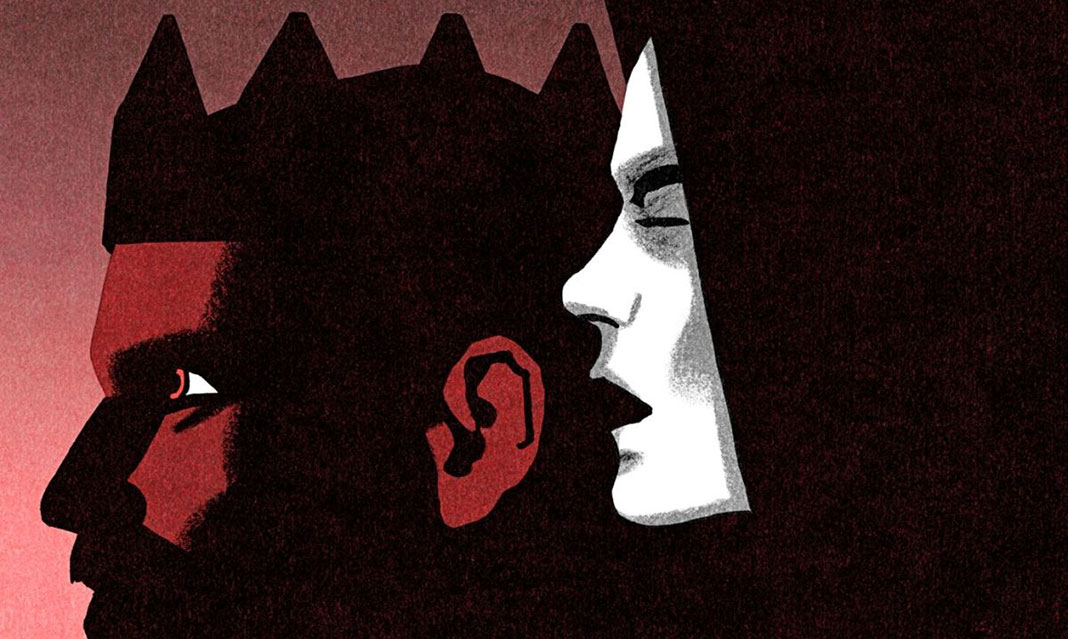
How does Macbeth change after he murders Duncan and what theme does it highlight?
How does Macbeth change after he murders Duncan and what theme does it highlight?
RL.CI.9–10.2
RL.CR.9–10.1
RL.IT.9–10.3
1
RL.CI.9–10.2
RL.CR.9–10.1
RL.IT.9–10.3
What is the order of events in The Tragedy of Macbeth? Label the events in the order in which they occur in the play. The first event will be labeled 1, and the last event will be labeled 5.
Macbeth sees the ghost at the table.
Macbeth envisions the bloody dagger.
Macbeth arranges the murder of Banquo.
Witches prophesy that Macbeth will be king.
Macbeth fights fiercely and improves his reputation.
First
Second
Next
Then
Finally
How does Macbeth change after he murders Duncan and what theme does it highlight?
Which of the following examples of dialogue in "Macbeth" most effectively reveals a character’s true intentions or motivations?
In Act I, Scene 3 of Macbeth, the witches greet Macbeth with the titles "Thane of Glamis," "Thane of Cawdor," and "King hereafter."
What is the most likely connotative meaning of "King hereafter" as it is used in this context?
Rearrange the sentence using inverted sentence structure:
Macbeth’s ambition spiraled out of control upon the witches’ prophecy, leading to his inevitable downfall.
upon the witches' prophecy
Macbeth's ambition
spiraled out of control
leading to his inevitable downfall
How does Macbeth's tragic flaw of ambition primarily impact the plot of the play?

Part A: How does Lady Macbeth’s character develop over the course of the entire play?
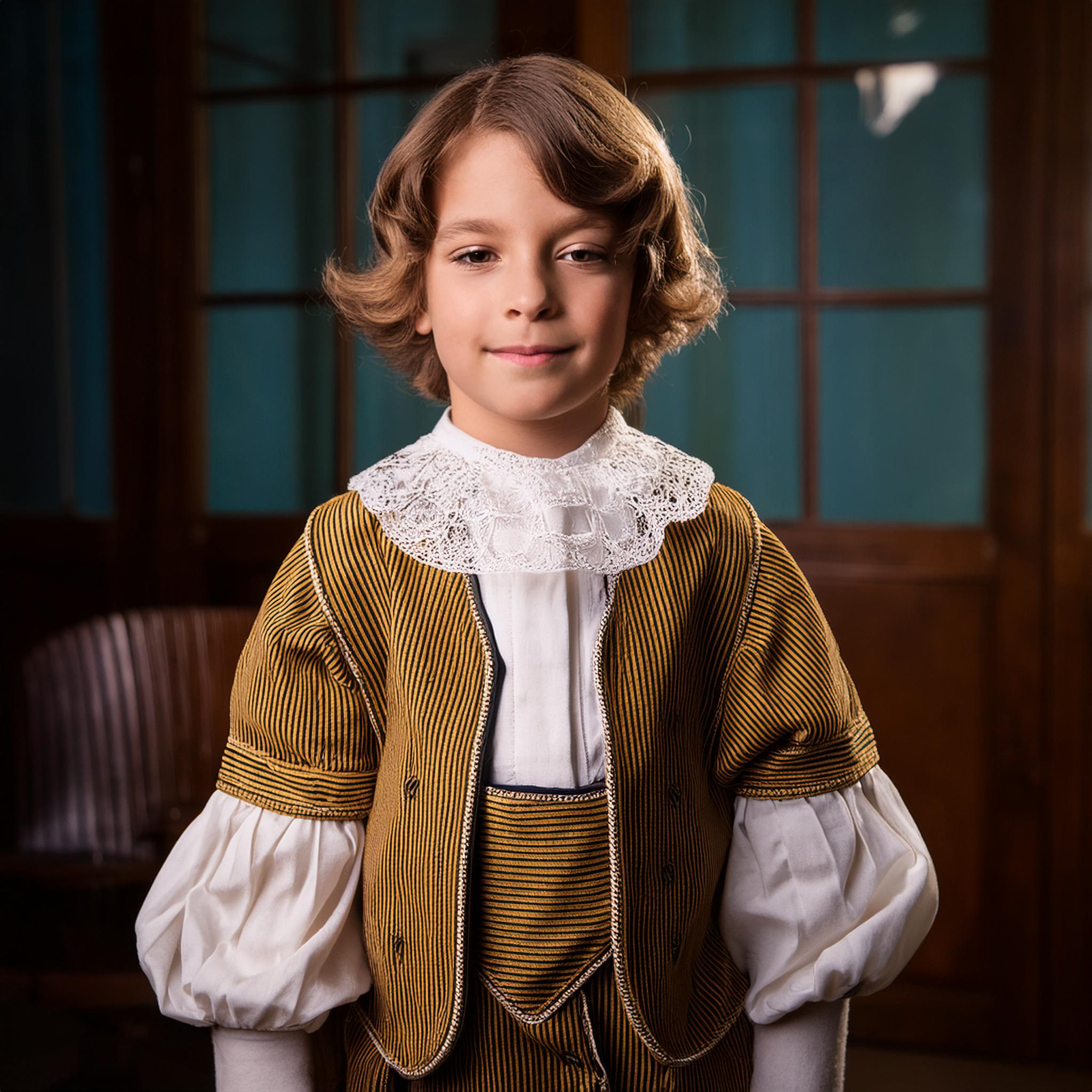
Why might Shakespeare have decided to show the murder of Lady Macduff's son on stage?
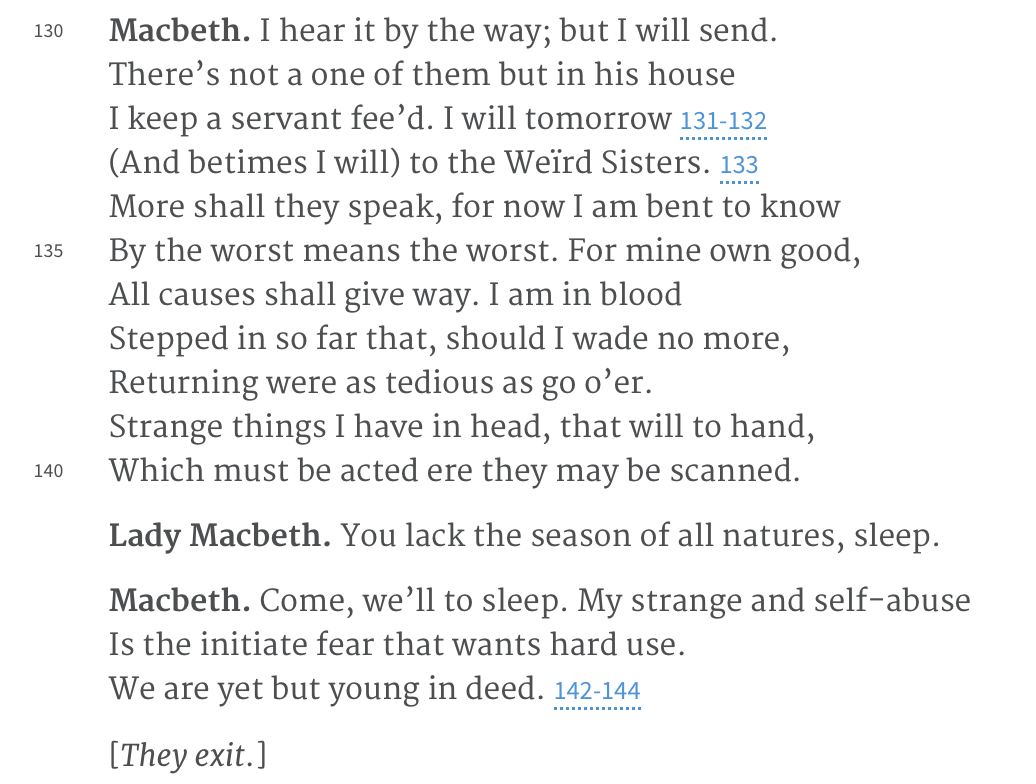
Find text evidence in the passage below that shows Macbeth has gone too far in his quest for power.
Which of the following pieces of evidence from the play best supports your answer to Part A?
Which of the following pieces of evidence best illustrates Lady Macbeth’s development from a powerful and ambitious character to one overwhelmed by guilt and madness?
Explain how watching this scene rather than hearing about the event occurring offstage might affect the audience's view of Macbeth.
In the passage above, which theme is best developed by Macbeth's realization about his actions?