For Spanish Readers. Translate Questions using Google Chrome's built in translate feature.
Learning Intention:
I will learn about the Neolithic Era using the 4 Worlds.
Success Criteria:
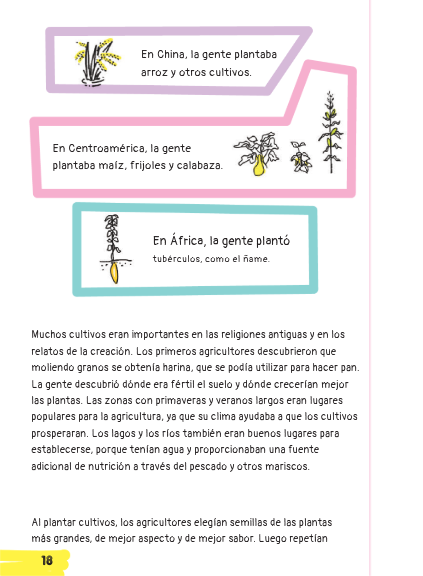
I can identify the locations of human communities that populated the major regions of the world.
I can discuss the climatic changes and human modifications of the physical environment that gave rise to the domestication of plants and animals and new sources of clothing and shelter.
Check the actions Nomadic or Sedentary people would do.
Nomadic | Sedentary | |
|---|---|---|
Follows or finds food. | ||
Grows food. | ||
Moves their homes from place to place. | ||
Settles down in a home for a long time. | ||
Practices Systematic Agriculture | ||
Practices Hunter-Gathering |
Take this time to make sure your writing down notes.
Any highlighted or bold in blue text ought to be in your notes.
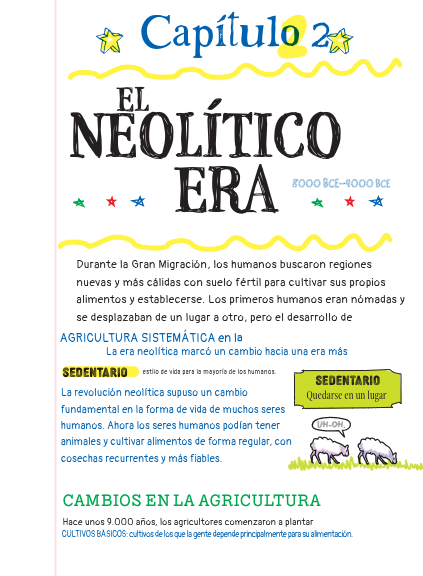
Systematic Agriculture and it's definition should probably be in your notes because it's a massive change from the caveman we already learned about. You could write sedentary below agriculture because they are connected ideas!
It is OK to write notes your not sure about. The more notes, the better!
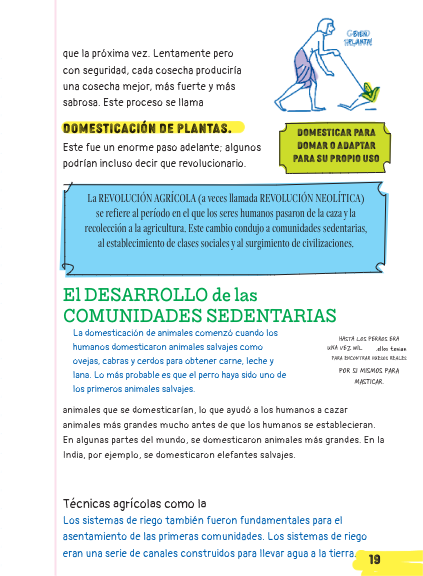
Select all the plants and animals that are domesticated.
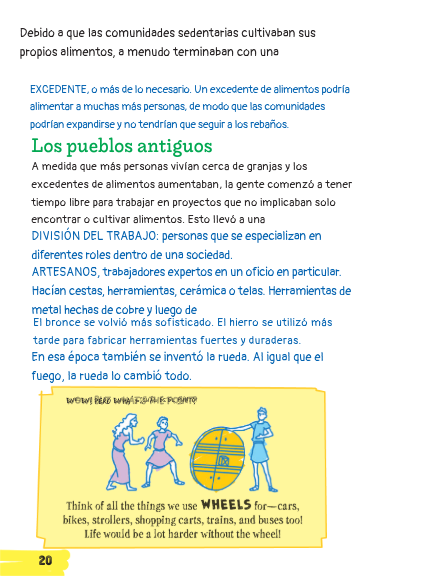
Sedentary communities grew their own food which could lead to a [
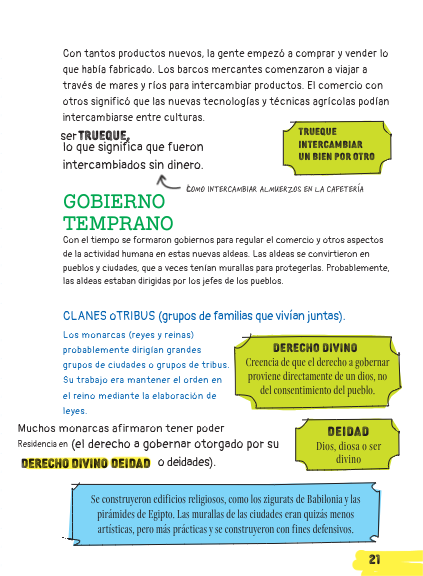
Draw or upload a picture of something you think would be a fair trade to barter for a bag of chips that you like?
They don't show it in the video but barter didn't come first. In actual History gifting came before barter and still exists. Before people bartered for goods they would give other people gifts to show they cared about them or wanted peace.
The difference between gifting and bartering is when you gift you don't expect something specific in return.
In time people would give each other the same gifts over and over, things people needed, until it became bartering or tribute. They don't mention tribute in the video either! Tribute is being forced to give gifts or be punished.
What is gifting?
What is tribute?
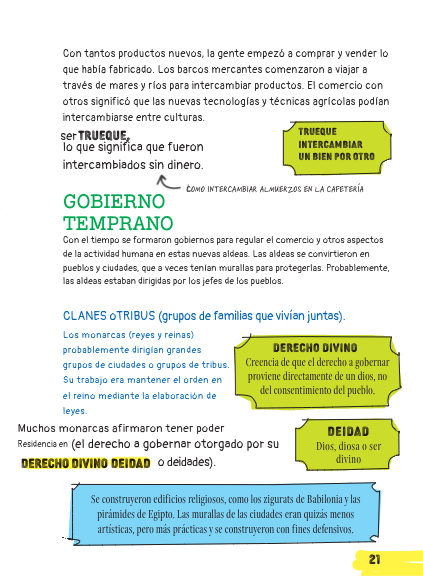
Everyone has a tribe/clan.
What's your tribe?
For example: Mr. Bergh is part of the Bergh & Smith Clans (family last names). When Mr. Bergh was in High School he was part of a group of students called "The Hill" because we'd meet everyday for lunch under a tree on a hill.
Drop images where they belong.
Examples of Divine Right \/
Egyptian Example
Persian Example
Examples of a Deity \/
Greek Example
Christian Example
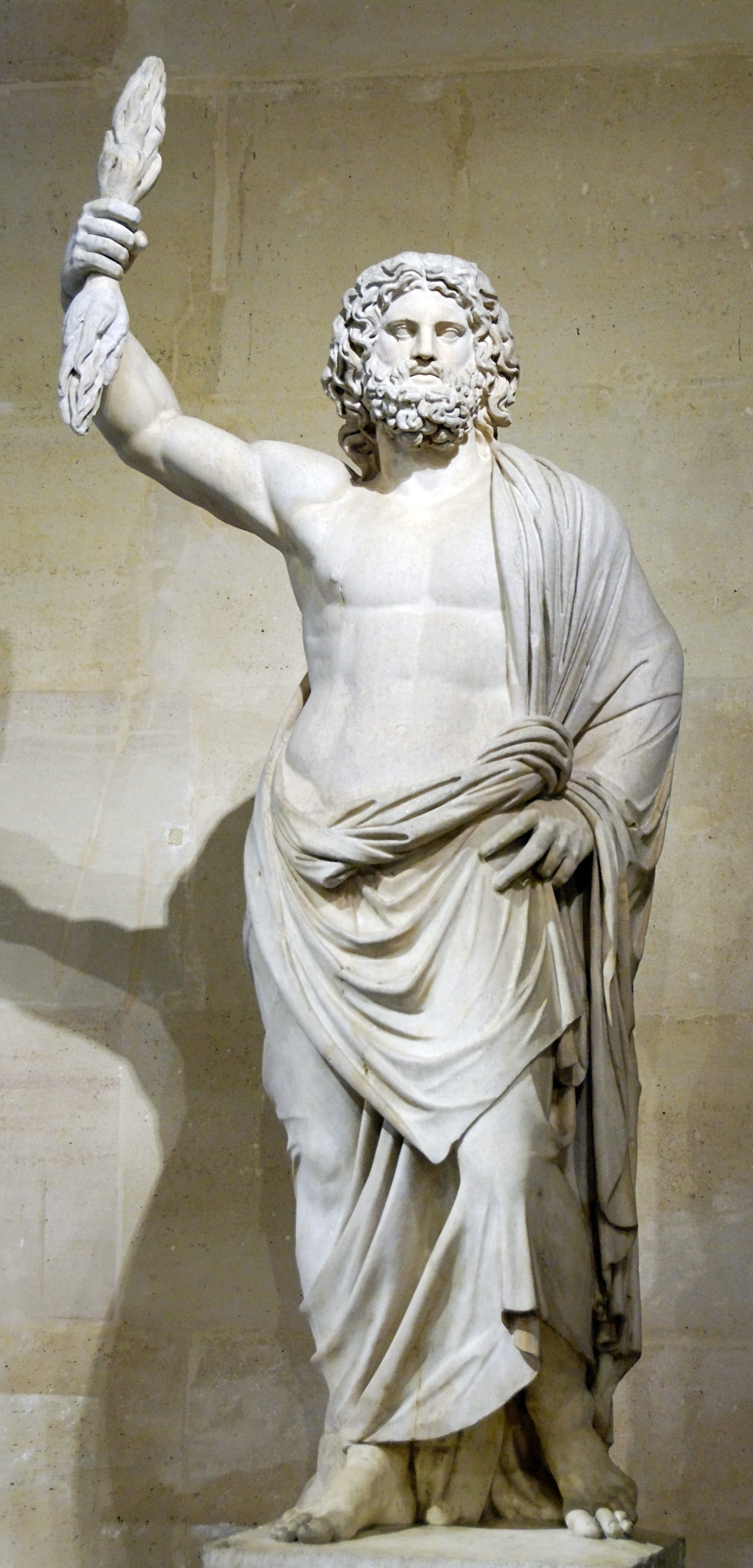
Greek god Zeus
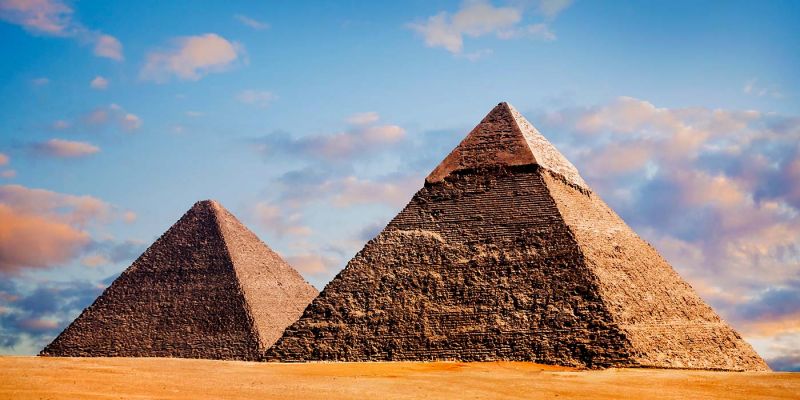
Egyptian Pyramids
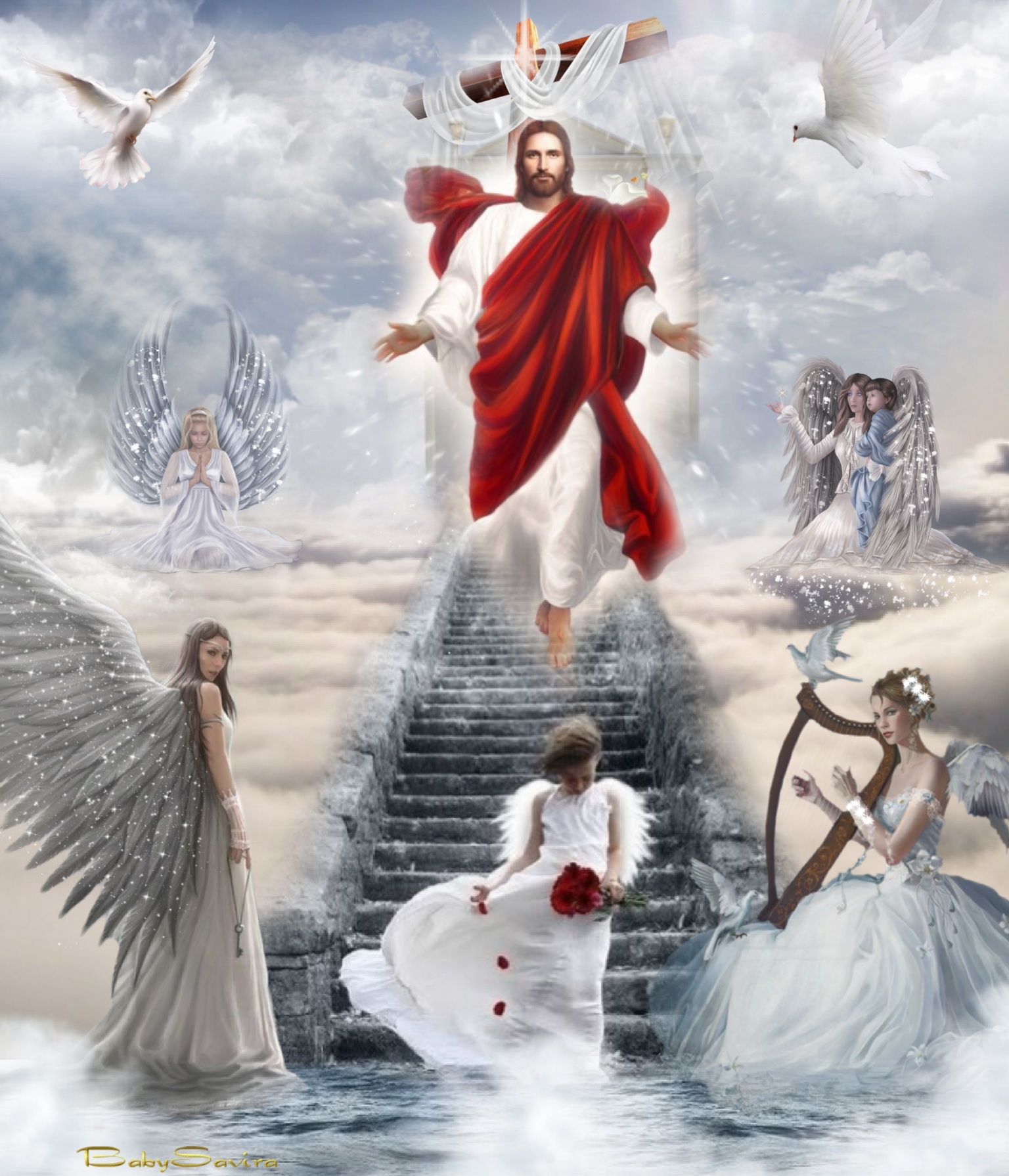
Son of God, Jesus Christ
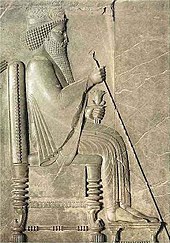
Persian Darius the Great and his sceptre
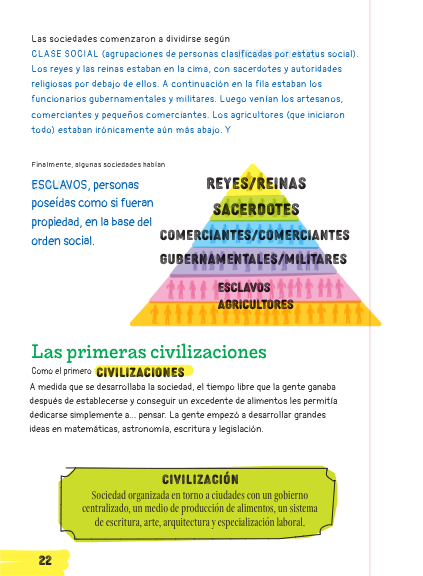
Compare the following two pyramids.
Neolithic Social Pyramid (Left)
While different civilizations had different pyramids, most Neolithic civilizations followed this pyramid.
In some places priests were higher then kings. In some places merchants were lower then farmers.
United States Social Ladder
It's a ladder because in the United States it's possible to go up and down in social class based on your wealth.
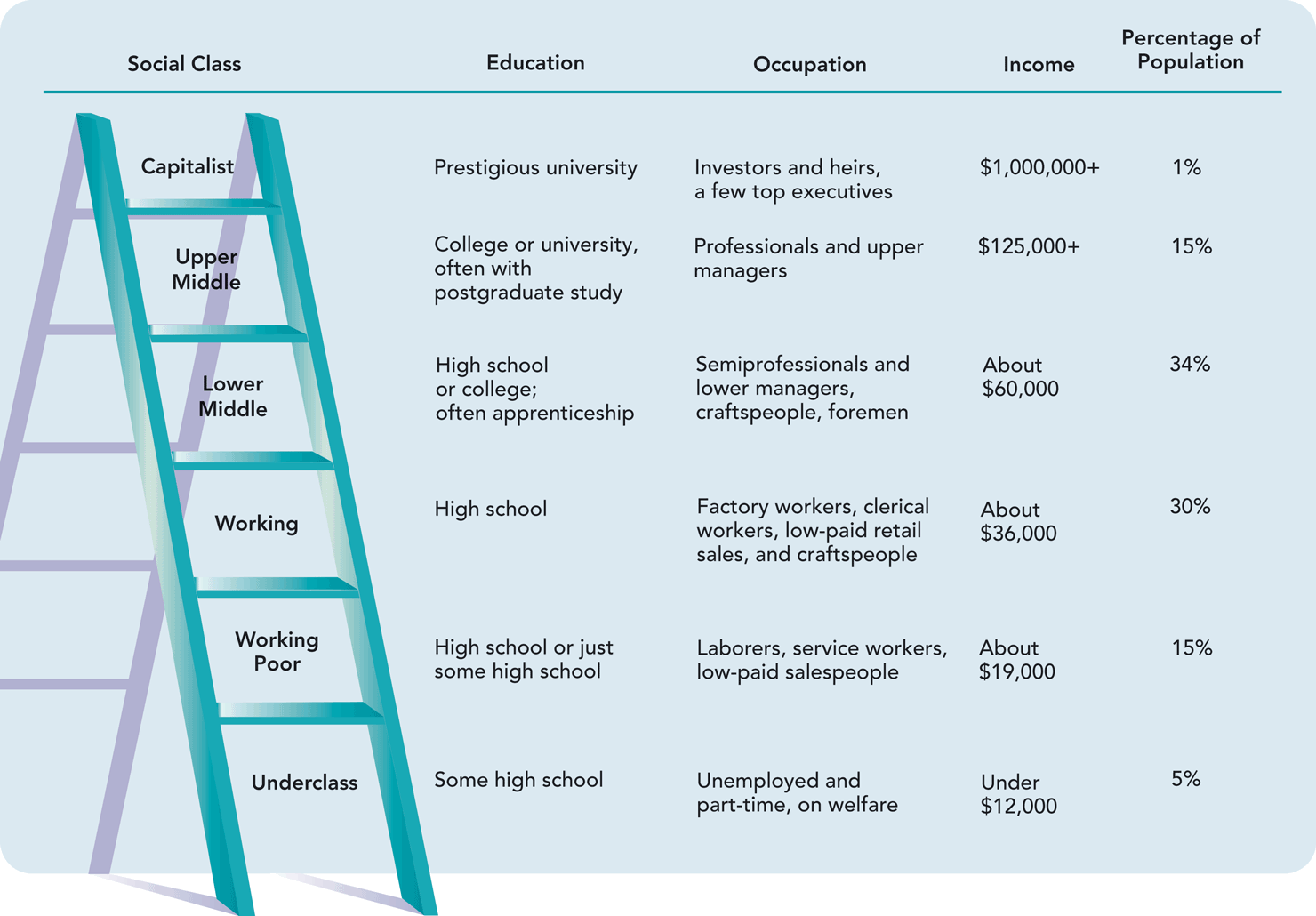
Compare the Neolithic Social Pyramid to the United States Social Ladder.
Write at least three (3) sentences.
You can draw your comparisons instead of write! If you choose to draw, type in question #8 "Drawing".
Compare the Neolithic Social Pyramid to the United States Social Ladder.
Draw out at least three (3) things they share or are different.
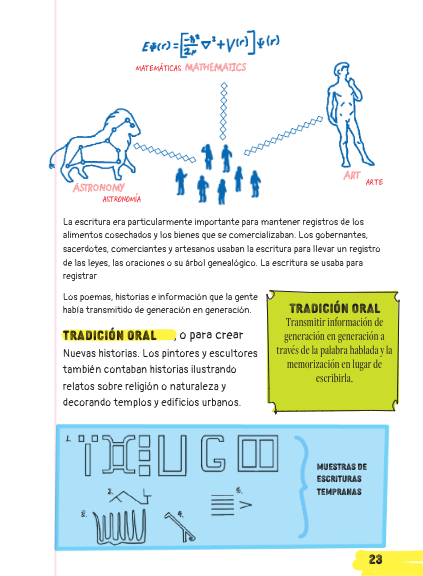
Oral traditions create and keep cultures and civilizations existing through time.
We will be playing the classic Game of Telephone, drawing on paper and sharing stories.
Needed Materials: 4 Prompts, 4 Blank Index Cards, 16 Blank Papers, each per table group.
Every student will be assigned a prompt on what to draw. Do not share it!
Draw what's written. Hide the prompt.
You get 4 minutes.
Pass the drawing to the next student, and they must write a prompt of what they saw.
Hide the drawing.
You get a 1 minute.
Pass the prompt to the next student. Keep it hidden. Repeat drawing and prompting writing four times.
Lastly take time to share your stories with the other kids in your table group.
Pick one student to present and three students to hold up prompts and drawings.
You get 2 minutes.
Then each group will share what they've created. As a story.
You get 4 minutes.
Students who fail to join the Game of Telephone will be required to read a line from the story out loud or not receive credit for the project.
Rubric (How the class will be graded.)
4 - The class wrote a fiction story about our classroom.
3 - Someone messed up part of the story.
2 - More then one person messed up a part of the story.
1 - A lot of people messed up the story.
0 - The class failed to write a fiction story about our classroom.
We are totally printing out our stories and hanging them on the wall. It'll be so fun.
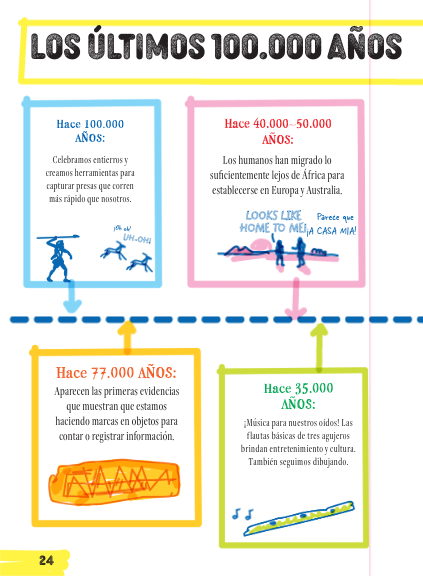
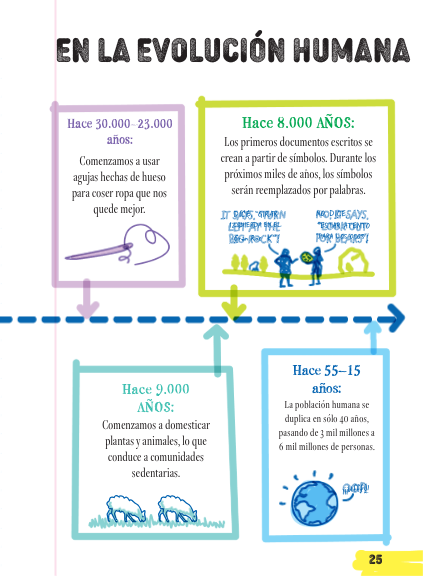
100,000 years ago we start holding [
77,000 years ago evidence appears that shows we are making [
40,000 to 50,000 years ago we migrated from Africa to [
35,000 years ago evidence appears for musical instruments.
30,000 to 23,000 years ago evidence appears for using needles made from bones to sew [
9,000 years ago we start [
8,000 years ago evidence appears for complicated writing.
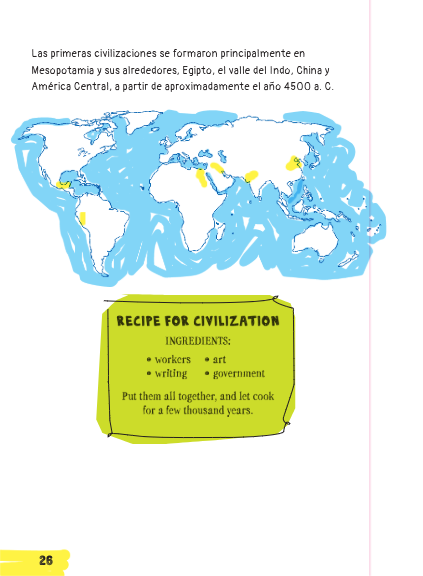
Create your own fictional civilization!
Using the recipe for civilization, colors, and poster paper, we will each create our own fictional civilization on a poster and present to the class how great it is!
On a poster either by yourself or in a group write about and draw each of the ingredients for your civilization. If you work in a group you will be graded more strictly! Evenly distribute the ingredients among group members.
4 - Title your poster the name of your civilization.
Describe the social structure of your civilization (workers). (Pyramid? Ladder? Circle? Square?)
Make up a fake language for your civilization and write it down (writing). (Pictographs? Letters? Characters?)
Create a unique culture for your civilization (art). (Statues? Paintings? Buildings? Food?)
Describe your civilization's government/religion (government/religion). (Military? Soldiers? King's or Priest's court? gods?)
3 - Only used three ingredients for your civilization.
2 - Only used two ingredients for your civilization.
1 - Only used one ingredients for your civilization.
0 - Did not attempt to create a fictional civilization.
Who is the monarch in your life?
The very first sedentary civilizations formed mostly in what parts of the world? Check all that apply below.