Log in
Sign up for FREE
arrow_back
Library

World Geography: Unit 1 Test

star
star
star
star
star
Last updated about 2 months ago
15 questions
Required
10
Required
4
Required
1
SSWG1.b
Required
1
SSWG1.g
Required
1
SSWG1.d
Required
1
SSWG1.c
Required
1
SSWG1.d
Required
1
SSWG1.a
Required
1
Required
1
Required
1
Required
1
Required
1
SSWG1.d
Required
1
Required
4
Question 1
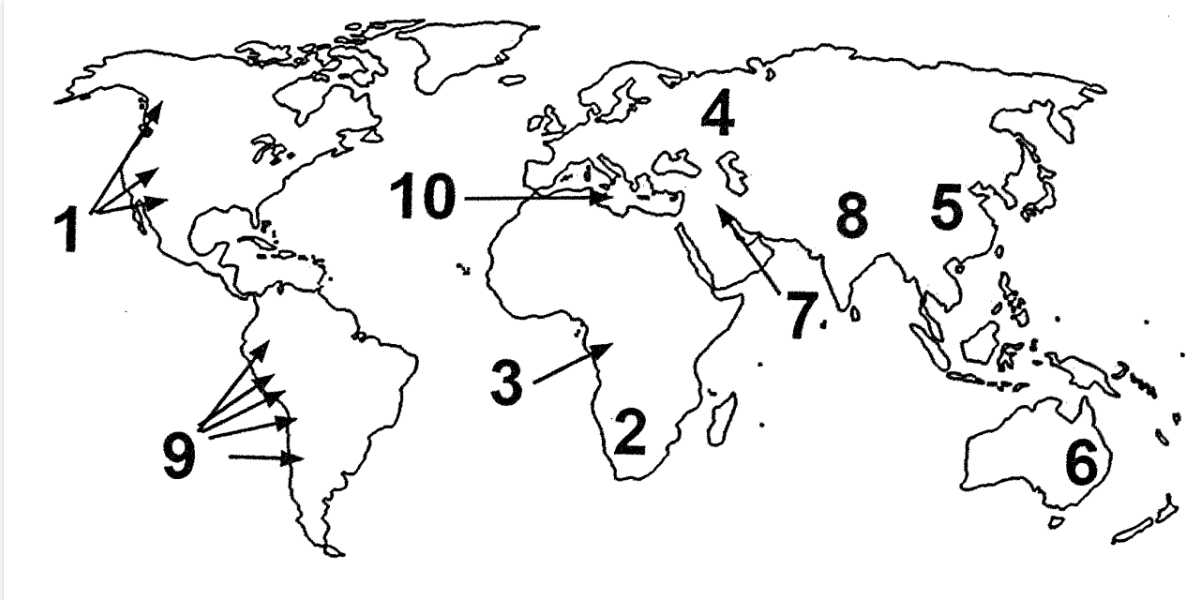
1.

Draggable itemarrow_right_altCorresponding Item
arrow_right_alt
arrow_right_alt
arrow_right_alt
arrow_right_alt
arrow_right_alt
arrow_right_alt
arrow_right_alt
arrow_right_alt
arrow_right_alt
arrow_right_alt
Question 2
2.

Match the map features and their purpose

Draggable itemarrow_right_altCorresponding Item
Legend
arrow_right_alt
Indicates the ratio of distance on the map to the actual distance on the ground, helping users understand distances.
Scale
arrow_right_alt
Explains the symbols and colors used on the map, allowing users to interpret the information correctly.
Compass Rose
arrow_right_alt
arrow_right_alt
Question 3
3.

Which desert is located in South America and is bordered by the Pacific Ocean?

Question 4
4.

Which desert is located in Australia?

Question 5
5.

Which river is located in Northeastern Africa?

Question 6
6.

On which continent are the Alps located?

Question 7
7.

Which desert is located directly south of the Mediterranean Sea?

Question 8
8.

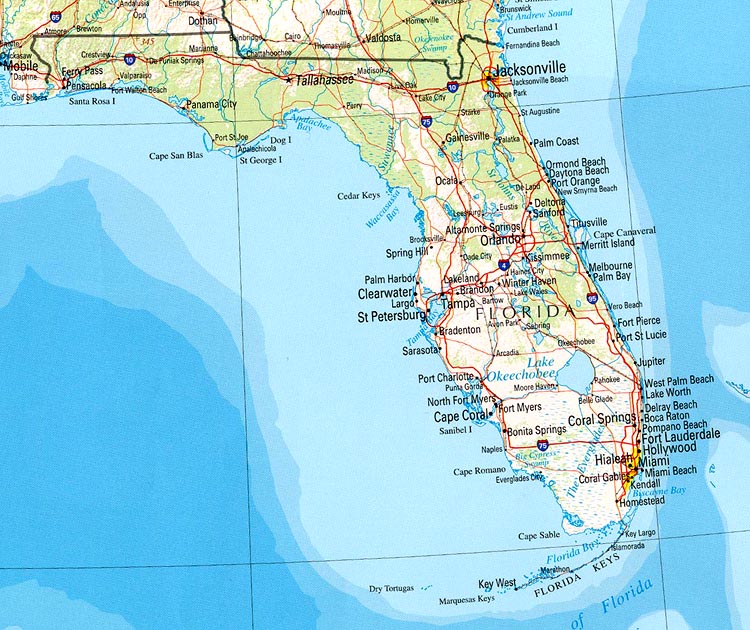
Florida is an example of which type of landform?

Question 9
9.

Cara got lost while hiking in the mountains.  Fortunately for her, she had a GPS device and a satellite phone.  When she reported her location, she indicated that it was 38 degrees north, 105 degrees west.  What type of location did Cara give?

Question 10
10.

What term refers to the parallel lines that measure the distance from the equator?

Question 11
11.

Where on the globe would you be most likely to find climate that is warm year-round?

Question 12
12.

Which of the following is NOT a desirable place to live for most people?

Question 13
13.

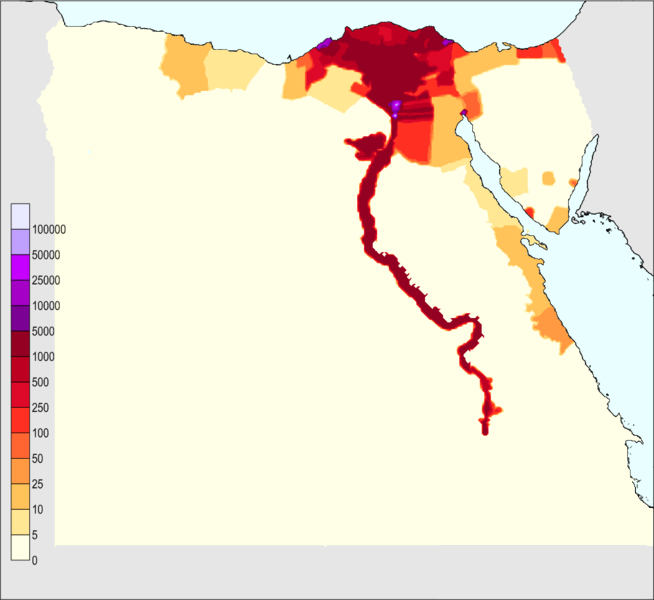
Examine the map.  Based on your understanding of Egypt's geography and the information presented in the population density map, where do the majority of people settle?

Question 14
14.

When comparing a population density map with a climate chart, what conclusion might you draw about areas with moderate temperatures and adequate (enough) rainfall?

Question 15
15.

Match each landform to their impacts on human settlement

Draggable itemarrow_right_altCorresponding Item
Desert
arrow_right_alt
Often serve as natural barriers; can limit accessibility (trade and travel) and agricultural land.
Mountain
arrow_right_alt
Limited water resources lead to sparse populations.
River
arrow_right_alt
arrow_right_alt
Mediterranean Sea
1.
Kalahari Desert
2.
Andes Mountains
3.
Ural Mountains
4.
Himalayan Mountains
5.
Great Dividing Range
6.
Rocky Mountains
7.
Tigris and Euphrates Rivers
8.
Huang He River
9.
Congo River Basin
10.
Provide a reference system for locating places on the map, often used with coordinates.
Grid (latitude and longitude)
Shows direction.
Flat arable land that is ideal for farming and agriculture; often densely populated.
Plain
Provide water for drinking and agriculture; often lead to urban development along banks (edges).