What muscle is labelled X in the diagram below?
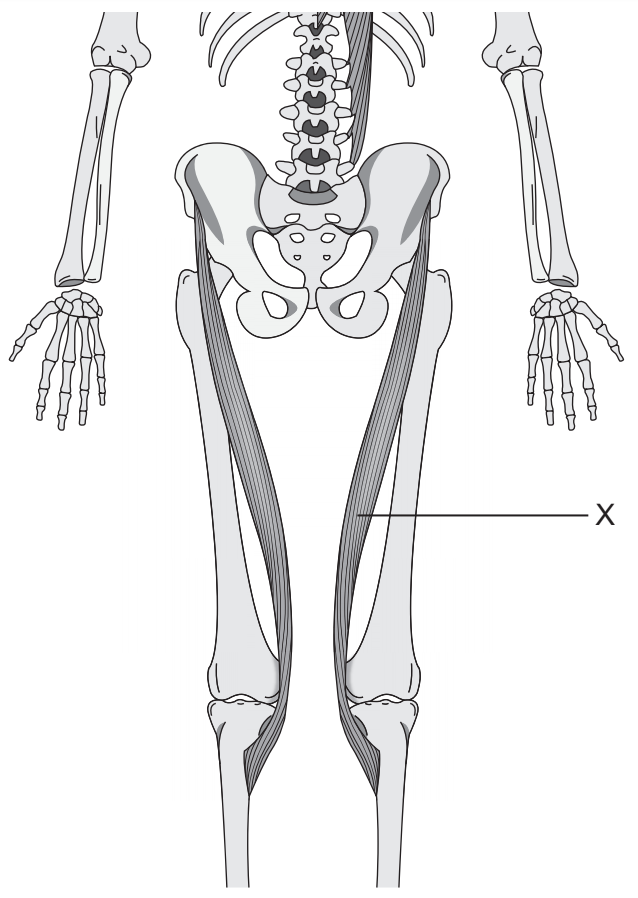
What muscle is labelled X in the diagram below?
Identify the actions of the soleus
Muscle tissue's characteristic of excitability means it can experience exhaustion leading to irritability.
Identify the actions of the tibialis anterior
Identify the actions of the vastus lateralis
What muscle is labelled X in the diagram below?
What muscle is shown in the diagram below?


There are three types of muscle tissue in the human body: Skeletal, Smooth, and Cardiac. Watch the video about these muscle types: (use the blue link)
Next, for each muscle type, determine its:
location
a picture of the tissue
appearance
whether the muscle is voluntary or involuntary (can be used more than once)
how many nuclei are in the cells of the muscle type
Voluntary
cells contain one or two nuclei
Appearance: Smooth
Location: Connected to bones
Appearance: Striated
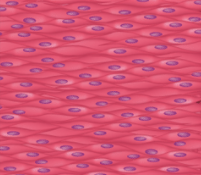
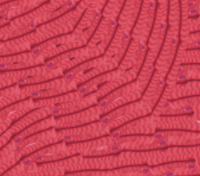
Location: Walls of the Heart
Involuntary
Location: Blood vessels, digestive tract
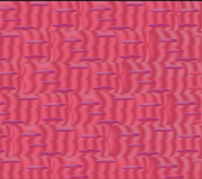
cells contain multiple nuclei
cells contain one nuclei
Skeletal muscle
Smooth muscle
Cardiac muscle
Using the information above, match the following muscles with their type.
The muscle surrounding the aorta (the main artery running through the abdominopelvic cavity)
The biceps brachii (helps to bend the elbow)
The muscle surrounding the left ventricle of the heart
The muscle surrounding the right atrium of the heart
The muscle surrounding the stomach and small intestine
The abdominal muscles (the "six pack" muscles)
The sternocleidomastoid (helps us shake our head 'yes' and 'no')
Skeletal muscle
Smooth muscle
Cardiac muscle
What are common symptoms of Fibromyalgia?
How is Muscular Dystrophy characterized?
Why is Medial Tibial Stress Syndrome commonly known as 'shin splints'?
How do the effects of a sprain differ from those of a strain?
Prime movers (agonists) are muscles that cause movement in the same direction as the main muscles.
A synergist muscle aids an antagonist muscle by preventing unnecessary movement.
In performing a plantar flexion movement, the ankle is bent inwards and the toes point upwards.
Pair the terms related to neuromuscular junction with their definitions.
| Draggable item | arrow_right_alt | Corresponding Item |
|---|---|---|
Ach release | arrow_right_alt | Action Potential |
Muscle Contraction | arrow_right_alt | Neurotransmitter |
Nerve Impulse | arrow_right_alt | Stimulated via nerve impulse |
Extensibility in muscle tissue refers to its ability to extend beyond its normal resting length without being damaged.
During elbow flexion, the antagonist muscle is the bicep brachii.
In the complex architecture of the sarcomere, what is the specific function of actin?
What triggers the muscle contraction at the neuromuscular junction?
Elasticity in muscle tissue refers to its ability to return to its original form after being stretched or contracted.
What is the main function of myosin in the sarcomere structure?
Contractility in muscle tissue allows it to decrease its size which results to muscle contraction.
State the name of the labelled muscle
State the name of the labelled muscle
State the name of the labelled muscle
State the name of the labelled muscle
State the name of the labelled muscle
State the name of the labelled muscle
State the name of the labelled muscle
State the name of the labelled muscle
State the name of the labelled muscle
State the name of the labelled muscle
State the name of the labelled muscle
State the name of the labelled muscle
State the name of the labelled muscle
State the name of the labelled muscle
State the name of the labelled muscle
State the name of the labelled muscle
State the name of the labelled muscle
State the name of the labelled muscle
State the name of the labelled muscle
State the name of the labelled muscle