Log in
Sign up for FREE
arrow_back
Library

Body Chemistry assignment

star
star
star
star
star
Last updated 8 months ago
42 questions
1
Required
1
Required
1
Required
1
Required
1
Required
1
Required
1
Required
1
Required
1
Required
1
Required
1
Required
1
Required
1
Required
1
Required
1
Required
1
Required
1
Required
1
Required
1
Required
1
Required
1
Required
1
Required
1
Required
1
Required
1
Required
1
Required
1
Required
1
Required
1
Required
1
Required
1
Required
1
Required
1
Required
1
Required
1
Required
1
Required
1
Required
1
Required
1
Required
1
Required
1
Required
1
Question 1
1.
Question 2
2.

Question 3
3.

Question 4
4.

Question 5
5.

Question 6
6.

Question 7
7.

Question 8
8.

Question 9
9.

Question 10
10.

Question 11
11.

Question 12
12.

Question 13
13.

Question 14
14.

Question 15
15.

Question 16
16.

Question 17
17.

Question 18
18.

Question 19
19.

Question 20
20.

Question 21
21.

Question 22
22.

Question 23
23.

Question 24
24.

Question 25
25.

Question 26
26.

Question 27
27.

Question 28
28.

Question 29
29.

Question 30
30.

Question 31
31.

Question 32
32.

Question 33
33.

Question 34
34.

Question 35
35.

Question 36
36.

Question 37
37.

Question 38
38.

Question 39
39.

Question 40
40.

Question 41
41.

Question 42
42.

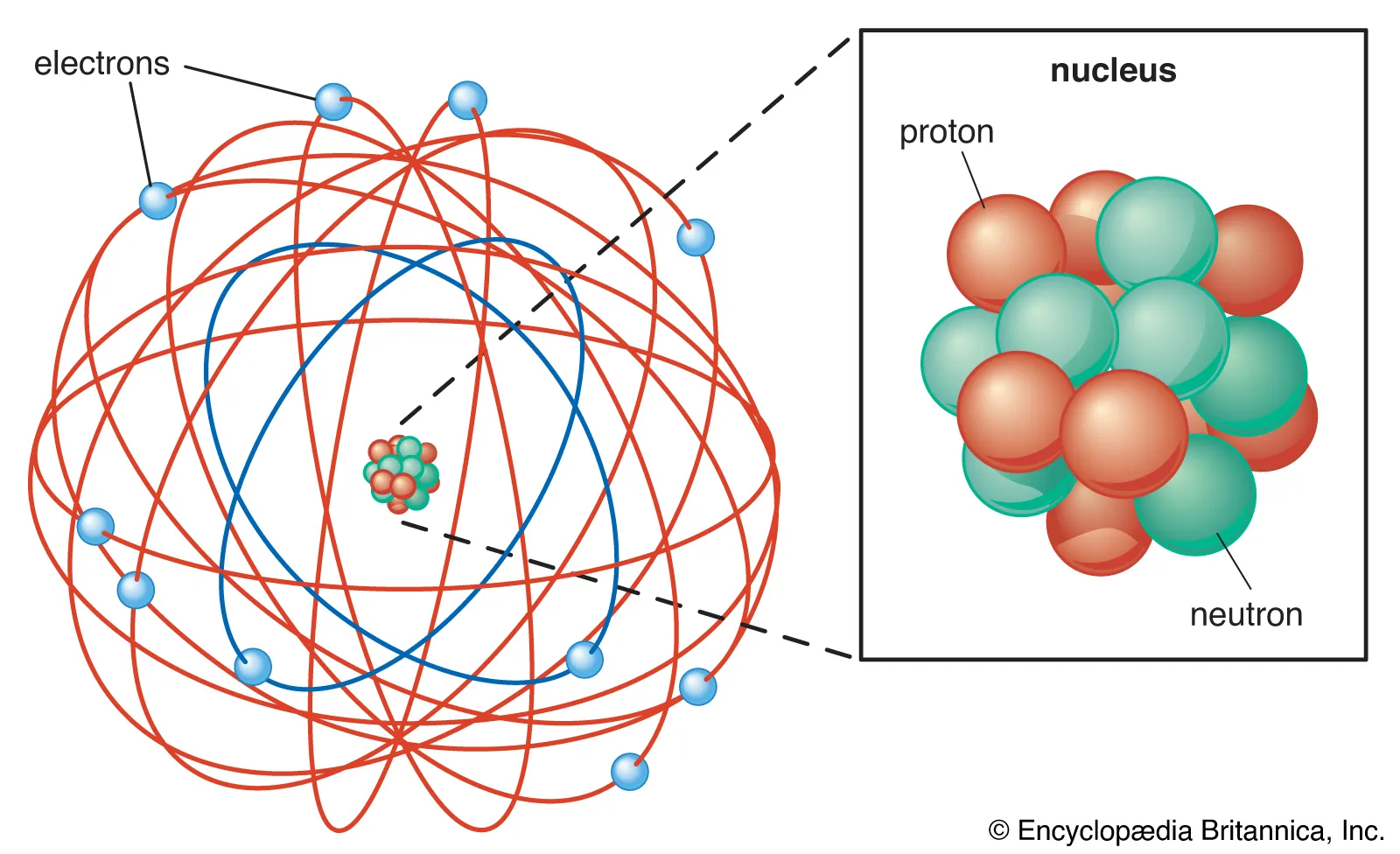
What is the charge of a proton in an atom?
Positive
Negative
Neutral
No charge
Where are neutrons located in an atom?
Electron cloud
Nucleus
Orbiting nucleus
Outside nucleus
Which subatomic particle defines the atomic number?
Nucleus
Electron
Proton
Neutron
What is the mass of an electron compared to a proton?
Equal
Very small
Larger
Same as neutron
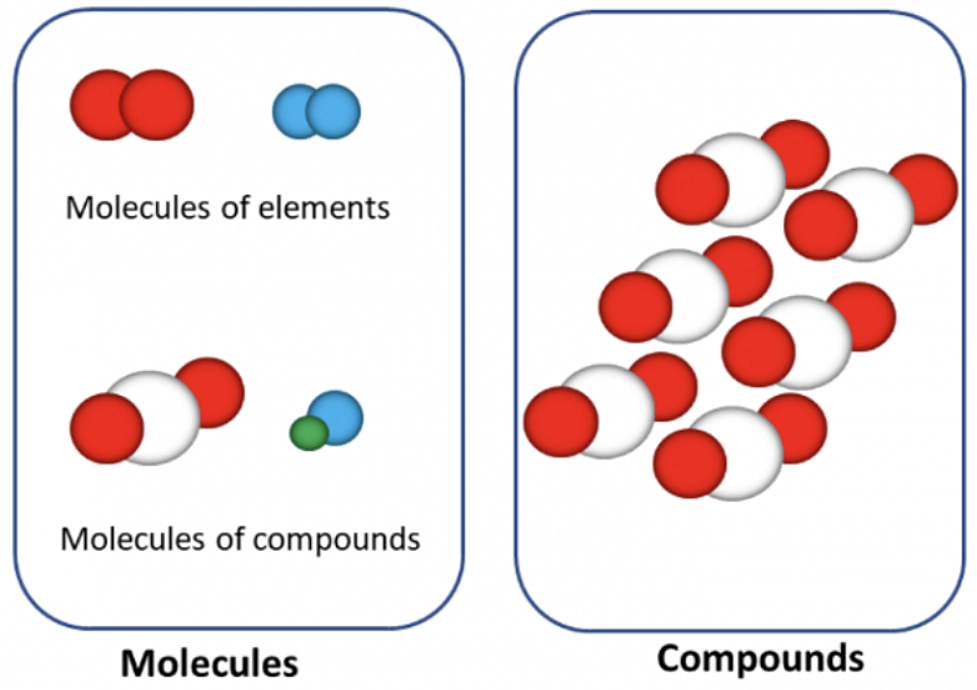
How can you tell a compound from a molecule?
All compounds are solids, molecules are liquids.
Molecules can only be gases, compounds can't.
Compounds consist of different elements; molecules don't.
Compounds have more atoms than molecules.
What is true about all compounds?
They are always found in solid form.
They always consist of two or more different elements.
They consist of only one type of element.
They cannot be broken down by chemical means.
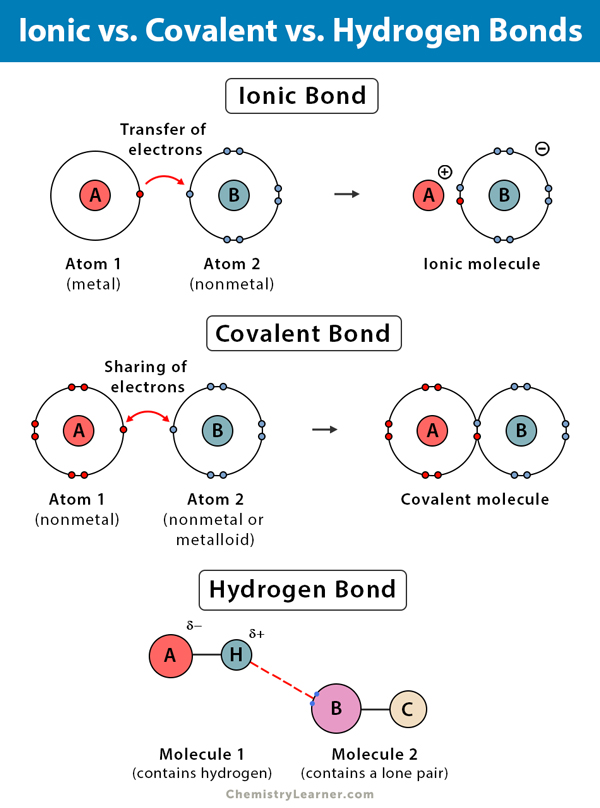
What type of bond results from electron sharing between atoms?
Molecular bond
Covalent bond
Ionic bond
Hydrogen bond
Which bond involves the transfer of electrons?
Hydrogen bond
Ionic bond
Polar bond
Covalent bond
Hydrogen bonds are formed between molecules due to:
Shared electrons
Polar attraction.
Equal charge distribution
Shared protons
Which bond has the weakest interaction strength?
Covalent bond
Hydrogen bond
Ionic bond
Metallic bond
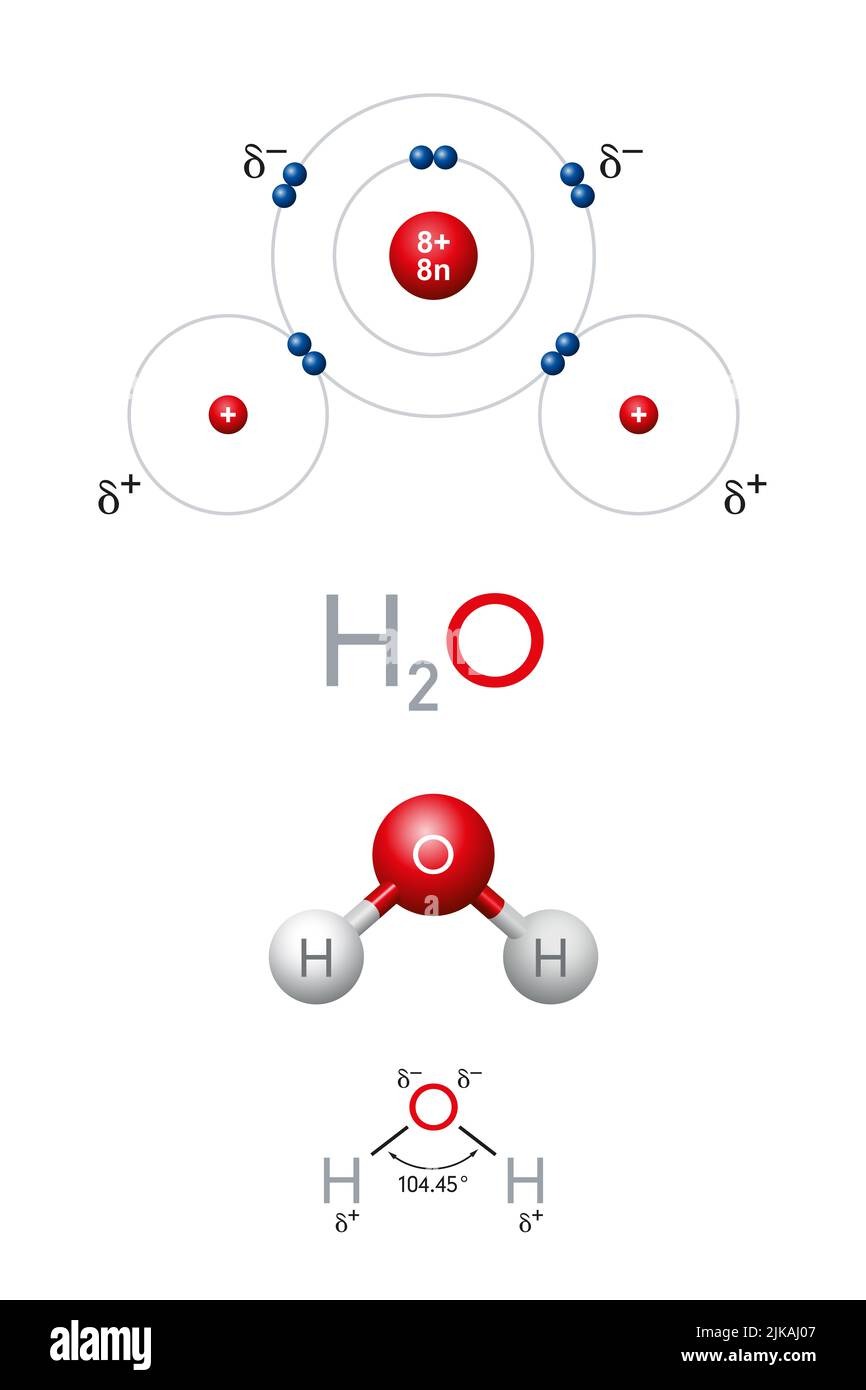
Which bond is common in water molecules?
Metallic bond
Covalent bond
Ionic bond
Hydrogen bond
Covalent bonds typically occur between which types of elements?
Metals and nonmetals
Nonmetals
Metals only
Noble gases
What is one characteristic of ionic bonds?
Conduct electricity in solids
High melting and boiling points.
Low melting points
Non-polar nature
Which bonds are usually strong and require large amounts of energy to break?
Metallic bonds
Ionic bonds
Covalent bonds
Hydrogen bonds
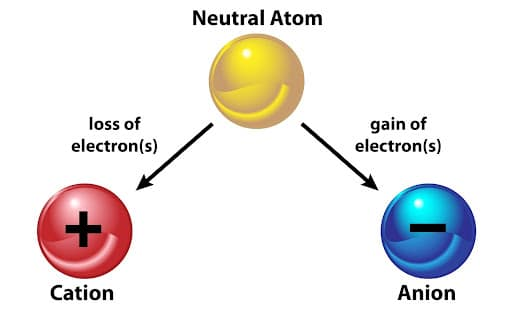
Which ion carries a positive charge?
Neutral Ion
Anion
Cation
Electron
Which of the following is a negatively charged ion?
Neutral Atom
Proton
Anion
Cation
Why are ions important in bodily fluids?
Regulate nerve and muscle function
Make fluids alkaline
Increase blood viscosity
Remove toxins from blood
What is a common example of a cation in the human body?
Chloride (Cl-)
Oxygen (O2)
Sodium (Na+)
Carbonate (CO3-)
What role do electrolytes play in the human body?
Protein synthesis
Oxygen transport only
Fat metabolism
Help maintain fluid balance and nerve function
What role does water play as a universal solvent in the body?
Dissolves substances for chemical reactions.
Increases body temperature.
Keeps the body hydrated.
Forms new substances.
How does water transport nutrients in the body?
Carries nutrients through blood and fluids.
Evaporates nutrients fast.
Breaks down nutrients chemically.
Absorbs nutrients directly.
What is the primary lubricant function of water in joints?
Increases pressure in joints.
Attracts more calcium to joints.
Makes joints stiff and rigid.
Reduces friction in joints and tissues.
How does water contribute to heat capacity in the body?
Cools the body without heat loss.
Regulates temperature by absorbing heat.
Heats the body through evaporation.
Releases heat to outside environment.
In which process does water participate to break down molecules?
Sublimation of solids.
Dehydration synthesis only.
Hydrolysis reactions in cells.
Evaporation of substances.
What is a function of water in chemical reactions?
Acts as a catalyst alone.
Participates in hydrolysis and dehydration synthesis.
Creates energy from reactions.
Stops reactions from occurring.
Why is water essential for nutrient transport?
Only stores them for later use.
Facilitates movement of substances in blood.
Prevents nutrients from breaking down.
Is not important for nutrient movement.
Which property allows water to reduce joint friction?
Acts as a lubricant in synovial fluid.
Increases joint flexibility.
Provides energy to muscles.
Creates a barrier in joints.
Which compound is an example of an inorganic compound?
Water (H₂O)
DNA
Starch
Glucose (C₆H₁₂O₆)
What type of bond is most common in inorganic compounds?
Metallic bonds
Ionic bonds
Covalent bonds
Hydrogen bonds
Which element is primarily found in organic compounds?
Hydrogen
Carbon
Nitrogen
Oxygen
What is a main role of proteins in the body?
Provide quick energy
Build and repair tissues
Transport oxygen
Store genetic information
Which macromolecule serves as the primary energy source?
Carbohydrates
Proteins
Nucleic acids
Lipids
What is a key characteristic of lipids?
Contain carbon and oxygen
Hydrophobic nature
Form ionic bonds
Water-soluble
Which of the following is NOT a carbohydrate?
Starch
Glucose
DNA
Cellulose
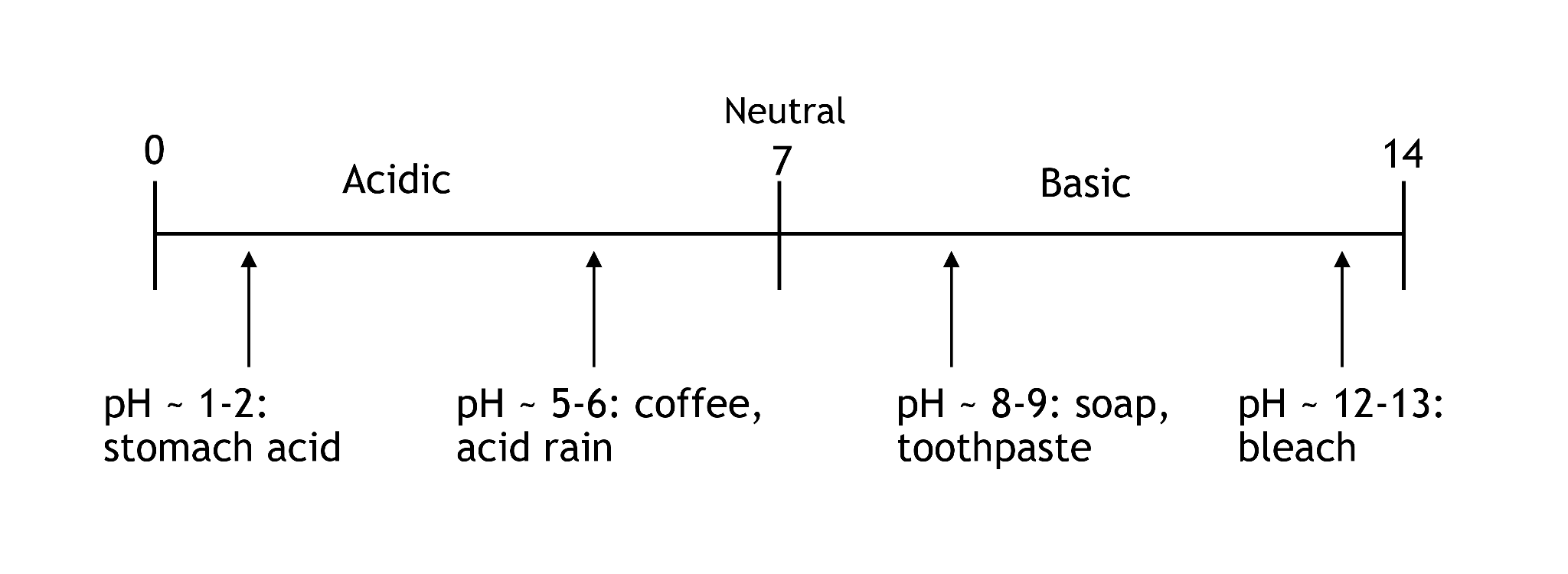
What is the pH range for a neutral solution?
8-10
0-6
7
1-14
Which pH value indicates acidity?
Below 7
Between 7 and 10
Exactly 7
Above 7
What pH range is considered normal for blood?
7.0 to 7.5
7.5 to 8.0
6.5 to 7.0
7.35 to 7.45
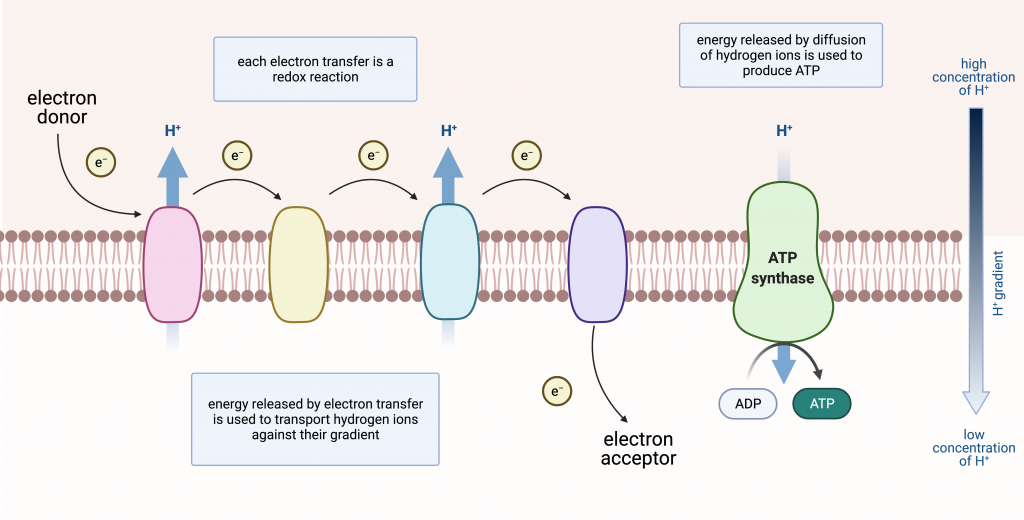
What occurs when ATP loses a phosphate group?
It converts to ADP and releases energy.
It transforms into glucose and stores energy.
It becomes AMP and gains energy.
It forms a protein and releases waste.
Why is ATP considered the energy currency of the cell?
It absorbs energy from sunlight directly.
It carries genetic information to the nucleus.
It provides energy for cellular processes.
It helps in protein synthesis only.
Which reaction describes ATP releasing energy?
ATP → ADP + P + Energy released.
Energy + ADP → ATP + P formed.
ATP + Energy → ADP + P produced.
ADP + P → ATP + Energy lost.