Log in
Sign up for FREE
arrow_back
Library

Human Biology and Cells

star
star
star
star
star
Last updated 5 months ago
48 questions
1
Question 1
1.

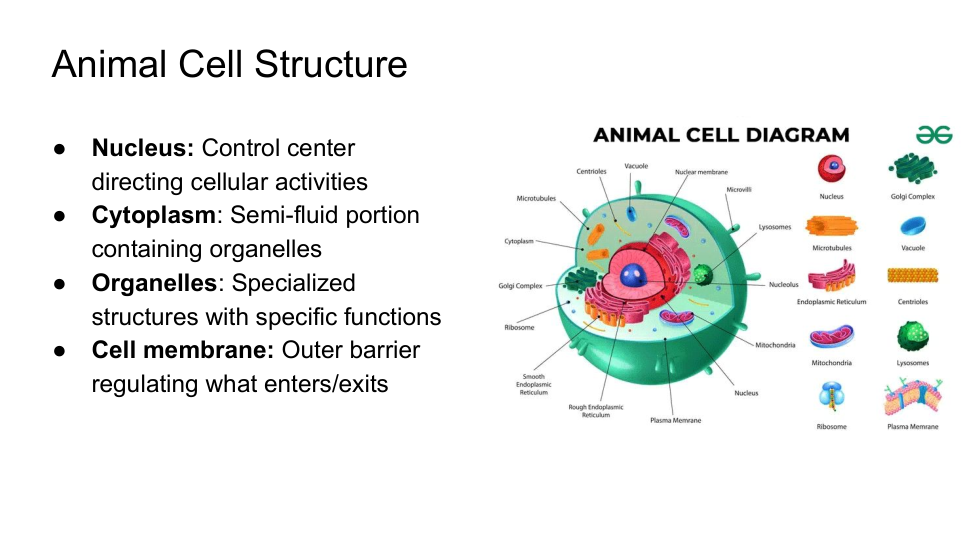
Match the cell components with their descriptions:

Draggable itemarrow_right_altCorresponding Item
Cytoplasm
arrow_right_alt
Outer barrier regulating what enters/exits
arrow_right_alt
Semi-fluid portion containing organelles
arrow_right_alt
Control center directing cellular activities
Organelles
arrow_right_alt
Specialized structures with specific functions
1
1
1
1
1
1
1
1
1
1
1
1
1
1
1
1
1
1
1
1
1
1
1
1
1
1
1
1
1
1
1
1
1
1
1
1
Question 37
37.

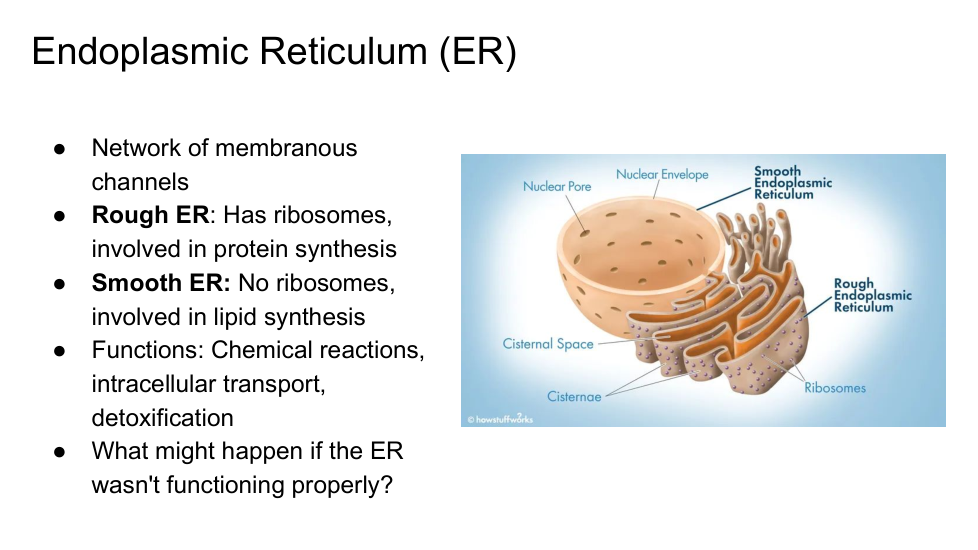
What is the main function of the Rough ER?

1
1
Question 39
39.

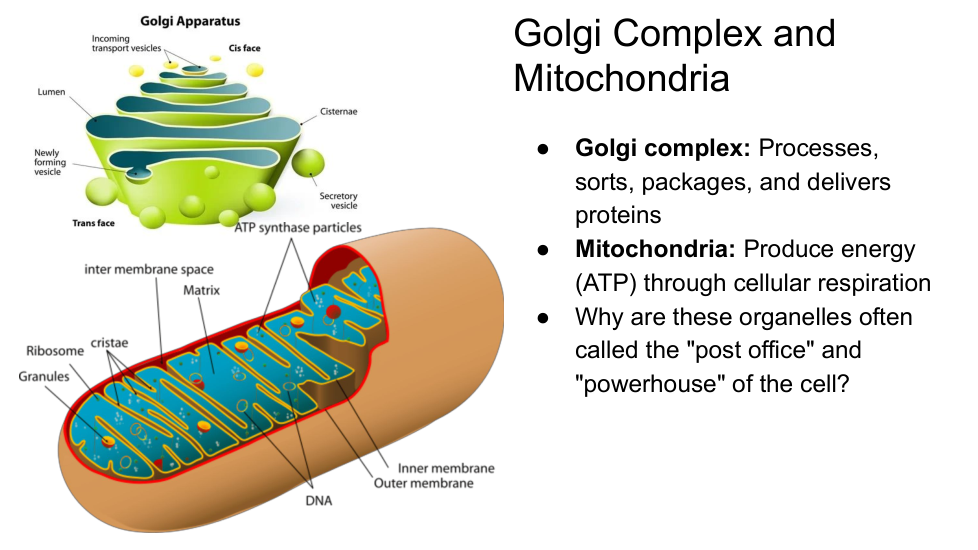
What primary role does the Golgi complex serve in cells?

1
1
1
1
1
Question 44
44.

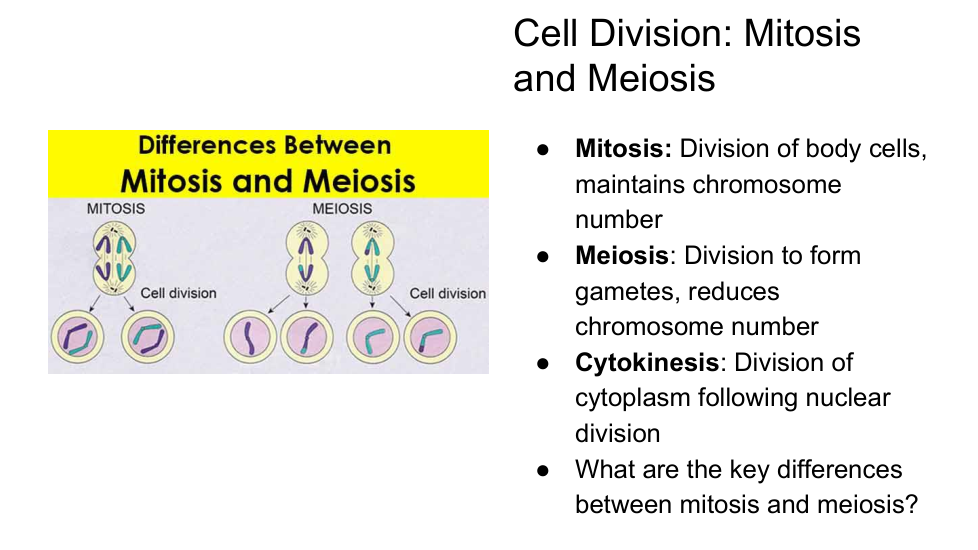
What is the primary purpose of mitosis?

1
1
Question 46
46.

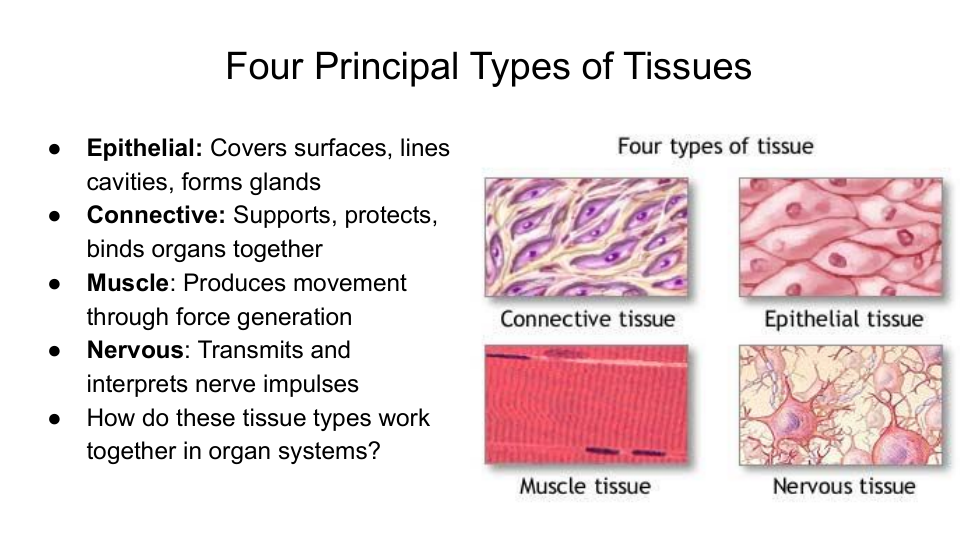
Match each tissue type to its primary function.

Draggable itemarrow_right_altCorresponding Item
Nervous
arrow_right_alt
Transmits and interprets nerve impulses
Muscle
arrow_right_alt
Produces movement through force generation
Epithelial
arrow_right_alt
Covers surfaces, lines cavities
Connective
arrow_right_alt
Supports and binds organs together
1
1
Question 48
48.

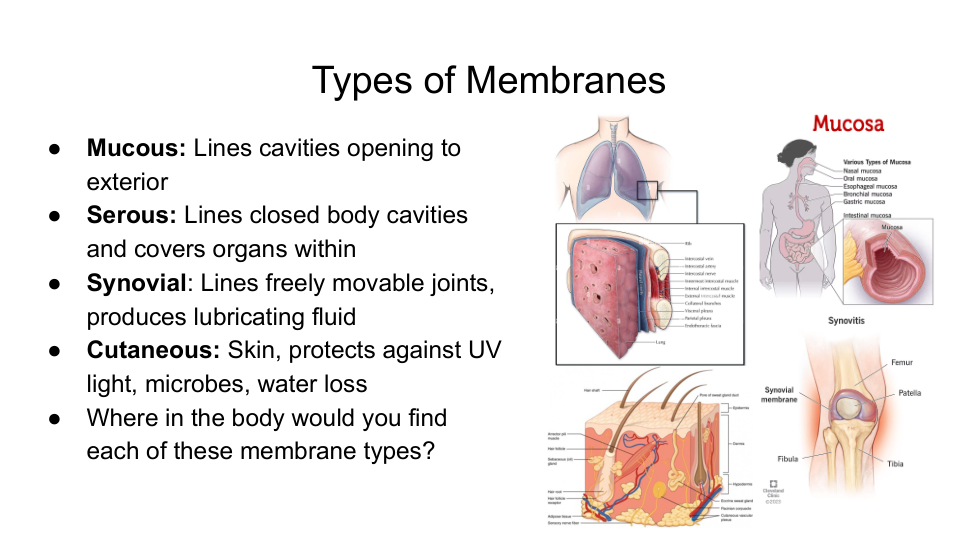
Match the membrane type with its location.

Draggable itemarrow_right_altCorresponding Item
Mucous membrane
arrow_right_alt
Located in respiratory and digestive tracts
Synovial membrane
arrow_right_alt
Lines freely movable joints
Cutaneous membrane
arrow_right_alt
Found in skin and outer layer
Question 2
2.

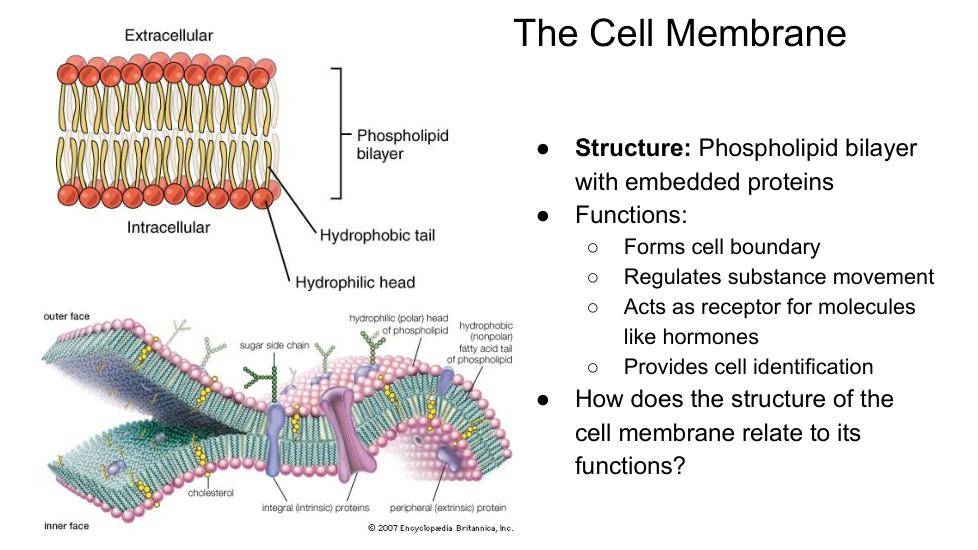
Which functions are performed by the cell membrane?

Question 3
3.

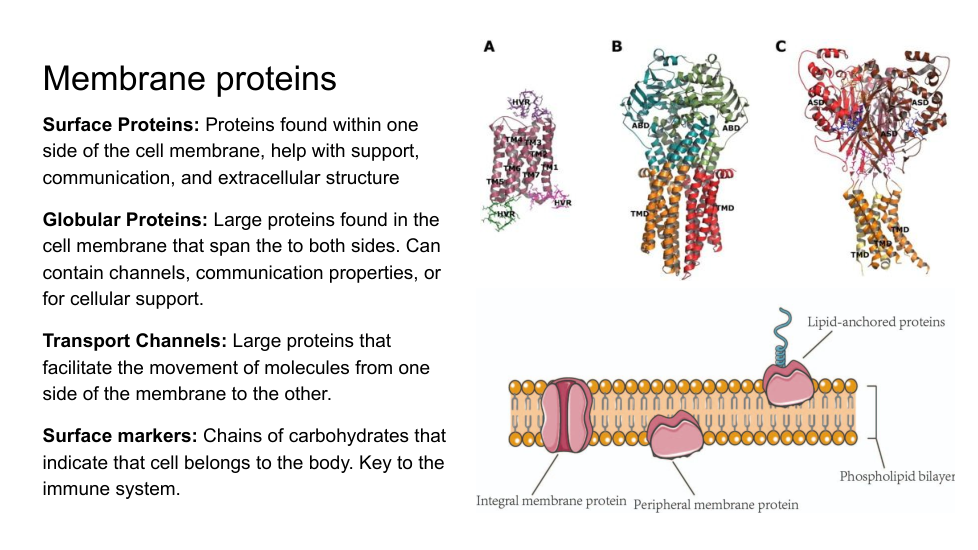
What is the main role of surface proteins in the cell membrane?

Question 4
4.

Which type of protein spans both sides of the cell membrane?

Question 5
5.

What do transport channels primarily do in the cell membrane?

Question 6
6.

What are surface markers composed of?

Question 7
7.

Why are surface markers important to the immune system?

Question 8
8.

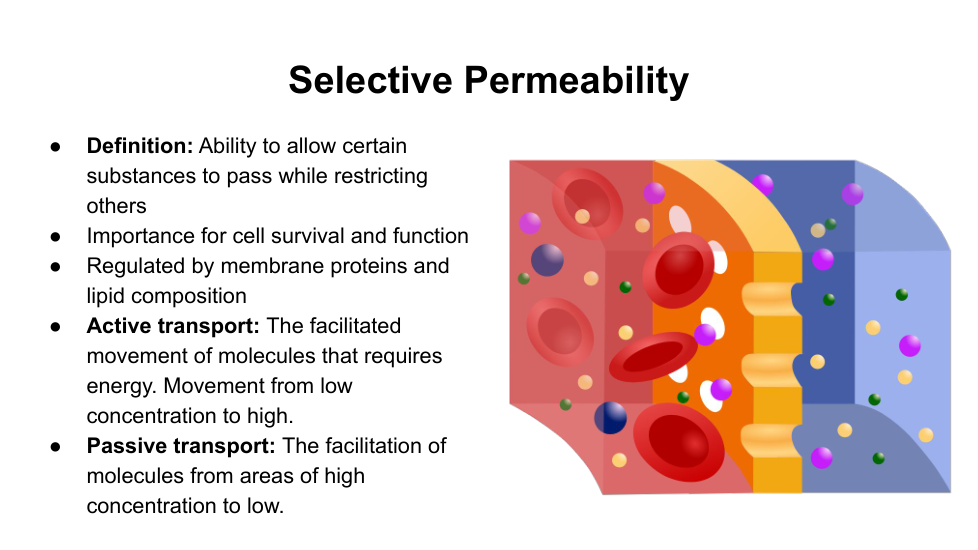
What does selective permeability allow in a cell membrane?

Question 9
9.

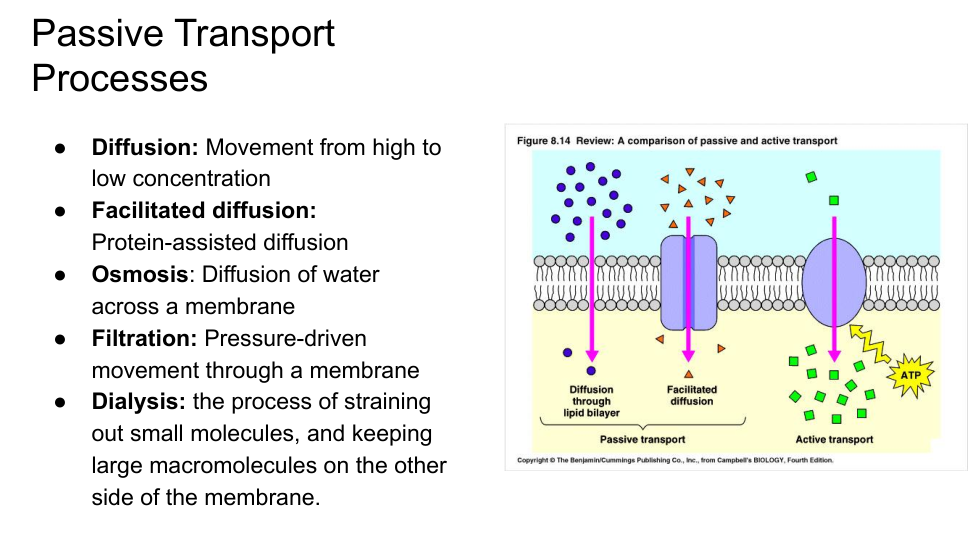
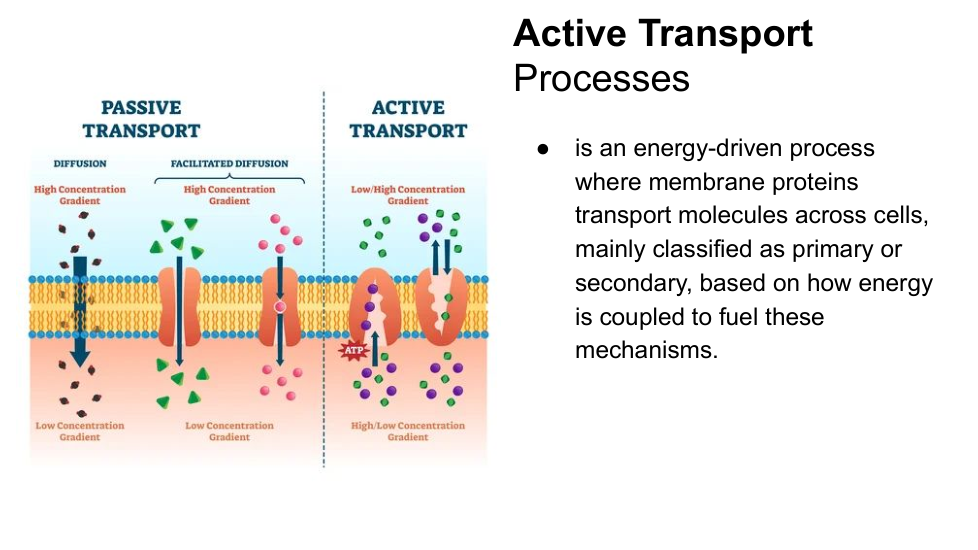
Which term describes movement from low to high concentration?

Question 10
10.

What role do membrane proteins play in selective permeability?

Question 11
11.

Which process does not require cellular energy?

Question 12
12.

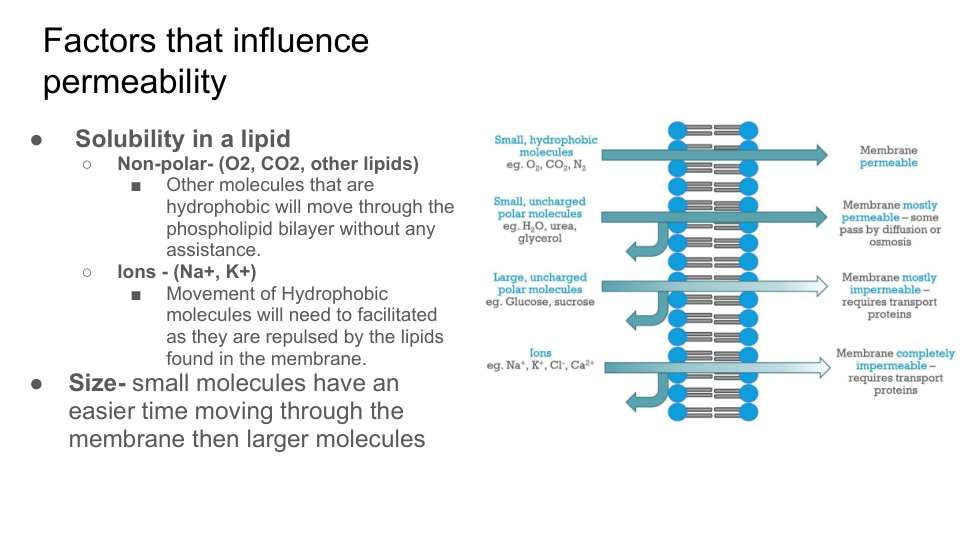
What type of molecules pass through the lipid bilayer most easily?

Question 13
13.

Why are ions unable to pass through the lipid bilayer freely?

Question 14
14.

What characteristic do small, uncharged polar molecules share?

Question 15
15.

What percentage of total body weight does intracellular fluid constitute?

Question 16
16.

Where is extracellular fluid primarily located?

Question 17
17.

How do intracellular fluids typically respond to changes?

Question 18
18.

What describes diffusion in cellular processes?

Question 19
19.

What is osmosis specifically involved in?

Question 20
20.

Which process involves protein assistance during transport?

Question 21
21.

How is filtration different from other processes?

Question 22
22.

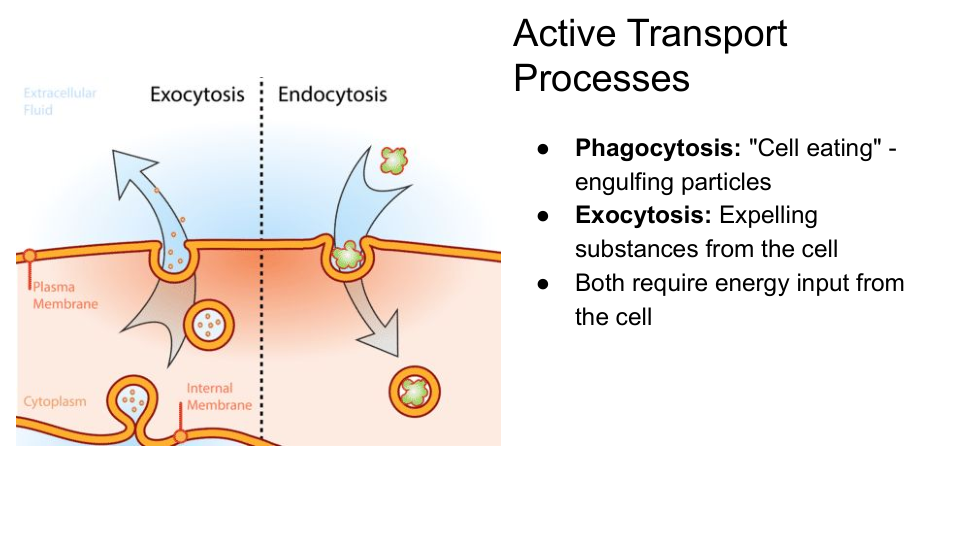
What is the process of expelling substances from a cell?

Question 23
23.

What describes the process of engulfing particles?

Question 24
24.

Which process requires energy input from the cell?

Question 25
25.

What primarily powers the sodium-potassium pump?

Question 26
26.

Which ions does the sodium-potassium pump transport?

Question 27
27.

How does the sodium-potassium pump move ions?

Question 28
28.

What is the main function of the sodium-potassium pump?

Question 29
29.

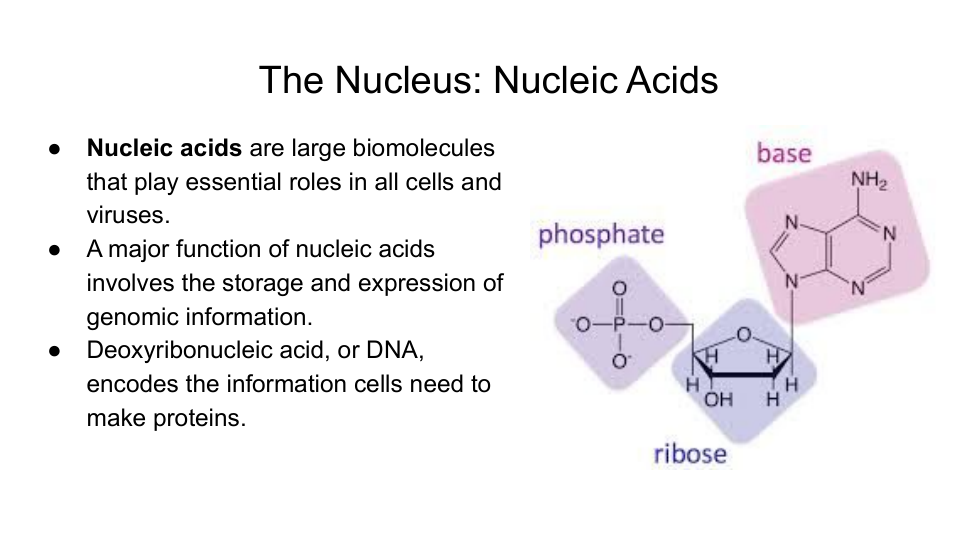
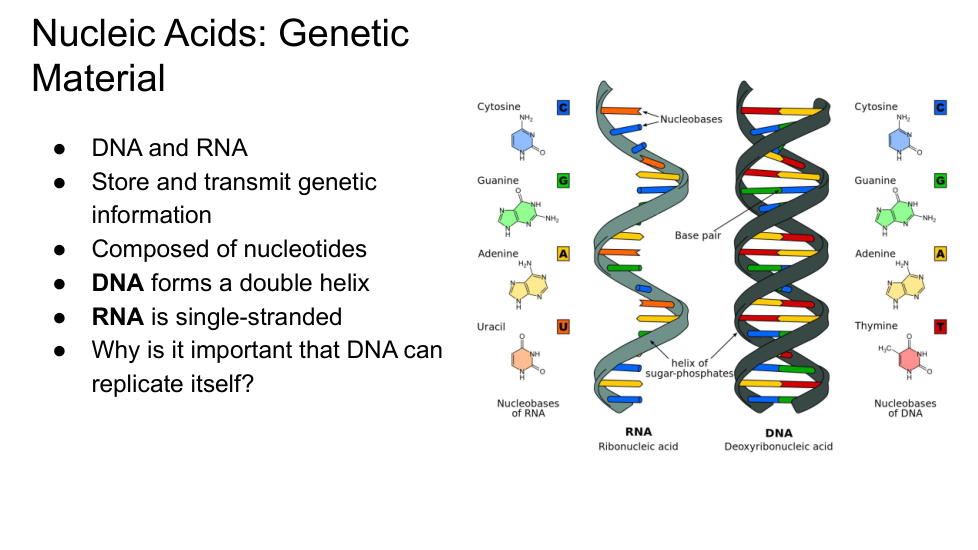
What are the main components of DNA and RNA?

Question 30
30.

How does DNA differ from RNA structurally?

Question 31
31.

Why is DNA replication important for cells?

Question 32
32.

What is a unique feature of RNA compared to DNA?

Question 33
33.

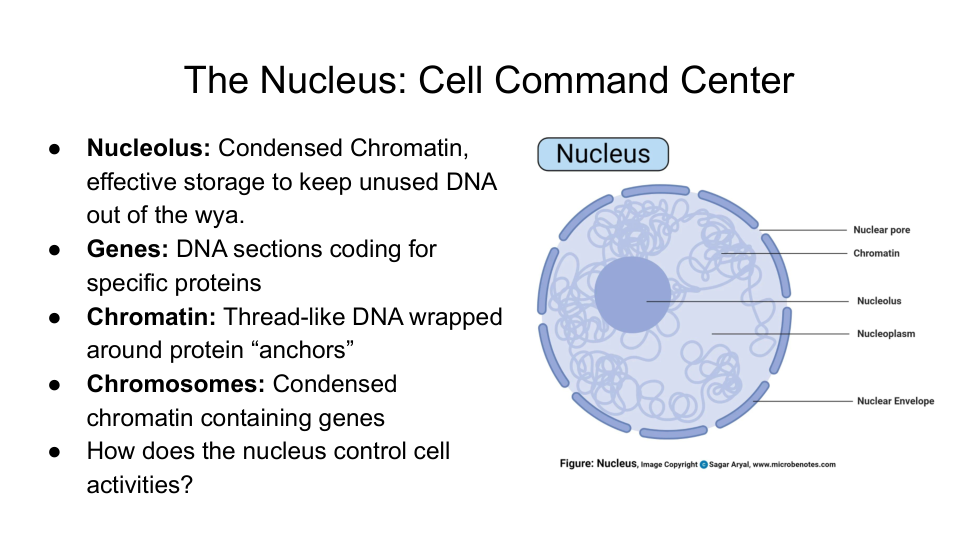
What is the function of the nucleolus?

Question 34
34.

What do genes provide instructions for?

Question 35
35.

What is chromatin made of?

Question 36
36.

What do chromosomes contain?

Question 38
38.

What role does the Smooth ER play in a cell?

Question 40
40.

Why are mitochondria referred to as the powerhouse of the cell?

Question 41
41.

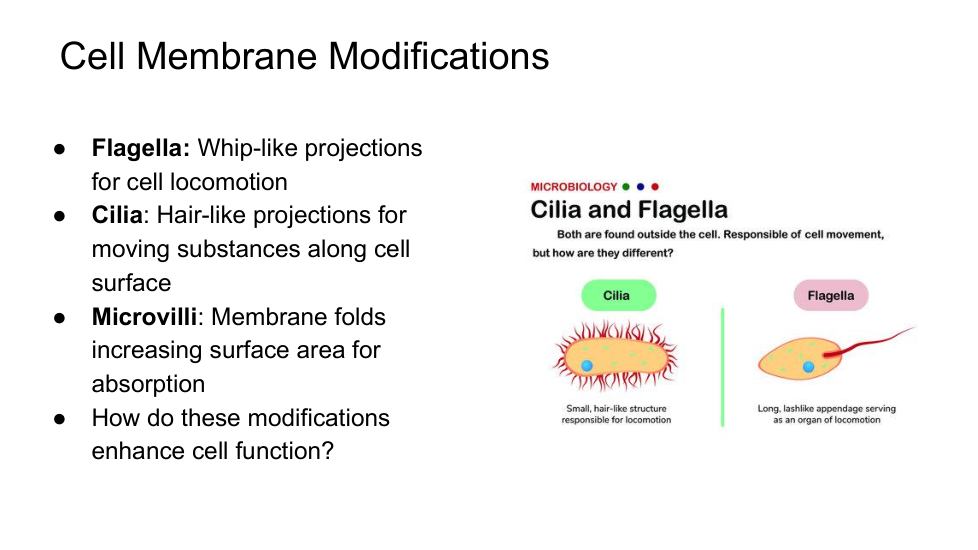
What is the primary function of cilia in cells?

Question 42
42.

How do microvilli enhance a cell's absorption ability?

Question 43
43.

What distinguishes flagella from cilia?

Question 45
45.

How does meiosis differ from mitosis?

Question 47
47.

Match the membrane type with its description.

Draggable itemarrow_right_altCorresponding Item
Synovial membrane
arrow_right_alt
Covers organs within closed cavities
Cutaneous membrane
arrow_right_alt
Protects against UV light and microbes
Serous membrane
arrow_right_alt
Lines cavities opening to exterior
Mucous membrane
arrow_right_alt
Lines freely movable joints