Log in
Sign up for FREE
arrow_back
Library
Cardiovascular Worksheet, INTRO
By Mark Bate
star
star
star
star
star
Share
share
Last updated 4 months ago
48 questions
Add this activity
zoom_in
zoom_in
1
Question 1
1.
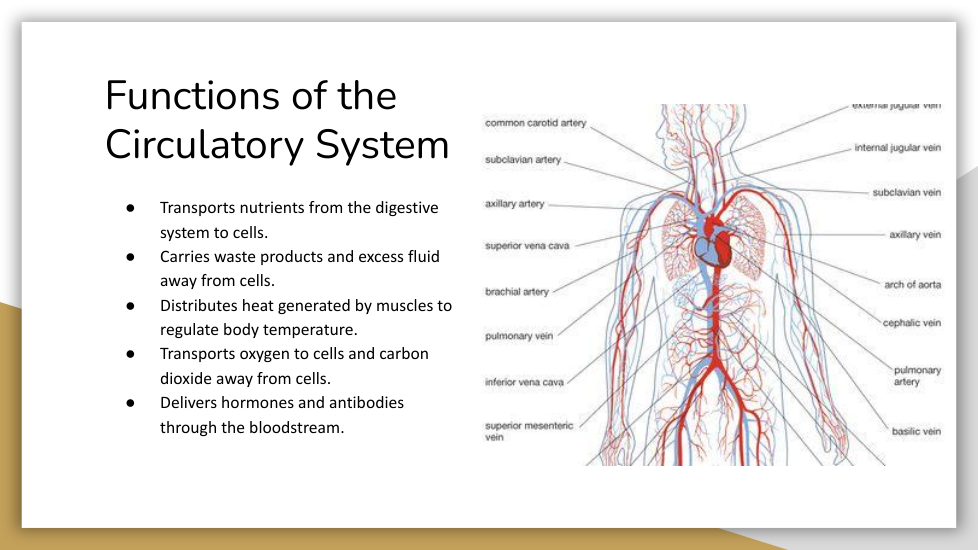
Match the parts of the circulatory system with their functions.
Draggable item
arrow_right_alt
Corresponding Item
Arteries
arrow_right_alt
arrow_right_alt
arrow_right_alt
1
1
zoom_in
1
1
1
1
zoom_in
1
Question 8
8.
What is the primary role of arteries in the circulatory system?
1
zoom_in
zoom_in
zoom_in
1
1
1
1
14
15
16
17
18
19
20
21
22
23
24
zoom_in
1
1
1
1
1
1
1
1
1
1
1
zoom_in
zoom_in
zoom_in
1
1
1
1
zoom_in
1
1
1
1
1
1
zoom_in
zoom_in
1
1
1
1
zoom_in
1
Question 39
39.
1
1
zoom_in
1
Question 42
42.
1
1
zoom_in
1
1
1
1
zoom_in
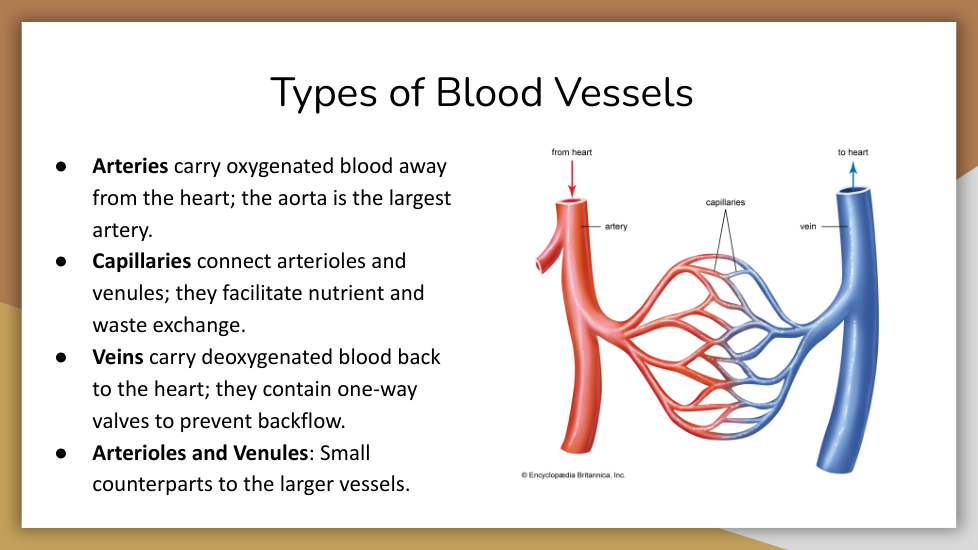
Transport blood back to the heart
Capillaries
Carry blood away from the heart
Veins
Exchange nutrients and waste at the cellular level
Question 2
2.
What role do arteries play in the circulatory system?
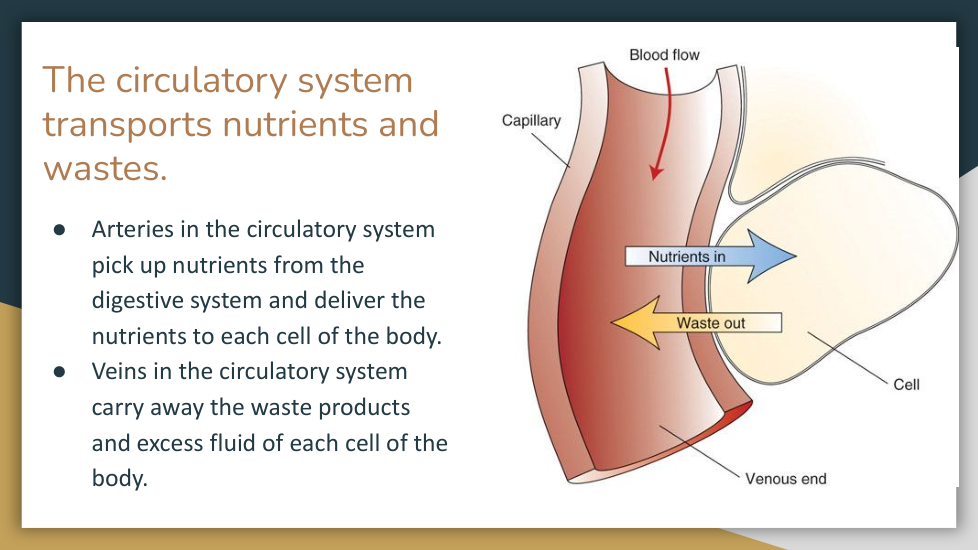
Carry wastes away from cells.
Deliver nutrients from digestion to cells.
Supply blood to the lungs directly.
Transport oxygen from lungs to heart.
Question 3
3.
How do veins function in the circulatory system?
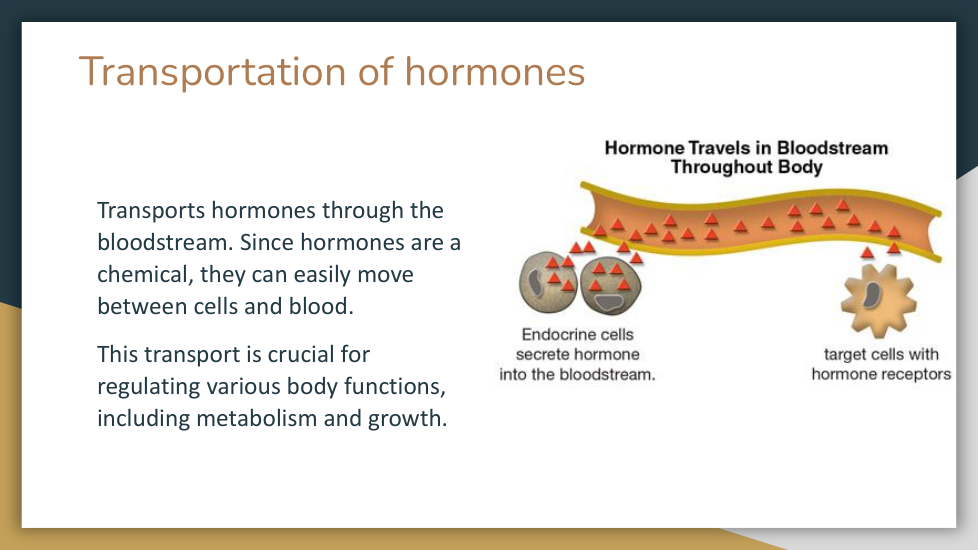
Transport hormones throughout the body.
Deliver nutrients to body organs.
Remove waste products from body cells.
Supply oxygenated blood to the heart.
Question 4
4.
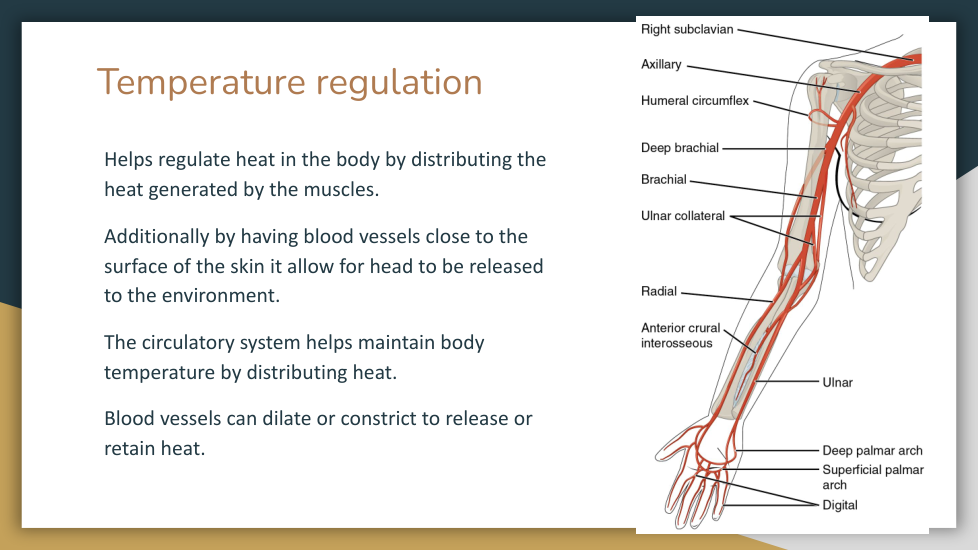
How do blood vessels help regulate body temperature?
By cooling the blood before it circulates.
By dilating or constricting to adjust heat loss.
By generating heat from muscles directly.
By preventing blood flow to the skin.
Question 5
5.
What does the circulatory system do for temperature regulation?
Distributes heat generated by muscles throughout the body.
Produces heat within the heart only.
Cools down muscle tissue immediately after exercise.
Removes heat entirely from the bloodstream.
Question 6
6.
Why are blood vessels close to the skin surface important?
They prevent heat from entering the body.
They allow heat to escape from the body easily.
They protect muscles from the cold environment.
They increase blood pressure during exercise.
Question 7
7.
What happens when blood vessels constrict?
Blood pressure decreases significantly.
Muscle temperature drops immediately.
Heat is generated more rapidly in muscles.
Heat retention is increased in the body.
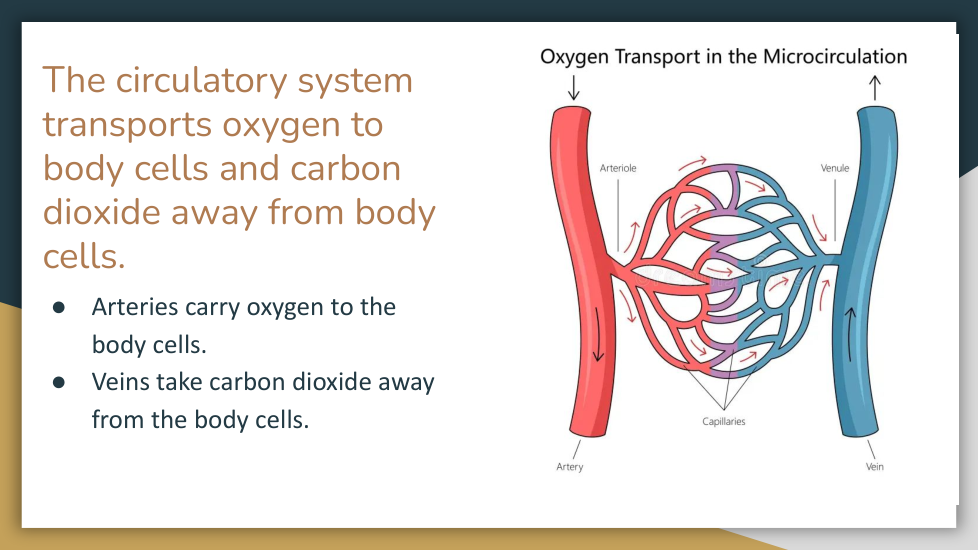
To carry carbon dioxide to the lungs.
To carry oxygen to the body cells.
To transport nutrients to muscles.
To filter blood waste products.
Question 9
9.
How do veins function in the circulatory system?
They take carbon dioxide away from body cells.
They collect hormones from the liver.
They supply nutrients to the heart.
They deliver oxygen to body cells.
Question 10
10.
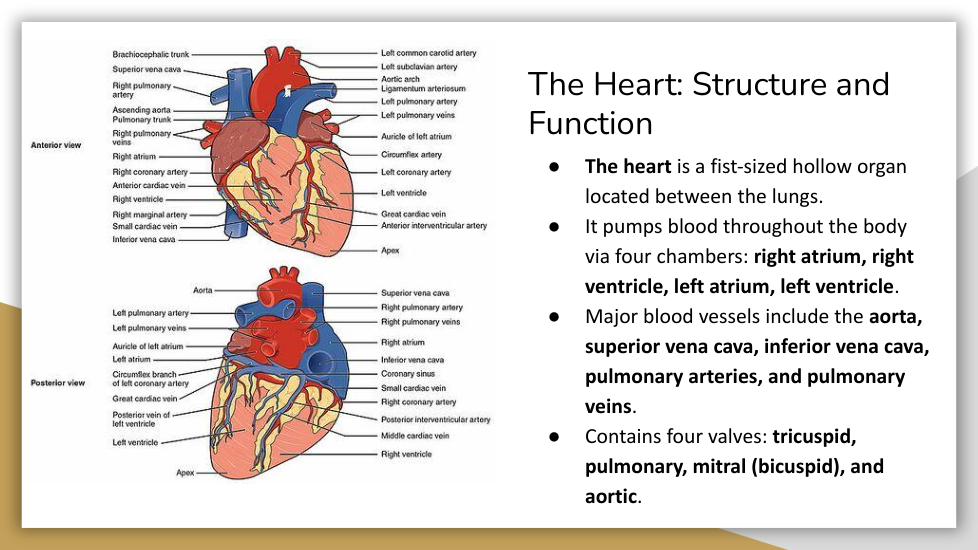
What is the primary function of the heart?
Regulates body temperature.
Pumps blood throughout the body.
Filters toxins from the blood.
Stores oxygen for the body.
Question 11
11.
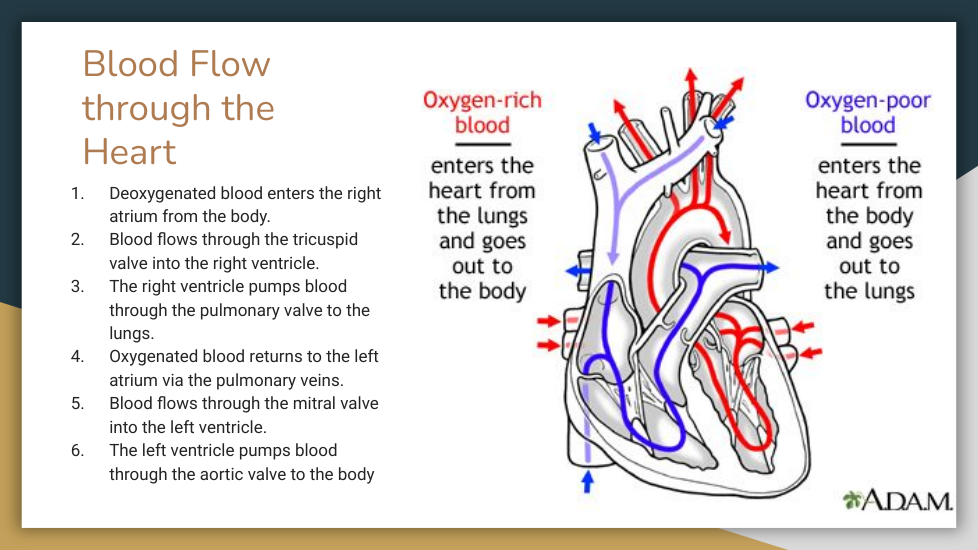
Which chamber receives deoxygenated blood from the body?
Left ventricle
Left atrium
Right atrium
Right ventricle
Question 12
12.
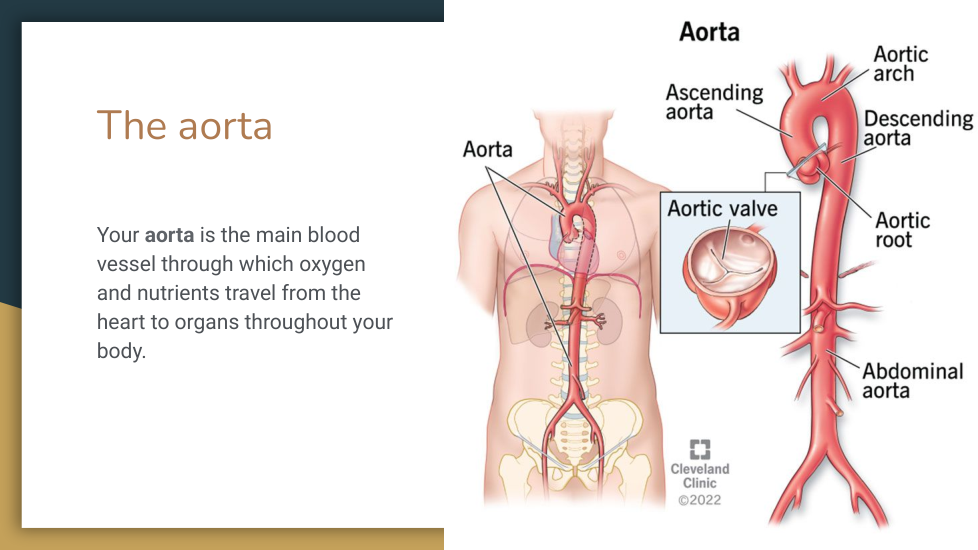
What is the largest artery in the body?
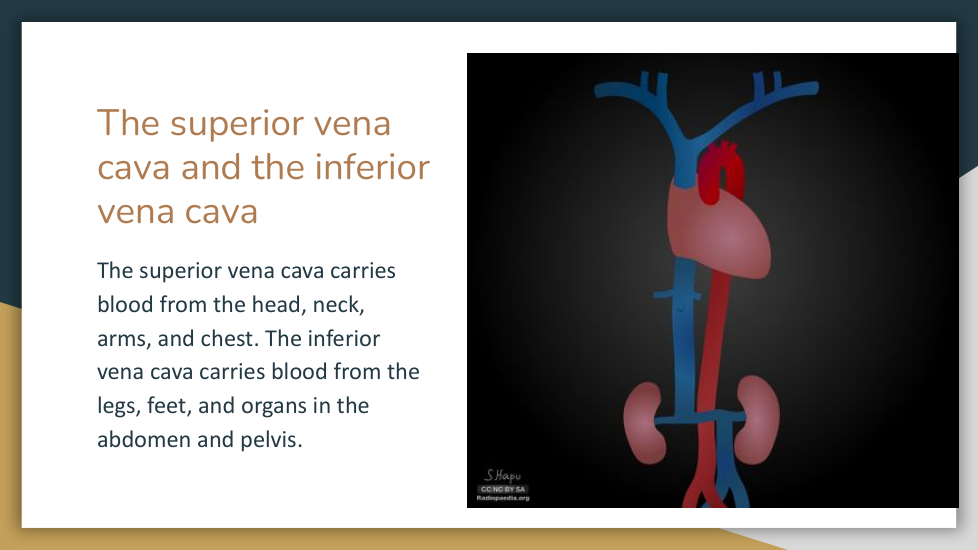
Superior vena cava
Pulmonary artery
Aorta
Inferior vena cava
Question 13
13.
Which valve prevents backflow into the left atrium?
Aortic valve
Tricuspid valve
Pulmonary valve
Mitral (bicuspid) valve
Question 14
14.
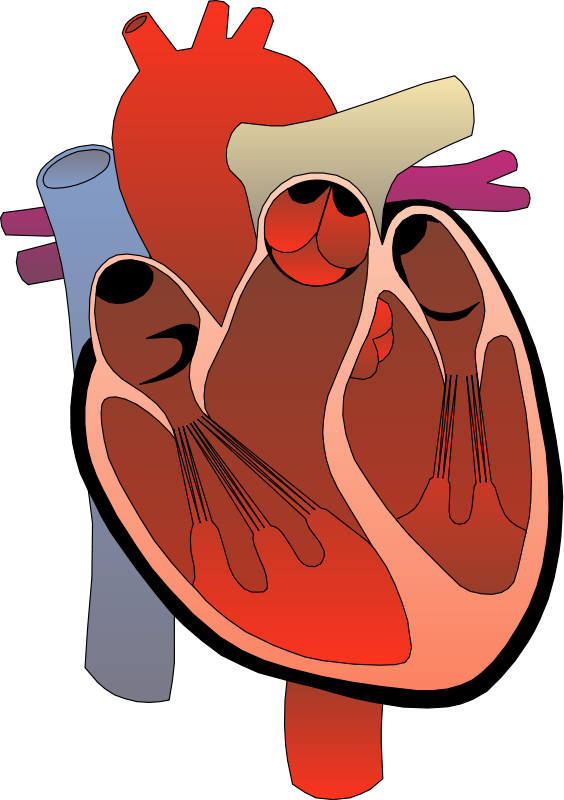
What is the name of this structure?
Question 15
15.
Name this Valve
Question 16
16.
Name this part of the heart:
Question 17
17.
Name the valve
Question 18
18.
Name the structure
Question 19
19.
What is the structure of the heart
Question 20
20.
Name the chamber of the heart
Question 21
21.
Name the Valve
Question 22
22.
Name the major Artery
Question 23
23.
Name the Major Vein
Question 24
24.
What is the name of the major Vein
Question 25
25.
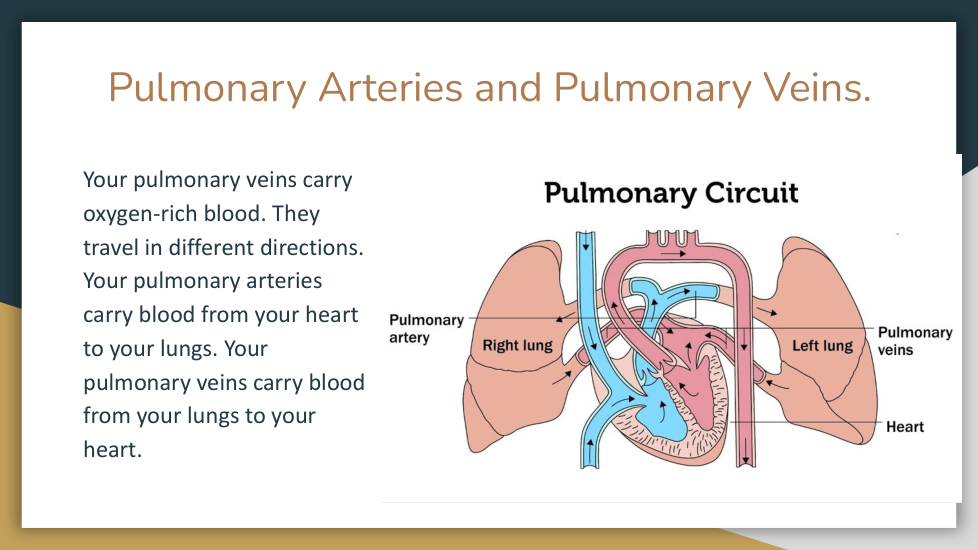
What type of blood do pulmonary veins carry?
Oxygen-rich blood
Carbon dioxide-rich blood
Oxygen-poor blood
Nutrient-rich blood
Question 26
26.
Where do pulmonary arteries carry blood?
From heart to lungs
From heart to body
From body to heart
From lungs to heart
Question 27
27.
What is the main function of pulmonary veins?
Carry blood to the lungs
Deliver oxygen to tissues
Remove carbon dioxide
Return blood to the heart
Question 28
28.
Which direction do pulmonary veins travel?
From body to lungs
From lungs to heart
From heart to lungs
In a circular path
Question 29
29.
Where does deoxygenated blood enter the heart?
Left ventricle
Left atrium
Right atrium
Right ventricle
Question 30
30.
Which valve does blood pass through from right atrium to right ventricle?
Mitral valve
Pulmonary valve
Aortic valve
Tricuspid valve
Question 31
31.
What does the right ventricle pump blood to?
Lungs
Left atrium
Body
Right atrium
Question 32
32.
Through which veins does oxygenated blood return to the heart?
Pulmonary veins
Caval veins
Coronary veins
Jugular veins
Question 33
33.
Which valve allows blood to flow from the left atrium?
Tricuspid valve
Pulmonary valve
Aortic valve
Mitral valve
Question 34
34.
What does the left ventricle pump blood through?
Mitral valve
Pulmonary valve
Tricuspid valve
Aortic valve
Question 35
35.
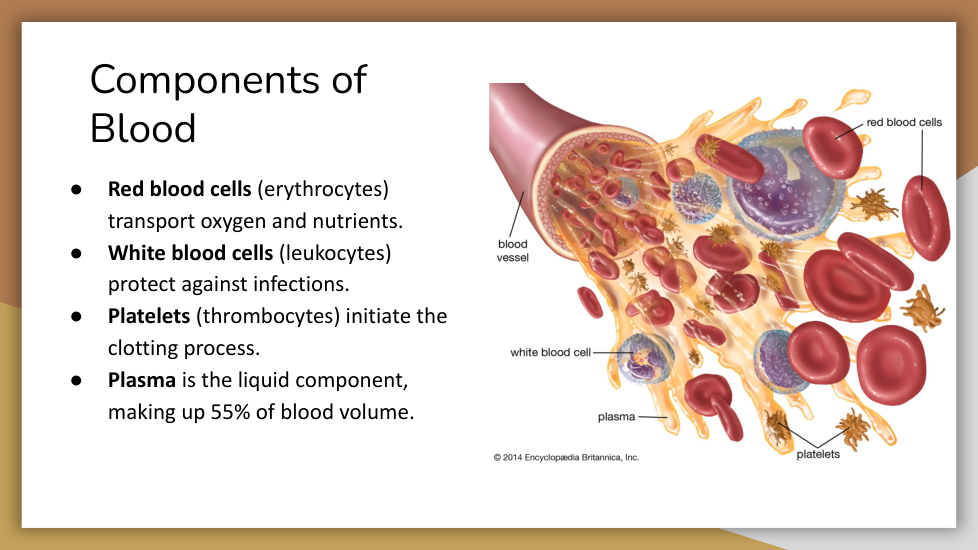
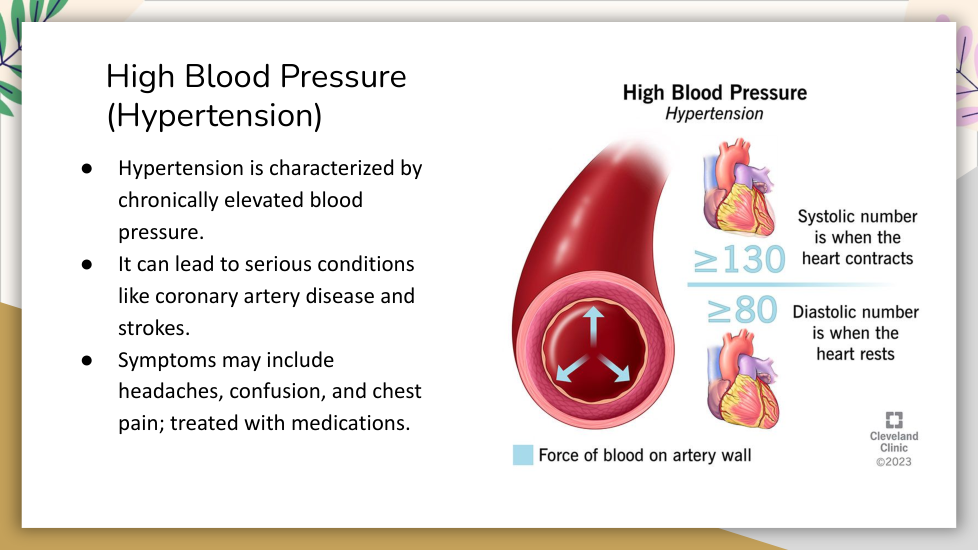
What is the primary function of red blood cells?
Initiate blood clotting
Make up plasma volume
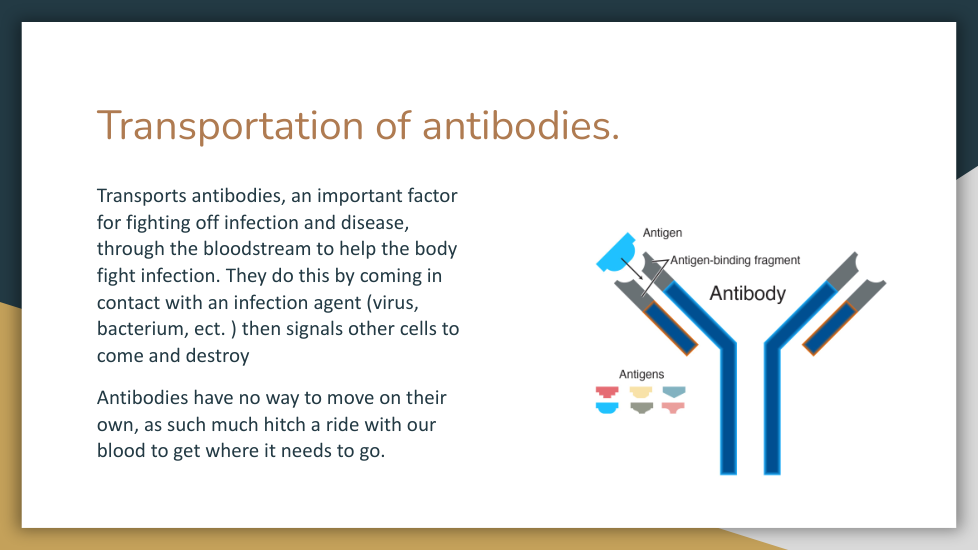
Fight infections
Transport oxygen and nutrients
Question 36
36.
What role do white blood cells play in the body?
Form plasma
Aid in clotting
Protect against infections
Carry oxygen
Question 37
37.
What component of blood is involved in clotting?
White blood cells
Platelets initiate the clotting process
Plasma transports nutrients
Red blood cells
Question 38
38.
What percentage of blood volume is plasma?
Less than 10%
Approximately 45%
It makes up 55% of blood volume
About 70%
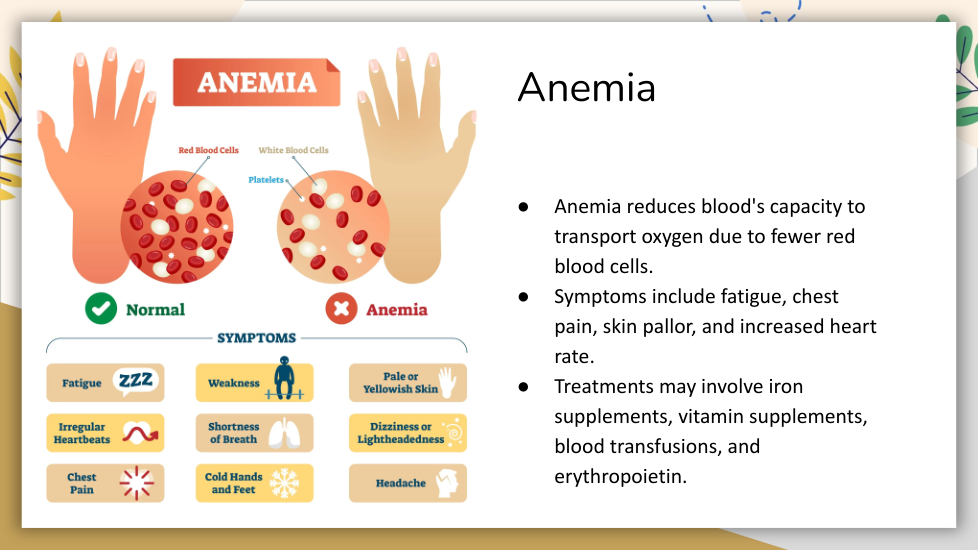
What blood pressure reading categorizes hypertension?
90/60 mmHg is high
120/70 mmHg is normal
140/90 mmHg is safe
130/80 mmHg or higher
Question 40
40.
Which symptom is NOT associated with hypertension?
Persistent headaches and confusion
Nosebleeds are common
Chest pain or discomfort
Dizziness during exercise
Question 41
41.
What does the systolic number indicate?
Blood flow in veins only
Pressure when the heart rests
Average pressure throughout the day
Pressure during heart contractions
What is a primary cause of anemia?
Too many white blood cells.
Fewer red blood cells in the blood.
Excessive blood platelets.
Increased oxygen levels in blood.
Question 43
43.
Which symptom is commonly associated with anemia?
Increased energy levels.
Frequent headaches unrelated to blood loss.
Dehydration symptoms.
Fatigue due to reduced oxygen transport.
Question 44
44.
How can anemia be treated effectively?
Drinking additional water.
Increasing exercise intensity.
Taking more vitamin C only.
Using iron supplements to boost red blood cells.
Question 45
45.
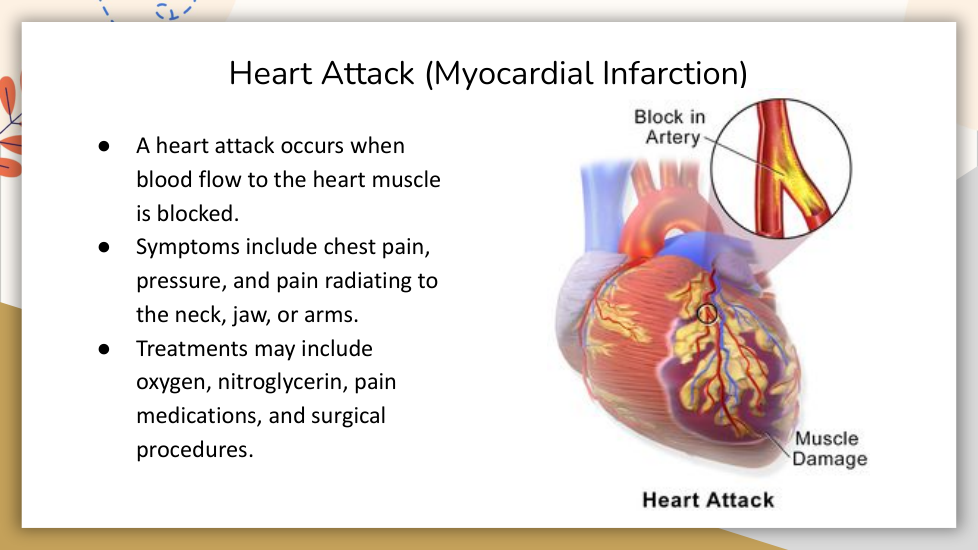
What causes a heart attack?
Blood flow increase to the heart.
Excessive exercise before a meal.
Blocked blood flow to the heart muscle.
Sudden heart rate decrease.
Question 46
46.
Which of the following is a common symptom of a heart attack?
Chest pain or pressure.
Dizziness and nausea only.
Fever and chills in the morning.
Increased appetite and thirst.
Question 47
47.
What is a possible treatment for a heart attack?
Antibiotics and rest only.
Oxygen and pain medications.
Cold compresses for the head.
Diet changes without medication.
Question 48
48.
Where can chest pain during a heart attack radiate?
Only to the lower back.
Only to the stomach area.
To the neck and arms.
Only to the legs.