LR247.1.3: Electric Charge
star
star
star
star
star
Last updated 7 months ago
22 Nsɛmmisa
Ɛhia
1
Ɛhia
1
Ɛhia
1
Ɛhia
1
Ɛhia
1
Ɛhia
1
Ɛhia
1
Ɛhia
1
Ɛhia
1
Ɛhia
1
Ɛhia
1
Ɛhia
1
Ɛhia
1
Ɛhia
1
Ɛhia
1
Ɛhia
1
Ɛhia
1
Ɛhia
1
Ɛhia
1
Ɛhia
1
Ɛhia
1
Ɛhia
1
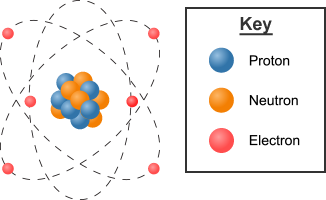
The world is made of tiny particles that cannot be seen with the naked eye. These particles are called atoms. Atoms make up all matter and are made up of three types of particles that cause electric charges. Click the buttons below to learn more.
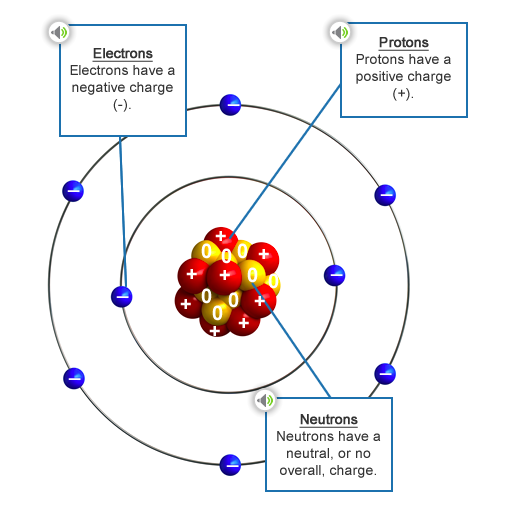
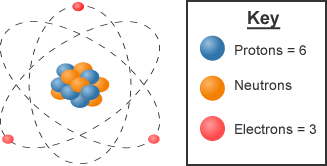
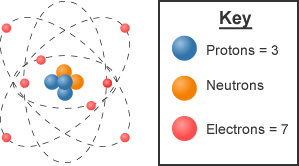
Many atoms have no overall electric charge because the protons and the electrons of an atom are equal. However, atoms can become unbalanced. Atoms rarely lose their protons, but electrons often move between atoms. If an atom gains more electrons than protons or more protons than electrons, the atom is unbalanced and develops an overall electric charge.
When an atom has more protons than electrons, it has an overall positive charge.
When an atom has more electrons than protons, it has an overall negative charge.
Which of these are made of atoms?

are positively charged parts of an atom.
are parts of an atom with no overall charge.
are negatively charged parts of an atom.
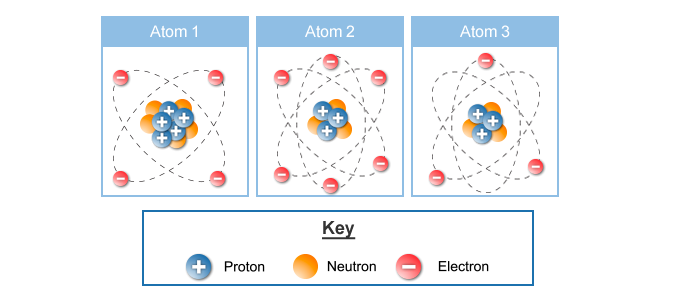
Drag up the electrical charges to correctly label each atom.
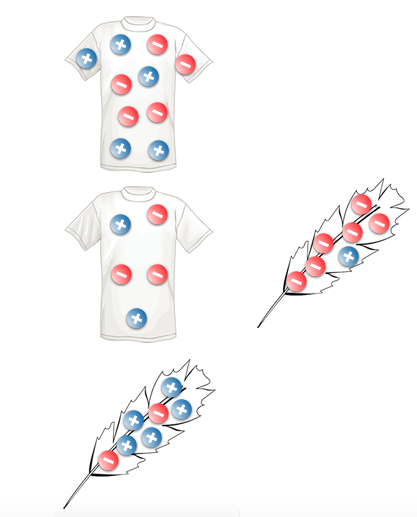
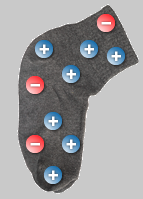
Gina is running across the floor. As her sock rubs against the carpet, what most likely happens?
Place the correct charges on the correct image.
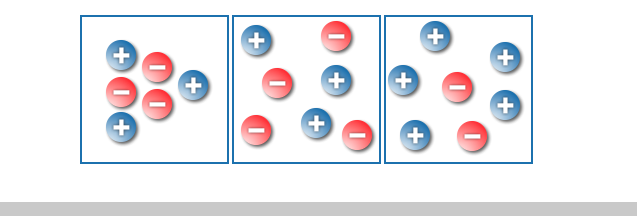
What would increase the chances of an electric charge forming?
An action can help cause electrical charges to form. For example, rubbing an object on another object could increase the chances of electrical charges forming. This happens because rubbing increases the movement of electrons between atoms and causes them to become unbalanced and have an overall charge.
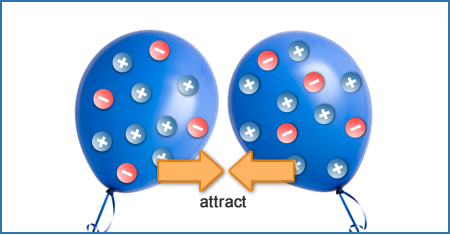
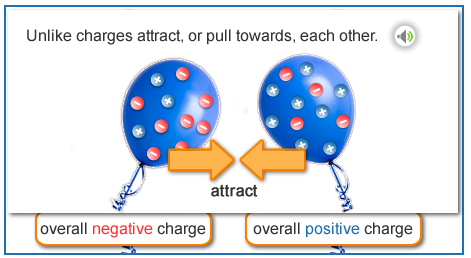
When atoms have a negative or positive overall charge, they create electric force. Electric force is a push or pull between matter with different charges.
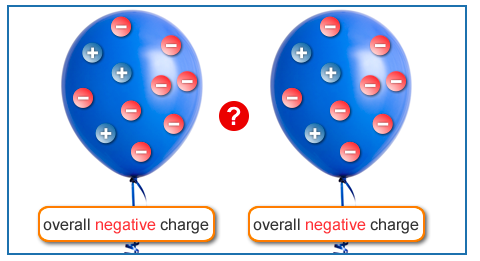
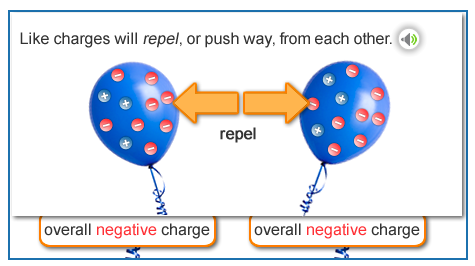
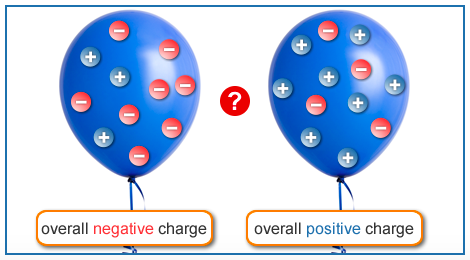
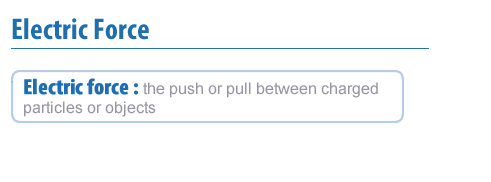
is a pushing or pulling force that exists between two objects with electric charge.
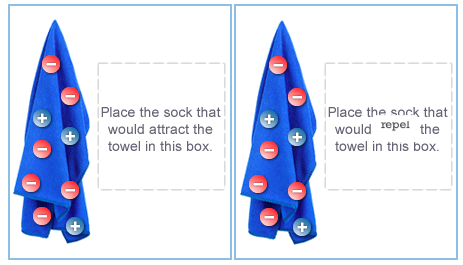
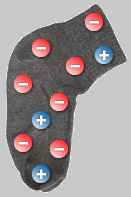
Drag the correct sock to the box that describes the electric force that would occur between it and the towel.
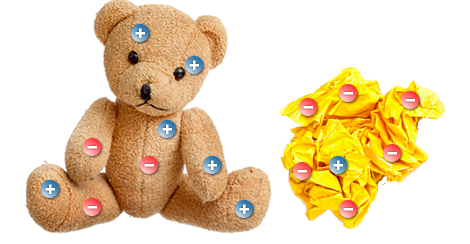
The bear and the paper have electric charges causing them to attract. Select the amount of particles you need to add to the bear and to the cloth to make it so that these two objects will no longer attract OR repel.
Check for Understanding:
1. Electric force is a push or pull between matter with different charges.
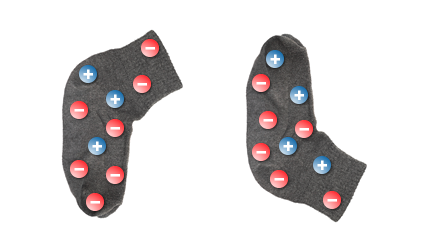
2. Objects with the same overall charge will repel.
3. Objects with opposite overall charges will attract.
Electric force is __________.
Static electricity is a buildup of charged subatomic particles on an object. Click on the numbered buttons to explore how static electricity works.
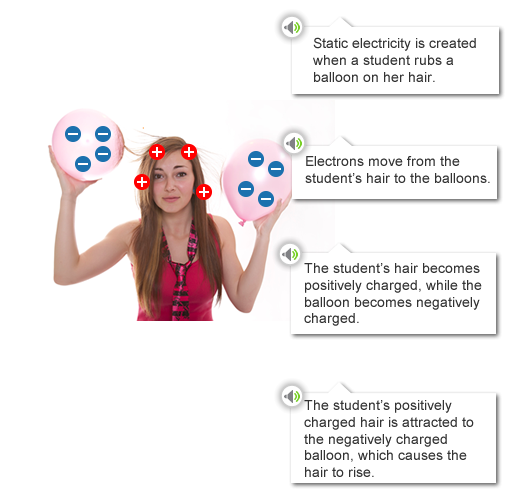
Static electricity is aofsubatomic particles on an object.
Electrons are created when a person rubs a balloon on his or her head.
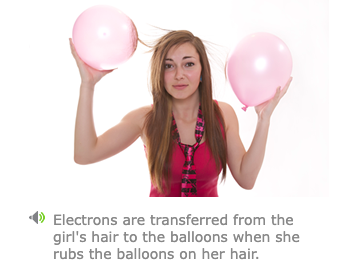
Conservation of charge states that electrons cannot be destroyed when an object becomes charged. Objects can only take or give electrons to other objects. Two objects can become charged when objects are rubbed together from friction. Electrons move from one object to another. The object that loses electrons becomes positively charged, and the object that gains electrons becomes negatively charged.
One object can become charged when a charged object directly touches it through conduction. Electrons transfer from the object with a more negative charge to the object with a more positive charge.
Charges can also be rearranged within an object through induction. This ruler has a negative charge. When it is moved near the metal knob, electrons in the metal knob are repelled and move to the end of the knob. The front of the knob then has a positive charge, and the end of the knob has a negative charge.
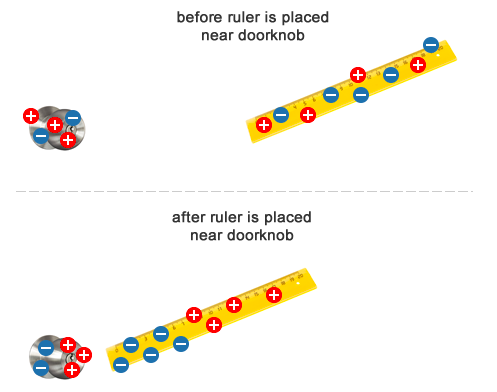
Which of the following are ways in which an object can become charged?
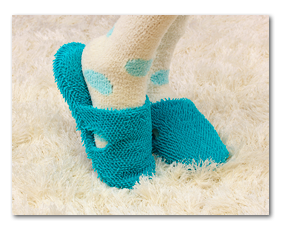
The slippers become charged after rubbing on carpet through
Check for Understanding:
1. Static electricity is a buildup of charged subatomic particles on an object.
2. There are three ways objects can become charged.
• Electrons can move from one object to another as two objects rub together through friction.
• One object becomes charged when it directly touches a charged object through conduction.
• Electrons of an object can rearrange themselves when placed near a charged object through induction.
1. Atoms make up all matter and contain neutrons, electrons, and protons.
2. Atoms can gain an overall electric charge when particles move from one atom to another and cause them to become unbalanced.
3. Electric force is a push or pull between matter with electric charge.
•Like-charged particles repel each other.
•Oppositely charged particles attract each other.
Drag up the labels to correctly identify the overall charge of each object.
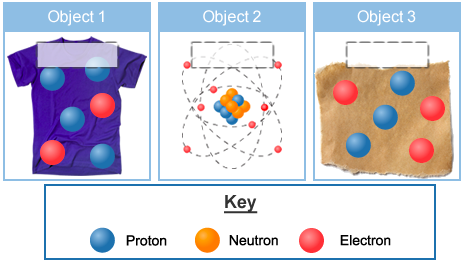
A proton has acharge, and an electron has a
charge.
Select the arrows that correctly show the type of electric force between the two socks.
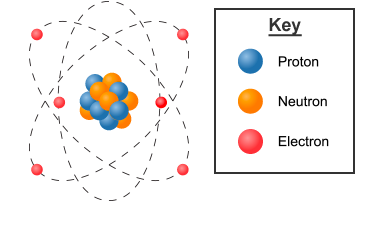
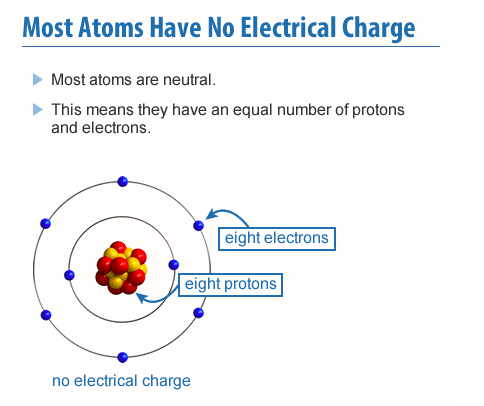
There are an equal number of protons and neutrons in the atom. Therefore, the particles in the atom are balanced. Balanced atoms are neutral, or have no overall electric charge.
What is static electricity?
Which diagram is correctly labeled?
particles are more likely to move thanparticles.
Electric force can cause __________.
Check all that are true (choose 2).
What is wrong with this picture?
Which object below would attract a negatively charged object?