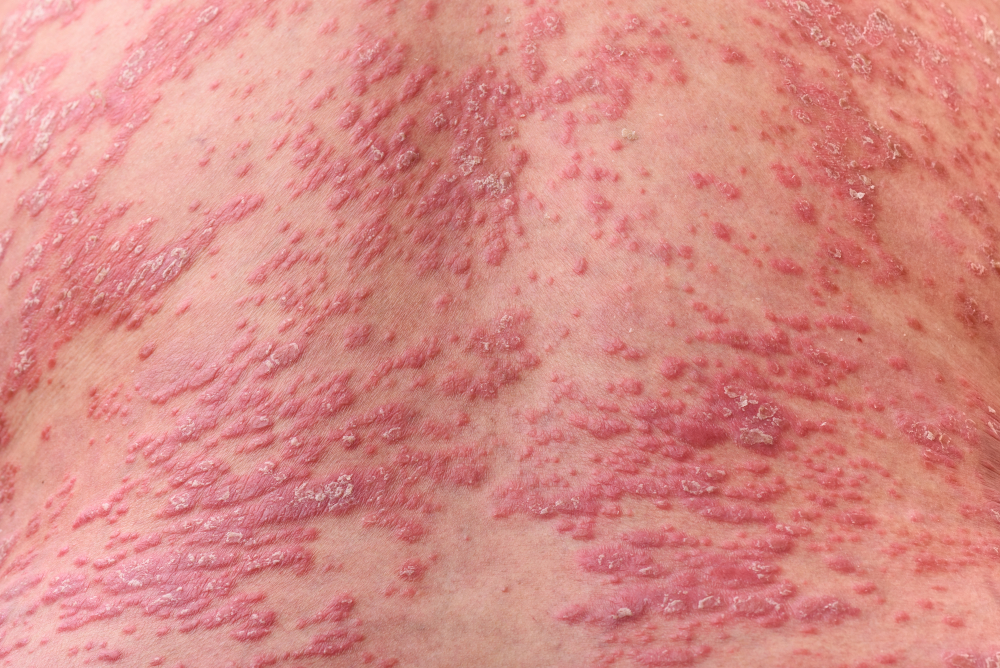
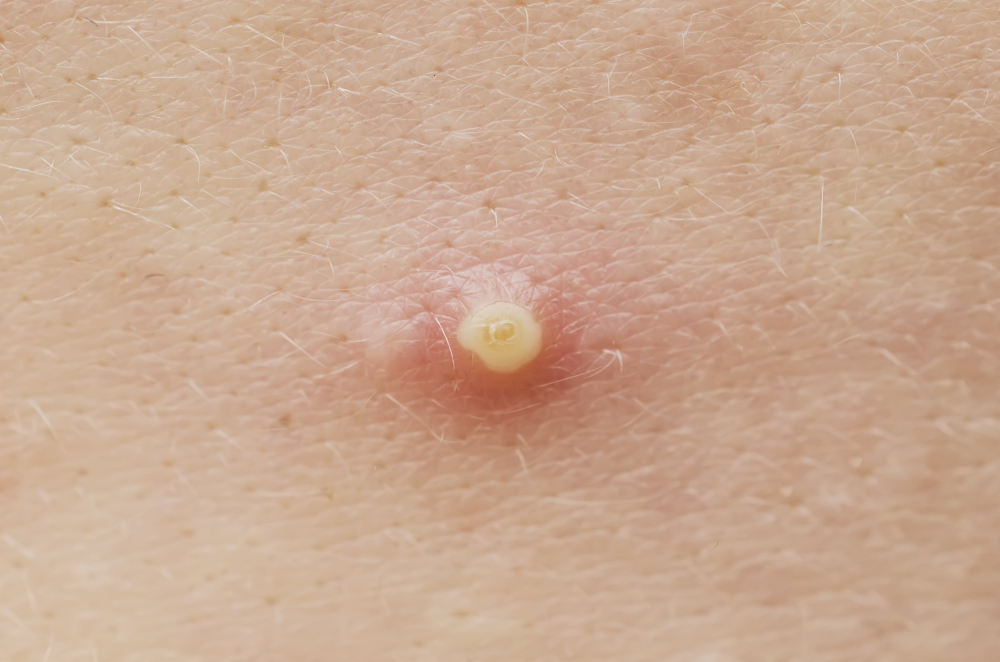
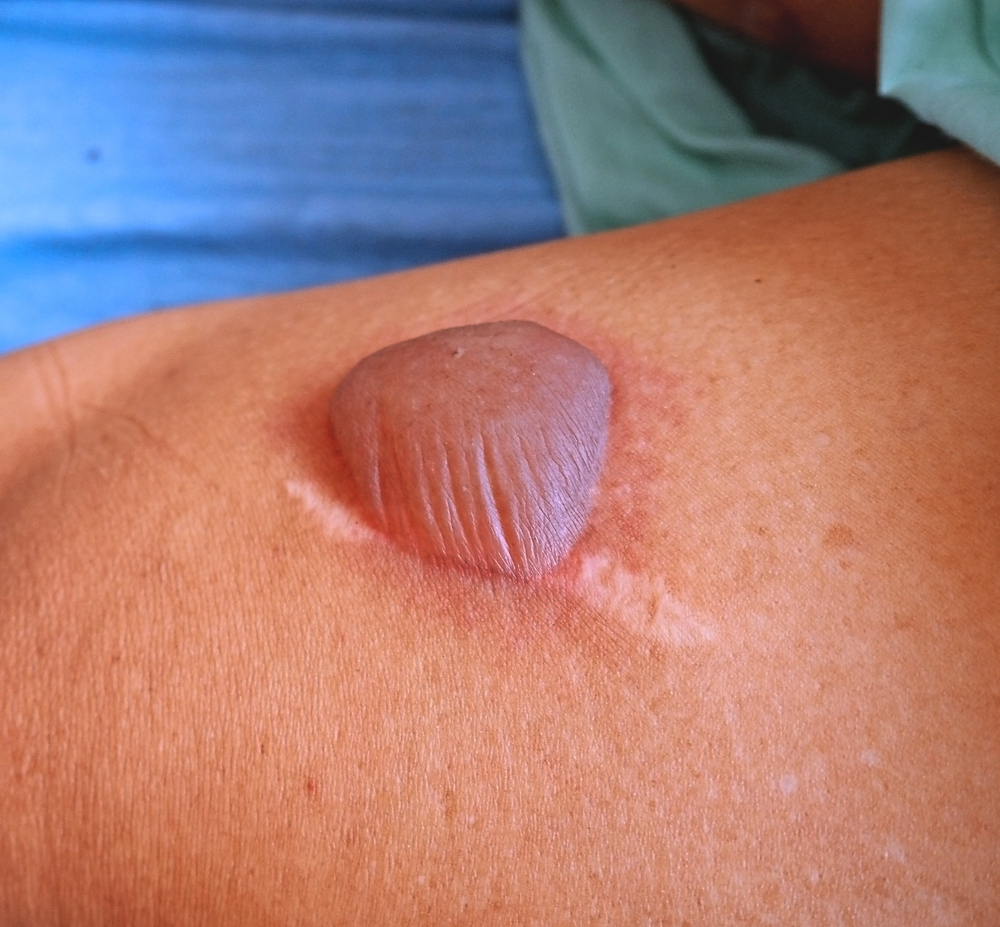
Match the structures with their area on the diagram of the skin cross section. L.O.1
Mmuae Afoforo a Wobɛpaw:
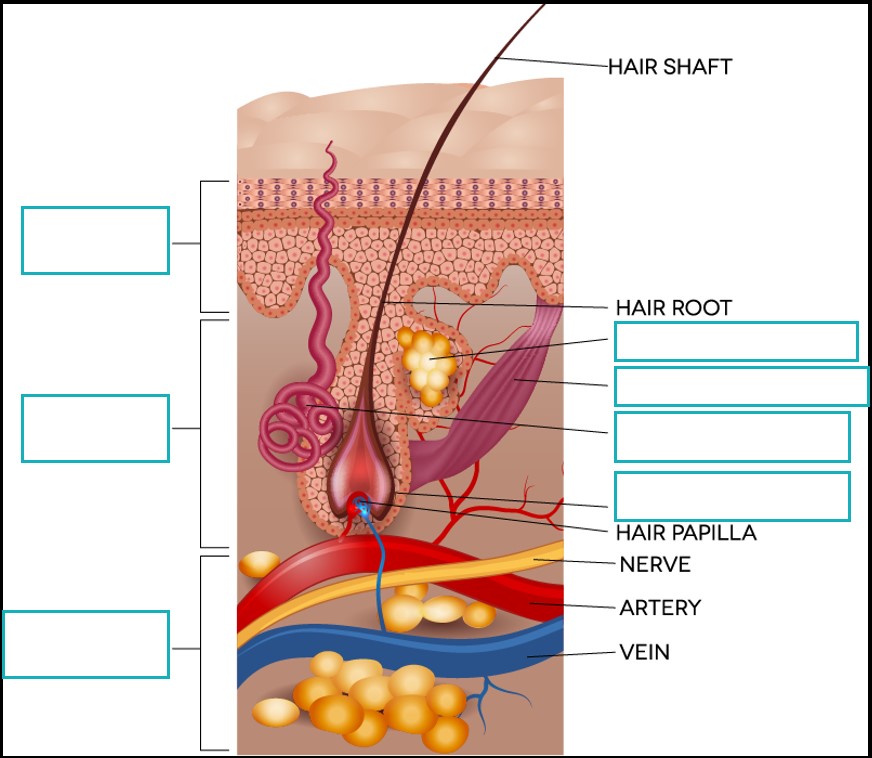
Sebaceous gland
Dermis
Hair follicle
Sweat gland
Arrector pili muscle
Hypodermis
Epidermis
Unit slides
Lesson objectives:
Analyze the structure and function of the integumentary systems
This means you will be able to list some of the structures (anatomy) of the skin and describe why it is present (its physiology).
2. Discuss potential alterations in skin integrity
This means that you will be able to explain what can happen when the skin is injured.
3. Demonstrate the knowledge and skill related to performing effective hand hygiene
This means that you will be able to list the steps of proper handwashing technique in a medical setting.
4. Identify and analyze common diseases and disorders of the integumentary system
This means that you will be able to name some skin conditions given an image of the disease or disorder using clues like size, shape, and texture of the lesion.
Based on the 4 learning objectives above, where would you rate yourself before we started the lesson? L.O.1
What structures are considered part of our (human) integumentary system? (there are 4 correct choices) L.O.1
Select the choice that does NOT describe a function of the integumentary system.
L.O.1
Match the structures with their area on the diagram of the skin cross section. L.O.1
Match the skin receptors with the sensation they detect. L.O.1
| Draggable item | arrow_right_alt | Corresponding Item |
|---|---|---|
Chemoreceptors | arrow_right_alt | light touch |
Tactile corpusclues | arrow_right_alt | deep pressure |
Lamellar corpuscles | arrow_right_alt | Vibration and texture |
Nocieptors | arrow_right_alt | variations in temperature |
Mechanoreceptors | arrow_right_alt | pain |
Thermoreceptor | arrow_right_alt | changes in chemical balance |
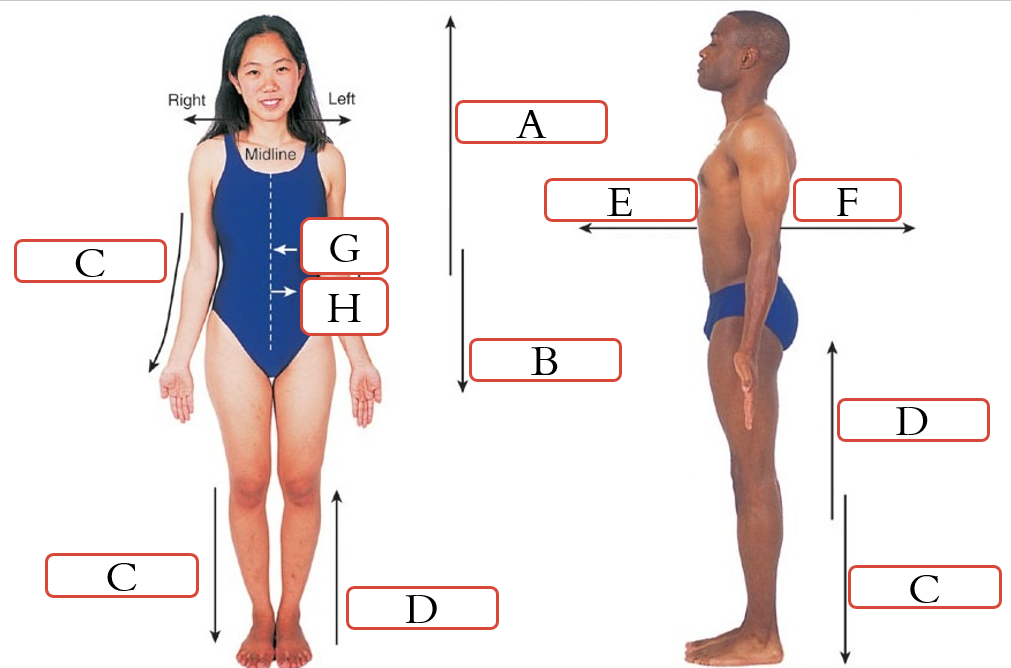
Match the letter on the diagram with the correct directional term, using the labels on the picture. L.O.4
| Draggable item | arrow_right_alt | Corresponding Item |
|---|---|---|
F | arrow_right_alt | Distal |
C | arrow_right_alt | Inferior |
B | arrow_right_alt | Superior |
A | arrow_right_alt | Proximal |
H | arrow_right_alt | Anterior |
G | arrow_right_alt | Lateral |
D | arrow_right_alt | Medial |
E | arrow_right_alt | Posterior |
Categorize the descriptions that match the types of burns. L.O.2
Superficial
Partial thickness
Full thickness
Ex. Sunburn
Peeling and blisters with clear or yellow-colored fluid
Site appears black with white fatty tissue exposed
First degree
Second degree
Third degree
Which description best matches the skin lesions shown ?
L.O.4
Which description best matches the skin lesion shown? L.O.4
Which description best matches the skin lesion shown? L.O.4
Describe one way that our skin helps to maintain homeostasis in our body? L.O.1
What do you think of the skin as a body system? Did you find any of the new material you learned in this unit interesting?