Objective: KWBAT use models to find evidence for the shape of Earth and begin to explain the location of stars in space
0 points
0
Question 1
1.
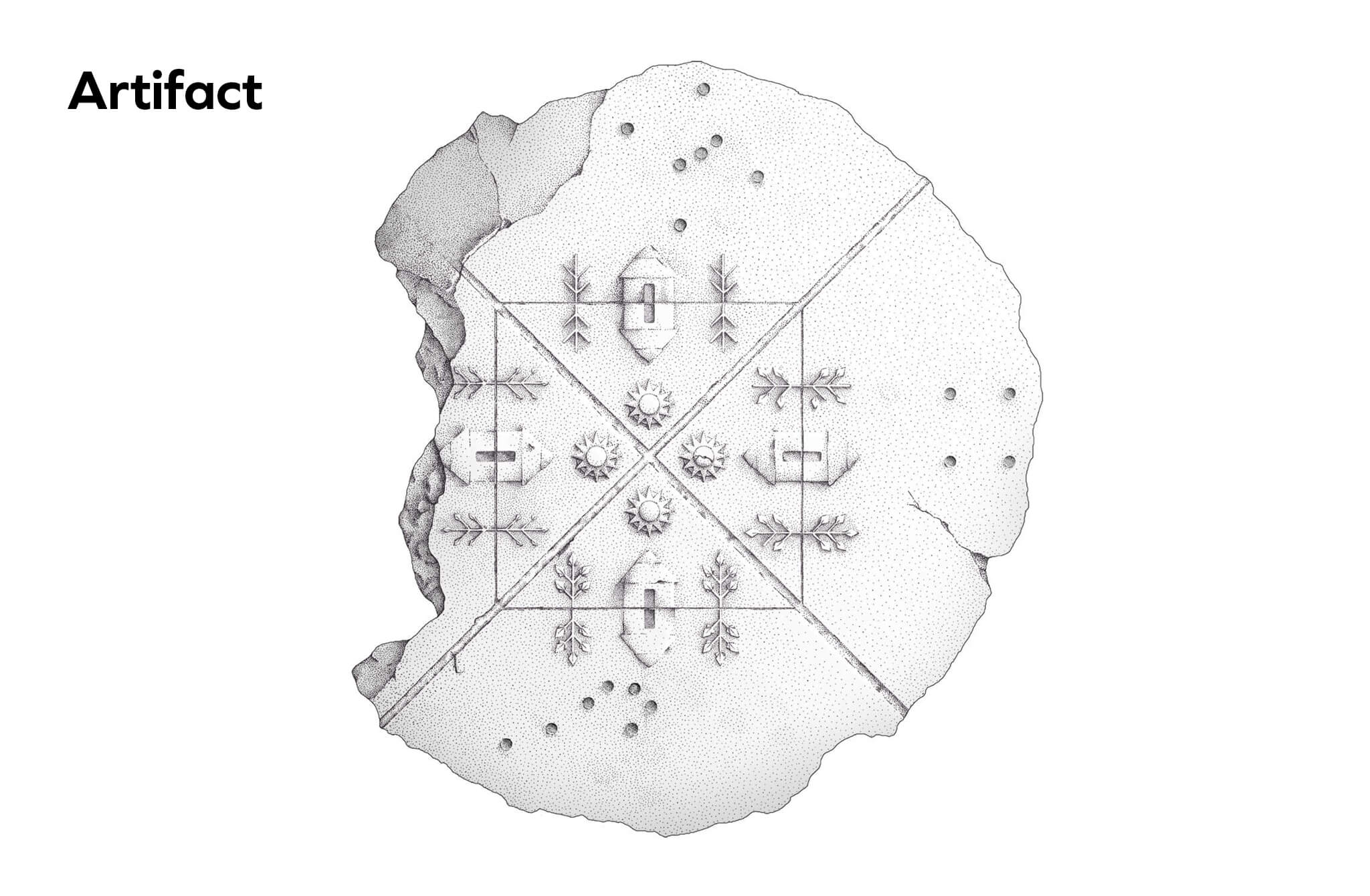
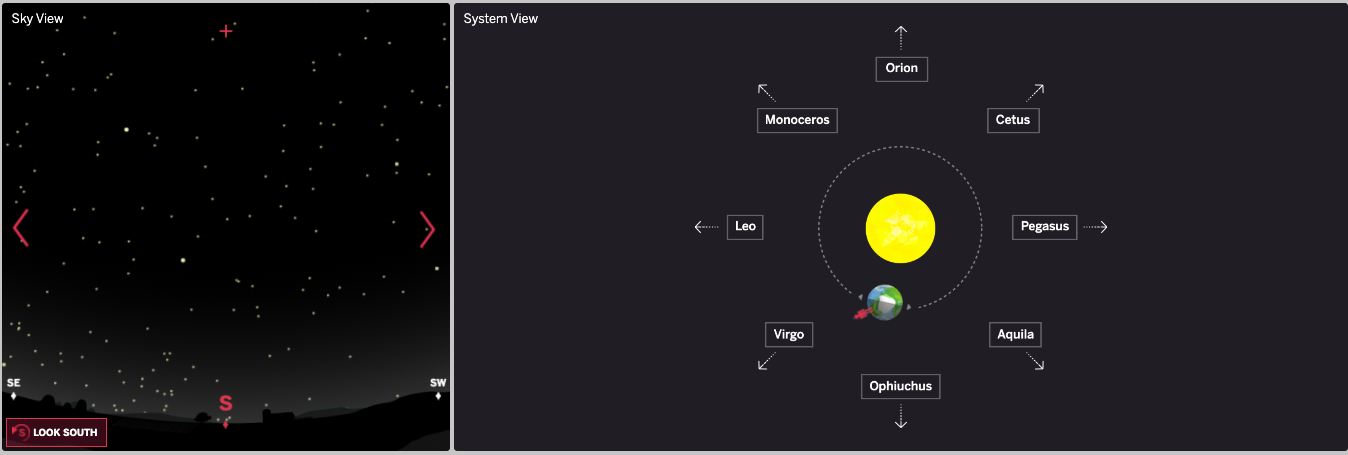
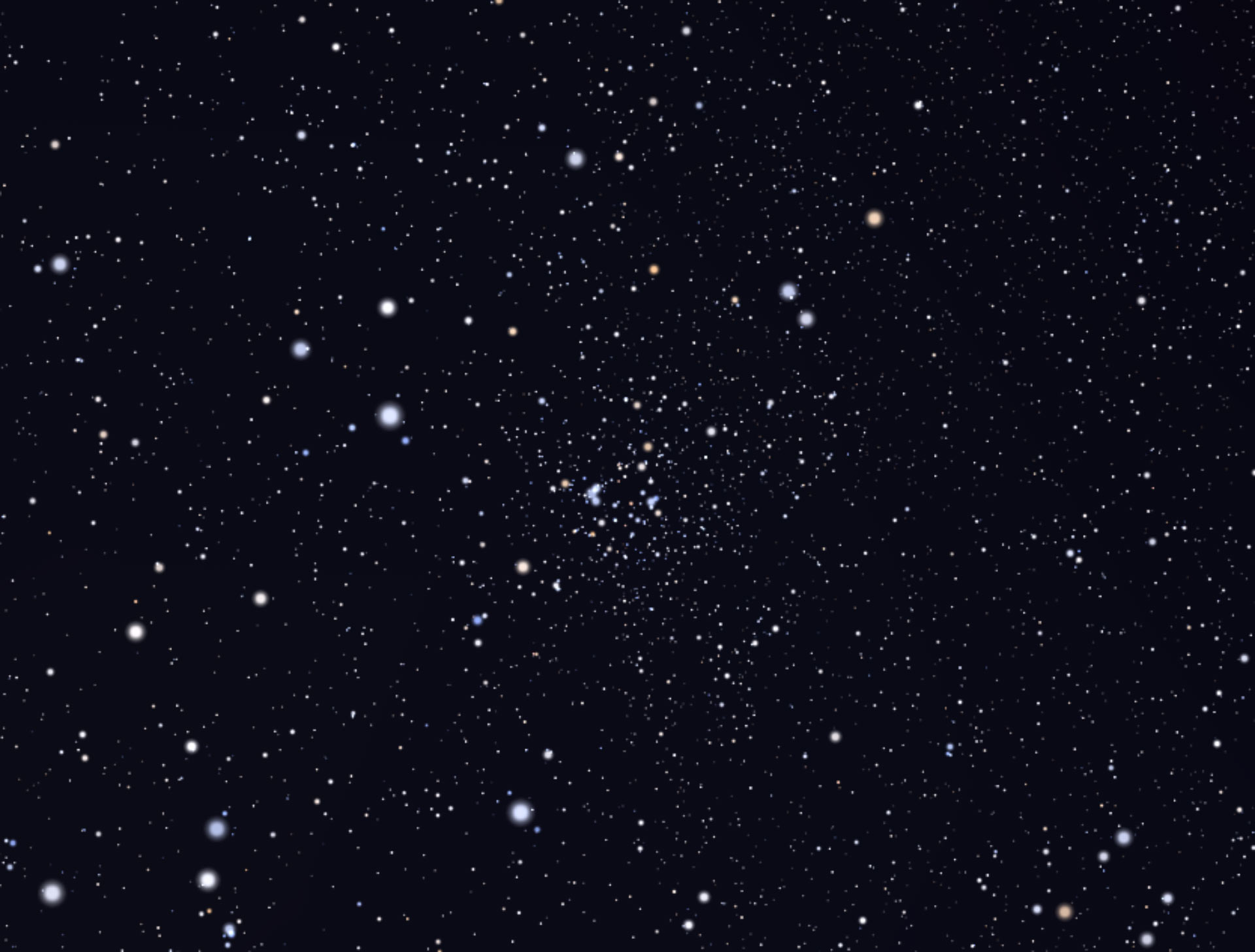
Carefully examine the artifact. Then, write down your observations below. What do you see? What do you notice?
0 points
0
Question 2
2.
What similarities (things that are the same) do you notice in the different sections of the artifact?
0 points
0
Question 3
3.
What differences do you notice in the different sections of the artifact?
PES 1.2 Part 1
1 point
1
Question 4
4.
If we went outside in the daytime, what do you think we would see in the sky? Would we see other stars? The sun?
In the daytime, we see ____
1 point
1
Question 5
5.
What do you think we would see in the sky in the nighttime? Would we see other stars? The sun?
In the nighttime, we see ____
0 points
0
Question 6
6.
How does the artifact show what we see in the sky in the daytime and nighttime?
The artifact shows we see ____
Part 2
CHAPTER QUESTION:
Why don’t we see a lot of stars during the daytime?
Modeling the Shape of the Earth
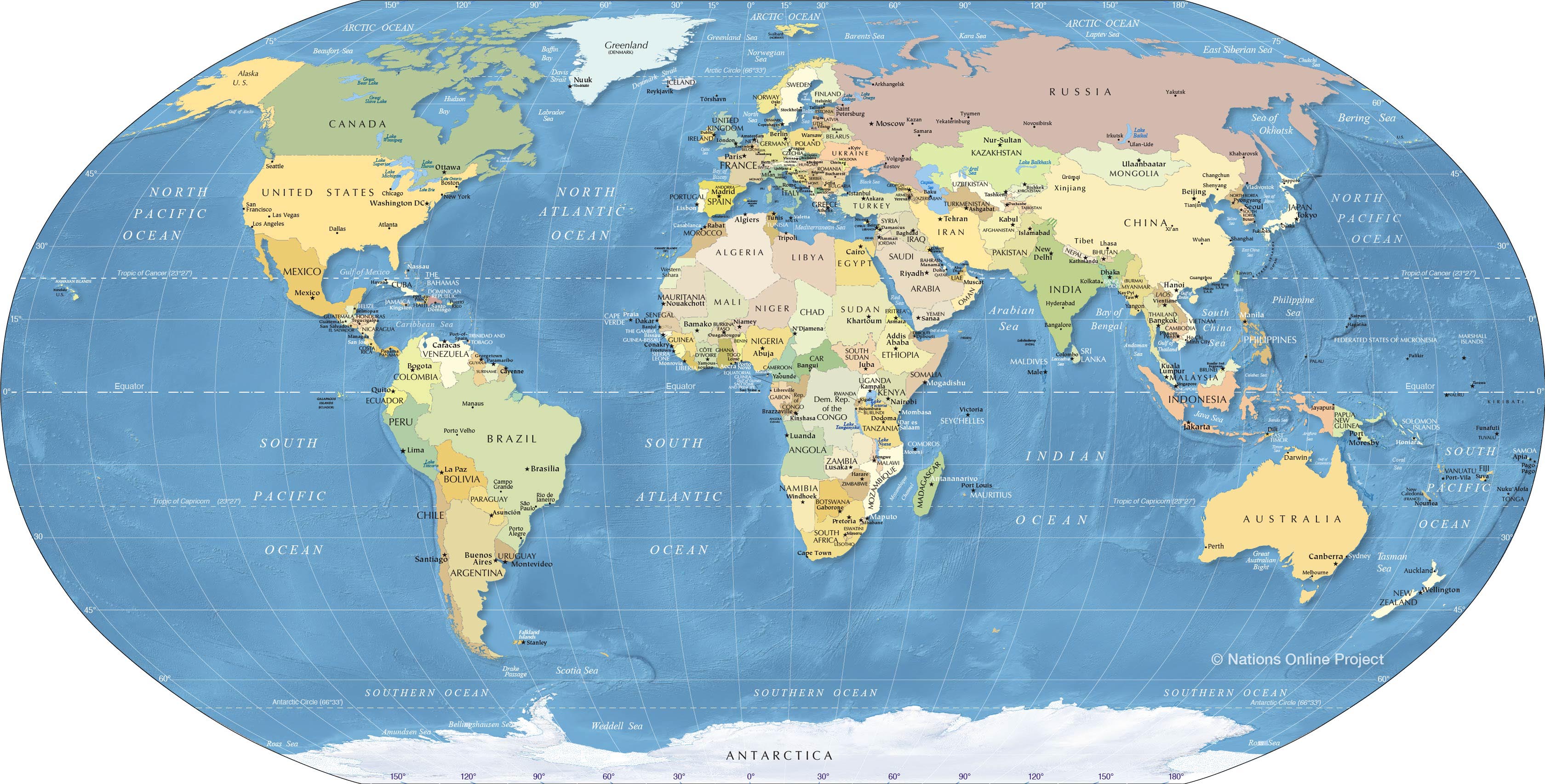
If we want to understand what we see in the sky, we should first decide how we will show Earth’s shape. For this, we can use models, which can help us share or show our ideas. Here are two models of Earth- a map and a globe.
Both the map and the globe show parts of the Earth - like its continents and oceans. However, the globe is round, like the real planet Earth, but the map is flat.
Earth Model 1 - Map
Earth Model 2 - Globe
1 point
1
Question 7
7.
What is the shape of the Earth?
1 point
1
Question 8
8.
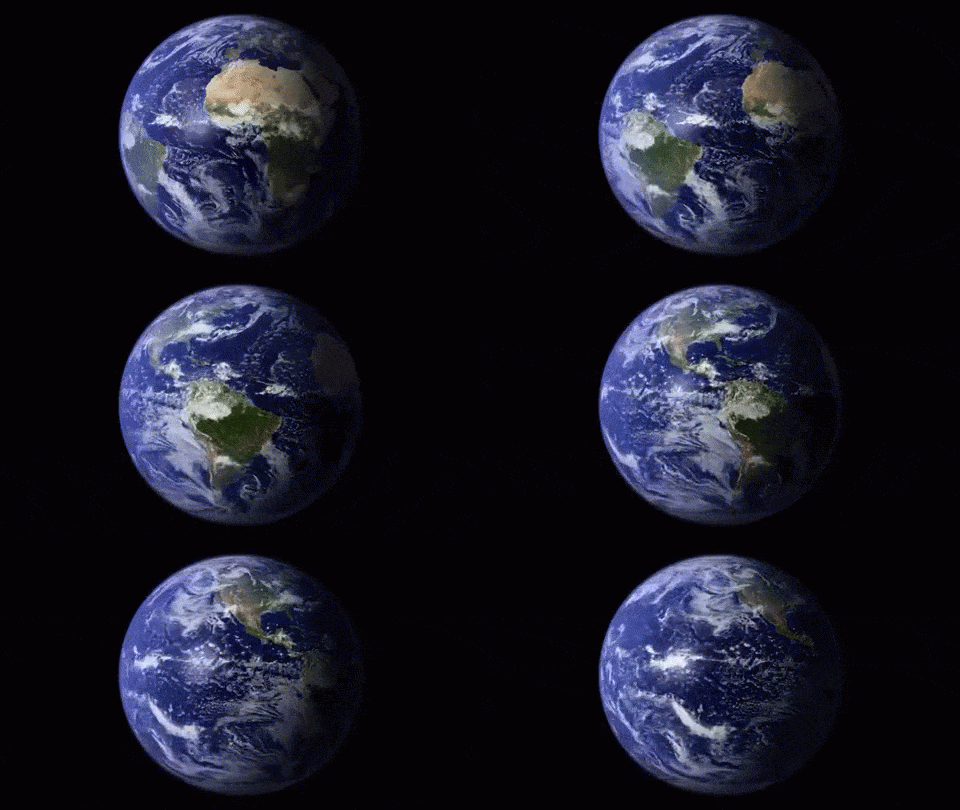
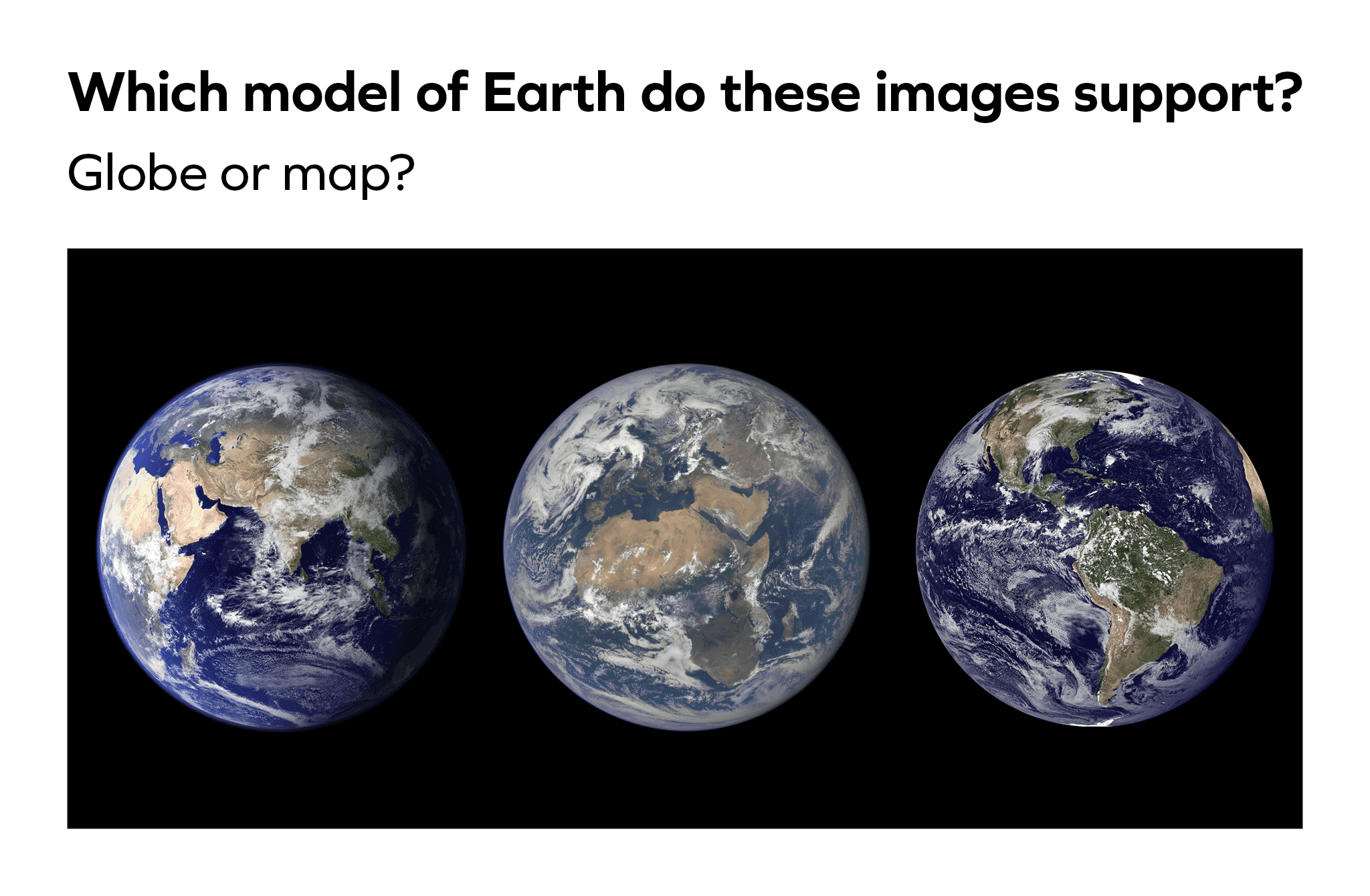
The three photographs below were taken in outer space and show three different views of the Earth.
Which model of Earth do these images support (looks like) - the globe or the map? Explain your answer
These images support the _______ model because _______
Part 3
Explore the Sim!
Answer the questions below as you explore the simulation. Remember, we’ll use this a LOT during the unit, so it’s okay if you find it confusing to use at first.