Log in
Sign up for FREE
arrow_back
Library

Copy of Absolutism Quiz (9/25/2024)

star
star
star
star
star
Last updated 4 months ago
17 questions
Required
15
Required
1
Required
1
1
1
1
1
1
1
1
1
1
1
1
1
1
Required
10
Question 1
1.
Draggable itemarrow_right_altCorresponding Item
arrow_right_alt
arrow_right_alt
arrow_right_alt
arrow_right_alt
arrow_right_alt
arrow_right_alt
arrow_right_alt
arrow_right_alt
arrow_right_alt
arrow_right_alt
Question 2
2.

Question 3
3.

Question 4
4.

Question 5
5.

Question 6
6.

Question 7
7.

Question 8
8.

Question 9
9.

Question 10
10.

Question 11
11.

Question 12
12.

Question 13
13.

Question 14
14.

Question 15
15.

Question 16
16.

Question 17
17.

Choose ONE of the two following prompts to answer:

1. Identify and explain one accomplishment by Philip II, Henry IV, or Peter the Great that demonstrates how they acted as an absolute monarch.

2. Identify and explain TWO traditional rights guaranteed to English citizens by the English Bill of Rights.

Philip II
Political system where a ruler has complete and unlimited control
Versailles
First absolute monarch in Europe; financed the Spanish Armada and fought wars to defend Catholicism
Junkers
Site of the grand palace built by Louis XIV to exemplify his power
Louis XIV
Austrian monarch whose rise to power was challenged by Prussia
Absolutism
Best example of an absolute monarch; French monarch who fashioned himself the "Sun King"
Maria Theresa
Massive fleet that failed to invade England in 1588
bureaucracy
Huguenot ruler of France who put an end to the French Wars of Religion
Spanish Armada
Bloody 1600s religious conflict that empowered France and depowered Austria
Henry IV
Prussian nobility known for military experience and prowess
Thirty Years' War
Administrative system of workers all directly employed by the government
Which of these is NOT a characteristic of an absolute monarchy?
Creating a strong professional army
Limiting influence of nobility and clergy
Empowerment of the peasants
Consolidation of power under the king or queen
How did absolute monarchs justify their unlimited power?
By arguing they had won it through combat.
By arguing that their wealth entitled them to it.
By arguing it came from a social contract with their citizens.
By arguing it came from God.
Which of the following BEST explains why England did not adopt an absolute monarchy?
France intervened and dethroned Charles I.
The Anglican clergy were too powerful for the kings to overcome.
Parliament held significant power and resisted attempts by monarchs to rule alone.
England's empire to was too large for a single person to rule.
Which development is best illustrated by the map below?
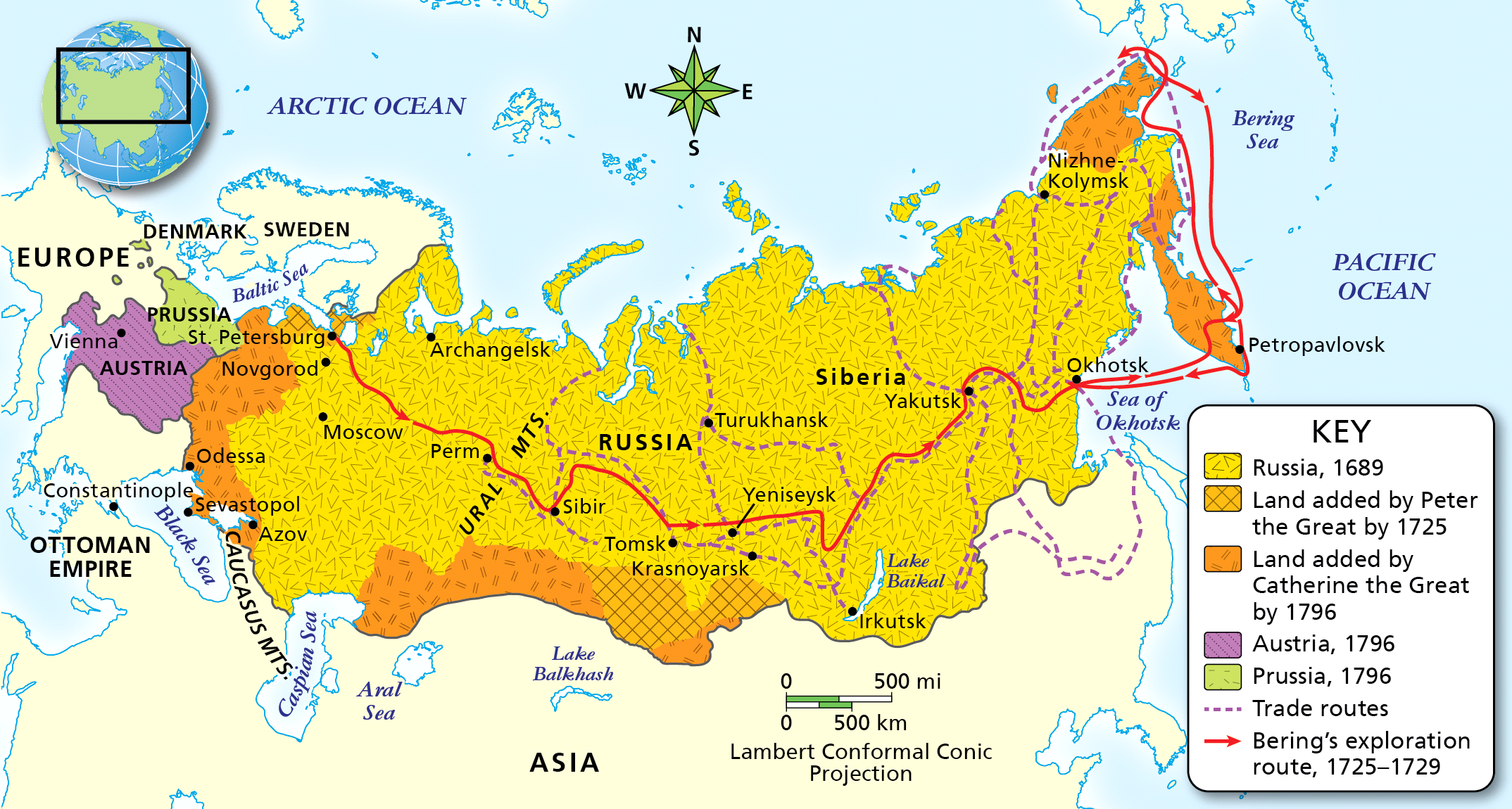
Catherine the Great builds a new capital in eastern Russia
Austria and Prussia ally to defeat the Russians
Peter the Great opens new sea trade routes to western Europe
Russia expands under both Catherine and Peter
How did the Thirty Years' War impact the balance of power in Europe?
The newly independent Netherlands became the most powerful country in Europe.
England emerged with an absolute monarchy.
Austria dethroned the French Bourbons and became the strongest nation.
France became the dominant power at Austria's expense.
Why would other European rulers have seen the English Bill of Rights as new and radical?
Being limited by a legislative body was unthinkable to the absolutists.
Further suppressing the peasant classes was seen as inhumane.
The integration of church and state threatened the power of Calvinist denominations.
Appointing an official to lead government bureaucracy was highly unusual.
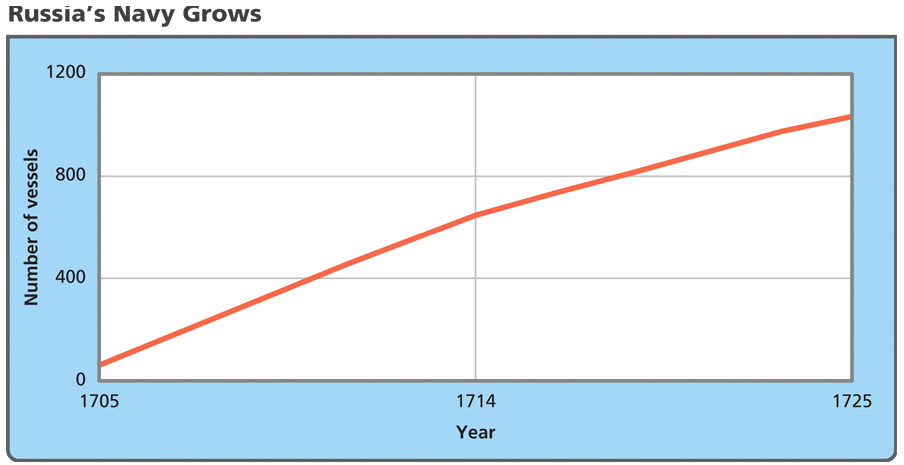
This graph illustrates efforts by Peter the Great to achieve what goal?

Increasing Russian military might
Reintegrating with the Catholic Church
Modernizing the Russian school system
Defending Russia's many warm-water ports
Which of the following is an outcome of the Peace of Westphalia?
The German states are officially divided
The Thirty Years' War begins
The Swiss Federation is absorbed by France
The power of the Habsburgs increases
The image below represents the end of which conflict?
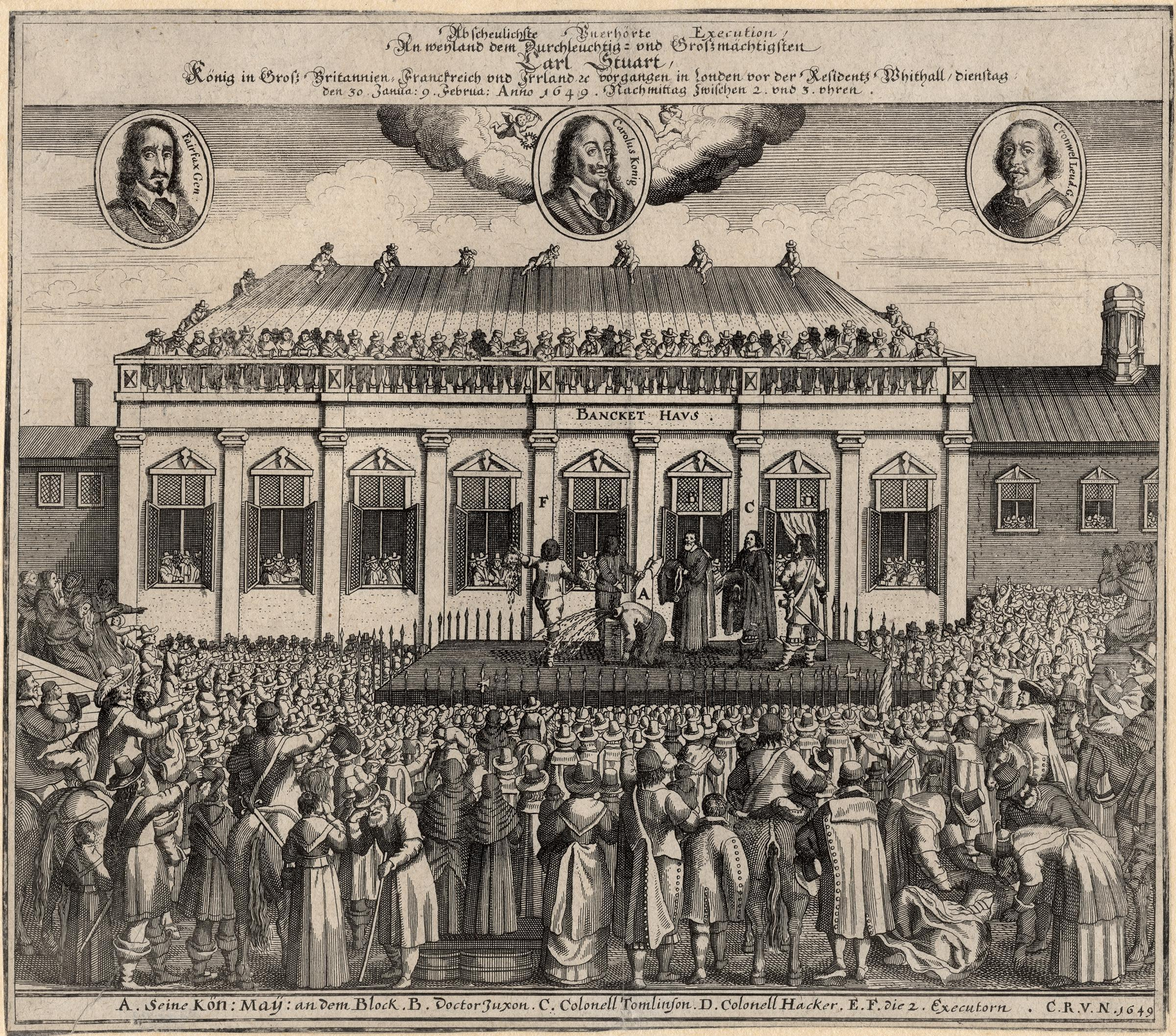
Thirty Years' War
English Civil War
War of the Austrian Succession
French and Indian War?
What did Prussia become renowned for across Europe?
An extremely well-trained and professional army
Increasingly tyrannical absolute monarchs
A world-class navy
Quick-witted and skilled diplomats
Which best describes why the relationship between Parliament and the English kings broke down after the death of Elizabeth I?
James I tried to give Parliament more control than it wanted.
Elizabeth tried to re-enter the Catholic Church before her death.
The Stuart family, not used to the traditions of Parliament, wanted to rule England absolutely.
England fell under a royal union with French king Louis XIV.
How did the Edict of Nantes help to end the French Wars of Religion?
It provided Catholics with religious freedoms
It forced all French Catholics to move to Canada.
It created a separate state in Gascony for French Protestants
It provided Huguenots with religious freedoms
Which best describes why Charles II was popular upon retaking the English throne?
People had grown extremely discontent under the harsh Puritan rules of the Commonwealth.
Parliament had come around to the idea of an absolute monarch.
Parliament had been abolished.
Charles had converted to Anglicanism.
Which of the following best describes the Glorious Revolution of 1688?
After a long and bloody struggle, Mary and William of Orange took the English throne.
Mary and William of Orange became the English monarchs without bloodshed.
James II was captured, tried, and executed publicly.
Parliament arrested Charles I and abolished the monarchy.
Why did Louis XIV fashion himself the "Sun King"?
He successfully conquered Moscow.
He funded the first mission to the Moon.
The Pope named him such in a ceremony following the Thirty Years' War.
He held so much power he was functionally the "center" of France.