The image shows a rebellion that took place in India in 1857. The Indian soldiers are most likely fighting the...
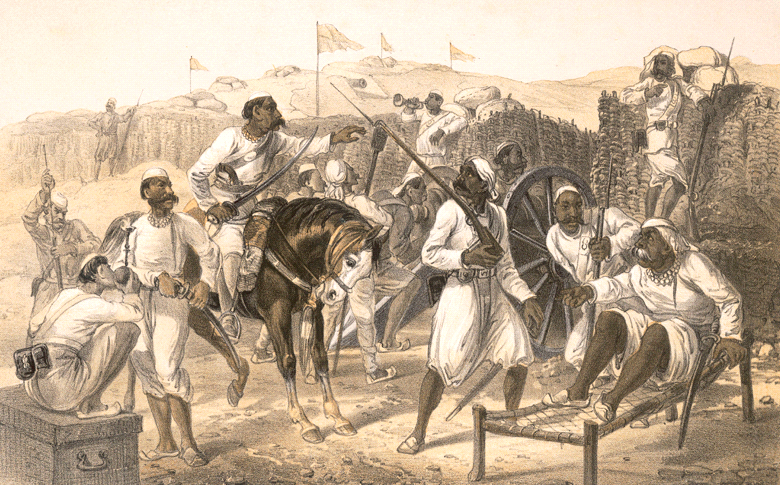
The image shows a rebellion that took place in India in 1857. The Indian soldiers are most likely fighting the...
| Draggable item | arrow_right_alt | Corresponding Item |
|---|---|---|
Berlin Conference | arrow_right_alt | 1904 conflict that made Japan a global imperial power |
sphere of influence | arrow_right_alt | Expansion of a country's power through domination of other land/territory |
imperialism | arrow_right_alt | Period of radical modernization under the empowered Japanese emperor |
Menelik II | arrow_right_alt | Belief that Europeans had a responsibility to spread "civilization" to the rest of the world |
Meiji Restoration | arrow_right_alt | Anti-foreign revolt in China violently put down by an international coalition of imperial militaries |
British East India Company | arrow_right_alt | Area where an imperial country declares it has exclusive trading rights |
"White Man's Burden" | arrow_right_alt | Series of conflicts between China and Britain over the trade of narcotics into China |
Indian National Congress | arrow_right_alt | Meeting of European powers where they decided how to partition Africa amongst themselves |
Russo-Japanese War | arrow_right_alt | Highly addictive narcotic substance that drugs like morphine and heroin are based on |
Boxer Rebellion | arrow_right_alt | Belgian territory in Africa that saw the worst of imperial atrocities during the 1800s |
Opium Wars | arrow_right_alt | Hindu nationalist organization founded to reform British rule in India |
Sepoy Rebellion | arrow_right_alt | Ethiopian king who modernized and unified his country, staying independent during imperialism |
Congo Free State | arrow_right_alt | Revolt of Indian soldiers against British officers in 1857 |
opium | arrow_right_alt | Organization that ran British colonies in India until the mutiny of 1857 |
“The young emperor began a long reign known as the Meiji Restoration. This period, which lasted from 1868 to 1912, was a major turning point in Japanese history. The Meiji reformers, who ruled in the emperor’s name, were determined to strengthen Japan. Their goal was summarized in their motto, ‘A rich country, a strong military.’ The emperor supported and embodied the reforms.”
Which action did Japan’s leaders take to fulfill the goals described in this text?
The original goal of the Indian National Congress was...
Which of the following statements most accurately describes European imperialism?
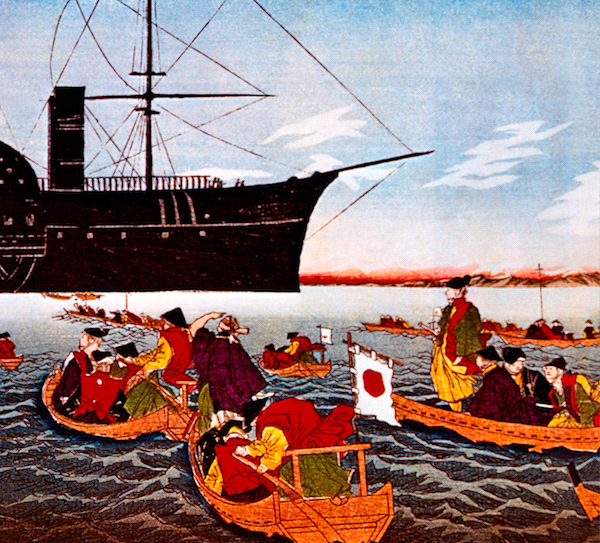
Choose the answer that best describes a similarity between how China and Japan first interacted with imperial westerners.
All of the following would have been justifications for imperialism except...
The First Sino-Japanese War resulted from competition between China and Japan to control...
The image shows a rebellion that took place in India in 1857. The Indian soldiers are most likely fighting the...
Which of the following best describes the British East Indian Company in the beginning parts of the 1800s?
Japan's defeat of __________ in 1905 cemented its status as a global imperial power.
In the late 1800s, nationalist movements started in both India and Africa. These movements were largely led by...
European imperialists redrew the map of Africa with little regard for...
Which of the following statements most accurately describes the relationship between the Meiji Restoration and the Tokugawa shogunate?
“The first principle was nationalism, or freeing China from foreign domination. The second was democracy, or representative government. The third was livelihood, or economic security for all Chinese.”
Who established the principles described in the text?
What type of imperial rule is shown in the image below?
Which of the following is an example of the economic motives behind imperialism in Africa?
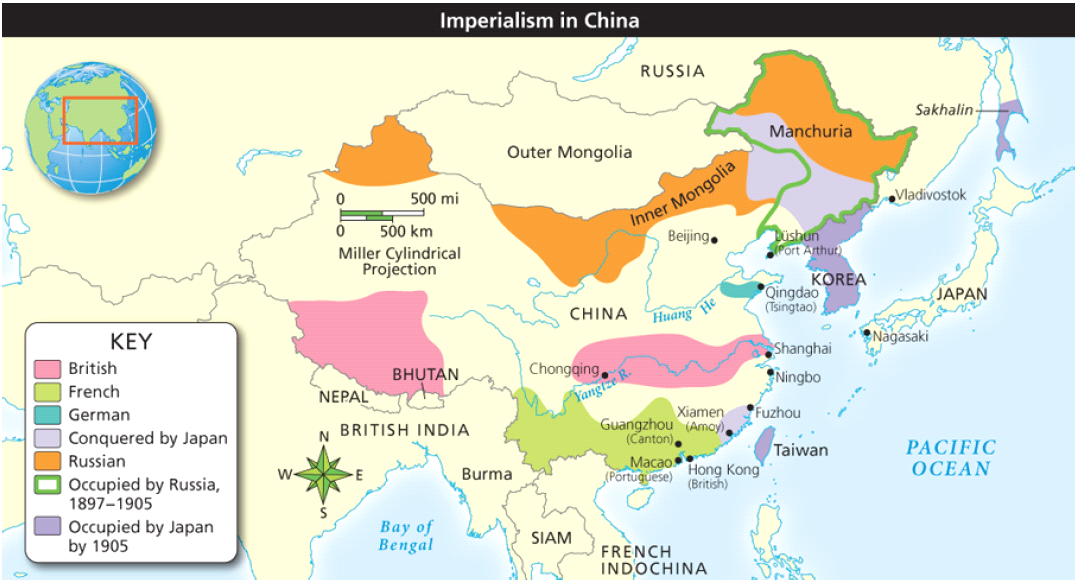
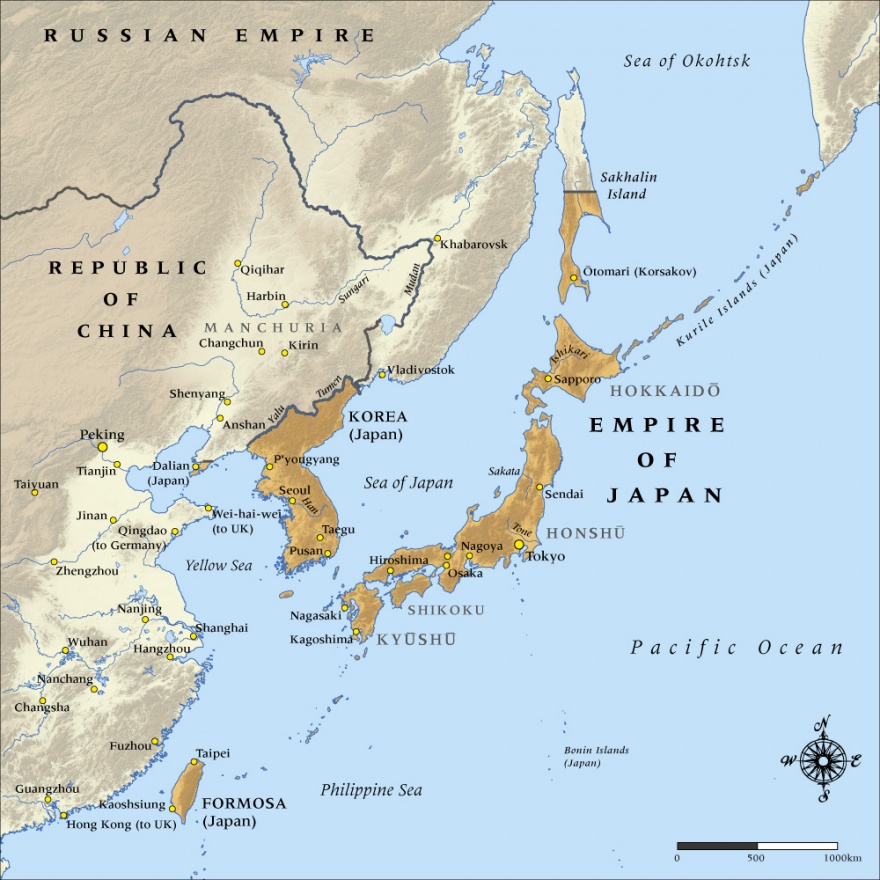
What historical development is visualized by the map below?
How did Indian nationalism originate and sustain itself?
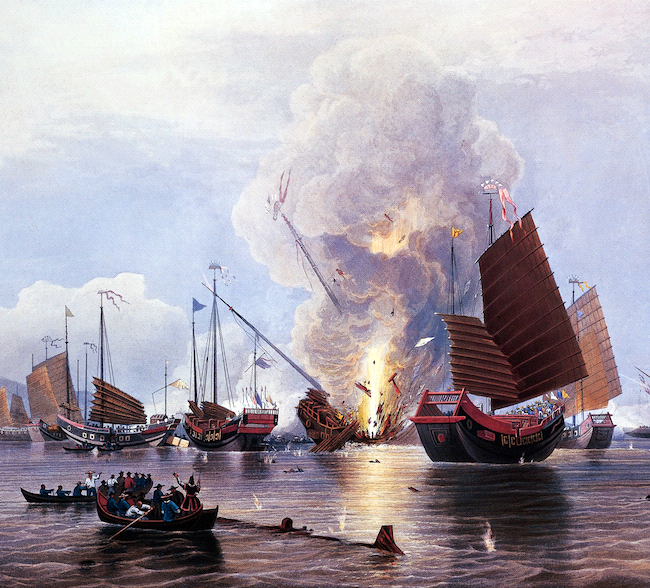
Which conclusion about the Qing dynasty can best be inferred from this image of the Opium War?
“The Treaty of Nanjing (Nanking), signed Aug. 29, 1842, and the British Supplementary Treaty of the Bogue (Humen), signed Oct. 8, 1843, provided for the payment of a large indemnity by China, cession of five ports for British trade and residence, and the right of British citizens to be tried by British courts.”
The events described in the text were the consequences of the...
What does this image tell you about the opening of Japan by the United States?
Which of the following best describes the reason Britain started smuggling opium into China?
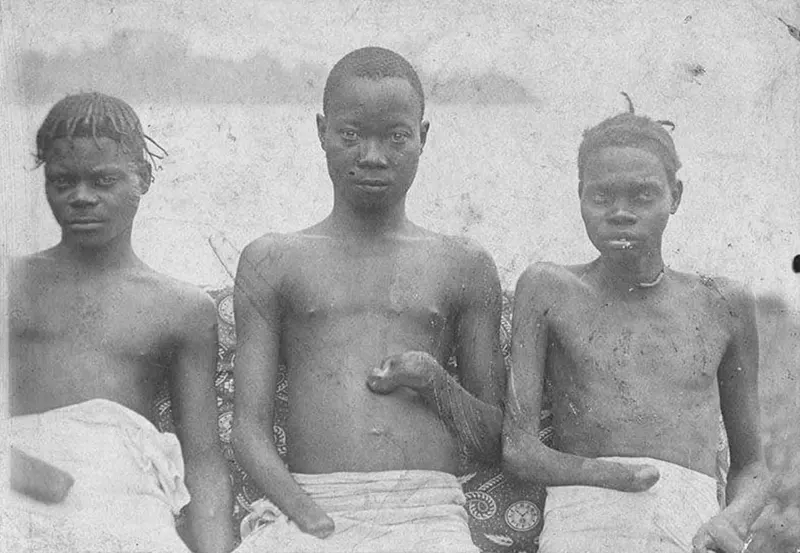
The image below depicts the brutality that could be found in the African territory of which European nation?
Which of the following was one of the inventions that allowed Europeans to explore Africa's interior?
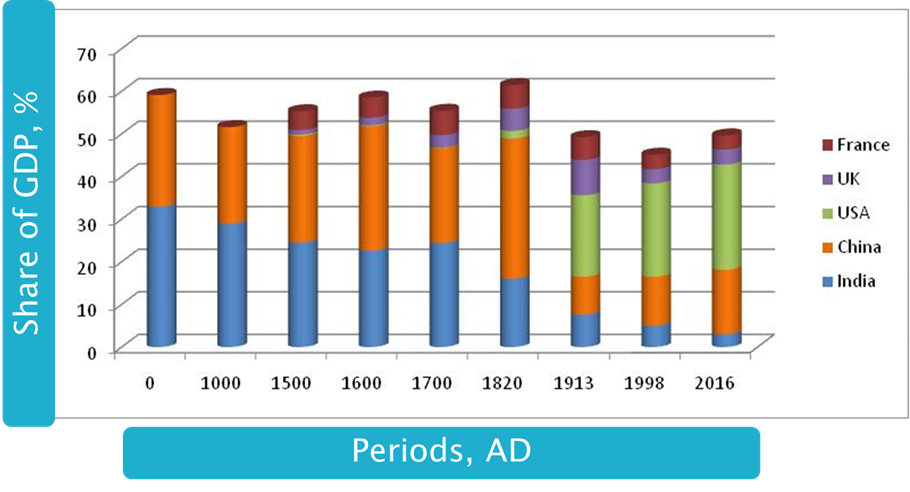
Look at the chart below. Which of the following best explains the pattern seen in India's share of global GDP between 1700 and 1913?
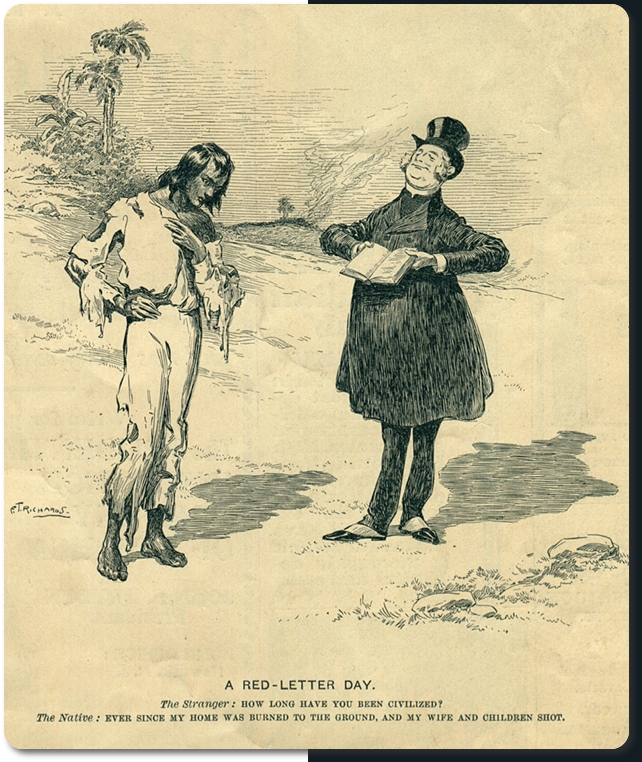
Which of the following best describes the intent and message of this political cartoon?
Which event is being depicted in the cartoon below?
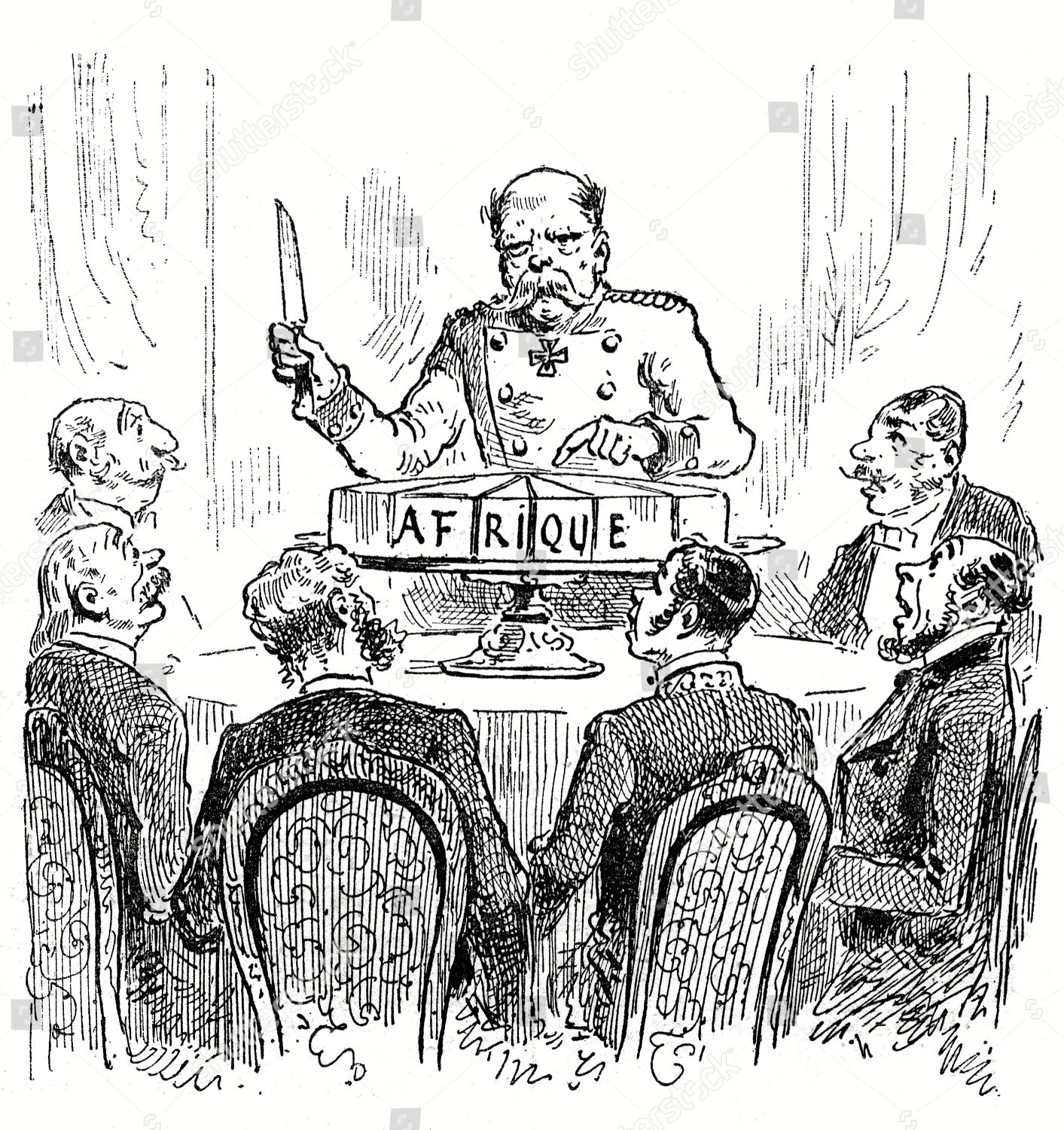
Which of these generalizations best describes why the non-European world experienced relative weakness during the 1800s?
This image, depicting an industrial area in Japan, highlights the success of...
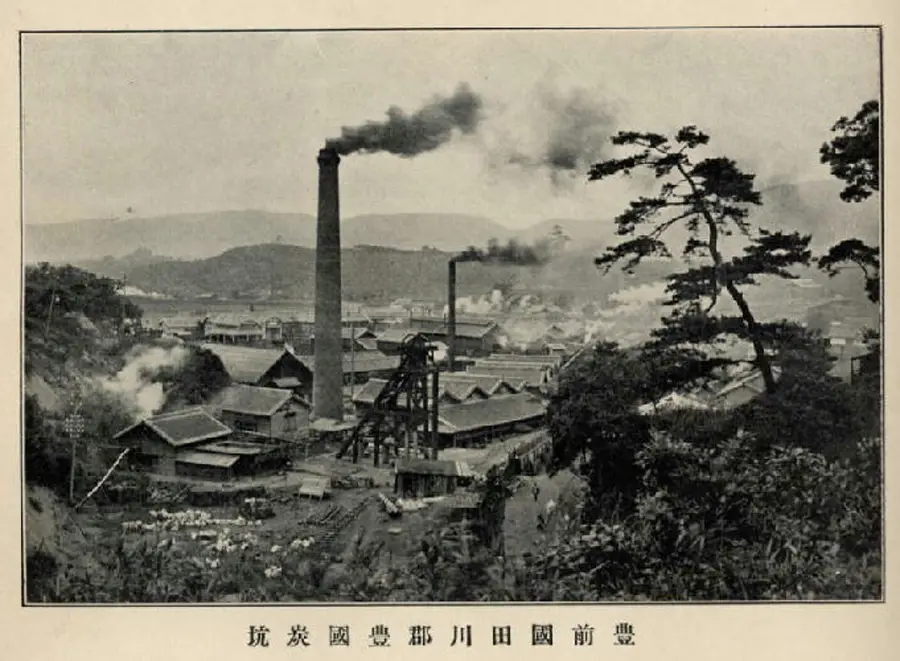
Among the causes contributing to imperialism, an early cause was the...
Answer TWO of the questions below in complete sentences.
Briefly describe a social, economic, political, or technological cause of European imperialism during the beginning of the 1800s.
Describe an extraction economy and explain how it relates to imperialism.
Explain conditions in Africa during European rule and how those conditions reflected European attitudes about foreign peoples.
Explain how Japan became the only non-western imperialist country.