Log in
Sign up for FREE
arrow_back
Library

3/18 Uniform/Non-Uniform Probability

star
star
star
star
star
Last updated over 1 year ago
13 questions
1
1
1
1
1
1
1
1
1
1
1
1
1
Question 1
1.

Question 2
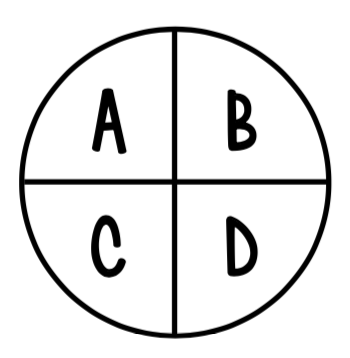
2.

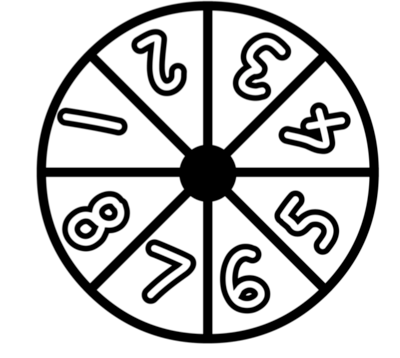
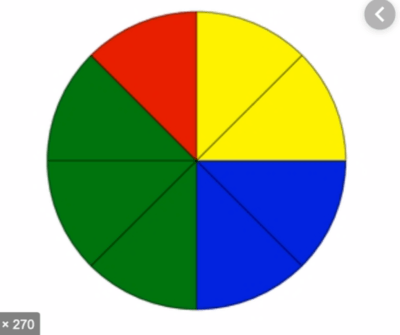
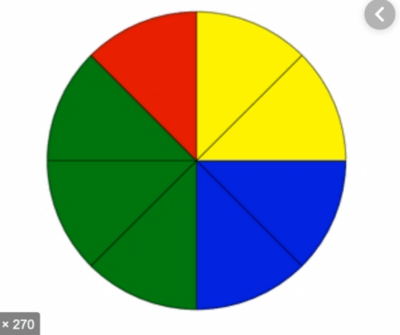
What is the probability of landing on green on this uniform probability model? Give answer as a decimal.

Question 3
3.

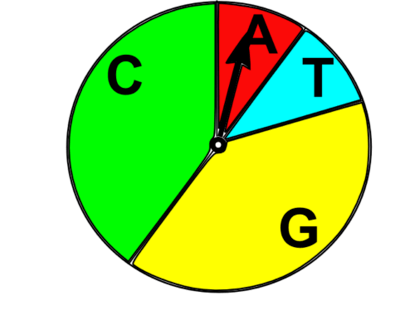
What is the probability of landing on green on this non-uniform probability model? Give answer as a simplified fraction.

Question 4
4.

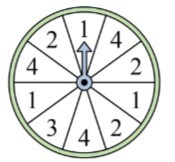
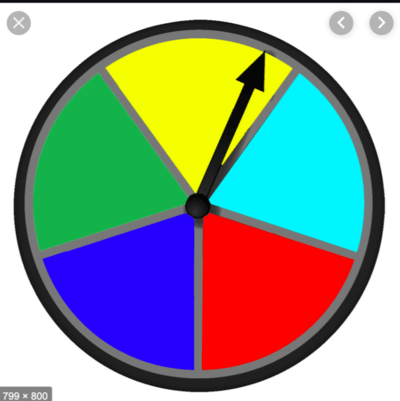
Which number is the spinner least likely to land on?

Question 5
5.

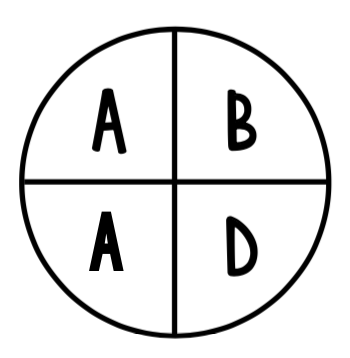
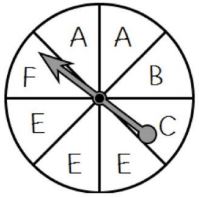
P(not A) = . Give answer as a decimal.

Question 6
6.

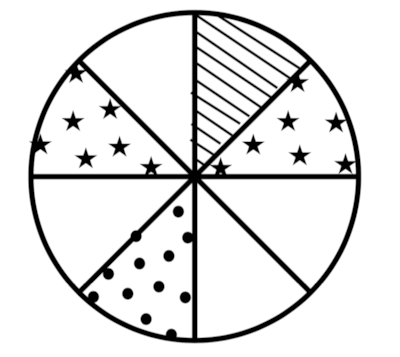
What is the probability of spinning a blue or red? Give answer as a fraction.

Question 7
7.

Question 8
8.

Question 9
9.

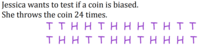
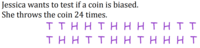
What is the relative frequency of the coin landing on tails? Give answer as a fraction.

Question 10
10.

Question 11
11.

Question 12
12.

Question 13
13.

Drag items to to the appropriate description.
There are six marbles in a bag. Three are green and three are yellow.
There are 5 green, 5 white, 5 yellow, and 3 blue marbles in a bag.
Flipping a fair coin
Uniform
Non-Uniform
A dice is rolled 50 times. It lands on six 37 times. Compare the theoretical and experimental probabilities of rolling the dice and describe any discrepancies.
Show your work is required for this question.
The theoretical probability is 74% and the experimental probability is 17%. The difference is 57%, therefore they are not close. Not enough trials were done.
The theoretical probability is 17% and the experimental probability is 74%. The difference is 57%, therefore they are not close. Not enough trials were done.
The theoretical probability is 17% and the experimental probability is 74%. The difference is 57%, therefore they are close.
Compare the theoretical and experimental probability of getting heads and describe any discrepancies.

Show your work is required for this question.
The theoretical probability of getting heads is 50% and the experimental probability of getting heads is 54%. They are not close. They did not perform enough trials.
The theoretical probability of getting heads is 54% and the experimental probability of getting heads is 50%. They are close.
The theoretical probability of getting heads is 50% and the experimental probability of getting heads is 54%. They are close.
The theoretical probability of getting heads is 54% and the experimental probability of getting heads is 50%. They are not close. They did not perform enough trials.
What is the fraction, decimal and percent of certain?
10/10, 0.1, 100%
1/1, 1.0, 100%
0/1, 0.1, 100%
1/1, 0.1, 100%
A bag contains 5 quarters, 2 dimes, and 4 pennies. what is the likelihood of picking a quarter?
Unlikely
Equally Likely
Likely
Certain
Ayra can either walk away with $100 or play a game where she must roll a six-sided dice for a chance to win more. If Ayra rolls a 6, she wins $200, but if she rolls anything other than a 6, she walks away with nothing. Should she roll the dice based on how likely, or unlikely, it is to roll a 6?
She should roll the dice because she is likely to roll a 6.
She should not roll the dice because she is likely to roll a 6.
She should roll the dice because she is unlikely to roll a 6.
She should not roll the dice because she is unlikely to roll a 6.
You are on a game show that has 5 doors that have items hidden behind them. The host offers you $200 guaranteed if you walk away and don't play the game. Two of the doors have $20 behind them, two different doors have $250 behind them, and one door has $500 dollars behind it. Should you play the game based on how likely, or unlikely, you are to win equal or more money than just walking away without playing the game?
You should not play the game because you are more likely to win $200 or more.
You should not play the game because you are unlikely to win $200 or more
You should play the game because you are more likely to win $200 or more
You should play the game because you are unlikely to win $200 or more.