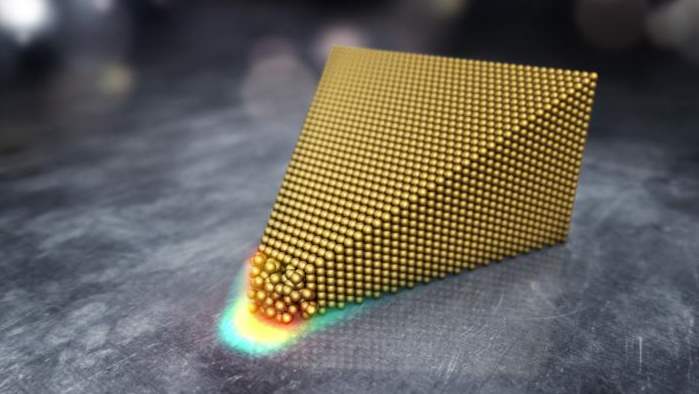
In its purest form, gold typically requires temperatures of 1,948 degrees Fahrenheit (1,064 degrees Celsius) to liquefy. Now, a team of researchers from the Chalmers University of Technology in Sweden may have stumbled upon a way to melt the precious metal at room temperature.
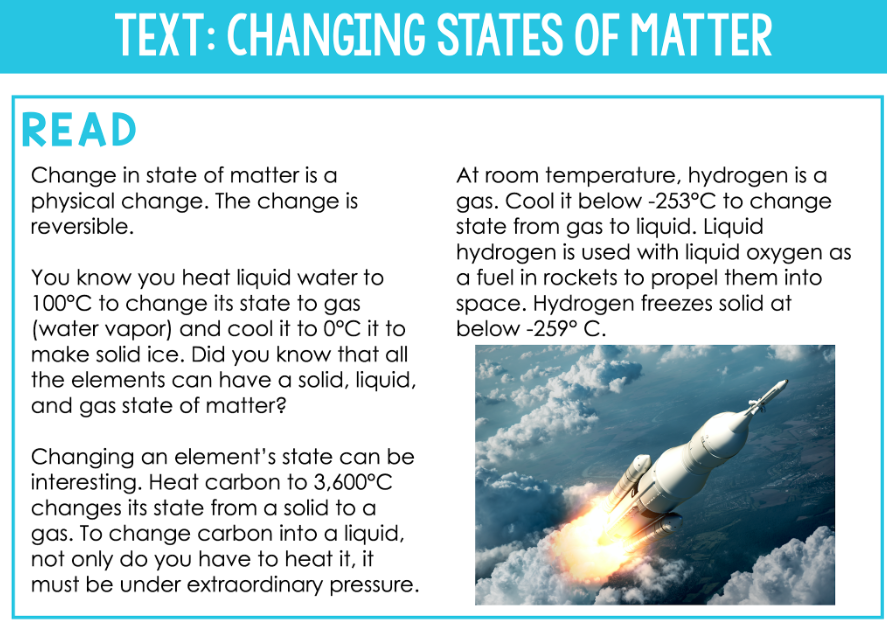
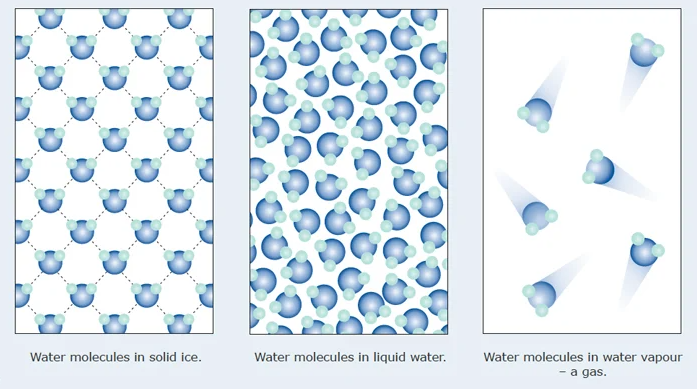
For those not clear on the physics behind the phenomenon of melting, here is a brief tutorial. Solids, as you may know, can maintain size and shape under constant conditions because their atoms, or molecules, do not have enough energy to pull apart. When an external source of energy is introduced, it gets the molecules excited and causes the tight structure to break down, allowing them to start moving freely. This results in a change of state from solid to liquid, or what we refer to as melting. Researchers mostly use heat, or in some cases pressure, to trigger the change. However, the Swedish team managed to accomplish the feat using a different energy source – an electric field.
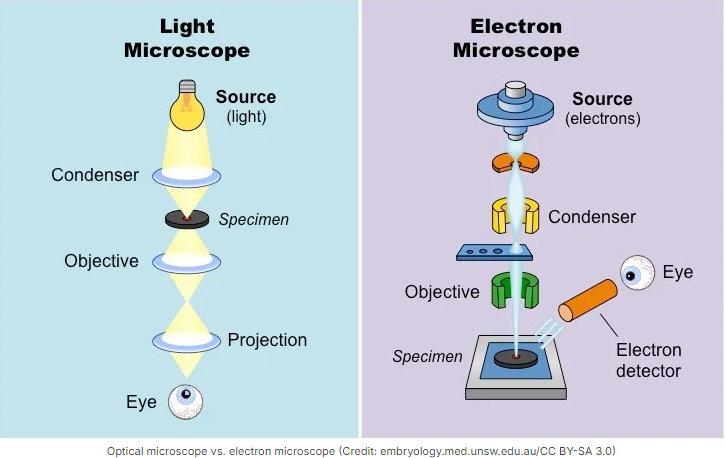
For their study, Dr. Ludvig de Knoop and his team placed a gold sample under an electron microscope (EM). Unlike optical microscopes that depend on visible light, EM’s use a beam of accelerated electrons as a source of illumination, making them powerful enough to see individual atoms. To investigate if the electrical field had any impact on the metal’s molecules, the researchers gradually increased its intensity while using the highest magnification.
"We wanted to see what happens to gold when it is under the influence of an extremely high electric field," de Knoop told Newsweek. "A known effect when applying such high electric fields on metals is that they evaporate, that is, they boil off from the solid metal."
Upon examining the atoms in recordings taken from the EM, de Knoop noticed something very unexpected – the surface layers of the gold sample had melted, even though the experiment had been conducted at room temperature. The change was easily reversed by simply turning off the electric field.
"It wasn’t until later, when we analyzed the data and the recorded movies, that we understood that we had witnessed something new and spectacular," de Knoop said. "The big surprise with our work was that the outermost few atomic surface layers of gold melted before they evaporate.”
The researchers, who published their findings in the journal Physics Review Materials on August 22, 2018, believe the electrical field caused the gold atoms to become excited and lose their structure, breaking the strong bond between them. However, de Knoop said, “IIt is] Important to note is that it is only the 2-3 outmost atomic layers that experience the electric field, further into the gold cone the electric field is zero and the atoms are ordered and structured in their usual way. This is an important difference compared to melting gold by increasing the temperature."
Though the technique needs to be investigated further, the team believes it could help revolutionize the field of material sciences and have numerous applications in the development of nanodevices like sensors, catalysts, and transistors. “There could also be opportunities for new concepts for contactless components," said study co-author Professor Eval Olsson.