Thursday 9/4 - PES 1.7

Last updated 14 days ago
17 questions
PES 1.7: Explaining When We See Stars
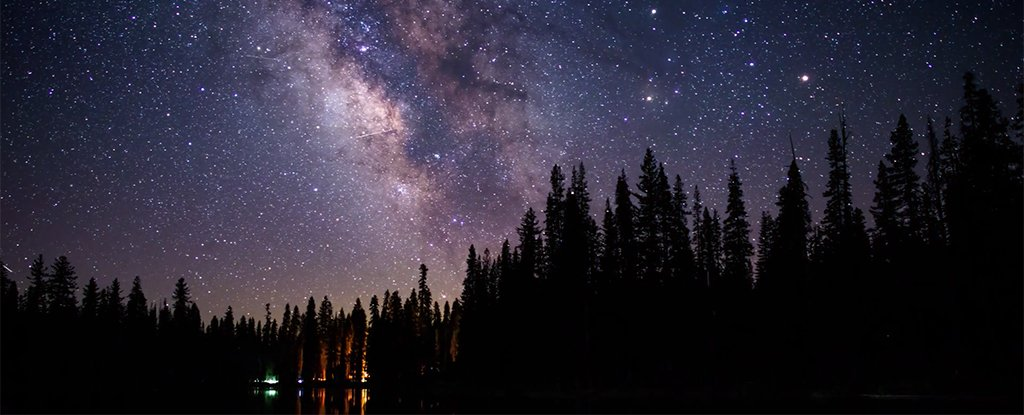
Think about experiences you’ve had when trying to see stars where there are a lot of lights, like in a big city, or trying to see stars somewhere really dark, like in the country far away from city lights.

0

💚 What do you notice when it is easy to see stars?

It's easy to see the stars when ____________

0

💚 What do you notice when it is difficult to see stars?

It's difficult to see the stars when ____________

0

What do you know about where stars are in space?

The stars are ____________
0

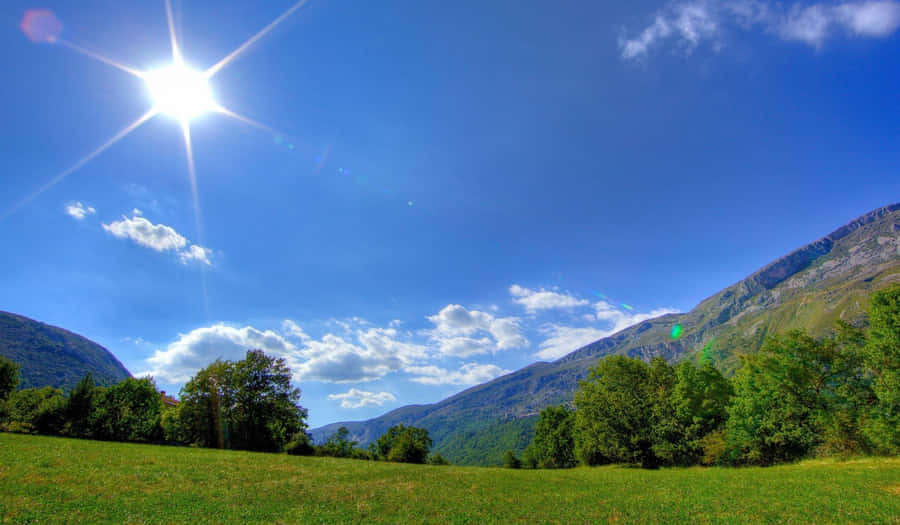
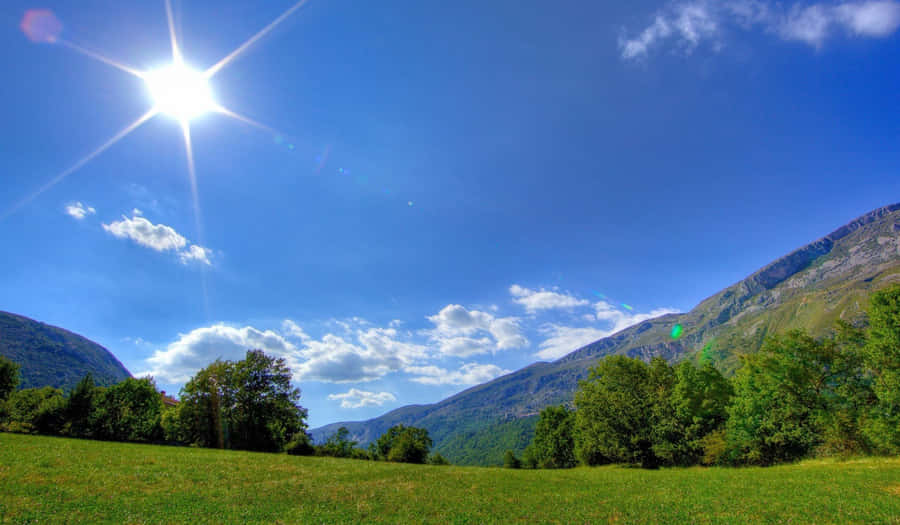
💚 Why don’t we see a lot of stars in the daytime?

We don't see a lot of stars in the daytime because ____________

Scientific Explanation

Scientific Explanation

What is a scientific explanation?
  • It answers a question about how or why something happens
  • It describes things that are not easy to observe
  • It is based on ideas you learned from investigations and text

Question: Why don’t plants live in completely dark places?


Question: Why don’t plants live in completely dark places?

Sample Explanation 1:
Plants don’t live in completely dark places because plants need light.

Scientific Explanation
  • It answers a question about how or why something happens
  • It describes things that are not easy to observe
  • It is based on ideas you learned from investigations and text
0

Does the answer in Sample 1 answer the question?

0

Does the answer in Sample 1 explain the answer with ideas and details?

0

Is the answer in Sample 1 a good scientific explanation? Explain your answer.

Question: Why don’t plants live in completely dark places?

Sample Explanation 2:
Plants don’t live in completely dark places because plants need light. The reason plants need light is because light allows them to make the food they need to grow and make seeds. A plant’s leaves get energy from sunlight. and that energy allows the plants to make their own food from air and water. Plants use this food to release energy for growth.

Scientific Explanation
  • It answers a question about how or why something happens
  • It describes things that are not easy to observe
  • It is based on ideas you learned from investigations and text
0

Does the answer in Sample 2 answer the question?

0

Does the answer in Sample 2 explain the answer with ideas and details?

0

Is the answer in Sample 2 a good scientific explanation? Yes or no and explain your answer.

Scientific Explanation: Claim, Evidence, Reasoning (CER)
Question: Do animals belong in zoos?

Claim: Answer the question.
Evidence: Use the data table below support your claim.
Reasoning: Explain why animals belong or do not belong in zoos.

0

💚 Do animals belong in zoos? Yes or No?

___________, animals do (not) belong in zoos.
In the data table, it shows ___________. This means ___________.

0

💚 Question: Why don’t we see a lot of stars in the daytime?

We don't see a lot of stars in the daytime because _____.

Independent Practice - Evidence and Reasoning

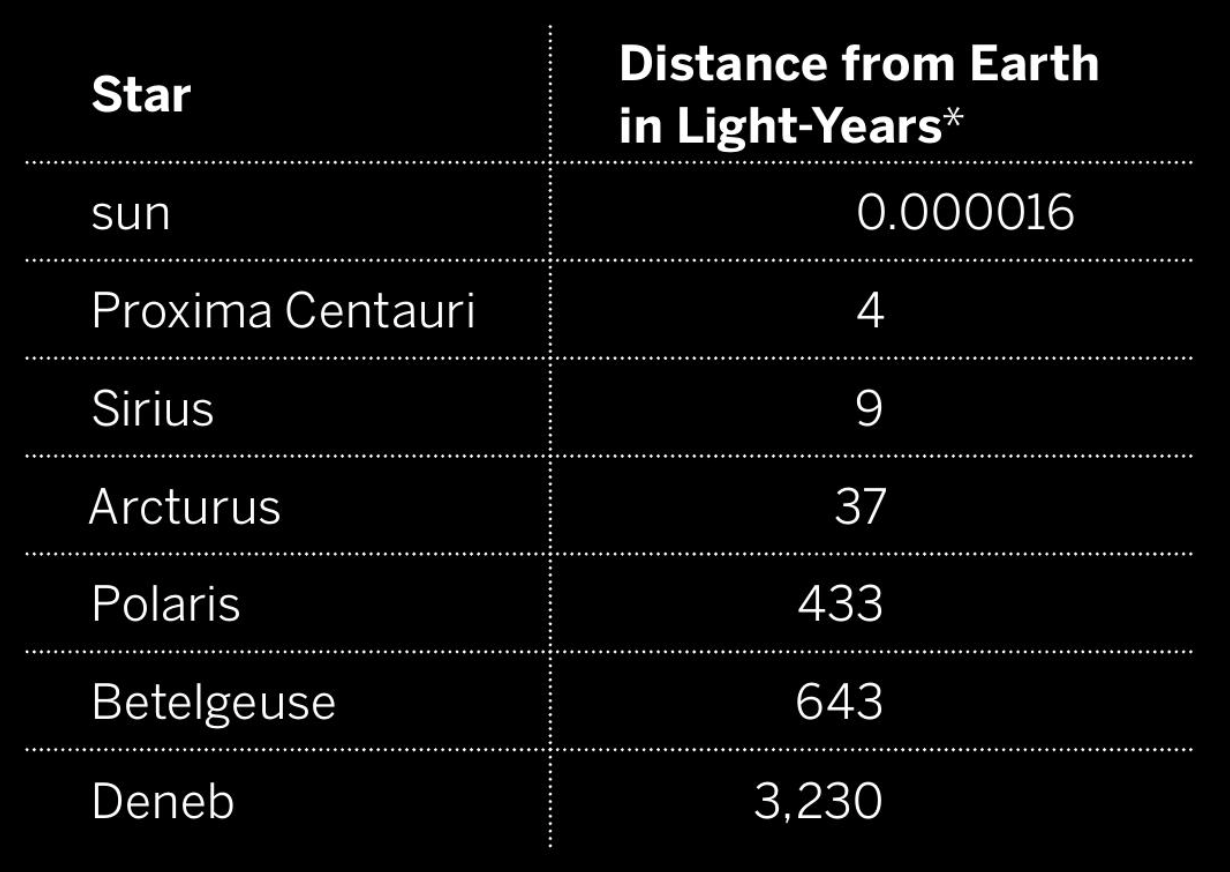
Distance of Stars Data Table

Criteria For Success (CFS)
  • Read the labels for each column
  • Read the numbers
  • Use the data to answer the question
0

💚 Evidence 1: How does the Distance of Stars data table show evidence that we can’t see a lot of stars in the daytime? Explain what the data means.

In the data table, it shows _____, which means _____.

PES Simulation - Sky View

0

Evidence 2: How does the PES Simulation show evidence that we can’t see a lot of stars in the daytime?

In the sim, it shows _____.

0

💚 Reasoning: Explain why we can't see the other stars in the daytime.

We can't see other stars in the daytime because _____.

Exit Ticket
Diameter - Length (how long) of an object

1

💚 Look at the diameters. Which star is bigger?

1

💚 When you look up at the sky, both stars appear to be the same size.

Based on the diameter of each star, which star do you think is FARTHER away from Earth? How do you know?

Star _____ is farther from earth because ______.