Log in
Sign up for FREE
arrow_back
Library

Lab: Separation of Mixtures (2024)

star
star
star
star
star
Last updated 22 days ago
10 questions
3
7
4
2
2
1
1
1
4
1
Background:

Elements and compounds are pure substances. The composition of a pure substance is constant, and thus pure substances have characteristic physical properties that do not change. Examples of physical properties that can be used to describe pure substances include solubility, conductivity, magnetism, density, boiling point, and melting point.

A mixture results from the combination of two or more pure substances that do not react chemically. The physical properties of a mixture depend on its composition because the amounts of each substance making up a mixture can vary. By taking advantage of the unique physical properties of individual components within a mixture, it should be possible to separate a mixture into its components. Mixtures have the following fundamental properties:
· Each component of a mixture retains its chemical identity and hence its own properties.
· Composition of a mixture may vary while that of its components is fixed.

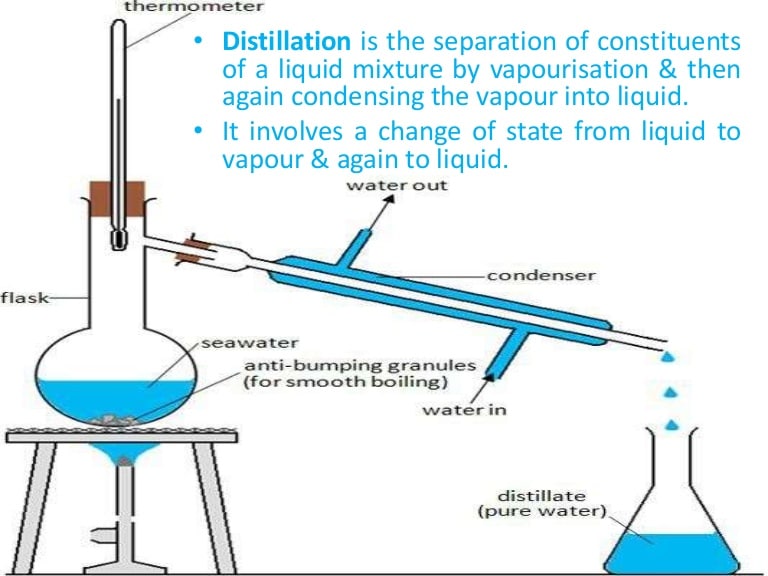
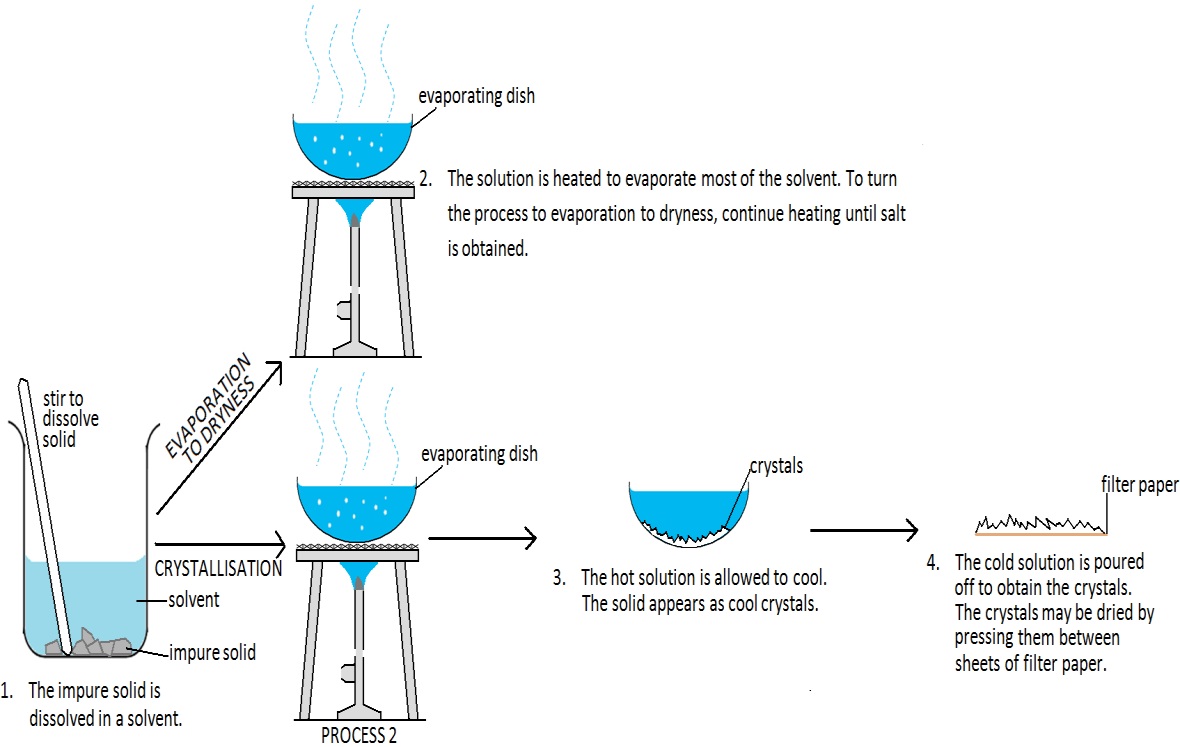
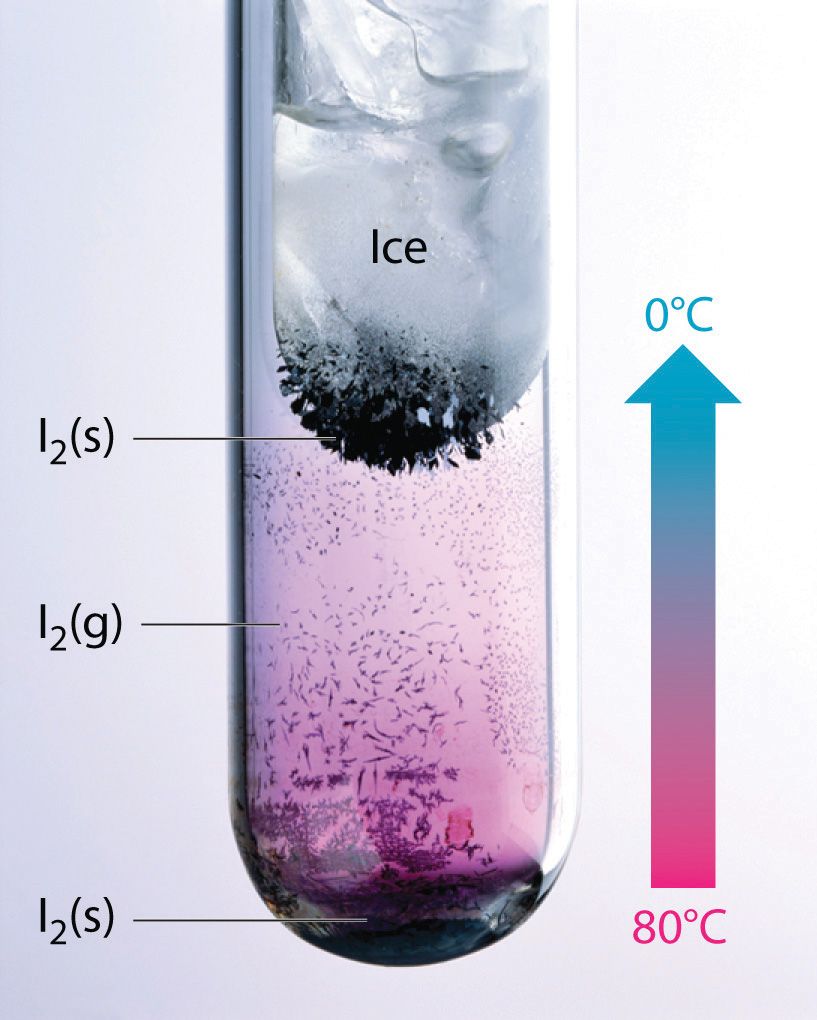
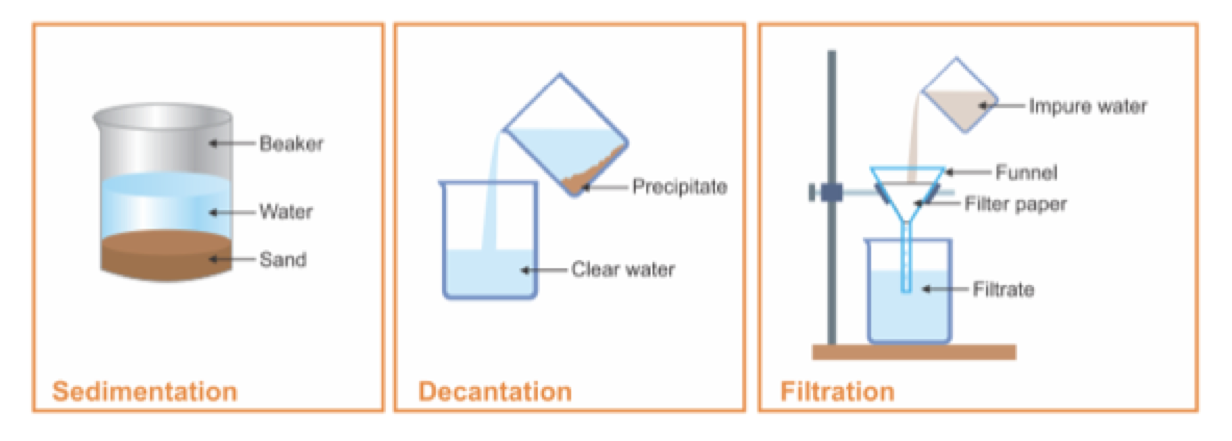
Mixtures can be separated into these components by using physical methods like, decantation, distillation, evaporation, crystallization, sublimation, and filtration
Introduction to Lab:

Physical separation is one method of determining whether a material is a mixture or a substance. There are two techniques of physical separation that will enable you to separate substances with different solubility. One is filtering which is an extremely useful laboratory procedure. The other involves evaporation; the solution is evaporated to dryness in an oven.

In order to perform a physical separation of the sand and salt mixture, you must find a solvent that will dissolve one substance but not the other. Normally you would consult a solubility table or a chemical handbook for this information, but from your own experience, you know that water dissolves salt but it does not dissolve sand. Therefore, water will be used to dissolve the salt and then filter paper and a funnel will physically separate the sand from the salt. Then the water will be evaporated from the salt-water mixture leaving the salt behind.

Magnetism is ideal for separating mixtures of two solids with one part having magnetic properties. Some metals like iron, nickel and cobalt have magnetic properties while gold, silver and aluminum do not. Magnetic elements are attracted to a magnet.

Separating funnel can be used to separate two liquids that do not dissolve very well in each other (immiscible liquids). This type of separation takes advantage of their unequal densities. A mixture of oil and water, for example, can be separated by this technique.
Objectives:

1. Using physical laboratory techniques of filtering, evaporating and magnetism, to separate a mixture

2. Calculate the percent error and determine sources of error in the experiment
Procedure:
1. Mass the vial containing sand, iron, and salt. Record mass in data table.
2. Mass a clean, dry, empty 150 mL beaker. Record mass in data table.
3. Mix the sand, iron and salt in a dry 150 ml beaker. Mass beaker containing sand, iron, and salt. Record mass on the data table.
4. Using the magnet separate the iron from the mixture. DO NOT REMOVE THE MAGNET FROM THE PLASTIC BAG! Mass and record the recovered iron.
5. Add 30 ml of water to the sand salt mixture. Swirl
6. Label and mass a piece of dry filter paper and then fold it as shown. Record data on data table.
7. Place the filter paper in a funnel, which is in a ring on a ring stand.
8. Label and mass a dry 250 ml beaker and then place under the funnel.
9. Carefully pour the sand salt mixture into the filter paper. Use the wash bottle to rinse the sand from the from the beaker
10. Rinse the sand in the filter paper with 3-4 ml of distilled water using the wash bottle to thoroughly rinse the salt water solution
11. Carefully remove the filter paper from the funnel and place it in the oven to dry. When dried, mass the filter paper and the sand. Describe the sand’s characteristics.
12. Using a hot plate, carefully evaporate the water from the salt water solution. When dried, mass the beaker with the salt crystals. Describe the salt’s characteristics.
Question 1
1.

Complete the Matter Flow Chart by filling in the missing terms.

Question 2
2.

Physical Methods for Separating Mixtures

Question 3
3.

Data and Calculations. Either fill out the table OR upload a picture of your lab table.

Analysis Questions: Answer in complete sentences and support your claims with evidence from the lab.
Question 4
4.

When we mixed the sand and salt with water, was this a chemical or physical change? Explain.

Question 5
5.

When we evaporated off the water, was this a physical or chemical change? Explain.

Question 6
6.

Calculate the percent sand out of the original total mass of the mixture. SHOW ALL WORK.

Question 7
7.

Calculate the percent iron out of the original total mass of the mixture. SHOW ALL WORK

Question 8
8.

Calculate the percent salt out of the original total mass of the mixture. SHOW ALL WORK

Question 9
9.

Calculate the total percent of all parts recovered. Does the total equal 100%?

What were some sources of experimental error? (If you specifically didn't have any error, focus on what would be sources of error for others.) Provide suggestions for improvement that are thoughtful and well written in two to four complete sentences.

Question 10
10.

State in your own words the Law of Conservation of Mass.